




Vietnam Marine Wildlife: The Best Islands to Explore
 Dan Vy
  3 min. to read
 Vietnam marine wildlife is one of Southeast Asia’s most underrated natural treasures. Stretching over 3,200 kilometers of coastline, Vietnam hosts coral reefs, seagrass meadows, migratory marine mammals, and hundreds of fish species—many of which remain largely untouched by mass tourism. Understanding where to go and what ecosystems exist is key to experiencing Vietnam responsibly.
This guide highlights the best islands to explore Vietnam’s marine life, with practical insights for nature-focused travelers.
Key Takeaways
- Vietnam marine wildlife is rich and diverse, featuring coral reefs, sea turtles, and migratory species across its vast coastline.
- Key ecosystems include coral reefs, seagrass meadows, and mangroves, each supporting different marine species.
- Con Dao Islands are recognized as a marine wildlife sanctuary, while Phu Quoc offers accessible snorkeling for beginners.
- Responsible tourism is essential to preserve these ecosystems, encouraging ethical travel practices and local community support.
- Planning visits between March and May enhances wildlife visibility and experience in Vietnam’s marine waters.
Overview of Vietnam Marine Wildlife
Vietnam’s coastal waters sit at the crossroads of tropical and subtropical marine zones. This unique position allows multiple ecosystems to coexist, supporting a wide range of marine species.
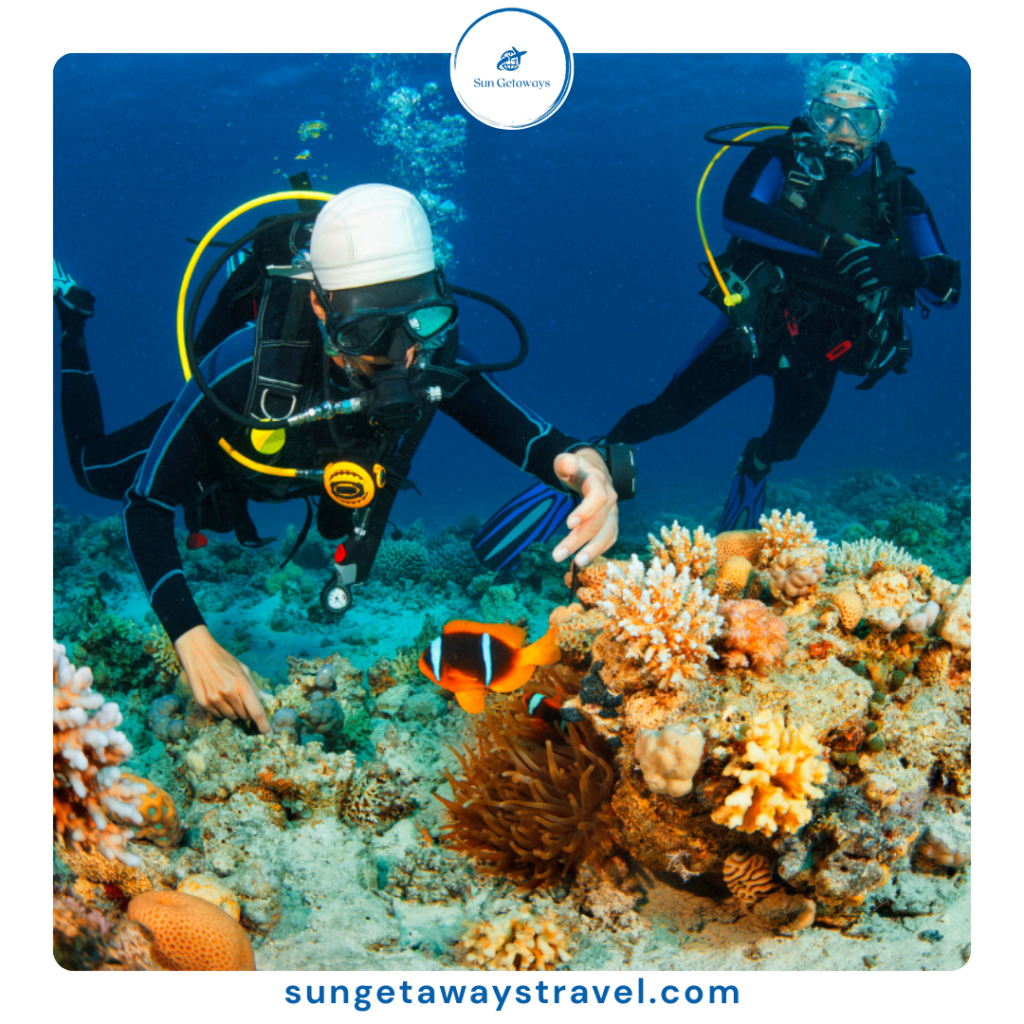
Vietnam marine wildlife includes coral reef fish, sea turtles, dolphins, dugongs, reef sharks, and seasonal whales. While not all species are visible year-round, the country’s marine biodiversity is among the richest in mainland Southeast Asia. Many travelers often combine these sightings with a Vietnam whale watching tour to witness the grandeur of these ocean giants.
Key factors shaping Vietnam marine wildlife:
- Warm tropical waters
- Seasonal monsoon-driven nutrient flows
- Extensive coral and seagrass systems
- Coastal fishing communities with deep ecological knowledge
Protecting the natural beauty of Vietnam and its marine ecosystem has become increasingly important as tourism and fishing pressure grow, making informed travel choices more critical than ever.
Vietnam Marine Ecosystem: What Makes It Unique
Before exploring specific islands, it helps to understand how the Vietnam marine ecosystem functions as a whole. Vietnam’s seas are not uniform; each region supports different marine habitats.
🌊 Core Marine Ecosystems in Vietnam
- Coral reefs: Found mainly around offshore islands
- Seagrass meadows: Crucial feeding grounds for dugongs and turtles
- Mangroves: Nursery zones for fish and crustaceans
- Open pelagic waters: Migration routes for whales and dolphins
These interconnected systems allow Vietnam marine wildlife to thrive—when human activity remains balanced.
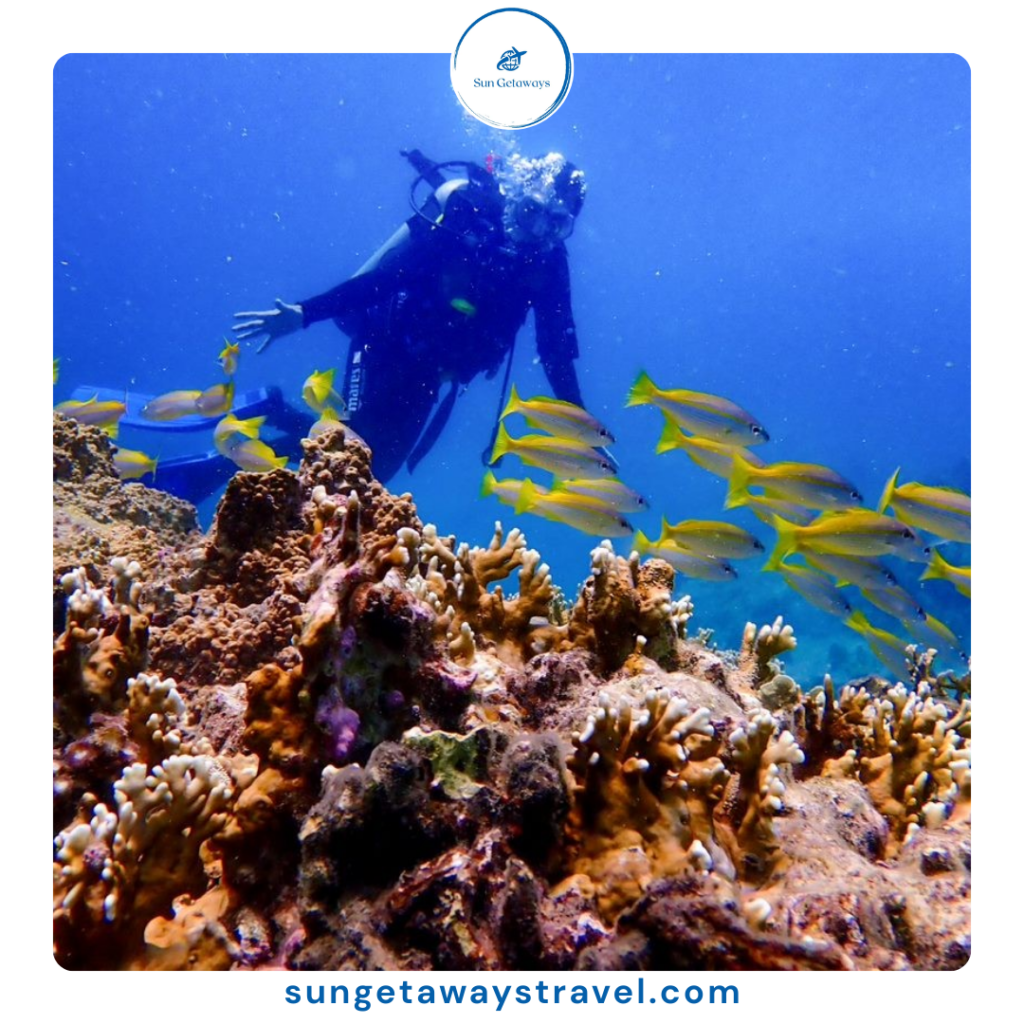
Con Dao Islands: Vietnam’s Marine Wildlife Sanctuary
Con Dao is widely regarded as the crown jewel of Vietnam marine wildlife. Located off the southern coast, this protected archipelago hosts one of the healthiest marine ecosystems in the country. To explore this area fully, you can explore Con Dao National Park, which covers both land and sea.
🐢 Why Con Dao Stands Out
- Largest marine national park in Vietnam
- Sea turtle nesting beaches (May–October)
- High coral diversity with minimal damage
Marine life commonly spotted includes reef fish, rays, sea turtles, and occasional dolphins. Strict conservation rules limit boat numbers and fishing activities, making Con Dao a model for sustainable tourism within the Vietnam marine ecosystem.
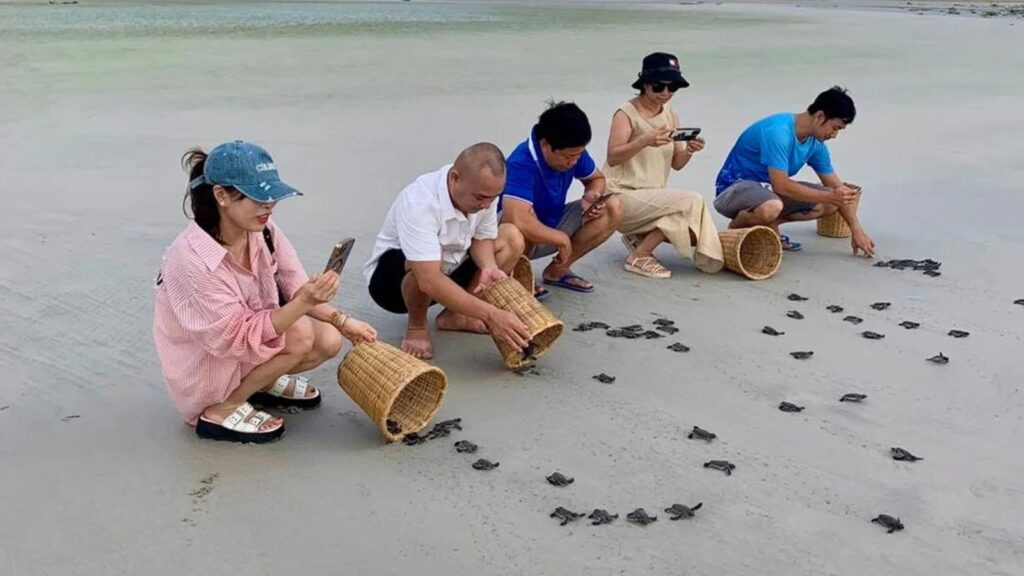
👉 For travelers seeking eco-conscious marine experiences, Sun Getaways Travel offers responsible island itineraries that prioritize wildlife protection and local conservation efforts.
Phu Quoc: Accessible Marine Biodiversity for Beginners
Phu Quoc tour is Vietnam’s most accessible island, making it a popular entry point for travelers interested in Vietnam marine wildlife without venturing too far off the grid. Visitors often relax at Phu Quoc beach between their underwater adventures.
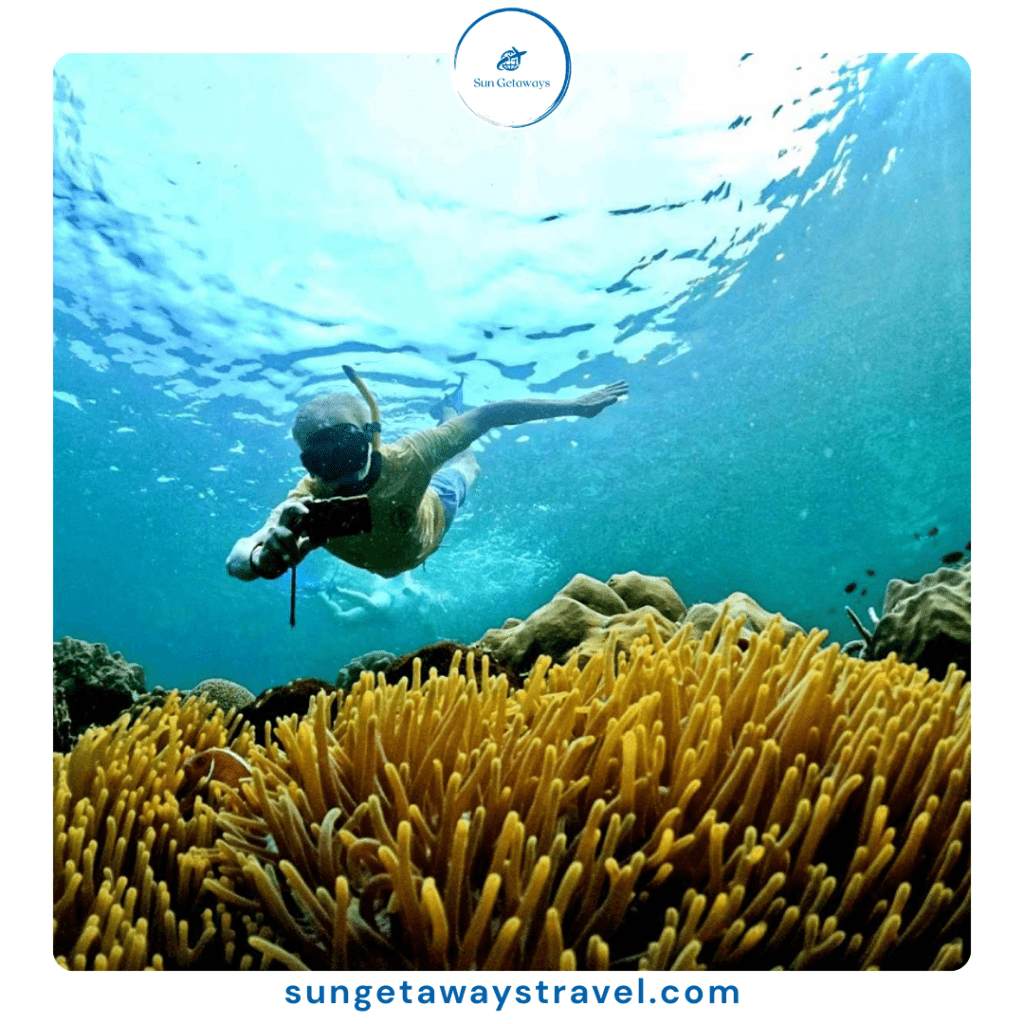
🐠 Marine Highlights
- Shallow coral reefs suitable for snorkeling
- Abundant reef fish and invertebrates
- Calm waters ideal for beginners
While parts of Phu Quoc suffer from over-tourism, the southern islands and protected zones still offer valuable insight into the Vietnam marine ecosystem—especially for first-time marine explorers.
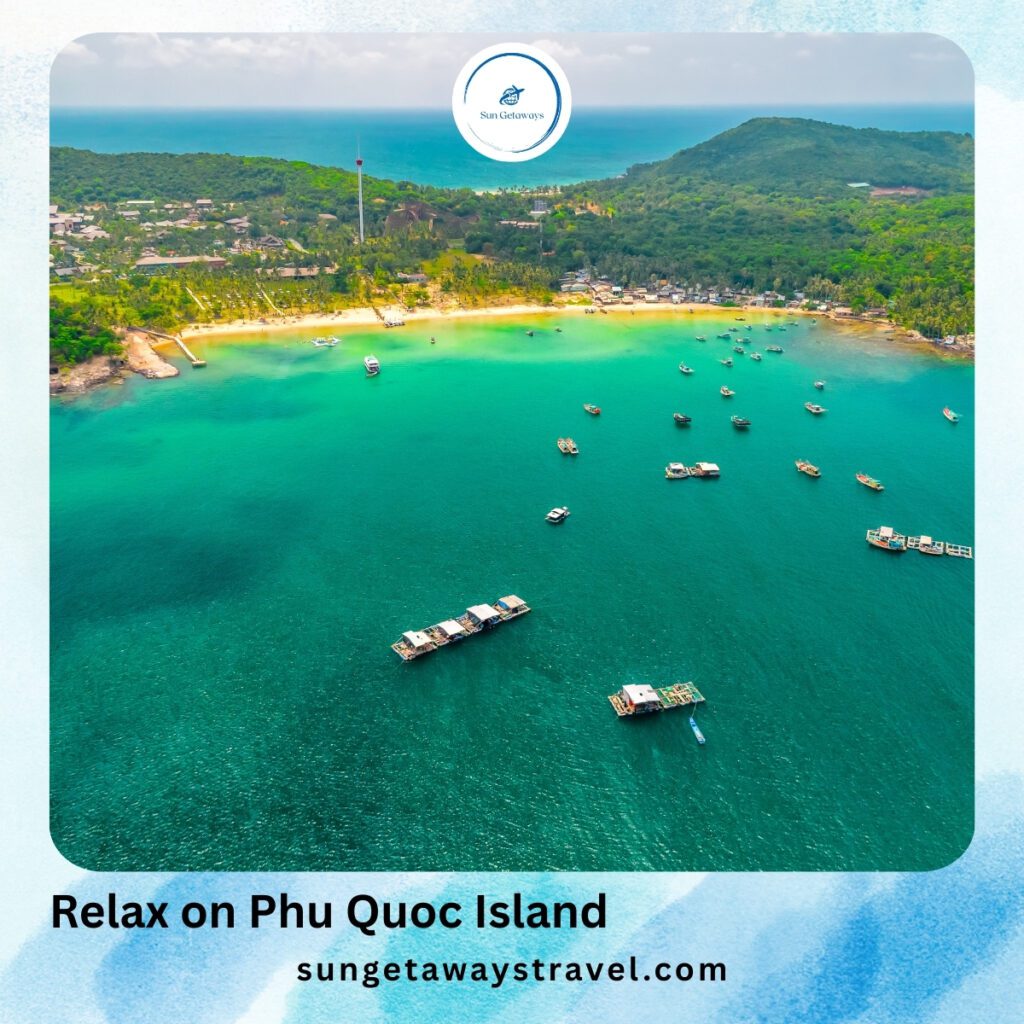
Responsible tour selection is essential here, as not all snorkeling operators follow reef-safe practices.
Ly Son Island: Volcanic Waters and Unique Marine Life
Ly Son, formed by ancient volcanic activity, offers a very different marine environment compared to southern islands. Its nutrient-rich waters support diverse marine species despite limited coral coverage.
🌋 What Makes Ly Son Different
- Volcanic seabed formations
- Strong currents supporting fish populations
- Traditional fishing culture deeply tied to marine cycles
Vietnam marine wildlife around Ly Son is best observed through local fishing tours and coastal exploration rather than classic snorkeling or diving. It is one of the top 5 beach islands for those seeking raw, geological beauty.

Nam Du Archipelago: A Rising Star for Marine Exploration
Located in the Gulf of Thailand, Nam Du remains relatively untouched and is increasingly recognized for its marine potential.
🐟 Why Nam Du Is Promising
- Clear waters and growing coral recovery
- Fewer tourists than Phu Quoc
- Healthy reef fish populations
Nam Du represents the future of sustainable marine tourism if managed carefully. Its fragile Vietnam marine ecosystem requires responsible travel to prevent the mistakes seen in more developed islands.
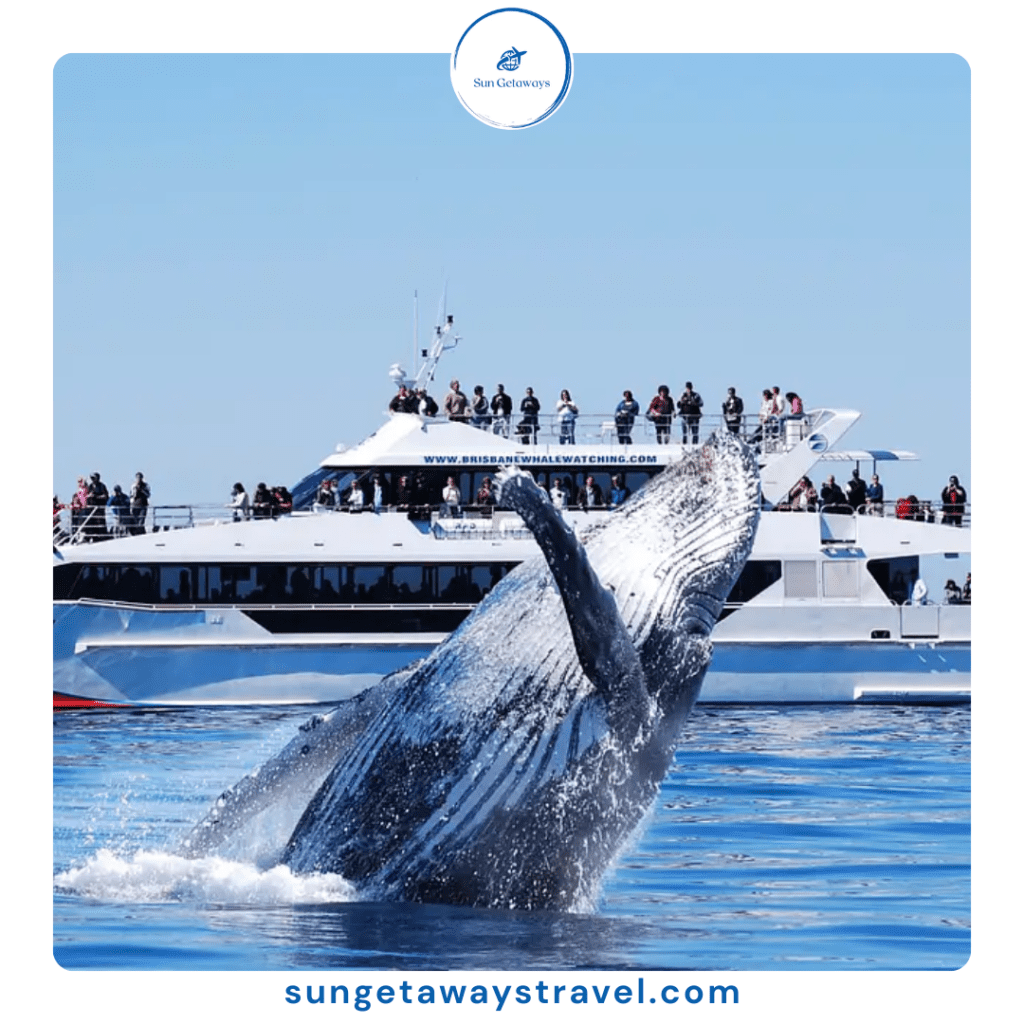
Whales, Dolphins, and Migratory Species in Vietnam Waters
Vietnam marine wildlife is not limited to reefs. Offshore and seasonal species add another layer of biodiversity.
🐋 Marine Mammals You May Encounter
- Bryde’s whales (central and southern waters)
- Dolphins (seasonal, coastal sightings often found via a Vietnam dolphin tour)
- Dugongs (rare, southern seagrass areas)
These species rely heavily on healthy marine ecosystems, making marine conservation directly tied to wildlife sightings.
Expert Insight: Emma on Vietnam’s Marine Tourism Future
“Vietnam has incredible marine biodiversity, but the future depends on how tourism develops now,” says Emma, a Vietnam travel consultant with 12 years of experience in designing and operating nature-based tours.
“When travelers choose responsible operators and lesser-known islands, they actively protect Vietnam marine wildlife rather than unintentionally harming it.”
Emma emphasizes that education-led travel is one of the strongest tools for preserving the Vietnam marine ecosystem.
Best Time to Explore Vietnam Marine Wildlife
Marine life visibility depends heavily on weather, water clarity, and migration cycles. Checking the best time to visit Vietnam month-by-month guide is essential for planning.
📅 Seasonal Overview
| Period | Marine Visibility | Recommendation |
|---|---|---|
| Dec – Feb | Moderate | Calm seas in south |
| Mar – May | High | Best overall |
| Jun – Aug | Variable | Central coast ideal |
| Sep – Nov | Low | Rough seas |
Planning trips around these windows improves both safety and wildlife encounters.
Practical Tips for Exploring Vietnam Marine Wildlife Responsibly
Exploring Vietnam marine wildlife is not just about choosing the right island—it’s also about how you experience it. Small decisions made by travelers can have a significant impact on fragile marine habitats within the Vietnam marine ecosystem.
Below are practical, experience-based tips to help you enjoy marine encounters while minimizing environmental impact.
🌊 On the Water
- Choose small-group or private tours to reduce noise and crowd pressure
- Avoid operators that chase marine animals or promise “guaranteed sightings”
- Keep a respectful distance from wildlife, especially turtles and dolphins
🪸 In the Water
- Never touch coral, even if it looks dead
- Maintain neutral buoyancy when snorkeling or diving
- Avoid standing on reefs or seagrass beds
🧴 What You Use Matters
- Use reef-safe sunscreen (chemical sunscreens damage coral)
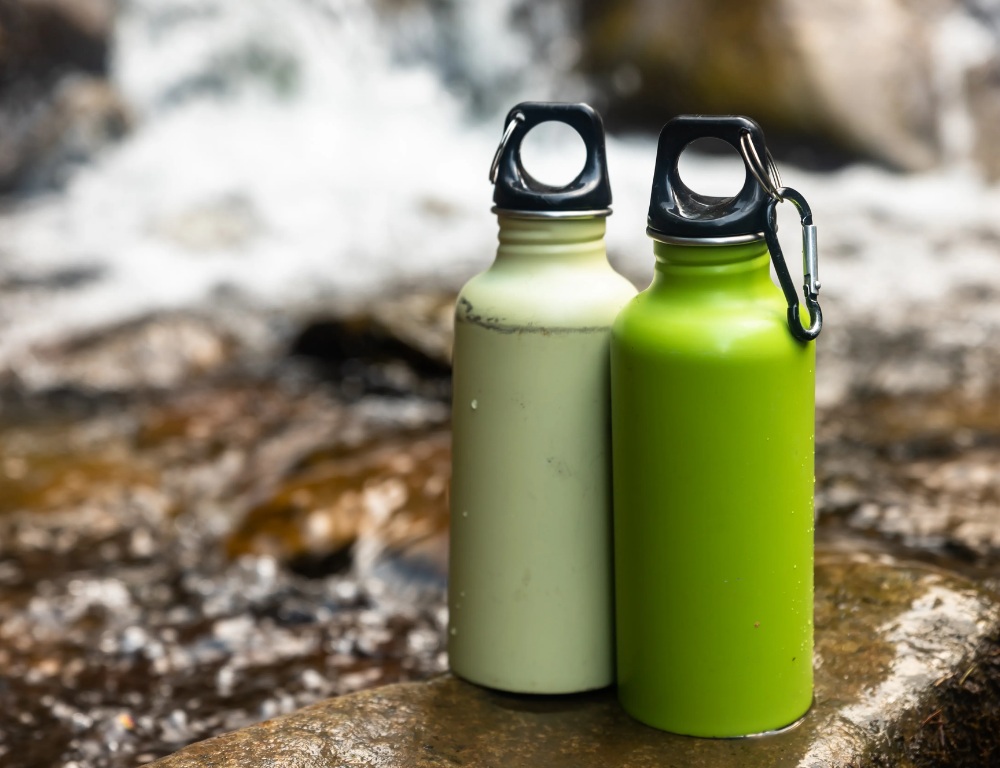
- Avoid single-use plastics when island hopping
- Bring reusable water bottles and dry bags
🐟 Supporting Local Communities
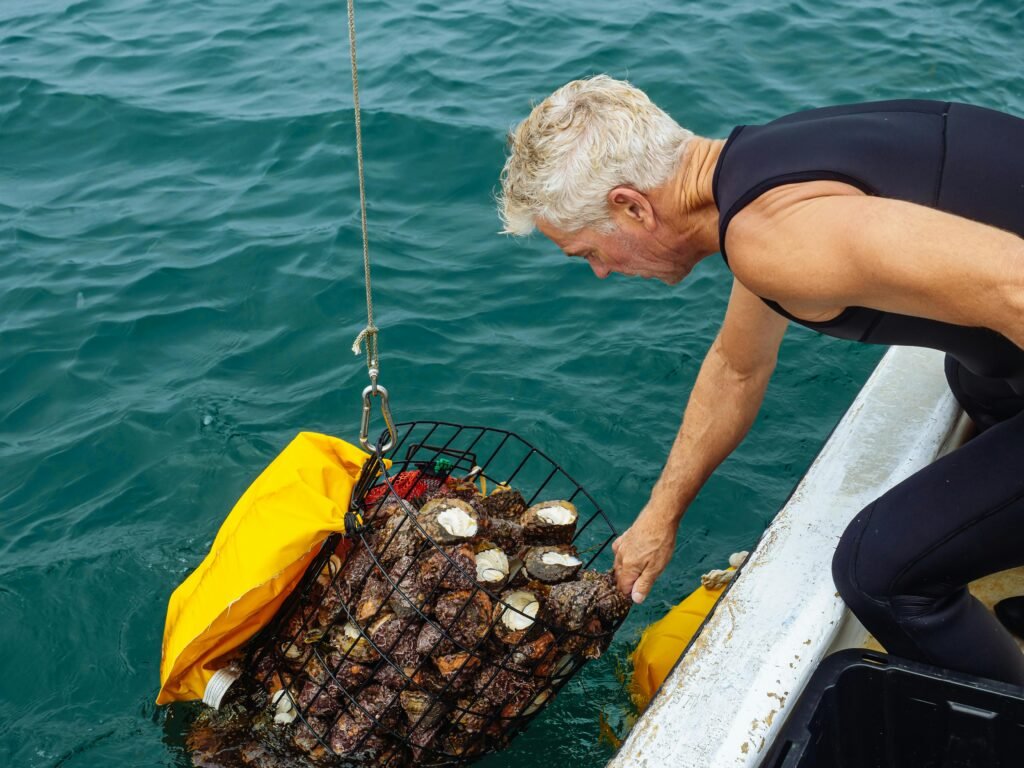
- Join tours led by local fishermen or conservation groups
- Eat seasonal seafood rather than endangered species
- Respect fishing villages and cultural practices
👉 If you’re unsure which experiences are truly responsible, Sun Getaways Travel can help match you with ethical operators that protect Vietnam marine wildlife while supporting local livelihoods. Contact us now for a free, tailor-made itinerary designed just for your dream getaway!
Vietnam Marine Wildlife Islands: Strengths, Trade-offs & What to Know
Each island offers a different perspective on Vietnam marine wildlife. Instead of comparing everything in one large table, the breakdown below highlights what each destination does best, its limitations, and who it’s most suitable for.
🏝 Con Dao Islands
Marine strengths
- Sea turtle nesting sites
- High coral diversity
- Strictly protected marine zones
Why travelers love it
- Strong conservation efforts
- Minimal mass tourism
- Excellent underwater visibility
Things to consider
- Higher travel costs
- Limited nightlife and shopping
Best for:
Wildlife-focused travelers and eco-tourism enthusiasts. Check our Con Dao beaches guide for more info.
🏝 Phu Quoc Island
Marine strengths
- Shallow coral reefs
- Abundant reef fish
- Calm waters for snorkeling
Why travelers love it
- Easy access via international airport
- Suitable for beginners
- Wide range of accommodations
Things to consider
- Over-tourism in central areas
- Coral damage in unmanaged zones
Best for:
First-time visitors who want a gentle introduction to the Vietnam marine ecosystem—especially when choosing responsible southern, island-based tours or a Vietnam beach vacation.
🏝 Ly Son Island
Marine strengths
- Nutrient-rich volcanic seabed
- Active fishing grounds
- Strong marine-food chain
Why travelers love it
- Unique geological setting
- Deep connection between locals and the sea
- Authentic fishing culture
Things to consider
- Limited coral snorkeling
- Fewer tourism facilities
Best for:
Cultural travelers interested in understanding marine life through fishing traditions rather than classic reef experiences.
🏝 Nam Du Archipelago
Marine strengths
- Recovering coral systems
- Clear waters
- Healthy reef fish populations
Why travelers love it
- Fewer tourists
- Raw island atmosphere
- Growing eco-tourism potential
Things to consider
- Basic infrastructure
- Ecosystem still fragile
Best for:
Responsible travelers seeking emerging destinations and willing to adapt their plans to protect the Vietnam marine ecosystem.

🌊 Southern Offshore Waters (Non-Island-Based)
Marine strengths
- Migratory whales
- Dolphins and pelagic species
Why travelers love it
- Rare marine mammal encounters
- Unique seasonal experiences
Things to consider
- Highly seasonal
- No guaranteed sightings
Best for:
Travelers with flexible schedules interested in large-scale Vietnam marine wildlife beyond reefs and islands.
🧭 How to Choose the Right Island for You
- Want strong conservation & biodiversity → Con Dao
- Want easy access & beginner-friendly waters → Phu Quoc
- Want culture + marine life → Ly Son
- Want low crowds & emerging ecosystems → Nam Du
- Want marine mammals → Southern offshore areas (seasonal)
👉 If you’re unsure which destination aligns best with your interests and travel style, we can help you choose islands and marine experiences that support Vietnam marine wildlife while matching your comfort level.
Connect with us to discover insider tips and hidden gems that you won’t find in any guidebook!
Is Vietnam a Good Destination for Marine Wildlife Lovers?
For travelers willing to look beyond mainstream routes, Vietnam offers extraordinary marine experiences. While not as globally famous as Indonesia or the Philippines, Vietnam’s marine ecosystem remains one of Asia’s most authentic and rapidly evolving.
With careful planning and ethical travel, Vietnam marine wildlife exploration can be both meaningful and impactful.
FAQs about Vietnam Marine Wildlife
1. What marine animals can be seen in Vietnam?
Coral fish, sea turtles, dolphins, dugongs, rays, and seasonal whales.
2. Which island is best for marine wildlife in Vietnam?
Con Dao offers the most protected and diverse marine ecosystem.
3. Is snorkeling or diving better in Vietnam?
Snorkeling is more accessible; diving quality varies by island.
4. When is the best time to explore Vietnam marine wildlife?
March to May offers the best overall conditions.
5. Are Vietnam’s marine ecosystems endangered?
Some areas are threatened, making responsible tourism essential.


Related Tour
6 Days Muslim Hanoi Sapa Trang An & Halong Bay


0 Reviews

13 Days Vietnam Beauty from North to South
19 Reviews

A Journey of a Lifetime: 12-Day Vietnam Beach Holiday
15 Reviews

Danang and Hoi An Discovery in 4 Days
35 Reviews

Ask a question
Leave a Comment (0)
No questions yet. Be the first to ask a question!
See related Posted
Luxury Golf Resorts in Vietnam – Elite Golf Travelers

Vietnam is increasingly recognized as a premier golf destination in Asia, therefore luxury golf…
Macrame in Vietnam: The Revival of Knot Art in Contemporary Craft Culture

Macrame in Vietnam reflects the country’s growing engagement with contemporary handmade culture, where global…
Vietnamese Musical Instrument Craft: Traditional Instrument Making in Vietnam

Vietnamese musical instrument craft reflects a long-standing relationship between sound, material, and cultural memory.…
Traditional Vietnamese Kite Art: History, Craftsmanship, and Cultural Meaning

Traditional Vietnamese kite art is a living expression of folk creativity, community values, and…
Vietnamese Folk Masks: Tradition, Symbolism & Cultural Meaning

Vietnamese folk masks are a distinctive form of traditional art that reflects the spiritual…
Vietnamese Embroidery Art: Traditional Craftsmanship & Cultural Meaning

Vietnamese embroidery art is a refined traditional craft that reflects patience, cultural memory, and…