



Mother Goddess Worship in Vietnam: A Complete Guide to Vietnamese Dao Mau Belief
 PhamDuong
  3 min. to read
 Are you curious about the spiritual heart of Vietnam beyond temples and pagodas? Mother Goddess Worship in Vietnam, also known as Vietnamese Dao Mau, is one of the country’s most unique living belief systems—deeply emotional, colorful, and still actively practiced today.
This guide will help you understand the origins, rituals, and best places to experience Dao Mau as a traveler, while revealing why this tradition is considered the soul of Vietnamese folk spirituality.
Key Takeaways
- Mother Goddess Worship in Vietnam, or Vietnamese Dao Mau, honors powerful female deities and reflects ancient agricultural beliefs.
- This living tradition includes rituals that celebrate motherhood, fertility, and harmony between humans and nature.
- Recognized by UNESCO, Dao Mau offers emotional healing and community bonding through collective ceremonies.
- Visitors can experience Dao Mau by attending ceremonies, observing rituals, and engaging with local culture in places like Hanoi and Nam Dinh.
- The Len Dong ritual showcases spiritual possession and is a central expression of Mother Goddess Worship in Vietnam, emphasizing its cultural significance.
1. What Is Mother Goddess Worship in Vietnam?
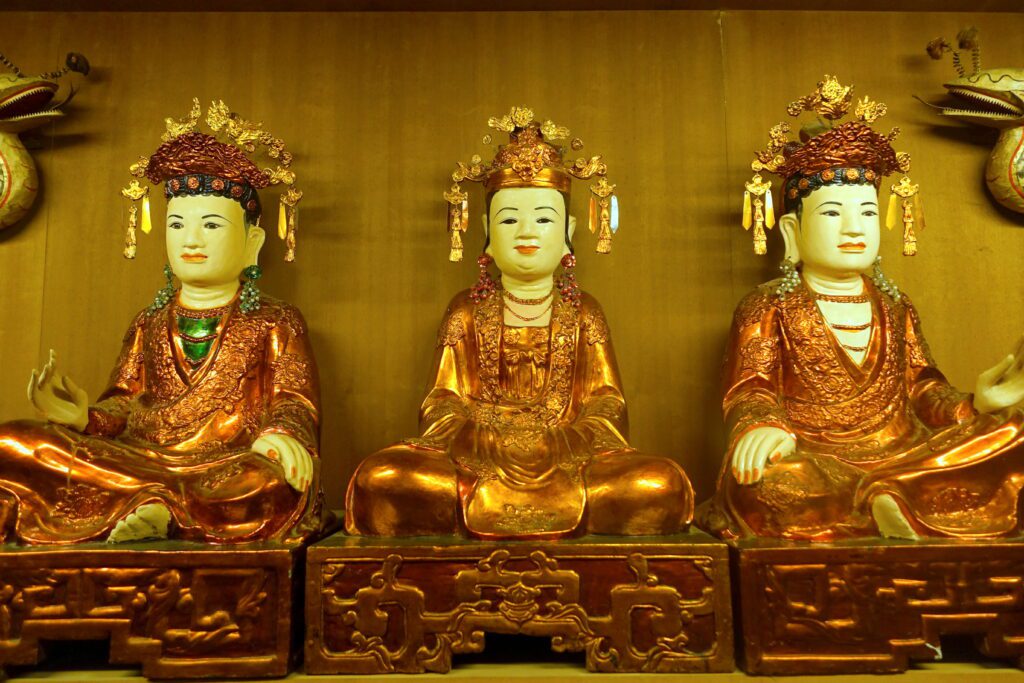
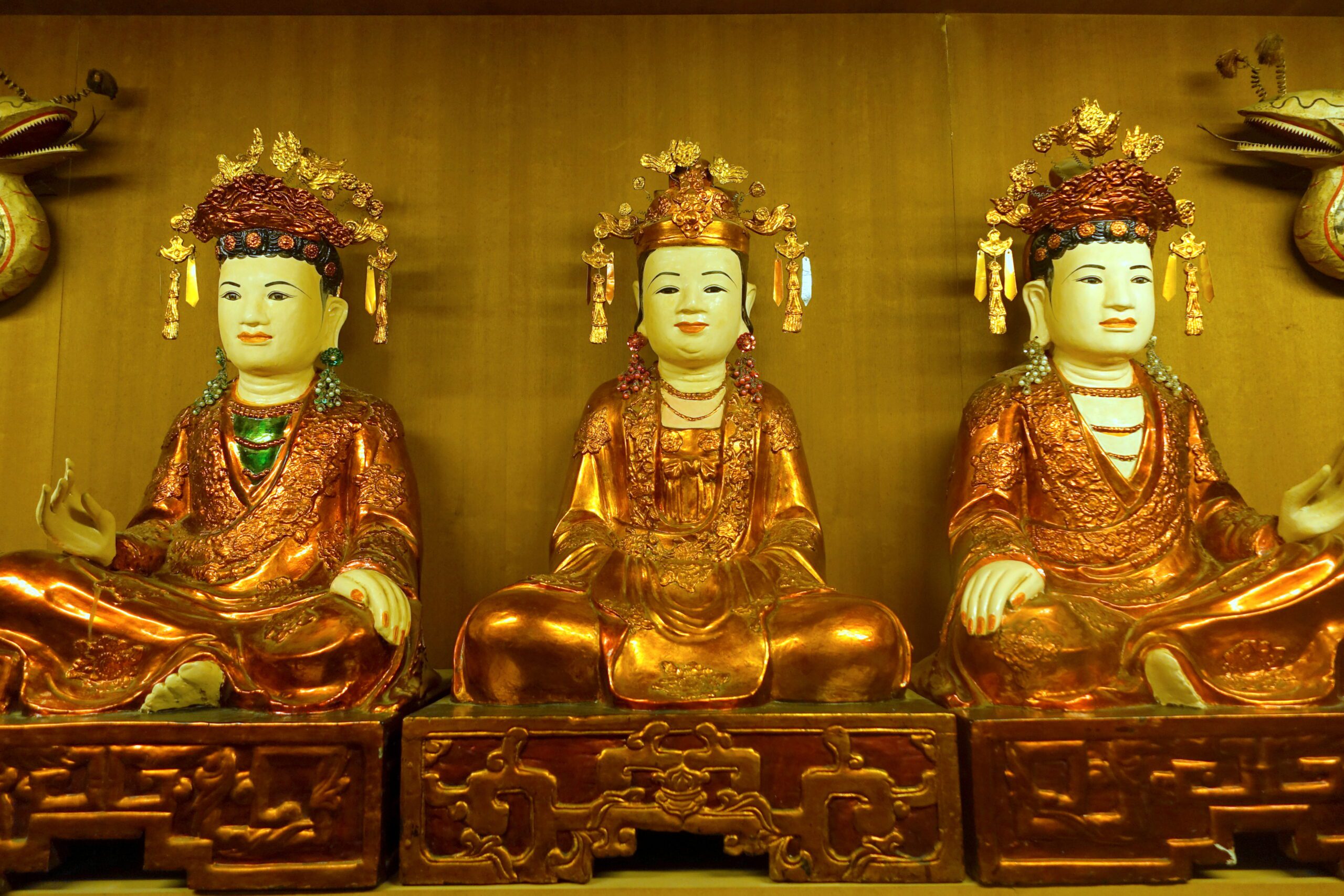
Mother Goddess Worship in Vietnam is a traditional folk belief that honors powerful female deities who protect humanity and govern the natural world. Unlike organized religions, Vietnamese Dao Mau evolved organically from local communities and daily life.
At its core, Dao Mau celebrates:
- Motherhood
- Fertility
- Protection
- Prosperity
- Harmony between humans and nature
Rather than seeking salvation in the afterlife, practitioners pray for health, fortune, emotional balance, and success in this world.
Today, Dao Mau is still actively practiced across Vietnam. Shrines are full of fresh flowers, incense smoke, music, and worshippers seeking blessings for business, family, and personal well-being. In 2016, UNESCO officially recognized Mother Goddess Worship in Vietnam as an Intangible Cultural Heritage of Humanity, confirming its global cultural value.
2. The Origins of Vietnamese Dao Mau
Vietnamese Dao Mau dates back thousands of years, long before Confucianism, Buddhism, or Taoism arrived in Vietnam. It reflects the ancient agricultural worldview of wet-rice civilizations, where nature and women were seen as life-givers.
2.1. Historical Influences
Mother Goddess Worship in Vietnam was shaped by Vietnam’s social structure, natural environment, and historical experience.
- Cultural resilience: During long periods of foreign domination, Dao Mau helped preserve indigenous identity. While absorbing elements of Buddhism and Taoism, it retained a distinctly Vietnamese spirit rooted in local beliefs.
- Matriarchal traditions: In early Vietnamese society, women held an important position in family life and agricultural production. This social reality formed the foundation for revering feminine power in Vietnamese Dao Mau.
- Nature worship: As an agrarian civilization, Vietnamese people depended on mountains, forests, rivers, and seas. These natural forces were spiritualized into Mother Goddesses governing Heaven, Water, Earth, and Forests.
2.2. The Mother Goddess as a Cultural Symbol
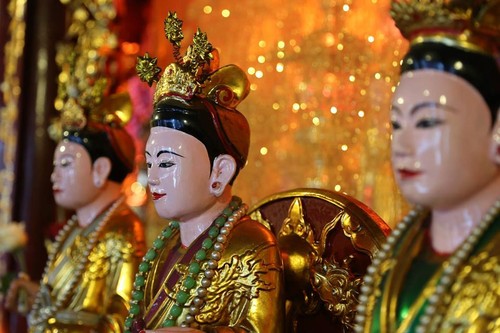
In Vietnamese culture, the Mother Goddess represents more than religious devotion; she embodies collective values and historical memory.
- Living symbolism: Through Vietnamese Dao Mau, the Mother Goddess continues to symbolize resilience, care, and balance in both traditional and modern Vietnamese life.
- Women as protectors: Vietnamese history recognizes women as mothers, warriors, and community leaders. This reality is reflected in the powerful feminine deities of Mother Goddess Worship in Vietnam.
- Emotional closeness: Unlike distant religious figures, the Mother Goddess is believed to understand human suffering and respond to personal prayers.
3. Why Mother Goddess Worship Matters to Vietnamese People
To understand Vietnam emotionally not just historically, you must understand Mother Goddess Worship in Vietnam.
3.1 A Source of Emotional Healing
Many people turn to Vietnamese Dao Mau during difficult periods of life, seeking comfort and spiritual support.
- Individuals often pray during times of illness, personal loss, financial hardship, or emotional uncertainty.
- Rituals allow worshippers to express fear, hope, and gratitude through music, offerings, and prayer.
- Mother Goddess Worship in Vietnam is believed to provide emotional release, inner balance, and reassurance, helping people regain confidence and peace of mind.
3.2 Community and Belonging
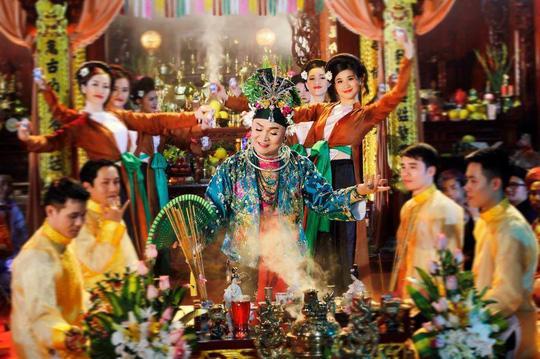
Dao Mau ceremonies are collective experiences that strengthen social connections.
- Families, neighbors, and followers gather together at temples and shrines.
- Shared rituals reinforce mutual support and trust within the community.
- These communal gatherings help preserve traditions and pass down values associated with Vietnamese Dao Mau across generations.
3.3 Cultural Identity and Pride
For many Vietnamese people, especially in Northern Vietnam, Mother Goddess Worship in Vietnam represents cultural continuity and national identity.
- Dao Mau is an indigenous belief system that developed locally rather than being imported from abroad.
- It has survived centuries of historical change while maintaining its core values.
- Practicing Vietnamese Dao Mau allows communities to express pride in a spiritual tradition that reflects resilience and cultural independence.
“Dao Mau is not superstition. It is a cultural language through which Vietnamese people express gratitude, fear, hope, and love.” – Mrs. Emma Nguyen – Tour Operator Manager with over 12 years of experience at Sun Getaways Travel
4. Core Beliefs and the Pantheon of Dao Mau
Vietnamese Dao Mau worship is structured around the Four Palaces (Tứ Phủ), each representing a realm of the universe.
4.1 The Four Mother Goddesses
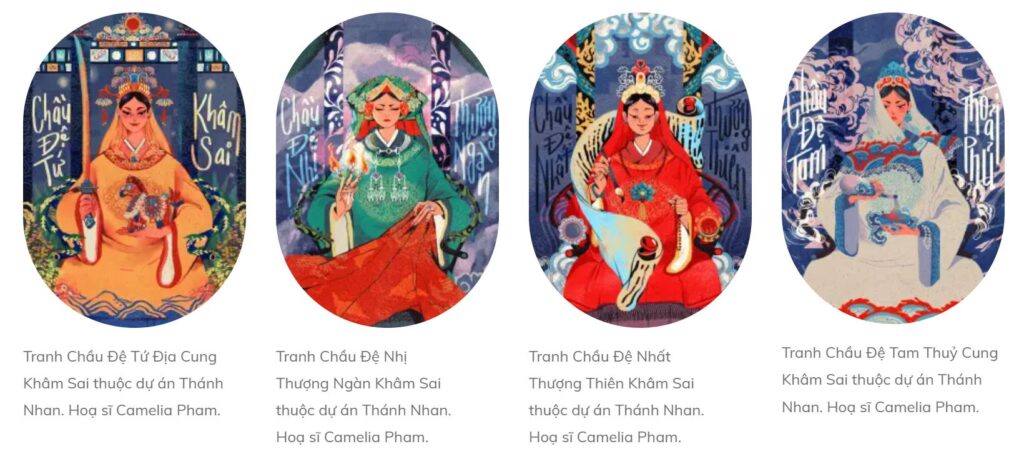
At the highest level of Mother Goddess Worship in Vietnam are the Four Mother Goddesses, each ruling one palace and overseeing both natural forces and human affairs.
- Mother Goddess of Heaven (Thiên Phủ):
- Governs destiny, fortune, and spiritual blessings.
- Worshippers often pray to her for guidance, success, and favorable outcomes in life.
- Mother Goddess of Mountains and Forests (Nhạc Phủ):
- Represents protection, physical health, and safety.
- Closely associated with healing and protection from misfortune.
- Mother Goddess of Water (Thoải Phủ):
- Rules wealth, travel, trade, and movement.
- Particularly popular among merchants, fishermen, and travelers.
- Mother Goddess of Earth (Địa Phủ):
- Symbolizes fertility, stability, and family prosperity.
- Often associated with agriculture, childbirth, and long-term well-being.
Each Mother Goddess presides over a spiritual court that includes saints, princes, princesses, and mandarins, creating a complex hierarchy that mirrors traditional Vietnamese society.
4.2 Balance Between Worlds
A fundamental teaching of Vietnamese Dao Mau is the pursuit of balance between different forces of existence.
- Masculine and feminine: Dao Mau elevates feminine power while maintaining harmony with masculine energy.
- Human and spiritual: The belief system emphasizes continuous interaction between people and the spirit world.
- Nature and society: Humans are encouraged to live in respect and balance with natural forces rather than dominate them.
This concept of harmony lies at the heart of the Vietnamese worldview and shapes everyday attitudes toward life, family, and community.
If you are interested in understanding the broader cultural context behind Vietnam’s creative heritage, start with an overview of 👉 Vietnamese traditional arts to explore key traditional art forms in Vietnam, from folk practices to court-influenced traditions.
5. The Sacred Len Dong Ritual Explained
The most iconic expression of Mother Goddess Worship in Vietnam is Len Dong, often misunderstood as mere performance.
5.1 What Is Len Dong?
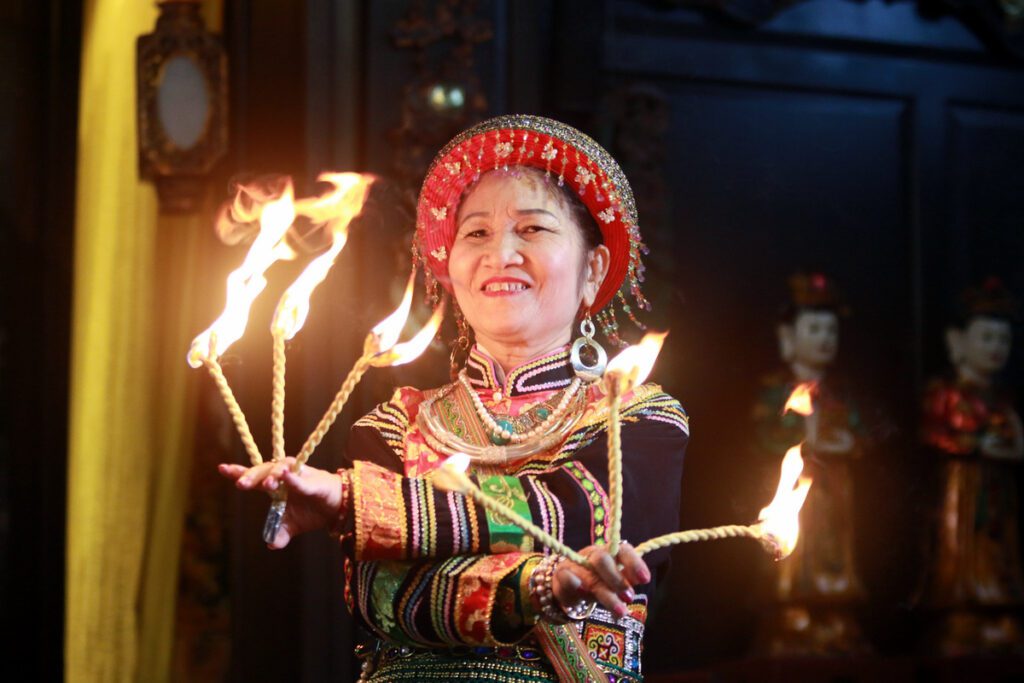
Len Dong is a spirit possession ritual in which a medium—most often a woman—temporarily becomes the vessel for different deities within the Dao Mau pantheon.
During a Len Dong ceremony:
- The medium changes into multiple elaborate costumes, each representing a specific deity.
- Traditional Chầu Văn music is performed live to invite and honor the spirits.
- Each deity’s appearance is believed to bring distinct blessings, such as health, wealth, protection, or success.
5.2 Symbolism and Meaning
Every element of the Len Dong ritual carries symbolic meaning and spiritual intention.
- Costume colors indicate the palace and power of the descending deity.
- Gestures and movements reflect the personality and role of each spirit.
- Worshippers offer money, fruits, flowers, and symbolic items in exchange for blessings and good fortune.
These actions transform the ritual into a meaningful dialogue between humans and the spiritual world.
5.3 Is It a Performance?
Although Len Dong is visually captivating, it is not meant as entertainment.
- The ritual is considered sacred by practitioners and requires respectful behavior.
- Photography and filming may be allowed, but only with prior permission.
- Visitors are encouraged to observe quietly and treat the ceremony as a spiritual event rather than a cultural show.
To better understand how Vietnamese spirituality is woven into everyday family life, the Kitchen Gods Ceremony offers a meaningful cultural lens.
6. How to Experience Mother Goddess Worship as a Visitor
Foreign visitors are welcome at most Dao Mau ceremonies if they approach with sincerity.
6.1 Visit a Temple or Shrine
Temples and shrines dedicated to Vietnamese Dao Mau regularly host ceremonies throughout the lunar calendar.
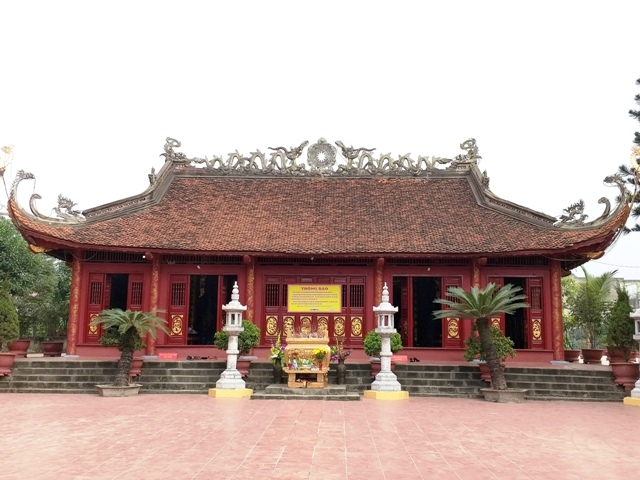
Popular occasions include:
- Full moon days, when worshippers gather to pray for balance and protection.
- Lunar festivals, especially during the spring season when spiritual activities are most active.
- Special saint anniversaries, honoring key figures within the Dao Mau pantheon.
To ensure a respectful visit:
- Arrive early to avoid disturbing ongoing rituals.
- Dress modestly, covering shoulders and knees.
- Observe quietly and follow the behavior of local worshippers.
6.2 Attend a Len Dong Ceremony
Attending a Len Dong ceremony offers one of the most immersive ways to experience Mother Goddess Worship in Vietnam.
As a visitor, you may:
- Sit among worshippers and observe the ritual closely.
- Watch the interaction between the medium, musicians, and followers.
- Receive symbolic blessings, such as small gifts or gestures, if offered.
It is important to:
- Avoid interrupting the ceremony in any way.
- Refrain from treating the ritual as a performance or tourist attraction.
- Ask for permission before taking photos or videos.
6.3 Go with a Cultural Guide
Joining a knowledgeable cultural guide can greatly enrich your understanding of Vietnamese Dao Mau.
A guide can help explain:
- The symbolism behind costumes, colors, and offerings.
- Proper etiquette when attending temples or ceremonies.
- The deeper meanings of each ritual and its role in Vietnamese culture.
This option is especially helpful for first-time visitors who want context beyond surface-level observation.
👉 Learn more about Vietnamese New Year rituals and the role of Vietnamese paper offerings in traditional spiritual practices.
7. Best Places to Explore Vietnamese Dao Mau
Different regions of Vietnam offer distinct experiences of Mother Goddess Worship in Vietnam, shaped by local history and traditions.
7.1 Hanoi: The Spiritual Center
Hanoi is the most accessible and vibrant destination for exploring Vietnamese Dao Mau, making it ideal for first-time visitors.
- The city hosts numerous temples and shrines dedicated to the Mother Goddesses.
- Ceremonies take place throughout the year, especially during the lunar calendar.
- Visitors can easily combine cultural exploration with guided tours and local experiences.
For travelers interested in witnessing how belief, history, and landscape intersect, the 5-Days Guided Tour of Northern Vietnam: Explore Hanoi and Halong Bay offers a meaningful way to experience these cultural layers firsthand, combining sacred spaces, historical sites, and natural heritage within a guided cultural journey.
7.2 Nam Dinh & Phu Day: The Sacred Homeland
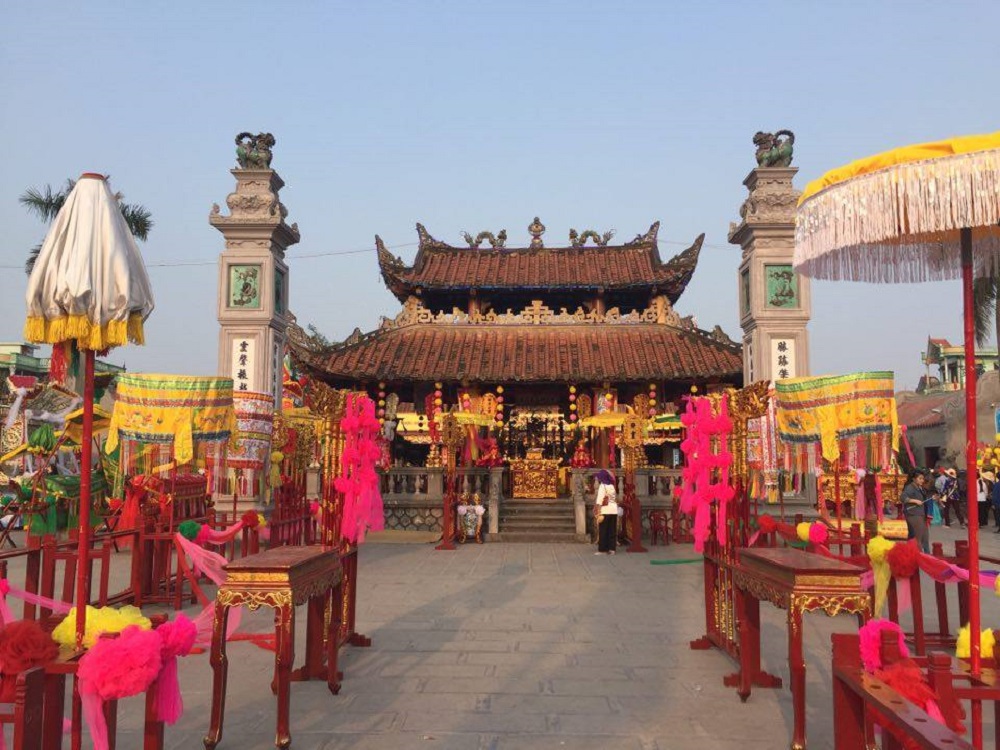
Phu Day, located in Nam Dinh Province, is widely regarded as the spiritual heartland of Mother Goddess Worship in Vietnam.
- It is closely associated with the worship of Mother Goddess Lieu Hanh, one of the most revered figures in Dao Mau.
- Large-scale festivals and ceremonies are held annually, attracting pilgrims from across the country.
- The atmosphere here is deeply spiritual and less influenced by urban tourism.
7.3 Hai Phong & Northern Villages
Hai Phong and surrounding northern villages offer a more traditional and less commercialized experience of Vietnamese Dao Mau.
- Rituals here often follow older practices passed down within local communities.
- Ceremonies tend to be more intimate and closely tied to village life.
- These areas are ideal for travelers seeking an authentic and quieter encounter with Dao Mau traditions.
👉 Need quick advice or want to talk directly with our team? Contact us via WhatsApp for fast support and personal recommendations.
8. Practical Travel Tips & Cost Overview
| Item | Average Cost (USD) | Notes |
|---|---|---|
| Temple Offerings | $5 – $20 | Flowers, incense, symbolic money |
| Guided Cultural Tour | $60 – $120 | Highly recommended |
| Accommodation | $40 – $100 | Book early during festivals |
| Transport | $10 – $30 | Local travel between sites |
Cultural Etiquette
- Dress modestly
- Ask before filming
- Never mock or interrupt rituals
9. Frequently Asked Questions
No. It is a folk belief system deeply rooted in Vietnamese culture.
You can observe and receive blessings, but becoming a medium requires spiritual initiation.
Yes. It is thriving, especially in Northern Vietnam.
Absolutely, as long as you behave respectfully.
Spring festivals (February–April) offer the most ceremonies.
10. Conclusion
Mother Goddess Worship in Vietnam is not just a belief—it is a living emotional universe where music, ritual, and spirituality merge. Through Vietnamese Dao Mau, travelers gain rare access to the inner life of Vietnamese culture, far beyond guidebooks and monuments. If you seek a deeper, more meaningful cultural journey, Dao Mau offers an unforgettable spiritual lens into Vietnam’s soul.
👉 If you’re looking for ready-made itineraries and inspiring travel ideas, explore our full collection of
Vietnam tours designed around culture, nature, and authentic local experiences.


Related Tour

Travel eSIM: 3GB/Day – 7 Days


25 Reviews
7 Days Northern Vietnam Tour: Hanoi, Halong, Sapa
23 Reviews
Hoi An Sunrise Fish Market Tour
0 Reviews

Private Vietnam Luxury Tour 12 Days
25 Reviews
Ask a question
Leave a Comment (0)
No questions yet. Be the first to ask a question!
See related Posted
Luxury Golf Resorts in Vietnam – Elite Golf Travelers

Vietnam is increasingly recognized as a premier golf destination in Asia, therefore luxury golf…
Macrame in Vietnam: The Revival of Knot Art in Contemporary Craft Culture

Macrame in Vietnam reflects the country’s growing engagement with contemporary handmade culture, where global…
Vietnamese Musical Instrument Craft: Traditional Instrument Making in Vietnam

Vietnamese musical instrument craft reflects a long-standing relationship between sound, material, and cultural memory.…
Traditional Vietnamese Kite Art: History, Craftsmanship, and Cultural Meaning

Traditional Vietnamese kite art is a living expression of folk creativity, community values, and…
Vietnamese Folk Masks: Tradition, Symbolism & Cultural Meaning

Vietnamese folk masks are a distinctive form of traditional art that reflects the spiritual…
Vietnamese Embroidery Art: Traditional Craftsmanship & Cultural Meaning

Vietnamese embroidery art is a refined traditional craft that reflects patience, cultural memory, and…