



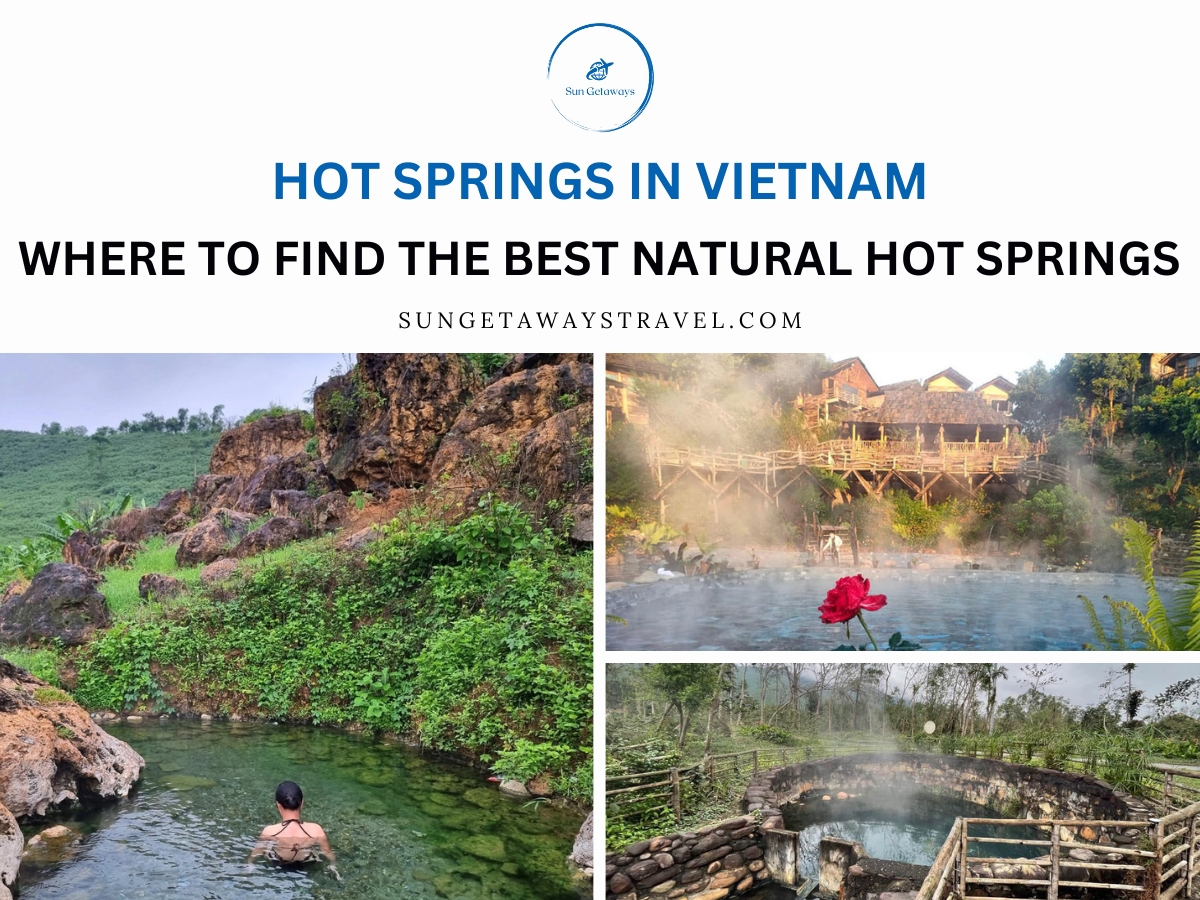
Hot Springs in Vietnam: Where to Find the Best Natural Hot Springs Vietnam Has to Offer
 PhamDuong
  3 min. to read
 Vietnam is widely known for beaches and mountains, yet fewer travelers realize the country is also rich in geothermal activity. From remote highland valleys to central volcanic zones, hot springs in Vietnam provide a peaceful way to relax while staying close to nature. This guide explores where to find the best natural hot springs Vietnam offers, what makes them special, and how to plan your visit responsibly.
Key Takeaways
- Hot springs in Vietnam offer a unique blend of relaxation and connection to nature, often found in serene locations.
- These natural hot springs contain beneficial minerals and provide health benefits like stress relief and muscle relaxation.
- Travelers can explore various hot spring regions, including Northern Vietnam, Central Vietnam, and the Central Highlands.
- Visitors can choose between developed hot springs with amenities and natural springs that connect them to the local environment.
- The best time to visit is from November to March, enhancing the soaking experience amidst Vietnam’s beautiful landscapes.
1. Why Hot Springs in Vietnam Are Worth Exploring
Hot springs in Vietnam are closely connected to the country’s geology and natural landscapes. Because many springs are located near forests, reserves, or rural communities, visiting them often feels like part of a broader nature experience rather than a standalone attraction.
Moreover, unlike crowded wellness destinations elsewhere in Asia, Vietnam’s hot springs remain relatively quiet. As a result, they are ideal for travelers seeking calm, reflection, and authentic surroundings. Many of these sites are also located near protected areas, similar in spirit to Vietnam’s wildlife sanctuaries, where conservation and low-impact tourism are prioritized.
2. Health Benefits of Natural Hot Springs Vietnam Travelers Seek
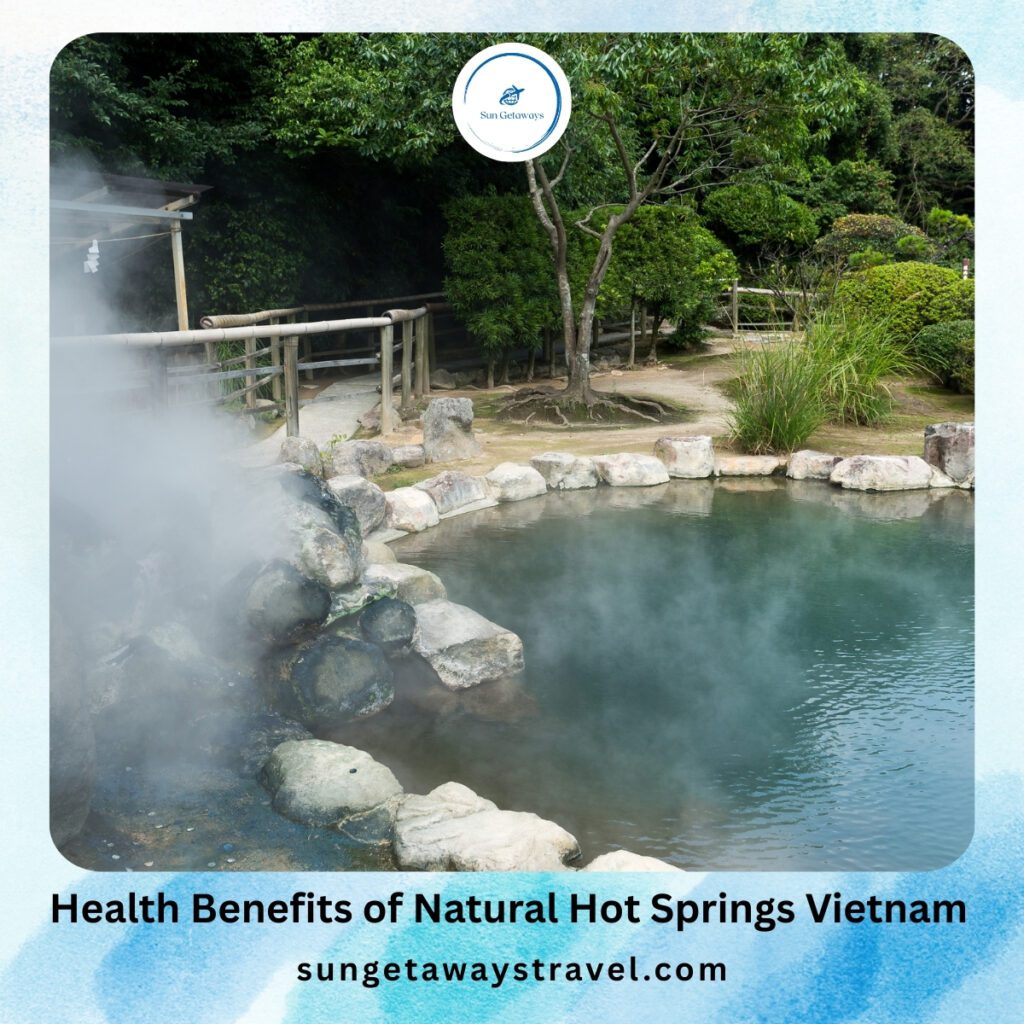
Natural hot springs Vietnam is known for often contain minerals such as sulfur, magnesium, and silica. Traditionally, these minerals are believed to support physical and mental well-being.
Commonly associated benefits include:
- Muscle relaxation after long travel days
- Improved circulation and reduced fatigue
- Stress relief through warm-water immersion
- Skin support due to mineral content
Although results vary by individual, many travelers include hot springs as part of a wellness-focused journey.
If you need help planning a hot springs stop in Vietnam, feel free to reach out via WhatsApp.
3. Where to Find the Best Natural Hot Springs Vietnam Offers
Vietnam is home to numerous natural hot springs, each offering unique landscapes and therapeutic benefits. To help you plan your trip, here’s a guide to the best hot springs, starting with the serene and rejuvenating options in northern Vietnam.
3.1 Northern Vietnam Hot Springs
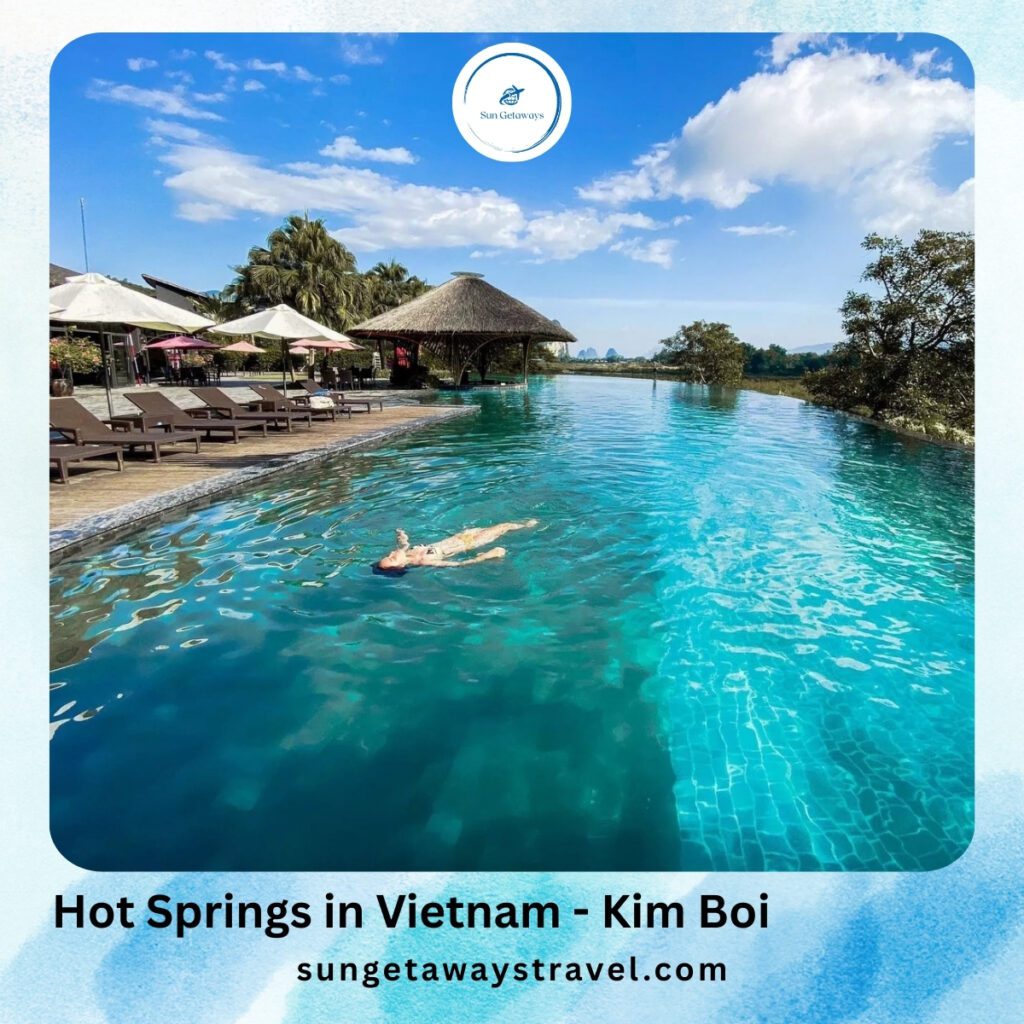
Northern Vietnam is one of the best regions for hot springs, especially during cooler months. The combination of mountains, ethnic villages, and geothermal activity creates a rewarding experience.
Popular northern hot spring areas include:
- Kim Boi (Hoa Binh Province)
- My Lam (Tuyen Quang)
- Ban Khoang near Sapa
Because these locations are close to trekking regions like Hoang Su Phi, many travelers combine hiking with hot spring relaxation.
3.2 Central Vietnam Hot Springs
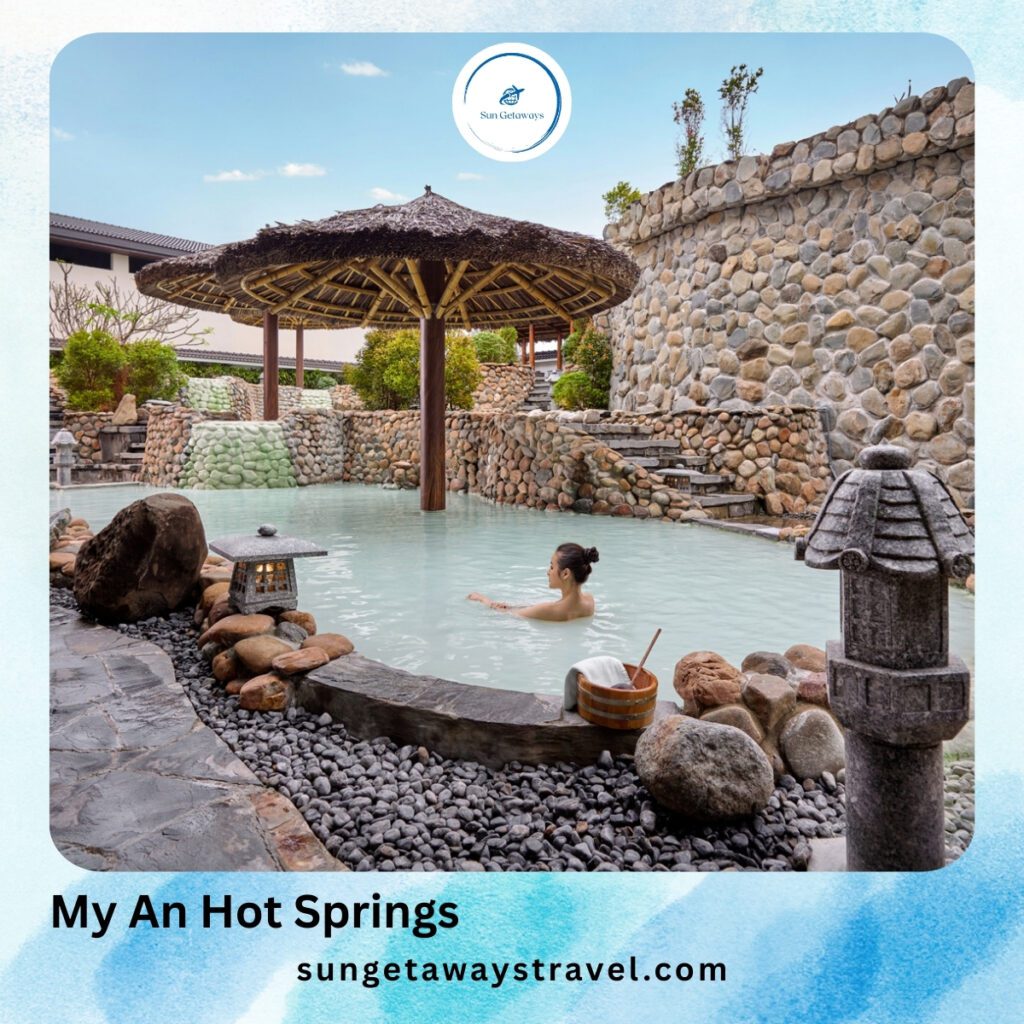
Central Vietnam features ancient volcanic zones that produce high-temperature mineral springs. Some have been developed into eco-resorts, while others remain closer to their natural state.
Notable areas include:
- Thanh Tan Hot Springs (near Hue)
- My An Hot Springs (Thua Thien Hue)
- Lesser-known springs near Phong Dien
These destinations work well for travelers interested in both wellness and protected forest landscapes.
3.3 Central Highlands & Southern Vietnam
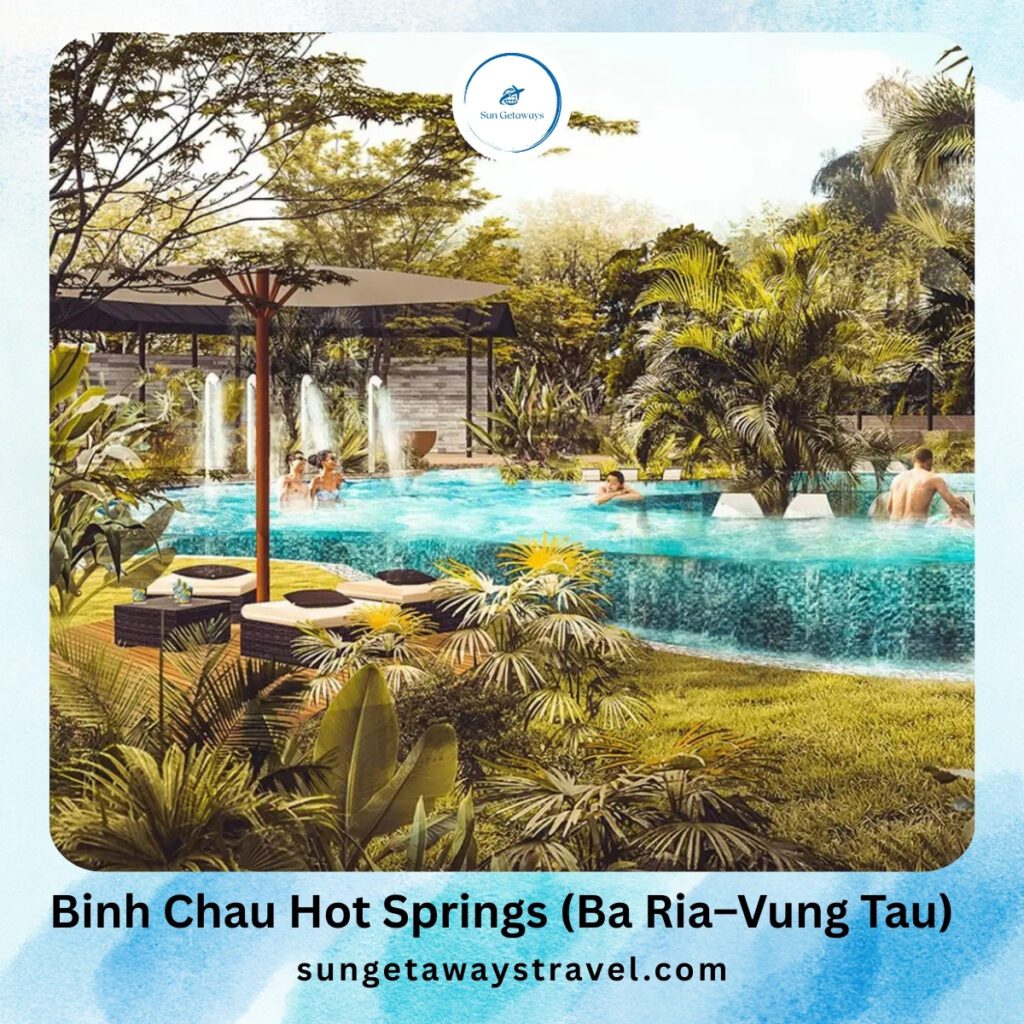
While less famous, the Central Highlands and parts of southern Vietnam also host geothermal sites. These areas are often quieter and visited mostly by locals.
Examples include:
- Binh Chau Hot Springs (Ba Ria–Vung Tau)
- Undeveloped springs in Kon Tum and Gia Lai
These destinations pair well with forest reserves and rural exploration.
If you are interested in quieter forest landscapes in southern and central Vietnam, exploring nature reserves like Ke Go can help you understand how geothermal sites and protected ecosystems coexist.
4. Developed Hot Springs vs. Wild Natural Pools
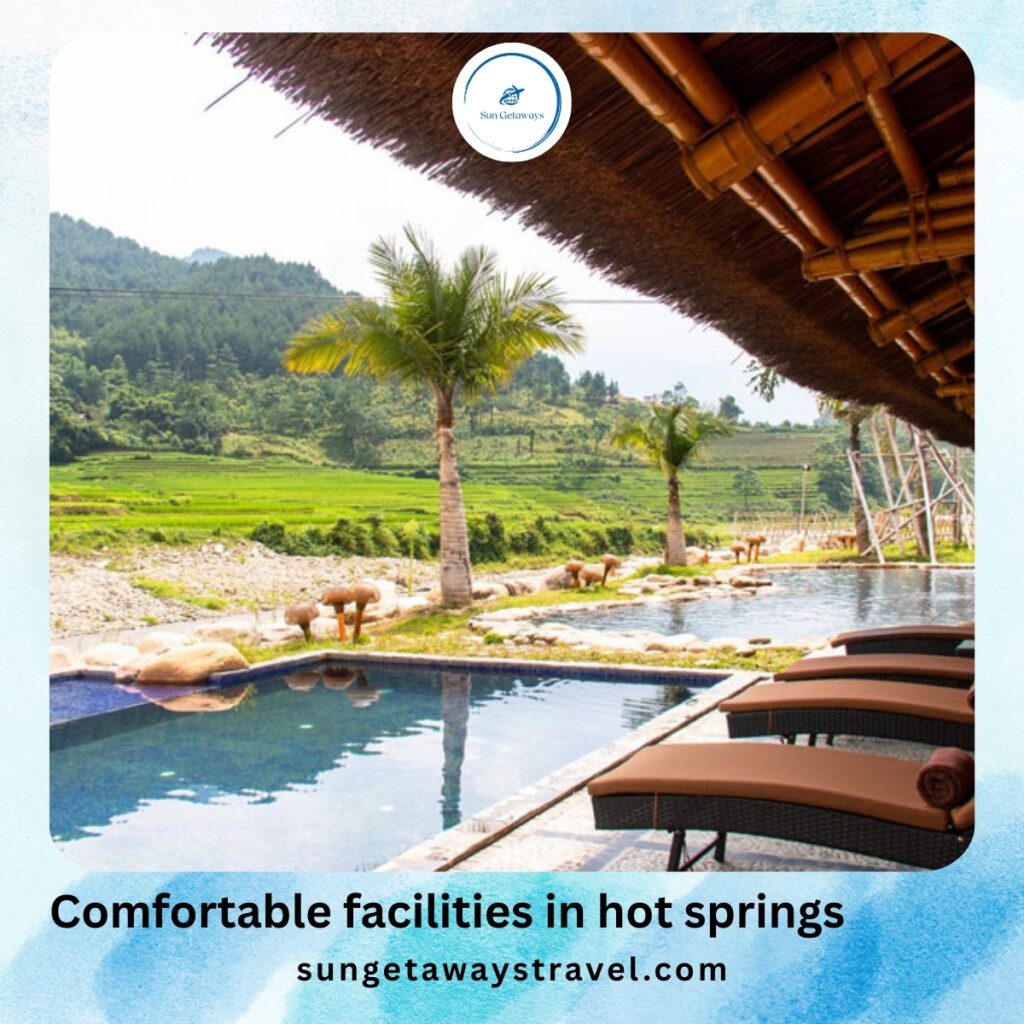
When exploring hot springs in Vietnam, travelers usually encounter two formats.
Developed Hot Spring Resorts
- Comfortable facilities and changing rooms
- Controlled water temperature
- Suitable for families and older travelers
Natural Hot Springs Vietnam Locals Use
- Minimal infrastructure
- Often free or low-cost
- Strong connection to nature
Choosing between them depends on comfort expectations and travel style.
5. Best Time to Visit Hot Springs in Vietnam
Seasonality affects both accessibility and comfort. Generally:
- November to March is ideal in the north
- Cooler weather enhances the soaking experience
- Dry seasons improve access to remote springs
Interestingly, many travelers combine hot spring visits with seasonal wildlife experiences, such as visiting a Vietnam bird sanctuary during migration months.
6. What to Expect at Natural Hot Springs Vietnam Wide
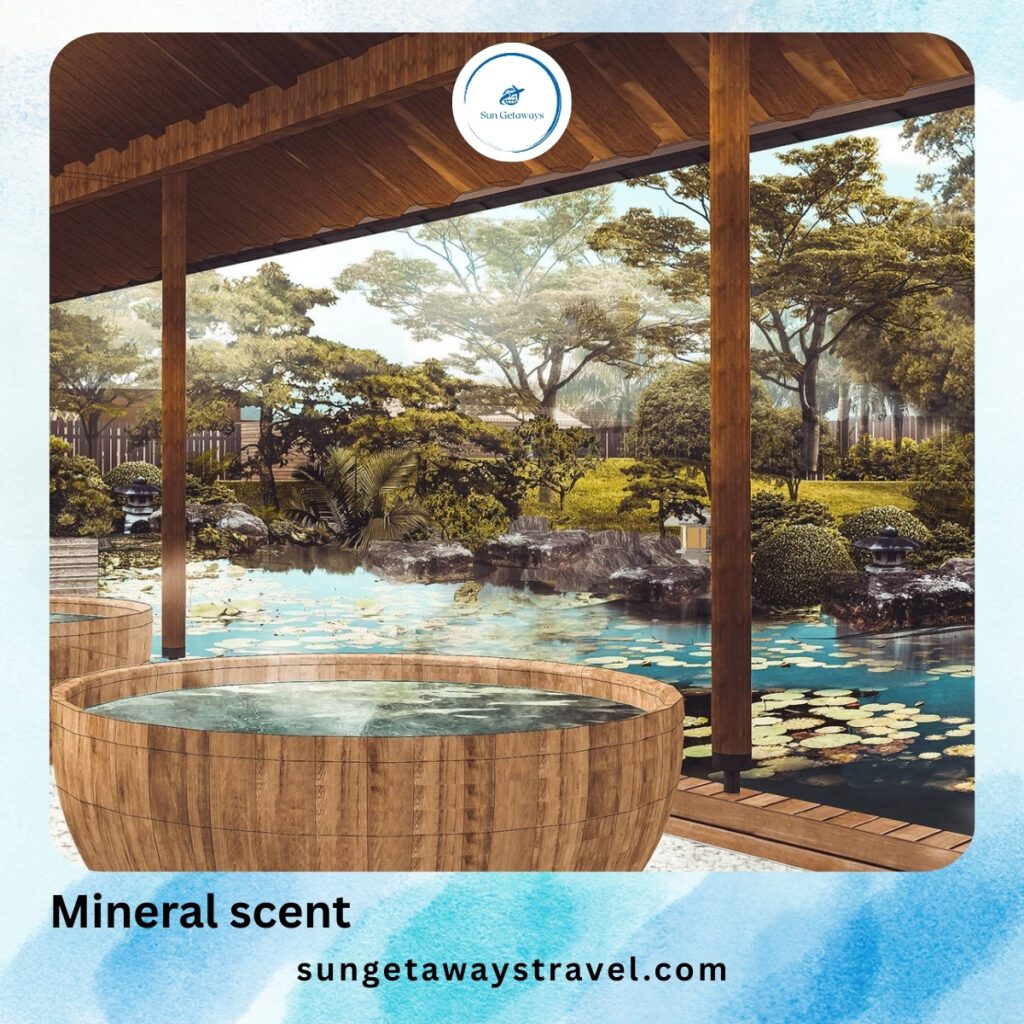
While conditions vary, most natural hot springs share similar characteristics.
Typically, visitors will encounter:
- Water temperatures from warm to very hot
- Mineral scent, especially sulfur
- Simple pools formed by rocks or concrete
- Local visitors using springs for daily relaxation
Therefore, respecting local customs is essential.
7. Practical Tips for Visiting Hot Springs in Vietnam

To ensure a smooth visit:
- Bring sandals or water shoes
- Avoid long soaking in very hot pools
- Stay hydrated
- Wear modest swimwear in rural areas
- Carry cash for small entrance fees
Additionally, avoid soap or chemicals in natural pools to protect the environment.
8. Can You Visit Independently or with a Tour?
Vietnam offers a variety of hot springs, and your choice of visiting independently or with a tour depends on location and accessibility:
- Guides can point out hidden natural spots and nearby attractions that are easy to miss when traveling alone.
- Hot springs near towns or popular tourist hubs are easy to visit independently.
- Remote or forested springs are best explored with a guided tour for safety.
- Guided tours provide local insights about geological features and medicinal properties of the waters.
- Tours help ensure visitors follow conservation rules in protected areas.
Expert Tip:
“Some natural hot springs are located near national parks or reserves. A guide helps with access, safety, and environmental respect,” says Mrs. Emma Nguyen – Tour Operator Manager with over 12 years of experience at Sun Getaways Travel.
9. How to Include Hot Springs in a Vietnam Itinerary
Hot springs make an ideal restorative stop within larger Vietnam journeys, offering relaxation and wellness benefits after physically or culturally intense activities. Their soothing waters and tranquil settings provide the perfect counterbalance to trekking, sightseeing, and forest exploration.
Popular combinations include:
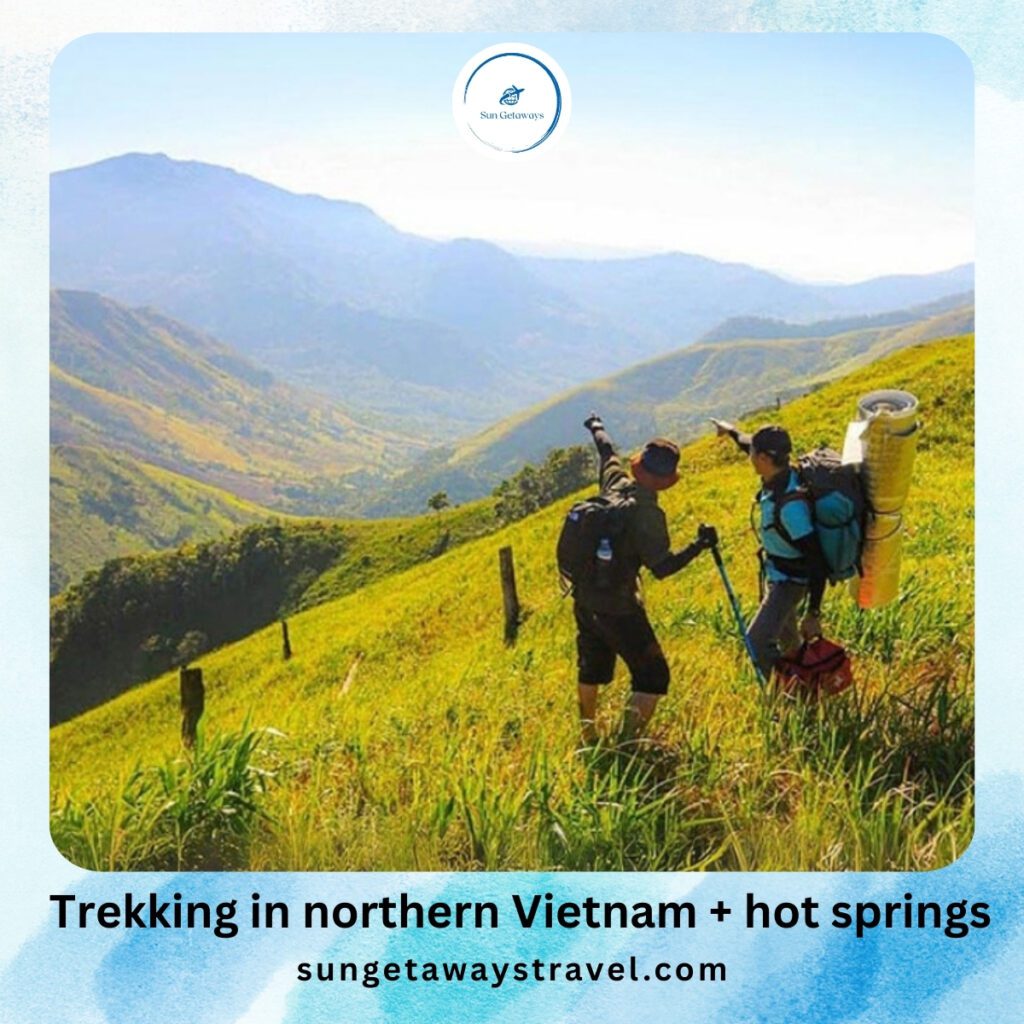
- Trekking in northern Vietnam + hot springs – After several days of hiking through rugged mountains, ethnic villages, and terraced fields, soaking in a natural hot spring helps relax muscles and rejuvenate the body.
- Central Vietnam heritage sites + wellness days – Pair visits to Hoi An, My Son Sanctuary, or Da Nang with a day at a thermal resort for a calm interlude amid cultural exploration.
- Forest reserves + geothermal relaxation – Combine trips to protected areas like Cat Tien National Park with nearby hot springs to unwind while staying connected to nature.
For travelers who prefer combining wellness with wildlife and forest exploration, guided nature itineraries offer better access, local insights, and safety.
Suggested Tours:
- Trekking in Northern Vietnam + Hot Springs: 10-Day Ha Giang Authentic Trekking
- Trek through remote valleys of Hoang Su Phi, Dong Van, and dramatic passes of Meo Vac
- Stay in homestays for authentic local experiences
- Private car and English-speaking guide included
- 15% OFF – From 831 USD → 707 USD
- Northern & Central Vietnam Highlights + Halong Bay Cruise: 9-Day Halong Cruise, Sapa & Hoi An Tour
- Trek Sapa’s terraced rice fields and chase scenic waterfalls
- Overnight Halong Bay cruise with kayaking
- Explore charming streets of Hoi An and Hanoi at leisure
- Domestic flights, meals, accommodations, and entrance fees included
- 20% OFF – From 638 USD → 510 USD
By strategically including hot springs in these itineraries, travelers can maintain a balance between adventure and wellness, ensuring that their Vietnam journey is both exciting and rejuvenating.
10. FAQs About Hot Springs in Vietnam
Many are completely natural, while others are lightly developed.
Most natural hot springs Vietnam offers are affordable.
Yes, but only warm pools are recommended.
Only for resort-based hot springs.
11. Conclusion
Hot springs in Vietnam reveal a quieter, more restorative side of the country. Whether you choose a simple natural pool or a well-managed hot spring resort, natural hot springs Vietnam travelers experience often create lasting memories rooted in landscape and local life. For travelers seeking balance between exploration and relaxation, hot springs are a meaningful addition to any Vietnam journey.
If you would like to include hot springs, forests, or wildlife experiences into one seamless itinerary, a customized Vietnam tour allows you to travel at your own pace while respecting nature and local communities.


Related Tour

Experience Vietnam’s Diverse Regions in 14 Days


31 Reviews

Best of Saigon: 3-Day Team Building Tour
9 Reviews
6 Days Muslim Hanoi Sapa Trang An & Halong Bay
0 Reviews

Private Vietnam Luxury Tour 12 Days
25 Reviews

4 Days Guided Tour Of Northern Vietnam
12 Reviews
Ask a question
Leave a Comment (0)
No questions yet. Be the first to ask a question!
See related Posted
Luxury Golf Resorts in Vietnam – Elite Golf Travelers

Vietnam is increasingly recognized as a premier golf destination in Asia, therefore luxury golf…
Macrame in Vietnam: The Revival of Knot Art in Contemporary Craft Culture

Macrame in Vietnam reflects the country’s growing engagement with contemporary handmade culture, where global…
Vietnamese Musical Instrument Craft: Traditional Instrument Making in Vietnam

Vietnamese musical instrument craft reflects a long-standing relationship between sound, material, and cultural memory.…
Traditional Vietnamese Kite Art: History, Craftsmanship, and Cultural Meaning

Traditional Vietnamese kite art is a living expression of folk creativity, community values, and…
Vietnamese Folk Masks: Tradition, Symbolism & Cultural Meaning

Vietnamese folk masks are a distinctive form of traditional art that reflects the spiritual…
Vietnamese Embroidery Art: Traditional Craftsmanship & Cultural Meaning

Vietnamese embroidery art is a refined traditional craft that reflects patience, cultural memory, and…