








The Best Wildlife Sanctuaries in Vietnam
 Dan Vy
  3 min. to read
 Vietnam is one of Southeast Asia’s most biodiverse countries, yet also one of the most vulnerable when it comes to habitat loss and illegal wildlife trade. Visiting wildlife sanctuaries in Vietnam is no longer just a sightseeing activity—it is a way to support conservation, education, and ethical tourism.
From dense rainforests to remote wetlands, Vietnam offers remarkable places where endangered species are protected and rehabilitated. This guide highlights the best wildlife sanctuaries in Vietnam, explains why they matter, and shows how travelers can visit responsibly.
Key Takeaways
- Vietnam’s wildlife sanctuaries support conservation, education, and ethical tourism by protecting endangered species and their habitats.
- Key sanctuaries include Cuc Phuong National Park, Yok Don National Park, and Cat Tien National Park, each offering unique ecosystems and activities.
- Visiting wildlife sanctuaries in Vietnam helps fund rescue efforts, habitat restoration, and community education programs.
- Travelers should follow ethical guidelines to support wildlife conservation in Vietnam, such as no-contact policies and responsible behavior.
- Planning visits during the dry season improves wildlife sightings while minimizing environmental impact.
Why Wildlife Sanctuaries Matter in Vietnam
Before choosing where to go, it’s important to understand why wildlife sanctuaries play such a critical role in the country.
Vietnam is home to:
- Over 300 mammal species
- Nearly 900 bird species
- Dozens of critically endangered animals found nowhere else on Earth
However, rapid development, deforestation, and poaching have placed enormous pressure on ecosystems. Wildlife conservation in Vietnam depends heavily on sanctuaries that protect habitats, rescue trafficked animals, and educate both locals and visitors.

Key roles of wildlife sanctuaries in Vietnam include:
- 🐾 Protecting endangered species from extinction
- 🌱 Preserving critical forest and wetland ecosystems
- 🔬 Supporting scientific research and monitoring
- 📚 Educating communities about conservation
For travelers, visiting these sanctuaries is one of the most meaningful ways to experience Vietnam’s natural beauty.
Top Best Wildlife Sanctuaries in Vietnam
1. Cuc Phuong National Park – Vietnam’s Oldest Sanctuary
Located about 120 km south of Hanoi, Cuc Phuong is often considered the heart of conservation. Established in 1962, it remains a flagship destination for biodiversity protection and is a highlight for those trekking through Vietnam.
What Makes Cuc Phuong Special:
- 🌳 Ancient primary rainforest
- 🦧 Home to the Endangered Primate Rescue Center and the Vietnam Bear Sanctuary
- 🦜 Rich birdlife with over 300 recorded species
Cuc Phuong is not a zoo-style attraction. Instead, visitors explore forest trails while learning about conservation efforts through guided walks and rescue centers. The park is particularly known for protecting langurs, gibbons, and slow lorises—species frequently targeted by illegal wildlife trade.
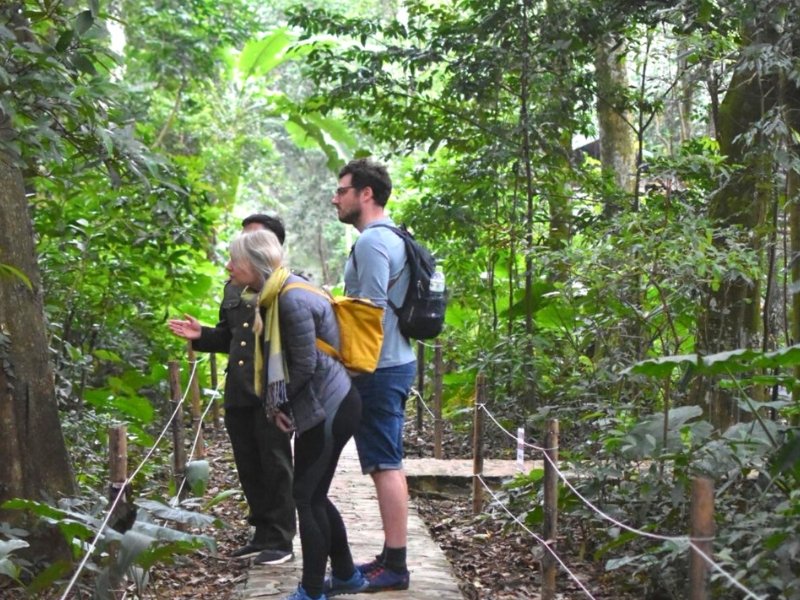
This sanctuary demonstrates how wildlife sanctuaries in Vietnam can balance tourism with long-term conservation goals.
2. Yok Don National Park – Protecting the Central Highlands
Yok Don National Park, near the Cambodian border, offers a unique dry dipterocarp forest. It is a must-visit for travelers exploring Buon Me Thuot – Vietnam’s coffee capital.
Key Highlights:
- 🐘 Ethical elephant conservation programs
- 🌾 Open woodland ecosystems
- 🦌 Rare mammals such as gaurs and wild deer
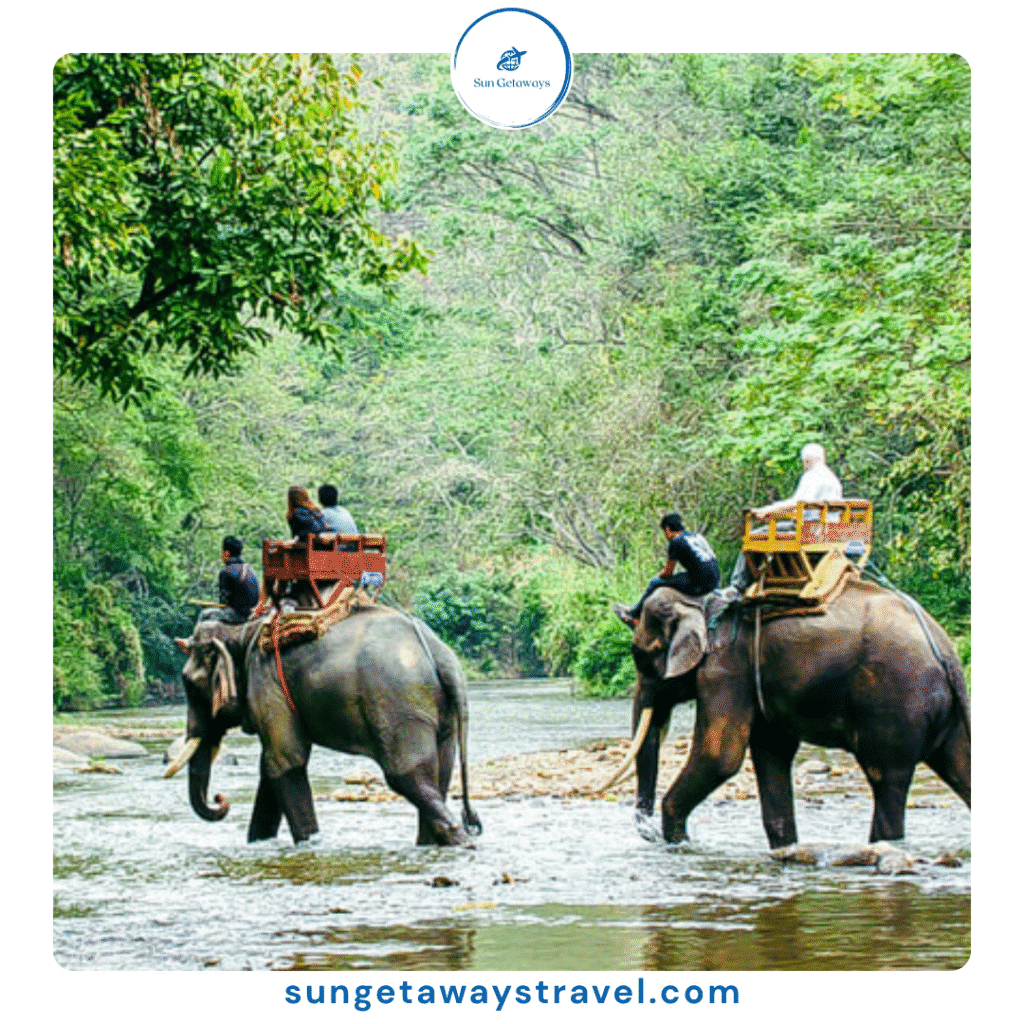
Unlike traditional elephant riding attractions, Yok Don focuses on observation-only experiences, supporting modern wildlife conservation in Vietnam standards. Visitors walk alongside elephants under the supervision of trained mahouts, learning about ethical treatment and forest preservation.
3. Cat Tien National Park – A Biodiversity Hotspot
Cat Tien National Park, located north of Ho Chi Minh City, is one of southern Vietnam’s most vital sanctuaries.
Why Cat Tien Matters:
- 🐊 Home to Siamese crocodiles
- 🦅 Excellent birdwatching opportunities
- 🌿 Rich lowland rainforest ecosystem
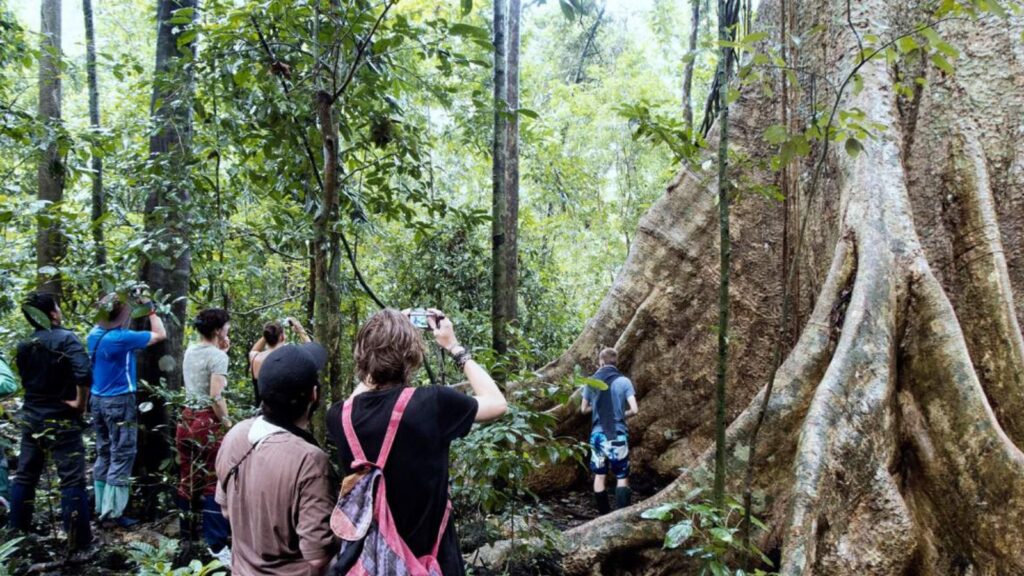
Cat Tien plays a major role in wildlife conservation in Vietnam by protecting one of the last remaining lowland rainforests in the south. Night safaris, guided treks, and conservation talks help visitors understand the fragile balance between human activity and wildlife survival.
4. Pu Mat National Park – Remote and Underrated
Pu Mat National Park in Nghe An Province remains largely untouched by mass tourism, making it one of the most pristine wildlife sanctuaries in Vietnam.
What You’ll Find:
- 🐒 Rare primates including the white-cheeked gibbon
- 🌊 Waterfalls and river systems
- 🌲 Dense evergreen forests
Because of its remoteness, Pu Mat is best suited for travelers seeking an immersive Vietnam adventure travel experience. Conservation projects here focus on habitat protection and reducing illegal logging.
5. Tram Chim National Park – Wetland Wildlife Sanctuary
Not all sanctuaries are forests. Tram Chim National Park protects a vital wetland ecosystem and is considered a premier Vietnam bird sanctuary.
Unique Features:
- 🦩 Seasonal home of the Sarus crane
- 🌾 Flooded grasslands and wetlands
- 🚤 Boat-based wildlife observation
Tram Chim highlights how wildlife conservation in Vietnam extends beyond forests to include wetlands that support migratory birds and aquatic species. Visiting during the dry season offers the best chance to spot cranes and other rare birds.

How Wildlife Sanctuaries in Vietnam Support Conservation
Beyond tourism, wildlife sanctuaries in Vietnam operate as active conservation hubs.
Their work includes:
- Rescue and rehabilitation of trafficked animals
- Reforestation and habitat restoration
- Anti-poaching patrols
- Community education programs
Revenue from responsible tourism helps fund these efforts. That’s why choosing ethical tours and licensed guides directly impacts wildlife conservation in Vietnam.
👉 When planned responsibly, visiting wildlife sanctuaries can be both educational and impactful. Sun Getaways Travel works with local conservation partners to ensure your visit supports protection efforts rather than harming fragile ecosystems.
Expert Insight from Emma (12 Years in Vietnam Tourism)
“Wildlife sanctuaries are where tourism and conservation must work together,” says Emma, a travel consultant with 12 years of experience in Vietnam tour planning and operations.
“The biggest mistake travelers make is choosing convenience over ethics. The right sanctuary visit can inspire and directly contribute to sustainable trekking in Vietnam and animal protection.”
Emma emphasizes that long-term wildlife conservation in Vietnam depends on informed travelers who choose experiences aligned with sustainability.
When Is the Best Time to Visit Wildlife Sanctuaries in Vietnam?
Timing affects both wildlife sightings and comfort.
| Region | Best Months | Notes |
|---|---|---|
| Northern Vietnam | Oct – Apr | Cooler weather, clearer trails |
| Central Highlands | Dec – May | Dry season, better accessibility |
| Southern Vietnam | Nov – Mar | Ideal for Vietnam’s rainforest and wetlands |
Visiting during dry seasons improves trail access and increases the likelihood of animal sightings while minimizing environmental impact.
Travel Tips for Wildlife Sanctuaries
To truly support wildlife conservation in Vietnam, your behavior on the ground is just as important as the destination you choose. Follow these concise, high-impact guidelines for an ethical experience:
- 🚫 Strictly No-Contact: Never feed, touch, or attempt to pet wild animals. Physical contact causes stress and risks the transmission of zoonotic diseases.
- 📸 Dark-Mode Photography: Avoid flash photography entirely. For nocturnal species, limit observation to 3–5 minutes to prevent disrupting their natural hunting or resting cycles.
- 🤫 Keep Volume Natural: Speak in low tones. Avoid playing animal call recordings (playback) to lure wildlife, as this interferes with their territorial and breeding behaviors.
- 🌿 Stay on Marked Trails: Venturing off-path damages fragile micro-habitats and increases the risk of disturbing nesting or burrowing species.
- 🧴 Chemical Awareness: Avoid touching plants or water sources if you are wearing heavy sunscreen or insect repellent, as these chemicals can be toxic to amphibians and aquatic life.
- ♻️ Zero-Waste Commitment: Carry out all trash, including organic waste (like fruit peels), which can disrupt the natural diet of local fauna.
These simple actions help preserve habitats and support wildlife conservation in Vietnam for future generations.
Combining Wildlife Sanctuaries with a Vietnam Itinerary
Wildlife-focused travel can blend seamlessly with cultural exploration.
Suggested combinations:
- Cuc Phuong National Park + Ninh Bình & Hoa Lư Ancient Capital
👉 Best For: Primate lovers & the “Back Home” release tour. - Cat Ba Langur Sanctuary + Ha Long Bay / Lan Ha Bay Cruise
👉 Best For: Spotting the world’s rarest langurs amidst stunning karst scenery. - Yok Don National Park + Central Highlands & Coffee Plantations
👉 Best For: Ethical elephant “walking” tours and exploring ethnic minority culture. - Cat Tien National Park + Ho Chi Minh City (Saigon) Excursion
👉 Best For: Jungle trekking, gibbon spotting, and observing wildlife conservation in Vietnam. - Con Dao Islands + Coastal Relaxation & History
👉 Best For: Seasonal sea turtle nesting and marine habitats. - Son Tra Peninsula + Da Nang Beach & Marble Mountains
👉 Best For: Morning “safaris” to see the colorful and rare Red-shanked Douc Langur.
🎒 If you want to design a nature-focused itinerary without logistical stress, Sun Getaways Travel can help combine wildlife sanctuaries with cultural and scenic highlights across Vietnam.
FAQs about Wildlife Sanctuaries in Vietnam
1. Are wildlife sanctuaries in Vietnam ethical to visit?
Yes, when they focus on conservation, education, and habitat protection.
2. Can I see endangered animals in Vietnam?
Yes, but sightings are never guaranteed and depend on natural behavior.
3. Do wildlife sanctuaries allow children?
Most do, with proper supervision and safety guidelines.
4. Is a guide required in national parks?
Often recommended, sometimes required for conservation reasons.
5. How can tourism support wildlife conservation in Vietnam?
By choosing ethical operators and respecting sanctuary rules.
For travelers seeking deeper, more meaningful experiences, wildlife sanctuaries in Vietnam offer far more than sightseeing. They provide insight into conservation challenges, showcase Vietnam’s biodiversity, and allow visitors to contribute positively through ethical travel.
Choosing these destinations supports wildlife conservation in Vietnam while offering unforgettable encounters with nature.


Related Tour

Discover the Essence of Vietnam: A 12-Day Journey


46 Reviews

Private Vietnam Luxury Tour 13 Days
24 Reviews

Discover the Gems of Vietnam with a 14-Day Grand Tour
20 Reviews

4 Days Guided Tour Of Northern Vietnam
12 Reviews


3 Days Tour Muslim Hanoi and Halong Bay
21 Reviews
Ask a question
Leave a Comment (0)
No questions yet. Be the first to ask a question!
See related Posted
Luxury Golf Resorts in Vietnam – Elite Golf Travelers

Vietnam is increasingly recognized as a premier golf destination in Asia, therefore luxury golf…
Macrame in Vietnam: The Revival of Knot Art in Contemporary Craft Culture

Macrame in Vietnam reflects the country’s growing engagement with contemporary handmade culture, where global…
Vietnamese Musical Instrument Craft: Traditional Instrument Making in Vietnam

Vietnamese musical instrument craft reflects a long-standing relationship between sound, material, and cultural memory.…
Traditional Vietnamese Kite Art: History, Craftsmanship, and Cultural Meaning

Traditional Vietnamese kite art is a living expression of folk creativity, community values, and…
Vietnamese Folk Masks: Tradition, Symbolism & Cultural Meaning

Vietnamese folk masks are a distinctive form of traditional art that reflects the spiritual…
Vietnamese Embroidery Art: Traditional Craftsmanship & Cultural Meaning

Vietnamese embroidery art is a refined traditional craft that reflects patience, cultural memory, and…