






Vietnamese Dry Noodles: Authentic Street Food to Try on Your Vietnam Trip
 HoangAn
  3 min. to read
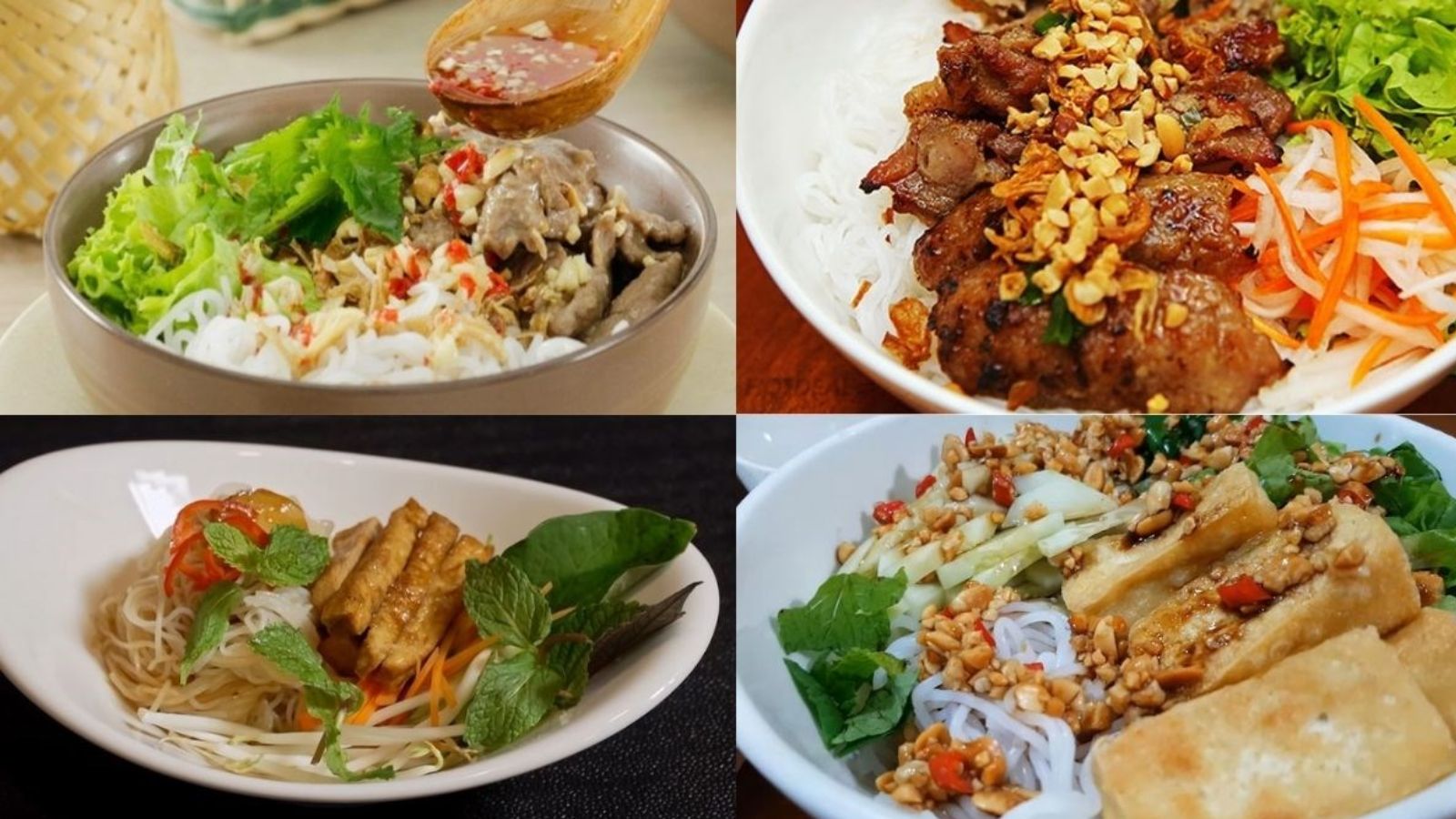
 Are you craving an authentic taste of Vietnam but unsure where to start? Vietnamese dry noodles are a flavorful and versatile choice, loved by locals and travelers alike. In this guide, we’ll explore the components, regional varieties, and practical tips for enjoying the popular dry noodles in Vietnam.
Key Takeaways
- Vietnamese dry noodles are versatile and popular, featuring a variety of noodle types, sauces, toppings, and fresh herbs.
- Key noodle types include Bun, Hu Tieu, Mien, and Mi, each offering unique textures and flavors.
- Different regions in Vietnam showcase distinct dry noodle dishes, such as Bun Cha in the North and Mi Quang in the Central region.
- To enjoy these dishes, know how to order them correctly and the proper eating techniques for an authentic experience.
- Finding local spots enhances your tasting experience; ask locals or join food tours to discover the best Vietnamese dry noodles.
1. Decoding the Dry Noodle Bowl: Components & Techniques
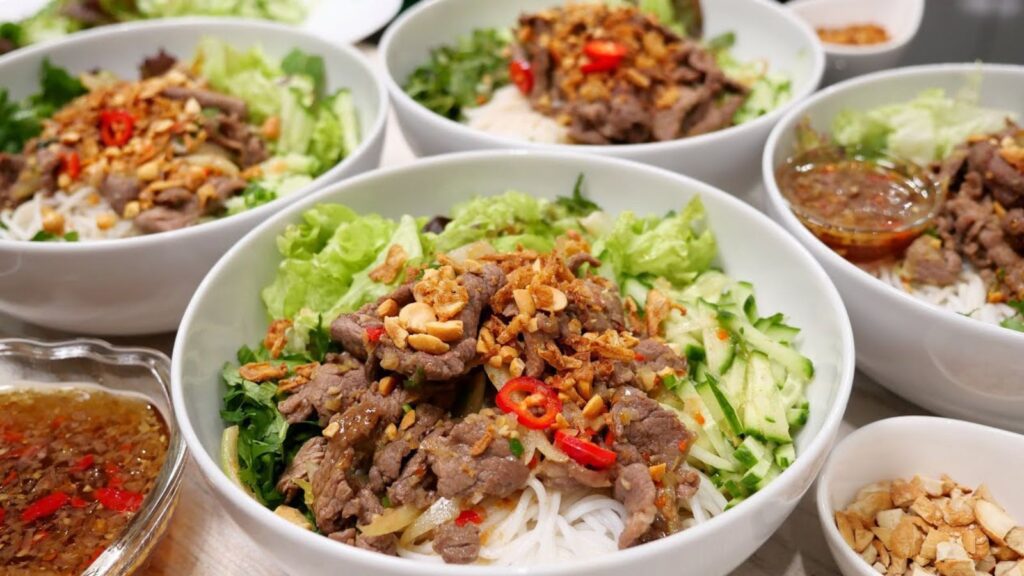
A proper bowl of Vietnamese dry noodles combines the right noodles, sauces, toppings, and herbs for a balanced experience. Let’s break down each component.
1.1 The Noodle Base
The foundation of any dry noodle dish is, of course, the noodle itself. Choosing the right type is crucial, as the texture and ability to absorb the rich sauce are key to the overall experience.
- Bun (Rice Vermicelli): Bun is thin, round, and soft, making it incredibly versatile. It is typically served at room temperature or slightly warmed.
- Hu Tieu Noodle: Hu Tieu noodles are often chewier and slightly thicker than Bun, made from tapioca flour or a mix of rice and tapioca. They hold their shape and chewiness well even after being mixed with sauce.
- Mien (Glass Noodles): Made from bean starch, Mien noodles are translucent, very thin, and springy. They have a delicate taste that easily takes on the flavor of the accompanying sauce and ingredients.
- Mi (Egg Noodles): These yellow noodles, similar to those found in Chinese cuisine, are often used in dry dishes like Mi Kho. They are chewy and have a distinct, slightly alkaline flavor.
Each noodle-base offers a distinct experience, making it fun to explore different regions.

1.2 Key Toppings & Crunch
Toppings provide texture and enhance flavor:
- Grilled Pork, Chicken, or Beef: Marinated and charred for aroma and taste.
- Fried Shallots & Garlic: Adds crunch and a fragrant note.
- Roasted Peanuts: Common in Mi Xao Gion or dry Mi Quang for nutty contrast.
- Spring Rolls or Fried Tofu: Popular in vegetarian bowls, giving protein and crunch.
1.3 The Game-Changing Sauces
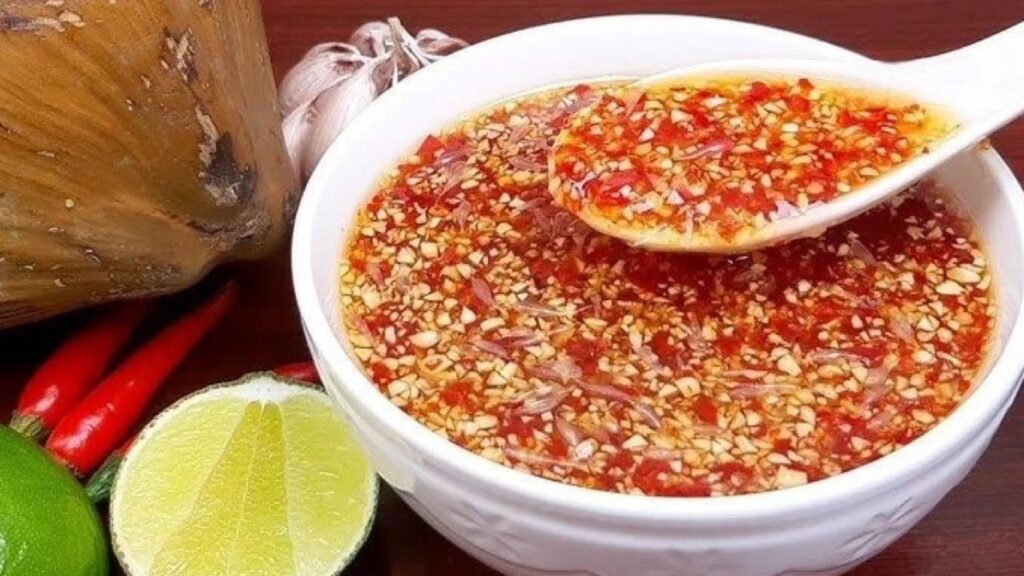
The sauce is the true soul of any Vietnamese dry noodles dish, turning simple cooked noodles and meat into a complex explosion of flavor.
- Fish Sauce (Nuoc Mam): Classic umami with a touch of saltiness, often mixed with lime, sugar, and chili.
- Soy-Based Sauce: Mild but savory, often used for vegetarian dry noodles.
- Peanut Sauce: Creamy, slightly sweet, perfect for northern dishes.
- Shrimp Paste (Mam Tom): Bold and pungent, adds depth to central Vietnam’s dry bowls.
Sauces transform simple noodles into memorable meals and are key to why these are popular dry noodle in Vietnam.
1.4 The Fresh Herbs
Fresh herbs brighten flavors and balance richness:
- Mint & Cilantro: Refreshing, slightly sweet aroma.
- Thai Basil: Mild peppery flavor pairing with peanut sauces.
- Perilla Leaves: Slight anise aroma, adds uniqueness in northern bowls.
- Bean Sprouts: Crunchy and fresh, perfect for southern Hu Tieu Tron.
2. Regional Showcase: Must-Try Vietnamese Dry Noodles
Vietnam’s regions offer diverse Vietnamese dry noodles, each with unique flavors and textures.
2.1 Northern Classics
Northern bowls focus on subtle, balanced flavors:
- Bun cha: A Hanoi icon featuring vermicelli served with smoky grilled pork patties and slices. Instead of being fully mixed, you dip the noodles and herbs into a warm sweet – sour sauce filled with grilled meat – an interactive, flavorful experience that defines Hanoi street food tour.
- Pho tron (Mixed Pho): The dry twist on Vietnam’s famous soup. Rice noodles are tossed in a savory soy-based sauce and topped with beef or chicken, fried shallots, and fresh herbs. It delivers the classic pho aroma but with a richer, more concentrated dry flavor.
2.2 Central Vietnam’s Unique Bowls
Central Vietnam features vibrant, spicier flavors:
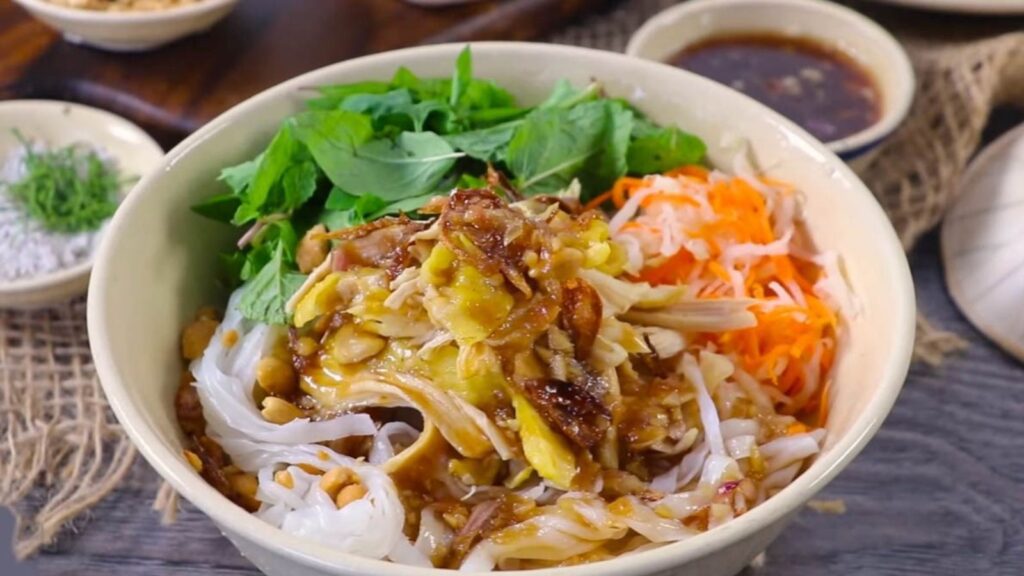
- Mi Quang: Though not fully dry, Mi Quang comes with only a small amount of concentrated broth that acts more like a sauce. It is one of the most popular dry noodle in Vietnam, especially in Central Vietnam. The dish uses thick turmeric-colored noodles and is topped with shrimp, pork, chicken, and sometimes quail eggs, all finished with peanuts and a crisp sesame rice cracker.
- Banh Da Tron (Mixed Red Rice Noodles): This specialty mixes red rice noodles with crab meat, pork, Cha La Lot (Betel leaf-wrapped beef), and plenty of fried shallots and herbs. The result is a rich, layered flavor that feels both rustic and deeply satisfying.
These bowls often balance bold spices, rich toppings, and textures, creating visually appealing dishes. Hue and Da Nang local food tours highlight these regional favorites.
2.3 Southern Favorites
Southern bowls are a little sweeter and aromatic:
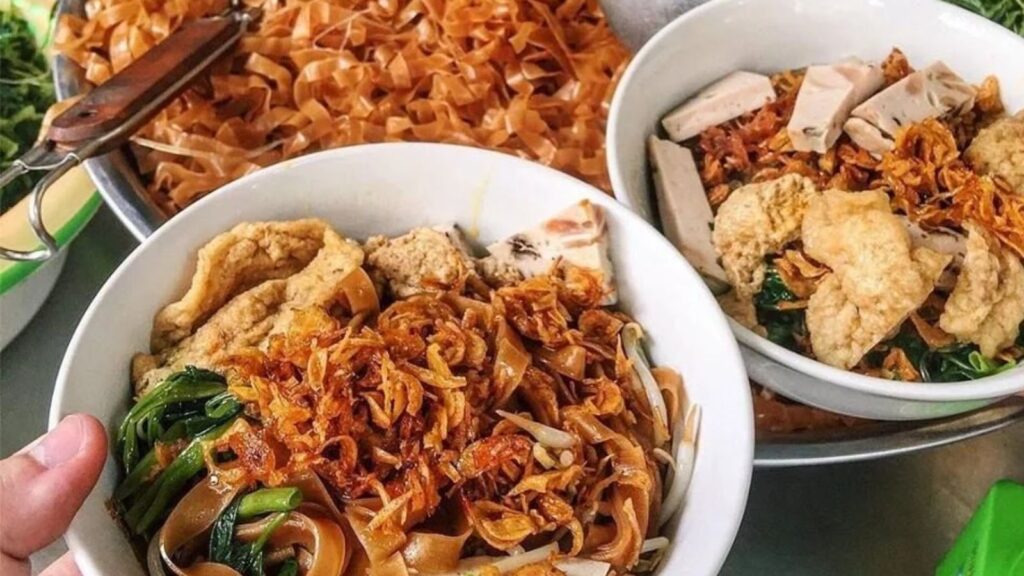
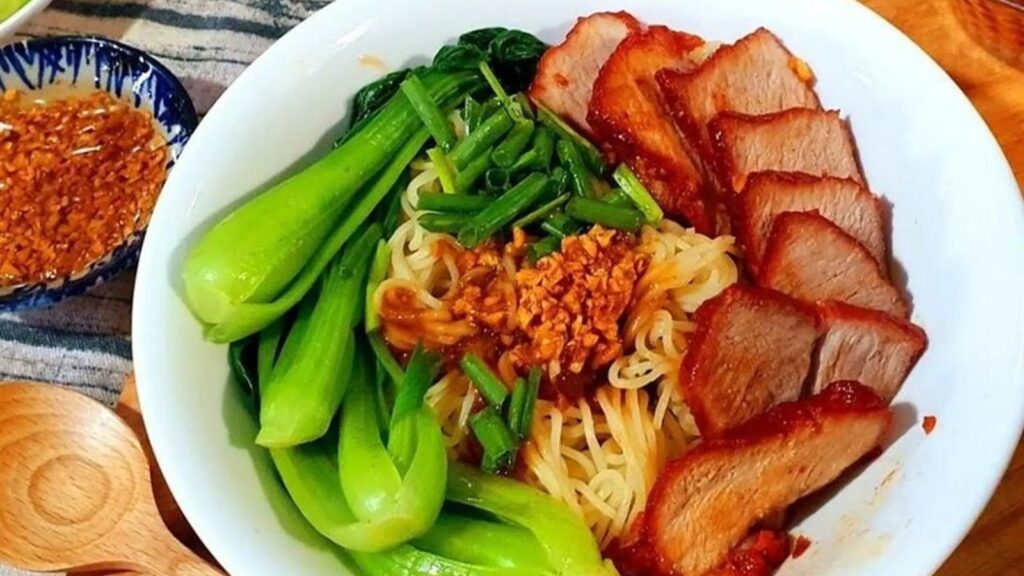
- Hu Tieu Kho (Dry Hu Tieu): A Southern classic where Hu Tieu noodles are tossed in a sweet-savory dark sauce. It usually comes with Char-Siu, pork liver, shrimp, and minced pork, plus a small bowl of clear soup on the side. Many travelers try this Vietnamese Hu Tieu dish first when exploring Saigon food stalls.
- Bun Thit Nuong: The Southern version is sweeter, thanks to a richer pork marinade and dipping sauce. The bowl is cool and refreshing, topped with herbs, peanuts, and sometimes crispy Cha Gio for extra crunch.
- Bun Dau Mam Tom: This Northern favorite is now a nationwide “dry noodle platter.” Vermicelli, fried tofu, pork, and herbs are served on a tray and dipped into strong, savory mam tom (fermented shrimp paste). The flavor is bold, but it offers a very real taste of local street food culture.
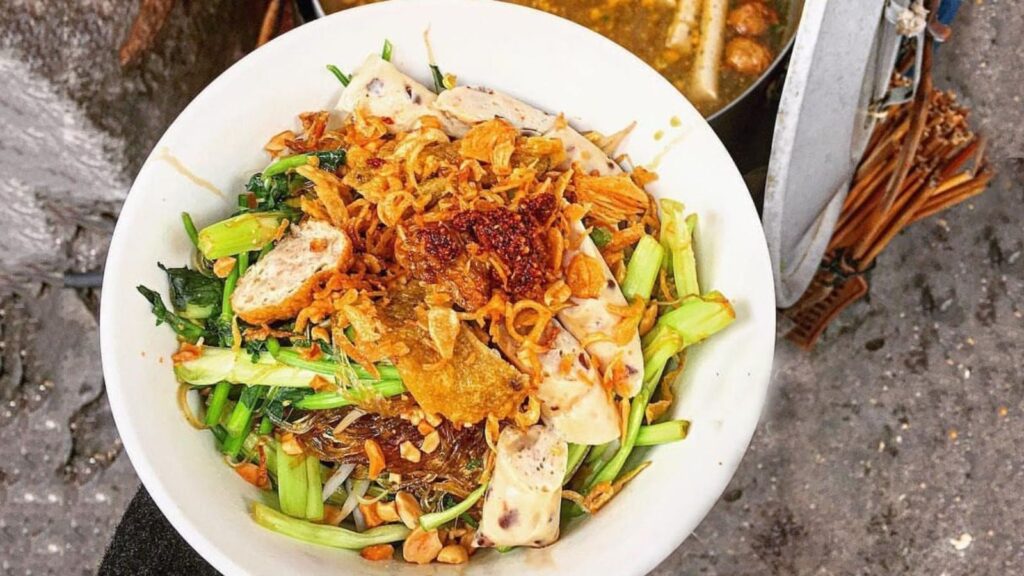
- Mien Tron (Mixed Glass Noodles): This dish uses chewy glass noodles tossed with a light soy-based sauce, shredded chicken or beef, herbs, and fried shallots. It delivers a clean, springy texture and is a great option for travelers who prefer something lighter but still full of flavor.
Southern bowls often feature a balance of sweet, savory, and aromatic notes. Mekong Delta tours often stop at shops selling these dry noodles.
3. Practical Guide for Tourists: Eating Dry Noodles Like a Local
To truly enjoy Vietnamese dry noodles, it’s not just what you eat but how you eat.
3.1 Ordering Tips
Ordering is easier with a few local tips:
- Ask for “dry noodles” or “khô/trộn” to avoid mistakenly ordering Vietnamese noodle soups.
- Specify meat preferences or request vegetarian toppings.
- Control spice level; chili is often added on the side.
Mrs. Emma Nguyen – Tour Operator Manager with over 12 years of experience at Sun Getaways Travel says: “Trying a local noodle shop early in your trip is the best way to immerse yourself in Vietnamese food culture.”
3.2 The Eating Technique
The key difference between this type of Vietnamese noodle dishes and noodle soups is how you eat them. It is a hands-on, interactive process.
- Mix noodles well with sauces and toppings.
- Lift small portions with chopsticks for balanced bites.
- Taste herbs gradually to appreciate their freshness and aroma.
3.3 Finding the Best Spot
Finding the perfect spot for the most popular dry noodle in Vietnam is part of the adventure, especially when you are exploring the food scene on a Vietnam local food tour.
- Ask locals or hotel staff for recommendations.
- Busy shops indicate fresh, high-quality ingredients.
- Join local food tours for curated experiences of popular dry noodle in Vietnam.
Want a guided tour tasting the best Vietnamese dry noodles? Contact Sun Getaways Travel to plan your culinary adventure across Hanoi, Hue, and Ho Chi Minh City!
4. Comparison Table of Regional Dry Noodles
| Region | Dish Name | Noodle Type | Key Toppings | Sauce Style | Flavor Profile |
|---|---|---|---|---|---|
| North | Bun Cha | Vermicelli | Grilled pork, herbs | Sweet–sour dipping sauce | Smoky, bright, refreshing |
| North/South | Pho Tron | Flat rice noodles | Beef or chicken, fried shallots | Savory soy-based mix | Aromatic, rich, concentrated |
| Central | Mi Quang | Turmeric rice noodles | Shrimp, pork, quail eggs, peanuts | Thick, reduced broth (sauce-like) | Fragrant, hearty, slightly saucy |
| Central/North | Banh Da Tron | Red rice noodles | Crab meat, pork, betel-leaf beef | Light soy-based mix | Deep, savory, coastal |
| South | Hu Tieu Kho | Clear Hu Tieu noodles | Char Siu, liver, shrimp, minced pork | Sweet–savory dark sauce | Balanced, mild, chewy |
| South/Central | Bun Thit Nuong | Vermicelli | Grilled pork, peanuts, herbs | Mixed fish sauce | Fresh, sweet–savory, zesty |
| North | Bun Dau Mam Tom | Vermicelli | Fried tofu, pork, herbs | Fermented shrimp paste | Strong, salty, bold |
| Nationwide | Mien Tron | Glass noodles | Chicken or beef, fried shallots | Light soy-based mix | Clean, springy, gentle |
5. FAQs about Vietnamese Dry Noodles
Most are mild. Spice is added separately, so you can customize.
Some shops use it, some don’t. You can request “không bột ngọt”.
Yes – bun chay tron, mien chay tron, and tofu-based noodle bowls are widely available.
Absolutely. Hanoi Old Quarter, Da Nang beachfront, and District 1 Saigon have many shops.
Hu tieu kho and bun thit nuong are the easiest, most universally loved options.
6. Conclusion
Vietnamese dry noodles offer an exciting way to explore Vietnam’s culinary culture – from simple street bowls to flavorful regional specialties. Each dish captures a different taste of Vietnamese everyday life, giving travelers a fun, authentic food experience.
Want help discovering the best local dry noodle spots on your Vietnam trip? Contact Sun Getaways Travel today, and let us recommend the most delicious and traveler-friendly places for your itinerary!


Related Tour

Northern Vietnam Delights: Hanoi, Halong Bay & Sa Pa 6 Days


27 Reviews

2 Days Central Vietnam Highlights Tour
8 Reviews

Hoi An Sunrise Fish Market Tour
0 Reviews

Explore Kong Skull Island in Vietnam: A 14 Day Journey
50 Reviews

Discover the Secrets of Cu Chi Tunnels on a Half-Day Tour
10 Reviews
Ask a question
Leave a Comment (0)
No questions yet. Be the first to ask a question!
See related Posted
Luxury Golf Resorts in Vietnam – Elite Golf Travelers

Vietnam is increasingly recognized as a premier golf destination in Asia, therefore luxury golf…
Macrame in Vietnam: The Revival of Knot Art in Contemporary Craft Culture

Macrame in Vietnam reflects the country’s growing engagement with contemporary handmade culture, where global…
Vietnamese Musical Instrument Craft: Traditional Instrument Making in Vietnam

Vietnamese musical instrument craft reflects a long-standing relationship between sound, material, and cultural memory.…
Traditional Vietnamese Kite Art: History, Craftsmanship, and Cultural Meaning

Traditional Vietnamese kite art is a living expression of folk creativity, community values, and…
Vietnamese Folk Masks: Tradition, Symbolism & Cultural Meaning

Vietnamese folk masks are a distinctive form of traditional art that reflects the spiritual…
Vietnamese Embroidery Art: Traditional Craftsmanship & Cultural Meaning

Vietnamese embroidery art is a refined traditional craft that reflects patience, cultural memory, and…