






Vietnamese Banh Canh: What It Is and Why Travelers Love It
 HoangAn
  3 min. to read
 Have you ever searched for Vietnamese Banh canh and felt overwhelmed trying to figure out which version is worth your time as a traveler? Many visitors want to enjoy Vietnamese thick noodle soup but struggle to understand the differences, where to try it, or what to expect. In this guide, you will learn everything you need – from flavors and regional styles to costs, travel tips, and the best ways to enjoy this iconic comfort food during your Vietnam trip.
Key Takeaways
- Vietnamese Banh Canh is a thick noodle soup with a unique texture made from tapioca and rice flour, served in rich broths that vary by region.
- Popular varieties include Banh Canh Cua (crab), Banh Canh Gio Heo (pork knuckle), and Banh Canh Tom Thit (shrimp and pork).
- To enhance your experience, use fresh herbs, lime, and chili as condiments, and don’t hesitate to slurp your noodles!
- You can find Banh Canh at street stalls, local markets, and specialty restaurants throughout Vietnam.
- This Vietnamese thick noodle soup is affordable, with prices ranging from $1.20 to $6.00, making it an excellent choice for travelers.
1. What Exactly Is Vietnamese Banh Canh?
Banh canh is not just another Vietnamese noodle soup; it’s a culinary experience defined by its unique noodles and comforting broth. The name itself hints at its identity: “Banh” means cake or dough, and “Canh” means soup.
1.1 The Star of the Show: Banh Canh Noodles
These noodles are the reason why Banh Canh offers such a distinctive mouthfeel, a delightful contrast to the thin, delicate strands you might be used to.
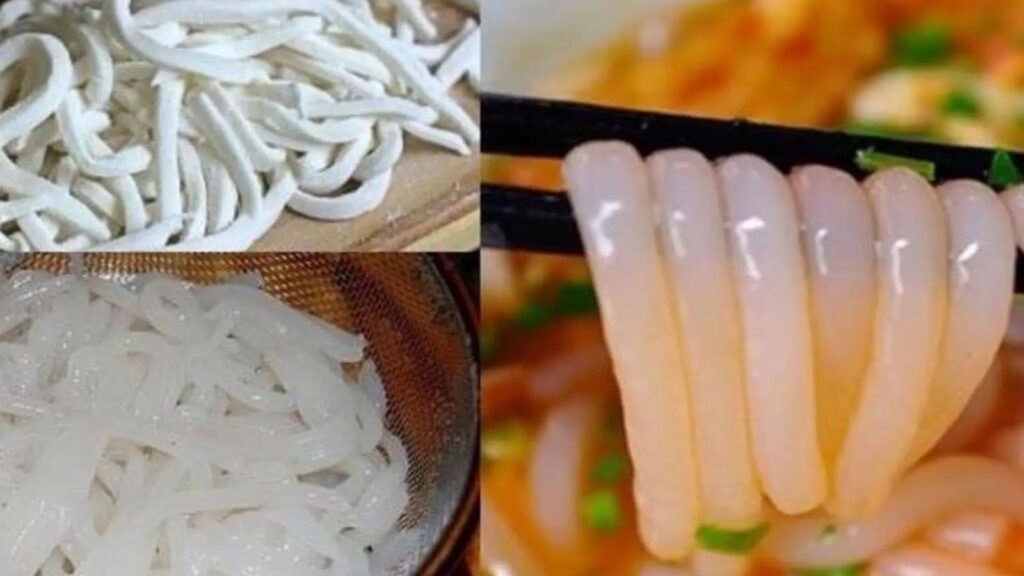
- Ingredients and Texture: Banh canh noodles are made from tapioca flour, rice flour, or a blend of both. The tapioca gives them their signature chewy, slightly translucent texture and thick, round or flat shape. Paired with a rich broth, the noodles make the dish heartier than many other Vietnamese soups.
- Preparation Method: The dough is rolled thick and cut into short, sturdy strands resembling udon. Their thickness allows them to absorb the savory broth exceptionally well, making every bite flavorful – one reason locals often call it Vietnamese thick noodle soup.
1.2 Understanding the Broth: The Flavor Base
The broth is the soulful foundation of Banh Canh, and its preparation varies widely, lending itself to a wonderful exploration of regional tastes.
- Pork-Based Broth: In many versions, the broth is simmered for hours using pork bones, creating a deep, savory foundation. This long simmering process extracts maximum flavor, resulting in a rich, slightly sweet, and aromatic liquid that coats the thick noodles perfectly.
- Seafood Broth: Coastal regions often utilize a delicate yet intensely flavored seafood broth. This version usually features shrimp, crab, or fish, giving the soup a natural sweetness and oceanic complexity that is truly memorable.
2. Exploring the Delicious Varieties of Vietnamese Banh Canh
One of the most exciting aspects of Banh Canh is its vast regional diversity. As you travel across Vietnam, you will encounter numerous local takes on this classic, each boasting unique ingredients and flavors. Discovering these differences is a fantastic reason to try a local food tour!
2.1 Banh Canh Cua (Crab Banh Canh)
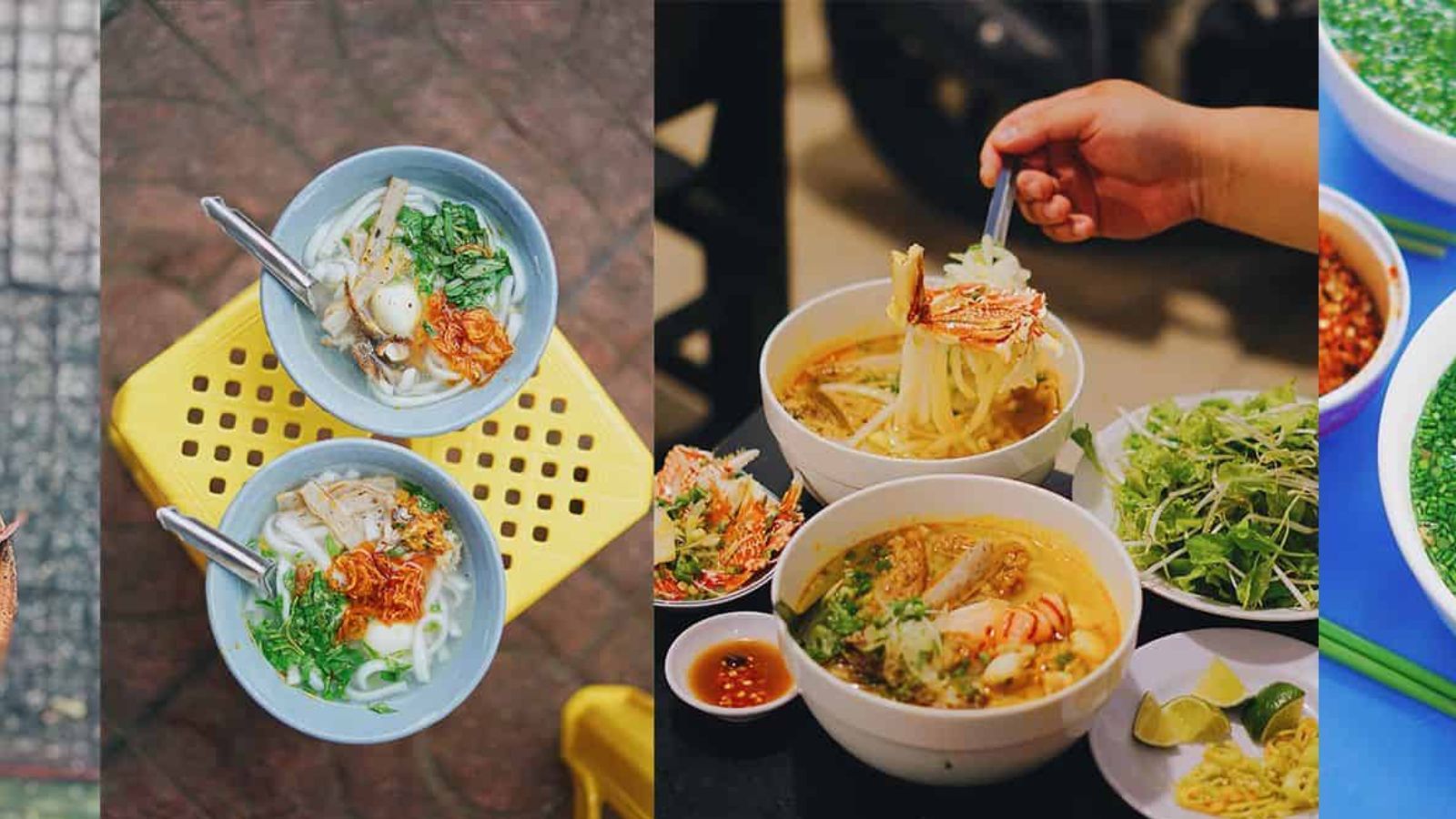
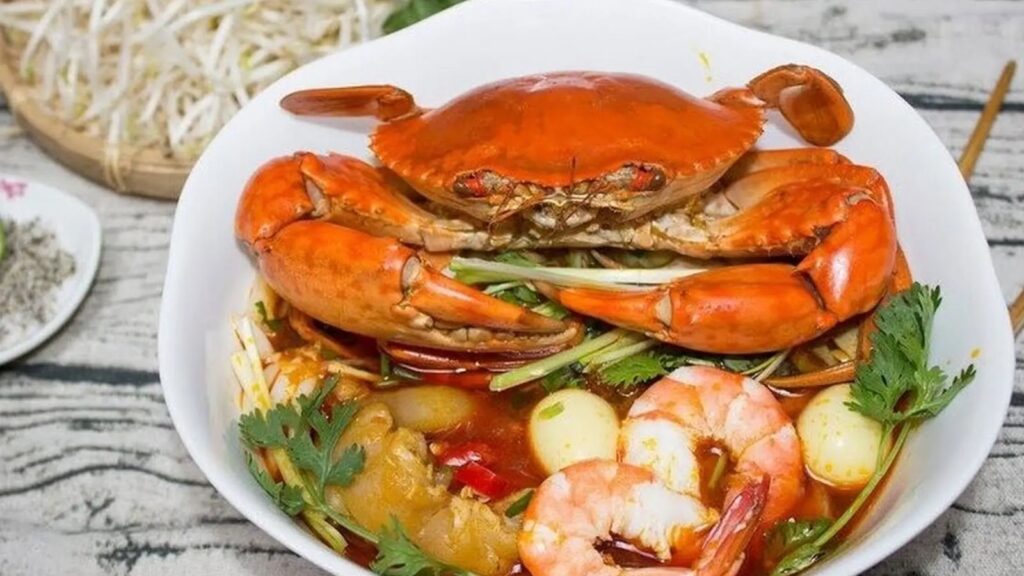
This is perhaps the most famous and luxurious version of Banh Canh, renowned for its rich seafood flavor and vibrant color. Banh Canh Cua typically features a thick, orange-hued broth made from crab stock and annatto seeds.
This broth is often slightly gooey, which clings beautifully to the thick noodles. It is generously topped with fresh crab meat, sometimes a whole crab claw, quail eggs, and slices of fried fish cake, making it a very filling and visually appealing bowl.
2.2 Banh Canh Gio Heo (Pork Knuckle Banh Canh)
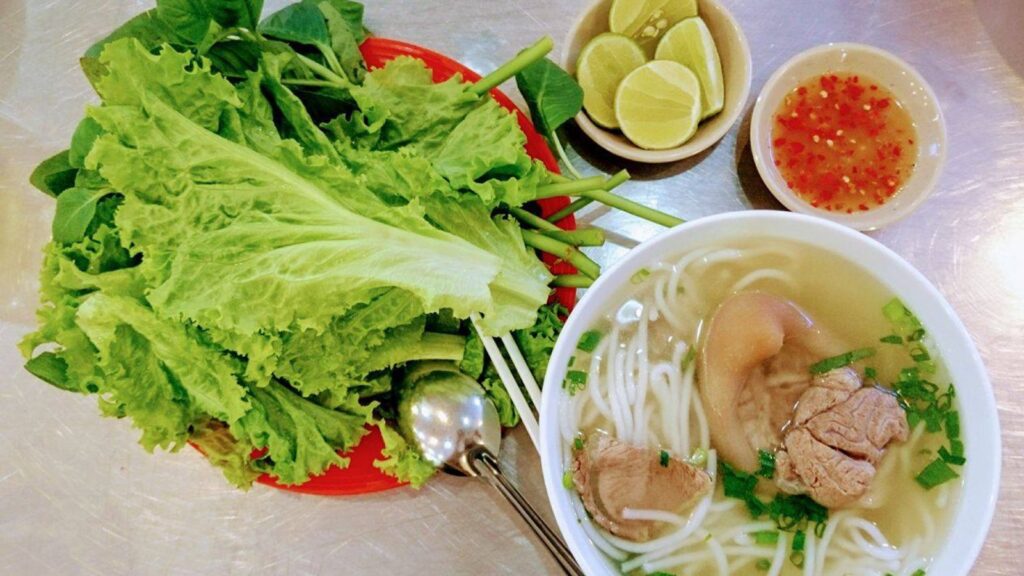
A comforting and classic version, Banh Canh Gio Heo is a staple in many areas, particularly in the South. This hearty soup uses a clear, yet intensely flavored pork bone broth, which is traditionally served with large, tender pieces of pork knuckle.
The meat is slow-cooked until it’s fall-off-the-bone soft, and the gelatin and fat enrich the broth further. It is a favorite among those who seek a very substantial and savory meal, often garnished with fresh herbs and a squeeze of lime.
2.3 Banh Canh Tom Thit (Shrimp and Pork Banh Canh)
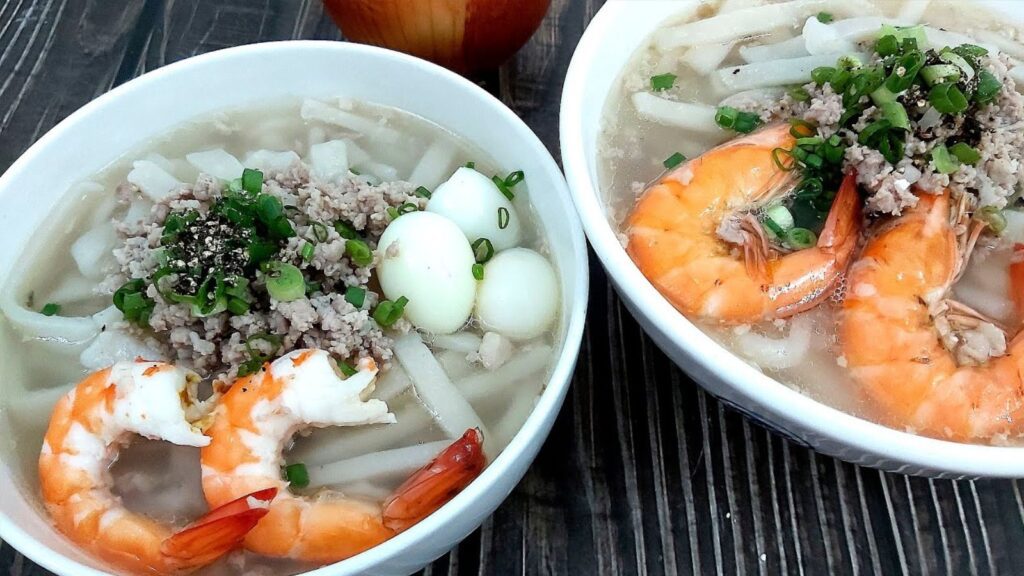
This version strikes a perfect balance between land and sea, offering a complex and satisfying taste. Banh Canh Tom Thit combines the sweetness of fresh shrimp with the deep savoriness of sliced pork and sometimes pork ribs.
The broth is a fusion of both flavors, giving it a light yet profound taste. This mix of ingredients provides a wonderful textural contrast: the snappy shrimp, the tender pork, and the chewy Banh Canh noodles.
2.4 Banh Canh Ca Loc (Snakehead Fish Banh Canh)
Banh Canh Ca Loc is a Mekong Delta specialty made with tender pieces of snakehead fish. The broth is clear, lightly seasoned, sometimes tinted with turmeric, and topped with green onions and black pepper.
If you plan to visit Can Tho or nearby provinces, this regional Vietnamese thick noodle soup is worth seeking out. It offers a simple but authentic taste of the Delta.
2.5. Banh canh cha ca (Fish Cake Thick Noodle Soup)
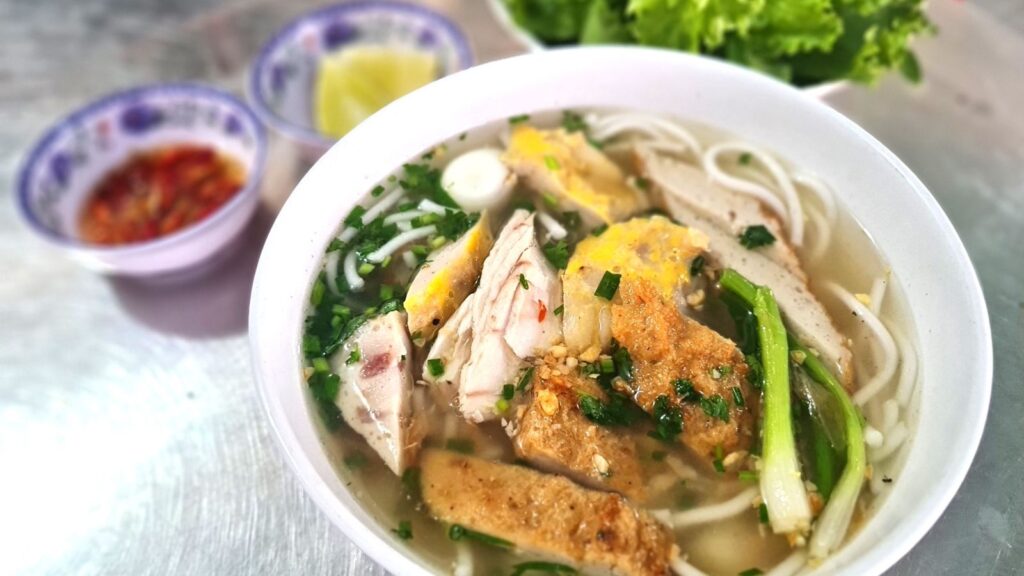
Popular in coastal regions like Quy Nhon or Nha Trang, this version uses soft and fragrant fish cakes.
The broth is usually clear, mild, and not greasy, making it ideal for travelers who want a lighter option. Fish cake vendors often prepare items daily, ensuring freshness.

3. How to Enjoy Your Vietnamese Banh Canh Like a Local
Eating Banh Canh is more than just consuming a meal; it’s an interactive experience. Knowing the right accompaniments and techniques will truly elevate your enjoyment of this special Vietnamese Banh canh.
3.1 Essential Condiments and Garnishes
To get the most out of your Banh Canh experience, you need to understand the side players that complete the dish.
- Fresh Herbs and Vegetables: A plate of fresh herbs like culantro (ngò gai), basil (húng quế), and bean sprouts (giá) is typically served alongside your bowl. You should tear or chop these herbs and add them liberally to your soup to introduce a fresh, aromatic dimension.
- Lime and Chili: A wedge of fresh lime is essential for adding a bright, acidic counterpoint to the rich broth. For those who enjoy a kick, a few slices of fresh red chili or a dollop of chili paste (sa tế) will provide the necessary heat.
- Fish Sauce (Nuoc Mam): A small dish of high-quality fish sauce is often available for dipping the meat or fish pieces, or for adding a salty umami boost directly to the broth if you find it needs more seasoning.
3.2 The Proper Technique for Eating
Don’t be shy; embracing the slurp is part of the fun when enjoying one of the most famous Vietnamese noodle dishes.
- The Slurp is Allowed (and Encouraged): Because the Banh Canh noodles are thick and often slippery, don’t worry about trying to eat them too delicately. A gentle slurp is totally acceptable and is, in fact, the best way to enjoy the noodles and broth together.
- Mix It Up: Use your chopsticks to mix the herbs and condiments into the soup thoroughly before you start eating. This ensures that the flavors are well integrated from the first bite to the last.
- Napkins are Your Friend: Keep the provided napkin handy. The broth is often thick and the noodles are slippery, so a little splashing is common when you’re enjoying a hot, delicious bowl of Vietnamese Banh canh.
4. Vietnamese Banh Canh: Practical Information for Travelers
As a traveler, you’re likely concerned about where to find the best spots and how much you should expect to pay. Finding authentic local food is one of the best ways to experience Vietnamese culture.
4.1 Where to Find the Best Banh Canh
This delectable Vietnamese thick noodle soup can be found everywhere, from humble street stalls to upscale restaurants.
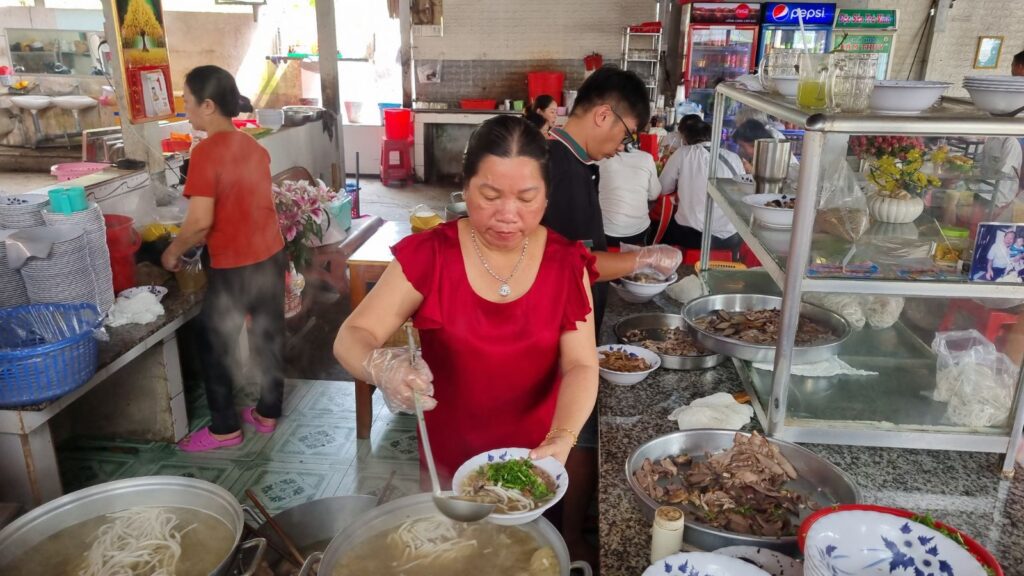
- Street Stalls (Quan An): Look for small, family-run eateries that specialize in Banh Canh. These “Quan An” are often the most authentic and budget-friendly, and you can watch the entire preparation process, which is a fantastic cultural experience.
- Local Markets (Cho): Markets like Ben Thanh in Ho Chi Minh City or Dong Xuan in Hanoi often have food sections where vendors serve hot bowls of Banh Canh all day. Eating here offers a bustling, vibrant atmosphere you won’t forget.
- Specialty Restaurants: In larger cities, there are dedicated Banh Canh restaurants, particularly those specializing in the famous Banh Canh Cua, which provide a clean, comfortable environment to enjoy the dish.
4.2 Cost and Affordability
One of the great joys of traveling in Vietnam is the incredible affordability of the local food.
| Location Type | Estimated Price Range (VND) | Estimated Price Range (USD) | Notes |
| Street Stall/Local Eatery | 30,000 – 50,000 VND | $1.20 – $2.00 USD | Most authentic and budget-friendly. |
| Mid-Range Restaurant | 50,000 – 80,000 VND | $2.00 – $3.20 USD | Usually cleaner, air-conditioned options. |
| Specialty/Upscale Venue | 80,000 – 150,000 VND | $3.20 – $6.00 USD | Often found in tourist areas or featuring high-quality seafood (Cua). |
As you can see, enjoying a deeply satisfying bowl of Vietnamese Banh canh is exceptionally easy on your travel budget, leaving you more money to spend on unforgettable experiences!
If you have any dietary concerns or want to know the best local spots for authentic Banh Canh near your hotel, contact Sun Getaways Travel anytime! We are always ready to provide personalized recommendations for your culinary journey across Vietnam.
5. FAQs about Vietnamese Banh canh
No, the dish is not naturally spicy. Chili is optional, so you can adjust based on your taste.
Yes, most versions are mild and easy to digest. Choose clear-broth options if you prefer something very light.
Some restaurants offer vegetarian versions, but they are not common. Always ask vendors beforehand.
Many noodles use tapioca flour, which is gluten-free. But some shops mix rice flour, so check before ordering.
Yes, almost every town in Vietnam has at least one Banh canh stall. Larger cities offer wider variety.
6. Conclusion
Vietnamese Banh canh is one of the most comforting dishes you can try during your Vietnam trip. The thick noodles, warm broth, and gentle flavors make it perfect for any time of day. As you travel across the country, each version offers a new taste experience that helps you connect with local culture in a simple and delicious way.
For a smoother and more delicious journey in Vietnam, let Sun Getaways Travel guide you to the most authentic food spots and unforgettable local experiences. Contact us today to plan a custom food adventure made just for you.


Related Tour


12 Days Vietnam From North To South With Hue


14 Reviews

18 Days Vietnam Family Holiday Tour
0 Reviews


Best of Saigon: 3-Day Team Building Tour
9 Reviews

Mekong Experience: My Tho & Ben Tre
7 Reviews
Ask a question
Leave a Comment (0)
No questions yet. Be the first to ask a question!
See related Posted
Luxury Golf Resorts in Vietnam – Elite Golf Travelers

Vietnam is increasingly recognized as a premier golf destination in Asia, therefore luxury golf…
Macrame in Vietnam: The Revival of Knot Art in Contemporary Craft Culture

Macrame in Vietnam reflects the country’s growing engagement with contemporary handmade culture, where global…
Vietnamese Musical Instrument Craft: Traditional Instrument Making in Vietnam

Vietnamese musical instrument craft reflects a long-standing relationship between sound, material, and cultural memory.…
Traditional Vietnamese Kite Art: History, Craftsmanship, and Cultural Meaning

Traditional Vietnamese kite art is a living expression of folk creativity, community values, and…
Vietnamese Folk Masks: Tradition, Symbolism & Cultural Meaning

Vietnamese folk masks are a distinctive form of traditional art that reflects the spiritual…
Vietnamese Embroidery Art: Traditional Craftsmanship & Cultural Meaning

Vietnamese embroidery art is a refined traditional craft that reflects patience, cultural memory, and…