



How to Book a Vietnam Whale Watching Tour in De Gi, Quy Nhon
 Dan Vy
  3 min. to read
 A Vietnam whale watching tour in De Gi, Quy Nhon offers one of the most authentic marine wildlife encounters in Southeast Asia. Unlike mass-market destinations, whale watching here relies on natural migration patterns rather than fixed schedules or artificial feeding. Because of this, travelers who understand the location, season, and tour structure tend to have far better experiences. The sections below break down what truly matters—clearly, practically, and without unnecessary fluff.
Key Takeaways
- De Gi, Quy Nhon offers a unique Vietnam whale watching tour, focusing on responsible encounters with Bryde’s whales in their natural migration corridor.
- The best season for whale watching in Vietnam is from June to September, especially during July and August for peak sightings.
- Tours operate early in the morning with local fishermen guiding, ensuring minimal environmental impact and enhanced whale observation quality.
- Costs range from USD 45–70 per person for shared tours; fees support local livelihoods and sustainable practices during the whale watching season in Vietnam.
- Travelers should expect natural conditions; ethical tours prioritize conservation over guaranteed sightings, avoiding overcrowded boats.
Why De Gi – Quy Nhon is One of the Best Places for Whale Watching in Vietnam
De Gi is not widely known internationally, but among researchers of Vietnam marine wildlife and local fishermen, it has long been recognized as a seasonal feeding ground for whales. Its geography, marine ecosystem, and the natural beauty of Vietnam combine to create ideal conditions for responsible whale watching—especially compared to more commercialized destinations.
Here are the key reasons De Gi stands out for a Vietnam whale watching tour:
- 🐋 Natural migration corridor
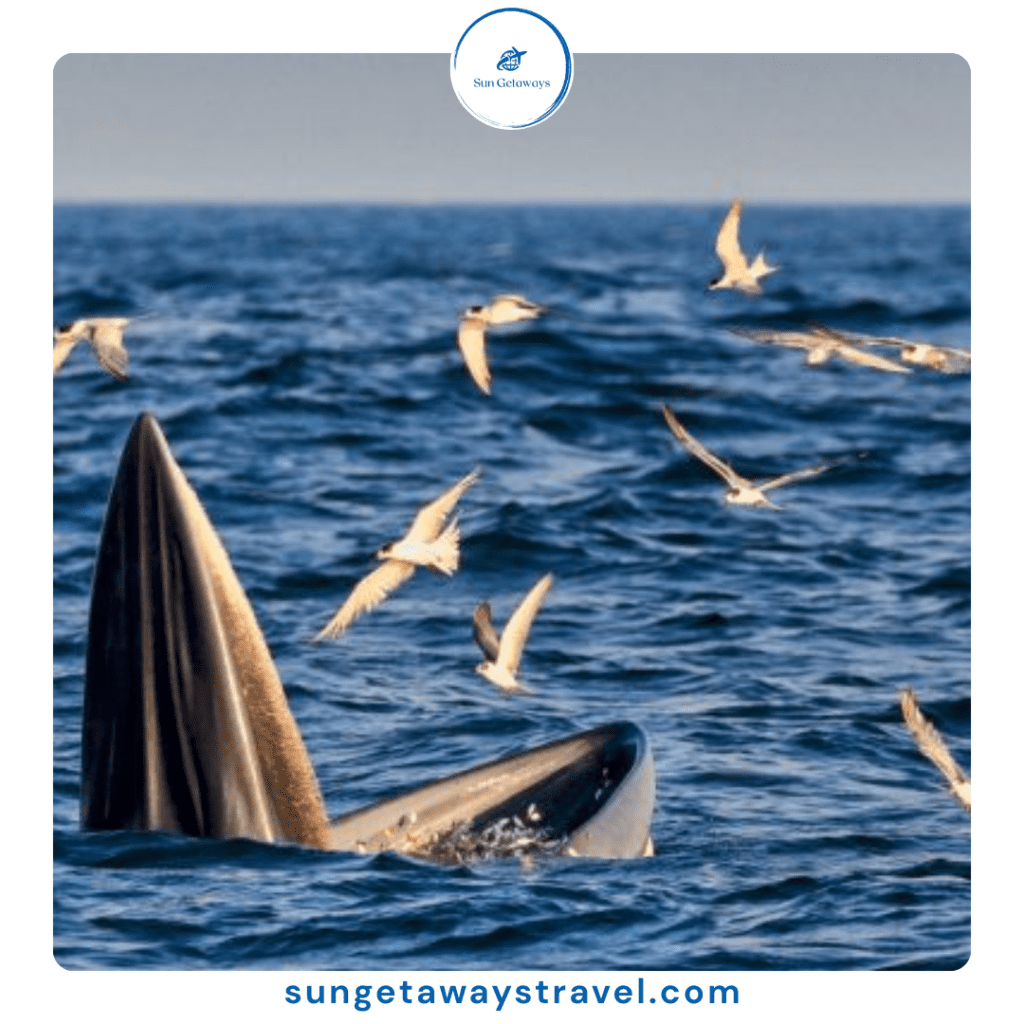
De Gi lies along the coastal feeding route of Bryde’s whales. These whales follow schools of anchovies and sardines that gather near shore, making this a highlight of adventure travel in Vietnam. - 🌊 Short offshore distance
Whales are often spotted 5–10 nautical miles from land, which reduces travel time and fuel usage. This makes tours less exhausting and more environmentally sustainable compared to offshore-only whale destinations. - 🚫 Low tourism pressure
De Gi has no large cruise terminals or mass whale-watching fleets. Fewer boats mean less noise, less stress for marine life, and a higher chance of observing natural whale behavior. - 🛶 Local fishing expertise
Tours are operated by fishermen who have spent decades reading currents, bird movements, and water color changes—knowledge that cannot be replaced by GPS alone.
Together, these factors make De Gi one of the most promising yet under-the-radar locations for a Vietnam whale watching tour.
Vietnam Whale Watching Tour: What You Can Actually See
Understanding what is realistically observable helps set proper expectations. A Vietnam whale watching tour in De Gi focuses on quality of encounter, not quantity of species.
Here’s what travelers may experience:
🐋 Main Species
- Bryde’s whales
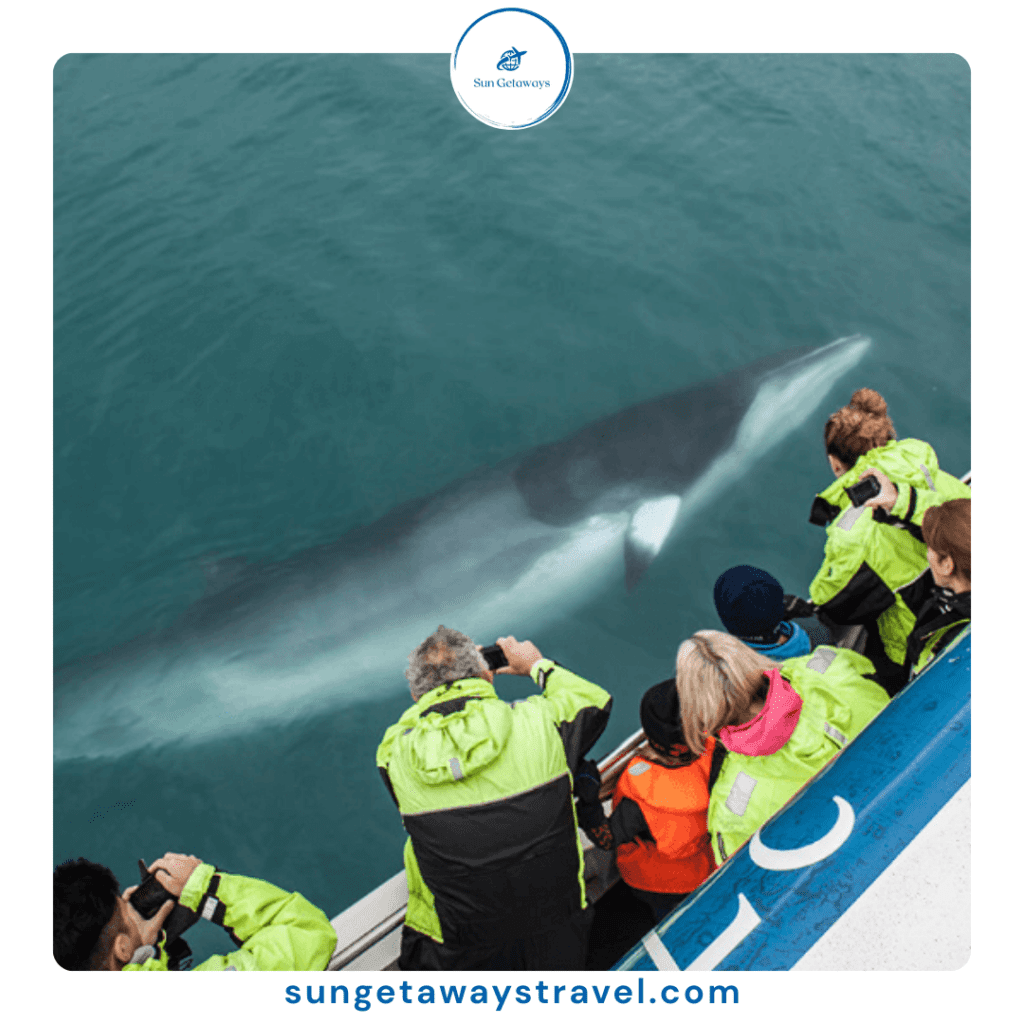
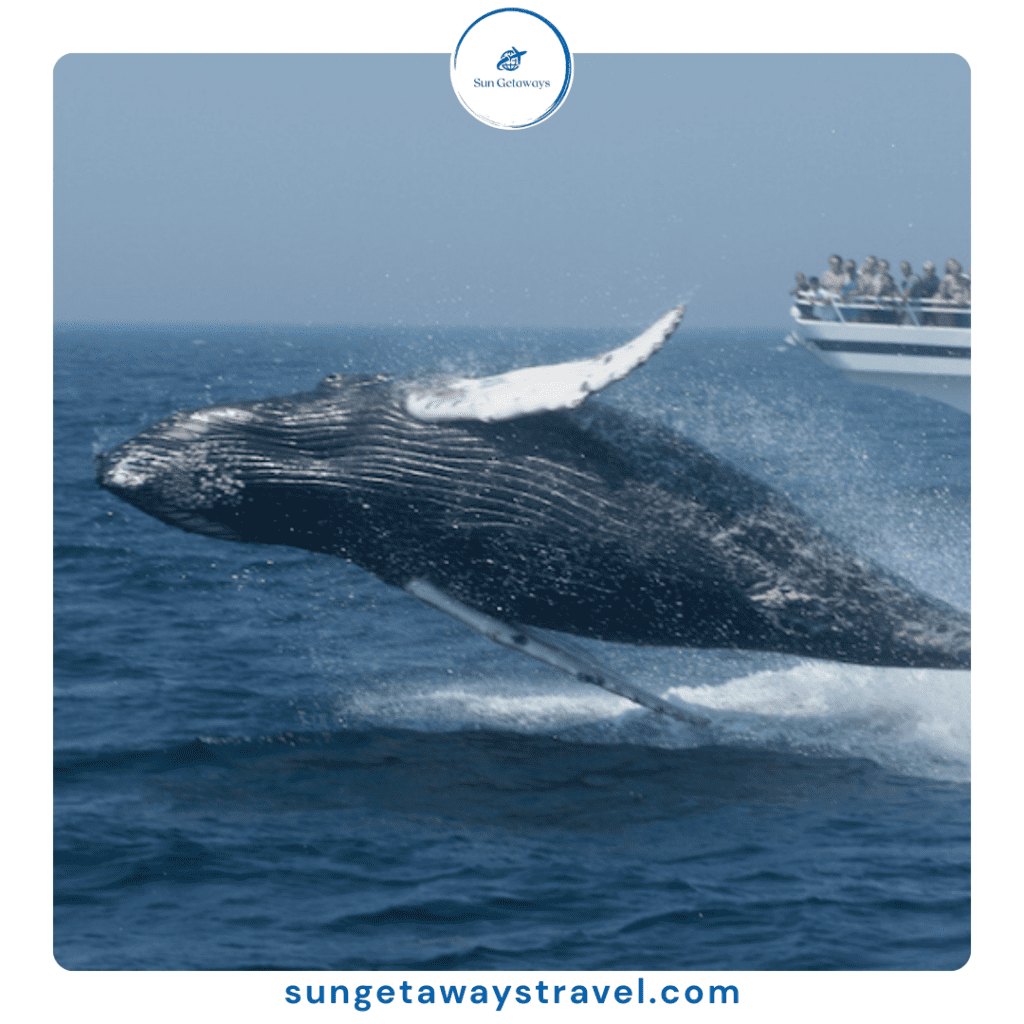
These medium-sized baleen whales are the primary species seen in De Gi. They are known for surface feeding, which means they often remain visible longer than deep-diving whales. Their calm movement patterns make them ideal for observation without disturbing them.
🐬 Possible (but not guaranteed)
- Dolphins may occasionally appear, especially when fish schools are abundant.
- Seabirds frequently signal feeding activity, similar to the sightings at a Vietnam bird sanctuary.
⚠️ Important expectation note:
A Vietnam whale watching tour is guided by nature, not choreography. Ethical tours do not chase whales or force interactions. Some days offer extended sightings; others offer brief but meaningful moments.
Whale Watching Season in Vietnam (De Gi Focus)
The whale watching season in Vietnam is short but well-defined. Checking a best time to visit Vietnam month-by-month guide is crucial for planning.
Below is a clear, scannable seasonal overview for De Gi:
| Period | Whale Sightings | Sea Conditions | Recommendation |
|---|---|---|---|
| Jan – Mar | Very low | Calm | ❌ Not suitable |
| Apr – May | Low | Windy | ⚠️ Inconsistent |
| Jun – Sep | High | Calm mornings | ✅ Best window |
| Jul – Aug | Peak | Excellent | ⭐ Ideal |
| Oct – Dec | Rare | Rough seas | ❌ Avoid |
During peak whale watching season in Vietnam, warm water temperatures and fish abundance bring whales closer to shore. Morning departures are crucial, as sea conditions often deteriorate after midday.
How Vietnam Whale Watching Tours in De Gi Are Structured
Unlike commercial tours with fixed itineraries, whale watching in De Gi is condition-based. Understanding the 3 unique perks of opting for a packaged tour in Vietnam can help you appreciate this flexible approach.
Here’s how a typical Vietnam whale watching tour unfolds:
🕔 Departure
- Early morning departures (usually between 5:30–7:00 AM)
- Timing depends on weather, tides, and real-time reports from fishermen
⏱ Duration
- 3–4 hours total, including travel and observation
- Extended sightings may lengthen the tour slightly
🚤 Boat Type
- Small, converted fishing boats
- Group size typically ranges from 6–12 people, ensuring safety and visibility
📍 Navigation Style
- No fixed routes or “guaranteed spots”
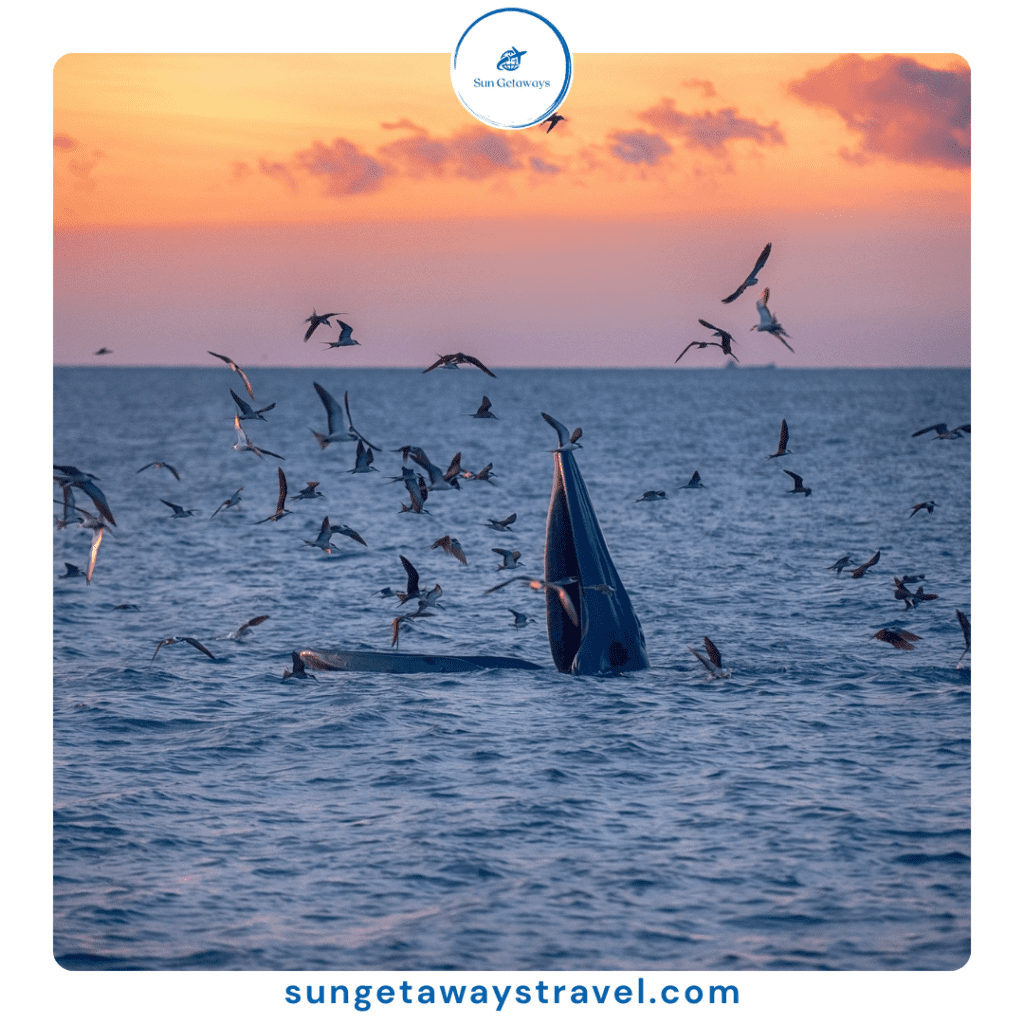
- Fishermen locate whales by monitoring:
- Seabird clustering
- Water surface disturbances
- Fish school movement
This flexible approach is precisely why De Gi offers such authentic encounters—but it also requires patience and realistic expectations.
👉 For travelers unfamiliar with local conditions, Sun Getaways Travel helps coordinate Vietnam whale watching tours with trusted De Gi fishing crews, ensuring safety, ethical practices, and transparent pricing—without turning the experience into mass tourism.
Costs and What You’re Really Paying For
Many travelers look for a Vietnam trip cost a complete budget breakdown before booking. The cost reflects supporting local livelihoods and sustainable practices.
💰 Average Price Range
- Shared tour: USD 45–70 per person
- Private boat: USD 250–400 per trip (ideal for families or photographers)
🧾 What’s Typically Included
- Local captain and fishing crew
- Fuel and navigation based on real-time conditions
- Basic safety equipment (life jackets, radios)
❌ What’s Usually Not Included
- Meals or drinks (unless stated)
- Professional photography
- Hotel transfers from Quy Nhon
💡 Why cheaper isn’t better:
Tours priced far below market average often cut corners on safety, overload boats, or ignore ethical whale watching distances.
👉 If you want transparent pricing and reliable operators, contact us via WhatsApp to pre-vets all partners to ensure your Vietnam whale watching tour meets safety and ethical standards.
How to Choose a Responsible Vietnam Whale Watching Tour Operator
Choosing the right operator can make or break your experience—especially during peak whale watching season in Vietnam.
Look for these non-negotiable criteria:
- ✅ Respectful distance from whales
Boats should slow down or turn off engines when whales surface nearby. - ✅ Limited boat numbers
Too many boats cause stress to whales and reduce sighting quality. - ✅ Local involvement
Operators should be local fishermen or work directly with fishing communities. - ❌ Avoid “guaranteed sightings” promises
Ethical tours never guarantee wildlife appearances.
A responsible Vietnam whale watching tour prioritizes conservation over entertainment—something increasingly valued by conscious travelers.
Expert Insight: Emma’s Advice After 12 Years in Vietnam Tourism
“De Gi is special because whales are not treated as an attraction, but as part of the local ecosystem,” says Emma, a travel consultant with 12 years of experience in advising and operating tours across Vietnam.
“The best experiences come from travelers who understand that patience, timing, and respect for nature matter more than luxury.”
Emma also notes that booking through experienced planners helps travelers align expectations with real conditions during the whale watching season in Vietnam.
What to Pack for a Vietnam Whale Watching Tour
Preparation is simple but important. Refer to a complete Vietnam packing list for more details, but here are the essentials:
🎒 Essentials to Bring
- Lightweight windbreaker or sun-protective clothing
- Polarized sunglasses (reduce water glare)
- Motion sickness tablets (even if you rarely get seasick)
- Reusable water bottle
📸 Photography Tips
- Cameras with zoom lenses work best
- Drones are generally not allowed due to wildlife disturbance
- Waterproof phone pouches are recommended
Keeping gear minimal improves safety and comfort onboard small fishing boats.
Combining Whale Watching with a Quy Nhon Travel Itinerary
A Vietnam whale watching tour fits seamlessly into a broader exploration of Vietnam beaches islands ultimate guide, especially around Quy Nhon.
🗺 Suggested Travel Flow
- Day 1: Whale watching in De Gi (early morning)
- Day 2: Quy Nhon beaches & seafood villages
- Day 3: Cham ruins or coastal road trips
This balance of nature, culture, and relaxation makes Quy Nhon ideal during the whale watching season in Vietnam—without the crowds of more famous destinations.
👉 For travelers short on planning time, Sun Getaways Travel can help design flexible Quy Nhon itineraries around whale watching conditions, weather, and personal interests.
Common Mistakes Travelers Make (and How to Avoid Them)
Learning from others’ mistakes can save time and disappointment.
- ❌ Expecting guaranteed sightings
✔️ Solution: Travel during peak season and stay flexible - ❌ Booking based only on price
✔️ Solution: Prioritize safety, ethics, and local expertise - ❌ Ignoring early departure times
✔️ Solution: Treat whale watching as a sunrise activity
Understanding these points leads to a more rewarding Vietnam whale watching tour experience.
FAQs About Vietnam Whale Watching Tours
1. Is whale watching guaranteed in Vietnam?
No. Sightings depend on natural conditions, even during peak season.
2. When is the best whale watching season in Vietnam?
From June to September, with July–August being the peak.
3. Are Vietnam whale watching tours safe?
Yes, when operated by experienced local crews with proper equipment.
4. How far is De Gi from Quy Nhon city?
Approximately 45 km, or around 1.5 hours by road.
5. Can children join whale watching tours?
Yes, provided sea conditions are calm and safety gear is used.
For travelers who value authenticity, sustainability, and real wildlife encounters, the answer is yes. While the experience lacks luxury features, it offers something far rarer—unfiltered access to nature guided by people who depend on it.
When planned during the right whale watching season in Vietnam, De Gi delivers a meaningful, memorable encounter that goes far beyond ticking a box.


Related Tour
7 Days Northern Vietnam Tour: Hanoi, Halong, Sapa


23 Reviews

4 Days Halal Muslim Hanoi and Sapa
0 Reviews
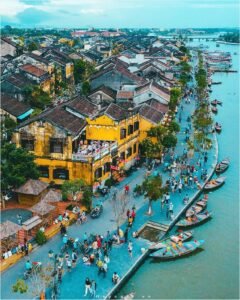
12 Days Vietnam Classic Tour From North To South
26 Reviews
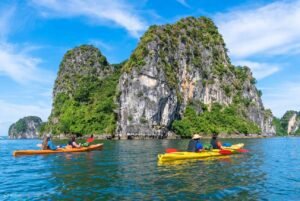
5 Days Muslim Tour Hanoi, Sapa & Halong Bay
0 Reviews

Ask a question
Leave a Comment (0)
No questions yet. Be the first to ask a question!
See related Posted
Luxury Golf Resorts in Vietnam – Elite Golf Travelers

Vietnam is increasingly recognized as a premier golf destination in Asia, therefore luxury golf…
Macrame in Vietnam: The Revival of Knot Art in Contemporary Craft Culture

Macrame in Vietnam reflects the country’s growing engagement with contemporary handmade culture, where global…
Vietnamese Musical Instrument Craft: Traditional Instrument Making in Vietnam

Vietnamese musical instrument craft reflects a long-standing relationship between sound, material, and cultural memory.…
Traditional Vietnamese Kite Art: History, Craftsmanship, and Cultural Meaning

Traditional Vietnamese kite art is a living expression of folk creativity, community values, and…
Vietnamese Folk Masks: Tradition, Symbolism & Cultural Meaning

Vietnamese folk masks are a distinctive form of traditional art that reflects the spiritual…
Vietnamese Embroidery Art: Traditional Craftsmanship & Cultural Meaning

Vietnamese embroidery art is a refined traditional craft that reflects patience, cultural memory, and…