






Do You Really Need a Vietnam Tour Guide? Pros, Cons & Tips
 Dan Vy
  3 min. to read
 Vietnam is one of Asia’s most fascinating travel destinations—lush mountains, lantern-lit towns, street-food heaven, and a culture that blends ancient charm with modern energy. But here comes the big travel question: Do you really need a Vietnam tour guide?

Some travelers swear by the freedom of exploring on their own, while others believe having a knowledgeable guide transforms the entire trip.
In this comprehensive guide, we’ll break down the pros, cons, and tips, plus expert insights to help you make the best decision for your Vietnam adventure.
Key Takeaways: Vietnam Tour Guide
- A Vietnam tour guide provides deep cultural insight, hassle-free logistics, and safety, enhancing your travel experience.
- While some travelers enjoy exploring independently, others find that a guide is invaluable for accessing hidden local experiences.
- Hiring a guide comes with pros like communication support, while cons include reduced flexibility and extra costs.
- Consider a Vietnam tour guide if you’re visiting for the first time, want to explore remote areas, or prefer organized travel.
- Evaluate guides carefully by checking their licenses, reviews, and ability to customize itineraries for a personalized adventure.
Why Travelers Wonder if They Need a Vietnam Tour Guide
Vietnam is relatively easy to navigate: transportation is frequent, people are friendly, and English is increasingly common in tourist hubs. Still, the country is layered with history, customs, hidden alleys, and complex regional nuances.
Because of that, many visitors ask:
- Is a Vietnam tour guide worth it?
- Is a tour guide in Vietnam necessary for safety?
- Will I miss out if I travel without one?
This article helps you decide, based on your travel style.
Pros of Hiring a Vietnam Tour Guide
1. First-Hand Cultural Insight You Can’t Google
Vietnam has more than 50 ethnic groups, centuries of dynastic transitions, colonial influence, and war-related history. A Vietnam tour guide can paint the deeper story behind temples, museums, and even daily rituals.
Instead of just looking at a pagoda, you’ll understand what the intricate symbols represent, why incense is placed a certain way, and how spiritual beliefs influence local life.
If you want a culturally rich trip without the guesswork, Sun Getaways Travel offers curated experiences designed for meaningful and authentic storytelling.
2. Hassle-Free Logistics (Especially in Rural Areas)
Navigating urban Vietnam is easy, but rural and mountainous regions—like Ha Giang, Sapa, or the Central Highlands—are less straightforward. Public transport is limited, and language barriers can cause confusion.
A tour guide in Vietnam simplifies everything:
- Transportation arrangements
- Entrance tickets
- Local meals
- Hidden spots not listed on Google
- Real-time adjustments to avoid crowds

This can save you hours of planning and potential travel mishaps.
3. Communication Support
While English is common in major cities, it’s not guaranteed everywhere.
A Vietnam tour guide bridges language gaps—helping you negotiate, order food, interact naturally with locals, and avoid misunderstandings.
This becomes especially helpful in:
- Markets
- Homestays
- Small towns
- Countryside adventures
It leads to smoother, more respectful interactions that make your journey warmer and more memorable.

4. Access to Local-Only Experiences
Many cultural experiences in Vietnam aren’t accessible without local connections, such as:
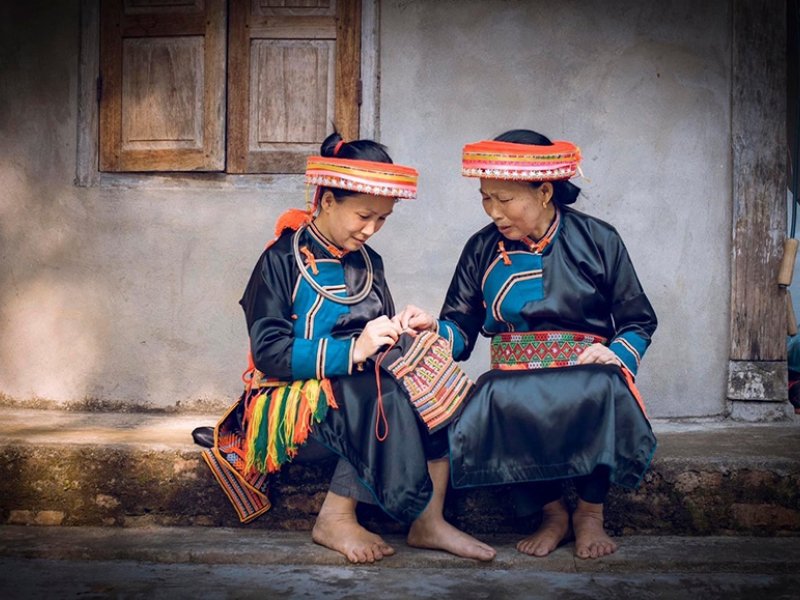
- Visiting ethnic minority villages
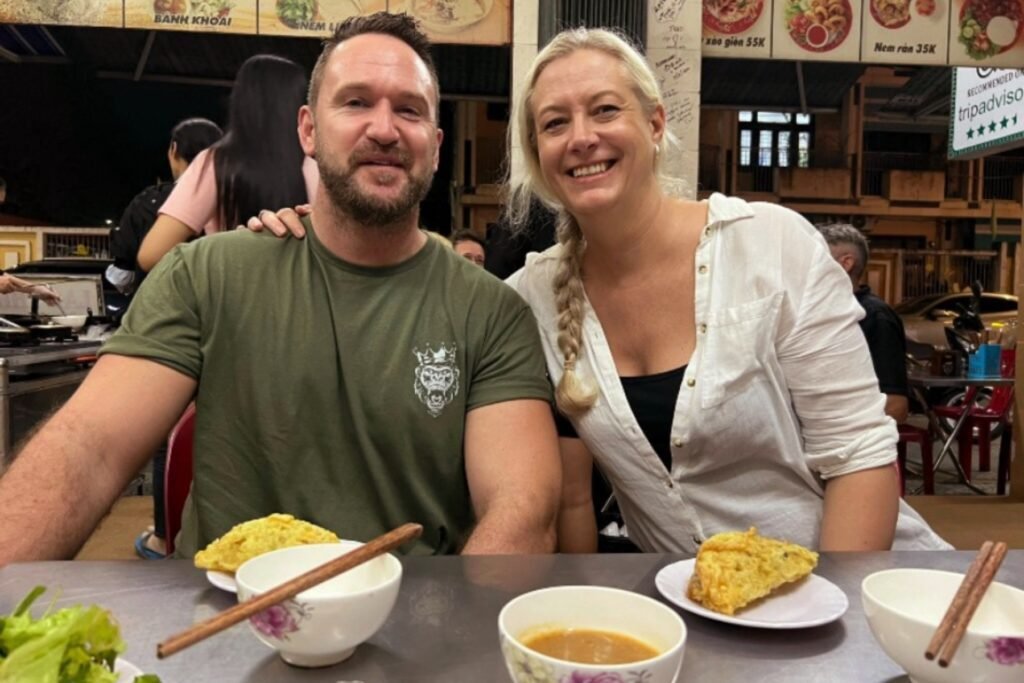
- Joining a family meal
- Learning traditional crafts
- Attending local festivals
- Hidden viewpoints for sunrise or sunset
A seasoned tour guide in Vietnam can unlock these doors and ensure the encounters are respectful, ethical, and genuine.
5. Safety & Unexpected Situations
Vietnam is safe for travelers, but accidents, weather, and unfamiliar environments can create challenges.
A Vietnam tour guide is trained to handle unexpected situations:
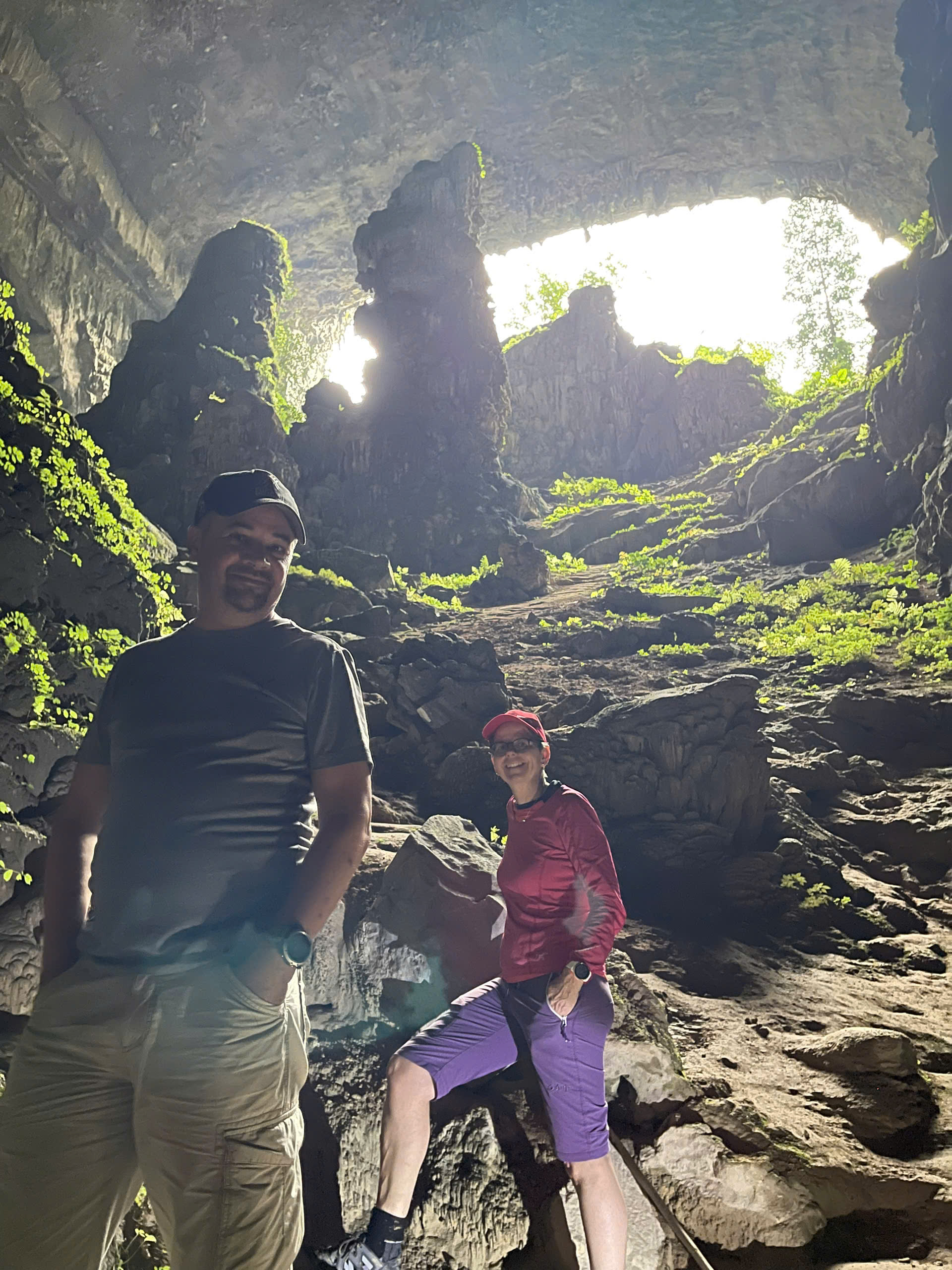
- Sudden weather changes in mountainous areas
- Road closures
- Trekking hazards
- Medical assistance
- Scams in overly touristy areas
Their local knowledge helps you avoid risky areas and keep your trip smooth.
Cons of Hiring a Vietnam Tour Guide
1. Reduced Flexibility
Hiring a guide usually means following a schedule, which may not suit travelers who love spontaneous exploration.
While many companies offer customizable tours, some itineraries may still feel structured.
2. Extra Cost
The cost of a tour guide in Vietnam varies depending on region, language proficiency, and itinerary type.
For budget backpackers, this may feel unnecessary if they prefer to explore independently.
However, many travelers later say that the additional cost was worth the depth of experience and reduced stress.
3. You Might Not Need One in Major Cities
Cities like:
- Ho Chi Minh City
- Hanoi
- Da Nang
- Hoi An
- Nha Trang
…are easy enough to explore on your own.

Public transportation, English-speaking hospitality staff, and abundant online resources make self-guided travel pretty effortless.
Still, a guide can enrich your understanding if you’re a history or culture lover.
Expert Advice: Should You Hire a Vietnam Tour Guide? (12-Year Insight)
To help travelers decide with confidence, we interviewed Emma, a Senior Tour Consultant with 12 years of experience designing and operating Vietnam tours for international visitors.
Emma’s Expert Insight
“Vietnam is simple enough for independent travel, but if your goal is to understand the culture—not just see it—a guide makes a huge difference. A well-trained Vietnam tour guide helps you avoid tourist traps, makes logistics effortless, and brings authenticity to every moment.
For first-time visitors or anyone traveling to the mountains, countryside, or war-history sites, I always recommend hiring one.”
Emma also notes that personalized tours are becoming more popular:
“Travelers today want flexible, story-rich experiences, and local guides are the key to achieving that.”
When You Should Consider Hiring a Vietnam Tour Guide
Consider booking a guide if you:
- Are visiting Vietnam for the first time
- Have a tight schedule and want to maximize your days
- Want to explore remote or mountainous regions
- Are passionate about local history, culture, or cuisine
- Prefer stress-free, organized travel
- Want to avoid scams or overpriced services
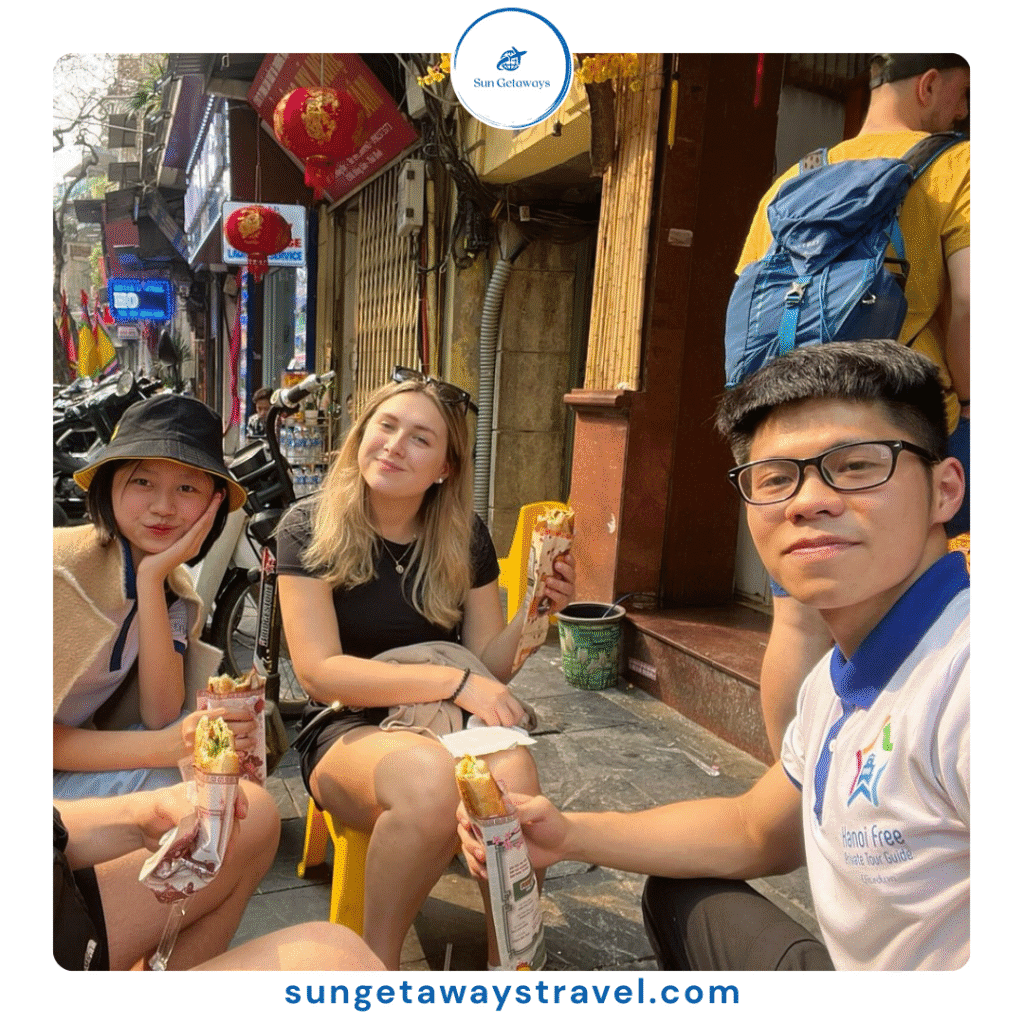
In these scenarios, a Vietnam tour guide becomes more than a convenience—they become a long-term memory maker.
When You Might Not Need a Guide in Vietnam Tour
You could explore independently if you:
- Are experienced with Southeast Asian travel
- Love researching and planning your own routes
- Are staying mostly in major cities
- Prefer wandering freely rather than sticking to a plan
- Have traveled to Vietnam before
In these cases, using online resources and apps might be sufficient.
Tips for Choosing the Right Vietnam Tour Guide
Not all guides are the same. To ensure a meaningful, safe, and personalized experience, spending time finding the right professional is crucial. Consider the following tips for selecting the best Vietnam tour guide:
1. Verify Professional Licensing and Certifications
A guide’s license is your assurance of quality and ethical practice, providing a crucial layer of accountability.
- Official Licensing is Mandatory: Licensed guides (easily identified by their official red or blue badge issued by the government) have undergone professional training mandated by the Vietnam National Administration of Tourism. This guarantees knowledge accuracy, standardized customer service, and adherence to ethical guiding practices. Always ask to see their badge.
- Specialized Knowledge is Key: Check if they hold certifications or proven expertise in a specific area. For example, a specialist in the Resistance War against America in Vietnam history or a culinary expert will elevate your experience far beyond what a general guide can offer.
2. Deep Dive into Reviews & Testimonials
Look beyond simple star ratings. The true quality of a Vietnam tour guide is revealed in the specifics and consistency of their reviews.
- Key Qualities: Search for feedback that mentions professionalism, excellent storytelling ability, patience, and quick problem-solving skills. A great guide acts as a cultural interpreter, ensuring you feel engaged and understood, not just lectured.
- Cultural Sensitivity: Prioritize reviews that note their respect for local customs, especially when they guide tours through sacred temples or to ethnic minority villages in Sapa or the Central Highlands. This demonstrates ethical tourism.
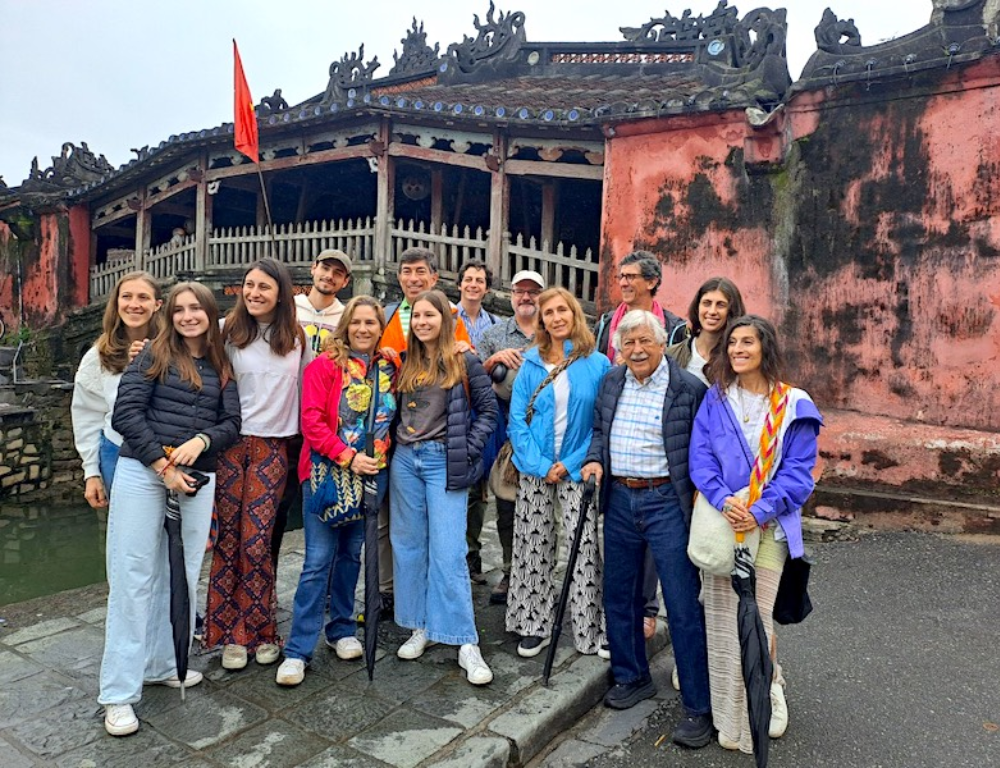
3. Prioritize Personalized Itineraries and Flexibility
A rigid, standardized tour rarely fits everyone. The best Vietnam tour guide should offer genuine adaptability based on your interests.
- Customization is Key: A great guide will actively inquire about your specific interests: Are you focused on food, history, war relics, local markets, or photography? Customization ensures you get better value for your time and money by focusing on what truly interests you.
- Handling Changes: Always ask how they manage unexpected changes (e.g., sudden monsoon rains, spontaneous local festivals, or minor health issues). Flexibility and contingency planning are the hallmarks of the best tour guide in Vietnam.
4. Assess Their English (or Chosen Language) Proficiency
Good communication is foundational for deeper learning, safety, and cultural understanding.
- Clarity and Nuance: Clear communication is essential for understanding complex historical context, nuanced cultural concepts, and local humor. A guide with high proficiency can translate not just words, but cultural nuance, transforming your experience from a sightseeing trip into a true learning journey.
- Safety Instruction: Ensure their command of language is strong enough to clearly communicate safety instructions, especially when participating in adventure activities like trekking, cycling, or diving.
5. Ask About Hidden Spots and Local Connections
The difference between a tourist and a traveler is often found in the guide’s network and insider knowledge.
- Authentic Access: The best Vietnam tour guide should know lesser-known cafes, quiet historical sites, secret viewpoints, local artisan homes, or authentic food stalls not listed in mainstream guidebooks. Ask them for one location they would never take a large bus tour to.
- Local Etiquette Training: They should be able to teach you essential phrases, explain local etiquette for tipping, bargaining in markets, and interacting respectfully with vendors, preparing you for independent exploration.
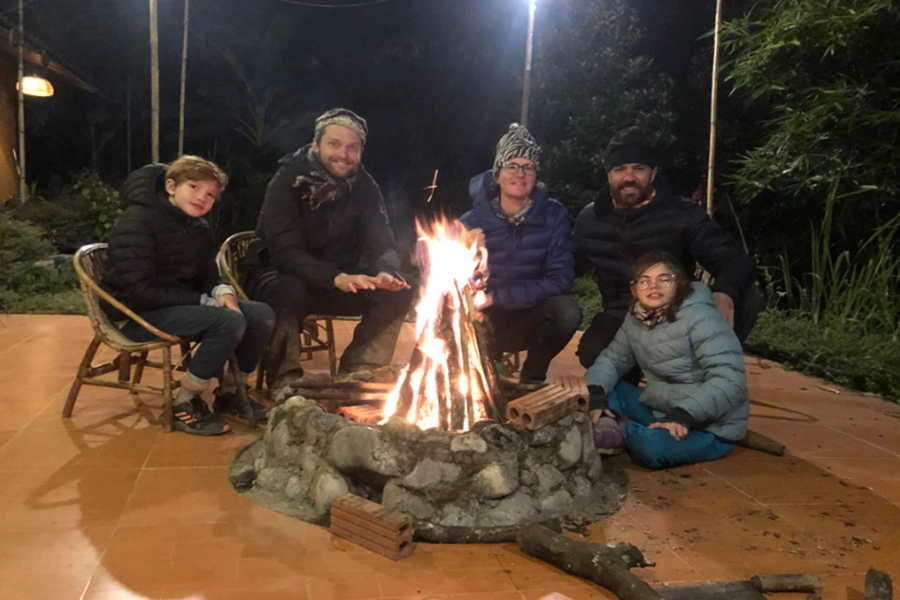
Self Guide for Vietnam Tour Guide: Tips for Independent Travelers
Choosing to explore Vietnam without a dedicated Vietnam tour guide offers immense freedom and flexibility. However, independent travel requires thorough preparation, especially concerning logistics, safety, and cultural etiquette.
Here are essential pointers for navigating the country successfully on your own:
1. Master Offline Navigation and Connectivity
Constant, cheap connectivity is key to independent safety and navigation in Vietnam.
- Download Offline Maps: Reliance on public Wi-Fi is unreliable outside major cities. Before you travel, download entire regions (Hanoi, HCMC, Đà Nẵng) using Google Maps or Maps.me. Maps.me is often preferred by backpackers for its detailed footpath and trail data, particularly useful in mountainous areas like Sapa.
- Get a Local SIM Card: Purchase a local SIM card immediately upon arrival at the airport (Viettel and Mobifone are the most reliable providers with the widest 4G/5G coverage). This ensures you have cheap, constant data for navigation, last-minute bookings, and safety calls.
2. Learn Basic Communication and Etiquette
Even a few local phrases can transform your interactions and prevent misunderstandings.
- Learn Basic Vietnamese Phrases: While many young Vietnamese speak some English, using the local language is highly appreciated and shows respect. Vietnamese phrases like “Cảm ơn” (Thank you), “Xin chào” (Hello), and knowing numbers for bargaining are invaluable for daily transactions.
- Use Translation Apps: Keep an instant voice translation app (like Google Translate) ready. This is particularly useful when dealing with older vendors, mechanics, or communicating complex requests outside of tourist hubs.
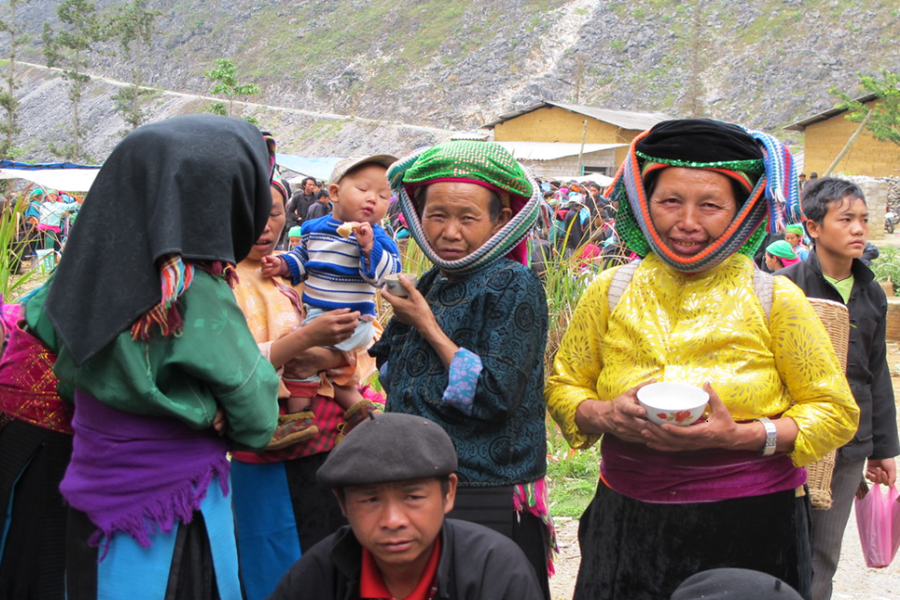
3. Stay Safe and Scam-Aware
Vigilance and informed choices regarding transport are your best defenses against common tourist issues.
- Be Aware of Scams: Be vigilant, especially around high-traffic tourist spots (Hoan Kiem Lake, Ben Thanh Market). Common scams include overly persistent street vendors, inflated taxi fares (if not using an app), and counterfeit goods.
- Pre-book Reputable Transport: Use reliable apps like Grab (the regional equivalent of Uber) for motorbike taxis and cars. When using traditional taxis, stick to major, reputable companies like Mai Linh (green) or Vinasun (white) and always ensure the meter is running.
4. Respect Local Culture and Sacred Spaces
Cultural awareness prevents offense and opens doors to deeper, more positive local interactions.
- Research Cultural Etiquette: Cultural awareness is paramount. Avoid touching sacred objects or pointing your foot at people/statues. Always use both hands when giving or receiving money or gifts, as it shows sincere respect.
- Dress Modestly: When visiting temples, pagodas, or historical sites like the Ho Chi Minh Mausoleum, ensure you dress modestly (shoulders and knees covered). Keep your voice low in sacred areas.
5. Plan Logistics for Peace of Mind
Effective planning is the key to minimizing stress during independent travel.
- Pre-book Transport in Advance: This is critical during peak travel season (December–February) and especially during public holidays like Tết (Lunar New Year), when bus tickets and flights can sell out or prices spike dramatically.
- Secure Accommodation Details: Use reputable booking platforms (Booking.com, Agoda) and always confirm the exact address and name with the host or hotel. Many streets share similar names across different districts (e.g., Phan Đình Phùng), leading to confusion for local drivers.
So… Do You Really Need a Vietnam Tour Guide?
It depends on your travel goals.
If you’re seeking convenience, deeper cultural learning, and safe access to hidden gems, then a Vietnam tour guide is absolutely worth it.
If you enjoy spontaneous adventure and navigating with your own research, you can explore many parts of Vietnam without one.

For tailor-made experiences that blend culture, comfort, and authenticity, contact us via WhatsApp for private and group tours crafted by passionate local experts.
FAQs: Vietnam Tour Guide
Not necessarily. Prices vary by region and language, but many guides offer excellent value for the service provided.
Most licensed guides have strong English skills, especially those in major cities or working for reputable agencies.
Yes. Many travelers hire guides for specific tours—city tours, food tours, or day trips.
Yes. Vietnam is generally safe, but having a guide adds convenience and ensures you avoid scams or confusing situations.
In most cases, yes. Guides can help book private cars, motorbikes, boats, and other transport options.


Related Tour

Experience History and Local Life in the Mekong Delta 5 Days


11 Reviews

7 Days Northern Vietnam Tour: Hanoi, Halong, Sapa
23 Reviews

Danang City and Ba Na Hills: A Captivating 4-Days Tour
34 Reviews

Discover the Best of Northern Vietnam in 9 Days
29 Reviews


4 Days Muslim Da Nang Ba Na Hills & Hoi An
0 Reviews
Ask a question
Leave a Comment (0)
No questions yet. Be the first to ask a question!
See related Posted
Luxury Golf Resorts in Vietnam – Elite Golf Travelers

Vietnam is increasingly recognized as a premier golf destination in Asia, therefore luxury golf…
Macrame in Vietnam: The Revival of Knot Art in Contemporary Craft Culture

Macrame in Vietnam reflects the country’s growing engagement with contemporary handmade culture, where global…
Vietnamese Musical Instrument Craft: Traditional Instrument Making in Vietnam

Vietnamese musical instrument craft reflects a long-standing relationship between sound, material, and cultural memory.…
Traditional Vietnamese Kite Art: History, Craftsmanship, and Cultural Meaning

Traditional Vietnamese kite art is a living expression of folk creativity, community values, and…
Vietnamese Folk Masks: Tradition, Symbolism & Cultural Meaning

Vietnamese folk masks are a distinctive form of traditional art that reflects the spiritual…
Vietnamese Embroidery Art: Traditional Craftsmanship & Cultural Meaning

Vietnamese embroidery art is a refined traditional craft that reflects patience, cultural memory, and…