





Sweet Cakes in Vietnam: Local Desserts Travelers Actually Love
 HoangAn
  3 min. to read
 Have you ever wondered which sweet cakes in Vietnam are truly worth trying, and which ones locals love the most? For many travelers, Vietnamese sweet snacks feel confusing at first because they look similar but taste very different. In this guide, you will discover popular sweet cakes in Vietnam, key ingredients, regional styles, prices, and where to enjoy them during your trip.
Key Takeaways
- Sweet cakes in Vietnam reflect local life, traditions, and offer a balance of flavors rather than heavy sweetness.
- Key ingredients include rice flour, coconut milk, beans, and palm sugar which create unique textures and tastes.
- Popular sweet cakes in Vietnam include Banh Chung Ngot, Banh Tro, and Banh Bo, each with distinct regional influences.
- Sweet cakes vary across regions, with northern cakes being mild, central cakes rich, and southern cakes sweeter.
- Travelers can find sweet cakes at street stalls and markets, and guided food tours enhance the experience and cultural understanding.
1. Why Sweet Cakes Play a Big Role in Vietnamese Cuisine
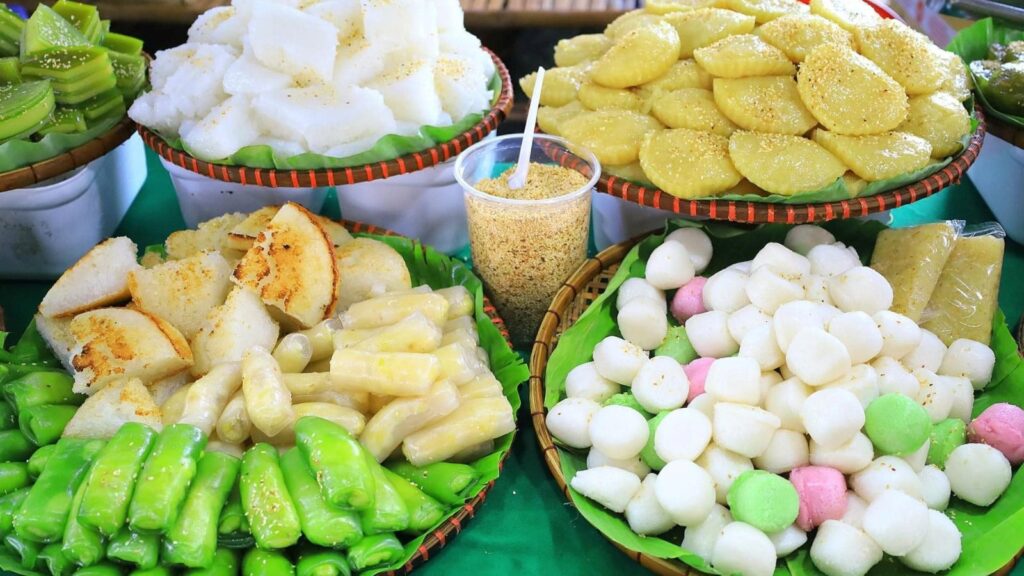
Sweet cakes in Vietnam reflect daily life, traditions, and local ingredients, standing alongside Vietnamese traditional cakes as an essential part of local food culture. People enjoy them as snacks, breakfast items, or small desserts after meals. Many families also prepare these cakes for festivals, ancestral offerings, and special occasions.
Unlike Western desserts, Vietnamese sweet snacks focus on balance rather than heavy sugar, creating a clear contrast with Vietnamese savory cakes that rely more on salt, herbs, and rich fillings. You will often taste gentle sweetness, soft textures, and natural aromas from rice, coconut, and beans. This makes sweet cakes easy to enjoy, even for travelers who prefer light desserts.
For visitors, trying sweet cakes in Vietnam offers more than flavor. It helps you understand local habits, street food culture, and regional identity in a simple and enjoyable way.
2. Key Ingredients Used in These Cakes
Vietnamese sweet cakes rely on simple but meaningful ingredients. Each ingredient plays a clear role in flavor, texture, and aroma. Understanding them helps travelers choose cakes that match their taste.
- Rice flour and glutinous rice flour
These flours create soft, chewy, or slightly sticky textures. They also make cakes filling without feeling heavy. Many sweet cakes in Vietnam use rice as their base because rice grows widely across the country. - Coconut milk and shredded coconut
Coconut adds natural sweetness and richness. It also creates a smooth mouthfeel that balances the neutral taste of rice flour. In the south, coconut appears in almost all Vietnamese sweet snacks. - Beans and seeds
Mung beans, black beans, and sesame seeds add protein and texture. They also bring earthy flavors that reduce sweetness and make cakes more satisfying. - Palm sugar and cane sugar
These sugars taste softer than refined sugar. They give cakes a warm color and gentle sweetness instead of sharp sugar notes.

3. Popular Sweet Cakes in Vietnam You Should Try
Vietnam offers a wide variety of sweet cakes. Each one carries a story, texture, and regional touch. Below are some sweet cakes in Vietnam that travelers often love.
3.1 Banh chung ngot (Sweet Sticky Rice Cake)
Banh chung ngot is a sweet variation of the famous traditional cake eaten during Lunar New Year. Instead of pork, this version uses mung beans, coconut, and palm sugar wrapped in banana leaves. The cake tastes soft, lightly sweet, and very filling, making it suitable for sharing.
Travelers often encounter this cake in northern Vietnam, especially around Tet season. It reflects family values, traditions, and the importance of rice in Vietnamese culture. Among sweet cakes in Vietnam, this one carries strong symbolic meaning.
3.2 Banh tro (Ash Cake)
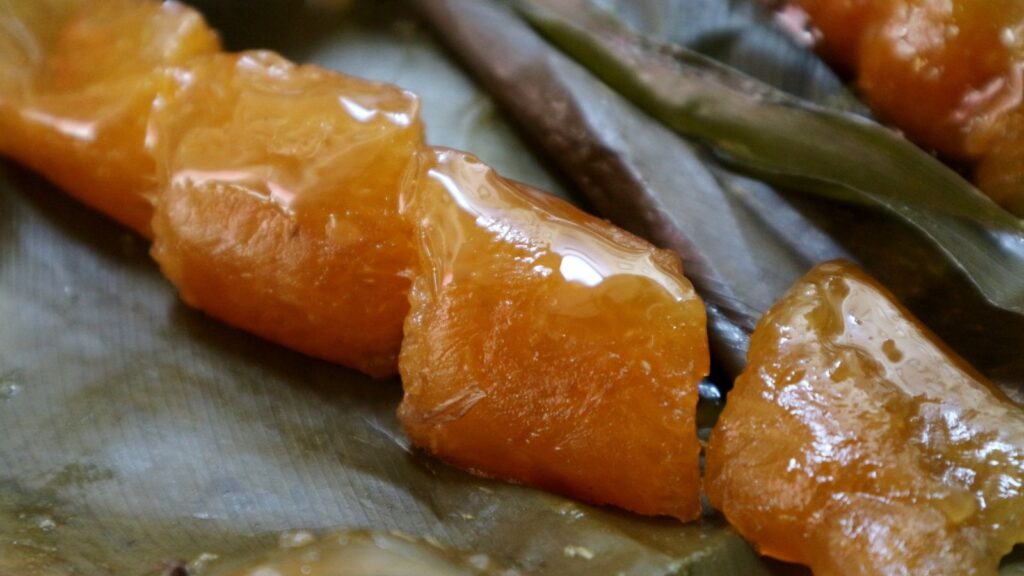
Banh tro is one of the most unique sweet cakes in Vietnam due to its clear, jelly-like appearance. The cake uses glutinous rice soaked in alkaline water made from plant ash. This process creates a soft texture with almost no sweetness on its own.
People usually eat banh tro with molasses or palm sugar syrup. Travelers who enjoy light and unusual Vietnamese sweet snacks often find this cake interesting. You can find it easily at local markets in northern and central Vietnam.
3.3 Banh bo (Honeycomb Cake)
Banh bo stands out because of its airy texture and honeycomb-like holes. Coconut milk and fermentation give the cake a gentle sweetness and a fragrant aroma. Each bite feels light, moist, and slightly chewy.
This cake appears frequently at street stalls and local markets across the country. For first-time visitors, banh bo feels approachable and easy to enjoy. Among sweet cakes in Vietnam, it is also one of the most affordable options.
3.4 Banh da lon (Steamed Layer Cake)
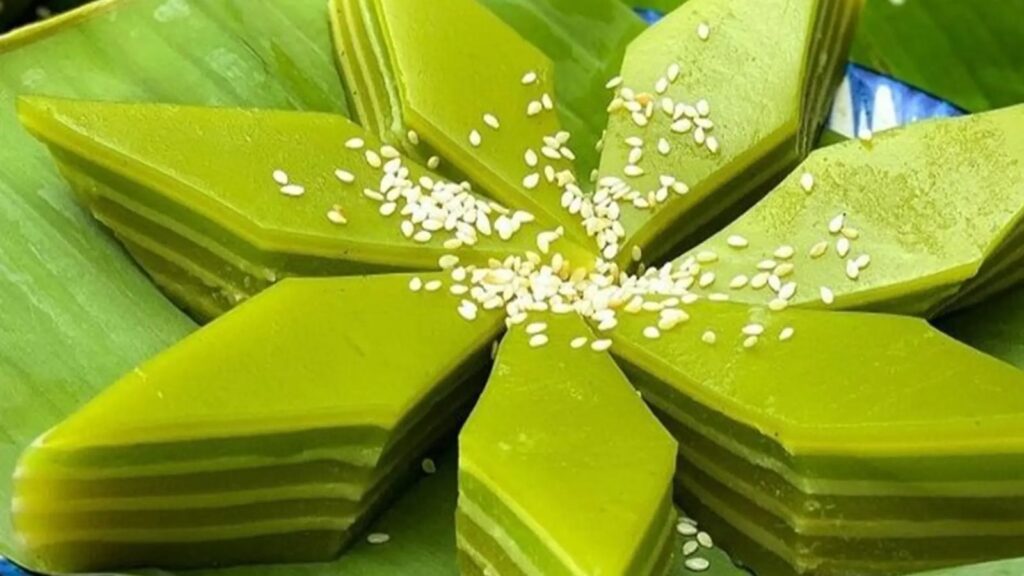
Banh da lon features colorful layers made from pandan, mung beans, and coconut milk. Each layer feels smooth and soft, while the flavors remain mild and balanced. The green pandan layer brings a fresh aroma that many travelers love.
This cake often appears in southern Vietnam and at family celebrations. Visitors often take photos before eating because of its bright colors. As a visual and flavorful dessert, it represents the playful side of Vietnamese sweet snacks.
3.5 Banh it tran nhan dua (Glutinous Rice Cake with Coconut Filling)
Banh it tran has a chewy outer layer made from glutinous rice flour and a sweet coconut filling inside. The cake feels slightly sticky but very satisfying, especially when eaten warm. Banana leaves add a subtle fragrance.
You can often find this cake in central Vietnam, where it appears at festivals and family gatherings and is commonly included in experiences along a central Vietnam tour. Travelers who enjoy chewy textures often rank this cake high among sweet cakes in Vietnam.
3.6 Banh cam (Sesame Ball)
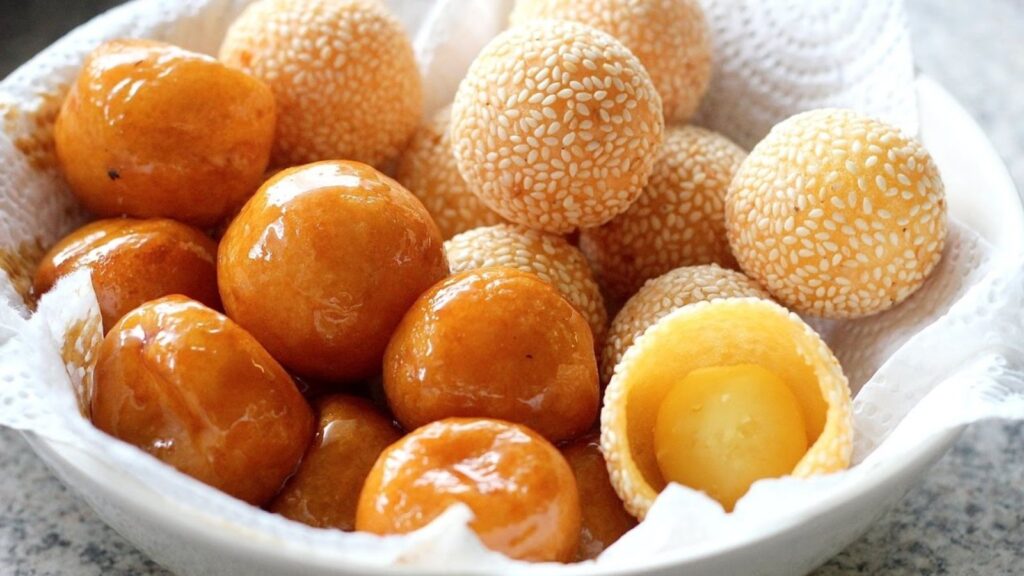
Banh cam looks simple but delivers rich flavor. The outside uses glutinous rice flour coated with sesame seeds, while the inside contains sweet mung bean paste. When fried, the cake becomes crispy outside and soft inside.
This cake is popular as a street snack in many cities. Travelers enjoy watching it being freshly fried at local stalls. Among Vietnamese sweet snacks, banh cam works well as a quick treat between sightseeing stops.
3.7 Banh troi (Sweet Rice Balls)
Banh troi consists of small glutinous rice balls filled with palm sugar. When cooked, the sugar melts inside and creates a warm, sweet center. People usually serve it with ginger syrup and sesame seeds.
This cake often appears during traditional festivals and special occasions. For travelers, banh troi offers a comforting and gentle sweetness. It also shows how simple ingredients create meaningful sweet cakes in Vietnam.
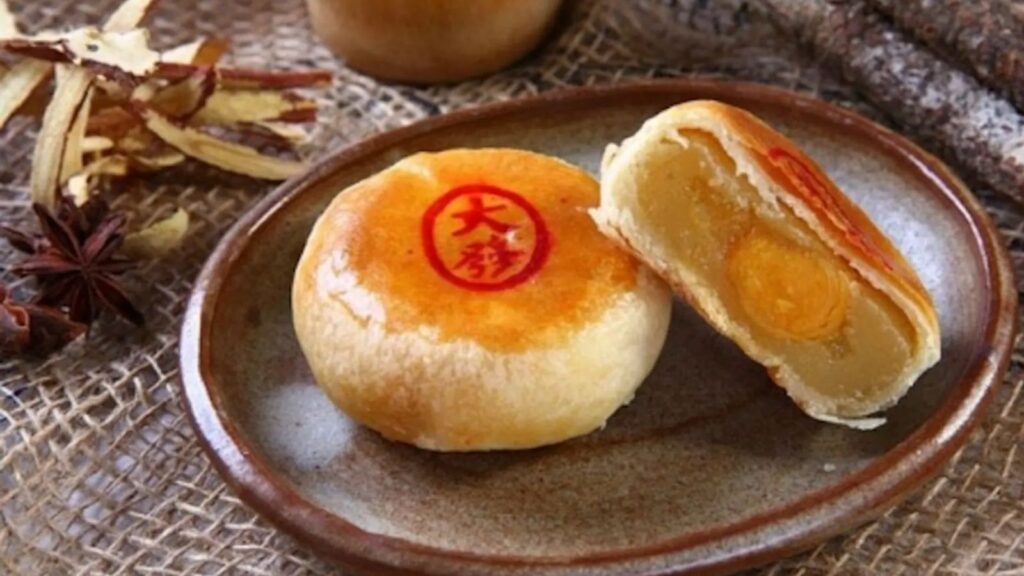
3.8 Banh pia (Layered Pastry with Sweet Filling)
Banh pia originates from southern Vietnam and shows Chinese culinary influence. The cake has thin flaky layers and a sweet filling made from mung bean, durian, or salted egg yolk. The texture feels rich but not overly heavy.
Many travelers buy banh pia as gifts because it stores well. Among sweet cakes in Vietnam, it feels closer to a pastry but still keeps local identity. You can try it in the Mekong Delta region, where it often appears in local food experiences along a Mekong Delta tour.
If you feel unsure about food choices or hygiene, contact Sun Getaways Travel for advice on food-friendly routes and guided experiences.
4. Regional Variations of Sweet Cakes in Vietnam
Sweet cakes in Vietnam change noticeably from north to south. Climate, ingredients, and local taste influence each region.
| Region | Taste Profile | Common Ingredients | Typical Price |
|---|---|---|---|
| Northern Vietnam | Mild sweetness | Rice, beans, molasses | 1-2 USD |
| Central Vietnam | Balanced and rich | Coconut, sesame | 1.5-2.5 USD |
| Southern Vietnam | Sweeter and creamy | Coconut milk, palm sugar | 2-3 USD |
Northern cakes feel subtle and simple. Central cakes balance sweetness and richness. Southern cakes taste sweeter and creamier, especially popular among travelers with a sweet tooth.
5. Where to Find the Best Sweet Cakes in Vietnam
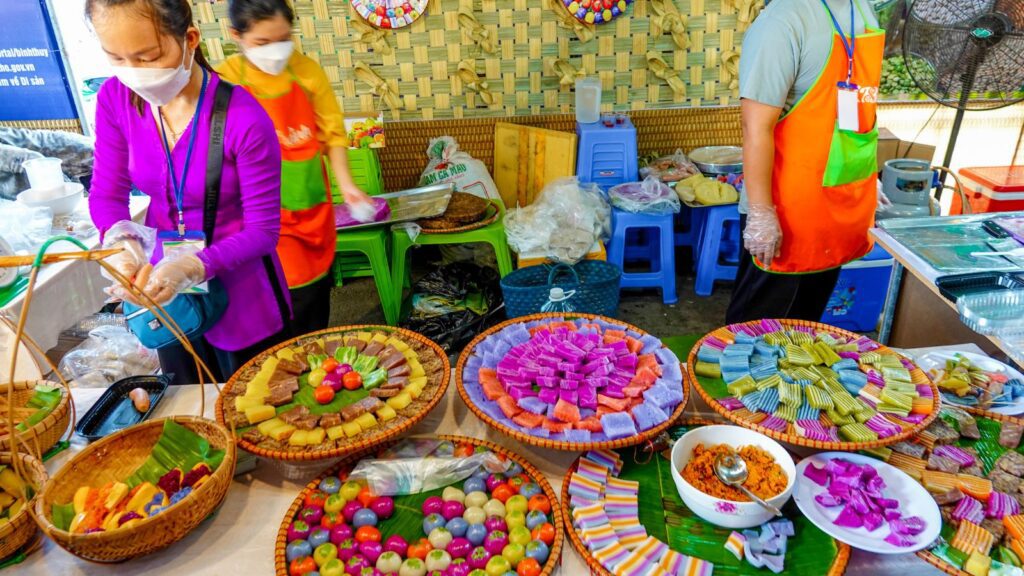
You can find sweet cakes in Vietnam almost everywhere. Street stalls, local markets, and small shops sell them daily. Early mornings and late afternoons work best for fresh cakes.
In Ha Noi, traditional markets and old streets offer many Vietnamese sweet snacks at affordable prices. Joining a Ha Noi street food tour helps travelers try many cakes safely and easily. In Ho Chi Minh City, sweet soups and coconut-based cakes dominate local menus.
Many travelers also explore desserts during a Vietnam food tour, where guides explain ingredients and cultural meaning. This adds more value than tasting alone.
Expert tip:
“Travelers should try sweet cakes at small local stalls instead of tourist cafés. These places keep recipes traditional and prices fair.”
Mrs. Emma Nguyen – Tour Operator Manager with over 12 years of experience at Sun Getaways Travel
6. FAQs about Sweet Cakes in Vietnam
No, most sweet cakes in Vietnam use mild sweetness. They focus on balance rather than heavy sugar.
Prices usually range from 1 to 3 USD per portion, making them budget-friendly for travelers.
Yes, most Vietnamese sweet snacks contain no meat. Always ask about ingredients to be safe.
Yes, local markets in small towns often sell fresh cakes made daily.
Generally yes, especially at busy stalls. Choose places with high turnover and clean displays.
7. Conclusion
Sweet cakes in Vietnam offer a gentle, authentic way to explore local food culture. They use simple ingredients, balanced flavors, and regional styles that reflect everyday Vietnamese life. For travelers, these desserts create small but memorable moments during each journey.
If you want to discover sweet cakes in Vietnam in the most meaningful way, Sun Getaways Travel can help you plan food-focused routes, local tours, and cultural experiences. Let our local experts turn every sweet bite into a deeper connection with Vietnam.


Related Tour

Travel eSIM: 5GB/Day – 15 Days


11 Reviews

Experience the Magic of Vietnam in 16 Days
0 Reviews

3 Days Tour Muslim Hanoi and Halong Bay
21 Reviews

Danang City and Ba Na Hills: A Captivating 4-Days Tour
34 Reviews

Ask a question
Leave a Comment (0)
No questions yet. Be the first to ask a question!
See related Posted
Luxury Golf Resorts in Vietnam – Elite Golf Travelers

Vietnam is increasingly recognized as a premier golf destination in Asia, therefore luxury golf…
Macrame in Vietnam: The Revival of Knot Art in Contemporary Craft Culture

Macrame in Vietnam reflects the country’s growing engagement with contemporary handmade culture, where global…
Vietnamese Musical Instrument Craft: Traditional Instrument Making in Vietnam

Vietnamese musical instrument craft reflects a long-standing relationship between sound, material, and cultural memory.…
Traditional Vietnamese Kite Art: History, Craftsmanship, and Cultural Meaning

Traditional Vietnamese kite art is a living expression of folk creativity, community values, and…
Vietnamese Folk Masks: Tradition, Symbolism & Cultural Meaning

Vietnamese folk masks are a distinctive form of traditional art that reflects the spiritual…
Vietnamese Embroidery Art: Traditional Craftsmanship & Cultural Meaning

Vietnamese embroidery art is a refined traditional craft that reflects patience, cultural memory, and…