




Quang Nam Music: Exploring the Region’s Rich Musical Heritage
 Dan Vy
  3 min. to read
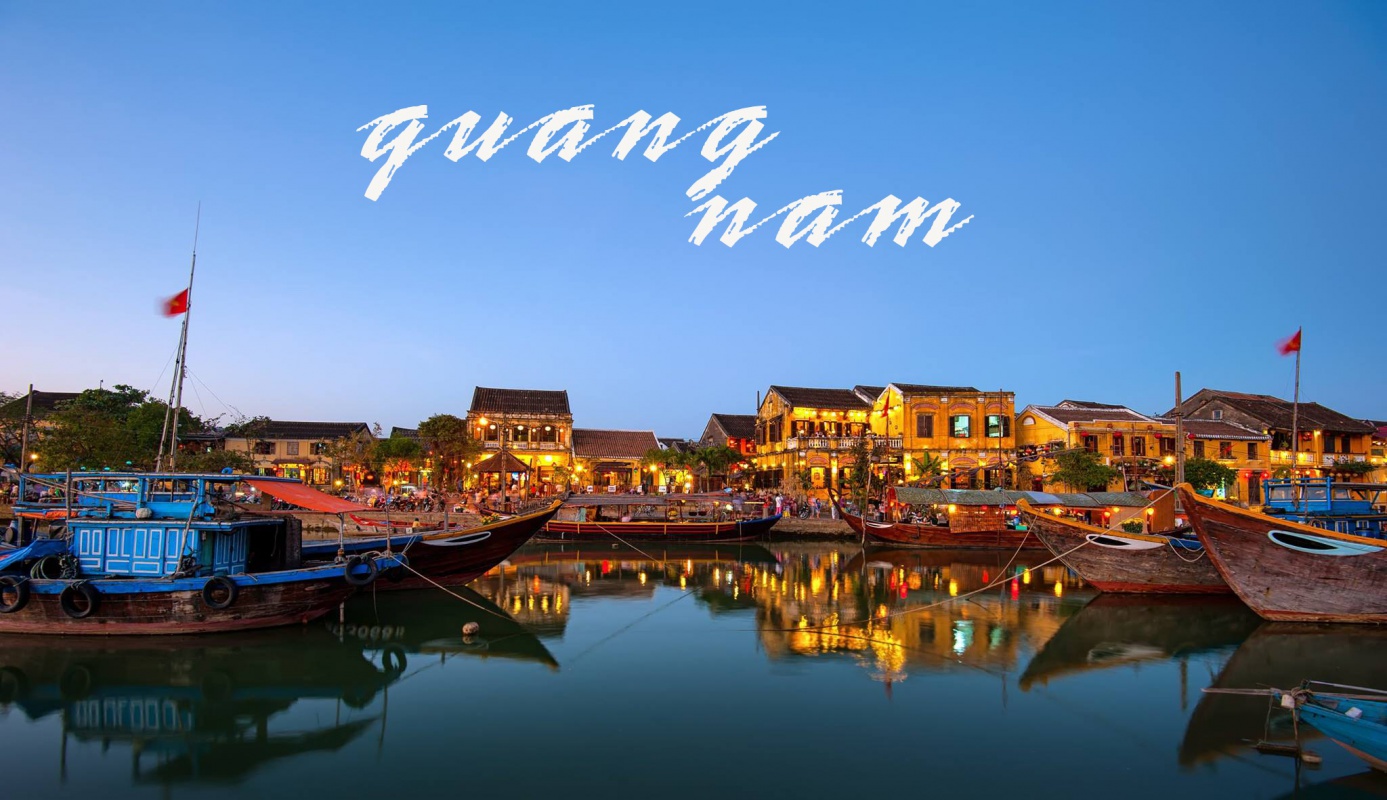
 Quang Nam, located in Central Vietnam, is more than just the land of ancient towns and golden beaches. It is also home to a vibrant musical culture that dates back centuries. From age-old melodies passed down through generations to performances that bring life to local festivals, Quang Nam music tells the story of a region deeply rooted in art, emotion, and community spirit.
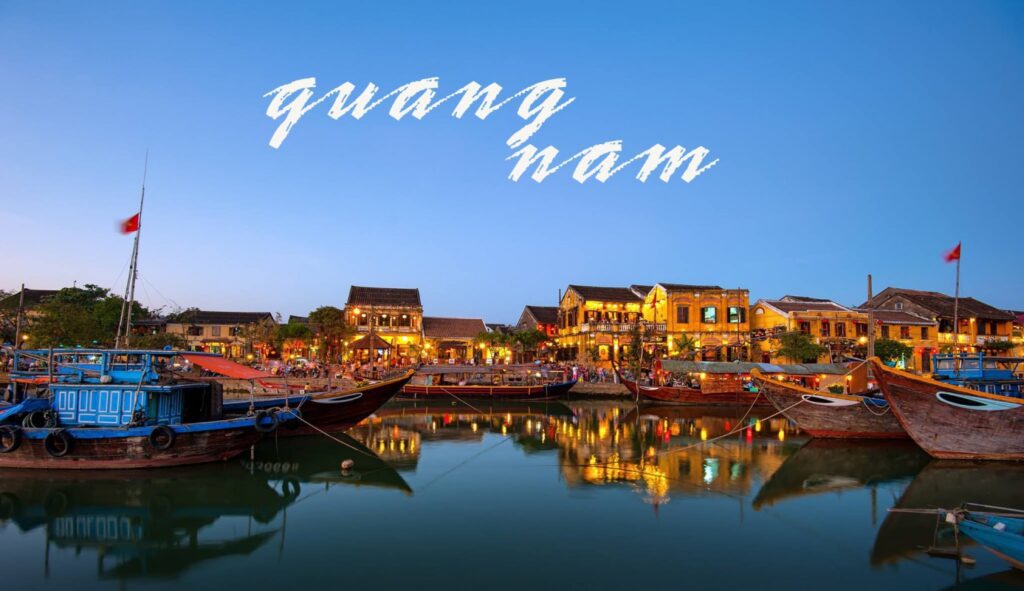
In this article, we’ll take a deep dive into the world of Quang Nam music—its origins, the unique sounds of Vietnamese folk music, and the beautiful tones of traditional musical instruments that continue to echo across villages and cultural centers today.
1. The Roots of Quang Nam Music in History and Culture
Understanding the music of Quang Nam requires a look at its historical and cultural foundation. For centuries, the region served as a cultural melting pot—blending Cham influences with those of the Vietnamese Kinh people. As a result, Quang Nam music is a reflection of diversity, resilience, and artistic legacy.
Whether it’s a lullaby sung by grandmothers or an emotional tune performed during Tet Holiday celebrations, each piece holds meaning. Music here isn’t just entertainment—it’s memory, identity, and emotion combined.
2. Influence of Vietnamese Folk Music in Quang Nam
What Makes Folk Music Special in Quang Nam
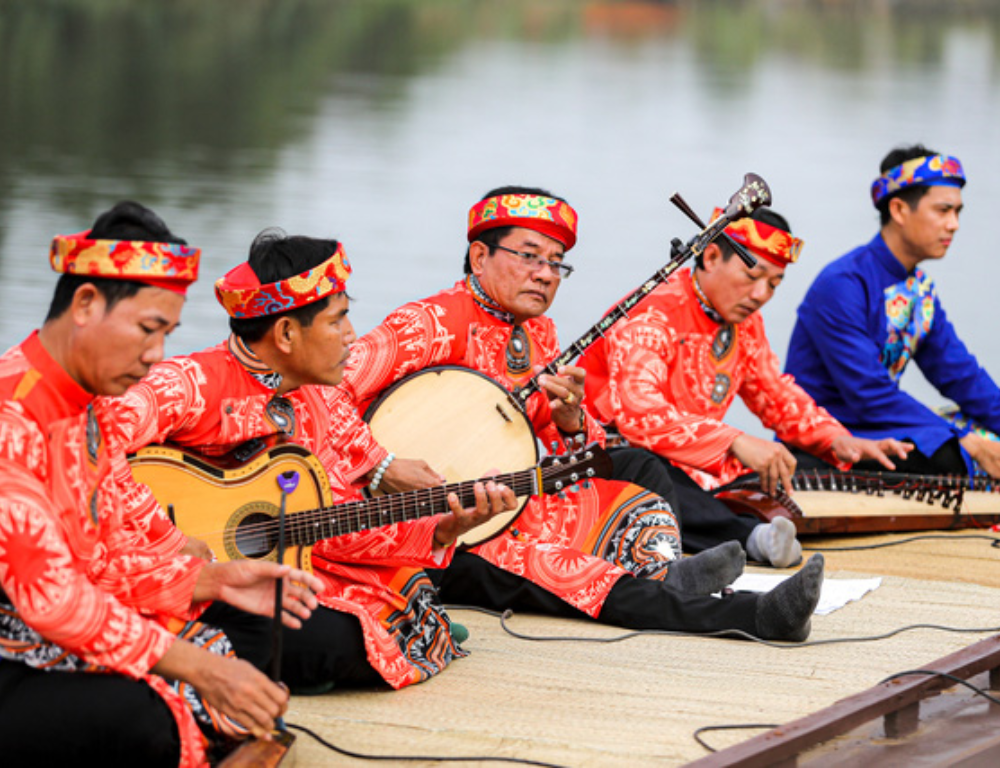
The melodies of Vietnamese folk music form the backbone of Quang Nam’s musical identity. Unlike Western genres, these songs focus more on storytelling, symbolism, and daily life themes like love, farming, or longing.
In Quang Nam, these folk tunes are performed in local dialects and adapted to fit regional lifestyles. This adds to the authenticity and charm of each piece.
Popular Folk Music Styles in the Region
- Hò (chanting songs) – Sung during communal activities like rowing or farming.
- Lý (lyrical tunes) – These are melodic and romantic songs usually performed by soloists.
- Tuồng and chèo – Traditional theatre-style folk songs that combine drama, music, and dance.
- Bài chòi – A unique form of folk singing mixed with a card game, especially popular in Central Vietnam.
These genres represent how deeply Vietnamese folk music is woven into the day-to-day lives of Quang Nam residents.
🎵 A Harmonious Blend: Exploring Vietnamese Traditional Music
2. Traditional Musical Instruments that Define the Sound of Quang Nam
The Role of Instruments in Local Music
Without its unique collection of traditional musical instruments, Quang Nam music wouldn’t be the same. These tools do more than produce sound—they shape identity, style, and rhythm.
Local musicians take great pride in preserving and performing with instruments that have been crafted by hand and passed down for generations.
Key Traditional Instruments in Quang Nam Music
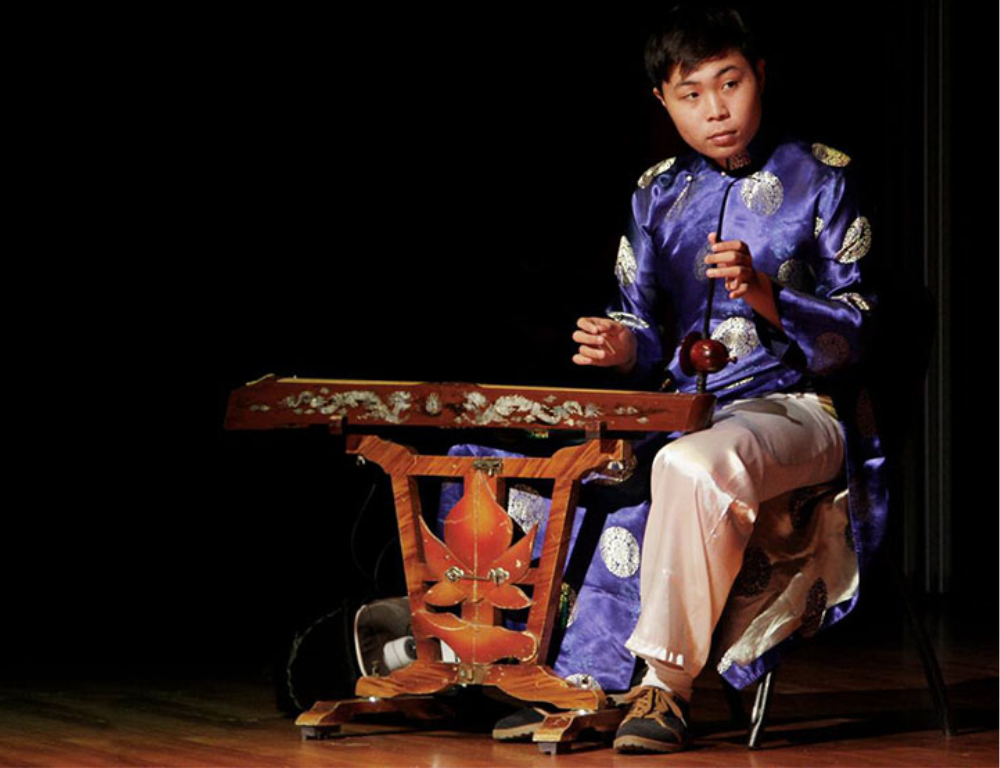
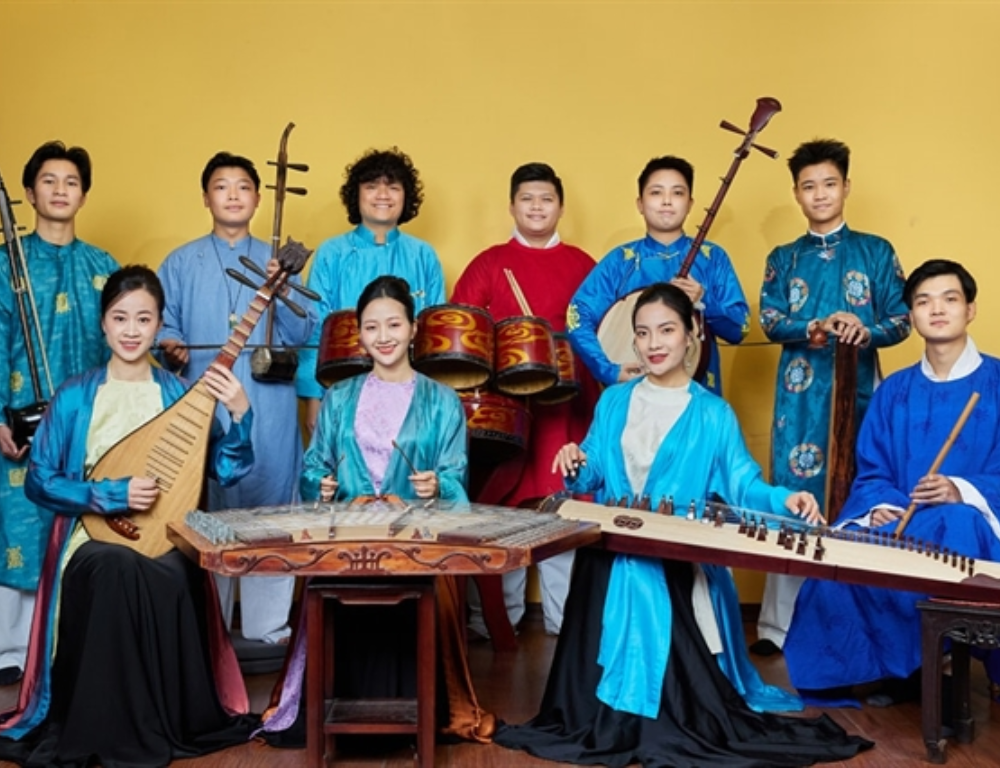
- Đàn bầu (monochord) – Produces a delicate, haunting tone often used for solo melodies.
- Đàn tranh (zither) – Offers vibrant, expressive sounds perfect for lyrical storytelling.
- Trống (drums) – Adds rhythm to both ceremonial and celebratory performances.
- Sáo trúc (bamboo flute) – Provides soft, melodic background tones.
- Đàn nguyệt (moon lute) – Known for its round body and distinct, resonant timbre.
These traditional musical instruments create an unmistakable sound palette that gives Quang Nam music its soul.
🇻🇳 Discover the soulful melodies of Vietnamese Music!
3. Bài Chòi – The Voice of the People
An Interactive Cultural Experience
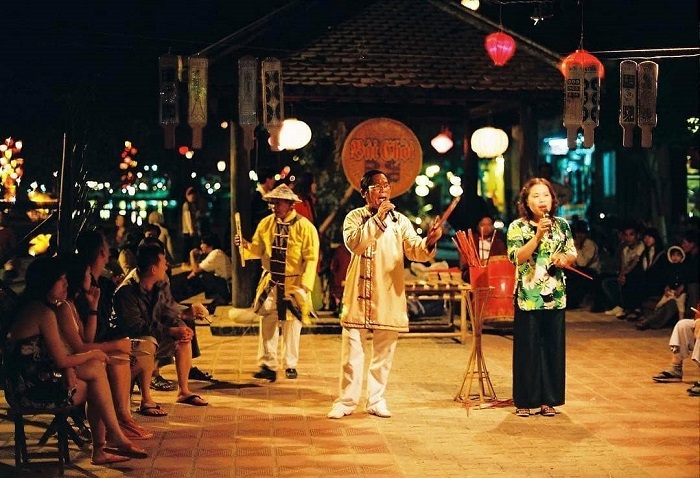
Bài Chòi isn’t just music—it’s performance art, a social gathering, and a form of folk entertainment. Recognized by UNESCO as an Intangible Cultural Heritage of Humanity, bài chòi holds a special place in Central Vietnam.
In Quang Nam, especially during festivals, locals set up huts (“chòi”) where performers sing clues for a traditional card game. This mix of humor, storytelling, and music brings communities together.
Why Bài Chòi Stands Out in Quang Nam
- Blends song, poetry, and drama
- Offers a social platform for education and interaction
- Preserves ancient folk melodies in a fun, accessible way
- Uses traditional instruments in dynamic ways
Through bài chòi, Vietnamese folk music lives on—not in museums, but in markets, courtyards, and festivals.
4. Quang Nam Music in Festivals and Celebrations
Bringing Communities Together
In Quang Nam, music is not confined to stages or studios. It thrives in open fields during harvest festivals, in family courtyards during weddings, and on temple grounds during religious rituals. These moments are when Quang Nam music shines most.
Occasions That Highlight Local Music
- Tet Holiday (Vietnamese Lunar New Year)
- Mid-Autumn Festival
- Village Vietnamese ancestor worship ceremonies
- Rice planting and harvesting celebrations
- Local theater nights and cultural shows

Music adds spirit to these occasions, ensuring each generation remembers and reconnects with their roots.
🛵💨 Explore the vibrant Nightlife of Ho Chi Minh City. Discover the best bars, clubs, and live music venues.
5. Modern Influence and Preservation of Quang Nam’s Musical Heritage
Balancing Tradition and Innovation
As young generations explore new music genres like pop or hip hop, the challenge is keeping Quang Nam music alive without making it feel outdated. Fortunately, many local artists and cultural groups are finding creative ways to bridge the gap.
Today, traditional performances are often shared via YouTube, community livestreams, and school events—bringing Vietnamese folk music to broader audiences in a modern format.
Efforts to Preserve Quang Nam Music
- Establishment of folk music clubs in rural communities
- Integration of folk music in local school curriculums
- Cultural tourism activities featuring live performances
- Workshops on playing traditional musical instruments
- Government and NGO support for heritage preservation
These initiatives are crucial for passing on the region’s musical knowledge before it fades into silence.
6. Quang Nam Music as a Cultural Tourism Asset
Why Tourists Love Local Music Experiences
Visitors to Hoi An or Tam Ky often discover Quang Nam music by accident—and quickly fall in love. The gentle rhythms, poetic lyrics, and soulful performances leave a lasting impression.
For many, joining a bài chòi night or attending a folk show is a highlight of their trip.
Popular Musical Attractions for Travelers
- Bài Chòi performances in Hoi An ancient town
- Traditional music shows at cultural centers
- Village homestays that include live music and instrument demonstrations
- Workshops for learning folk instruments and songs
- Festivals with open-air concerts featuring local musicians
These experiences provide deeper cultural understanding while also supporting the local economy.
🔥 Want to learn more about Hoi An Street Food? Click here to read our in-depth guide.
7. FAQs About Quang Nam Music
1. What makes Quang Nam music different from other Vietnamese regions?
Its strong integration of Vietnamese folk music, diverse Vietnamese culture influences, and interactive formats like bài chòi make it unique.
2. Are traditional musical instruments still used today?
Yes, instruments like the đàn bầu and đàn tranh are still taught and performed by locals, especially during festivals.
3. Where can tourists experience Quang Nam music?
Cultural centers in Hoi An, community festivals, and rural villages often host live performances.
4. How is Quang Nam music preserved for future generations?
Through schools, folk clubs, social media, and government-supported cultural programs.
5. Can visitors learn to play traditional instruments in Quang Nam?
Absolutely! Some workshops and homestays offer hands-on lessons for tourists interested in learning.
8. Conclusion: The Lasting Legacy of Quang Nam Music
Quang Nam music is not just a collection of old songs—it’s the heartbeat of a community. With roots in ancient traditions and eyes on the future, it continues to evolve while keeping its essence intact. From the moving sounds of Vietnamese folk music to the soulful strums of traditional musical instruments, this region offers a rich, immersive soundscape that reflects the spirit of its people. If you ever find yourself in Central Vietnam, don’t just see Quang Nam—listen to it. Let the music guide you to its heart.
Experience Vietnam like never before with Sun Getaways Travel. Our all-inclusive trips cover every detail, from accommodations and transportation to unforgettable experiences, depending on your interests (Our Customized Private Tour for each customer to Vietnam 🇻🇳). Ready to embark on your next adventure?


Related Tour

Experience Hanoi city after dark


0 Reviews

5-Days Ho Chi Minh Floating Market Tour Join Group
24 Reviews

Explore Amazing Vietnam in 15 Days
43 Reviews

18 Days Vietnam Family Holiday Tour
0 Reviews
2 Days Central Vietnam Highlights Tour
8 Reviews
Ask a question
Leave a Comment (0)
No questions yet. Be the first to ask a question!
See related Posted
Luxury Golf Resorts in Vietnam – Elite Golf Travelers

Vietnam is increasingly recognized as a premier golf destination in Asia, therefore luxury golf…
Macrame in Vietnam: The Revival of Knot Art in Contemporary Craft Culture

Macrame in Vietnam reflects the country’s growing engagement with contemporary handmade culture, where global…
Vietnamese Musical Instrument Craft: Traditional Instrument Making in Vietnam

Vietnamese musical instrument craft reflects a long-standing relationship between sound, material, and cultural memory.…
Traditional Vietnamese Kite Art: History, Craftsmanship, and Cultural Meaning

Traditional Vietnamese kite art is a living expression of folk creativity, community values, and…
Vietnamese Folk Masks: Tradition, Symbolism & Cultural Meaning

Vietnamese folk masks are a distinctive form of traditional art that reflects the spiritual…
Vietnamese Embroidery Art: Traditional Craftsmanship & Cultural Meaning

Vietnamese embroidery art is a refined traditional craft that reflects patience, cultural memory, and…