







Sunsets and Skylines: Discover the Most Popular Observatories in Vietnam
 Dan Vy
  3 min. to read
 Vietnam’s diverse landscapes and rising tourism infrastructure have sparked a growing interest in sky-high views and astronomy. From urban sky decks to mountain retreats, observatories in Vietnam are becoming essential stops for panoramic photography and sunset views. Meanwhile, more remote locations are developing into dedicated stargazing facilities in Vietnam, providing dark-sky environments away from city lights. This guide helps you navigate the best spots to visit, ensuring you find the right balance of timing and location for your trip.
Key Takeaways
- Vietnam’s urban growth boosts interest in observatories, offering stunning views and stargazing opportunities.
- Popular observatories include Landmark 81 SkyView, Fansipan Peak, and Nha Trang Observatory, each catering to different travel needs.
- Travelers should consider logistics, timing, and weather when incorporating observatories in Vietnam into their itineraries.
- Expect less focus on research and more on views at Vietnamese observatories, which often struggle with light pollution.
- Book guided tours in advance to enhance your stargazing experience at accessible observatories.

Most Visited Observatories And Sky Viewpoints Across Vietnam
Travelers rarely plan an entire trip around observatories alone; instead, these places work best as strategic highlights within city or regional routes. The observatories in Vietnam below are selected based on accessibility, popularity with visitors, and how naturally they fit into existing travel flows such as city tours, coastal itineraries, or mountain excursions.
1. Landmark 81 SkyView – 5⭐️
Landmark 81 SkyView is the most accessible high-altitude observation deck in Vietnam and a natural choice for travelers already spending time in Ho Chi Minh City. Located in a modern riverside complex, it allows visitors to experience sweeping skyline views without leaving the city.
Many travelers schedule this visit in the late afternoon to transition smoothly from daytime sightseeing into sunset photography. Among urban observatories in Vietnam, this one is the easiest to combine with dining and shopping.
- 📍 Location: Binh Thanh District, Ho Chi Minh City
- 🌇 Best time: 4:30–6:00 PM for sunset
- 💡 Pro tip: Visit on weekdays to avoid queues. Check out other famous towers in Vietnam to compare architectural styles.

2. Sun Wheel Da Nang – 4⭐️
Sun Wheel is less technical than a traditional observatory but remains one of the most popular elevated viewpoints in Central Vietnam. It appeals to travelers who want city views without committing to long mountain drives.
For visitors already exploring Da Nang’s beaches and bridges, Sun Wheel offers a short evening activity that complements a relaxed travel pace. While not a scientific site, it is often grouped with casual stargazing facilities in Vietnam due to its nighttime visibility. It is a highlight within many theme parks in Vietnam.
- 📍 Location: Asia Park, Da Nang
- 🎡 Best time: After dark for city lights
- 💡 Pro tip: Combine with Han River night walk.

3. Fansipan Peak Observation Deck – 5⭐️
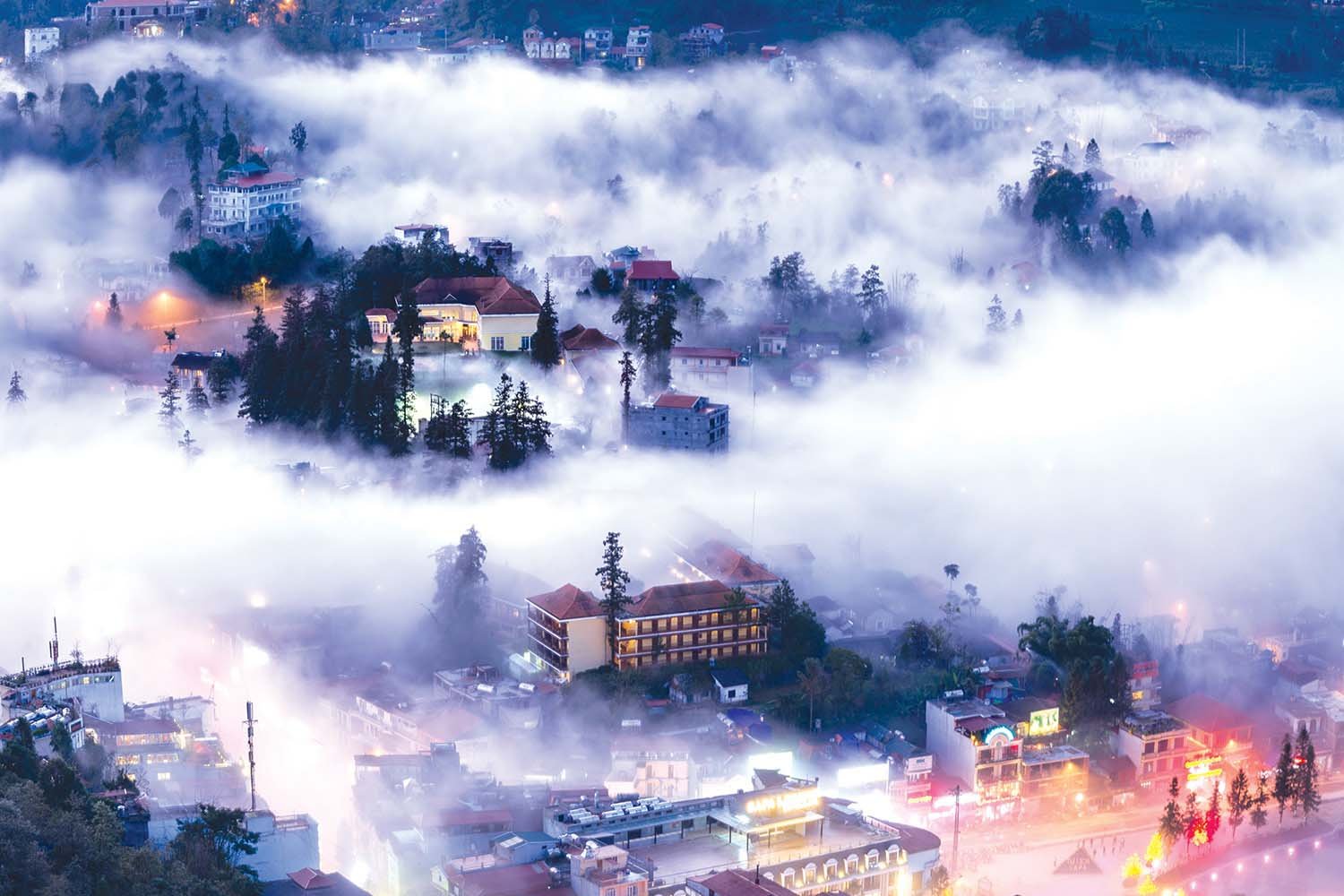
Fansipan’s observation deck sits at the highest point accessible to most travelers in Vietnam. Reached by cable car, it attracts visitors looking for dramatic cloudscapes rather than astronomy. The journey itself is part of the experience, and many travelers plan this as a half-day trip from Sapa.
As mountain-based observatories in Vietnam go, Fansipan delivers unmatched scale but requires careful weather planning. It is a premier destination for trekking Fansipan enthusiasts and sightseers alike.
- 📍 Location: Fansipan Mountain, Sapa
- ☁️ Best time: Early morning for cloud inversion
- 💡 Pro tip: Check visibility reports before booking. Review the latest on cable cars in Vietnam 2026 for travel updates.

4. Nha Trang Observatory – 4⭐️
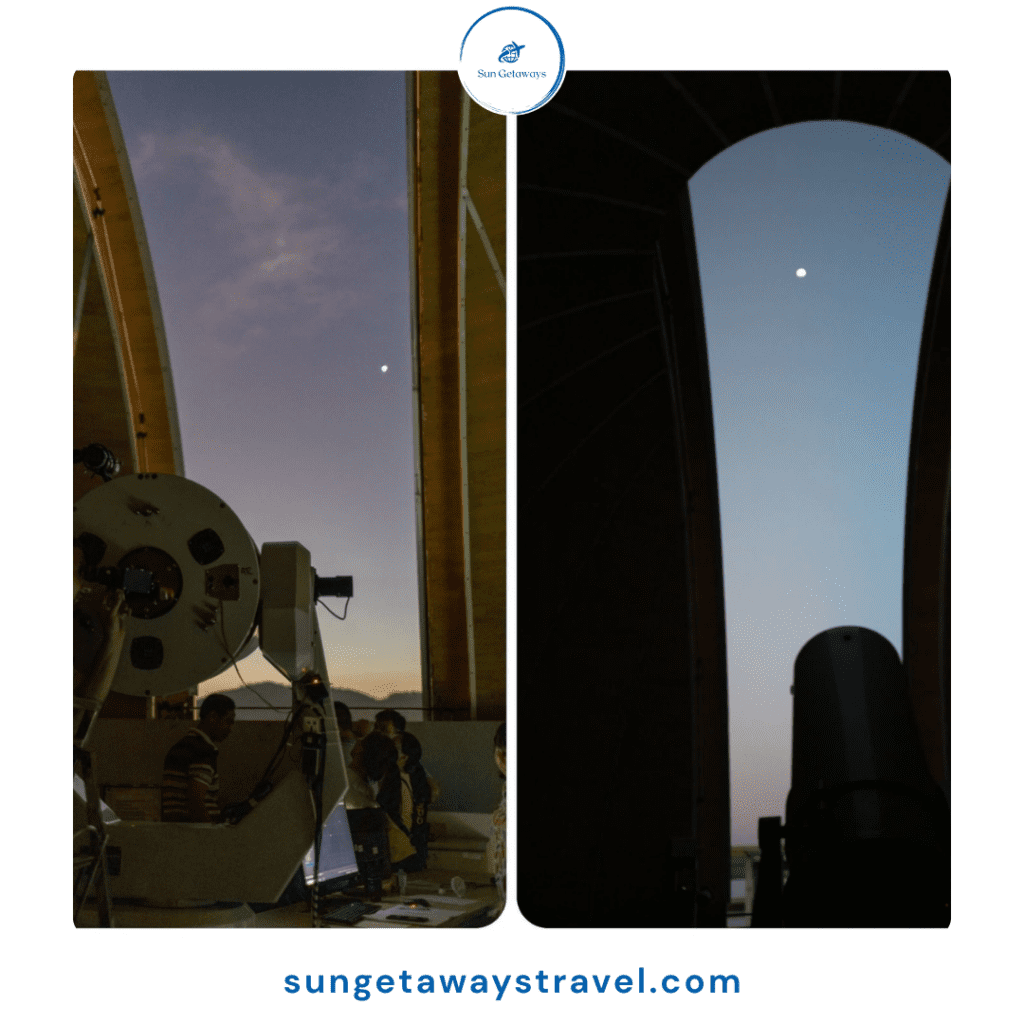
Nha Trang Observatory is one of the few places in the country that blends education with night-sky observation. It attracts travelers who are curious about astronomy but prefer guided explanations over independent stargazing.
Visitors often include it as an evening activity after beach time. Among formal stargazing facilities in Vietnam, it stands out for accessibility rather than advanced research. This fits perfectly into a broader Vietnam adventure travel itinerary.
- 📍 Location: Near Nha Trang city outskirts
- 🔭 Best time: Clear evenings
- 💡 Pro tip: Ask about scheduled telescope sessions.

How These Observatories Fit Into Real Travel Routes
Choosing which observatory to visit is often less about preference and more about logistics. Travelers must consider travel time, weather windows, and how observatories align with accommodation locations. The most visited observatories in Vietnam tend to sit naturally within existing tourist hubs rather than remote scientific zones.
- 🧭 City-based observatories work best on short trips
- 🏔 Mountain observatories require overnight stays
- 🌦 Weather sensitivity affects visibility significantly
- ⏰ Timing matters more than ticket availability
Comparison Of Popular Observatories In Vietnam
Understanding differences at a glance helps travelers avoid unrealistic expectations, especially when deciding between skyline views and true night-sky observation. This table compares major observatories in Vietnam and related sky-view locations based on experience type and planning effort.
| Location | Type | Travel Effort | Best For |
|---|---|---|---|
| Landmark 81 | Urban SkyDeck | Low | City sunsets |
| Sun Wheel | City Ride View | Low | Night city views |
| Fansipan | Mountain Deck | Medium | Dramatic scenery |
| Nha Trang Observatory | Educational | Medium | Guided stargazing |
Tips For Visiting Observatories In Vietnam
Many travelers underestimate how much planning affects observatory experiences. Weather, light pollution, and timing all shape what you actually see. Knowing these details helps visitors enjoy both observatories in Vietnam and nearby stargazing facilities in Vietnam more realistically.
- 🌤 Check cloud cover, not just rain forecasts
- 📸 Bring lenses suited for low light
- 🕒 Arrive earlier than sunset to secure spots
- 🚕 Plan return transport in advance
- 🧥 Highland areas can be cold at night. Remember to consult a Vietnam packing guide for varied climates.
1. Weather And Light Pollution: What Should Expect
Many visitors assume clear weather automatically means good visibility, but Vietnam’s climate and urban development complicate that assumption. Coastal humidity, mountain fog, and city light pollution all influence what you actually see from elevated viewpoints.
Being aware of these factors helps travelers set realistic expectations and avoid frustration. This section matters most for those planning unique Vietnam night activities after long travel days.
- 🌫 Urban haze: Common in large cities, especially during dry season evenings
- 🌙 Light pollution: Limits star visibility near city centers
- ☁️ Mountain cloud cover: Can change rapidly within hours
- 🌬 Wind conditions: Often improve visibility after rain
2. Best Times Of Day To Visit Observatories
Timing plays a bigger role than many travelers expect when visiting observation decks or stargazing spots in Vietnam. Even the most impressive viewpoints can feel underwhelming if visited at the wrong hour, especially in cities where haze, heat, and artificial lighting affect visibility.
Understanding how light, temperature, and daily travel rhythm interact helps visitors choose time slots that align with both comfort and views. For broader planning, see the best time to visit Vietnam month-by-month guide.
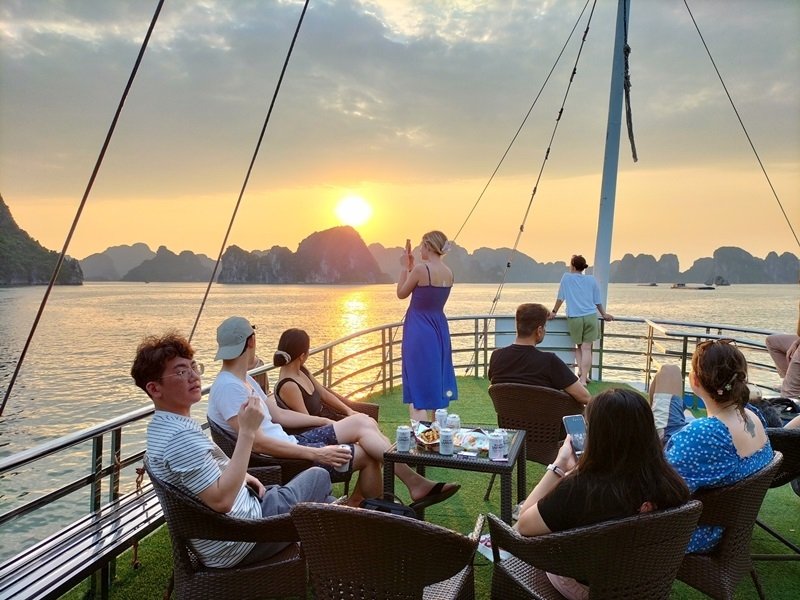
- 🌅 Late afternoon (4:30–6:00 PM): Ideal for city skyline decks, allowing a smooth transition from daylight to sunset
- 🌃 After dark (7:00–9:00 PM): Best for illuminated city views and casual night-sky observation
- 🌄 Early morning (before 9:00 AM): Mountain viewpoints benefit from clearer air and fewer clouds
- 🕒 Avoid midday: Heat haze and glare reduce visibility and photography quality
3. Photography Tips
Many travelers visit observatories primarily for photos, yet few prepare for low-light conditions. Simple preparation can dramatically improve results, especially when shooting city lights or twilight skies. This section is valuable for casual photographers who want better outcomes without carrying heavy Vietnam camera gear.
- 📷 Use a tripod or stable surface for night shots
- 🔍 Switch to manual focus to avoid autofocus issues
- 🌃 Adjust ISO gradually to reduce noise
- 📱 Night mode works best just after sunset, not in full darkness
Planning A Vietnam Journey That Includes Observatories
Incorporating observatories into a Vietnam itinerary requires balancing daytime sightseeing with evening activities. Independent planning becomes difficult when observatories are located far from city centers or require specific weather windows. Travelers often underestimate travel fatigue when combining long day tours with night visits to stargazing facilities in Vietnam.
Challenges travelers face:
- 🌌 Limited clear-sky nights
- 🚐 Long travel distances after sunset
- 🏨 Accommodation location mismatch

👉 Routes such as Danang and Hoi An Discovery in 4 Days often include evening-friendly viewpoints that don’t require late-night transfers.
👉 Longer routes like Vietnam South To North 10 Days Tour allow flexibility to adjust observatory visits based on weather conditions.
“Observatories are often treated as quick photo stops, but they work best when planned as part of an evening flow. Over the years, I’ve found that travelers enjoy skyline views more when they don’t rush—combining them with nearby dining or river walks creates a much smoother experience.”
— Emma, Senior Vietnam Tour Consultant & Operations Specialist (12 Years Experience)
Common Misconceptions About Observatories In Vietnam
Many visitors arrive with expectations shaped by large international observatories, which can lead to disappointment. Understanding what observatories in Vietnam realistically offer helps align expectations with actual experiences.
- ❌ All observatories offer telescope access
- ❌ City observatories are good for deep stargazing
- ❌ Clear days guarantee clear nights
✔️ In reality:
- Most focus on views, not research
- Light pollution limits urban stargazing
- Weather changes quickly in tropical regions
FAQs About Observatories And Stargazing In Vietnam
1. Are there professional astronomy observatories open to tourists?
Most visitor-accessible sites focus on viewing rather than research-grade astronomy.
2. Is Vietnam good for stargazing?
Yes, especially in highland and rural areas with low light pollution.
3. Do I need to book observatories in advance?
Urban observation decks often sell tickets onsite, while guided observatories may require booking.
4. What is the best season for stargazing?
Dry season months offer more consistent night visibility.
5. Can observatories be visited with children?
Yes, most locations are family-friendly and accessible.
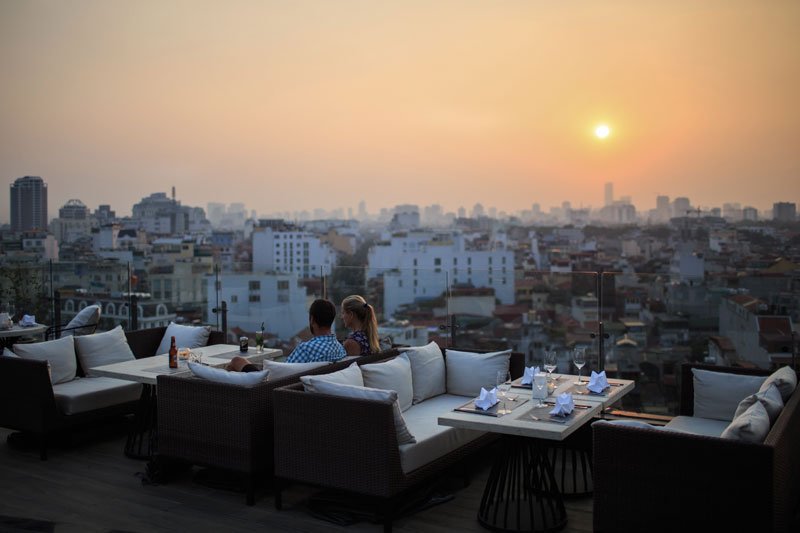
Conclusion: Seeing Vietnam From A Different Angle
Visiting observatories in Vietnam offers travelers a chance to slow down and see familiar destinations from a new perspective—above traffic, noise, and crowds. Whether enjoying city skylines or quieter night skies, these experiences complement cultural and natural exploration rather than replacing it.
For travelers who want help fitting observatory visits into realistic travel routes, you can reach local planners via direct WhatsApp travel support or design your own route through a tailor-made Vietnam itinerary that accounts for timing, weather, and transport.


Related Tour

Best of Saigon: 3-Day Team Building Tour


9 Reviews
Visit Handicraft Villages in Hanoi
0 Reviews

Discover the Unbeaten Path to Vietnam on a 14-Day Tour
20 Reviews

11-Day Taste of Vietnam From North to South
31 Reviews
Ask a question
Leave a Comment (0)
No questions yet. Be the first to ask a question!
See related Posted
Luxury Golf Resorts in Vietnam – Elite Golf Travelers

Vietnam is increasingly recognized as a premier golf destination in Asia, therefore luxury golf…
Macrame in Vietnam: The Revival of Knot Art in Contemporary Craft Culture

Macrame in Vietnam reflects the country’s growing engagement with contemporary handmade culture, where global…
Vietnamese Musical Instrument Craft: Traditional Instrument Making in Vietnam

Vietnamese musical instrument craft reflects a long-standing relationship between sound, material, and cultural memory.…
Traditional Vietnamese Kite Art: History, Craftsmanship, and Cultural Meaning

Traditional Vietnamese kite art is a living expression of folk creativity, community values, and…
Vietnamese Folk Masks: Tradition, Symbolism & Cultural Meaning

Vietnamese folk masks are a distinctive form of traditional art that reflects the spiritual…
Vietnamese Embroidery Art: Traditional Craftsmanship & Cultural Meaning

Vietnamese embroidery art is a refined traditional craft that reflects patience, cultural memory, and…