



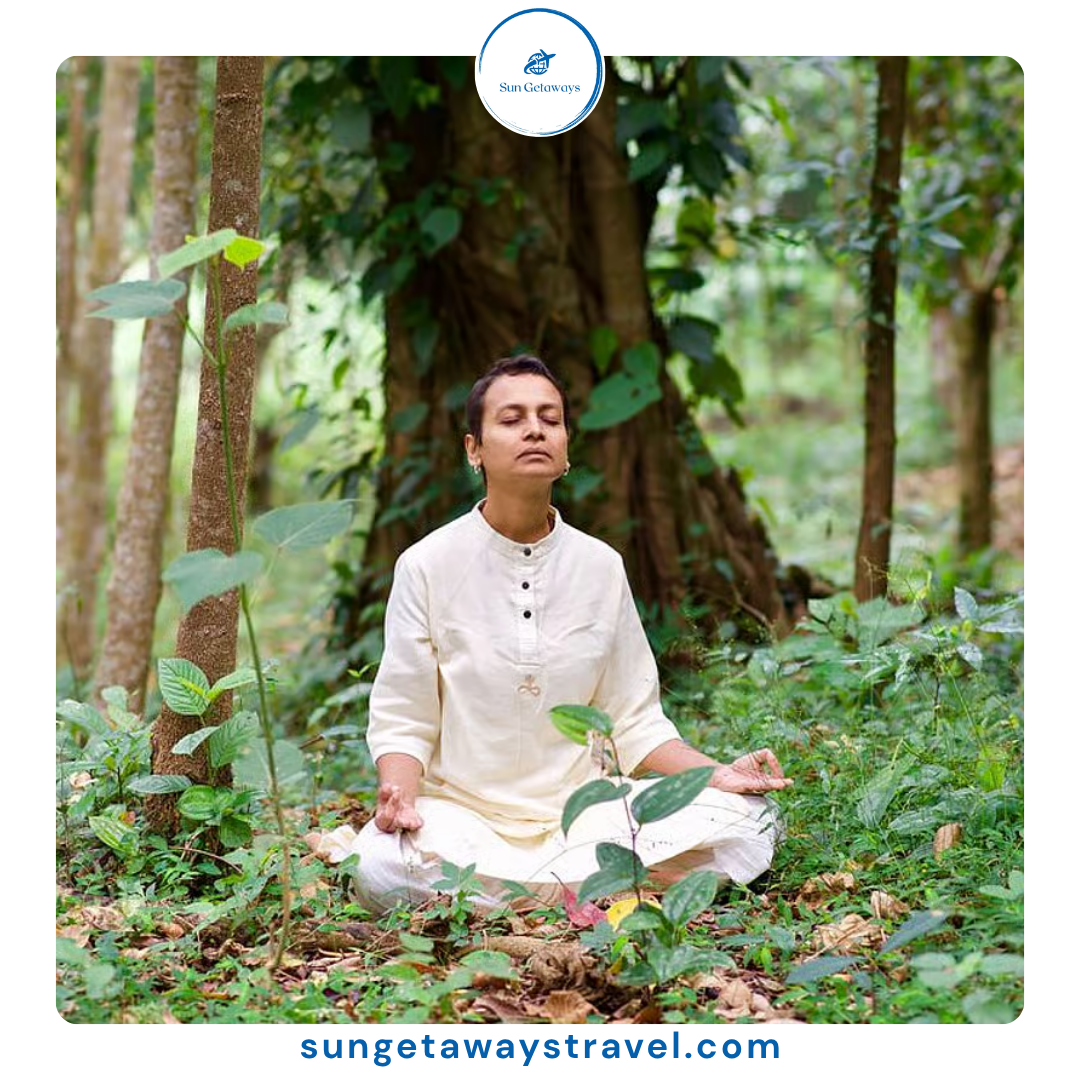
The Ultimate Guide to Meditation Retreats in Vietnam (Mindful Travel 2025)
 Dan Vy
  3 min. to read
 In an age of constant connection and distraction, many travelers now seek more than scenic views and city tours — they want inner peace, clarity, and spiritual renewal. Vietnam, with its lush landscapes, serene mountains, meandering rivers, and deep Buddhist heritage, is emerging as a hidden gem for meditation retreats in Vietnam. From tranquil Zen monasteries in the Central Highlands to coastal silent retreats and forested spiritual sanctuaries, you can find spaces to slow down, reflect, and deepen your mindfulness.
This guide will introduce you to types of retreats, top destinations, practical tips, and how to choose a retreat that suits your needs. And if you’re planning your own mindful journey — Sun Getaways Travel is ready to help curate your perfect retreat experience in Vietnam.
Why Choose Vietnam for Your Meditation Retreats in Vietnam?
Vietnam offers unique advantages as a destination for mindfulness retreats Vietnam:
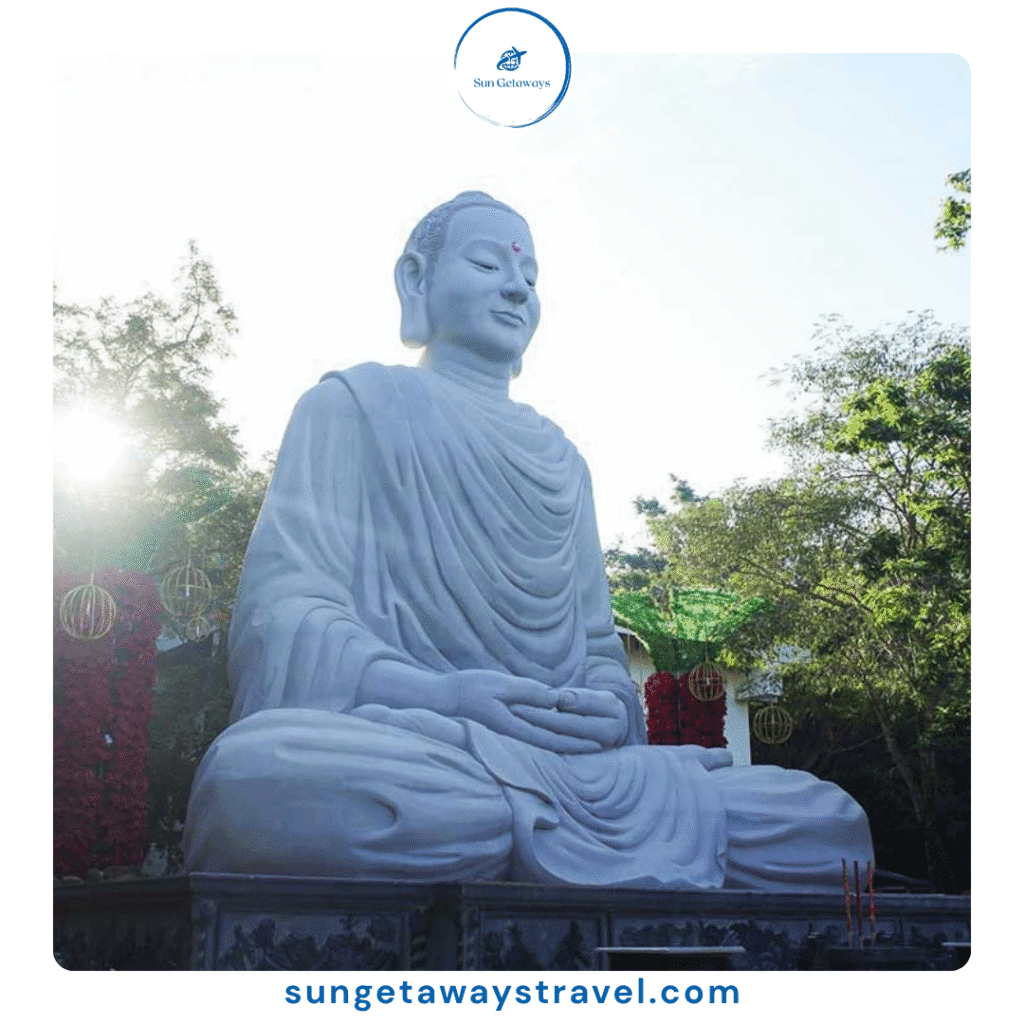
- Buddhist Richness & Tradition: Vietnam practices a unique synthesis of Mahayana and Zen (Thiền) Buddhism. Many pagodas, temples, and monasteries maintain daily meditation practices, and lay practitioners are welcomed. For a deeper understanding of the spiritual sites, explore our guide on visiting temples in Vietnam: what to do and what to avoid.
- Diverse Landscapes & Natural Beauty: You can meditate beside misty mountains in the north, in tropical jungles in the central region, or on quiet coastal beaches in the south.
- Affordability with Comfort: Compared to meditation retreats in Japan, Europe, or North America, Vietnam offers both simple monastic stays and more upscale wellness-retreat options, at more accessible prices.
- Cultural Immersion: Retreats often incorporate Vietnamese cultural elements — tea ceremonies, local food, traditional arts, and community life — enhancing the spiritual depth of the journey. To truly immerse yourself, learning some Vietnamese phrases will greatly enhance your interactions.
- Less Crowded Than Regional Counterparts: While Thailand or Bali are well-known for spiritual tourism, many parts of Vietnam still remain off the main path, offering more solitude and authenticity.
Types of Meditation & Retreat Styles You’ll Encounter
Not all retreats are the same — here are common styles you might come across:
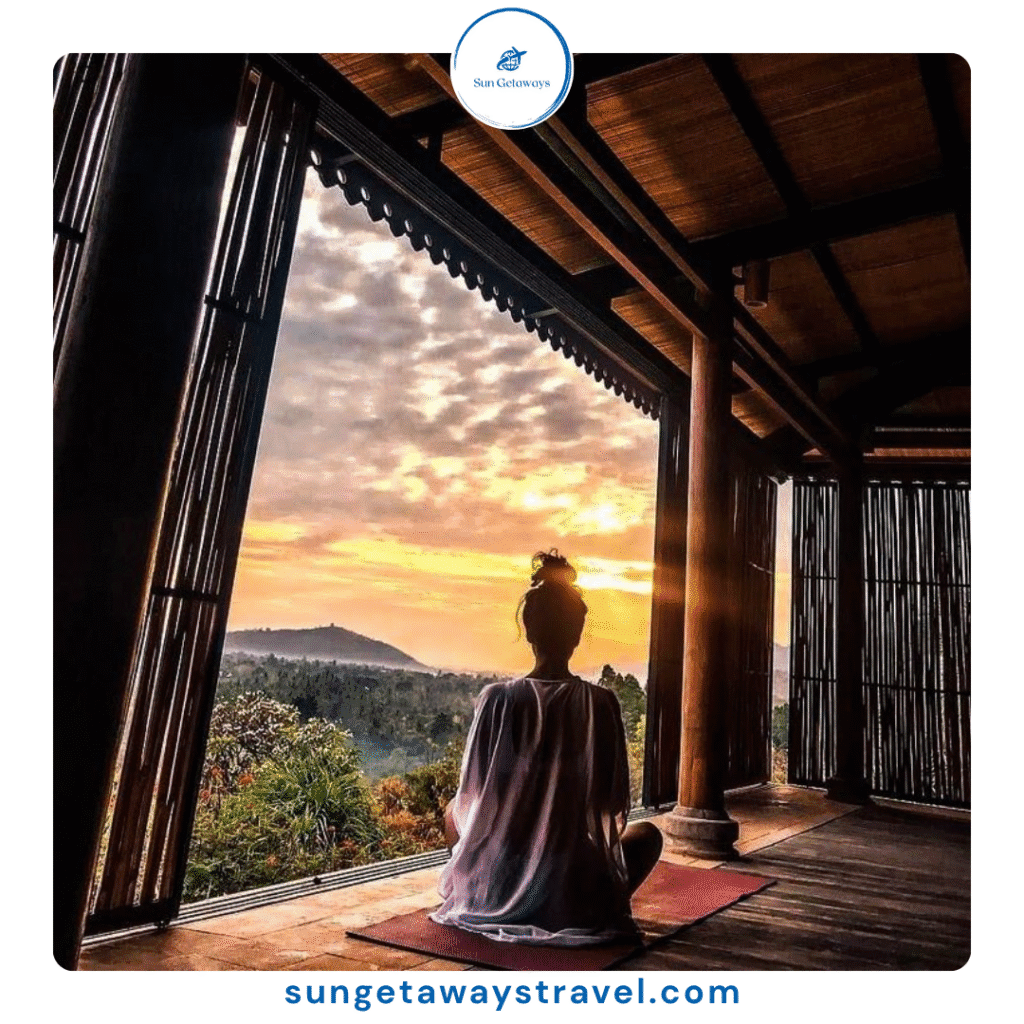
- Silent or Noble Silence Retreats
These retreats require participants to keep silence for much or all of the duration, combining sitting meditation sessions, walking meditation, and Dharma talks. This format is common in Vipassana-style and some Zen retreats. - Guided Mindfulness & Insight Retreats
Retreats that mix guidance, instruction, Q&A, and periods of silent practice. Ideal for beginners or those wanting a gentler introduction to spiritual retreats Vietnam. - Zen / Thiền Retreats
Rooted in Vietnamese Zen traditions, these emphasize direct, non-conceptual awareness. You may find retreats in Zen monasteries or temple settings. - Monastic Immersion / Buddhist Meditation Workshops
For those wishing to experience monastic life (e.g. simpler food, daily chanting, more structure), these retreats lean more traditional and rigorous. - Hybrid Wellness / Mindfulness Retreats
Many retreats combine meditation with yoga, mindful walking, nature immersion, bodywork, sound healing, etc. These are good for travelers wanting a mix of spiritual and wellness aspects.
Top Regions & Retreat Centers for Meditation Retreats in Vietnam
Here are some standout destinations and retreat centers you should consider for Buddhist meditation Vietnam and mindfulness retreats Vietnam experiences.
1. Northern Vietnam: Mountains, Pagodas & Yen Tử
- Yên Tử (Quảng Ninh Province): Known as the “mountain of the Buddha,” Yên Tử is deeply revered in Vietnamese Buddhism. There are 4-day deep meditation retreats offered here.
- 3-Day Mindfulness & Yoga Retreat (Jang Tours): Located in Quảng Ninh, this retreat combines breathwork, meditation, quiet walking, and nature immersion. For those interested in deeper exploration of the region, we have compiled the best things to do in Vietnam.
- Spiritual Awakening Retreats near Hanoi: A number of retreats near the capital combine meditation, Buddhist teachings, and nature breaks.
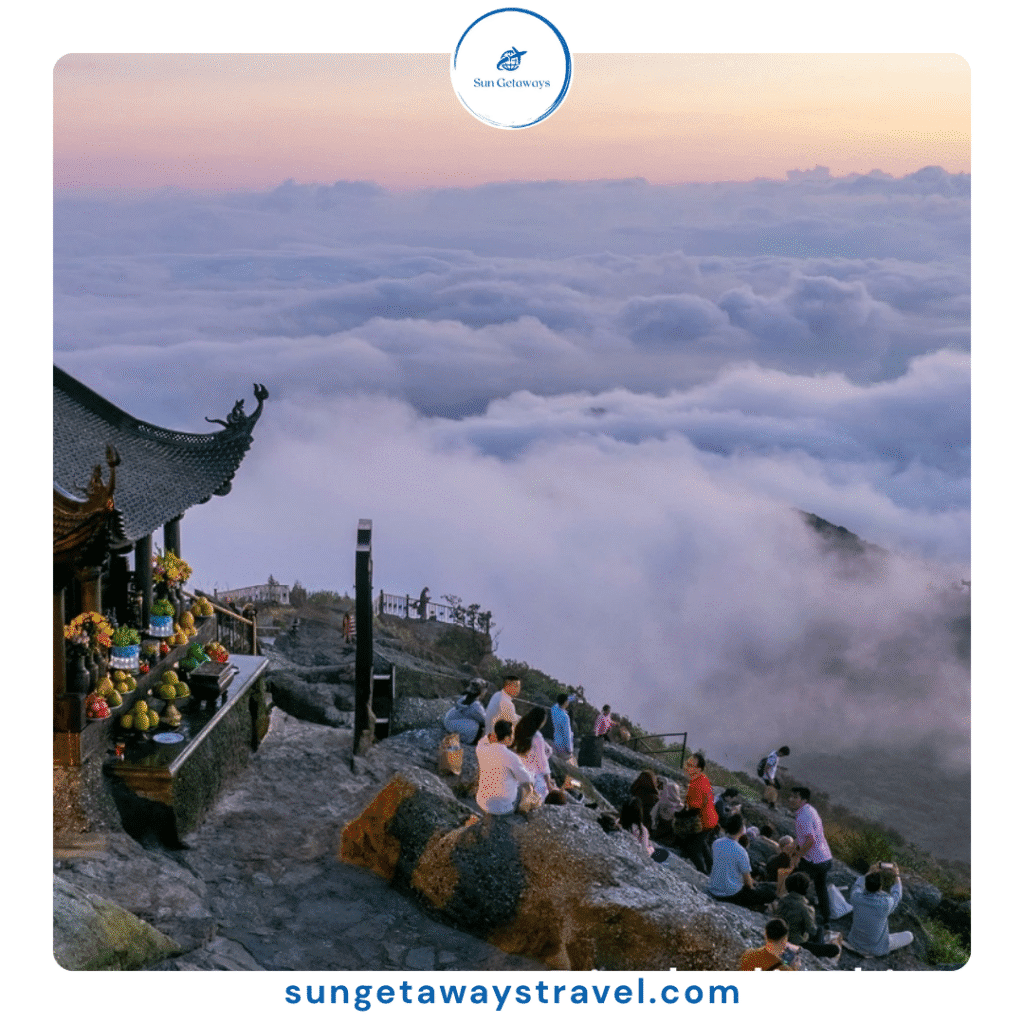
This region is perfect for combining spiritual practice with exploration of historic pagodas and rural landscapes.
2. Central Vietnam: Hue, Hoi An & the Central Highlands
- Huyền Không Sơn Thượng Monastery (Hue): A tranquil monastery tucked into the hills around the former imperial capital. It offers quiet reflection spaces and a monastic environment.
- Hoi An / The Nam Hai Resort: A luxury mindfulness retreat often held by monks in the tradition of Thích Nhất Hạnh incorporates meditation, mindful walking on the beach, yoga, and spiritual talks.
The central region offers a perfect balance for a mid-length stay (3–7 days), with a variety of beach holidays in Vietnam nearby. - Writing & Meditation Retreats near Hoi An: Some boutique retreats combine reflective writing, yin yoga, and meditation in riverside or forest settings.
Central Vietnam offers mild climate, proximity to the sea and villages, and balanced retreat offerings — good for mid-length stays (3–7 days).
3. Southern Vietnam & the Mekong Region
- Vũng Tàu (near Ho Chi Minh City): Several 2–3 day retreats (e.g. Buddhist wisdom & monastic life, mindfulness retreats) take place near Vũng Tàu, making it feasible even as a short side-trip.
- Ho Chi Minh City Buddhist Retreats: There are Buddhist meditation programs and weekend retreats offered in or near Saigon, often in suburban temple settings.
To manage your time effectively, consider exploring one of the recommended southern Vietnam itineraries. - Mindfulness Meditation Retreats Vietnam (Vũng Tàu base): The “Mindfulness Meditation Retreats in Viet Nam” center offers 3-day “Meditation & Buddhist Wisdom, Monastic Life” retreats around the south.

These shorter retreats are great if you have limited time or want to blend city travel with a spiritual pause.
4. Monasteries and Zen Centers
- Trúc Lâm Zen Monastery, Đà Lạt: A serene monastic setting in the Central Highlands. While it doesn’t always host formal retreats, it is a center for Buddhist meditation Vietnam and a good spot to connect with resident monks.
If you want to experience the local culture more broadly, check out our guide on Vietnamese culture, traditions, etiquette, festivals. - Phương Bối (Fragrant Palm Retreat): This is a historic retreat founded by Thích Nhất Hạnh in the Central Highlands (though it’s now less active), holding symbolic importance in Vietnamese mindfulness history.
- Art of Silence Retreat (Art of Living Vietnam): A structured 4-day silent retreat combining deep meditations, yoga, and inward inquiry.
For deeper relaxation after your practice, discover the benefits of a Vietnamese traditional massage.
How to Choose the Right Meditation Retreats in Vietnam for You
Selecting the right meditation or spiritual retreat in Vietnam depends on your goals, experience, time, and comfort. Here are factors to weigh:
| Consideration | Why It Matters | Questions to Ask |
|---|---|---|
| Duration & Format | You may prefer shorter retreats (2–4 days) or full immersive 7–10 day ones | Am I comfortable with silence? Do I want room for downtime or instruction? |
| Intensity | Some are gentle and guided; others have strict schedules, long meditation periods | How many hours per day of meditation? Is there a “Noble Silence” clause? |
| Accommodation & Amenities | Simple monastic lodging vs comfortable lodging with extra facilities | Do I need private rooms? Do I want meals, yoga, spa services? For those prioritizing comfort, Vietnam has many luxury beach resorts offering wellness programs. |
| Tradition / Style | Zen / Thiền, Vipassana, mindful living, hybrid wellness models | Which teaching style resonates with me? |
| Language / Support | Retreats with English-speaking teachers vs local Vietnamese-only instruction | Are translations or interpreters provided? |
| Location & Travel Logistics | Remote mountain vs coastal vs near city | How far is the retreat from airports or main cities? Can transfers be arranged? |
CTA: If you’re unsure what retreat fits you best, contact us via WhatsApp for a tailor made tour your preferences, arrange logistics, and provide local support from planning through arrival. To start, you might find our FAQs helpful.
What to Expect: Typical Daily Schedule & Practices
While every retreat differs, here’s a sample daily structure to give you a sense of what a mindfulness retreat Vietnam might look like:
- Early Morning Silent Wake-Up (4:30–5:30 am)
Participants rise in darkness or dim light, often with a bell or signal, to begin the practice day. - Morning Meditation / Sitting Session
1–1.5 hours of sitting meditation (anapanasati, vipassana, or Zen) or guided practice. - Breakfast Mindfully (Silent Eating)
Meals may be vegetarian, served mindfully, and eaten in silence or with guided awareness. Vietnamese dining etiquette is often observed even in silence. - Walking Meditation / Mindful Movement
Interwoven between sitting sessions, a walking meditation practice helps ground awareness. For those interested in more active movement, Vietnam also offers fantastic trekking adventures. - Midday Break / Rest / Contemplation
Time for rest, journaling, reading Dharma texts, or simply quiet reflection. - Afternoon Sitting & Dharma Talk
A guided talk or explanation on Buddhist teachings or mindfulness philosophy. - Mindful Activity / Work Practice (optional)
Includes temple chores, gardening, meditative chores (e.g. sweeping), or mindful art. - Evening Sitting & Reflection
Final meditation session, group sharing (if applicable), or guided inquiry. - Closing / Silent Night
Some retreats maintain silence into the night. Lights-out and rest.
The structure might be less rigid in more wellness-oriented retreats, mixing in yoga, nature walks, or sound healing.
Benefits of Joining a Meditation Retreat in Vietnam
Choosing to embark on a retreat in Vietnam can offer:
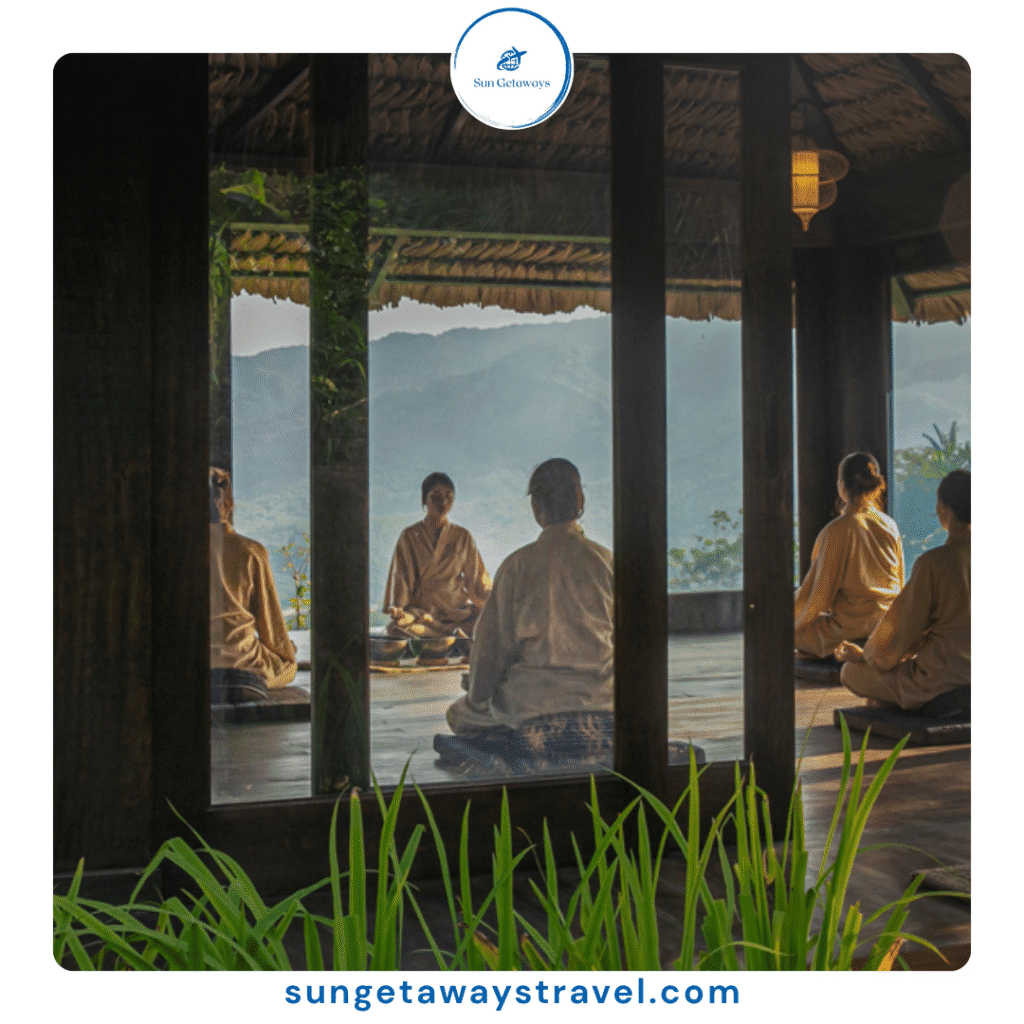
- Deep Break from Routine: Removing digital distractions lets the mind settle.
- Renewed Mental Clarity: Sustained meditation practice can reduce stress and sharpen awareness.
- Emotional Healing & Insight: Silence and reflection often bring deeper awareness of habitual patterns.
- Spiritual Resonance: Immersing in Buddhist settings gives you first-hand insight into living spiritual traditions.
- Cultural Enrichment: You deepen your understanding of Vietnam’s spiritual heritage, local cuisine, and rituals.
- Community & Support: Many retreats foster a supportive sangha (community) even among strangers.
Practical Tips & Considerations (Before You Go)
- Book well in advance – Retreats with limited capacity fill quickly, especially during high season.
- Check dietary needs – Many retreats offer vegetarian or vegan meals; specify allergies.
- Pack mindfully – Bring comfortable meditation clothes, a cushion (if needed), journal, mosquito repellent, and modest temple attire.
- Prepare mentally – Even with experience, extended silence or long sitting periods may feel challenging.
- Transportation & logistics – Ask the retreat facilitator whether transfers from major transport hubs are included.
- Visa & permits – Ensure your travel visa allows sufficient days, and check local regulations.
- Health & mobility – Let organizers know any physical limitations (knees, back), so adjustments can be made.
Sample Meditation Retreats in Vietnam Worth Exploring in 2025
- 3-Day Meditation, Buddhist Wisdom & Monastic Life (Vũng Tàu) — an accessible entry point to monastic living near Ho Chi Minh City.
- 4-Day Deep Meditation in Yên Tử — for those wanting more immersion in the northern mountain region.
- Art of Silence (Art of Living Vietnam) — a 4-day inward journey combining silence, yoga, and guided practices.
- Retreats in Hoi An / Nam Hai — combining beachfront luxury, mindful presence, and spiritual teachings.
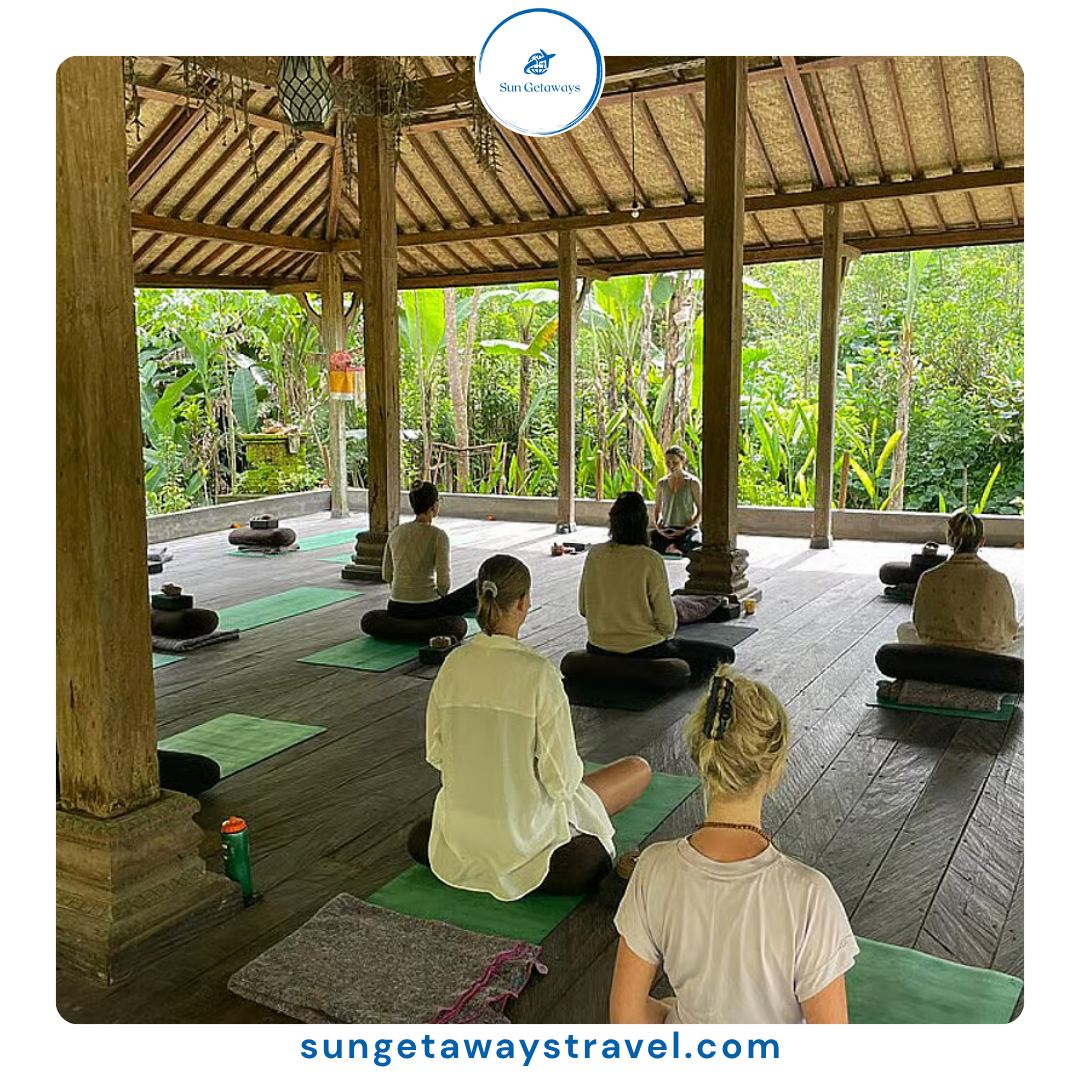
CTA: If you see a retreat you like and need help with booking, transportation or custom packages, just reach out to Sun Getaways Travel — we’ll take care of the details so you can simply show up and practice.
How Sun Getaways Travel Can Help You
As specialists in mindful travel, we offers:
- Customize/Personalized retreat selection based on your experience, time, comfort and goals
- Arrangement of transfers, accommodation, supporting logistics
- Local guide support and translation if needed
- Optional add-ons: cultural excursions, wellness add-ons, pre- or post-retreat stays
- Assessment calls before your retreat to help you prepare
Let us be your bridge to the deep, still spaces of Vietnam.
After the Retreat: Integration & Continuing Practice
Returning from a retreat can feel disorienting — how do you keep the calm, clarity, and momentum?
- Set a daily meditation habit, even just 10–15 minutes
- Join local or online sangha / meditation groups
- Practice mindful routines — walking, eating, pausing during the day
- Reflect using journaling or art
- Honor the process — ups and downs are normal after an intense retreat
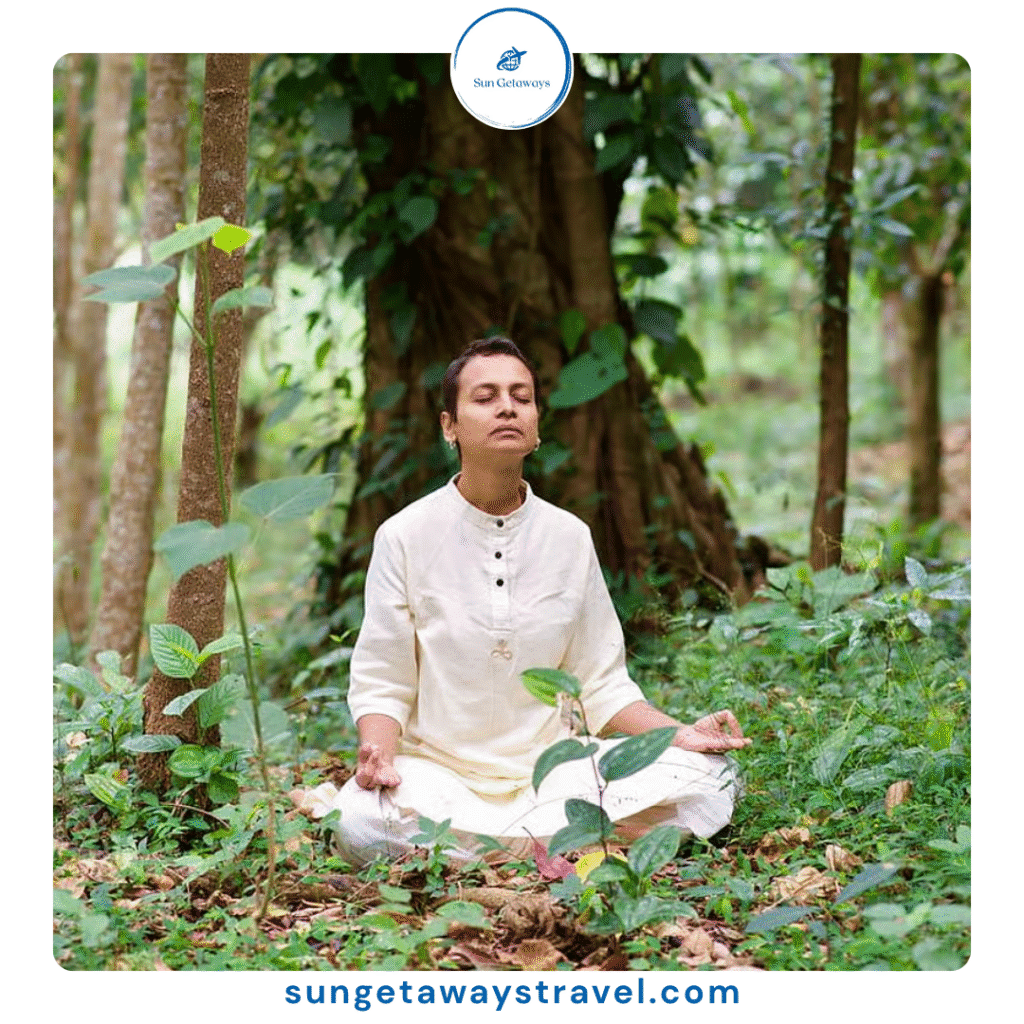
With the foundation laid, a retreat becomes a seed that blossoms through ongoing practice and awareness.
Conclusion: Start Your Journey with Meditation Retreats in Vietnam
If you’ve been longing for a deeper connection with yourself and with the world, meditation retreats in Vietnam offer a rare and radiant path. Whether you’re drawn to mindfulness retreats Vietnam, Buddhist meditation Vietnam, or more general spiritual retreats Vietnam, this land of lush landscapes and vibrant Buddhist roots can support your journey inward.
Planning a retreat can feel overwhelming — but you don’t have to do it alone. Sun Getaways Travel (WhatsApp) is ready to support you from choosing the right retreat to managing travel logistics — so you can arrive fully present and prepared for a transformational journey.
May your path be calm, your heart be open, and your practice deepen. 🙏


Related Tour
Explore Kong Skull Island in Vietnam: A 14 Day Journey


50 Reviews

3 Days Tour Muslim Hanoi and Halong Bay
21 Reviews
Discover the Gems of Vietnam in 14 Days
23 Reviews
5-Day Highlights of Central Vietnam
27 Reviews
Ask a question
Leave a Comment (0)
No questions yet. Be the first to ask a question!
See related Posted
Luxury Golf Resorts in Vietnam – Elite Golf Travelers

Vietnam is increasingly recognized as a premier golf destination in Asia, therefore luxury golf…
Macrame in Vietnam: The Revival of Knot Art in Contemporary Craft Culture

Macrame in Vietnam reflects the country’s growing engagement with contemporary handmade culture, where global…
Vietnamese Musical Instrument Craft: Traditional Instrument Making in Vietnam

Vietnamese musical instrument craft reflects a long-standing relationship between sound, material, and cultural memory.…
Traditional Vietnamese Kite Art: History, Craftsmanship, and Cultural Meaning

Traditional Vietnamese kite art is a living expression of folk creativity, community values, and…
Vietnamese Folk Masks: Tradition, Symbolism & Cultural Meaning

Vietnamese folk masks are a distinctive form of traditional art that reflects the spiritual…
Vietnamese Embroidery Art: Traditional Craftsmanship & Cultural Meaning

Vietnamese embroidery art is a refined traditional craft that reflects patience, cultural memory, and…