



Kitchen Gods Ceremony: A Guide to Vietnam’s Most Unique Tradition
 HoangAn
  3 min. to read
 Are you worried about missing the true soul of Vietnam by only visiting tourist traps? The Kitchen Gods Ceremony is the secret key to understanding local life, and Kitchen God Day in Vietnam marks the official start of the Lunar New Year celebrations. This guide shows you how to witness this sacred ritual and use it to plan an unforgettable cultural journey.
Key Takeaways
- The Kitchen Gods Ceremony is a meaningful Vietnamese ritual symbolizing family values and starts the Lunar New Year celebrations.
- Participating in Kitchen God Day in Vietnam lets travelers experience vibrant street life, special foods, and local traditions up close.
- Essential offerings for the ceremony include golden carps, fresh fruits, and traditional dishes, each holding symbolic significance.
- Travelers can enjoy the ceremony best in Hanoi for its traditional roots, Hue for its elegance, and Ho Chi Minh City for its modern flair.
- Planning ahead for the Kitchen Gods Ceremony is important; book early, dress respectfully, and align your visit with the lunar calendar.
1. What is the Kitchen Gods Ceremony in Vietnam?
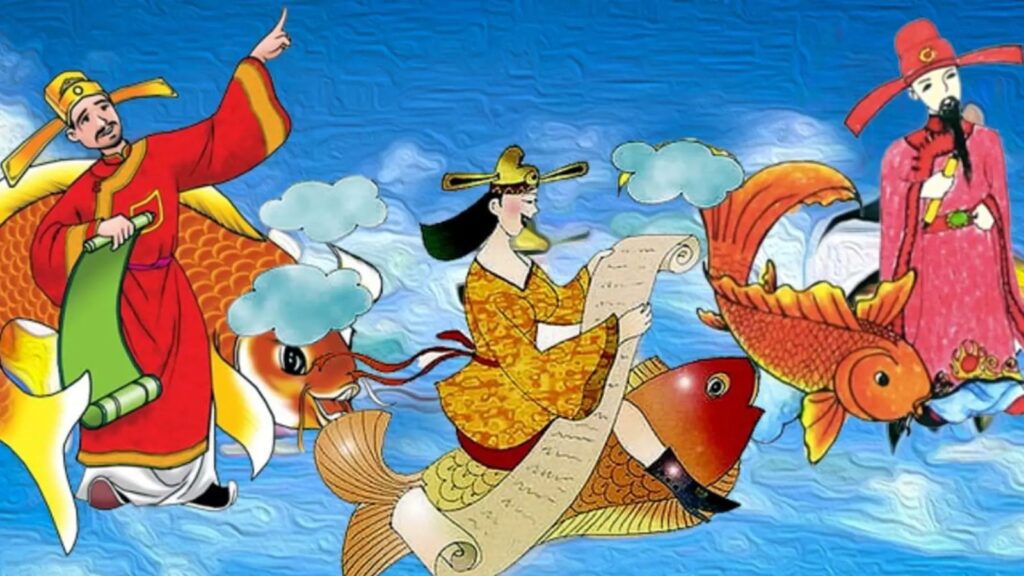
The Kitchen Gods Ceremony is a traditional ritual where Vietnamese families bid farewell to the three guardians of their home. People believe these gods fly to heaven to report the family’s behavior to the Jade Emperor.
- The Legend of Ong Tao: This story involves two men and one woman who died for love and loyalty. The Jade Emperor turned them into the “Three Kitchen Gods” to watch over every household.
- The Date of Celebration: Families celebrate this event on the 23rd day of the last lunar month. Because the date follows the lunar calendar, it changes every year on the solar calendar.
- The Spiritual Meaning: This day represents a fresh start and the cleaning of the past year’s mistakes. It is a time for hope, gratitude, and family reunions across the country.
If you want to see this tradition in the capital, our Hanoi City Tour can take you to local markets where the atmosphere is electric. You will see people buying colorful offerings and golden carps everywhere you look.
2. Why Kitchen God Day in Vietnam is Vital for Travelers
Kitchen God Day in Vietnam serves as the grand opening for the Tet Festival, which is the biggest holiday in the country. If you arrive during this week, you will see a side of Vietnam that most summer tourists never get to experience.
2.1 Seeing the Local Culture Up Close
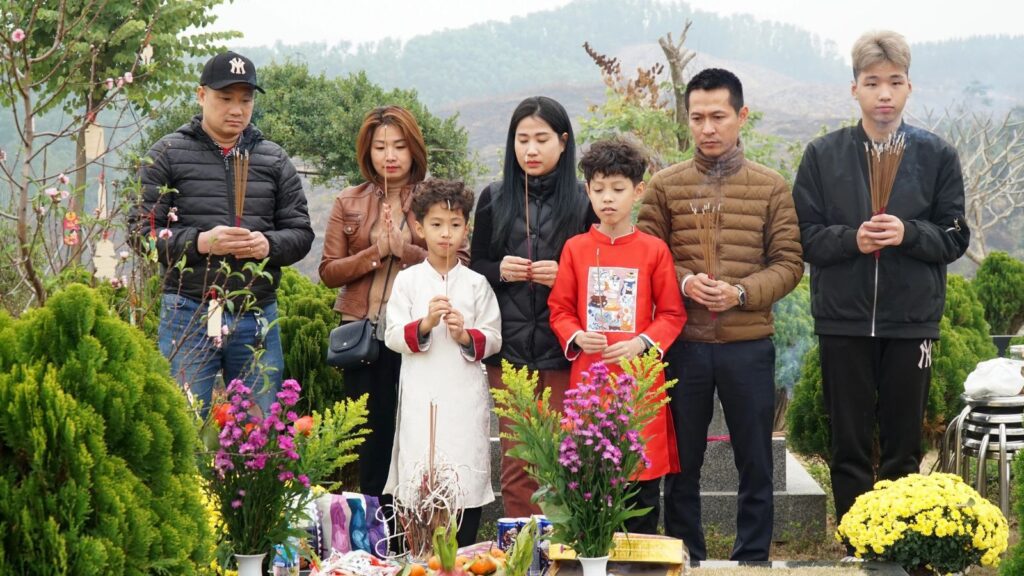
This day allows you to see how deeply Vietnamese people value their family traditions and spiritual beliefs. You can observe families gathering around small altars to pray for peace and prosperity in the coming year.
2.2 Experiencing the Vibrant Street Life
The streets become incredibly busy as everyone rushes to buy ritual items and fresh flowers for their homes. You can smell the incense in the air and see the bright red and yellow decorations everywhere.
2.3 Sampling Special Holiday Foods
Many traditional dishes appear only during this season, such as Banh Chung (square sticky rice cake) or Xoi Gam (red sticky rice). Trying these foods is a great way to “taste” the culture while exploring the local neighborhoods.
Expert Tip: “To truly feel the magic of this day, visit a local lake around noon to watch the carp-releasing ritual. It is a peaceful yet powerful moment that captures the essence of Vietnamese spirituality.”
– Mrs. Emma Nguyen – Tour Operator Manager with over 12 years of experience at Sun Getaways Travel
3. Preparation for the Kitchen Gods Ceremony
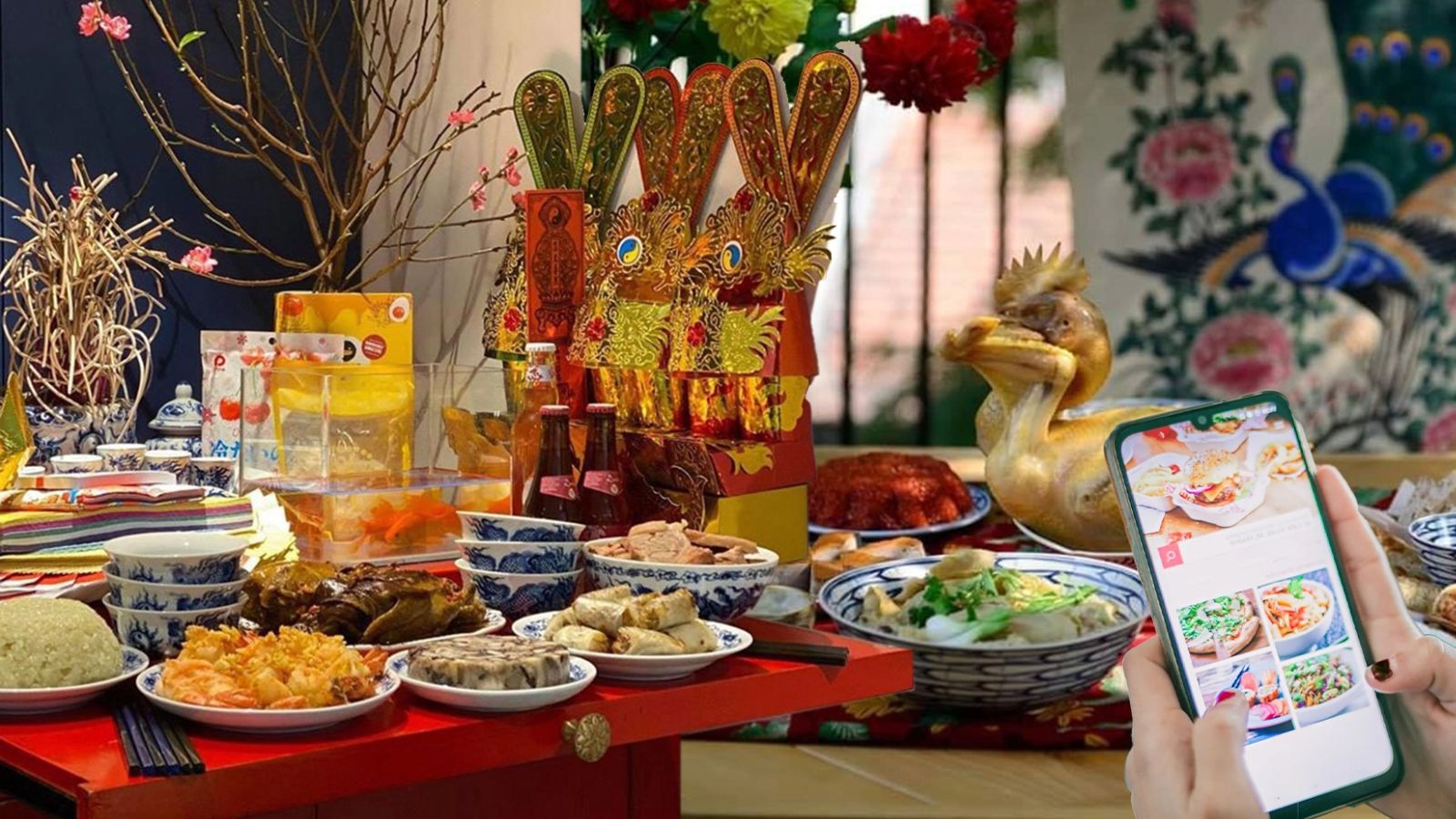
Preparing for the Kitchen Gods Ceremony requires specific items that hold deep symbolic meaning for the family. Locals spend days gathering the best ingredients and paper offerings to ensure the Gods have a comfortable journey to heaven.
3.1 Essential Offerings for the Gods
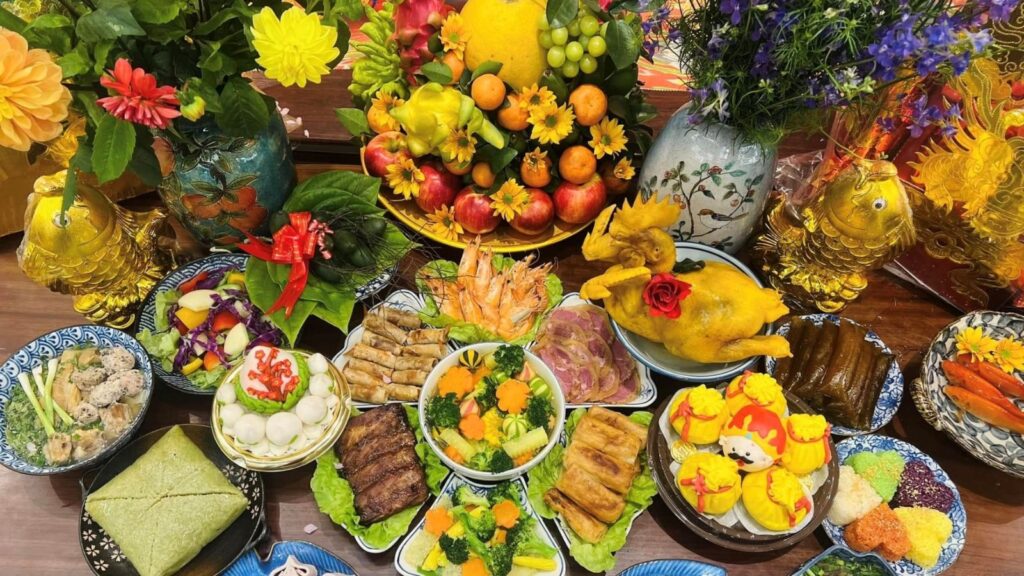
- Three Ritual Caps: Families buy three paper hats, including two for the male gods and one for the female god. These are often decorated with beautiful patterns and shimmering dragon scales.
- Fresh Fruits and Flowers: A tray of five different fruits and a vase of fresh blossoms, like peach or apricot flowers, are mandatory. These items symbolize growth, wealth, and a sweet beginning for the new year.
- Savory Feast: A traditional meal usually includes boiled chicken, fried spring rolls, and a bowl of bamboo shoot soup. This feast shows the family’s hospitality and wealth to the visiting deities.
3.2 The Role of the Golden Carp
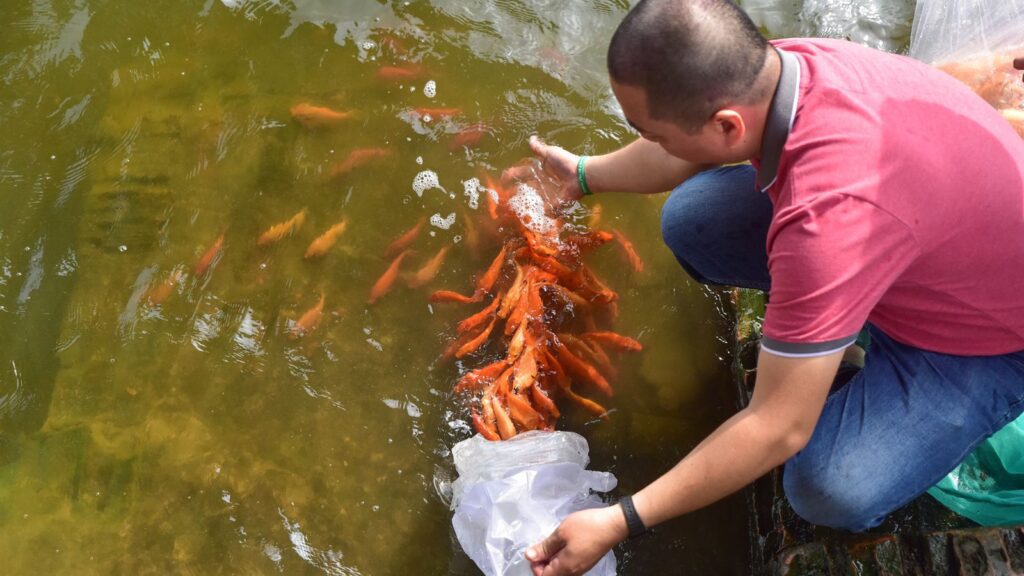
- Living Transport: The most important part of the ceremony is providing three live golden carps for the gods to ride. Vietnamese people believe that carps are the only creatures capable of turning into dragons to fly to heaven.
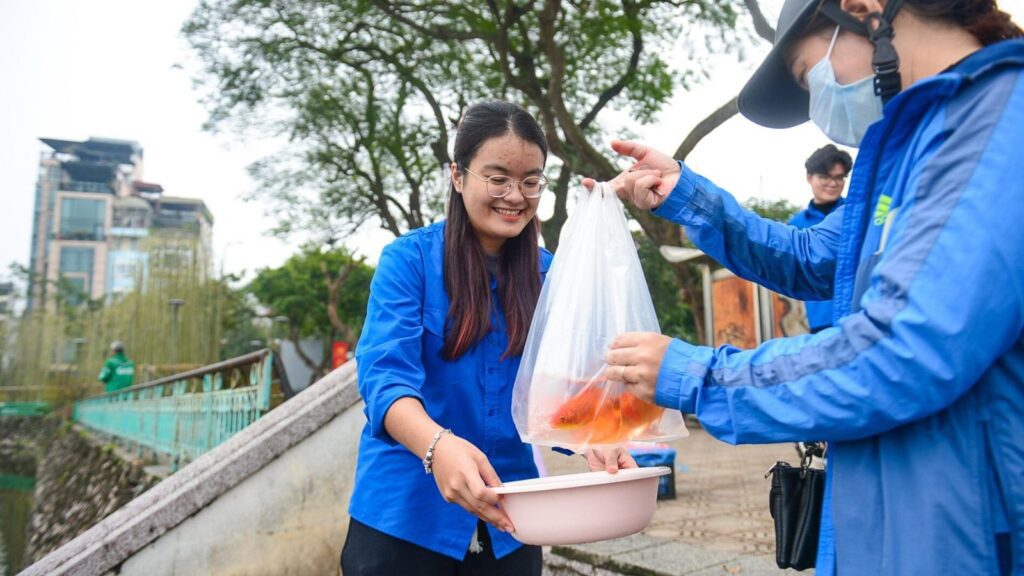
- Releasing Ritual: After the prayers, people take the fish to a nearby river or lake to release them into the wild. This act also symbolizes a release of bad luck and a kind gesture toward nature.
If you are visiting the central region, our Vietnam Classic Tour often stops in Hue or Hoi An during this time. You can see how the rituals differ slightly in these ancient towns compared to the North.
4. How to Join the Kitchen Gods Ceremony as a Tourist
Joining the Kitchen Gods Ceremony is easy if you know where to go and what to look for during your trip. Most Vietnamese people are very welcoming and love explaining their traditions to curious foreigners who show respect.
4.1 Visit a Local Wet Market
Markets like Dong Xuan in Hanoi or Ben Thanh in Saigon become colorful hubs for Kitchen God Day in Vietnam. You can take amazing photos of the golden fish in large buckets and the shimmering paper costumes.
4.2 Head to a Lake or River
Walking to a lake like Hoan Kiem in Hanoi is the best way to see the fish-releasing ceremony in person. You will see people of all ages gently letting their fish go into the water with a silent prayer.
4.3 Stay at a Local Homestay
Booking a homestay in the Mekong Delta during this time offers a front-row seat to authentic family rituals. You might even be invited to help prepare the offerings or share the ceremonial meal with the family.
To make the most of this experience, consider booking a Vietnam Local Food Tour to learn about the specific meanings behind each ceremonial dish. Our guides will help you communicate with locals so you can ask questions about their family traditions.
5. Cost Comparison for Traveling During This Season
Traveling during the Kitchen Gods Ceremony period can be slightly more expensive due to the high demand for Tet preparations. However, the cultural value you receive is well worth the small increase in price for transport or accommodation.
| Item | Average Cost (USD) | Notes |
| Street Food Meal | $3 – $7 | Prices are stable but some stalls may close early. |
| Ritual Items (Carp/Flowers) | $5 – $15 | Fun to buy if you want to participate yourself! |
| Mid-range Hotel | $50 – $90 | Book at least 2 months in advance for this season. |
| Private Day Tour | $60 – $120 | Highly recommended to navigate the busy holiday crowds. |
6. Best Places to Experience Kitchen God Day in Vietnam
Choosing the right city for Kitchen God Day in Vietnam depends on what kind of atmosphere you enjoy most. Each region has a unique way of celebrating, making the holiday feel different as you travel from North to South.
6.1 Hanoi: The Cultural Heart
Hanoi offers the most traditional experience with its narrow streets and deep-rooted customs. The cool weather in January or February makes it perfect for walking around the lakes to watch the fish-releasing ceremonies.
6.2 Hue: The Imperial Elegance
In the former royal capital, the Kitchen Gods Ceremony is performed with great attention to detail and ancient etiquette. You can see how the royal history influenced the local way of worshiping the household deities.
6.3 Ho Chi Minh City: The Modern Vibe
The Southern hub celebrates with more energy and modern flair, often focusing on large flower markets. It is a great place to see how tradition survives in a fast-paced, modern metropolitan environment.
If you want to see all these highlights, our North to South Vietnam Tour is the perfect choice for a complete holiday experience. We handle all the logistics so you can focus on the beautiful culture around you.
7. Practical Tips for Your Kitchen Gods Ceremony Trip
Planning a trip around the Kitchen Gods Ceremony requires some extra attention to timing and local etiquette. Following these simple rules will ensure you have a smooth and respectful experience while exploring Vietnam.
- Book Everything Early: Since this is the start of the Tet season, domestic flights and trains sell out very quickly. We suggest finalizing your bookings at least three months before your departure date.
- Dress Respectfully: If you are invited into a home or visit a temple, make sure to cover your shoulders and knees. This shows respect for the spiritual nature of the day and the local people.
- Ask Before Filming: Most people are happy to let you take photos of their fish or altars, but always ask first. A simple smile and a nod can go a long way in building a friendly connection.
Need help planning your holiday? Contact Sun Getaways Travel today for a customized itinerary that includes the best cultural festivals!
8. Including the Kitchen Gods Ceremony in Your Itinerary
To include the Kitchen Gods Ceremony in your journey, you must check the lunar calendar for the 23rd day of the 12th month. Aligning your arrival with this date ensures you see the most vibrant part of the pre-Tet preparations.
How to Add This to Your Schedule
- Start in the North: Plan to be in Hanoi 2 days before the ceremony to see the markets build up. This gives you time to find a good spot near the West Lake for the fish release.
- Combine with a Luxury Cruise: After the ceremony, head to Ha Long Bay on a Vietnam Luxury Tour. It is a great way to relax after the excitement of the city celebrations.
- Travel South Slowly: Use the days following the ceremony to visit Hoi An or Da Nang. The festive decorations will stay up for at least two weeks, providing great photo opportunities.
9. Frequently Asked Questions
Yes, you can buy carps at local markets and release them into a lake to enjoy this beautiful tradition.
No, most businesses stay open as usual because this ceremony is not an official national public holiday.
Hanoi is the ideal destination because of its deep traditional roots and many scenic lakes for the ritual.
Please do not drop plastic bags into the water and remember to dress politely when visiting local homes.
The ceremony follows the lunar calendar, so you should check with Sun Getaways Travel for the specific date.
10. Conclusion
The Kitchen Gods Ceremony is a breathtaking introduction to the soul of Vietnam and its rich history. By witnessing Kitchen God Day in Vietnam, you gain a deeper appreciation for the local lifestyle that goes beyond the typical sightseeing spots.
Ready to experience the magic of Vietnam’s festivals for yourself? Contact Sun Getaways Travel now to book your dream cultural tour and save your spot for the next Tet season!


Related Tour

Travel eSIM: 5GB/Day – 15 Days


11 Reviews


5-Days Ho Chi Minh Floating Market Tour Join Group
24 Reviews

Experience the Magic of Vietnam in 16 Days
0 Reviews
Hanoi tour to explore Military History
0 Reviews
Ask a question
Leave a Comment (0)
No questions yet. Be the first to ask a question!
See related Posted
Luxury Golf Resorts in Vietnam – Elite Golf Travelers

Vietnam is increasingly recognized as a premier golf destination in Asia, therefore luxury golf…
Macrame in Vietnam: The Revival of Knot Art in Contemporary Craft Culture

Macrame in Vietnam reflects the country’s growing engagement with contemporary handmade culture, where global…
Vietnamese Musical Instrument Craft: Traditional Instrument Making in Vietnam

Vietnamese musical instrument craft reflects a long-standing relationship between sound, material, and cultural memory.…
Traditional Vietnamese Kite Art: History, Craftsmanship, and Cultural Meaning

Traditional Vietnamese kite art is a living expression of folk creativity, community values, and…
Vietnamese Folk Masks: Tradition, Symbolism & Cultural Meaning

Vietnamese folk masks are a distinctive form of traditional art that reflects the spiritual…
Vietnamese Embroidery Art: Traditional Craftsmanship & Cultural Meaning

Vietnamese embroidery art is a refined traditional craft that reflects patience, cultural memory, and…