




Everyday Heritage: Historic Buildings in Vietnam to Visit Now
 HoangAn
  3 min. to read
 Are you worried about missing the true cultural soul when exploring historic buildings in Vietnam? Many travelers visit Vietnam but feel unsure which heritage sites in Vietnam truly matter and how to fit them into a real travel route. In this guide, you will discover the most famous historic buildings in Vietnam, with clear tips on cost, access, and how to include each place in a smooth Vietnam journey.
Key Takeaways
- Historic buildings in Vietnam reflect the country’s cultural identity and history, offering travelers valuable insights.
- Key heritage sites include the Ho Chi Minh Mausoleum, Imperial City of Hue, Hoi An Ancient Town, and Notre Dame Cathedral, each with unique experiences.
- Travelers can enhance their visits by combining historic sites with local activities like food tours and cultural performances.
- Planning visits by city and starting early helps avoid crowds and maximize cultural immersion in heritage sites in Vietnam.
- To enjoy a balanced itinerary, aim for two to three major sites per city, combining history with nature and local life.
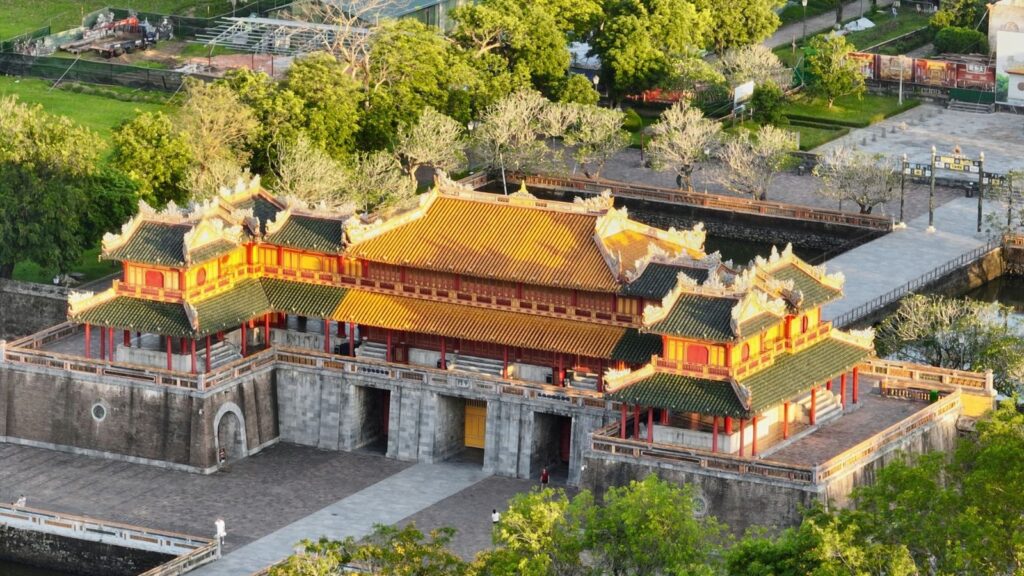
1. Why Historic Buildings in Vietnam Matter to Cultural Travelers
Historic buildings in Vietnam reflect centuries of change, from ancient kingdoms and imperial dynasties to colonial influence and modern independence. These structures are not isolated monuments; they are closely tied to religion, daily life, and national identity, which makes them powerful learning spaces for visitors.
For international travelers, heritage sites in Vietnam provide clear cultural context. They explain why cities grew where they did and how architecture reflects beliefs and power. Because many historic buildings in Vietnam sit near major tourist hubs, travelers can explore history without disrupting the flow of their journey.
2. Ho Chi Minh Mausoleum – Understanding Modern Vietnamese Identity
Ho Chi Minh Mausoleum is one of the most symbolic historic buildings in Vietnam, located at Ba Dinh Square in Ha Noi. It honors President Ho Chi Minh and represents Vietnam’s struggle for independence and unity, making it an essential stop for travelers who want historical context before exploring the country.
Local experiences you should not miss:
- Morning atmosphere at Ba Dinh Square: Locals gather early to exercise, creating a calm and respectful mood that helps visitors feel daily life around this important site.
- Nearby heritage walk: Combine the mausoleum with the Presidential Palace, One Pillar Pagoda, and nearby museums to better understand modern Vietnamese history.
These nearby heritage sites in Vietnam sit within walking distance, which makes the visit feel smooth and unrushed.
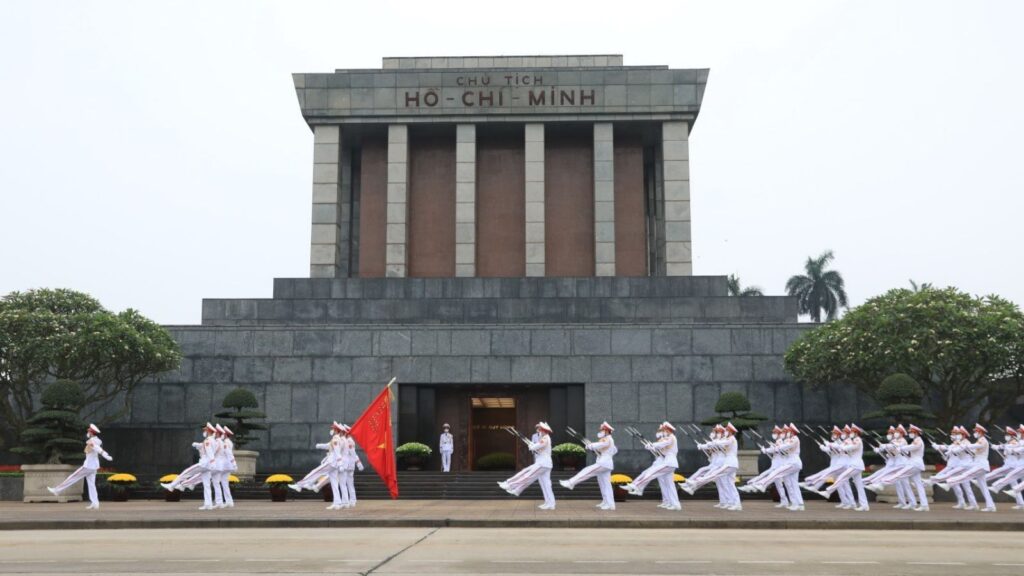
Entrance fee: Free of charge, but visitors must follow strict dress and behavior rules.
How to include it in your itinerary: This site fits best on your first or second day in Ha Noi, before visiting the Old Quarter, Hoan Kiem Lake, and local street food areas. It is often included in Vietnam Cultural Tour programs focused on national identity.
3. Imperial City of Hue – Key Historic Building in Vietnam
The Imperial City of Hue is among the most impressive historic buildings in Vietnam and a UNESCO-listed highlight of heritage sites in Vietnam. As the former capital of the Nguyen Dynasty, it offers a clear picture of royal ceremonies, governance, and ancient urban planning.
Local experiences that add depth:
- Quiet morning exploration: Visit early to enjoy peaceful courtyards before tour groups arrive.
- Cultural performances: Traditional Hue royal music in the evening helps travelers understand court life beyond architecture.
- Perfume River connection: A boat ride on the river creates a relaxing transition between heritage and nature.
These experiences allow travelers to slow down and truly absorb the cultural value of this historic building in Vietnam.
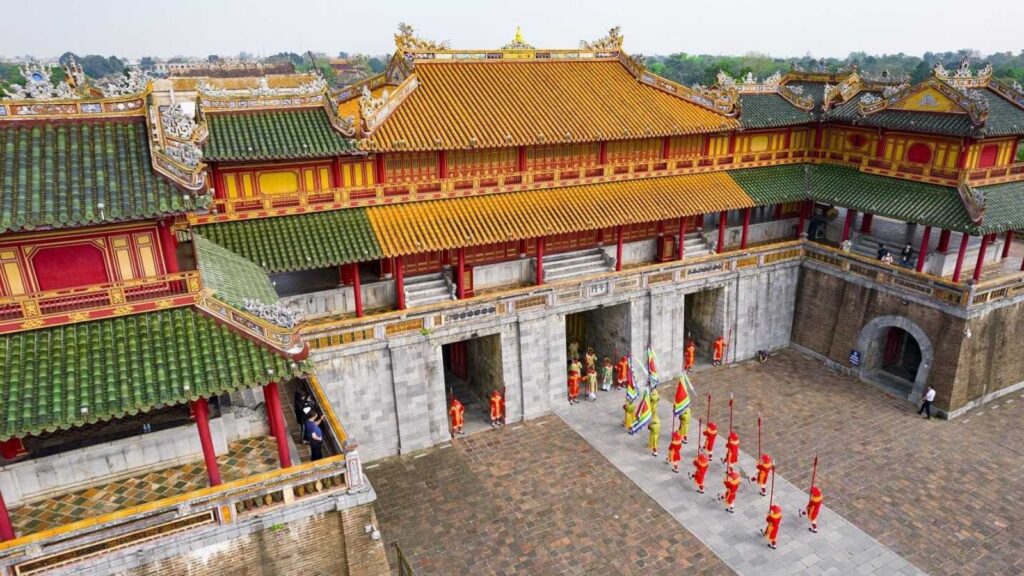
Entrance fee: Approximately USD 6-7 per person.
How to include it in your itinerary: Hue works best with a 2-3 day stay. Travelers often combine the Imperial City with royal tombs, Thien Mu Pagoda, and local cuisine, making Hue a core stop in Vietnam Classic Tour routes across Central Vietnam.
4. Hoi An Ancient Town – Living Historic Buildings in Vietnam
Hoi An Ancient Town offers a rare perspective on historic buildings in Vietnam because people continue to live and work inside centuries-old structures. This makes it one of the most atmospheric heritage sites in Vietnam.
Local experiences that travelers enjoy:
- Old merchant houses: Step inside preserved homes to see wooden interiors and family altars.
- Lantern workshops: Learn how traditional lanterns are made with local artisans.
- Evening street life: Lantern-lit streets, small cafes, and the Japanese Covered Bridge create a warm social setting.
These moments help travelers feel connected rather than just observing history from a distance.
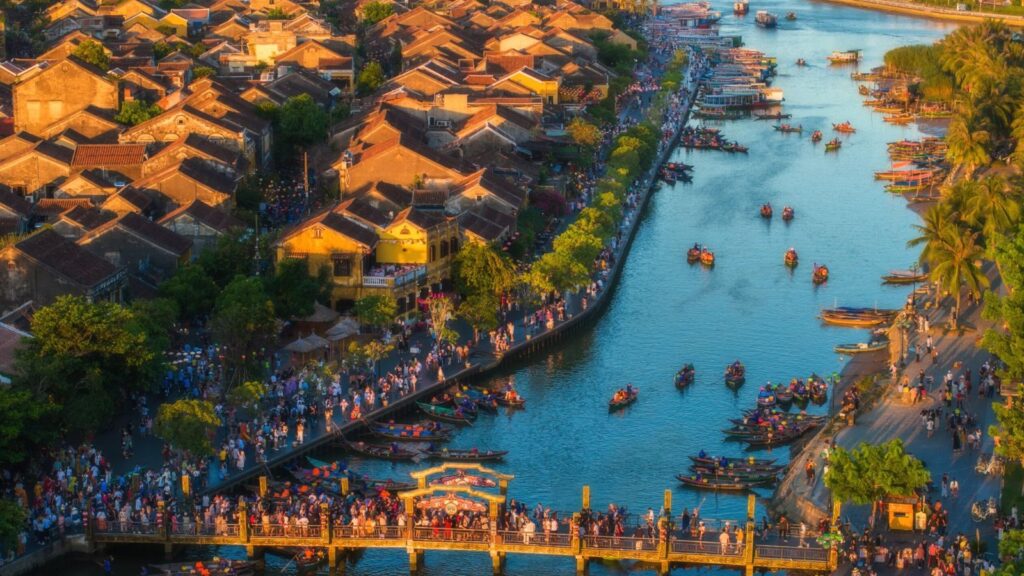
Entrance fee: About USD 4-5 for an old town ticket covering multiple sites.
How to include it in your itinerary: Hoi An fits well after busy cities like Ha Noi or Ho Chi Minh City. Many travelers pair it with Da Nang beaches, My Son Sanctuary, or countryside cycling as part of a relaxed Central Vietnam journey or a Vietnam Local Food Tour.
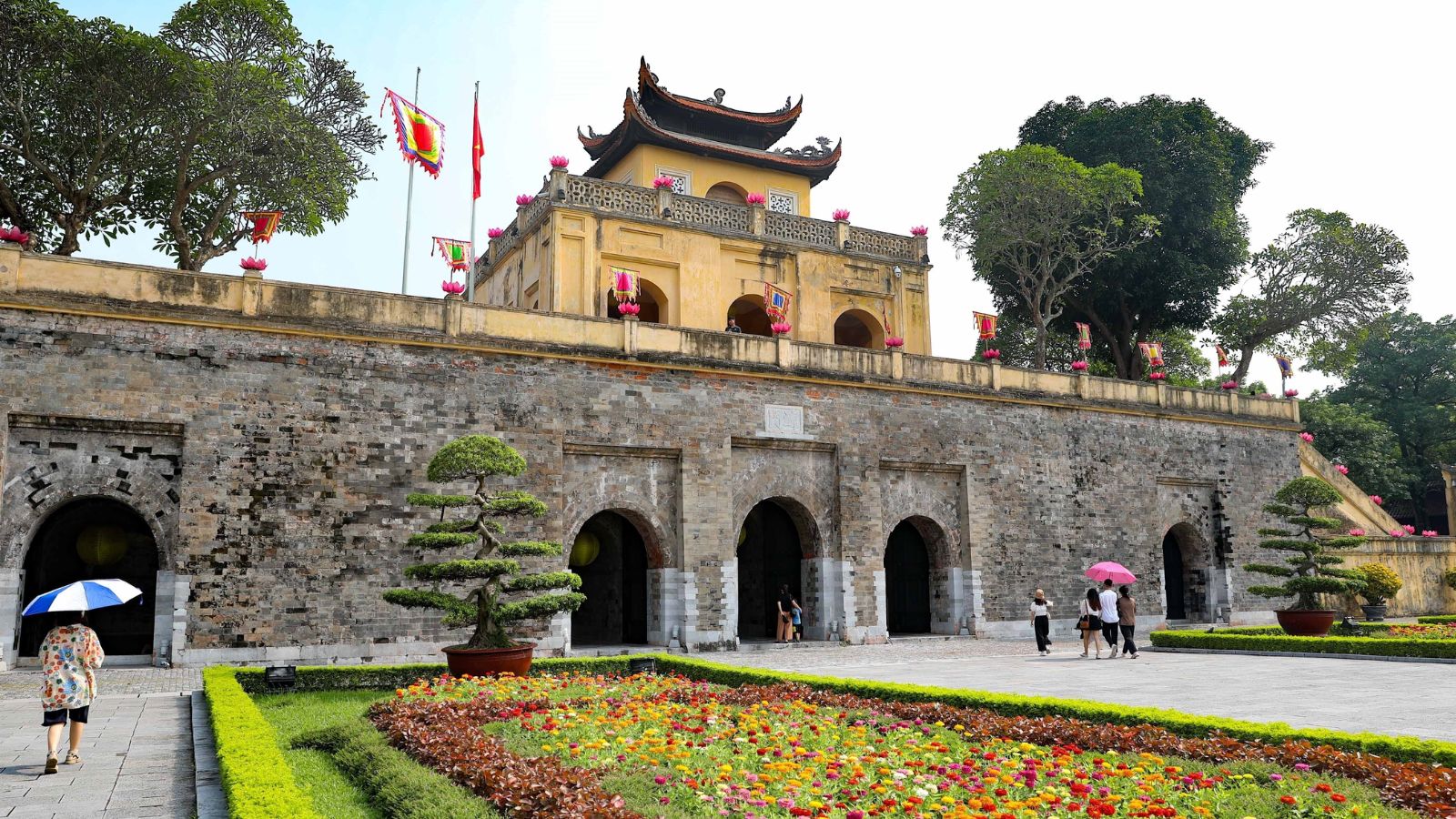
5. Thang Long Imperial Citadel – Layers of a Thousand-Year Capital
Thang Long Imperial Citadel is one of the oldest historic buildings in Vietnam, revealing layers from ancient Vietnamese dynasties to modern history. This depth makes it one of the most educational heritage sites in Vietnam.
Local experiences worth adding:
- Archaeological zones: Visible ruins help visitors understand the city’s long political history.
- War-era bunkers: Underground shelters add a modern historical layer to the site.
Because the site is spacious and well-organized, travelers can explore at their own pace.
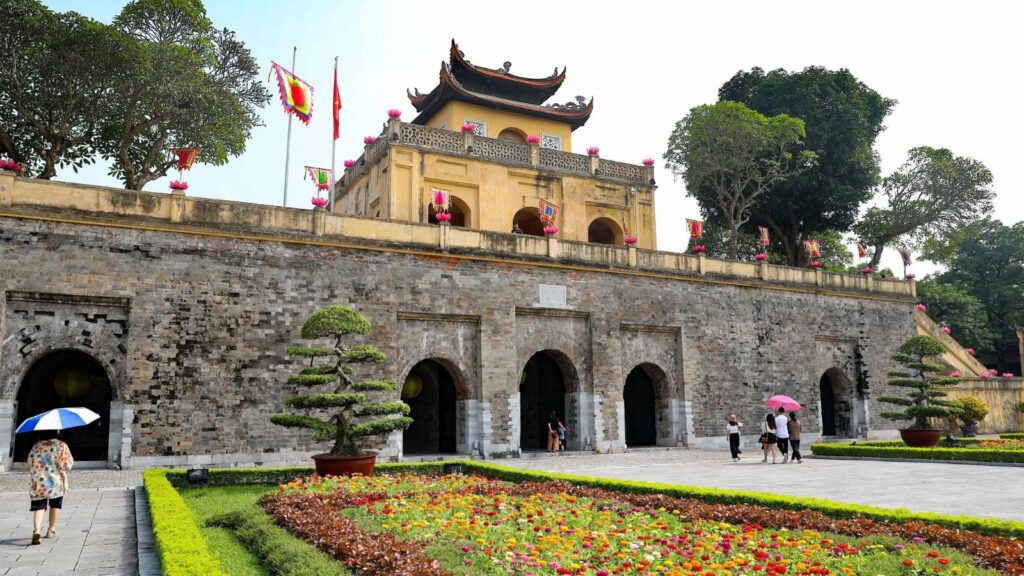
Entrance fee: Around USD 2-3 per person.
How to include it in your itinerary: This citadel fits well into a half-day Ha Noi cultural route. Combine it with nearby museums, Hoan Kiem Lake, or Old Quarter food walks to balance learning and leisure.
6. Notre Dame Cathedral of Saigon – Colonial-Era Historic Buildings in Vietnam
Notre Dame Cathedral of Saigon reflects French colonial influence and adds visual contrast to historic buildings in Vietnam. Built in the late 19th century, it remains a central landmark in Ho Chi Minh City.
Local experiences around the cathedral:
- Cafe culture: Sit at nearby cafes to observe daily city life in District 1.
- Colonial walking route: Pair the cathedral with the Central Post Office and Nguyen Hue Walking Street.
These nearby heritage sites in Vietnam help travelers understand the city’s colonial past.
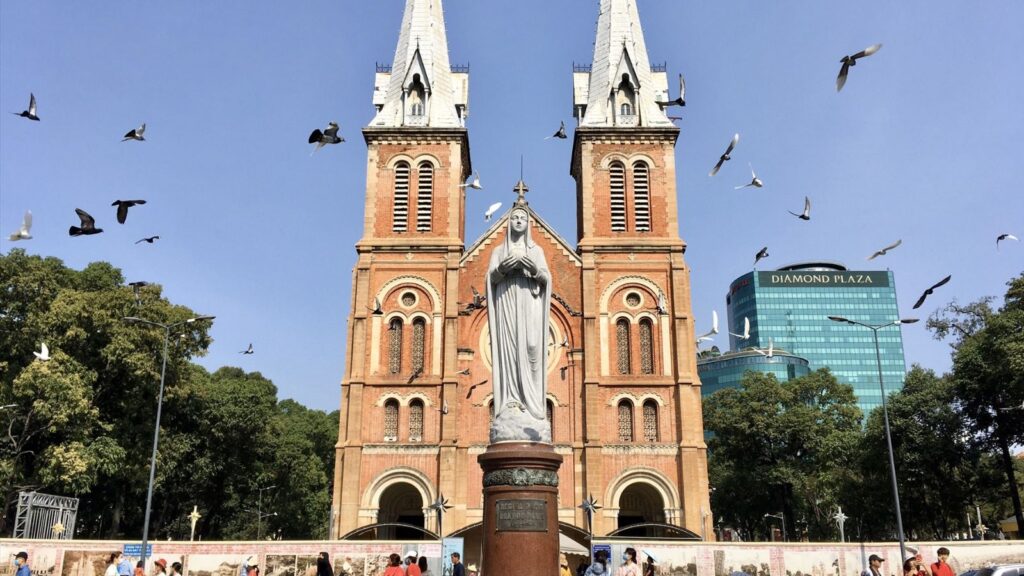
Entrance fee: Free, though interior access depends on restoration schedules.
How to include it in your itinerary: This stop fits naturally into southern city exploration or the early stage of a South-to-North Vietnam experience, often combined with museums and Ben Thanh Market.
7. Temple of Literature – Vietnam’s First National University
The Temple of Literature is one of the most culturally meaningful historic buildings in Vietnam. Built in 1070, it reflects respect for education and scholarship, values that remain strong in Vietnamese society.
Local experience: The peaceful courtyards offer a quiet break from city traffic. Visitors often see students taking graduation photos, which adds a living cultural layer to this heritage site in Vietnam.
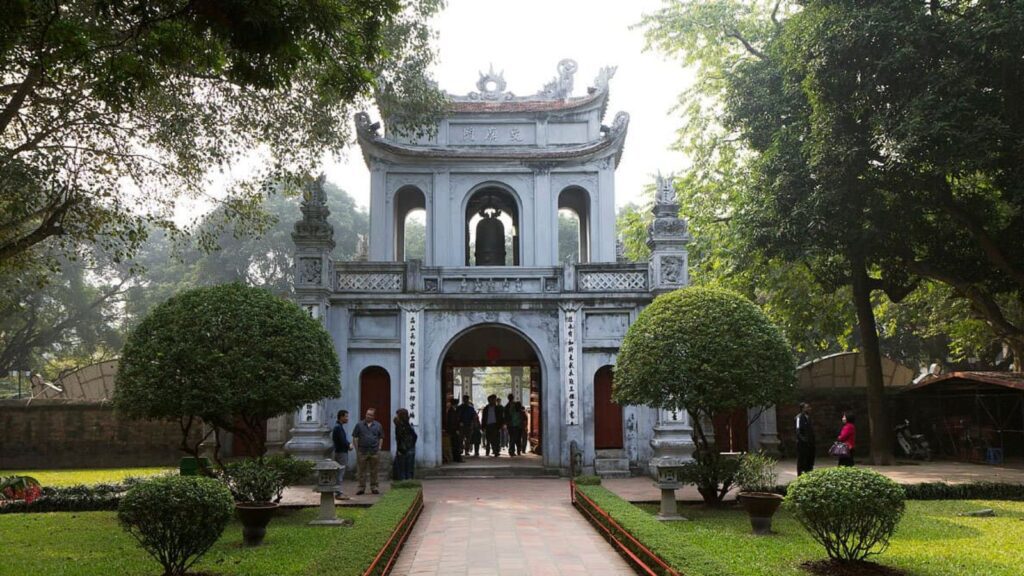
Entrance fee: Around USD 1-2 per person.
How to include it in your itinerary: Visit in the morning and pair it with nearby neighborhoods or museums. This stop suits travelers interested in culture, education, and local traditions.
8. Comparison Table: Famous Historic Buildings in Vietnam
To make trip planning easier, the table below summarizes the six most important historic buildings in Vietnam mentioned in this guide.
| Historic Site | Location | Entrance Fee | Easy to Combine With |
|---|---|---|---|
| Ho Chi Minh Mausoleum | Hanoi | Free | Ba Dinh Square, Presidential Palace |
| Imperial City of Huế | Hue | USD 6-7 | Hue pagodas, Perfume River |
| Hoi An Ancient Town | Quang Nam | USD 4-5 | Lantern streets, night market |
| Thang Long Imperial Citadel | Hanoi | USD 2-3 | Ba Dinh area, museums |
| Notre-Dame Cathedral of Saigon | Ho Chi Minh City | Free | Central Post Office, city walk |
| Temple of Literature | Hanoi | USD 1-2 | Old Quarter, museums |
📌 If you feel unsure about travel timing, distances, or site combinations, you can contact Sun Getaways Travel via WhatsApp for quick support and personalized route suggestions.
9. How to Include Historic Buildings in Vietnam in Your Travel Route
Historic buildings in Vietnam are easiest to enjoy when grouped by region. This approach saves time and helps travelers avoid rushed sightseeing while gaining deeper cultural insight.
Practical planning tips:
- Plan by city: Spend at least one full day per major city focusing on heritage sites in Vietnam.
- Start early: Morning visits reduce heat and crowds, especially at outdoor sites.
- Balance experiences: Mix historic buildings with food tours, river cruises, or countryside visits.

“Travelers often enjoy historic buildings in Vietnam more when they slow down. Choose fewer heritage sites in Vietnam, spend time observing local life nearby, and your experience becomes far richer.”
Mrs. Emma Nguyen – Tour Operator Manager with over 12 years of experience at Sun Getaways Travel
10. FAQs About Historic Buildings in Vietnam
Two to three major sites per city are ideal for learning without fatigue.
Yes, most sites are easy to visit independently, with clear signs and simple access.
Yes, but modest clothing and quiet behavior are important.
Many travelers combine heritage visits with rivers, beaches, or countryside tours for balance.
Central Vietnam provides a strong balance between historic buildings in Vietnam and local culture.
11. Conclusion
Historic buildings in Vietnam offer insight into the country’s identity, values, and resilience. From royal capitals to living ancient towns, these heritage sites in Vietnam help travelers connect history with present-day life. With thoughtful planning, history becomes a highlight rather than a checklist.
Sun Getaways Travel designs journeys where historic buildings in Vietnam blend naturally with local experiences and comfort. Contact our team today and begin a meaningful journey across Vietnam.


Related Tour

Danang City and Ba Na Hills: A Captivating 4-Days Tour


34 Reviews

A Journey of a Lifetime: 12-Day Vietnam Beach Holiday
15 Reviews

Explore Amazing Vietnam in 15 Days
43 Reviews

13-Day Vietnam Adventure Motorbike Street Food Sightseeing
27 Reviews

Experience the Magic of Vietnam in 16 Days
0 Reviews

Vietnam Family Holidays 14 Days
23 Reviews
Ask a question
Leave a Comment (0)
No questions yet. Be the first to ask a question!
See related Posted
Luxury Golf Resorts in Vietnam – Elite Golf Travelers

Vietnam is increasingly recognized as a premier golf destination in Asia, therefore luxury golf…
Macrame in Vietnam: The Revival of Knot Art in Contemporary Craft Culture

Macrame in Vietnam reflects the country’s growing engagement with contemporary handmade culture, where global…
Vietnamese Musical Instrument Craft: Traditional Instrument Making in Vietnam

Vietnamese musical instrument craft reflects a long-standing relationship between sound, material, and cultural memory.…
Traditional Vietnamese Kite Art: History, Craftsmanship, and Cultural Meaning

Traditional Vietnamese kite art is a living expression of folk creativity, community values, and…
Vietnamese Folk Masks: Tradition, Symbolism & Cultural Meaning

Vietnamese folk masks are a distinctive form of traditional art that reflects the spiritual…
Vietnamese Embroidery Art: Traditional Craftsmanship & Cultural Meaning

Vietnamese embroidery art is a refined traditional craft that reflects patience, cultural memory, and…