






Vietnam Banana Cake: Best Types, Prices, and Places to Eat
 HoangAn
  3 min. to read
 Have you ever worried about missing out on local desserts when traveling in Vietnam? Many visitors hear about Vietnam banana cake but feel unsure where to try it or what makes it special. In this guide, I will walk you through Vietnamese banh chuoi chien, from its cultural meaning to the best places to taste it, so you can enjoy this street food like a local.
Key Takeaways
- Vietnamese banh chuoi chien, or Vietnam banana cake, is a popular street snack made from ripe bananas, rice flour, and coconut milk.
- Each type of Vietnam banana cake varies by region, with styles like classic street-style, sesame-coated, and thick-batter versions.
- To enjoy fresh banh chuoi chien, visit local markets in Hanoi, Ho Chi Minh City, or Da Nang for the best experience.
- Prices for Vietnam banana cake range from USD 0.20 to 1.00, making it a budget-friendly option for travelers.
- Tips for first-timers include eating it hot, checking oil color, and seeking vendors with local crowds for the best quality.
1. What Are Vietnam Banana Cakes?
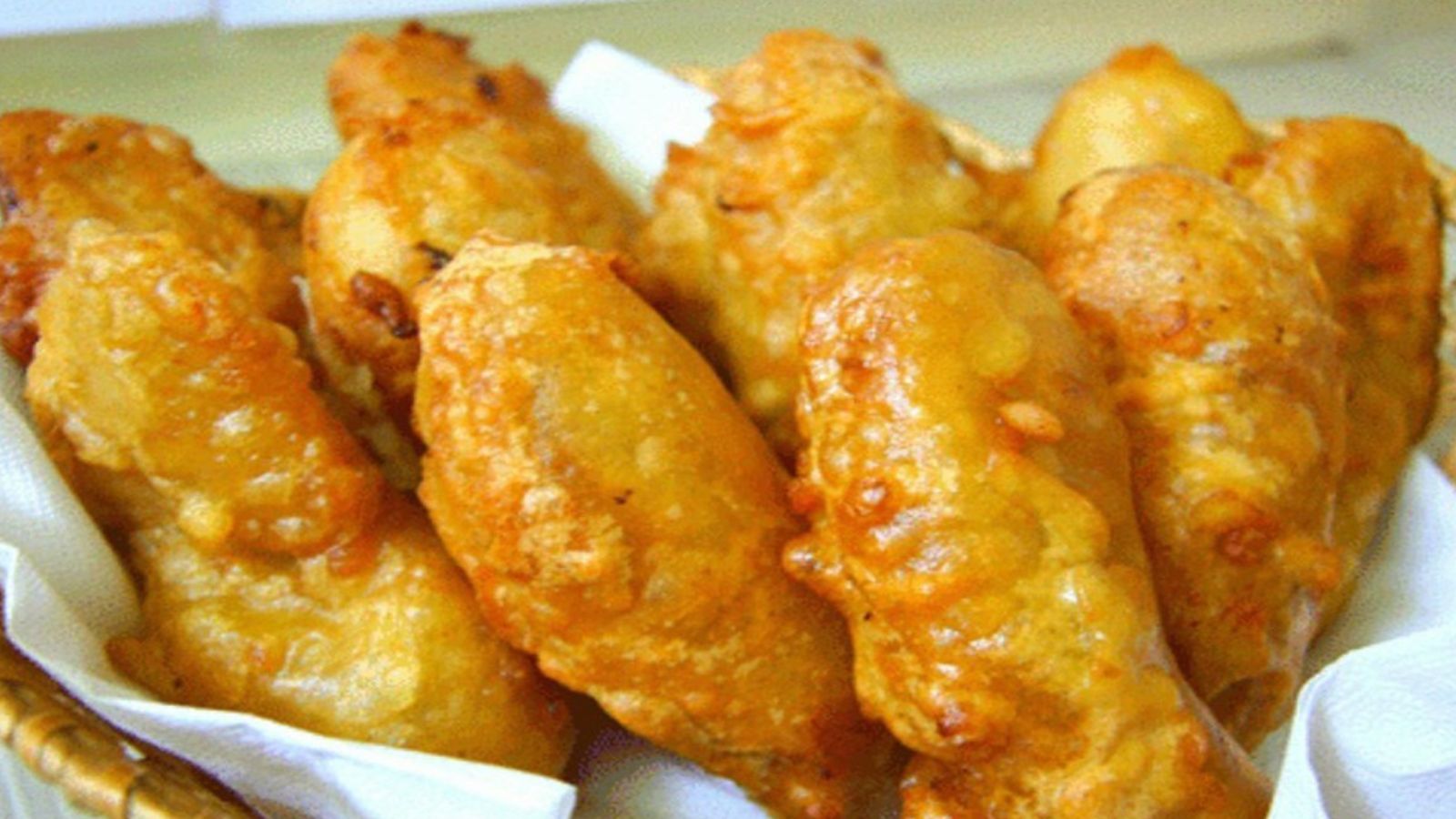
Vietnam banana cakes are traditional snacks made mainly from ripe bananas and simple local ingredients. Among many versions, this dish often refers to fried banana cakes sold on the streets, especially Vietnamese banh chuoi chien.
This cake reflects daily Vietnamese life. Locals enjoy it as an afternoon snack, a school treat, or a light dessert after meals. You can see vendors frying bananas near markets, bus stops, and busy streets in Hanoi, Ho Chi Minh City, and Da Nang. Like many Vietnamese sweet cakes, this dish shows how Vietnamese people turn humble ingredients into comforting food.
2. Key Ingredients That Define the Flavor of Vietnam Banana Cake
Vietnam banana cake tastes simple, but each ingredient matters. Locals carefully choose ingredients to keep the cake light, crispy, and naturally sweet without heavy flavors.
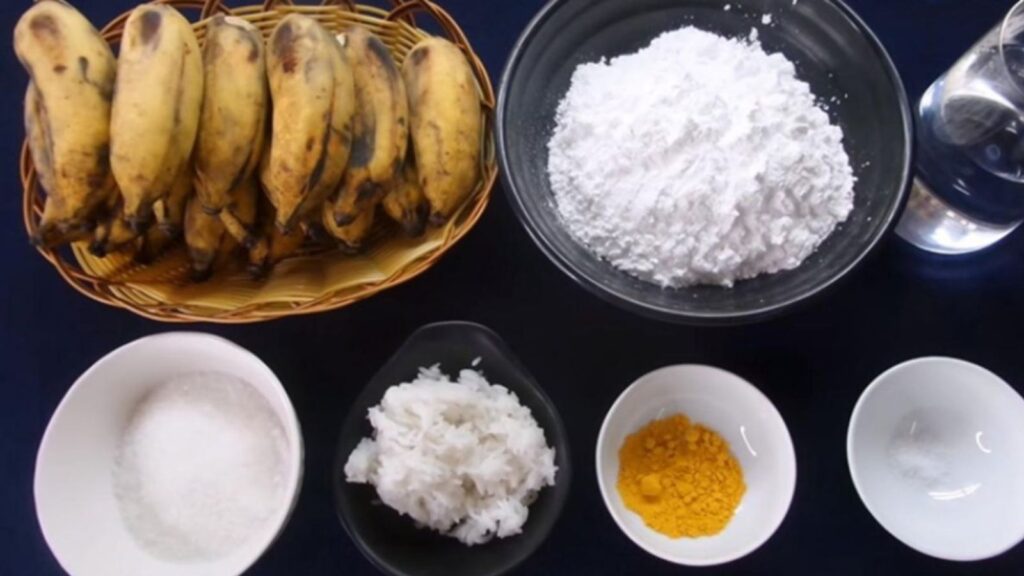
- Ripe bananas (chuoi su or chuoi tieu)
Vendors always use very ripe bananas with dark spots on the skin. These bananas bring natural sweetness and a soft, creamy texture after frying. If the bananas are not ripe enough, the cake will taste flat and dry. - Rice flour as the base
Rice flour gives Vietnam banana cake its signature light and crispy crust. It fries well at street-stall temperatures and keeps the cake crunchy even after cooling slightly. This ingredient also reflects Vietnam’s rice-based food culture. - All-purpose flour for structure
A small amount of all-purpose flour helps the batter hold together. It prevents cracking during frying and creates a smoother outer layer without making the cake heavy. - Coconut milk for aroma
Coconut milk adds a gentle fragrance and soft richness. You will not taste strong coconut flavor, but it enhances the banana naturally and makes the cake more satisfying. - Sugar and salt balance
Vendors usually add just enough sugar to support the banana’s sweetness. A pinch of salt sharpens the flavor and keeps the cake from tasting dull. - Sesame seeds (optional)
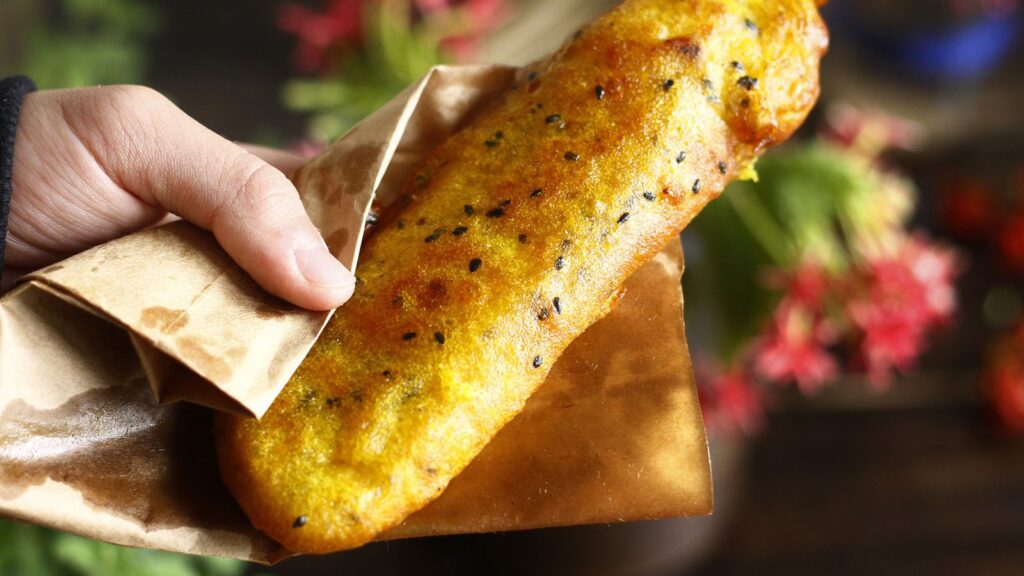
In some regions, sesame seeds appear in the batter or on the surface. They add a nutty aroma and visual appeal, especially in southern Vietnam.
3. How Vietnam Banana Cake Is Traditionally Made
The traditional method focuses on freshness and rhythm. Street vendors often repeat this process dozens of times a day.
Step 1: Selecting and preparing bananas
Cooks peel ripe bananas and slice them lengthwise or flatten them slightly. This shape helps the banana cook evenly and absorb the batter better. The goal is a soft inside that does not melt away during frying.
Step 2: Mixing the batter carefully
They combine rice flour, all-purpose flour, sugar, salt, and coconut milk. Vendors adjust the batter thickness by experience, not by measurement. A good batter flows slowly and coats the banana without dripping.
Step 3: Heating oil at the right temperature
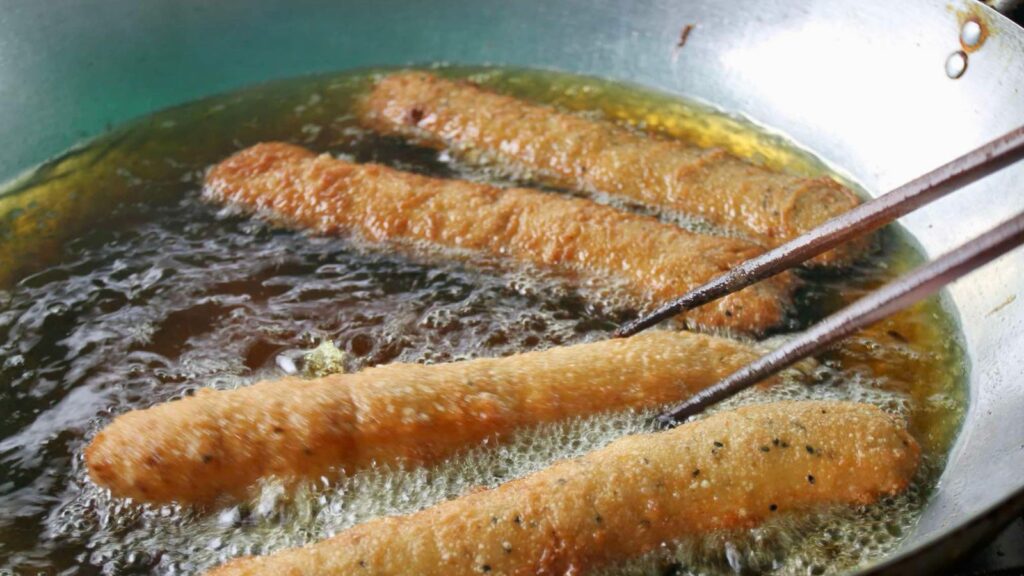
Vendors heat oil over medium heat, never too hot. If the oil overheats, the crust burns before the banana warms through. Proper heat creates a golden crust and keeps the inside tender.
Step 4: Frying with patience
They gently lower battered bananas into the oil and turn them slowly. This step takes focus because rushing causes uneven color or broken cakes. The cake puffs slightly and turns crisp as moisture escapes.
Step 5: Resting before serving
After frying, vendors let the cake rest briefly. This step allows excess oil to drain and helps the crust stay crunchy. Most vendors serve the cake immediately while it is still warm.
4. Popular Types of Vietnamese Banh Chuoi Chien You Should Know
Vietnam banana cake changes slightly by region and vendor style. Knowing these types helps travelers choose what suits their taste during their Vietnam tour.
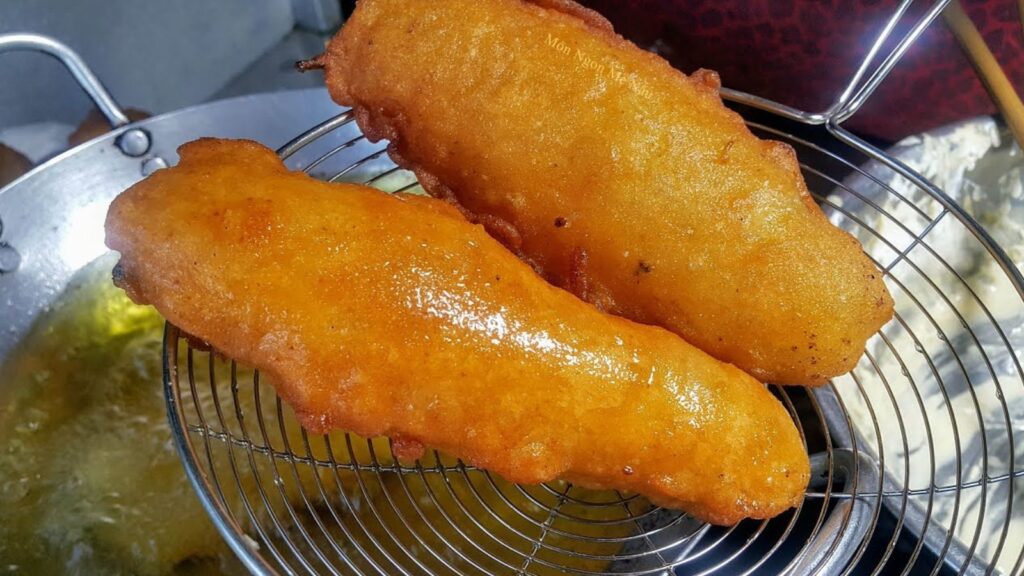
- Classic street-style Vietnamese banh chuoi chien
This is the most common version across Vietnam. It has a thin, crisp shell with soft banana inside. Travelers often try this first because it feels light and familiar. - Sesame-coated banh chuoi chien
This version includes sesame seeds in the batter or coating. The seeds add aroma and crunch, making the cake more flavorful without extra sweetness. - Thick-batter banana cake
Some vendors use more batter, creating a puffier crust. This type feels more filling and works well as a quick snack between sightseeing stops. - Mini banana fritters
Vendors cut bananas into small chunks and fry them as bite-sized pieces. This style suits groups or travelers who want to sample without committing to a full piece. - Banana cake with coconut drizzle
In select areas, vendors pour light coconut sauce over the cake. This version feels richer and closer to dessert than street snack.
| Type of Vietnam Banana Cake | Texture | Sweetness Level | Where You Often Find It | Best For Travelers Who |
|---|---|---|---|---|
| Classic street-style banh chuoi chien | Crispy outside, soft inside | Mild | Nationwide | Want a first, authentic taste |
| Sesame-coated version | Extra crunchy, aromatic | Mild | Southern Vietnam | Enjoy nutty flavors |
| Thick-batter banana cake | Puffy, filling | Medium | Local markets | Need a heavier snack |
| Mini banana fritters | Crispy bite-sized | Mild | Big cities | Want to share or snack light |
| Coconut-drizzled banana cake | Soft and rich | Higher | Mekong Delta, select stalls | Prefer dessert-style sweets |
5. Where to Try Authentic Banh Chuoi Chien in Vietnam
Vietnam banana cake tastes best when you eat it where locals eat it. Big cities and regional hubs offer reliable options.
- Hanoi – Old Quarter and local markets
Street stalls near Dong Xuan Market and small neighborhood streets sell fresh banh chuoi chien daily. This area fits well into a Vietnam Classic Tour focused on culture and food. - Ho Chi Minh City – District 1 and District 3
Vendors near Ben Thanh Market, Nguyen Trai Street, and local schools fry banana cakes throughout the afternoon. This city works perfectly for a Vietnam Local Food Tour experience. - Da Nang – central streets and Han Market area
Afternoon stalls near Han Market sell warm banana cakes to locals heading home from work. It is a simple way to taste local life during a central Vietnam journey. - Mekong Delta – Can Tho and nearby towns
Banana cakes here often taste sweeter due to local banana varieties. This region suits travelers joining a Mekong Delta tour focused on food and river life.

If you feel unsure where to go, a local guide from Sun Getaways Travel can help you find trusted street vendors without stress. Contact us today for personalized food tips and local guidance during your Vietnam trip.
6. How Much Does Vietnam Banana Cake Cost?
In small towns or local neighborhoods, one piece usually costs around USD 0.20 to 0.40. In big cities or tourist areas, prices may reach USD 0.50 to 1.00 per piece. Specialty versions with coconut sauce or thicker batter cost slightly more.
Even at higher prices, Vietnamese banh chuoi chien remains budget-friendly. This makes it perfect for travelers who want to enjoy street food without worrying about costs.
7. Tips for First-Time Travelers Trying Vietnam Banana Cake
Trying street desserts feels easier when you know what to look for. These tips help you enjoy Vietnamese banh chuoi chien with confidence.
- Follow local crowds
Vendors with steady local customers usually fry fresh batches often. This means better texture and cleaner oil. - Eat it immediately
Vietnam banana cake tastes best when hot. The crust stays crisp, and the banana remains soft and aromatic. - Check oil color
Clear or light-colored oil usually means fresher frying conditions. Dark oil often affects taste. - Ask about sweetness level
Some vendors adjust sugar levels. Simple gestures or smiles help communicate your preference. - Balance with savory dishes
After sweet snacks, try savory foods like bun or banh mi to keep your food experience balanced. - Plan food stops wisely
If street food feels overwhelming, guided tours help you enjoy safely and comfortably.
“For many guests, Vietnam banana cake becomes a favorite because it feels both familiar and unique. It is a gentle way to explore Vietnamese street food culture.”
Mrs. Emma Nguyen – Tour Operator Manager with over 12 years of experience at Sun Getaways Travel
8. FAQs about Vietnam Banana Cake
Yes, most versions contain no meat or eggs. However, always check if vendors add condensed milk or special toppings.
Yes, many night markets sell it, especially in Ho Chi Minh City and Hanoi. Evening stalls often fry fresh batches.
Yes, children usually love its sweet taste and soft texture. Just let it cool slightly before eating.
Some versions use wheat flour, so it may contain gluten. Ask vendors if you have dietary concerns.
Some cooking classes include banana cakes. Ask your tour provider for local cooking experiences.
9. Conclusion
Vietnam banana cake offers a simple yet meaningful taste of Vietnamese daily life. From busy streets to quiet towns, Vietnamese banh chuoi chien brings warmth, sweetness, and cultural connection to every bite. It also shows how local street food plays a big role in Vietnam’s travel experience.
If you want to explore Vietnam through authentic food and local stories, let Sun Getaways Travel guide you. Contact us today to design a custom Vietnam tour, where every snack, every street, and every moment brings you closer to the real Vietnam.


Related Tour


Private Vietnam Luxury Tour 13 Days


24 Reviews

Hands On Art & Craft Experience from Hanoi
0 Reviews

4 Day Hoang Su Phi Trekking
23 Reviews

11-Day Taste of Vietnam From North to South
31 Reviews

12 Days Vietnam From North To South With Hue
14 Reviews
Ask a question
Leave a Comment (0)
No questions yet. Be the first to ask a question!
See related Posted
Luxury Golf Resorts in Vietnam – Elite Golf Travelers

Vietnam is increasingly recognized as a premier golf destination in Asia, therefore luxury golf…
Macrame in Vietnam: The Revival of Knot Art in Contemporary Craft Culture

Macrame in Vietnam reflects the country’s growing engagement with contemporary handmade culture, where global…
Vietnamese Musical Instrument Craft: Traditional Instrument Making in Vietnam

Vietnamese musical instrument craft reflects a long-standing relationship between sound, material, and cultural memory.…
Traditional Vietnamese Kite Art: History, Craftsmanship, and Cultural Meaning

Traditional Vietnamese kite art is a living expression of folk creativity, community values, and…
Vietnamese Folk Masks: Tradition, Symbolism & Cultural Meaning

Vietnamese folk masks are a distinctive form of traditional art that reflects the spiritual…
Vietnamese Embroidery Art: Traditional Craftsmanship & Cultural Meaning

Vietnamese embroidery art is a refined traditional craft that reflects patience, cultural memory, and…