



Why Cultural Enthusiasts Will Love a Chau Doc Travel Experience
 Dan Vy
  3 min. to read
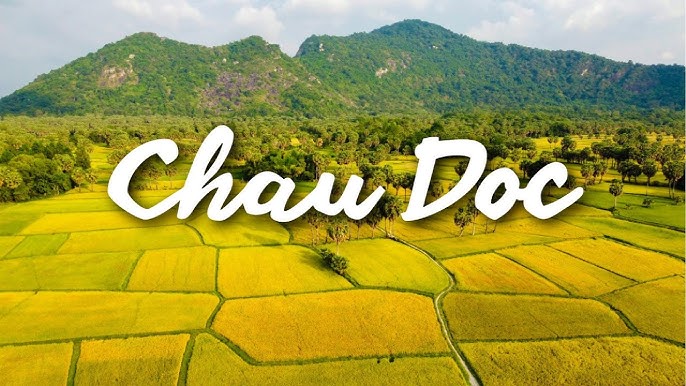
 A Chau Doc travel experience offers something increasingly rare in Vietnam: a place where cultures are lived, not displayed. Located at the crossroads of the Mekong Delta and the Cambodian border, Chau Doc is shaped by centuries of migration, faith, and river life. Rather than iconic landmarks alone, the city invites travelers to observe how different communities coexist in everyday routines. For cultural enthusiasts seeking meaning beyond sightseeing, Chau Doc travel provides depth, context, and authenticity.
Key Takeaways
- Chau Doc travel offers a unique experience of cultural coexistence and authenticity, unlike typical tourist destinations.
- The city serves as a historical meeting point for diverse communities, showcasing traditions integrated into daily life.
- Sacred spaces, like Ba Chua Xu Temple and Cham mosques, reflect the spiritual diversity and cultural heritage of Chau Doc.
- Food in Chau Doc tells a story of its multicultural identity, blending techniques and ingredients from multiple communities.
- Travelers should approach Chau Doc respectfully, appreciating local customs and engaging thoughtfully with its vibrant culture.
Where Chau Doc Sits in Vietnam’s Cultural Landscape
To understand Chau Doc travel, it’s important to see the city not as an isolated destination, but as a historical meeting point. For generations, Chau Doc has functioned as a border town, trading hub, and spiritual center—roles that continue to shape its identity today.
Here is what defines Chau Doc’s position in Vietnam’s cultural map:
- 🧭 A border crossroads
Chau Doc sits near the Vietnam–Cambodia border, connected by waterways that historically enabled trade, migration, and cultural exchange long before modern borders existed. - 🧑🤝🧑 Multi-ethnic coexistence
Vietnamese (Kinh), Khmer, Cham, and Chinese communities live within close proximity, maintaining distinct traditions while sharing markets, rivers, and neighborhoods. - 🕊 Religious diversity in daily life
Buddhism, Islam, folk beliefs, and indigenous spiritual practices operate side by side—not as tourist attractions, but as living systems of belief.
This layered background makes Chau Doc travel especially rewarding for visitors who want to understand Vietnam beyond its dominant narratives.
Why Chau Doc Travel Appeals to Cultural Enthusiasts
Cultural enthusiasts often seek destinations where traditions remain part of everyday life rather than being preserved only for visitors. Chau Doc fits this desire naturally.
A Chau Doc travel experience resonates because:
- 🎭 Culture is lived, not staged
Religious rituals, community gatherings, and seasonal festivals exist primarily for local people, with visitors observing rather than directing the experience. - 🏘 Communities come before monuments
Cultural understanding emerges from villages, riverbanks, and family businesses—not only from temples or museums. - ⏳ Slow rhythms encourage immersion
Life in Chau Doc follows prayer schedules, river tides, and market hours, making it ideal for travelers who prefer observation over constant movement. - 📚 Multiple histories overlap
Khmer heritage, Cham migration, Vietnamese settlement, and modern border trade all leave visible traces in architecture, food, and customs.
For readers using a Chau Doc travel guide, this destination rewards curiosity and patience more than speed.
Sacred Spaces That Shape Chau Doc Travel
Religion is not confined to specific zones in Chau Doc—it is woven into the urban and rural landscape. Sacred spaces here function as social anchors, shaping community identity and daily routines.
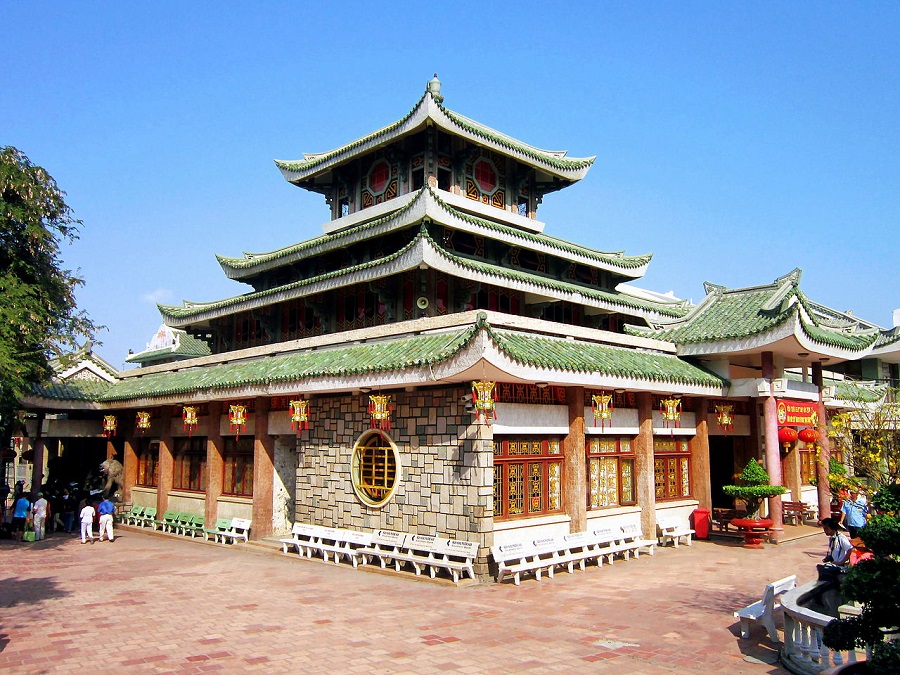
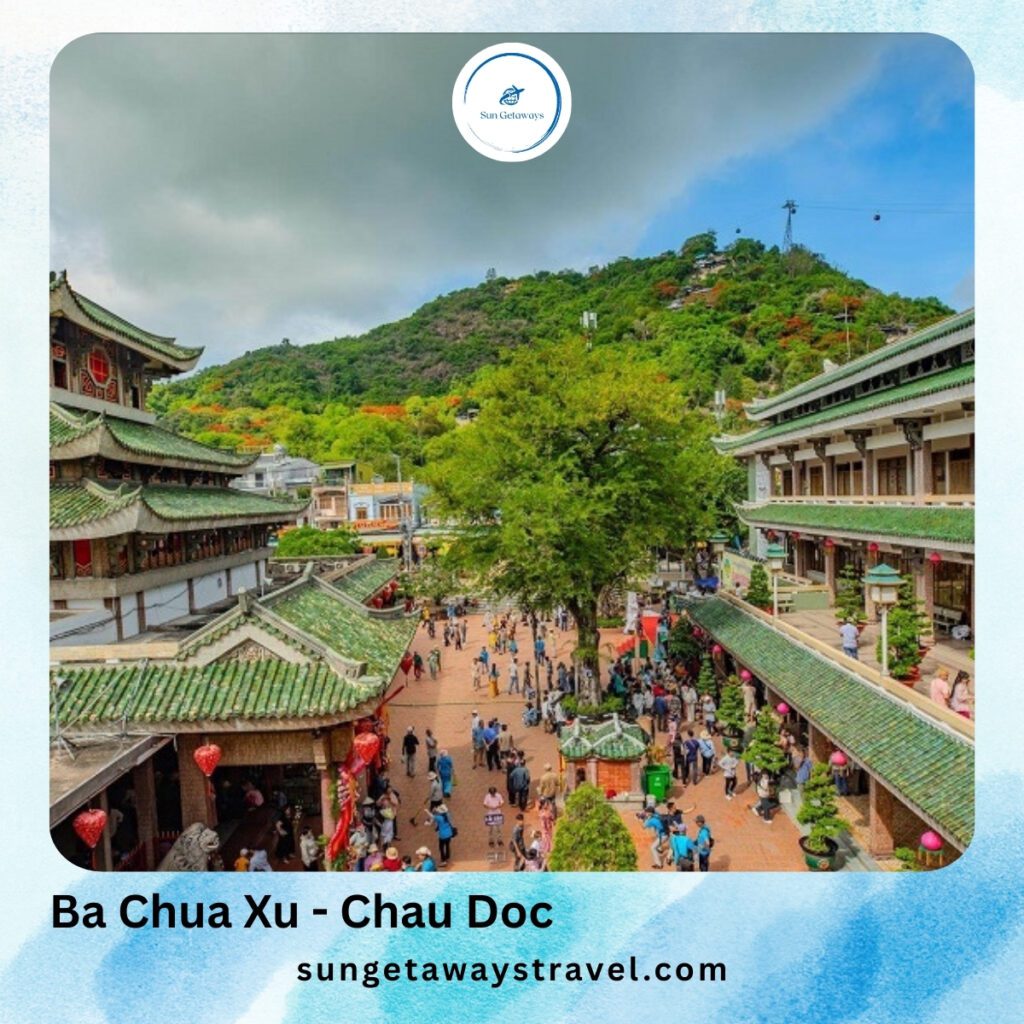
🛕 Ba Chua Xu Temple
The most famous spiritual site in Chau Doc, Ba Chua Xu Temple draws pilgrims from across southern Vietnam.
- Dedicated to the Lady of the Realm, a protective folk deity
- Worship blends Buddhism, animism, and local beliefs
- Early mornings reveal quiet rituals before large crowds arrive
Visiting during non-festival periods allows travelers to observe local devotion in its most authentic form.
🕌 Cham Mosques and Villages
Chau Doc is one of the few places in Vietnam where travelers can witness Islamic life as a living tradition.
- Cham communities maintain mosques, halal kitchens, and religious schools
- Friday prayers and Ramadan observances shape daily schedules
- Respectful attire and behavior are essential for visitors
These villages offer invaluable insight into Vietnam’s cultural diversity—something often highlighted in a detailed Chau Doc travel guide.
🧘 Buddhist Pagodas
From hillside pagodas overlooking rice fields to riverfront temples, Buddhism forms a spiritual backdrop rather than a focal point. Many are situated on Sam Mountain, providing a serene atmosphere for contemplation.
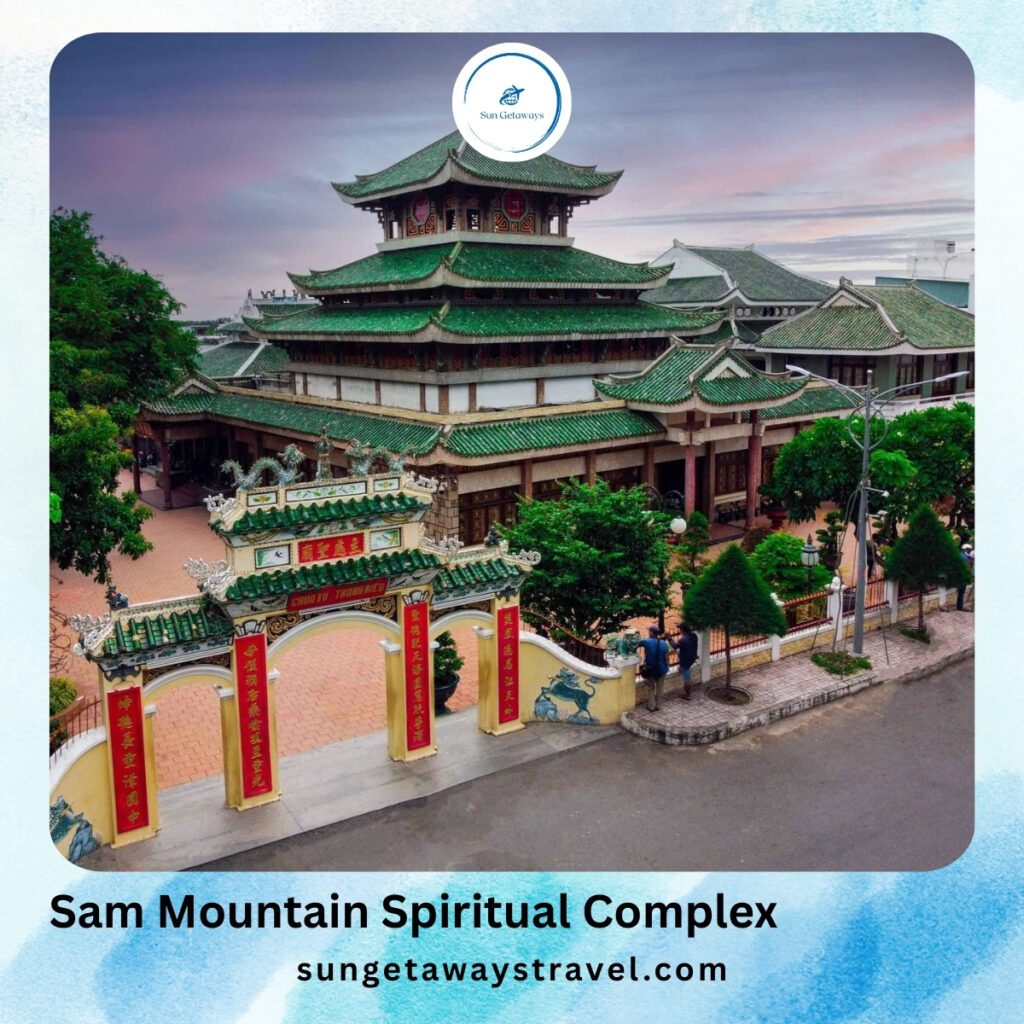
Together, these sacred spaces define Chau Doc travel as deeply spiritual without feeling overwhelming or commercialized.
River Life: The Cultural Backbone of Chau Doc
The Hau River and its tributaries are central to Chau Doc’s way of life. For cultural travelers, the river is not a scenic backdrop—it is a living classroom showcasing life along rivers in Vietnam.
🚤 Floating Villages
Floating homes and fish farms demonstrate how communities adapt to seasonal floods.
- Families live directly on the water
- Fish farming techniques passed down generations
- River-based trade continues alongside modern transport
🐟 Market Culture Along the River
Markets reflect Chau Doc’s multicultural identity more clearly than any museum.
- Khmer spices, Cham textiles, and Vietnamese produce coexist
- Border trade influences ingredients and pricing
- Early morning visits reveal the most authentic activity
A Chau Doc travel guide often recommends river cruises in Vietnam, but cultural enthusiasts gain the most by observing how people interact with water daily.

Festivals That Add Depth to Chau Doc Travel
Cultural immersion in Chau Doc deepens significantly when travel aligns with local festivals. These events reveal beliefs, values, and community structure in ways daily life cannot fully express.
| Festival | Community | Time of Year | Cultural Significance |
|---|---|---|---|
| Ba Chua Xu Festival | Vietnamese | Apr–May | Spiritual pilgrimage |
| Ramadan | Cham Muslim | Varies | Religious devotion |
| Chol Chnam Thmay | Khmer | April | New Year celebration |
| Ok Om Bok | Khmer | Oct–Nov | Lunar gratitude ritual |
While festivals add richness, travelers should check the Mekong Delta weather and prepare for increased crowds and limited accommodation availability.
Cuisine as Cultural Storytelling in Chau Doc
Food in Chau Doc is one of the most tangible expressions of its multicultural identity. Each community contributes techniques, ingredients, and beliefs to a unique Mekong Delta food tour.
🍜 What Makes Chau Doc Cuisine Unique
- The Kingdom of Fermentation: Known as the “Mắm” (fermented fish) capital of Vietnam, Chau Doc utilizes the abundance of the Mekong River to create deep, umami-rich bases for almost every dish.
- Halal Traditions: The local Cham community maintains strict Halal cooking traditions, offering a rare opportunity to find Halal food restaurants in Vietnam.
- Khmer Aromatics: The influence of nearby Cambodia is felt through the heavy use of turmeric, wild saffron, and palm sugar, adding an earthy sweetness and vibrant color to the local palette.
🥘 Signature Dishes to Try
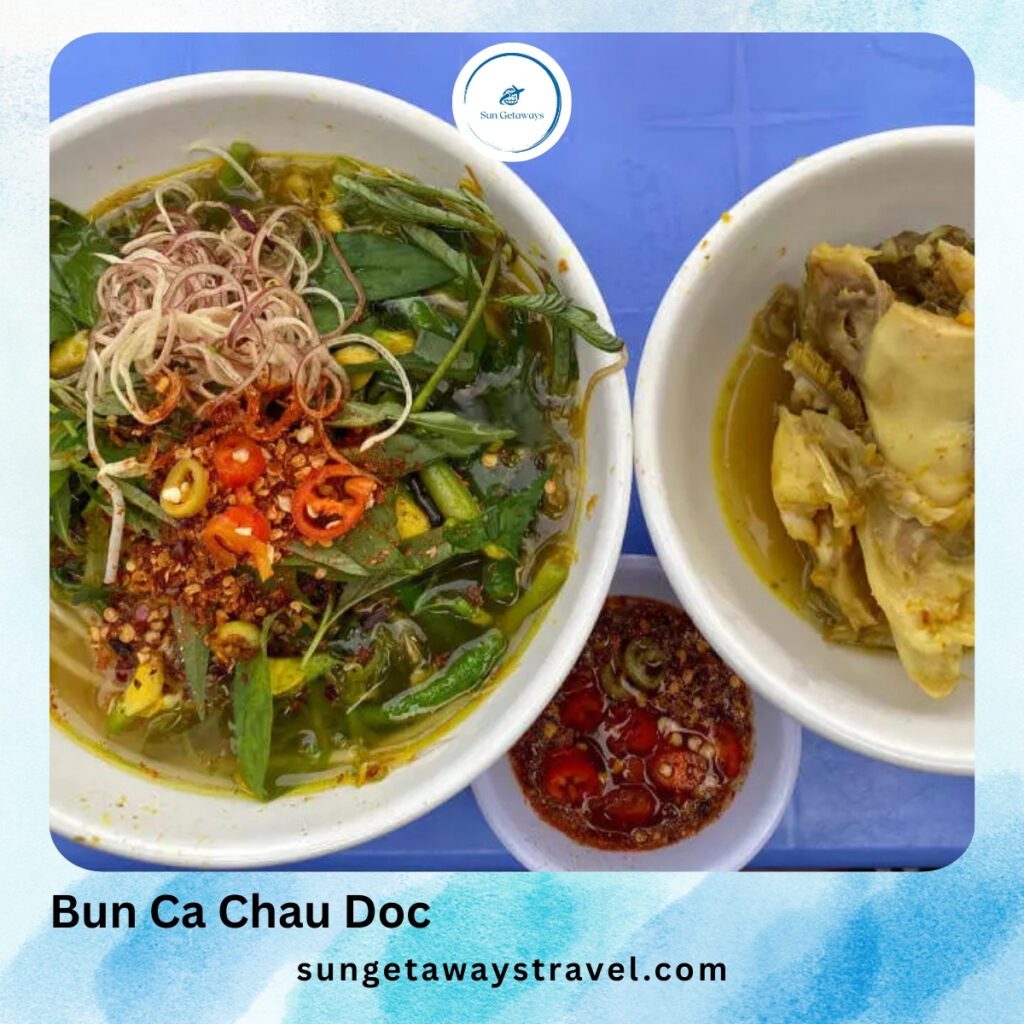
- Bún Cá Châu Đốc (Fish Noodle Soup): Unlike the sweeter versions in the lower Delta, this soup features a golden broth colored by fresh turmeric and a distinctive flavor from Ngải Bún (fingerroot). It typically features river sesbania flowers and snakehead fish.
- Tung Lò Mò (Cham Beef Sausage): A centerpiece of Chau Doc travel for foodies, this sausage is made from beef fat and lean meat mixed with traditional spices, then sun-dried. It is grilled over charcoal, offering a smoky, sour, and savory experience.
- Bánh Bò Thốt Nốt (Palm Sugar Sponge Cake): A Khmer specialty made from the sap of the iconic palmyra palms that dot the Chau Doc landscape. It is light, airy, and carries a gentle, caramel-like sweetness.
- Mắm Thái (Salted Shredded Fish and Papaya): Often bought as a souvenir at the Chau Doc Market, this dish represents the pinnacle of local preservation skills.
For food-focused travelers, Chau Doc travel becomes a journey through belief systems, geography, and history.
👉 For travelers unfamiliar with halal customs or local food etiquette, Sun Getaways Travel can arrange culturally respectful culinary experiences guided by locals.
Expert Insight: Emma on Chau Doc’s Cultural Significance
“Chau Doc is one of the few places where Vietnam’s cultural diversity hasn’t been simplified for tourism,” says Emma, a Vietnam travel consultant with 12 years of experience in advising and operating cultural tours.
“The travelers who appreciate Chau Doc most are those willing to slow down and listen—to people, rituals, and everyday life.”
Emma recommends spending at least two nights in Chau Doc to move beyond surface-level exploration, a point echoed in many Chau Doc travel guide recommendations.
How to Experience Chau Doc Respectfully
Cultural appreciation comes with responsibility. Chau Doc is welcoming, but following Mekong Delta travel tips ensures positive interactions.
✅ Recommended Practices
- Dress modestly in temples and mosques
- Ask permission before taking photos
- Observe prayer times quietly
- Support locally owned businesses
❌ What to Avoid
- Treating villages as photo backdrops
- Rushing through sacred spaces
- Assuming all cultural norms are the same
Approached thoughtfully, Chau Doc travel becomes an exchange rather than observation.
How Chau Doc Fits Into a Southern Vietnam Itinerary
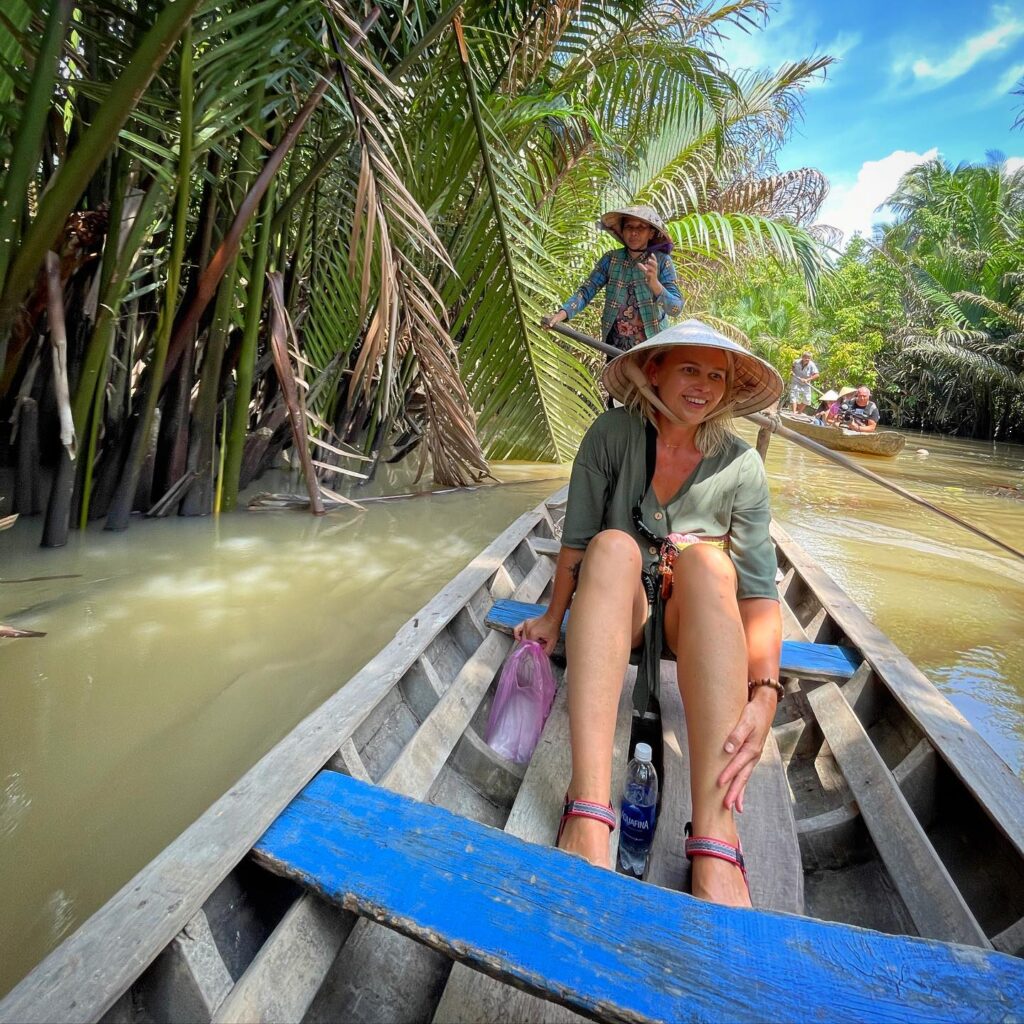
Chau Doc integrates naturally into slow, culture-focused adventure travel in Vietnam itineraries. It serves as an ideal link between a Mekong Delta day trip or Mekong Experience: My Tho & Ben Tre from Ho Chi Minh City and an onward journey into Cambodia.
🗺 Suggested Route
- Ho Chi Minh City → Can Tho
- Can Tho → Chau Doc (road or river)
- Chau Doc → Cambodia (Phnom Penh)
This route appeals to travelers using a Chau Doc travel guide to explore border cultures and the Mekong Delta in depth.
👉 Sun Getaways Travel can help design Mekong and cross-border itineraries that highlight Chau Doc’s cultural layers without rushing the experience.
FAQs about Chau Doc Travel
1. How many days should I spend in Chau Doc?
Two to three days allows meaningful cultural immersion.
2. Is Chau Doc suitable for independent travelers?
Yes, though a Chau Doc travel guide adds valuable context.
3. Can I visit Cham villages independently?
Yes, but guided visits provide deeper understanding.
4. Is Chau Doc heavily touristic?
No, it remains largely local-focused.
5. Can Chau Doc be combined with Cambodia travel?
Yes, it’s a popular river and road crossing point.
Chau Doc may not appeal to travelers seeking nightlife or luxury resorts. However, for cultural enthusiasts, it offers something far more valuable—authentic insight into how diverse communities live side by side. A Chau Doc travel experience rewards curiosity, patience, and respect, making it one of southern Vietnam’s most meaningful destinations.


Related Tour
Hoi An Sunrise Fish Market Tour


0 Reviews

6 Days Mekong Delta and Beach Relaxing
29 Reviews

Experience Vietnam’s Diverse Regions in 14 Days
31 Reviews

A Journey of a Lifetime: 12-Day Vietnam Beach Holiday
15 Reviews
Best Cultural & Heritage Vietnam 12 Days
35 Reviews
Ask a question
Leave a Comment (0)
No questions yet. Be the first to ask a question!
See related Posted
Luxury Golf Resorts in Vietnam – Elite Golf Travelers

Vietnam is increasingly recognized as a premier golf destination in Asia, therefore luxury golf…
Macrame in Vietnam: The Revival of Knot Art in Contemporary Craft Culture

Macrame in Vietnam reflects the country’s growing engagement with contemporary handmade culture, where global…
Vietnamese Musical Instrument Craft: Traditional Instrument Making in Vietnam

Vietnamese musical instrument craft reflects a long-standing relationship between sound, material, and cultural memory.…
Traditional Vietnamese Kite Art: History, Craftsmanship, and Cultural Meaning

Traditional Vietnamese kite art is a living expression of folk creativity, community values, and…
Vietnamese Folk Masks: Tradition, Symbolism & Cultural Meaning

Vietnamese folk masks are a distinctive form of traditional art that reflects the spiritual…
Vietnamese Embroidery Art: Traditional Craftsmanship & Cultural Meaning

Vietnamese embroidery art is a refined traditional craft that reflects patience, cultural memory, and…