




Con Dao Marine Protected Area: A Complete Guide to Vietnam’s Most Important Marine Sanctuary
 PhamDuong
  3 min. to read
 Con Dao Marine Protected Area is widely regarded as the most important marine conservation zone in Vietnam, protecting coral reefs, seagrass meadows, and endangered species across a pristine island archipelago. While many travelers come to Con Dao for its beaches, far fewer understand the ecological value beneath the surface. From responsible snorkeling and diving to seasonal turtle conservation programs, this guide explains how to explore Con Dao Marine Protected Area while gaining a deeper appreciation for Con Dao marine life.
Key Takeaways
- Con Dao Marine Protected Area is Vietnam’s key marine conservation zone, protecting diverse ecosystems and endangered species.
- Visitors access the area through regulated tours, which support conservation and offer meaningful experiences.
- Activities include responsible snorkeling, diving, and participating in conservation programs, ensuring interactions comply with regulations.
- The best visiting season is from March to September, offering calmer seas and ideal conditions for marine activities.
- Travelers should practice responsible behavior, such as avoiding single-use plastics and following guidelines to protect marine life.
1. What Is Con Dao Marine Protected Area?
Con Dao Marine Protected Area is a legally protected marine zone surrounding the Con Dao archipelago, located off the southern coast of Vietnam. It covers thousands of hectares of ocean, islands, coral reefs, and coastal ecosystems. As a result, it plays a crucial role in preserving marine biodiversity in southern Vietnam.

Unlike beach destinations focused on tourism alone, Con Dao Marine Protected Area is designed primarily for conservation. Therefore, visitor access is regulated, and certain activities are restricted depending on season and location. Moreover, conservation zones are strictly monitored to reduce human impact on sensitive habitats.
The protected area includes:
- Nearshore coral reefs
- Offshore reef systems
- Seagrass meadows
- Mangrove areas
- Turtle nesting beaches
- Deep-water habitats supporting pelagic species
Together, these ecosystems form the foundation of Con Dao marine life, making the region one of the richest marine environments in the country.
2. Where Is Con Dao Marine Protected Area Located?
Con Dao Marine Protected Area surrounds the Con Dao Islands, which belong to Ba Ria–Vung Tau Province. The archipelago lies approximately 230 km south of Ho Chi Minh City.
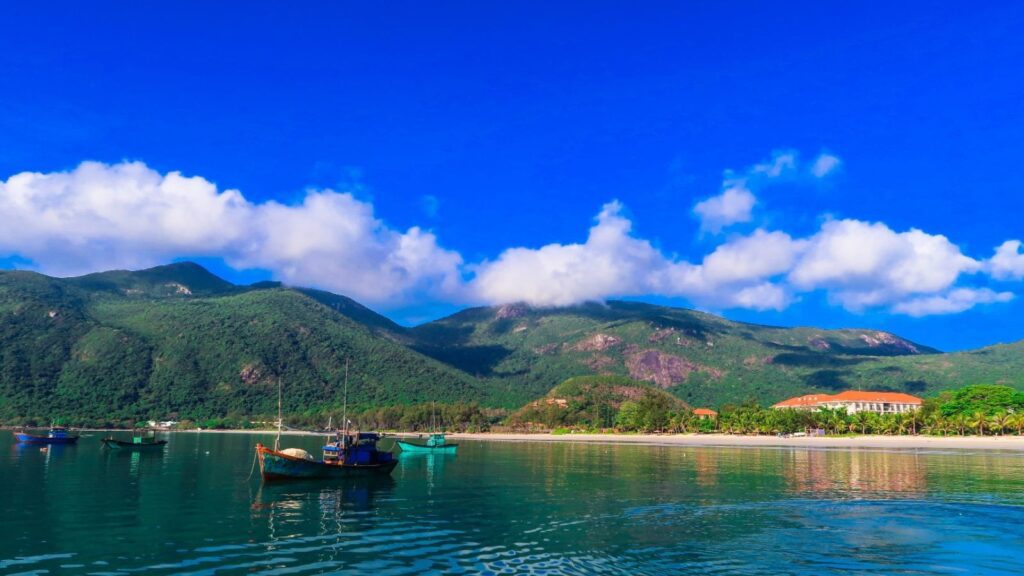
Because of its island location, Con Dao remained relatively isolated for decades. As a result, many marine habitats here escaped the large-scale degradation seen elsewhere in Vietnam. Meanwhile, recent conservation efforts have strengthened protection as tourism slowly increases.
Travelers can reach Con Dao by:
- Domestic flights from Ho Chi Minh City or Can Tho
- High-speed ferry services (seasonal and weather-dependent)
Once on the islands, access to marine areas depends on permits and tour regulations, therefore planning ahead is essential.
3. Why Con Dao Marine Protected Area Matters for Conservation
Con Dao Marine Protected Area is not just a scenic destination. In fact, it is one of Vietnam’s most scientifically important marine conservation zones.
Key conservation values include:
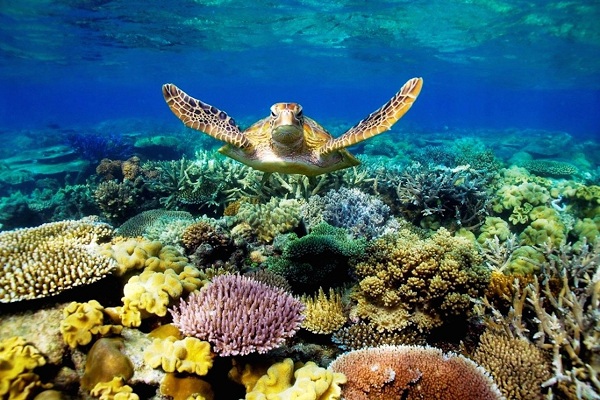
- Protection of endangered sea turtles, especially green turtles and hawksbill turtles
- Preservation of coral reef biodiversity rarely seen elsewhere in southern Vietnam
- Conservation of seagrass meadows that support dugongs and juvenile fish
- Maintenance of breeding grounds for fish species essential to coastal ecosystems
Because of these factors, Con Dao is often discussed alongside other major protected nature sites in Vietnam. Moreover, Con Dao Marine Protected Area contributes to climate resilience by supporting ecosystems that absorb carbon and protect coastlines from erosion.
4. Understanding Con Dao Marine Life
Con Dao marine life is incredibly diverse due to the intersection of tropical waters, strong currents, and protected habitats. Therefore, visitors can observe both reef species and open-water marine animals.
Common marine species include:
- Hard and soft corals forming complex reef structures
- Reef fish such as parrotfish, butterflyfish, and groupers
- Sea turtles, particularly during nesting season
- Rays and reef sharks in deeper waters
- Crustaceans, mollusks, and invertebrates supporting reef health
In addition, seasonal plankton blooms support larger marine animals, which explains why Con Dao marine life remains resilient compared to more heavily visited areas.
For travelers interested in broader marine biodiversity across Vietnam, you may also explore this guide to Vietnam’s marine wildlife.
5. Top Things to Do in Con Dao Marine Protected Area
Although conservation comes first, visitors still have several meaningful ways to experience the marine environment. However, activities are regulated to minimize environmental impact.
Popular activities include:
- Snorkeling in designated reef zones under supervision
- Scuba diving at approved dive sites
- Island-hopping to smaller islands within the protected area
- Visiting turtle nesting beaches during permitted seasons
- Participating in marine conservation education programs
Because these experiences are carefully managed, Con Dao Marine Protected Area feels quieter and more authentic than mass tourism destinations. As a result, wildlife encounters tend to be more respectful and rewarding.
If you are interested in snorkeling and shallow-water diving near Hoi An, you can learn more about marine activities at Cu Lao Cham Marine Park.
6. Con Dao Snorkeling and Diving: What to Expect
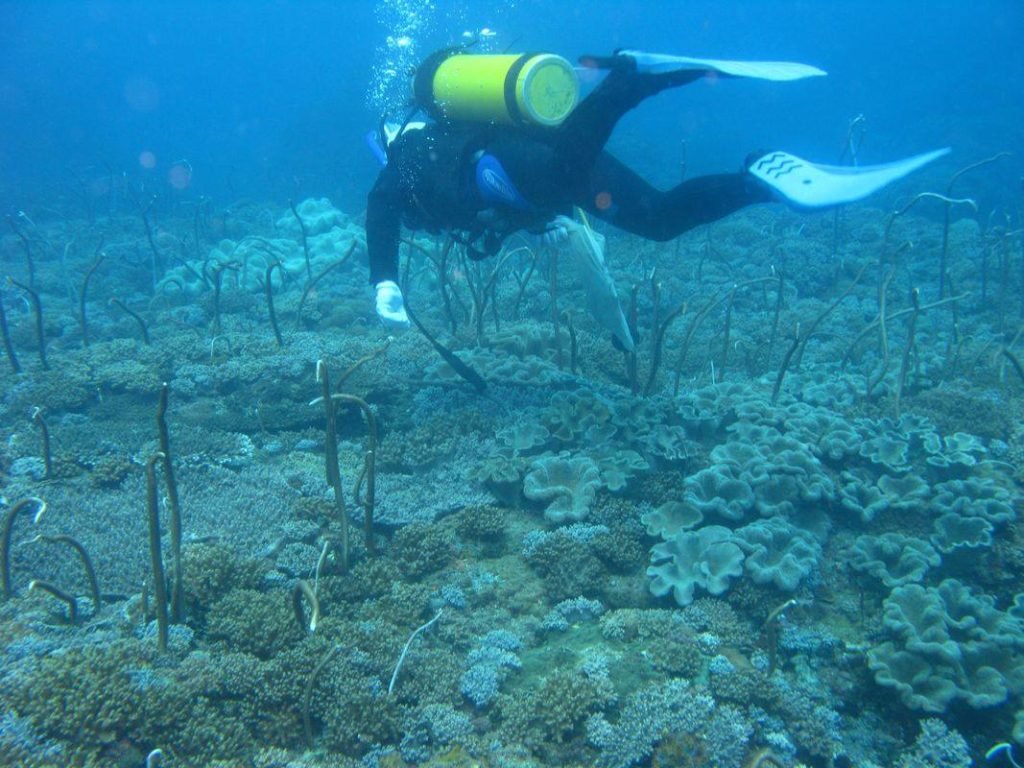
Snorkeling and diving are among the most popular activities, however, they differ from typical resort-style experiences.
What makes Con Dao snorkeling unique:
- Coral reefs are healthier but less “staged” for tourism
- Entry points may require boat access rather than beach access
- Visibility varies by season and weather
- Group sizes are often limited for conservation reasons
Meanwhile, scuba diving offers access to deeper reefs and pelagic species, provided you follow local regulations and dive with licensed operators.
7. Best Time to Visit Con Dao Marine Protected Area
Timing plays a crucial role in your experience. Therefore, choosing the right season matters.
Best season: March to September
- Calmer seas and better underwater visibility
- Ideal conditions for snorkeling and diving
- Peak season for turtle nesting and conservation activities
Less ideal season: October to February
- Rougher seas due to monsoon winds
- Limited access to some marine zones
- Fewer snorkeling opportunities
For travelers interested in seasonal wildlife movements, understanding timing is similar to planning visits to bird sanctuaries or migration sites elsewhere in Vietnam.
8. Can You Visit Independently or with a Tour?
Yes, you can visit Con Dao Marine Protected Area independently, especially for basic sightseeing or beach access. Transport, accommodation, and food services are easy to arrange once you arrive on Con Dao. However, not all marine activities are available to independent travelers.
Guided tours are required for:
- Turtle conservation and hatching programs
- Visits to restricted marine zones
- Certain offshore island trips
- Educational conservation experiences
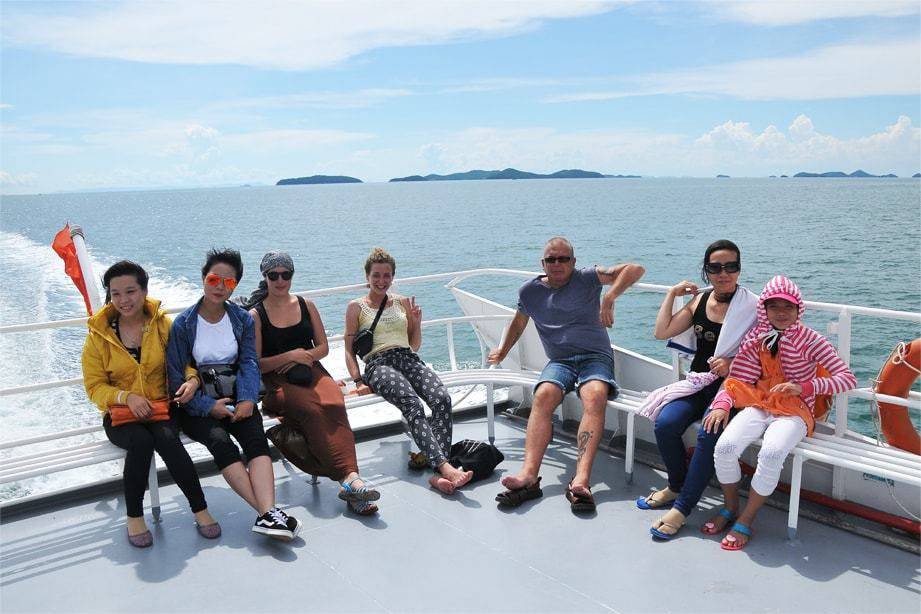
Many travelers choose tours because they offer safety, local expertise, and time efficiency. Moreover, tours help ensure that interactions with Con Dao marine life follow ethical and legal standards.
Expert Tip:
“If your main goal is to see turtles, always choose a licensed conservation tour. This ensures ethical wildlife viewing and avoids disappointment,” says Mrs. Emma Nguyen – Tour Operator Manager with over 12 years of experience at Sun Getaways Travel.
Travelers interested in marine mammals may also explore responsible whale and dolphin experiences elsewhere in Vietnam.
9. Costs and Practical Information
Visiting Con Dao Marine Protected Area is more affordable than many international marine destinations. However, costs vary depending on activities.
Typical daily budget:
- Accommodation: mid-range to high-end
- Meals: affordable local seafood options available
- Snorkeling or boat tours: moderate cost
- Conservation programs: additional fees apply
Therefore, travelers should plan budgets based on interests rather than assuming all activities are included.
10. Responsible Travel Tips for Visiting Con Dao
Responsible behavior is essential in a marine protected area. As a result, visitors should follow guidelines strictly.
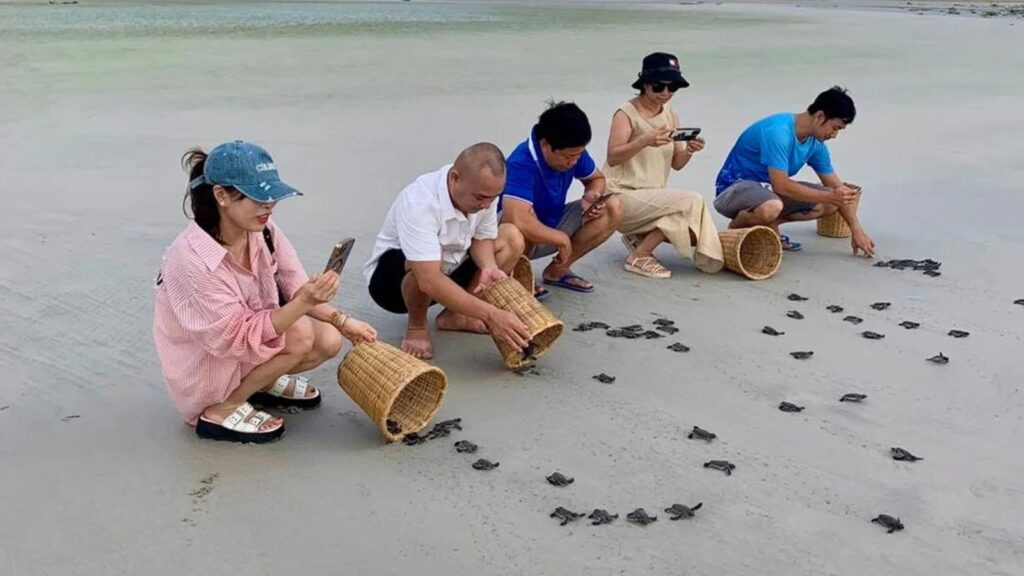
Key tips include:
- Never touch coral or marine animals
- Avoid single-use plastics
- Follow instructions from guides and park authorities
- Do not collect shells or marine souvenirs
- Keep noise and disturbance to a minimum
Visitors interested in ethical wildlife protection may also find value in learning about conservation-focused destinations like the Vietnam Bear Sanctuary.
11. How to Include Con Dao Marine Protected Area in Your Vietnam Trip
Con Dao fits perfectly into a nature-focused Vietnam itinerary, offering a slower pace centered on conservation, pristine beaches, and marine biodiversity. Travelers often combine it with Ho Chi Minh City for cultural contrast, the Mekong Delta for inland ecosystems, or other southern island destinations.
11.1 Con Dao with Southern Vietnam Cultural & Mekong Delta Tour
For those wanting a blend of history, culture, and wetlands exploration, consider the Discover the Mekong Delta River 5-Day Tour. Highlights include:
- Exploring Ho Chi Minh City, including the historic Cu Chi Tunnels
- Local boat trip along the Mekong River, visiting traditional villages and experiencing delta life
- Free time to explore HCMC city center
- Immersion in southern Vietnamese culture and cuisine
This route can be extended to include a few days in Con Dao, adding serene beaches and marine conservation activities to your itinerary.
Price: 20% OFF – From 380 USD → 304 USD
11.2 Con Dao with Mekong Delta Adventure Tour
For travelers focused on nature and waterways, the 4-Day Mekong Delta Tour is ideal. Highlights include:
- Visiting the historic Cu Chi Tunnels
- Boat rides along the Mekong River and floating markets
- Hotel accommodation in Ho Chi Minh City city center
Adding Con Dao to this itinerary allows travelers to contrast inland wetlands with island marine ecosystems, perfect for photography, birdwatching, and slow-paced exploration.
Price: 14% OFF – From 209 USD → 179 USD
11.3 Con Dao with Southern Island & Relaxing Vietnam Tour
For those seeking a longer, immersive experience, the Vietnam Relaxing Tour 12 Days combines cultural landmarks, delta life, and island relaxation. Highlights include:
- Hanoi’s Old Quarter and Trang An Landscape Complex in Ninh Binh
- Sapa trekking and Halong Bay overnight cruise with kayaking
- Cu Chi Tunnels and Mekong Delta exploration
- Idyllic Phu Quoc Island beaches for relaxation and cultural immersion
This itinerary can be customized to include Con Dao, providing a unique combination of mainland history, delta life, and untouched island marine nature.
12. Conclusion
Con Dao Marine Protected Area stands as Vietnam’s most important marine conservation success story. Through careful management, strict zoning, and growing environmental awareness, the region continues to protect diverse Con Dao marine life while allowing responsible tourism. For travelers seeking meaningful encounters with nature rather than mass tourism, Con Dao offers an experience that is both educational and deeply rewarding.
If you want expert support to design a responsible and conservation-focused visit, Sun Getaways Travel is ready to help you explore Vietnam’s marine ecosystems the right way.
FAQs about Con Dao Marine Protected Area
Yes, it is suitable for first-time visitors who enjoy nature and quiet destinations. However, because conservation rules are strict, travelers should plan activities in advance or join guided tours.
Unlike many coastal areas, Con Dao Marine Protected Area focuses on conservation rather than mass tourism. As a result, coral reefs and Con Dao marine life remain healthier and less disturbed.
A guide is not required for general sightseeing. However, guided tours are mandatory for turtle conservation activities and visits to restricted marine zones.
The best time is from March to September, when sea conditions are calmer and underwater visibility is better. Moreover, turtle nesting and hatching activities peak during this period.
Yes, beginners can snorkel in designated areas. However, joining a guided snorkeling tour is recommended for safety and to avoid damaging coral reefs.
Yes, fishing, coral collection, and wildlife disturbance are strictly prohibited. Therefore, visitors must follow park regulations to help protect marine ecosystems.
One to two days are enough for most travelers. However, nature lovers and divers may prefer a longer stay to explore multiple islands and marine zones.


Related Tour
Hanoi tour to explore Military History


0 Reviews


Ba Na Hills Full Day Tour
10 Reviews

Explore Kong Skull Island in Vietnam: A 14 Day Journey
50 Reviews

5-Day Highlights of Central Vietnam
27 Reviews
Ask a question
Leave a Comment (0)
No questions yet. Be the first to ask a question!
See related Posted
Luxury Golf Resorts in Vietnam – Elite Golf Travelers

Vietnam is increasingly recognized as a premier golf destination in Asia, therefore luxury golf…
Macrame in Vietnam: The Revival of Knot Art in Contemporary Craft Culture

Macrame in Vietnam reflects the country’s growing engagement with contemporary handmade culture, where global…
Vietnamese Musical Instrument Craft: Traditional Instrument Making in Vietnam

Vietnamese musical instrument craft reflects a long-standing relationship between sound, material, and cultural memory.…
Traditional Vietnamese Kite Art: History, Craftsmanship, and Cultural Meaning

Traditional Vietnamese kite art is a living expression of folk creativity, community values, and…
Vietnamese Folk Masks: Tradition, Symbolism & Cultural Meaning

Vietnamese folk masks are a distinctive form of traditional art that reflects the spiritual…
Vietnamese Embroidery Art: Traditional Craftsmanship & Cultural Meaning

Vietnamese embroidery art is a refined traditional craft that reflects patience, cultural memory, and…