






Banh Tet Vietnam: A Complete Guide to This Iconic Tet Rice Cake
 HoangAn
  3 min. to read
 Have you ever wondered why Banh Tet Vietnam appears on almost every Vietnamese family table during Lunar New Year? This iconic dish is not just food, it reflects tradition, family values, and regional identity, while also being one of the most loved Vietnam sticky rice rolls. In this guide, you will learn what Banh Tet is, how it is made, where to try it, how much it costs, and helpful tips for first-time travelers visiting Vietnam.
Key Takeaways
- Banh Tet Vietnam is a traditional sticky rice cake that symbolizes family unity and prosperity during Lunar New Year celebrations.
- Key ingredients include glutinous rice, mung beans, pork belly, and banana leaves, each contributing to its unique flavor and texture.
- The traditional preparation involves soaking ingredients, wrapping with banana leaves, and boiling for 8 to 10 hours, often shared among family members for bonding.
- Travelers can find various types of Banh Tet, such as savory, sweet banana, black sticky rice, and vegetarian options across Vietnam.
- Cost varies between USD 1.5 to 6 depending on size and location, making it an affordable cultural experience for visitors.

1. What Is Banh Tet Vietnam?
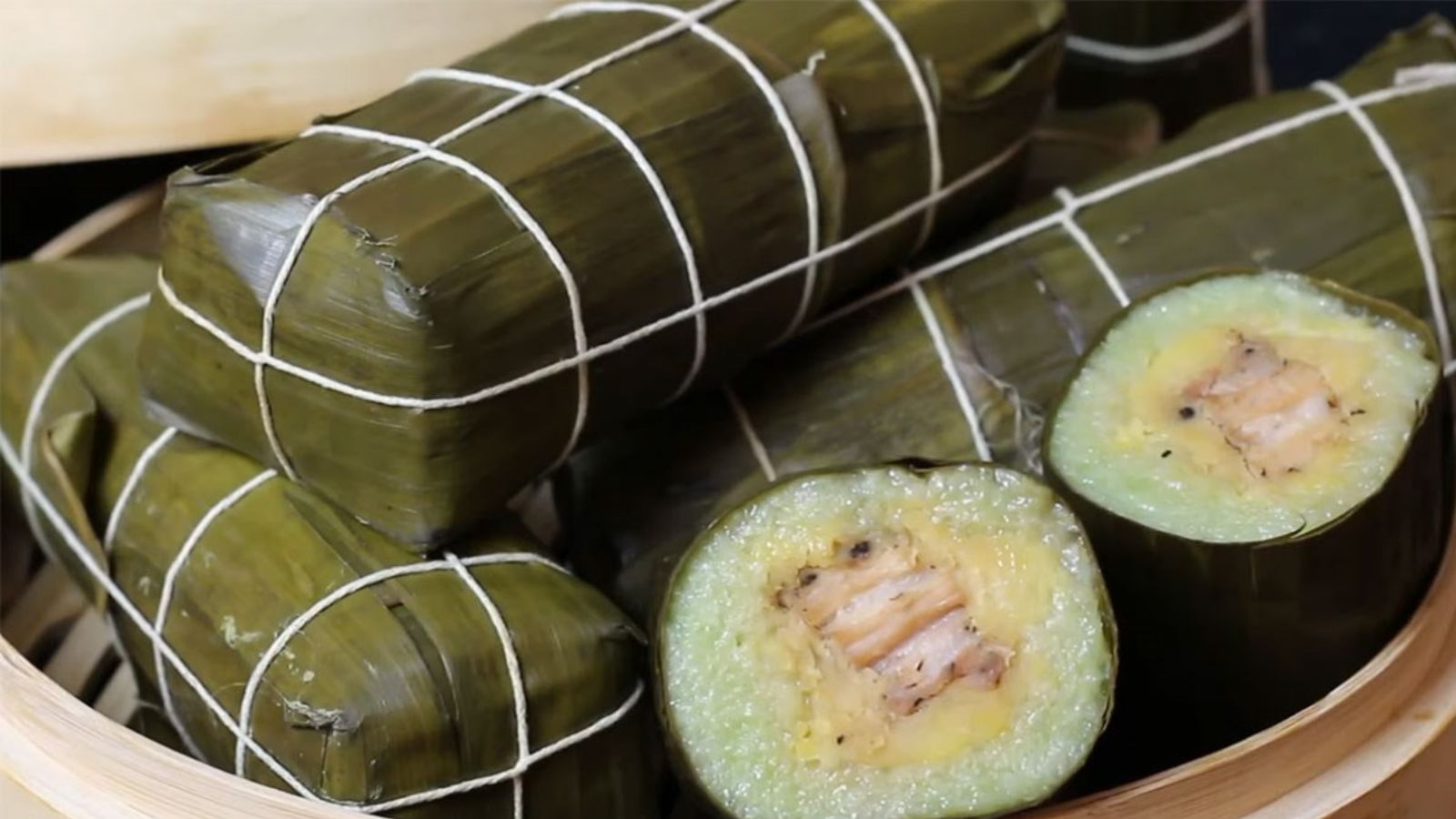
Banh Tet Vietnam is a traditional sticky rice cake wrapped in banana leaves and shaped into a long cylinder. It is most common in southern and central Vietnam, especially during Tet, the Lunar New Year. Among Vietnam sticky rice rolls, Banh Tet stands out because it reflects family unity, respect for ancestors, and wishes for stability and prosperity.
The cylindrical shape symbolizes continuity and togetherness. Families often cook Banh Tet Vietnam at home, not just to eat, but to spend time together. For travelers, tasting this dish offers insight into Vietnamese traditions rather than just local flavors.
2. Key Ingredients That Define the Flavor
Banh Tet Vietnam uses a small number of ingredients, but each one plays a clear role in taste and texture.
- Glutinous rice
Glutinous rice forms the outer layer of the cake and gives it a chewy texture. This texture is essential to Vietnam sticky rice rolls and allows the cake to stay firm even after long boiling. It also absorbs the flavors from the filling over time. - Mung beans
Mung beans create a smooth and creamy center. They soften the richness of pork and add balance to each bite. Many travelers find this layer gentle and comforting. - Pork belly
Pork belly brings depth and richness to Banh Tet Vietnam. During long cooking, the fat melts into the rice, creating a savory taste without heavy seasoning. This slow process makes the dish filling but not overpowering. - Banana leaves
Banana leaves wrap and protect the cake during cooking. They also add a light herbal aroma and help keep the cake moist for several days. This natural wrapping reflects traditional Vietnamese cooking methods.
Together, these ingredients show how Vietnamese cuisine values harmony rather than strong spices.

3. How Banh Tet Vietnam Is Traditionally Made
This section explains the full process in a clear and meaningful way.
Step 1: Preparing the ingredients
Families soak glutinous rice overnight so it becomes soft and easy to cook evenly. Mung beans are boiled and mashed until smooth, creating a thick paste. Pork belly is sliced into long pieces and lightly seasoned with salt and pepper.
Step 2: Preparing the banana leaves
People clean and soften banana leaves over heat to prevent tearing. This step is important because tight wrapping keeps water out during boiling. Well-prepared leaves also help the cake keep its shape.

Step 3: Assembling the cake
Cooks spread a layer of rice on the banana leaves, add mung beans and pork in the center, then cover everything with another layer of rice. They roll the leaves tightly into a long cylinder and secure them with bamboo strings.
Step 4: Long boiling time
The wrapped cakes are placed in large pots and boiled for 8 to 10 hours. Families usually cook them overnight, turning the waiting time into moments of conversation and bonding. This shared experience gives Banh Tet Vietnam emotional value.
Step 5: Cooling and resting
After boiling, people press the cakes gently to remove excess water. The cakes rest for several hours to firm up before slicing. This final step ensures clean slices and balanced texture.

For travelers on cultural tours, watching or joining this process offers a rare look into Vietnamese family life. It also reveals how food connects generations and traditions in Vietnam.
4. Popular Types of Banh Tet Vietnam You Should Know
Different versions reflect regional tastes and preferences.
- Classic savory Banh Tet
This version includes pork belly and mung beans. It is the most traditional type and the best starting point for first-time travelers exploring Vietnam sticky rice rolls. The flavor is rich but not spicy. - Sweet banana Banh Tet
Ripe bananas replace pork, creating a mild sweetness. Locals often eat it as breakfast or dessert. Many travelers enjoy it with tea or coffee. - Black sticky rice Banh Tet
Black sticky rice adds a nutty flavor and dark color. This version feels denser and more aromatic. It appeals to travelers who enjoy unique textures. - Vegetarian Banh Tet
This type uses beans or mushrooms instead of meat. It suits vegetarian travelers and is easier to find in major cities.
| Type | Filling | Flavor | Best For |
|---|---|---|---|
| Savory | Pork, mung bean | Rich, balanced | First-time visitors |
| Sweet banana | Banana | Mildly sweet | Dessert lovers |
| Black rice | Mung bean | Nutty, chewy | Food explorers |
| Vegetarian | Beans, mushrooms | Light | Vegetarian travelers |
Banh Tet Vietnam often appears with other Vietnamese traditional cakes, savory cakes, and sweet cakes during Tet celebrations.
5. Where to Try Authentic Banh Tet in Vietnam
Finding authentic Banh Tet Vietnam is easier during Tet, but the experience changes by region. Each area adds its own taste, atmosphere, and cultural context, which makes tasting Vietnam sticky rice rolls more meaningful for travelers.
- Ho Chi Minh City: Banh Tet is widely available in local markets, neighborhood stalls, and family-run shops, especially in District 5 and District 11. The flavor here is balanced and slightly rich, reflecting southern tastes.
- Mekong Delta (Can Tho and nearby provinces): In the Mekong Delta, Banh Tet often tastes slightly sweeter and more fragrant. Many families still make it at home, which allows travelers staying in homestays to observe or join the process.
- Central Vietnam (Hue and surrounding areas): Central Vietnam offers firmer texture and stronger seasoning. Banh Tet in this region reflects careful preparation and traditional cooking styles. Cultural and heritage-focused tours in central Vietnam sometimes introduce this dish as part of festive cuisine.
- Ha Noi: Although Banh Chung is more common, travelers can still find Banh Tet in specialty shops or during a Ha Noi street food tour. Trying it in the north allows visitors to compare regional differences in Vietnam sticky rice rolls.

Many Vietnam food tour and Vietnam classic tour itineraries include seasonal dishes like Banh Tet Vietnam. If you need guidance during Tet travel, Sun Getaways Travel can support your planning.
6. How Much Does This Dish Cost?
Banh Tet Vietnam remains affordable, even during major holidays. Prices vary depending on size, filling, and location, but they stay friendly for most travel budgets.
A small Banh Tet roll usually costs between USD 1.5 and 3. Medium or larger rolls range from USD 4 to 6, especially during Tet. While prices rise slightly during the holiday, this Vietnam sticky rice roll remains cheaper than many festive foods in other countries.
Because the cake is dense and filling, one roll can serve as a shared snack or light meal. This makes Banh Tet Vietnam a cost-effective way for travelers to experience traditional cuisine.
7. Tips for First-Time Travelers Trying This Dish
This section helps travelers enjoy Banh Tet Vietnam comfortably and confidently.
- Start with small slices first
Banh Tet Vietnam is heavy and filling due to its sticky rice base. Trying a small portion helps you enjoy the flavor without feeling too full, especially if you plan to eat more street food the same day. - Ask clearly about the filling
Some versions contain fatty pork, while others are sweet or vegetarian. Asking vendors in advance avoids surprises and helps you choose a version that suits your taste or diet. - Eat it with pickled vegetables
Locals often pair Banh Tet with pickled onions or vegetables. This combination reduces richness and refreshes the palate, making the dish easier to enjoy. - Try pan-fried slices the next day
Leftover Banh Tet can be sliced and pan-fried until crispy on the outside. Many locals prefer this method because it adds texture and deepens flavor. - Store it properly during your trip
At room temperature, Banh Tet Vietnam stays fresh for one to two days. Refrigeration extends its shelf life, which helps travelers who want to enjoy it slowly.

Expert tip:
“I always suggest travelers plan their food stops during Tet carefully. Banh Tet is filling, so it works best as a shared dish rather than a quick snack.”
Mrs. Emma Nguyen – Tour Operator Manager with over 12 years of experience at Sun Getaways Travel
8. FAQs about Banh Tet Vietnam
No, Banh Tet Vietnam is most common during Tet, but some local shops sell it year-round. However, trying it during the Lunar New Year offers the most authentic cultural experience.
Yes, the dish is gently seasoned and not spicy. Still, travelers should start with small portions because sticky rice can feel heavy.
Yes, many shops sell vacuum-packed Banh Tet that is easy to carry. These versions are suitable for short trips within Vietnam.
Locals often slice it thin and eat it with pickled vegetables. Some people pan-fry the slices for a crispy texture the next day.
Yes, Banh Tet stands out because of its cylindrical shape and strong connection to southern and central Vietnam traditions.
9. Conclusion
Banh Tet Vietnam is more than food. It reflects family bonds, seasonal traditions, and Vietnamese hospitality, while remaining one of the most meaningful Vietnam sticky rice rolls. For travelers, tasting it creates a deeper connection with local culture.
If you want to explore Vietnam through authentic food and cultural experiences, Sun Getaways Travel is ready to design thoughtful journeys for you. Let us help you discover Vietnam with local insight, comfort, and care.


Related Tour
Hoi An Discovery Tour: Unveiling the Charms in 5 Days


25 Reviews

10 Day Beach Relaxing Vietnam trip
10 Reviews



6 Days Mekong Delta and Beach Relaxing
29 Reviews

Travel eSIM: 5GB/Day – 15 Days
11 Reviews
Ask a question
Leave a Comment (0)
No questions yet. Be the first to ask a question!
See related Posted
Luxury Golf Resorts in Vietnam – Elite Golf Travelers

Vietnam is increasingly recognized as a premier golf destination in Asia, therefore luxury golf…
Macrame in Vietnam: The Revival of Knot Art in Contemporary Craft Culture

Macrame in Vietnam reflects the country’s growing engagement with contemporary handmade culture, where global…
Vietnamese Musical Instrument Craft: Traditional Instrument Making in Vietnam

Vietnamese musical instrument craft reflects a long-standing relationship between sound, material, and cultural memory.…
Traditional Vietnamese Kite Art: History, Craftsmanship, and Cultural Meaning

Traditional Vietnamese kite art is a living expression of folk creativity, community values, and…
Vietnamese Folk Masks: Tradition, Symbolism & Cultural Meaning

Vietnamese folk masks are a distinctive form of traditional art that reflects the spiritual…
Vietnamese Embroidery Art: Traditional Craftsmanship & Cultural Meaning

Vietnamese embroidery art is a refined traditional craft that reflects patience, cultural memory, and…