





Vietnamese Pia Cake: Why Travelers Love This Southern Dessert
 HoangAn
  3 min. to read
 Have you ever felt confused when choosing local sweets in Vietnam and wondered which cake is truly worth trying? Vietnamese pia cake and Vietnamese banh pia often appear in food guides, yet many travelers still do not know what makes this dessert special. In this guide, I will help you understand the story, flavors, and best places to enjoy Vietnamese pia cake, so you can taste it with confidence during your Vietnam journey.
Key Takeaways
- Vietnamese pia cake is a traditional flaky pastry with rich fillings, originating from southern Vietnam.
- Key ingredients include mung bean filling, durian pulp, salted duck egg yolk, and flaky wheat flour dough.
- These cakes come in various types like traditional, durian, and mixed filling, each catering to different tastes.
- Travelers can find authentic Vietnamese pia cake in Soc Trang, Ho Chi Minh City, Hanoi, and Da Nang.
- For better tasting experiences, try mild flavors first and pair the cake with tea to balance sweetness.
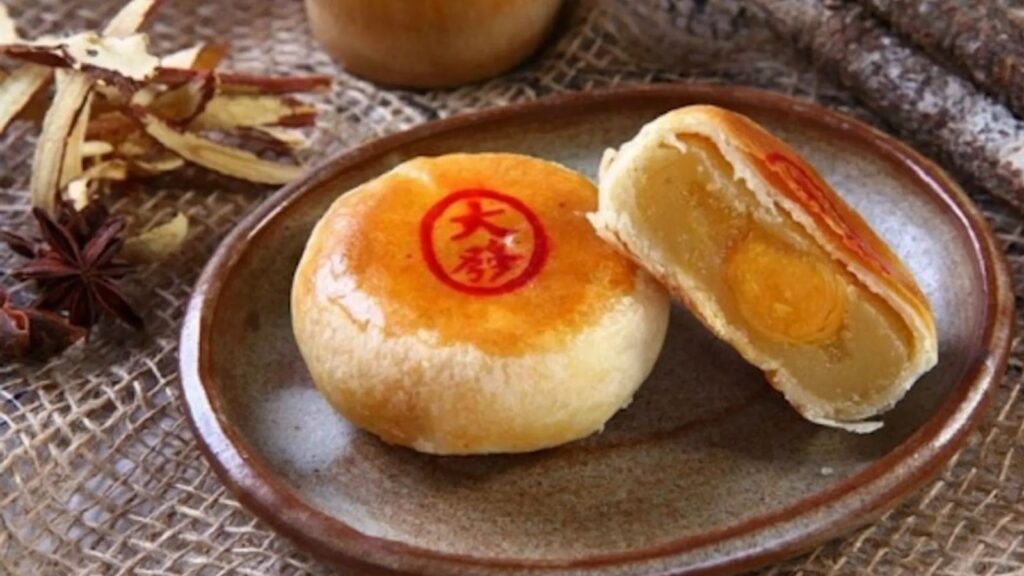
1. What Are Vietnamese Pia Cakes?
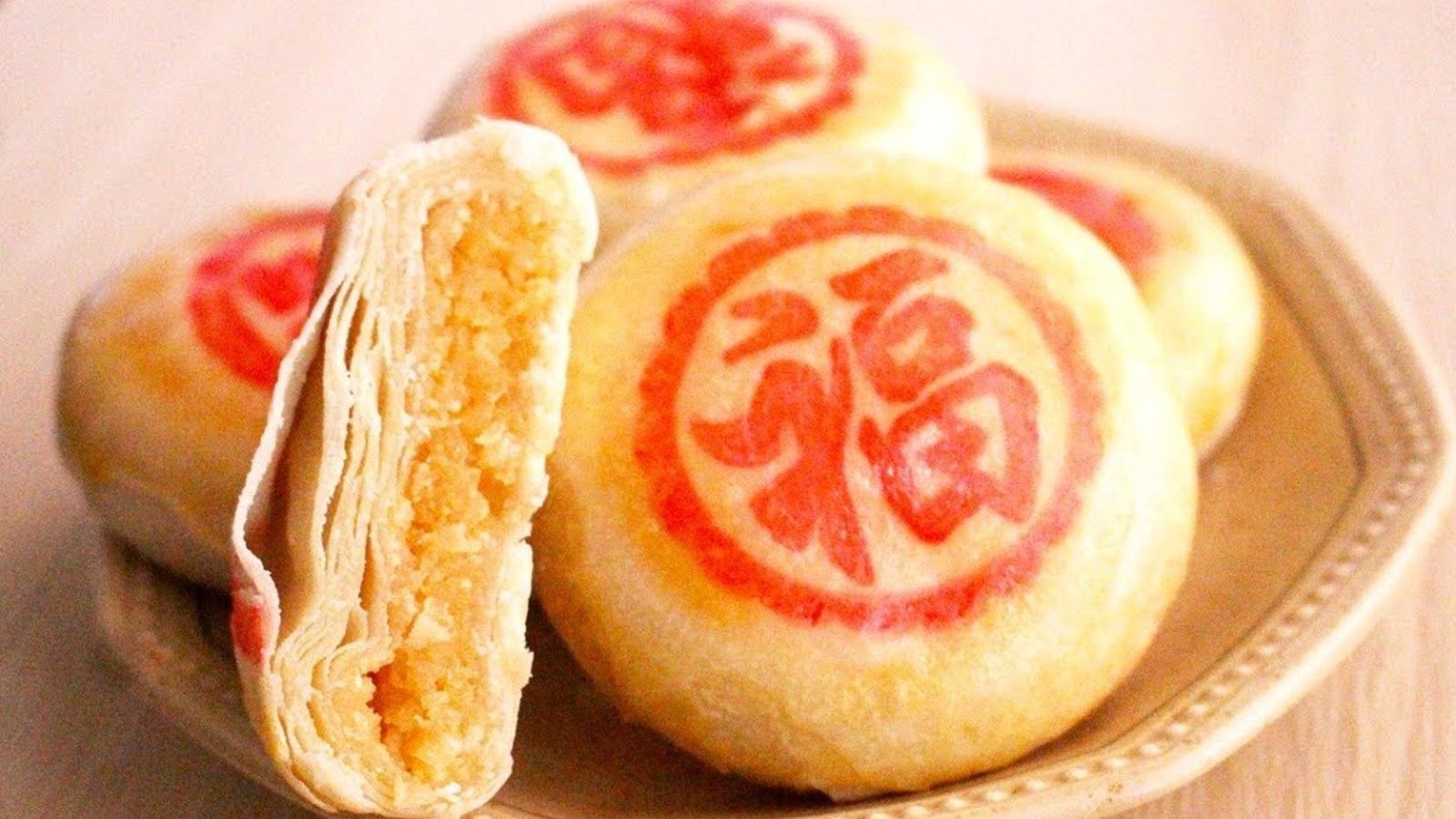
Vietnamese pia cake is a traditional flaky pastry that comes from southern Vietnam, especially the Mekong Delta region. This cake has many thin layers and a soft, rich filling, which creates a balance between sweet, savory, and fragrant flavors.
Beyond taste, this dish also carries cultural meaning. Local families often buy it as a gift when visiting relatives or returning from trips. Today, Vietnamese pia cake stands proudly among well-known Vietnamese sweet cakes and reflects the warm, sharing spirit of southern Vietnam.
2. Key Ingredients That Define the Flavor of Vietnamese Pia Cake
Before tasting this dish, it helps to understand what gives this dessert its unique character. Each ingredient plays a clear role and works together in harmony.
- Mung bean filling
Mung beans form the base of most Vietnamese pia cake fillings. They are cooked until soft, then mashed smoothly to create a gentle sweetness that does not overwhelm the palate. - Durian pulp
Durian gives Vietnamese banh pia its signature aroma. When used carefully, it adds depth and richness without being too strong for first-time tasters. - Salted duck egg yolk
The salted yolk adds contrast to the sweet filling. Its creamy and slightly salty taste makes each bite more balanced and satisfying. - Wheat flour dough
The outer pastry uses wheat flour and oil to create thin layers. This dough gives Vietnamese pia cake its flaky texture and light mouthfeel. - Sugar and vegetable oil
Sugar adds mild sweetness, while oil keeps the pastry soft. Together, they help the cake stay fresh longer, which is why travelers often buy it as a gift from Vietnam.
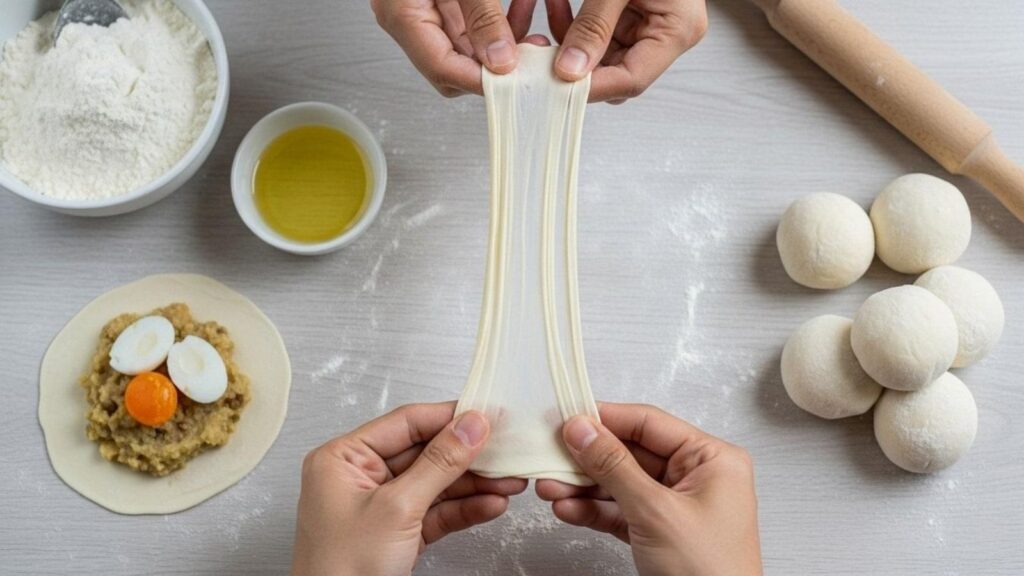
3. How Vietnamese Pia Cake Is Traditionally Made
Understanding how Vietnamese pia cake is made helps travelers appreciate the care behind each piece. The process requires patience and skill, especially in traditional workshops.
Step 1: Preparing the filling
Artisans start by soaking and cooking mung beans until tender. They mash the beans with sugar and durian pulp, then slowly cook the mixture until smooth and fragrant. For premium versions, salted egg yolks are cleaned and lightly baked before use.
Step 2: Making the layered dough
The dough uses two parts, an oil dough and a water dough. Bakers knead them separately to achieve flexibility. This method helps create many thin layers later.
Step 3: Wrapping the filling
Each portion of filling is placed carefully in the dough. Bakers wrap it tightly to ensure the filling stays centered. This step affects the final shape and texture of Vietnamese banh pia.
Step 4: Rolling and layering
The wrapped dough is rolled and folded several times. This technique forms the signature flaky layers. Skilled hands ensure the layers stay even without tearing.
Step 5: Baking and cooling
Finally, the cakes are baked at controlled temperatures. After baking, they must cool completely before packaging, so the texture stays soft and the flavor settles.

4. Popular Types of Vietnamese Pia Cake You Should Know
Vietnamese pia cake comes in many variations, which makes tasting it even more exciting. Below are the most popular types travelers often encounter in their Vietnam tour.
- Traditional mung bean pia cake
This version focuses on mung bean filling with a light durian aroma. It suits first-time visitors who want a gentle introduction to Vietnamese banh pia. - Durian mung bean pia cake
This type uses more durian pulp, creating a richer smell and taste. Durian lovers often consider this the most authentic Vietnamese pia cake experience. - Pia cake with salted egg yolk
This version adds one or two salted egg yolks inside. The contrast between sweet and salty makes it very popular as a gift. - Mixed filling pia cake
Some modern bakeries combine mung bean, taro, and coconut. This style offers variety and appeals to travelers who enjoy layered flavors. - Mini pia cakes
Mini versions are smaller and easier to share. They are perfect for street food tasting in big cities like Ho Chi Minh City.
| Type | Main Flavor | Best For |
|---|---|---|
| Mung bean | Mild, sweet | First-time travelers |
| Durian | Strong aroma | Durian fans |
| Egg yolk | Sweet & salty | Gifts |
| Mixed filling | Complex | Curious food lovers |
| Mini size | Light, snackable | Street food tours |
5. Where to Try Authentic Vietnamese Pia Cake in Vietnam
Finding good Vietnamese pia cake is easy if you know where to look. Different regions offer different experiences.
- Soc Trang Province
Soc Trang is the birthplace of Vietnamese banh pia. Local bakeries like Tan Hue Vien produce fresh cakes daily. Visiting here fits well into a Mekong Delta exploration. - Ho Chi Minh City
In Ho Chi Minh City, you can find Vietnamese pia cake in traditional markets and street food stalls. Areas like District 5 and District 10 offer many trusted shops. - Hanoi
Although it comes from the south, Vietnamese pia cake is popular in Hanoi gift shops. Travelers often pair tasting sessions with street food walks in the Old Quarter. - Da Nang
Specialty food stores in Da Nang sell packaged Vietnamese banh pia for travelers heading north or south. It works well as a travel-friendly snack.
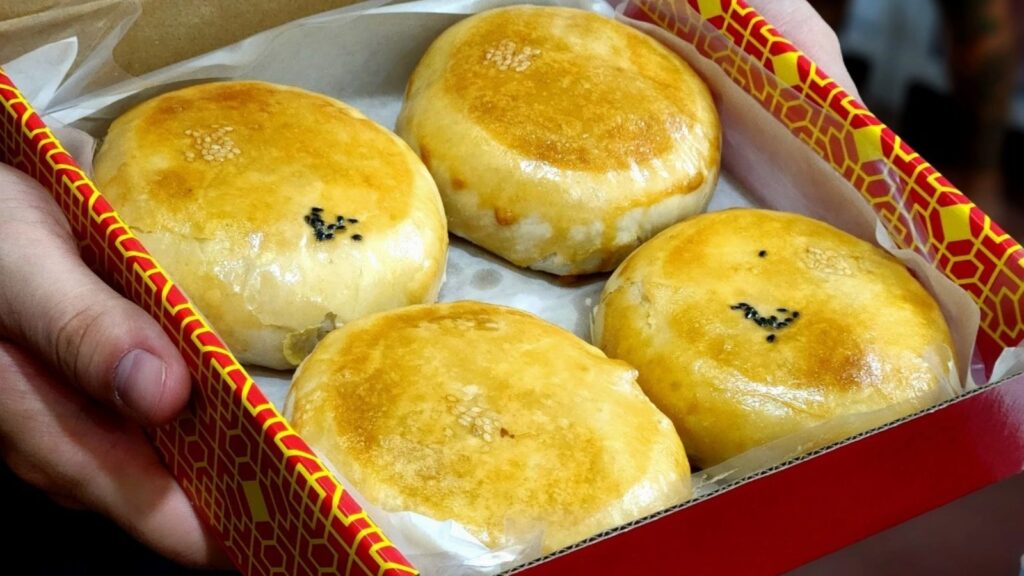
If you want to explore these places easily, a Vietnam Local Food Tour can help you taste pia cake along with other iconic street food across major cities. Contact Sun Getaways Travel via WhatsApp to get quick advice and personalized food-focused routes that match your travel style.
6. How Much Does This Dish Cost?
Vietnamese pia cake is affordable, which makes it accessible for all travelers. Prices vary depending on size, filling, and brand.
- Small mini Vietnamese banh pia usually costs from 1 to 2 USD per piece.
- Standard-sized cakes range from 3 to 6 USD, especially those with salted egg yolk.
- Premium gift boxes can cost 10 to 15 USD, often used as souvenirs.
- In tourist areas, prices may be slightly higher, but quality usually remains consistent.
7. Tips for First-Time Travelers Trying The Dish
Trying Vietnamese pia cake becomes more enjoyable with a few simple tips. These points help you avoid common mistakes.
- Start with mild flavors
If you are new to durian, choose a mung bean or low-durian version first. This helps your palate adjust gradually. - Check freshness dates
Vietnamese banh pia has a limited shelf life. Always check production and expiry dates, especially when buying gifts. - Pair with tea
Locals often eat Vietnamese pia cake with hot green tea. The tea balances sweetness and cleanses the palate. - Buy from trusted shops
Well-known bakeries or markets ensure better quality and hygiene. This matters, especially during hot weather. - Ask about ingredients
Some versions contain egg yolk or strong durian. Asking helps you choose the right type for your taste and diet.

Expert tip:
“When tasting Vietnamese pia cake, take small bites and enjoy it slowly with tea. This way, you can feel each layer and filling clearly.”
– Mrs. Emma Nguyen, Tour Operator Manager with over 12 years of experience at Sun Getaways Travel
8. FAQs About Vietnamese Pia Cake
Some versions are vegetarian, but many include salted egg yolk. Always check ingredients before buying.
Yes, most packaged cakes are flight-friendly. Choose sealed boxes to avoid smell issues.
The sweetness is moderate. It feels balanced, especially when paired with tea.
Most cakes last from 30 to 45 days if unopened. Fresh bakery versions last shorter.
Yes, especially mung bean versions without strong durian flavor.
9. Conclusion
Vietnamese pia cake is more than a dessert; it is a story of southern culture, shared flavors, and thoughtful craftsmanship. From flaky layers to rich fillings, Vietnamese banh pia offers travelers a simple yet memorable taste of Vietnam. Trying it in different regions helps you understand how food connects people across the country.
If you want to explore Vietnamese pia cake and other local specialties with ease, let Sun Getaways Travel guide your journey. Contact us today to design a customized route where every stop brings you closer to the real Vietnam.


Related Tour


6 Days Hanoi Sapa Da Nang Muslim Trip


0 Reviews

Experience Hanoi city after dark
0 Reviews

13-Day Vietnam Adventure Motorbike Street Food Sightseeing
27 Reviews

Travel eSIM: 3GB/Day – 7 Days
25 Reviews
Ask a question
Leave a Comment (0)
No questions yet. Be the first to ask a question!
See related Posted
Luxury Golf Resorts in Vietnam – Elite Golf Travelers

Vietnam is increasingly recognized as a premier golf destination in Asia, therefore luxury golf…
Macrame in Vietnam: The Revival of Knot Art in Contemporary Craft Culture

Macrame in Vietnam reflects the country’s growing engagement with contemporary handmade culture, where global…
Vietnamese Musical Instrument Craft: Traditional Instrument Making in Vietnam

Vietnamese musical instrument craft reflects a long-standing relationship between sound, material, and cultural memory.…
Traditional Vietnamese Kite Art: History, Craftsmanship, and Cultural Meaning

Traditional Vietnamese kite art is a living expression of folk creativity, community values, and…
Vietnamese Folk Masks: Tradition, Symbolism & Cultural Meaning

Vietnamese folk masks are a distinctive form of traditional art that reflects the spiritual…
Vietnamese Embroidery Art: Traditional Craftsmanship & Cultural Meaning

Vietnamese embroidery art is a refined traditional craft that reflects patience, cultural memory, and…