





Vietnamese Oil Painting: History, Styles, and the Evolution of Modern Vietnamese Art
 PhamDuong
  3 min. to read
 Vietnamese oil painting represents one of the most important milestones in the development of modern Vietnamese art. Introduced from the West but transformed through local culture, oil painting in Vietnam reflects history, identity, and artistic resilience. Today, diverse oil painting styles in Vietnam continue to evolve, balancing tradition, realism, and contemporary expression.
This article explores the origins, techniques, themes, and regional characteristics of Vietnamese oil painting, offering cultural insight for art lovers, researchers, and travelers alike.
Key Takeaways
- Vietnamese oil painting reflects cultural identity and resilience, merging Western techniques with local themes.
- The evolution of oil painting styles in Vietnam mirrors the country’s historical and social changes, from colonial influence to contemporary expression.
- Key characteristics of Vietnamese oil painting include emotional subtlety, cultural symbolism, and harmony between humans and nature.
- Visitors can engage with Vietnamese oil painting by exploring major cities like Hanoi and Ho Chi Minh City, attending exhibitions, and learning about historical context.
- Overall, Vietnamese oil painting offers a profound insight into the nation’s culture, memory, and everyday life.
1. Introduction to Vietnamese Oil Painting
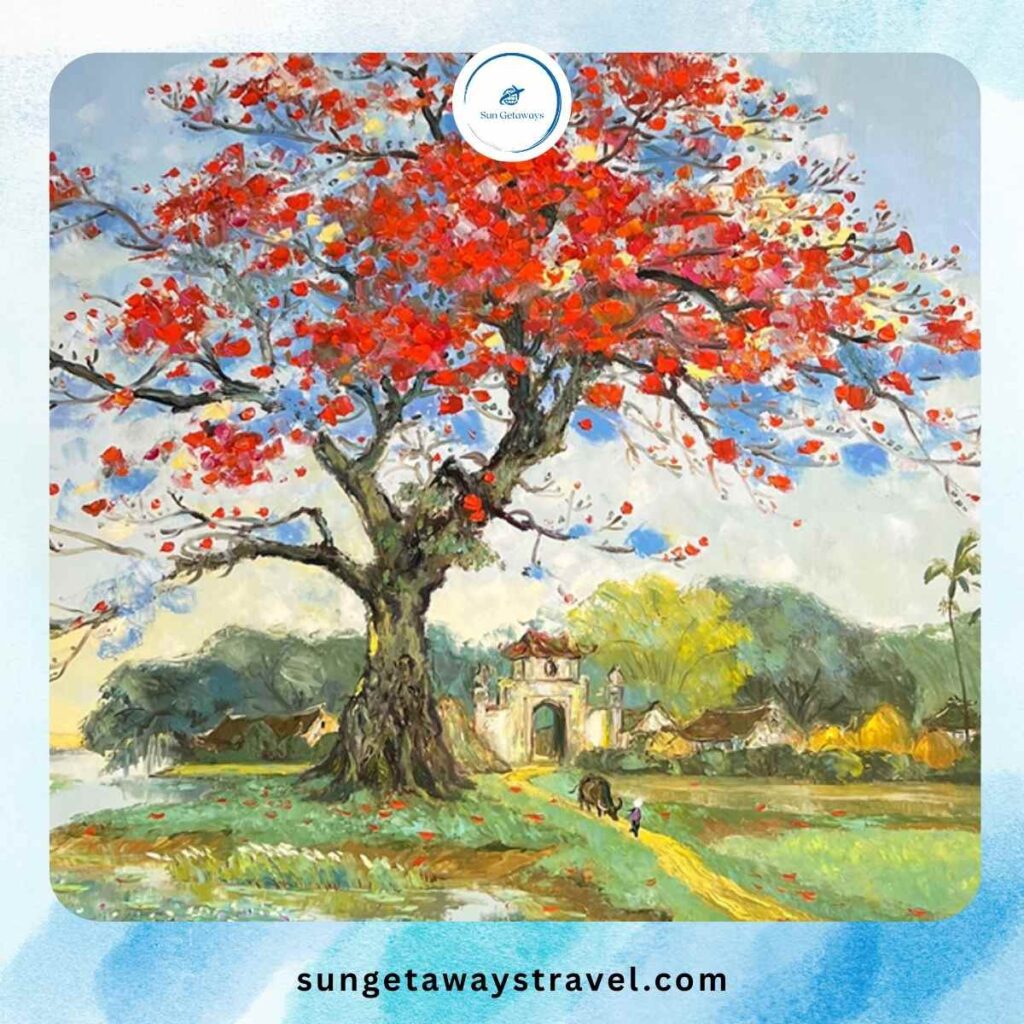
Oil painting arrived in Vietnam as part of colonial-era art education, marking a significant shift from traditional materials such as lacquer, silk, and woodblock prints. While the medium itself originated in Europe, Vietnamese artists did not simply imitate Western models. Instead, they gradually adapted oil painting to express local landscapes, social realities, and cultural sensibilities.
Unlike Western oil painting traditions that often focus on individualism, dramatic contrast, or personal expression, Vietnamese oil painting tends to emphasize:
- Emotional subtlety: Feelings are conveyed through quiet color transitions and restrained compositions rather than dramatic gestures.
- Cultural symbolism: Subjects often carry deeper meanings related to memory, tradition, and collective experience.
- Harmony between humans and nature: People are frequently depicted as part of the landscape rather than dominating it.
This approach helped oil painting become a powerful medium for storytelling and cultural reflection in Vietnam, bridging modern technique with traditional worldview.
2. Historical Development of Oil Painting in Vietnam
The evolution of oil painting styles in Vietnam closely mirrors the country’s political, social, and cultural transformations. Each historical phase left a clear imprint on artistic themes, techniques, and purposes.
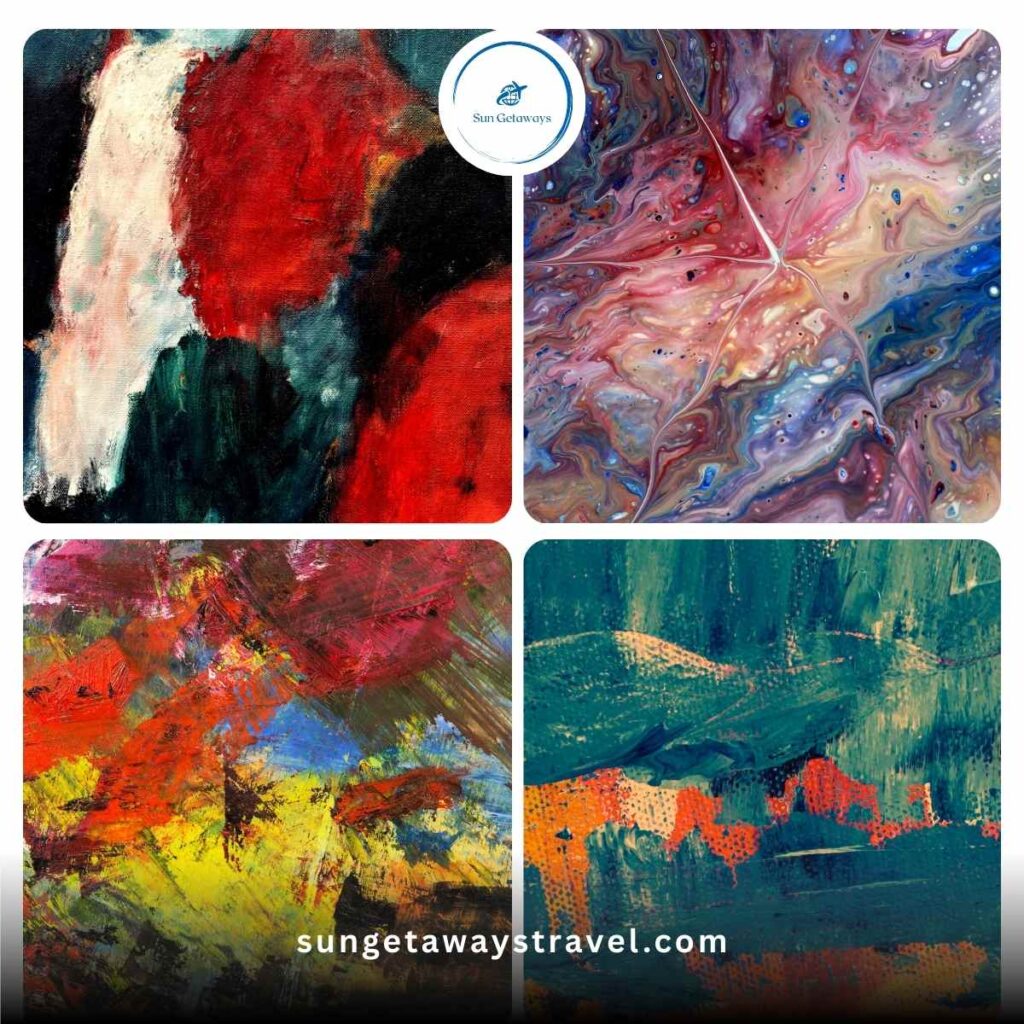
2.1. Early Introduction and Academic Training
- Oil painting was introduced in the late 19th and early 20th centuries through colonial influence.
- Early exposure came mainly via French artists, educators, and colonial institutions.
- Vietnamese artists learned oil painting through structured academic training, emphasizing technical skill and formal rules rather than folk tradition.
- This period laid the technical foundation for modern Vietnamese oil painting.
2.2. Colonial-Era Transformation
The École des Beaux-Arts de l’Indochine played a decisive role in shaping modern Vietnamese art education. Artists were trained in:
- Perspective and anatomy
- Composition and realism
- Classical oil painting techniques
Early Vietnamese oil paintings often depicted:
- Portraits
- Still life
- Landscapes influenced by European realism
Even within this academic framework, Vietnamese artists gradually introduced local subjects, familiar scenery, and emotional restraint, distinguishing their work from European models.
2.3. Post-Independence and Wartime Art
After independence, oil painting became closely tied to social and political expression. Artists focused on:
- Farmers, workers, and soldiers
- Collective life and shared struggle
- National resilience and unity
Art during this period prioritized social meaning and national purpose, with individual expression often secondary to collective ideals.
2.4. Contemporary Evolution
Since economic reforms, oil painting styles in Vietnam have become increasingly diverse. Contemporary artists explore:
- Personal memory and identity
- Urbanization and modernization
- Abstract and semi-abstract expression
While themes and styles have expanded, oil painting remains one of the most respected and widely practiced mediums in Vietnamese fine arts.
If you are interested in understanding the broader cultural context behind Vietnam’s creative heritage, start with an overview of 👉 Vietnamese traditional arts to explore key traditional art forms in Vietnam, from folk practices to court-influenced traditions.
3. Cultural Values Reflected in Vietnamese Oil Painting
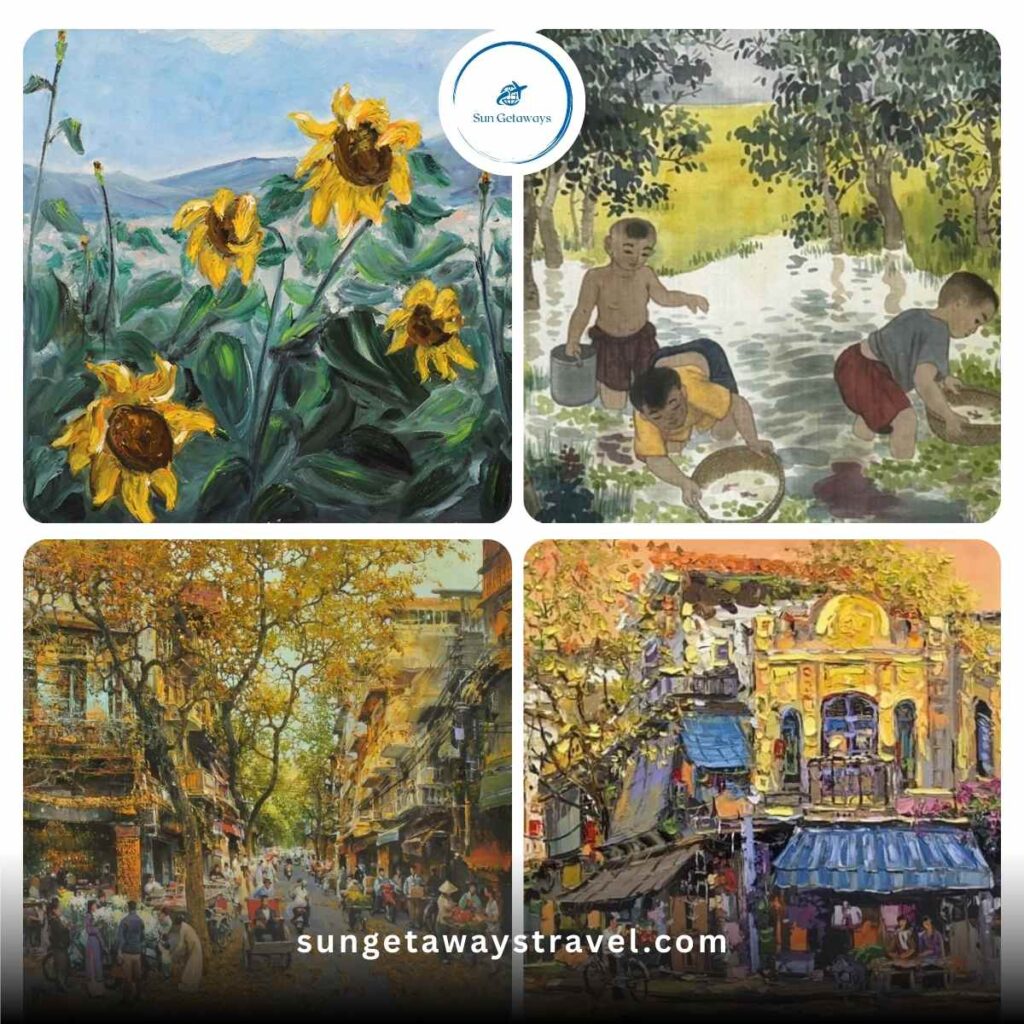
Vietnamese oil painting reflects deeper cultural values rather than purely technical achievement. These values shape both the subject matter and the overall emotional tone of the artworks. Common values include:
Harmony with nature:
- Landscapes, rivers, villages, and agricultural scenes appear frequently in Vietnamese oil paintings.
- Nature is portrayed as a living environment that sustains human life, not merely a background element.
- This reflects a traditional worldview in which humans and nature exist in balance.
Collective identity:
- Many paintings emphasize community life over individual heroism or personal achievement.
- Scenes of shared labor, family gatherings, and village activities are common.
- Collective experiences take precedence over personal drama or self-centered narratives.
Emotional restraint:
- Strong emotions are conveyed subtly through color harmony, composition, and overall atmosphere.
- Artists often avoid dramatic gestures or exaggerated expressions.
- This restraint reflects broader Vietnamese cultural norms that value calmness and inner strength.
Respect for memory and history:
- Paintings frequently reference the past through familiar scenes, occupations, or landscapes.
- Historical memory is presented without nostalgia or exaggeration.
- Memory is treated as a quiet but enduring force that shapes identity.
4. Major Oil Painting Styles in Vietnam
Over time, distinct oil painting styles in Vietnam have emerged, reflecting historical circumstances, regional influences, and changing artistic priorities.
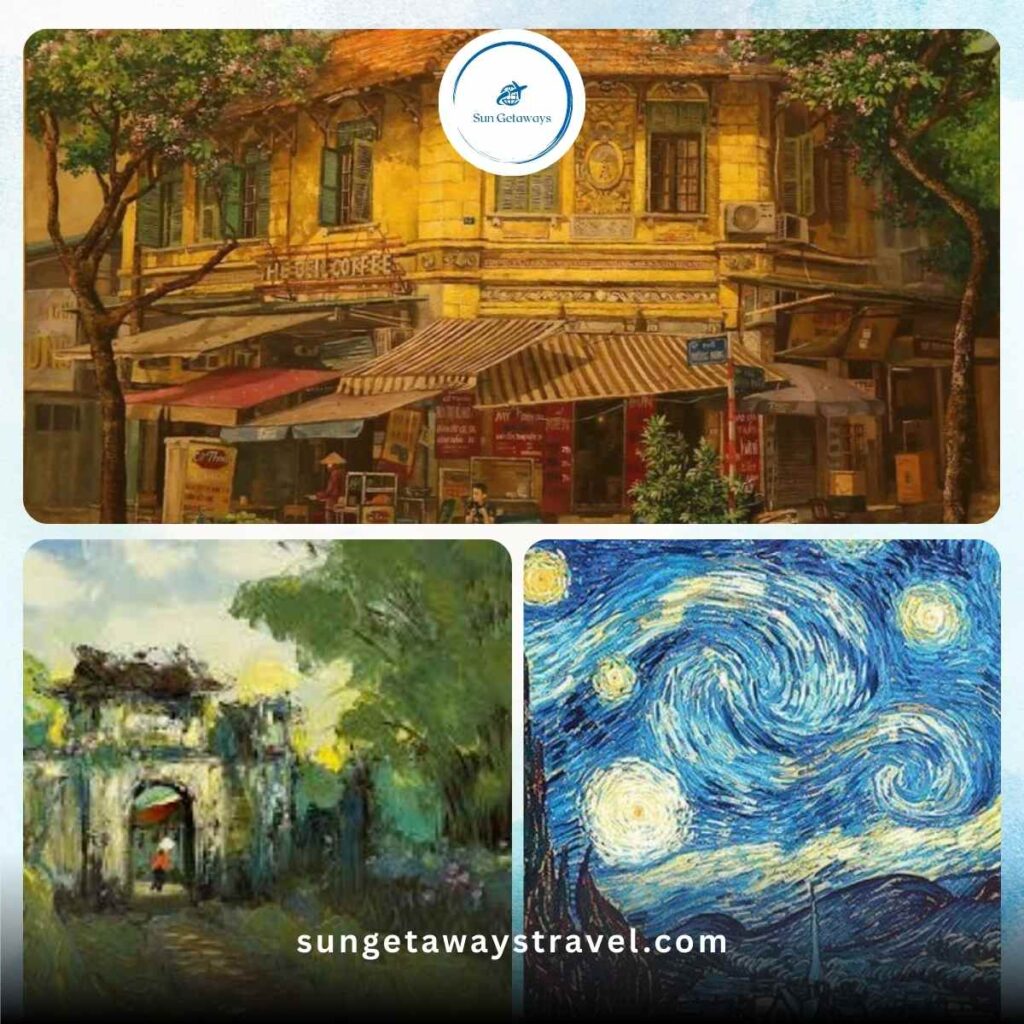
4.1. Realist and Social Realist Style
Influenced by academic European painting and the social context of wartime and post-war Vietnam. It focuses on:
- Workers, farmers, and soldiers
- Everyday labor and resilience
Paintings often carry strong narrative content while maintaining controlled realism. This style emphasizes social meaning and collective values.
4.2. Romantic and Poetic Style
This style emphasizes atmosphere, mood, and lyrical beauty rather than strict realism. Common subjects include:
- Rural life
- Women and family scenes
- Quiet landscapes
Besides, color palettes are typically soft, muted, and harmonious. This style highlights emotional depth and gentle reflection.
4.3. Modern and Contemporary Style
- Explores abstraction, symbolism, and personal expression.
- Reflects:
- Urban life and modernization
- Psychological and emotional themes
- Global artistic dialogue
- Works are often less narrative and more conceptual, focusing on ideas and inner experience.
5. Common Themes in Vietnamese Oil Painting
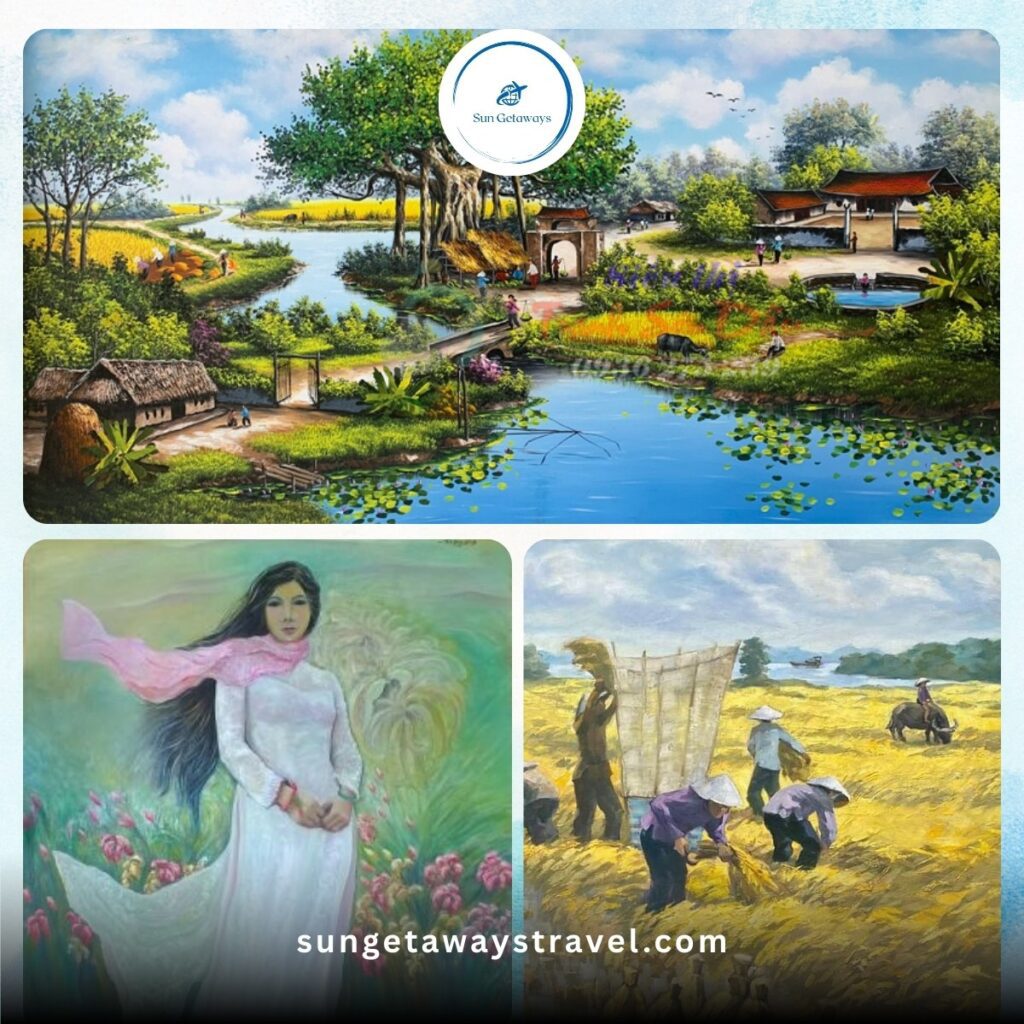
Themes in Vietnamese oil painting often reflect cultural memory, historical continuity, and lived experience rather than purely aesthetic concerns. Popular subjects include:
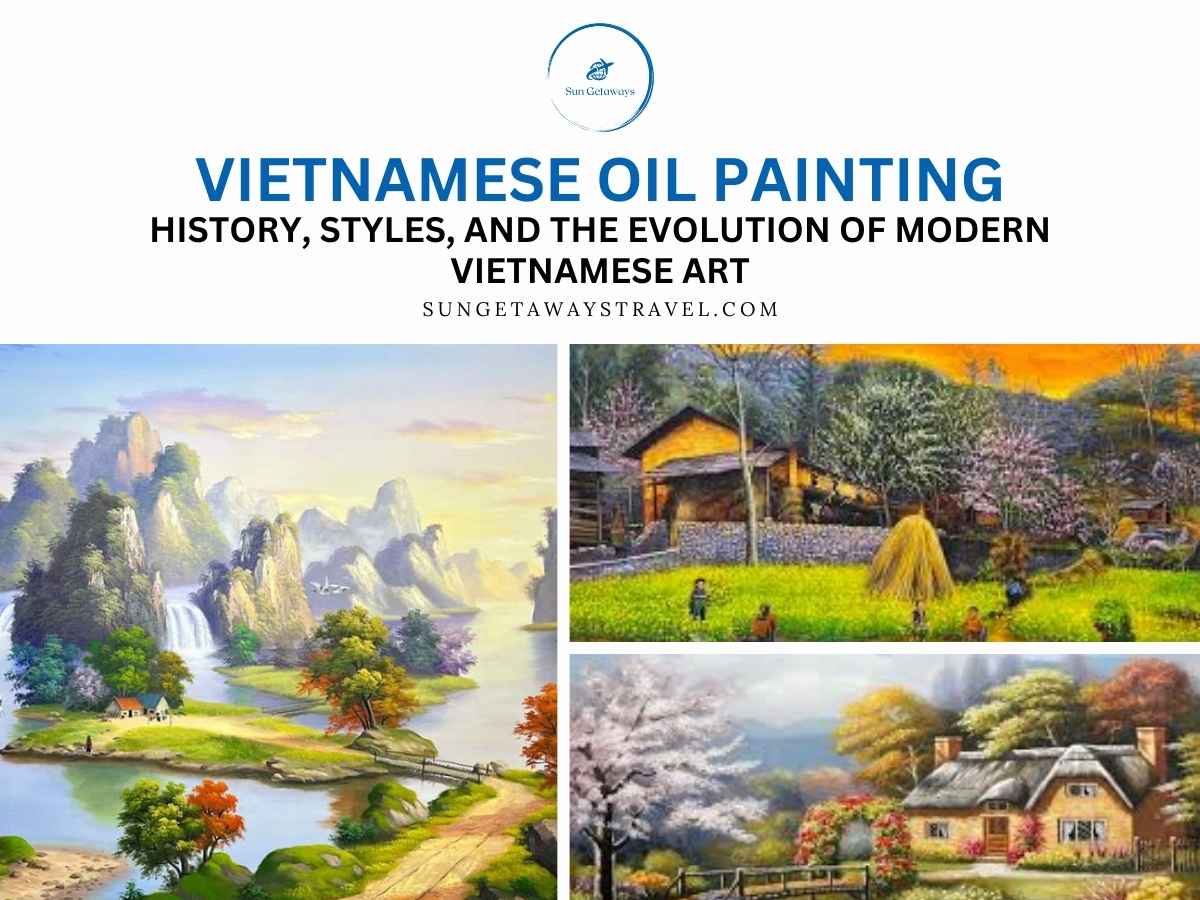
- Rural landscapes and village life: These scenes depict rice fields, rivers, village roads, and communal spaces. They represent a way of life deeply rooted in tradition and agricultural rhythms, emphasizing stability and continuity.
- Women, family, and motherhood: Women are often portrayed as symbols of care, resilience, and quiet strength. Family scenes focus on intimacy, daily life, and emotional connection rather than dramatic storytelling.
- Labor and daily routines: Paintings of work highlight ordinary activities such as farming, fishing, or street trading. Labor is shown with dignity and calm persistence, reflecting respect for everyday effort.
- War, memory, and recovery: Instead of direct depictions of violence, artists often approach war through memory and aftermath. Themes of loss, endurance, and healing are conveyed subtly and reflectively.
- Nature-inspired abstract compositions: Some artists move beyond figurative imagery, drawing inspiration from natural forms, seasons, and landscapes. These works focus on rhythm, color, and emotional resonance rather than literal representation.
Rather than strict realism, many works emphasize emotion, atmosphere, and cultural essence, allowing viewers to engage with deeper meanings beneath the surface.
War-themed Vietnamese painting is deeply connected to place and memory. For travelers interested in exploring the historical realities behind these artistic expressions, the Cu Chi Tunnels Half Day Tour provides a grounded perspective on everyday life during wartime.
6. Materials and Techniques in Vietnamese Oil Painting
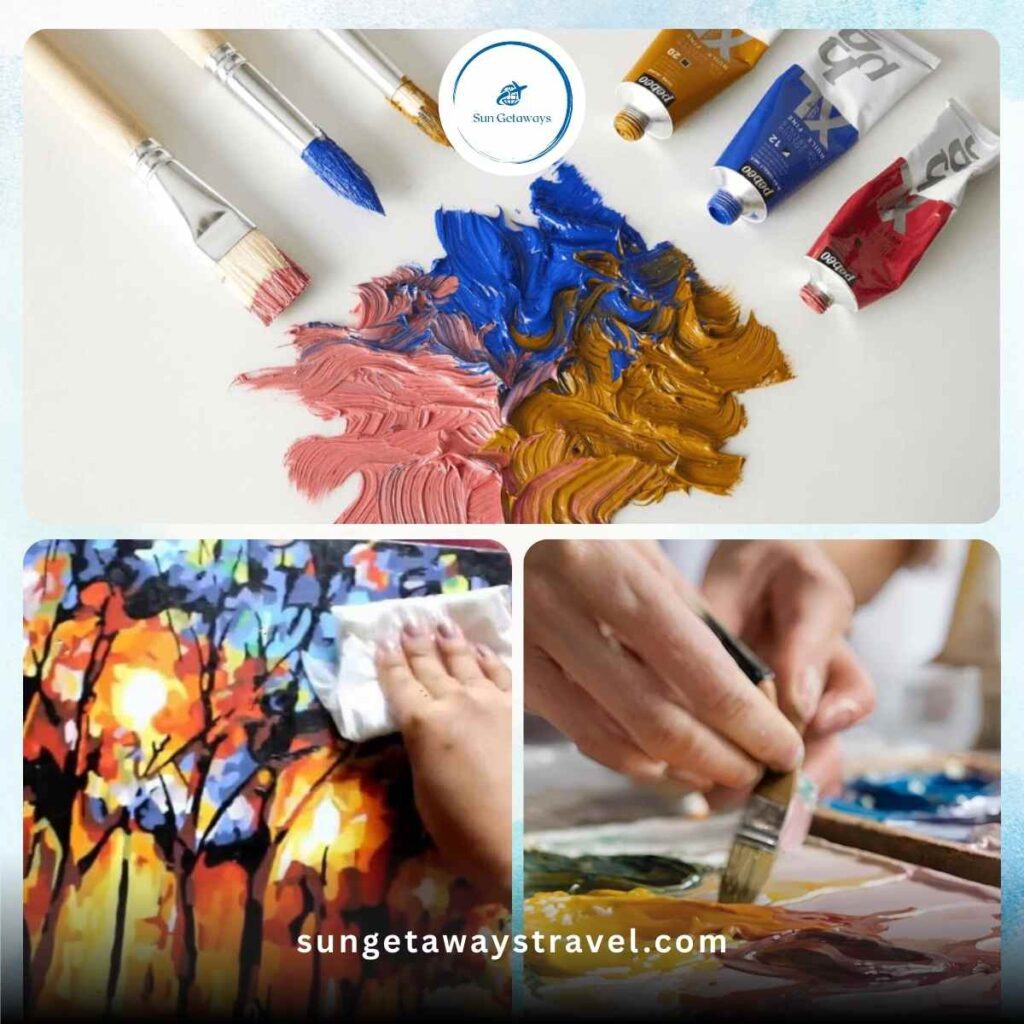
While oil painting materials are globally standardized, Vietnamese artists adapt techniques to local aesthetics, climate, and cultural preferences.
- Canvas and wooden panels are commonly used: Artists choose surfaces based on desired texture and durability, with wooden panels often preferred for their stability and traditional feel.
- Layered brushwork creates depth without heavy texture: Multiple thin layers of paint allow subtle transitions in tone and color. This technique supports visual depth while maintaining a restrained surface quality.
- Muted color palettes are often preferred over strong contrast: Earth tones, soft greens, and gentle blues dominate many works. These palettes help convey calmness and emotional balance.
- Light and shadow are used to create mood rather than drama: Lighting is typically diffused and understated, avoiding sharp contrasts. This approach enhances atmosphere and emotional nuance.
- Technique serves expression rather than technical display: Technical mastery is present but not emphasized. The focus remains on conveying feeling, memory, and cultural meaning rather than showcasing skill.
Comparison Table: Oil Painting Styles in Vietnam
| Period | Key Characteristics | Dominant Themes |
|---|---|---|
| Colonial Era | Academic realism, structured composition | Portraits, landscapes |
| Wartime Period | Social realism, collective focus | Labor, resistance |
| Post-Reform Era | Diverse, experimental styles | Identity, memory, modern life |
7. How to Experience Vietnamese Oil Painting as a Visitor
Visitors can engage with Vietnamese oil painting in meaningful ways.
- Visit art museums and galleries in major cities.
- Attend exhibitions by contemporary Vietnamese artists.
- Observe how oil paintings reflect daily life rather than spectacle.
- Take time to understand historical context before viewing.
👉 Need quick advice or want to talk directly with our team? Contact us via WhatsApp for fast support and personal recommendations.
8. Best Places to Explore Vietnamese Oil Painting
- Major museums, galleries, and art schools.
- Strong connection to traditional and modern art history.
- Dynamic contemporary art scene.
- Experimental and international influences.
Hue:
- More introspective and historically grounded works.
- Connection between art and memory.
Understanding Vietnamese culture through art and history is only the beginning. The 15 Days Join Group Grand Vietnam Tour – Discover the Best of Vietnam allows travelers to experience these cultural layers firsthand through meaningful local encounters and carefully curated destinations.
Expert Insight:
“Vietnamese oil painting tells quiet stories. It does not shout or overwhelm, but invites viewers to slow down and reflect. For travelers and art lovers, understanding the context behind each painting transforms the experience from visual appreciation into cultural connection.”
— Mrs. Emma Nguyen – Tour Operator Manager with over 12 years of experience at Sun Getaways Travel
9. Practical Tips for Art Enthusiasts
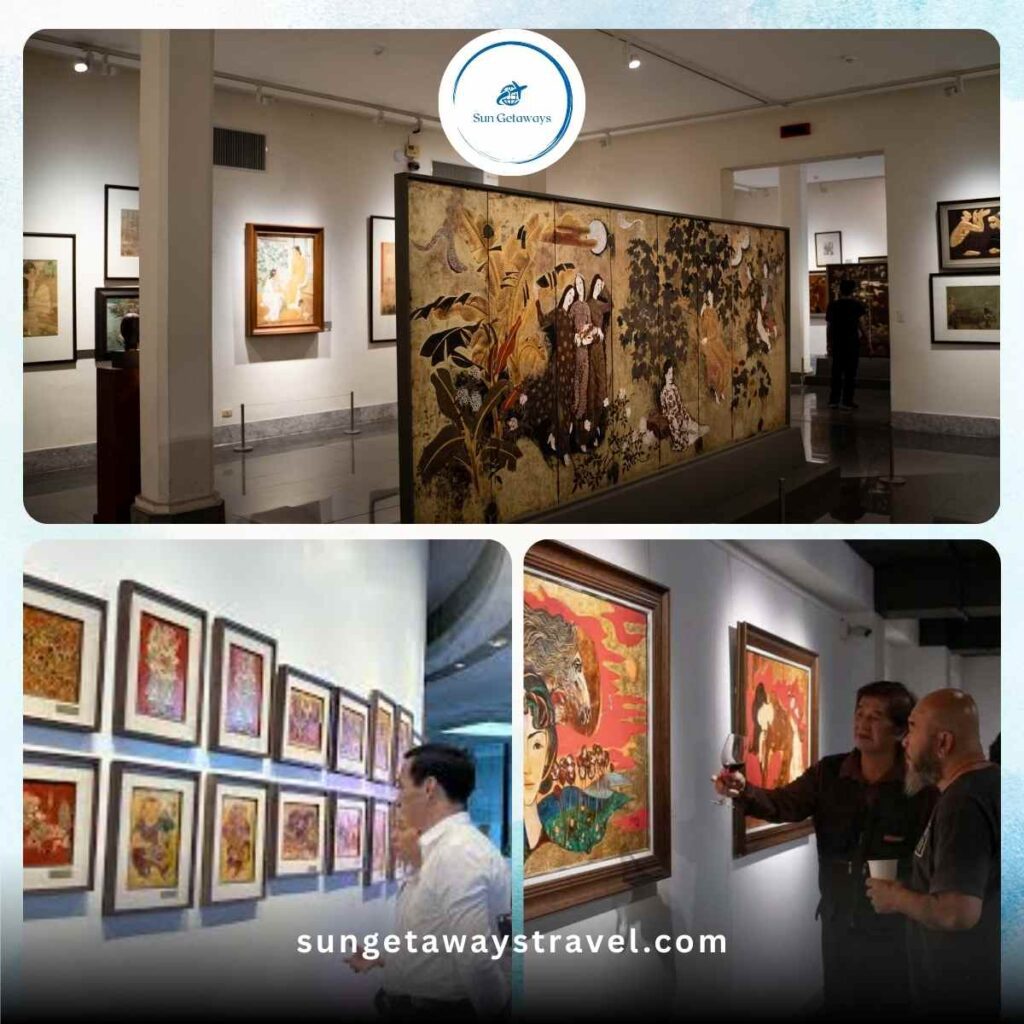
- Learn basic historical background before visiting galleries.
- Avoid rushing—Vietnamese oil paintings reward slow observation.
- Ask curators or guides about symbolism and themes.
- Respect photography rules in galleries and exhibitions.
10. Conclusion
Vietnamese oil painting stands as a testament to Vietnam’s ability to absorb global influences while maintaining cultural identity. Through evolving oil painting styles in Vietnam, artists continue to reflect memory, resilience, and everyday life with emotional depth and restraint. For those seeking to understand Vietnam beyond surface impressions, Vietnamese oil painting offers a quiet yet powerful window into the nation’s modern cultural soul.
👉 If you’re looking for ready-made itineraries and inspiring travel ideas, explore our full collection of
Vietnam tours designed around culture, nature, and authentic local experiences.


Related Tour

6 Days Mekong Delta and Beach Relaxing


29 Reviews
12 Days Vietnam Classic Tour From North To South
26 Reviews


Discover the Essence of Vietnam: A 12-Day Journey
46 Reviews
13 Days Vietnam Beauty from North to South
19 Reviews

4 Days Halal Muslim Hanoi and Sapa
0 Reviews
Ask a question
Leave a Comment (0)
No questions yet. Be the first to ask a question!
See related Posted
Luxury Golf Resorts in Vietnam – Elite Golf Travelers

Vietnam is increasingly recognized as a premier golf destination in Asia, therefore luxury golf…
Macrame in Vietnam: The Revival of Knot Art in Contemporary Craft Culture

Macrame in Vietnam reflects the country’s growing engagement with contemporary handmade culture, where global…
Vietnamese Musical Instrument Craft: Traditional Instrument Making in Vietnam

Vietnamese musical instrument craft reflects a long-standing relationship between sound, material, and cultural memory.…
Traditional Vietnamese Kite Art: History, Craftsmanship, and Cultural Meaning

Traditional Vietnamese kite art is a living expression of folk creativity, community values, and…
Vietnamese Folk Masks: Tradition, Symbolism & Cultural Meaning

Vietnamese folk masks are a distinctive form of traditional art that reflects the spiritual…
Vietnamese Embroidery Art: Traditional Craftsmanship & Cultural Meaning

Vietnamese embroidery art is a refined traditional craft that reflects patience, cultural memory, and…