






Vietnamese Mung Bean Cake: A Simple Dessert with Cultural Meaning
 HoangAn
  3 min. to read
 Have you ever wondered what locals enjoy with tea in the quiet afternoons of Vietnam? Vietnamese mung bean cake (or Vietnamese banh dau xanh) often surprise travelers who want to explore traditional sweets beyond pho and banh mi. In this guide, you will learn what this cake is, why it matters in Vietnamese culture, how it is made, and where you should try it during your journey across Vietnam.
Key Takeaways
- Vietnamese mung bean cake, or banh dau xanh, is a traditional sweet made primarily from mung beans, sugar, and oil, enjoyed typically with tea.
- The cake symbolizes hospitality and refinement, served during Tet holidays and important ceremonies, providing insight into Vietnamese culture.
- Key ingredients like mung beans and subtle sweetness define its flavor, making it a clean alternative to modern desserts.
- Traditional production involves precise steps, from selecting beans to cooling and packaging, preserving its signature taste and texture.
- Travelers can find authentic Vietnamese mung bean cake in local markets in Hanoi, Hai Duong Province, and Ho Chi Minh City, enhancing their culinary experience in Vietnam.
1. What Are Vietnamese Mung Bean Cakes?
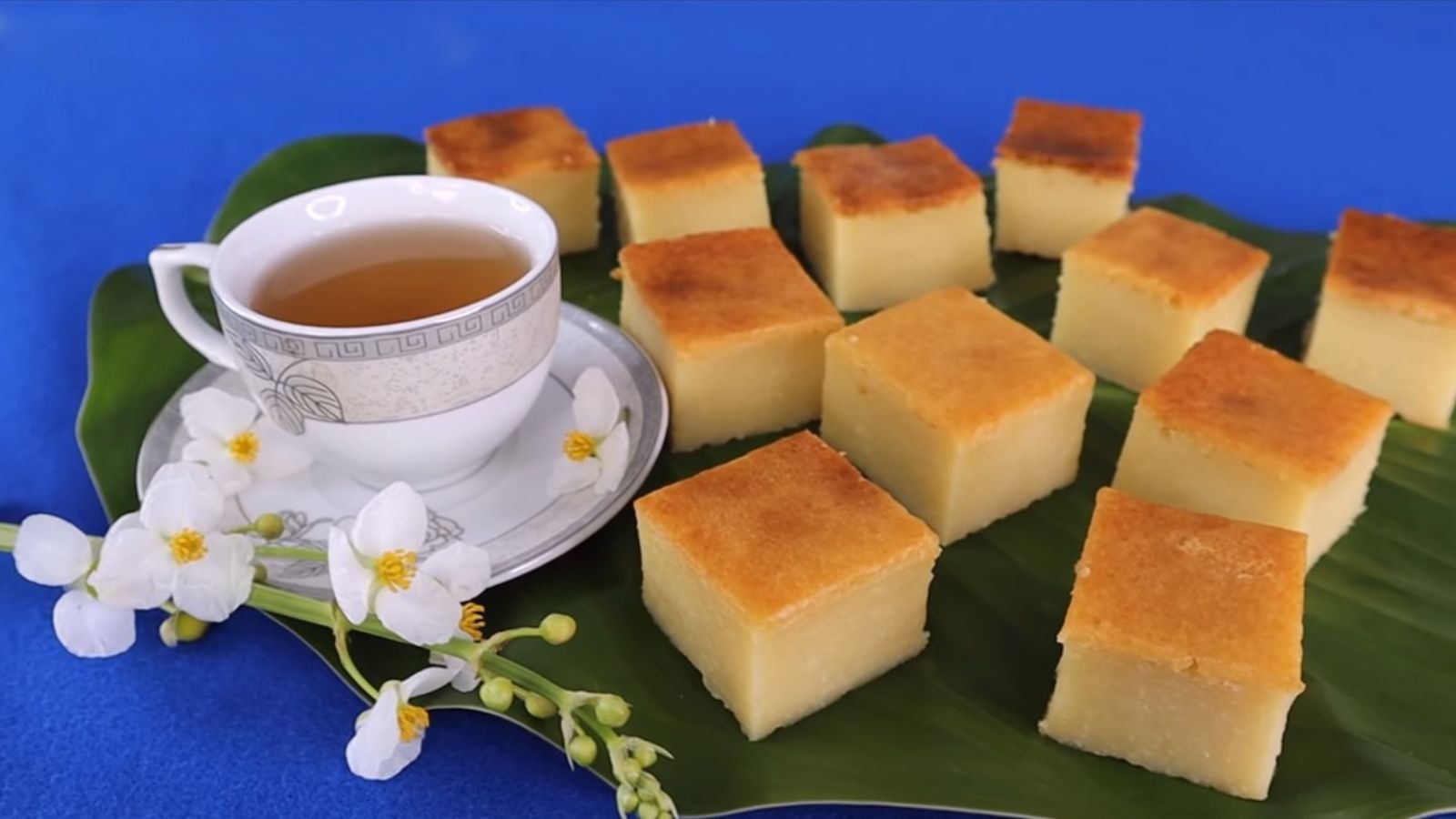
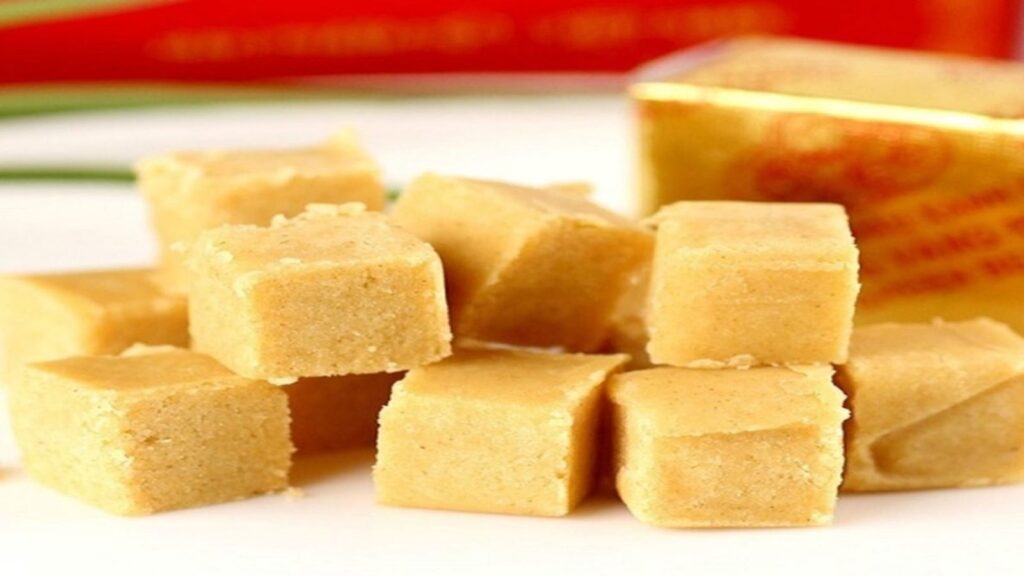
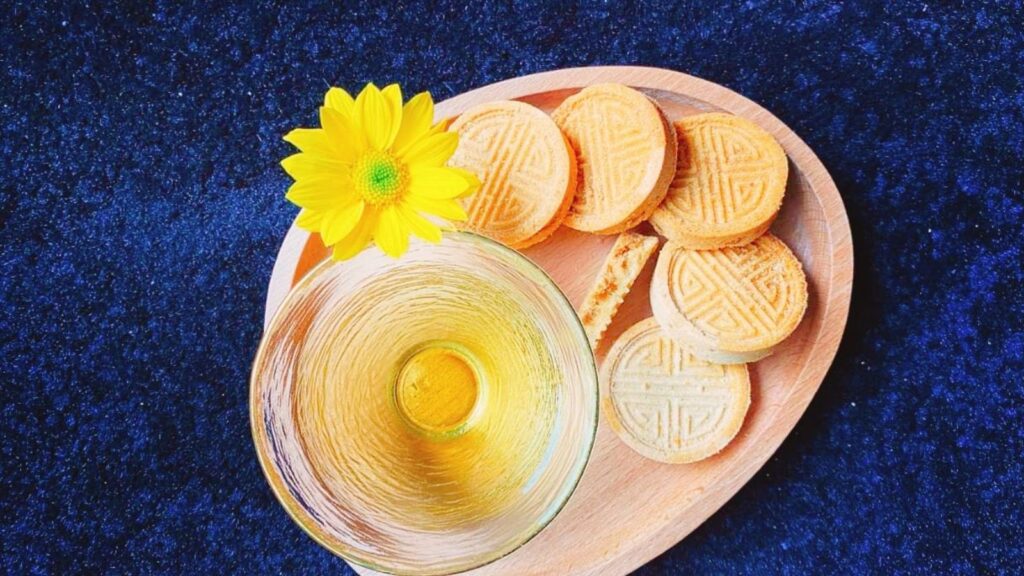
Vietnamese mung bean cake is a traditional sweet made mainly from peeled mung beans, sugar, and oil, pressed into small square or rectangular pieces. Locals usually enjoy it with hot tea during calm moments rather than as a heavy dessert.
Culturally, this cake represents refinement and hospitality. Families often serve it to guests as a polite gesture, especially during Tet holidays, weddings, or ancestral ceremonies. In northern Vietnam, offering Vietnamese banh dau xanh with tea shows respect and warmth. For travelers, tasting this cake offers a quiet but meaningful way to understand Vietnamese daily life beyond busy street food scenes.
2. Key Ingredients That Define the Flavor of Vietnamese Mung Bean Cake
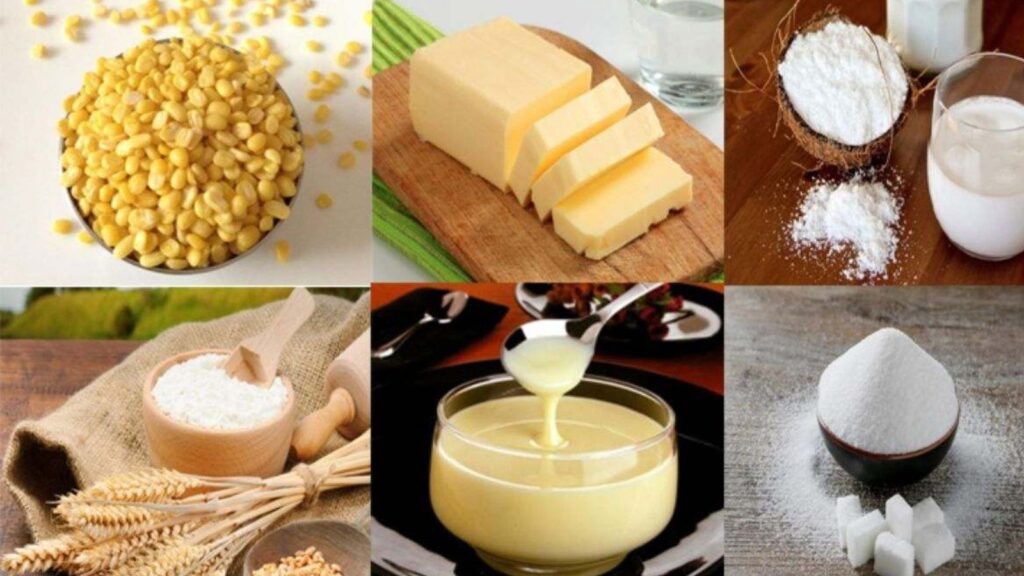
The charm of Vietnamese mung bean cake comes from its clean ingredient list and careful balance. Each component affects both taste and texture.
- Peeled mung beans
These beans form the foundation of the cake. Producers select evenly sized beans to ensure smooth texture. When processed correctly, the beans create a fine paste that melts gently in the mouth. - Sugar
Sugar provides sweetness but remains subtle. Traditional recipes avoid overpowering flavors, which helps Vietnamese banh dau xanh feel light and easy to eat. - Vegetable oil or peanut oil
Oil adds softness and moisture. Peanut oil, often used in northern regions, gives a faint nutty aroma that pairs well with tea. - Natural fragrance (pomelo flower or vanilla)
Many classic versions use pomelo flower essence. This gentle scent elevates the cake without masking the mung bean flavor. - Salt (minimal amount)
A tiny pinch of salt enhances sweetness and rounds out the taste. Skilled makers use salt carefully to avoid imbalance.
Because of these simple ingredients, Vietnamese mung bean cake is also considered a cleaner sweet compared to many modern desserts.
3. How Vietnamese Mung Bean Cake Is Traditionally Made
The traditional process focuses on precision and patience. Each step ensures this one of Vietnamese sweet cakes keeps its signature texture and flavor.
Step 1: Selecting and Soaking the Beans
Makers carefully select high-quality mung beans and remove the skins. They soak the beans for several hours to soften them evenly. This step prevents grainy texture later.
Step 2: Steaming the Beans
Instead of boiling, artisans steam the beans. Steaming preserves the natural sweetness and prevents excess moisture. Properly steamed beans feel tender but not watery.
Step 3: Grinding into Paste
The steamed beans are ground into a smooth paste. This step requires attention, as uneven grinding affects mouthfeel. Traditional producers often use stone grinders.
Step 4: Cooking with Sugar and Oil
The bean paste is slowly cooked with sugar, oil, and salt over low heat. Constant stirring prevents burning and helps ingredients blend evenly.
Step 5: Adding Fragrance and Shaping
Natural fragrance is added near the end to avoid evaporation. The warm mixture is pressed into molds, creating neat shapes that cool naturally.
Step 6: Cooling and Packaging
After cooling, the cakes firm up while staying soft inside. Proper packaging protects texture and allows the cake to travel well, which is why Vietnamese banh dau xanh makes a popular souvenir.
4. Popular Types of Vietnamese Banh Dau Xanh You Should Know
Vietnamese mung bean cake varies by region and production style. Understanding these types helps travelers choose wisely.
- Hai Duong Vietnamese banh dau xanh
This is the most famous version nationwide. It has a powdery, melt-in-your-mouth texture. Many travelers encounter it while exploring northern Vietnam routes. - Southern-style mung bean cake
This version uses more oil, resulting in a creamier texture. Sweetness is slightly stronger, reflecting southern taste preferences. - Fruit-flavored mung bean cake
Modern bakeries add flavors like durian, coconut, or lotus seed. These versions appeal to travelers seeking variety while keeping tradition. - Baked mung bean cake
Baked versions feature a light outer crust and soft filling. They feel closer to pastries but still carry mung bean flavor.
| Type | Texture | Sweetness | Best For |
|---|---|---|---|
| Hai Duong style | Powdery | Mild | Tea lovers |
| Southern style | Creamy | Medium | Sweet dessert fans |
| Fruit-flavored | Smooth | Medium-high | Curious food explorers |
| Baked version | Soft with crust | Mild | Western dessert lovers |
5. Where to Try Authentic Vietnamese Mung Bean Cake in Vietnam
You can find Vietnamese mung bean cake in both traditional shops and street food areas across major cities.
- Hanoi – Old Quarter, Dong Xuan Market, and small tea shops
In Hanoi, locals prefer long-established family shops over tourist stores when buying mung bean cake. Around Dong Xuan Market and in Old Quarter tea houses, Vietnamese mung bean cake is often served with hot green tea, reflecting classic northern tea culture. - Hai Duong Province – the heart of Vietnamese banh dau xanh
Hai Duong is known as the birthplace of Vietnam’s most famous mung bean cake, where many producers still follow traditional methods. Some workshops welcome visitors, making it a meaningful stop on a Vietnam Classic Tour between Hanoi and coastal regions. - Ho Chi Minh City – District 1, District 5, and local markets
In Ho Chi Minh City, Vietnamese banh dau xanh ranges from traditional styles in District 5 to well-packaged gift boxes in District 1. You can also spot small stalls near wet markets selling individual pieces among busy street food scenes. - Da Nang and Hoi An – heritage cafes and specialty shops
In Da Nang and Hoi An, some heritage cafes serve Vietnamese mung bean cake with herbal or lotus tea in quiet settings. Travelers often enjoy it as a relaxing break during cultural or food-focused journeys in central Vietnam.

👉 If you want these tasting spots added naturally to your journey, Sun Getaways Travel can design a Vietnam Local Food Tour that blends street food, traditional sweets, and regional culture without rushing. Contact us via WhatsApp!
6. How Much Does Vietnamese Mung Bean Cake Cost?
Vietnamese mung bean cake remains affordable for most budgets. Because of its long shelf life, many travelers buy Vietnamese banh dau xanh as gifts.
- Street stalls sell small pieces for USD 0.30-0.70 each.
- Traditional boxes usually range from USD 3-6, depending on size and brand.
- Premium gift boxes with decorative packaging can cost USD 8-12, especially in tourist areas or airports.
7. Tips for First-Time Travelers Trying Vietnamese Mung Bean Cake
Trying Vietnamese mung bean cake for the first time can be more enjoyable when you understand how locals eat it and what to look for. These tips help travelers avoid common mistakes and appreciate the cake properly.
- Treat it as a tea companion, not a dessert
Vietnamese banh dau xanh is not meant to replace a full dessert. Locals eat it slowly with tea, often in quiet moments. Viewing it this way helps you enjoy its subtle flavor rather than expecting bold sweetness. - Break it into small pieces before eating
The cake is dense but soft. Breaking it into smaller bites allows it to melt gently in your mouth and prevents it from feeling heavy. - Pay attention to aroma and texture
Fresh Vietnamese mung bean cake smells lightly nutty and floral, never oily. The texture should feel smooth and powdery, not sticky or wet. - Avoid buying only at airports
Airport versions often focus on packaging rather than freshness. Buying from local shops earlier in your trip usually gives better quality at a lower price. - Ask locals or guides for recommendations
Many of the best Vietnamese banh dau xanh producers do not advertise heavily. Hotel staff or tour guides often know trusted local brands.

Expert insight:
“When travelers slow down and enjoy mung bean cake with tea, they often understand Vietnamese food culture better. It is about balance, not strong flavor,”
Mrs. Emma Nguyen – Tour Operator Manager with over 12 years of experience at Sun Getaways Travel
8. FAQs About Vietnamese Mung Bean Cake
Yes, most traditional versions focus on mild sweetness. The mung bean flavor remains dominant, making it suitable for travelers who prefer light desserts.
Most packaged cakes last from two weeks to one month if kept sealed and dry. Fresh-cut versions should be eaten within a few days.
Some versions use peanut oil, especially in northern regions. Always check labels or ask sellers before buying.
Yes, locals still enjoy it regularly, especially with tea at home or when welcoming guests. It is not only a tourist product.
No, regional differences affect texture and sweetness. Northern versions feel lighter, while southern ones tend to be creamier and sweeter.
9. Conclusion
Vietnamese mung bean cake offers a quiet yet meaningful taste of Vietnam. It reflects hospitality, balance, and everyday culture that travelers often miss. By trying Vietnamese banh dau xanh, you experience Vietnam beyond popular dishes and busy streets.
If you want to explore Vietnam through authentic food and local stories, let Sun Getaways Travel guide you. Let us help you to plan a journey where every snack, every street, and every moment brings you closer to the real Vietnam.


Related Tour

5 Days Muslim Tour Hanoi, Sapa & Halong Bay


0 Reviews
Hanoi Coffee Making and Tasting
19 Reviews

Exploring Vietnam: 9 Days of Adventures
10 Reviews

Ventures Through Vietnam 14 Days
25 Reviews

Mekong Experience: My Tho & Ben Tre
7 Reviews

Vietnam Family Holidays 14 Days
23 Reviews
Ask a question
Leave a Comment (0)
No questions yet. Be the first to ask a question!
See related Posted
Luxury Golf Resorts in Vietnam – Elite Golf Travelers

Vietnam is increasingly recognized as a premier golf destination in Asia, therefore luxury golf…
Macrame in Vietnam: The Revival of Knot Art in Contemporary Craft Culture

Macrame in Vietnam reflects the country’s growing engagement with contemporary handmade culture, where global…
Vietnamese Musical Instrument Craft: Traditional Instrument Making in Vietnam

Vietnamese musical instrument craft reflects a long-standing relationship between sound, material, and cultural memory.…
Traditional Vietnamese Kite Art: History, Craftsmanship, and Cultural Meaning

Traditional Vietnamese kite art is a living expression of folk creativity, community values, and…
Vietnamese Folk Masks: Tradition, Symbolism & Cultural Meaning

Vietnamese folk masks are a distinctive form of traditional art that reflects the spiritual…
Vietnamese Embroidery Art: Traditional Craftsmanship & Cultural Meaning

Vietnamese embroidery art is a refined traditional craft that reflects patience, cultural memory, and…