






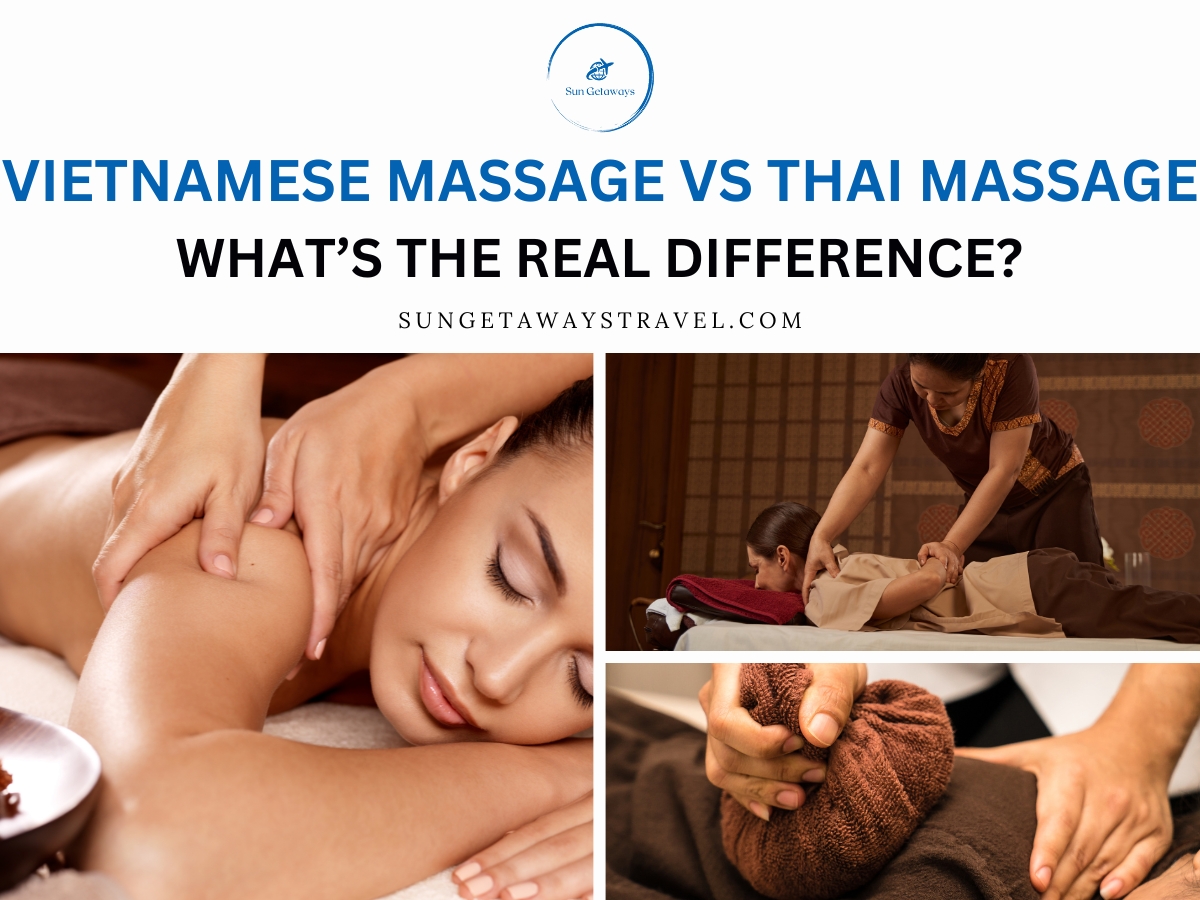
Vietnamese Massage vs Thai Massage: What’s the Real Difference?
 PhamDuong
  3 min. to read
 Massage therapy in Asia has fascinated travelers for generations. Among the most well-known styles, Vietnamese massage vs Thai massage stand out for their healing touch and cultural depth. Though they share Eastern roots, the two offer very different sensations. This Asian massage comparison will help you uncover what truly sets them apart.
1. Origins of Asian Healing Arts
Asian massage traditions have long been tied to philosophies of health, spirituality, and balance. Both Vietnamese and Thai massages reflect how local beliefs shaped the art of healing through touch, though their paths evolved in different ways.
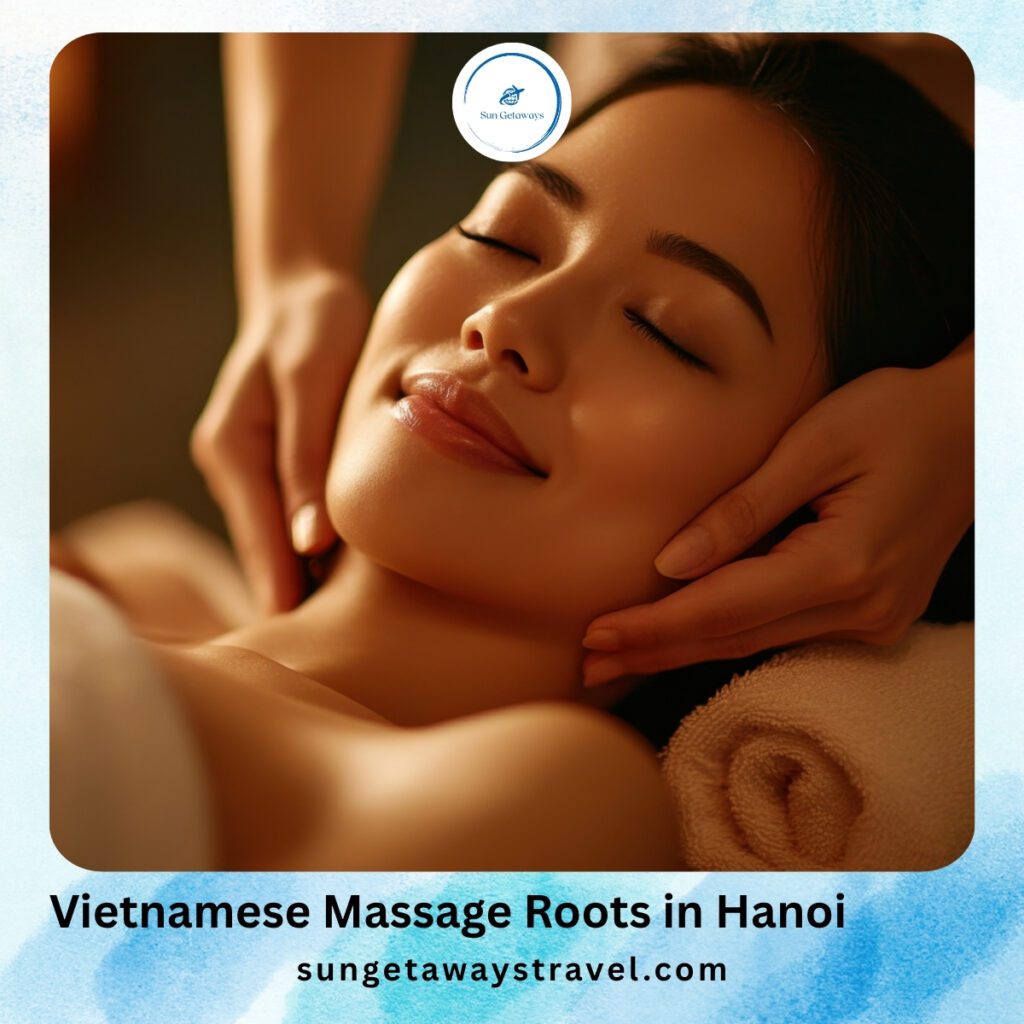
1.1. Vietnamese Massage Roots in Hanoi/
In ancient Vietnam, massage therapy evolved from a mix of Chinese meridian theory, which focuses on energy pathways, and French physiotherapy, emphasizing muscle care and circulation. This blend gave birth to techniques that feel both medical and comforting, a hallmark of traditional massage styles in Vietnam.
Even today, this heritage lives on in Hanoi’s Old Quarter, where local spas like Omamori Spa and La Spa Hanoi preserve age – old Vietnamese healing traditions. Warm herbal compresses, lemongrass oils, and rhythmic kneading reflect the harmony between body and spirit.
👉 If you’re in Hanoi, enhance your wellness journey by visiting nearby cultural gems such as the Temple of Literature, Hoan Kiem Lake, and the historic Old Quarter — where traditional therapy meets timeless charm.
1.2. Thai Massage Heritage and Spiritual Origins
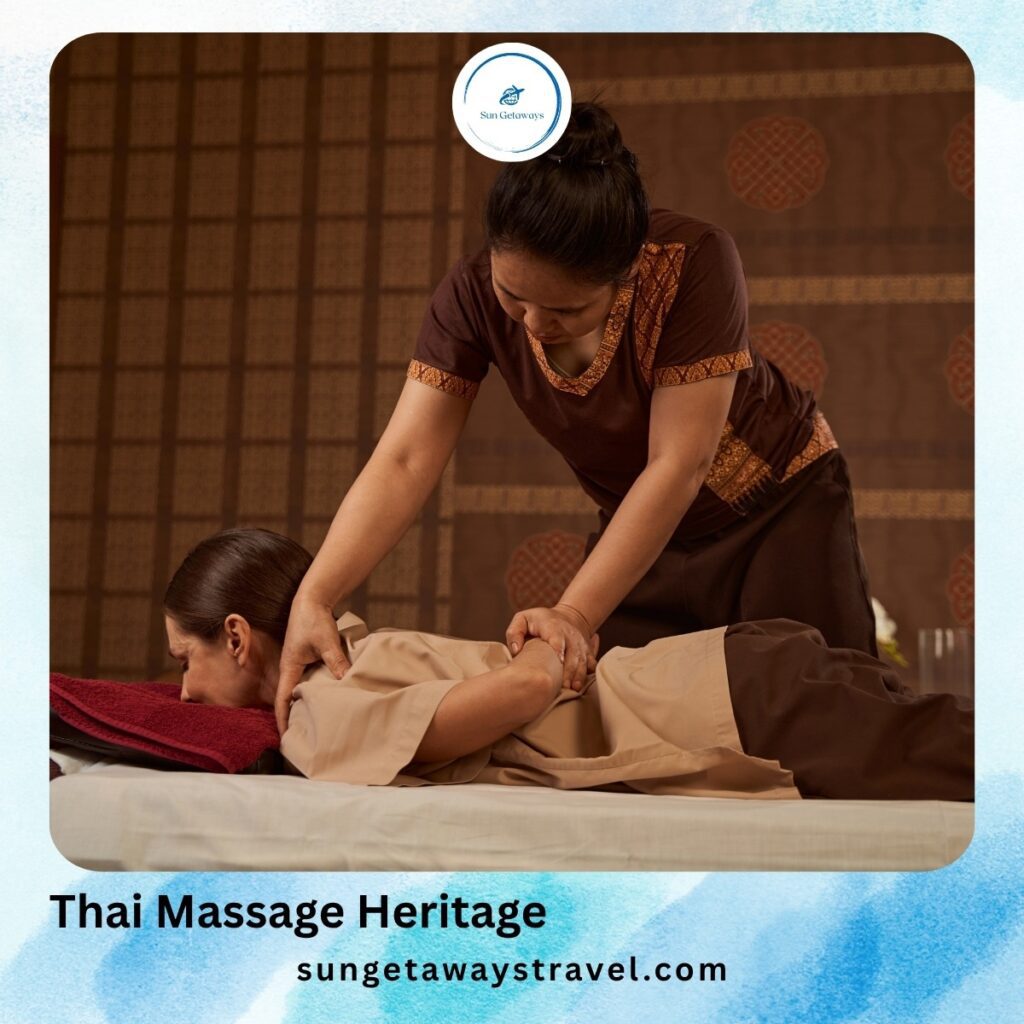
In Thailand, massage traces back over 2,500 years, connected to Ayurveda from India and Buddhist mindfulness practices. Known as “nuad thai,” it was once performed by monks as a form of healing prayer. According to ancient belief, when energy flows freely through the body’s Sen lines, both health and happiness thrive.
While Vietnamese massage focuses on muscle relaxation and acupressure, Thai massage emphasizes stretching and breathwork, a contrast that defines the core differences Vietnamese and Thai massage. This Asian massage comparison highlights how geography and spirituality shaped two of the most distinctive healing traditions in the world.
2. Vietnamese Massage: Gentle, Rhythmic, and Therapeutic
2.1. Traditional Massage Styles in Vietnam
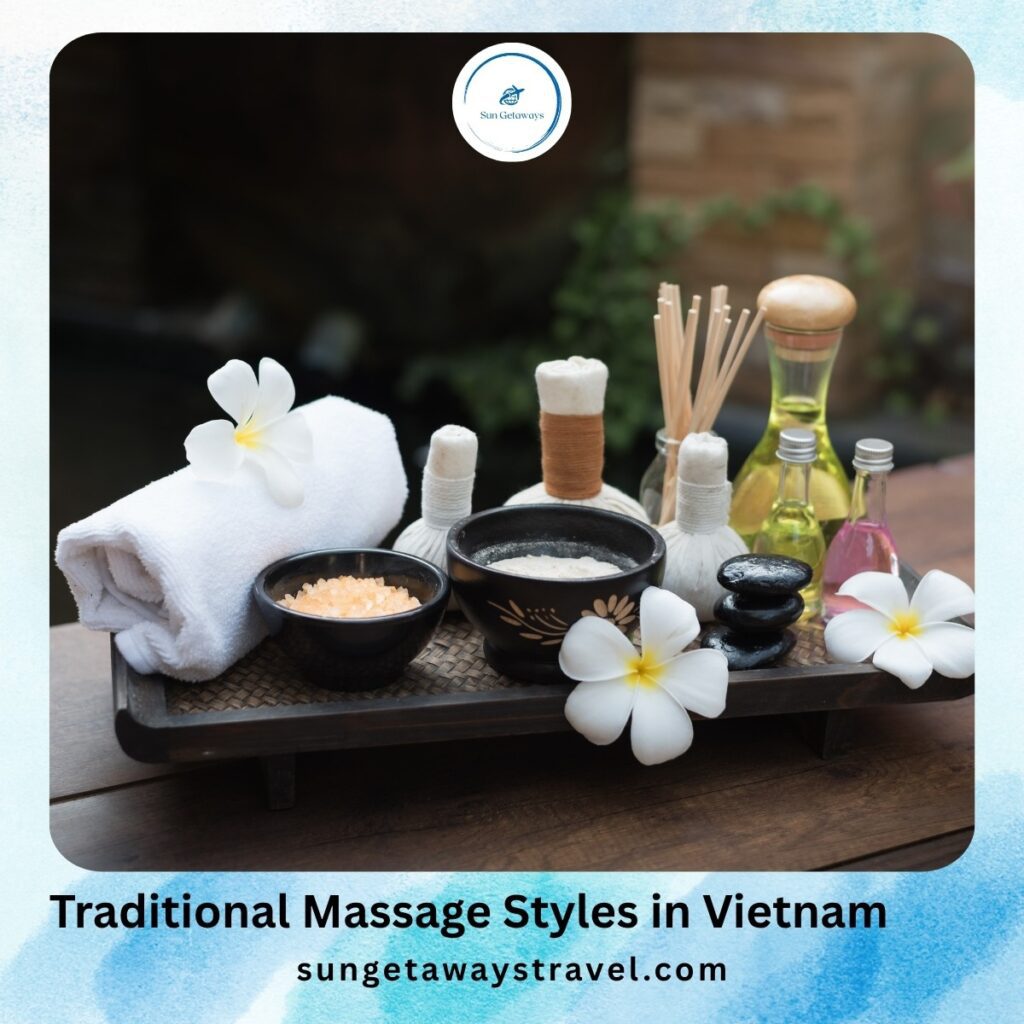
Traditional massage styles in Vietnam are deeply rooted in holistic wellness. Therapists use a mix of kneading, pressing, and rhythmic rolling, focusing on key tension points like the back, shoulders, and feet.
Warm herbal oils made from lemongrass, ginger, or peppermint are often applied to enhance circulation and detoxify the body. Many spas also include hot compresses wrapped in cotton and filled with steamed herbs, a truly sensory experience that combines scent, warmth, and touch.
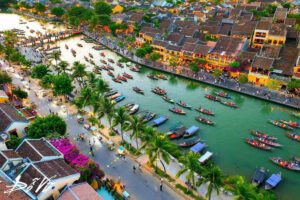
You can find this style at wellness centers across Vietnam, from Hanoi’s boutique spas to riverside retreats in Hoi An. Each session reflects the Vietnamese philosophy of harmony and hospitality.
2.2. Focus and Experience
If you’ve ever tried a Vietnamese massage, you’ll know it feels like a calm, continuous rhythm, similar to waves moving across the body. It’s perfect for travelers dealing with jet lag, muscle tension, or general fatigue.
During a session, you’ll often lie on a soft bed as gentle music and the scent of herbs fill the air. The therapist uses both hands and forearms to melt away knots while maintaining a steady flow of movement. The whole experience feels personal, like a nurturing ritual that connects body and soul.
For beach lovers, you can experience Vietnamese massage in Nha Trang or Phu Quoc, where luxury resorts blend traditional healing with oceanfront relaxation. After your treatment, unwind by the sea, explore local seafood markets, or take a sunset cruise, the perfect wellness escape in Vietnam.
👉Discover more relaxing adventures with our guide to Nha Trang – Vietnam’s paradise.
2.3. Health Benefits of Vietnamese Massage
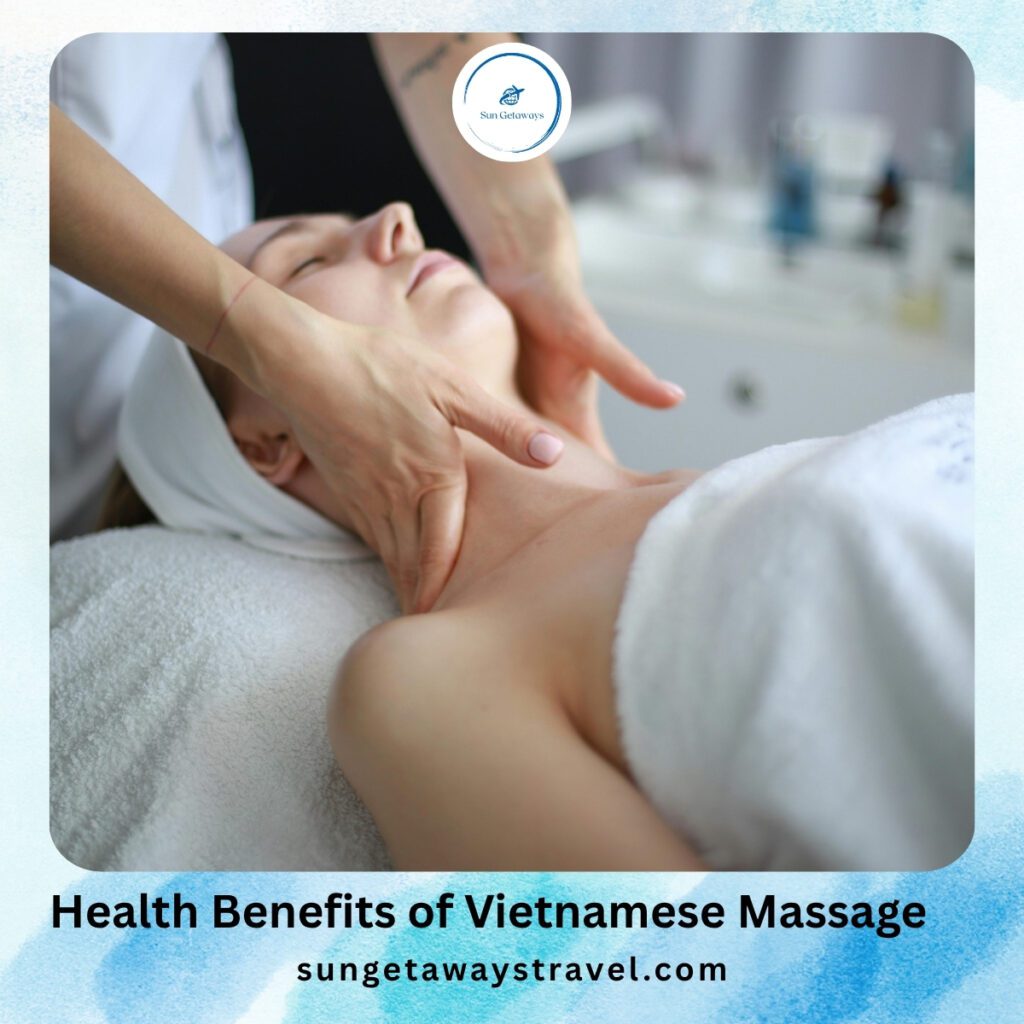
Beyond relaxation, this massage offers a range of health benefits. It improves circulation, supports better sleep, and relieves joint stiffness. Frequent travelers especially value it for reducing swelling in legs or soreness after long flights.
In northern Vietnam, especially in Sapa, visitors can also experience the Dao Red herbal bath, a traditional wellness treatment that complements Vietnamese massage. Using mountain herbs like cinnamon, lemongrass, and wild ginger, this herbal soak helps ease fatigue after trekking and offers a glimpse into local healing wisdom.
👉 Extend your relaxation journey and visit Sapa, where breathtaking terraced valleys meet traditional wellness rituals. Explore Sapa herbal baths and tours to reconnect body and nature in one of Vietnam’s most serene mountain retreats.
3. Thai Massage: Stretching for Energy and Flow
3.1. Philosophy Behind Thai Massage
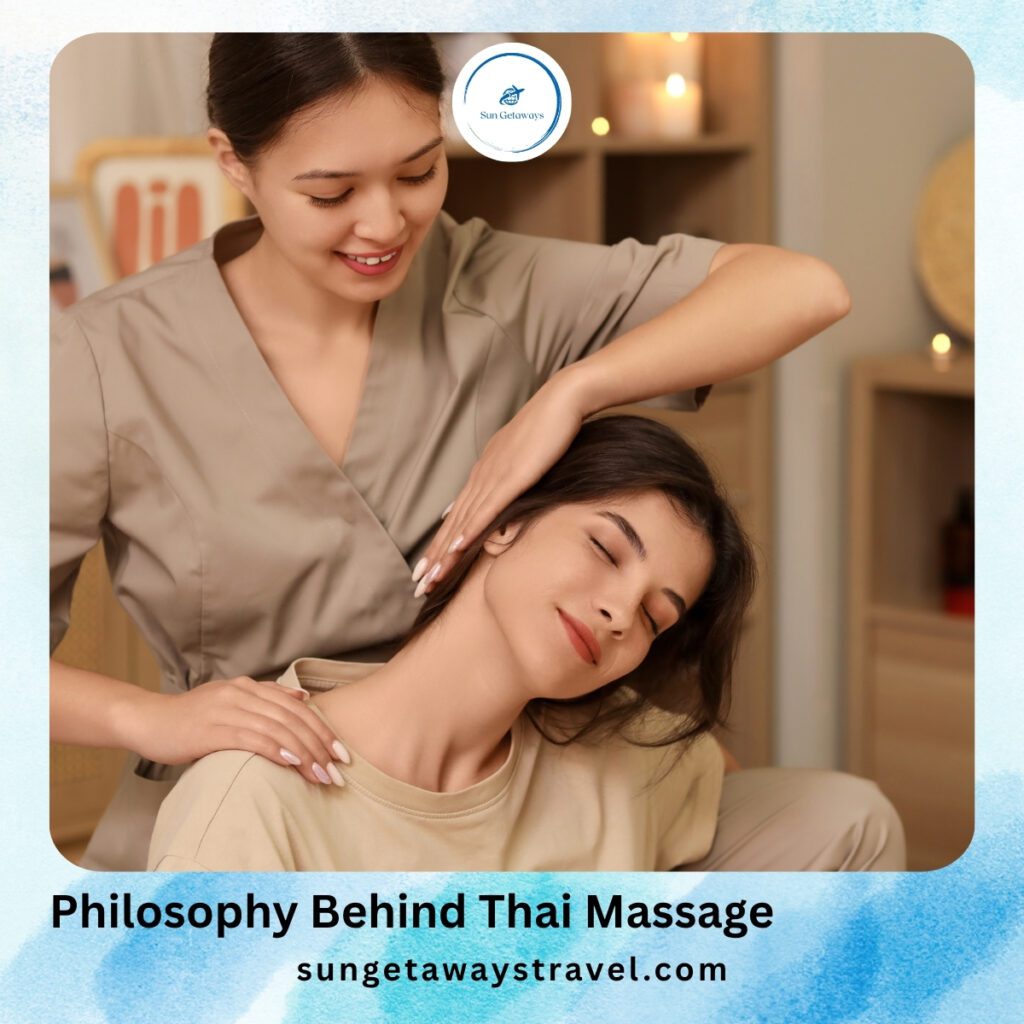
Thai massage, or “nuad thai,” is more than a physical treatment, it’s a moving meditation. Rooted in Buddhist philosophy, it combines compassion (“metta”) with mindful breathing. The therapist’s intention is not just to ease tension but to restore the natural energy rhythm of the body.
This approach connects Vietnamese massage vs Thai massage on a spiritual level: both aim to harmonize energy, yet Thai massage expresses it through motion and stretch rather than stillness.
3.2. Technique and Sensation
Unlike the oil – based Vietnamese style, Thai massage is performed fully clothed on a floor mat. Therapists use their hands, elbows, knees, and feet to press, pull, and stretch the body. The session may include movements that resemble yoga poses, all guided gently and rhythmically.
The sensations are dynamic: deep pressure alternates with slow rocking motions that awaken every muscle. By the end, you feel both relaxed and recharged. It’s common for travelers to describe Thai massage as “a workout that feels like rest.” It activates the body’s energy but also clears mental fog, leaving you grounded yet alert.
In Da Nang, several wellness centers and beachfront spas now offer authentic Thai massage experiences, allowing travelers to enjoy the art of stretching and relaxation right by the sea. After your session, you can continue your wellness journey by exploring Marble Mountains, My Khe Beach, or watching the Dragon Bridge light up at night, perfect ways to balance your body and mind while discovering the beauty of Vietnam’s central coast.
👉 If you’re planning a wellness – focused trip, check out our Da Nang travel guide for spa recommendations and nearby attractions.
3.3. Health Benefits of Thai Massage
Thai massage offers numerous health benefits beyond flexibility. It improves joint mobility, enhances posture, and promotes better digestion. Regular sessions help reduce stress hormones while increasing blood oxygenation.
Through this Asian massage comparison, Thai massage emerges as a therapy that energizes both body and mind. Its holistic nature makes it especially helpful for people with low energy, muscle stiffness, or sedentary lifestyles, a perfect reset for travelers or remote workers.
4. Differences Between Vietnamese and Thai Massage
| Aspect | Vietnamese Massage | Thai Massage |
| Technique | Gentle kneading, acupressure, oils | Stretching, deep pressure, no oils |
| Focus | Relaxation & muscle relief | Energy flow & flexibility |
| Philosophy | Healing through pressure points | Balancing body energy (“Sen”) |
| Experience | Calm, rhythmic, soothing | Active, dynamic, rejuvenating |
| Best For | Fatigue, muscle stiffness | Low energy, poor flexibility |
While both aim for balance, your preference may depend on how your body responds to touch. In Hanoi, some visitors explore areas like Bao Khanh Street or the so – called Red Street, known for its lively nightlife and abundance of small spas offering Vietnamese massage. Here, the atmosphere is more casual and local, with many shops providing traditional treatments using herbal oils.
In Bangkok or Chiang Mai, by contrast, you’ll find larger wellness centers focusing on Thai massage, where stretching and yoga – inspired movements dominate.
These differences between Vietnamese and Thai massage show how each destination expresses its own wellness culture, Vietnam’s cozy, neighborhood charm versus Thailand’s structured energy-based approach.
5. Which Massage Should You Try?
5.1. Reasons to choose Vietnamese Massage
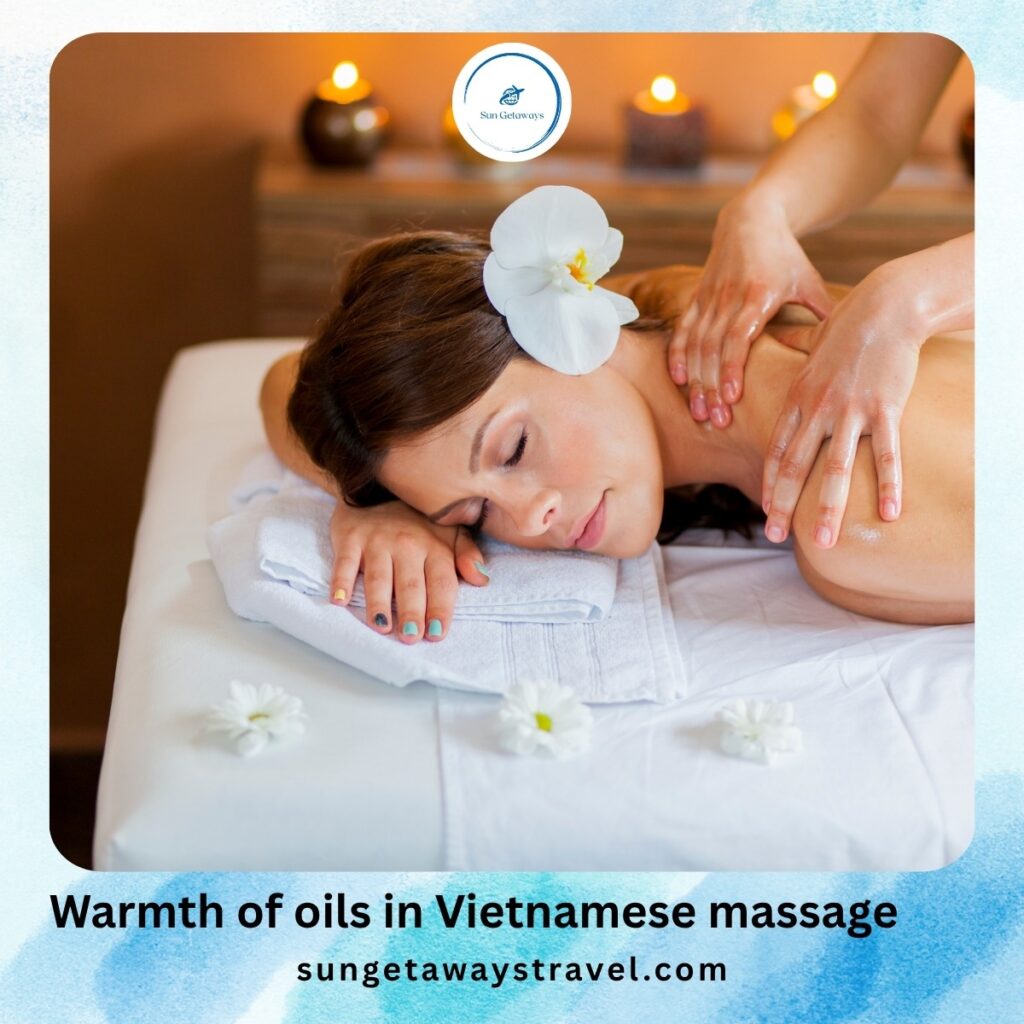
You seek gentle, nurturing therapy that eases tension and promotes calm. It’s ideal after a long flight or sightseeing day, when your body needs comfort rather than challenge. The warmth of oils and herbs adds to the sensory pleasure, making it a favorite among spa lovers and first – time massage goers.
5.2. Reasons to choose Thai Massage
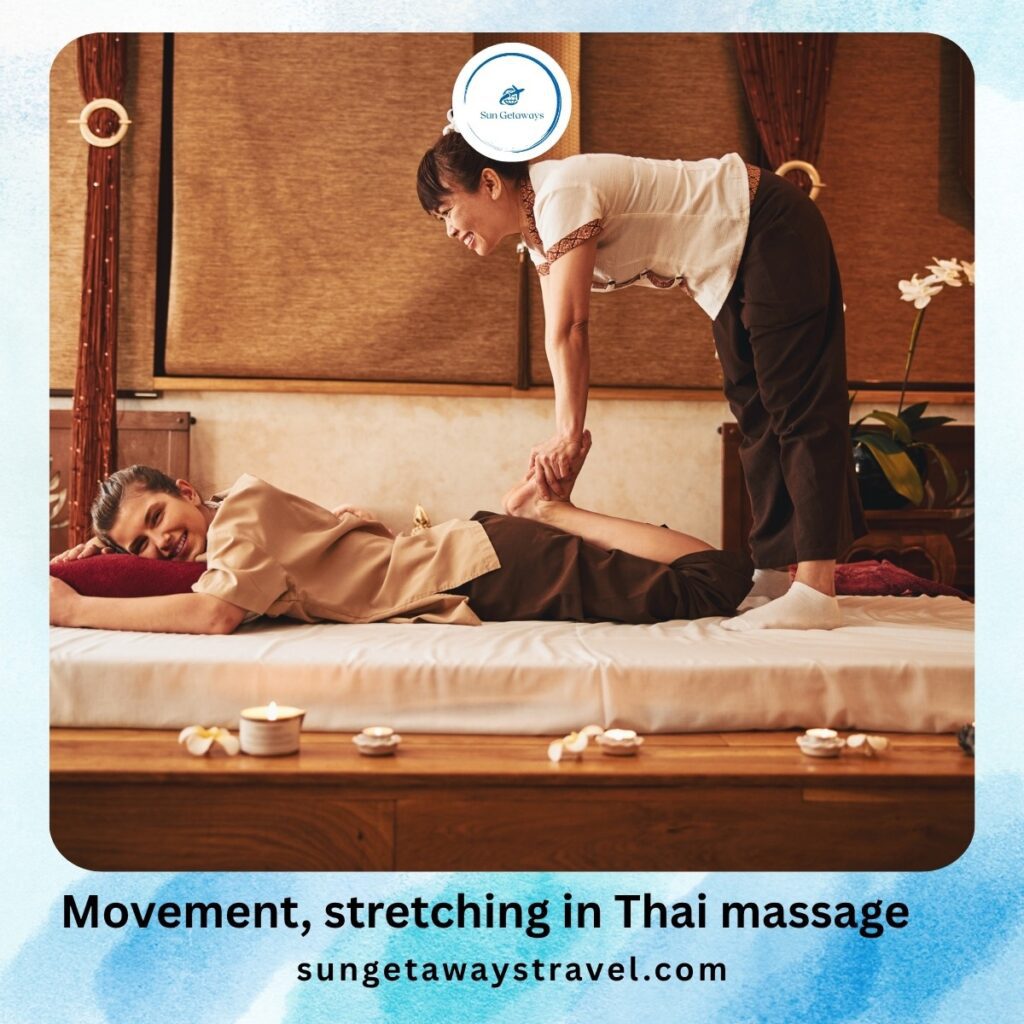
You want to awaken your body and spirit with an active Asian massage experience. Thai massage suits those who enjoy movement, stretching, and a feeling of deep energy renewal.
Whether you choose the restorative power of Vietnam’s tradition or the revitalizing rhythm of Thailand’s, both styles reflect the soul of Asian massage comparison, balance, health, and harmony.
👉If you need help to choose which kind of massage is suitable for you, feel free to reach out to us on WhatsApp for quick assistance.
5.3. Tips for First – Timers
Before choosing Vietnamese massage vs Thai massage, consider your goals and comfort level.
- For relaxation: Vietnamese massage with warm oils is perfect.
- For energy boost: Thai massage is ideal. Wear loose clothing for Thai sessions, and drink water afterward to help your body flush out toxins.
If you’re new to traditional massage styles Vietnam, start with a 60 – minute session before trying longer therapies.
6. Beyond Relaxation: The Cultural Experience
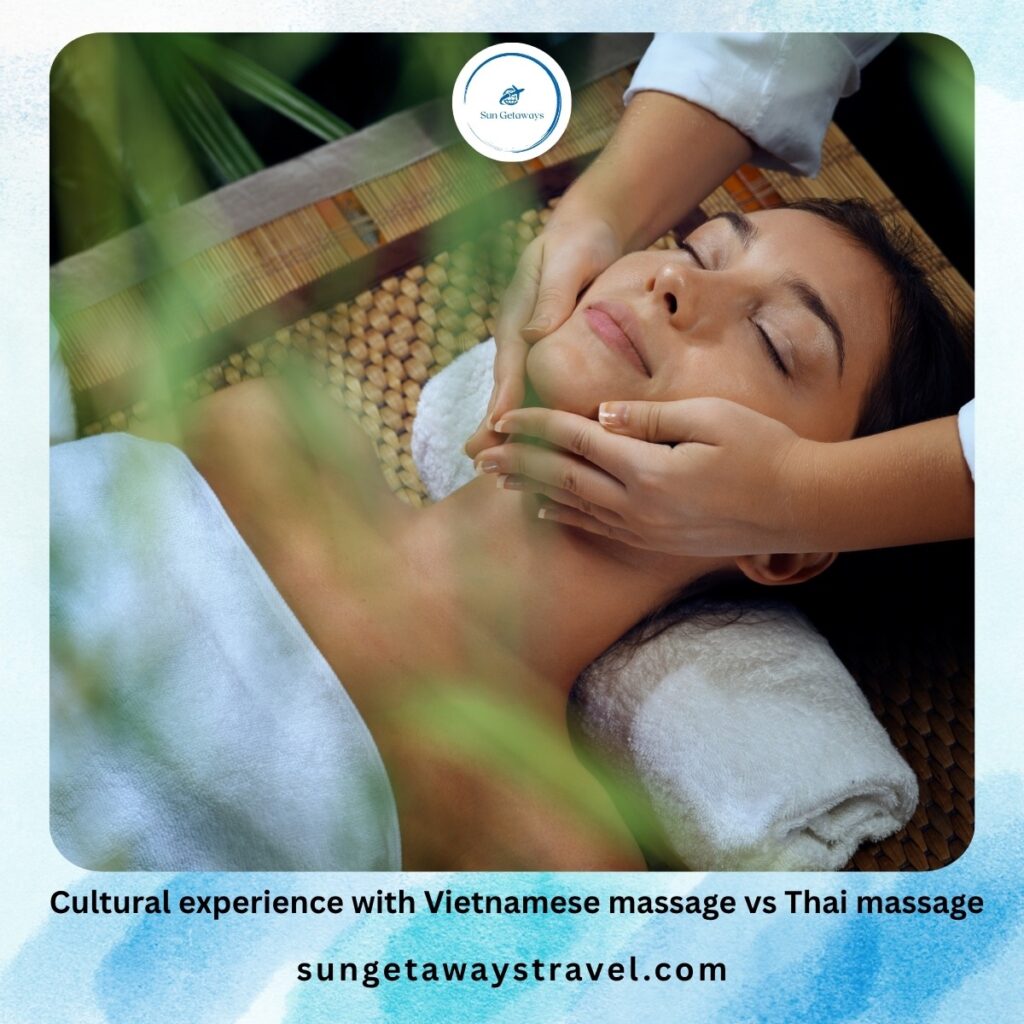
Massage in Asia isn’t just about wellness, it’s a window into cultural identity. Vietnamese spas often play soft traditional music and use herbs from local farms, creating a deeply immersive experience. In Thailand, massage is often linked to temples or meditation centers, where healing is treated as a form of spiritual practice.
Experiencing Vietnamese massage vs Thai massage is therefore not only relaxing but educational. You learn how each culture views health, touch, and energy, llessons that linger long after the session ends.
In Ho Chi Minh City, this connection between culture and wellness is especially vibrant. Many local spas in District 1 and Bui Vien Street blend traditional Vietnamese techniques with modern comfort. It’s the perfect place to experience traditional massage styles in Vietnam before exploring Saigon’s landmarks like the Notre – Dame Cathedral, Ben Thanh Market, or a sunset cruise along the Saigon River.
👉 Continue your journey with Top things to do in Ho Chi Minh City, featuring top spas, wellness spots, and cultural attractions to complete your Southeast Asian escape.
Conclusion
Whether you’re exploring Hanoi’s Old Quarter or Chiang Mai’s temples, experiencing Vietnamese massage vs Thai massage connects you to centuries of Asian wisdom. Each technique tells a story, one of calm rhythm and herbal warmth, the other of flow and flexibility. Trying both offers a complete Asian massage comparison, where you rediscover balance between stillness and movement.
👉 Continue your wellness adventure with Sun Getaways Travel, where our tours are designed to let you experience the essence of both massages — from Vietnam’s gentle herbal rituals to Thailand’s energizing temple traditions.


Related Tour

Mekong Experience: My Tho & Ben Tre


7 Reviews
Vietnam South To North 10 Days Tour
21 Reviews

Exploring Vietnam: 9 Days of Adventures
10 Reviews
Hanoi’s Street Food 3-Hour Guided Tour
25 Reviews
10-Day Serenity in Vietnam: Honeymoon Haven
10 Reviews
Ask a question
Leave a Comment (0)
No questions yet. Be the first to ask a question!
See related Posted
Luxury Golf Resorts in Vietnam – Elite Golf Travelers

Vietnam is increasingly recognized as a premier golf destination in Asia, therefore luxury golf…
Macrame in Vietnam: The Revival of Knot Art in Contemporary Craft Culture

Macrame in Vietnam reflects the country’s growing engagement with contemporary handmade culture, where global…
Vietnamese Musical Instrument Craft: Traditional Instrument Making in Vietnam

Vietnamese musical instrument craft reflects a long-standing relationship between sound, material, and cultural memory.…
Traditional Vietnamese Kite Art: History, Craftsmanship, and Cultural Meaning

Traditional Vietnamese kite art is a living expression of folk creativity, community values, and…
Vietnamese Folk Masks: Tradition, Symbolism & Cultural Meaning

Vietnamese folk masks are a distinctive form of traditional art that reflects the spiritual…
Vietnamese Embroidery Art: Traditional Craftsmanship & Cultural Meaning

Vietnamese embroidery art is a refined traditional craft that reflects patience, cultural memory, and…