How Vietnamese Coconut Candy Is Made: A Traditional Workshop Tour
Dan Vy
3 min. to read
Vietnamese coconut candy is a Mekong Delta heritage craft that prioritizes manual skill over machinery. A traditional workshop tour offers a rare look at this artisanal process and the cultural history behind every bite. This guide explains how coconut candy making in Vietnam, what to expect during a visit, and how to find an authentic experience.
Heritage Craft:Vietnamese coconut candy reflects the craftsmanship of the Mekong Delta, where family-run workshops thrive using multi-generational techniques.
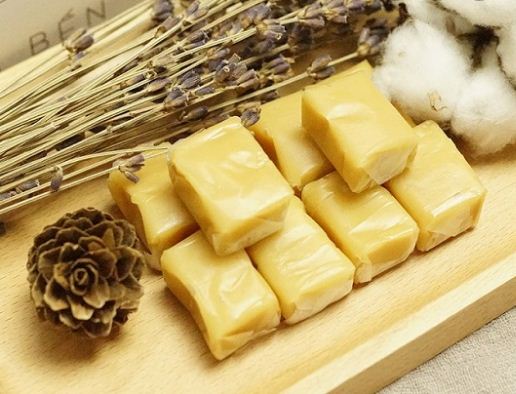
Unique Texture: The candy features a signature chewy texture, a high concentration of fresh coconut milk, and a distinctive edible rice paper wrapping.
Sensory Experience: Tours are interactive, allowing visitors to watch the cooking process, taste warm candy fresh from the pan, and meet local artisans.
Location Matters: While Bến Tre is the “Gold Standard,” other provinces like Trà Vinh and Vĩnh Long offer unique, less-crowded variations.
Why Vietnamese Coconut Candy Is So Closely Tied to the Mekong Delta
To understand Vietnamese coconut candy, you first need to understand Bến Tre coconut village—the coconut capital of Vietnam. With millions of coconut trees lining canals and rivers, the region has relied on coconut-based products for decades, from cooking oil to candy.
Why the Mekong Delta is the heart of coconut candy making in Vietnam:
🥥 Abundant coconut supply Fresh coconuts are harvested year-round, ensuring consistent quality and flavor.
🌊 River-based trade culture Small family workshops could easily distribute candy via boats long before road systems improved.
👨👩👧 Family-run craftsmanship Many workshops are multi-generational, passing down techniques rather than industrializing production.
🍬 Simple ingredients, refined technique Coconut milk, malt syrup, sugar, and rice paper—no artificial complexity, just skill.
Types of Vietnamese Coconut Candy You’ll See at Workshops
Workshops often showcase more variety than what you’ll find in city souvenir shops. During your coconut candy making in Vietnam tour, look for these popular flavors:
🌿 Pandan coconut candy – aromatic and lightly herbal
🍫 Cacao coconut candy – slightly bitter, less sweet
Seasonal experiments may include ginger or sesame, depending on local preferences. While exploring, you might also enjoy sampling other Mekong Delta tropical fruits available at these sites.
Vietnamese Coconut Candy Making: Step-by-Step Process
A workshop tour allows you to see how Vietnamese coconut candy is made using methods that have changed little over time. While some steps are now semi-mechanized, much of the process remains manual.
🥥 Step 1: Extracting Fresh Coconut Milk
Coconuts are cracked, grated, and pressed to extract thick coconut milk. This milk is the foundation of flavor, so workshops prioritize freshness over volume.
🔥 Step 2: Cooking the Coconut Mixture
Coconut milk is combined with sugar and malt syrup in large pans over open flames. Workers stir continuously for 1–2 hours to prevent burning and ensure even caramelization.
🌀 Step 3: Hand-Stirring and Texture Control
This stage defines quality. Experienced workers judge readiness by color, viscosity, and resistance when lifted—skills learned through years of practice.
📏 Step 4: Pouring and Flattening
Once ready, the mixture is poured onto flat trays and evenly spread before cooling slightly.
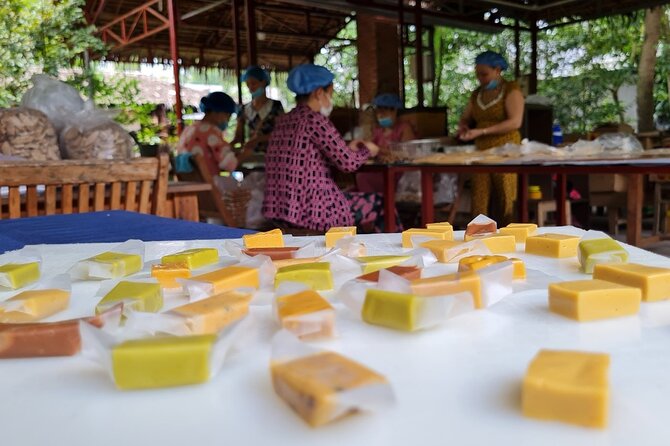
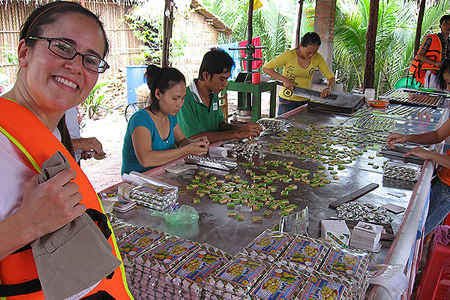
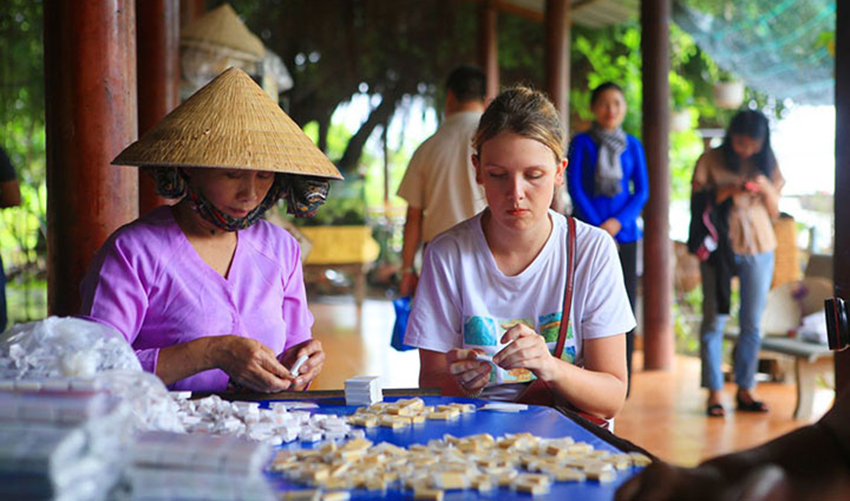
✂️ Step 5: Cutting and Wrapping
Once cut, each piece is wrapped in a thin, translucent layer of edible rice paper. This prevents the candy from sticking to the outer paper and is a signature mark of quality.
What You’ll Experience on a Traditional Coconut Candy Workshop Tour
Rather than being a passive factory visit, a Vietnamese coconut candy workshop tour is an interactive, sensory, and educational journey. In fact, it serves as a deep dive into the heart of Vietnam’s legendary ‘Coconuts Kingdom’.
Typical highlights include:
👀 Live Fire Cooking: Watch as thick coconut cream and malt syrup are simmered in large open woks over stoves fueled by—fittingly—dried coconut shells.
🥄 Fresh-from-the-Pan Tasting: There is nothing quite like sampling warm Vietnamese coconut candy before it hardens. The texture is incredibly soft and the flavor is at its peak.
🤲 Hands-on Interaction: Try your hand at simple tasks like cutting the cooled candy strips or the delicate art of wrapping the pieces in edible rice paper.
🗣 Family Heritage: Most authentic workshops are multi-generational. You’ll learn the family stories and secret ratios of ingredients (like durian, pandan, or ginger) that set their candy apart.
Most visits last 30–60 minutes, making them a perfect, low-stress addition to any Mekong Delta itinerary.
👉 If you want to visit a genuine, family-run workshop rather than a tourist-only stop, Sun Getaways Travel can arrange curated Mekong tours that include authentic coconut candy making in Vietnam.
Pro-Tips: How to Identify Authentic Coconut Candy Making in Vietnam
Not all workshops are created equal. As the Mekong Delta becomes more popular, some spots have become “tourist displays” rather than working kitchens. Use these tips to find the real deal:
Look for these Signs of Authenticity
Red Flags to Avoid
✅ Active Production: Candy is being cooked and stirred on-site in real-time.
❌ Pre-packaged Focus: Only displays of pre-boxed candy with no cooking in sight.
✅ Traditional Fuel: Stoves are fed with coconut husks, not modern gas burners.
❌ Aggressive Sales: Pressure to buy large quantities before you’ve seen the process.
✅ Raw Ingredients: You can see fresh coconuts being shredded and pressed for milk.
❌ High Modernization: Over-reliance on industrial machinery (takes away the charm).
✅ Edible Rice Paper: Authentic candy is wrapped in a thin, translucent layer of rice paper to prevent sticking.
❌ Excessive Plastic: Over-use of plastic wrapping without the traditional inner rice paper layer.
How to Store and Bring Your Candy Home
If you’re purchasing Vietnamese coconut candy as a gift, follow these Mekong Delta travel tips for storage:
Temperature: Keep the candy in a cool, dry place. Extreme heat can make the edible rice paper stickier.
Shelf Life: Authentic, preservative-free candy usually stays fresh for 6 months.
Flight-Friendly: These candies are sturdy and don’t crush easily, making them one of the best “suitcase-friendly” souvenirs from the Mekong Delta.
Best Places to See Coconut Candy Making in Vietnam
While Ben Tre is the most famous, other Mekong provinces also host workshops.
Location
Experience Level
Best For…
Bến Tre
⭐⭐⭐⭐⭐ (The Gold Standard)
First-time visitors and “Coconut Kingdom” immersion.
Trà Vinh
⭐⭐⭐⭐ (Authentic & Quiet)
Those looking for fewer crowds and Khmer pagodas fusion.
First and foremost, Bến Tre remains the top choice for those wanting a focused and immersive Vietnamese coconut candy experience. In addition, to find the specific Mekong Delta hidden gems workshops in these areas, Sun Getaways Travel can provide the local insights you need.
Combining Coconut Candy Workshops With Mekong Delta Tours
In fact, coconut candy making in Vietnam fits naturally into a broader Mekong itinerary.
Suggested pairing:
🚤 Motorized & Hand-Rowed Boat Ride: Navigate the narrow, coconut-shaded canals to reach the village.
🏡 Authentic Homestay Lunch: Enjoy “Elephant Ear Fish” with a local family before heading to the workshop.
🍬 Coconut Candy Workshop Visit: Spend time learning the craft at various Mekong craft villages.
🚲 Village Cycling: Burn off the sugar by cycling through quiet paths lined with—you guessed it—coconut trees.
💡 Valuable Travel Insight: If you visit during the late afternoon, you can often see the local farmers gathering the coconuts, a glimpse into the real life along rivers in Vietnam.
Recommended Tours by Sun Getaways Travel:
Explore the Best of South Vietnam: A 4-day guided tour that deep-dives into the heritage of the South, including Bến Tre’s famous workshops.
“Many travelers view these workshops as just a ‘shopping stop,’ but it’s actually a window into how traditional skills survive in a modern economy,” says Emma, a travel consultant with 12 years of experience. “To get the most value, ask the artisans about their secret ratios—some families have used the same malt-to-milk ratio for three generations!”
FAQs about Vietnamese Coconut Candy
1. What is Vietnamese coconut candy made from? Primarily coconut milk, sugar, malt syrup, and edible rice paper.
2. Where is coconut candy making in Vietnam most popular? Ben Tre Province in the Mekong Delta.
3. Can visitors participate in the candy-making process? Yes, most workshops allow light participation like wrapping or tasting.
4. Is Vietnamese coconut candy vegetarian? Yes, it’s plant-based and suitable for vegetarians.
5. How long does a workshop visit usually last? Around 30–60 minutes.
For travelers interested in culture, food heritage, and human stories, absolutely. The experience is short but meaningful, offering insight into how traditional skills survive in a modernizing economy. Vietnamese coconut candy becomes far more than a snack once you’ve seen the labor and care behind each piece.
👉 Ready to taste the real Mekong?Contact Sun Getaways Travel to book your authentic coconut candy making in Vietnam tour today!





 Dan Vy
  3 min. to read