






Vietnamese Banh Bao: A Complete Travel Guide for Foreigners
 HoangAn
  3 min. to read
 Have you ever felt overwhelmed choosing local food in Vietnam and wondered which Vietnamese dumplings are safe, filling, and easy to try first? Vietnamese dumplings appear everywhere, but Vietnamese Banh Bao stands out as the most traveler-friendly option thanks to its soft texture and familiar flavors.
Key Takeaways
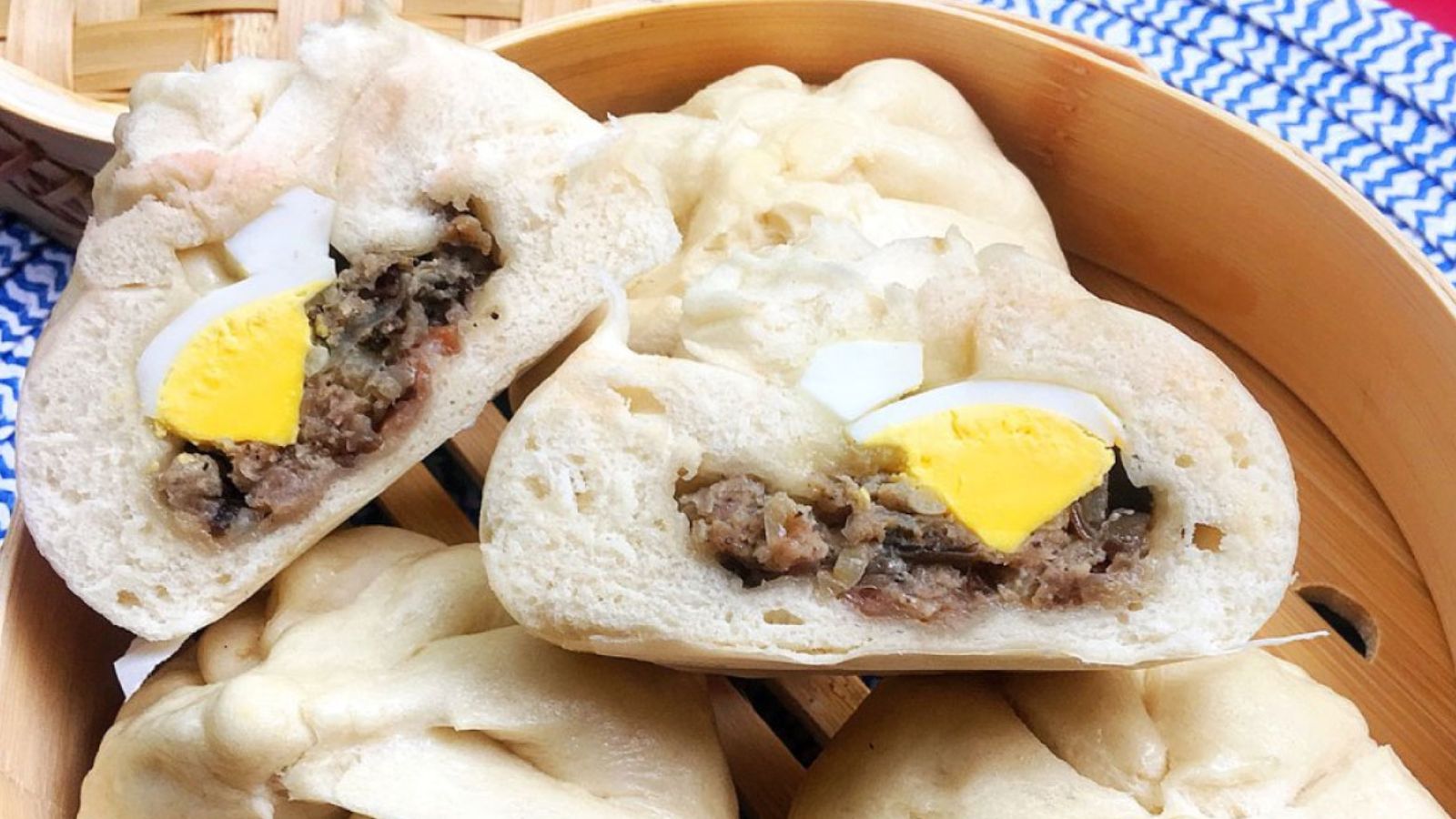
- Vietnamese Banh Bao is a popular dumpling made of fluffy wheat flour dough filled with pork, mushrooms, and a boiled egg, reflecting daily life in Vietnam.
- Banh Bao is affordable, usually costing between 1 and 2 USD, and comes in various styles like vegetarian, fried, and premium options.
- Travelers can find authentic Banh Bao at street stalls in Ha Noi and Ho Chi Minh City, particularly in the morning when they are freshly steamed.
- Several tips for first-time travelers include choosing busy stalls, eating hot buns, and asking about the filling for a better experience.
- Banh Bao provides a comforting taste of local culture, making it a must-try for anyone exploring Vietnamese cuisine.

1. What Are Vietnamese Dumplings and Why Banh Bao Is So Popular
Vietnamese dumplings refer to stuffed dough dishes enjoyed across the country, but Vietnamese Banh Bao is the most recognizable and widely loved version. It is a steamed bun with a soft, fluffy exterior and a savory filling inside.
Beyond taste, Vietnamese Banh Bao reflects daily life in Vietnam. Students grab it before class, office workers eat it for breakfast, and night vendors sell it to late-night diners. Because of this, many travelers first discover Vietnamese dumplings through Banh Bao while exploring Ha Noi street food tour routes or walking through Ho Chi Minh street food areas.
2. Key Ingredients That Shape Vietnamese Banh Bao Flavor
Vietnamese Banh Bao relies on balanced ingredients rather than strong spices. This makes it approachable for international visitors.
- Wheat flour dough
The dough is light, airy, and slightly sweet. It rises naturally during steaming, creating a fluffy texture that feels soft even when eaten on the go. - Ground pork or minced pork
Pork forms the base of most Vietnamese Banh Bao fillings. Vendors often mix lean meat with a small amount of fat to keep the filling moist. - Wood ear mushrooms
These mushrooms add crunch and absorb seasoning well. They also prevent the filling from feeling too heavy. - Glass noodles
Glass noodles help hold moisture and balance the meat texture. They make the filling lighter and easier to digest. - Boiled chicken egg or quail egg
The egg sits in the center and symbolizes fullness. It also adds richness to each bite. - Seasoning blend
Salt, pepper, fish sauce, and shallots bring mild but deep flavor without overpowering the dough.
This ingredient harmony explains why the dish feel comforting and familiar, even for first-time visitors.

3. How Vietnamese Banh Bao Is Traditionally Made
The dish follows a careful process that focuses on softness, balance, and freshness. Each step plays an important role in creating the light dough and juicy filling that travelers enjoy.
Step 1: Mixing and Resting the Dough
The cook mixes wheat flour, yeast, sugar, and warm water until the dough becomes smooth. Then the dough rests for several hours so it can ferment naturally and develop a fluffy texture. This step helps Vietnamese dumplings like Banh Bao stay light and soft after steaming.
Step 2: Preparing the Filling
Minced pork, wood ear mushrooms, glass noodles, and seasoning are mixed gently by hand. A boiled chicken egg or quail egg is prepared separately and added later. This method keeps the filling juicy without overpowering the dough.
Step 3: Shaping the Buns
The dough is divided into equal portions and flattened slightly. The filling and egg are placed in the center, and the dough is sealed carefully. Proper shaping helps the bun rise evenly during steaming.
Step 4: Steaming the Banh Bao
The buns are steamed over medium heat for about 15 to 20 minutes. The heat must stay stable so the dough does not collapse or dry out. Experienced vendors rely on timing and visual cues rather than strict measurements.
Step 5: Serving Fresh and Hot
This dish tastes best when served immediately after steaming. Fresh buns have a soft skin and a warm, flavorful filling. This is why locals often buy Banh Bao early in the day from busy street stalls.

4. Popular Types of Vietnamese Banh Bao
This dish comes in many variations, allowing travelers to choose based on taste and texture preferences.
- Classic Pork Vietnamese Banh Bao
This is the most common type. It includes pork, mushrooms, glass noodles, and a boiled egg. This version suits first-time travelers because the flavor is mild and familiar. - Char Siu Vietnamese Banh Bao (Banh Bao Xa Xiu)
This version features sweet roasted pork with a slightly caramelized taste. The filling feels juicier and sweeter, making it popular among those who enjoy richer flavors. - Fried Vietnamese Banh Bao
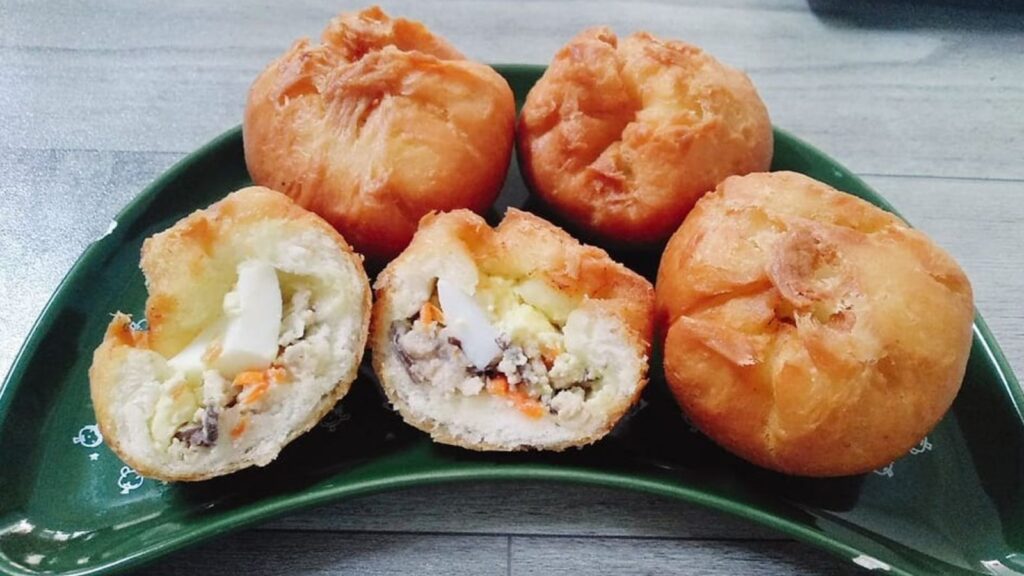
Instead of steaming, vendors deep-fry the bun until golden. The outside becomes crispy while the inside stays soft. This version often appears at night markets. - Mini Vietnamese Banh Bao
These smaller buns work well as snacks rather than meals. Vendors often sell them in sets, making them ideal for sharing. - Vegetarian Vietnamese Banh Bao
This version replaces meat with mushrooms, tofu, or vegetables. It suits vegetarian travelers and often tastes lighter. - Premium Vietnamese Banh Bao
Some modern shops add sausage, salted egg yolk, or extra meat. These buns are larger and more filling, often priced higher.
| Banh Bao Type | Texture | Flavor Profile | Best Time to Eat |
|---|---|---|---|
| Classic Pork | Soft, fluffy | Mild, savory | Breakfast |
| Char Siu | Soft | Sweet, rich | Lunch |
| Fried Banh Bao | Crispy outside | Savory | Evening |
| Mini Banh Bao | Soft | Light | Snack |
| Vegetarian | Soft | Mild, earthy | Any time |
| Premium | Very filling | Rich | Main meal |
5. Where to Try Authentic Vietnamese Banh Bao in Vietnam
Finding good Vietnamese Banh Bao depends on timing, location, and vendor experience.
- Ha Noi Old Quarter
Early morning stalls near schools and markets sell fresh buns. These areas work well for travelers joining a Ha Noi street food tour. - Ho Chi Minh City
Street vendors operate all day, especially near offices and bus stops. This fits well into Ho Chi Minh street food exploration. - Da Nang local markets
Vendors here often sell both steamed and fried options. This city pairs well with a central Vietnam tour. - Mekong Delta towns
Smaller towns offer homemade-style buns with softer dough and lighter seasoning. This experience fits well into a southern Vietnam journey.

For travelers who want guidance, a Vietnam Local Food Tour helps you avoid tourist traps and discover trusted local vendors. Contact us today for more information!
6. How Much Does Vietnamese Banh Bao Cost?
Basic Vietnamese Banh Bao usually costs between 1 and 2 USD. Premium or large versions range from 2 to 3 USD. Fried or specialty buns may cost slightly more in tourist areas. Compared to international street food, this dish offers excellent value, especially during long itineraries like a Vietnam Classic Tour.
7. Practical Tips for First-Time Travelers Trying Vietnamese Banh Bao
Trying Vietnamese dumplings is easy, but following local habits helps you enjoy Vietnamese Banh Bao safely and confidently.
- Choose stalls with steady local customers
Busy stalls usually sell fresher buns with better hygiene. Locals know which vendors steam their Banh Bao multiple times a day. - Eat the dish while it is still hot
Freshly steamed cake has softer dough and better flavor. Avoid buns that feel cold or have been reheated many times. - Ask about the filling before buying
Some options includes sausage, salted egg yolk, or sweet char siu pork. A quick question helps you choose the right version. - Buy it in the morning or early afternoon
This is when vendors usually steam new batches. Late-night buns may sit longer and lose freshness. - Carry small cash and pay quickly
Most street vendors do not accept cards. Having small bills speeds up the process and feels more natural. - Pair the dish with local drinks
Soy milk, iced tea, or warm tea balances the richness of the filling and makes the meal lighter. - Do not overeat at once
Vietnamese Banh Bao is filling. One bun is usually enough, especially if you plan to try other foods on a food tour.
Expert tip:
“I always advise first-time visitors to start with classic steamed Vietnamese Banh Bao from busy morning stalls, as these are usually the freshest and easiest to digest,”
Mrs. Emma Nguyen – Tour Operator Manager with over 12 years of experience at Sun Getaways Travel
8. FAQs about Vietnamese Dumplings
No, it can be steamed or fried depending on the vendor.
Yes, locals often eat it in the morning because it is filling.
Yes, many vendors offer vegetarian options.
Most versions are savory with mild seasoning.
Yes, if the buns are fresh and the stall is busy.
9. Conclusion
Vietnamese dumplings become truly memorable through Vietnamese Banh Bao, a simple dish that reflects daily life across Vietnam. Its soft dough, balanced filling, and affordable price make it ideal for travelers exploring the country for the first time.
If you want to experience this dish in the most authentic way, let Sun Getaways Travel design a food-focused journey tailored to your pace and taste. Contact us today and start your Vietnam adventure with confidence and local insight.


Related Tour

Discover the Secrets of Cu Chi Tunnels on a Half-Day Tour


10 Reviews

13 Days Vietnam Beauty from North to South
19 Reviews

Vietnam Trip from Ho Chi Minh to Hanoi 12 Days
20 Reviews

Honeymoon Bliss in Vietnam 16 days
21 Reviews

Ask a question
Leave a Comment (0)
No questions yet. Be the first to ask a question!
See related Posted
Luxury Golf Resorts in Vietnam – Elite Golf Travelers

Vietnam is increasingly recognized as a premier golf destination in Asia, therefore luxury golf…
Macrame in Vietnam: The Revival of Knot Art in Contemporary Craft Culture

Macrame in Vietnam reflects the country’s growing engagement with contemporary handmade culture, where global…
Vietnamese Musical Instrument Craft: Traditional Instrument Making in Vietnam

Vietnamese musical instrument craft reflects a long-standing relationship between sound, material, and cultural memory.…
Traditional Vietnamese Kite Art: History, Craftsmanship, and Cultural Meaning

Traditional Vietnamese kite art is a living expression of folk creativity, community values, and…
Vietnamese Folk Masks: Tradition, Symbolism & Cultural Meaning

Vietnamese folk masks are a distinctive form of traditional art that reflects the spiritual…
Vietnamese Embroidery Art: Traditional Craftsmanship & Cultural Meaning

Vietnamese embroidery art is a refined traditional craft that reflects patience, cultural memory, and…