








Vietnamese Address Format (2025): How to Read and Understand Addresses in Vietnam
 Dan Vy
  3 min. to read
 Navigating addresses in Vietnam can be challenging, but understanding the Vietnamese Address Format is crucial for travelers and businesses alike. With new structural changes introduced in mid-2025, the format you know is changing. This concise guide breaks down the updated system, explains the differences, and provides essential tips for accurately using the Vietnamese Address Format in 2026.
1. Why Did the Address Format Change in 2025?
On July 1, 2025, Vietnam implemented a historic administrative reform. The country officially abolished districts (quận/huyện), consolidating governance into larger provincial and city units. This was part of a broader effort to simplify administration, reduce bureaucracy, and create a more efficient system of governance.
For decades, Vietnamese addresses included a district name. Removing this layer of administration means that addresses are shorter but also different, requiring adjustment from both locals and international visitors.
For travelers navigating Vietnam’s vibrant cities and rural areas, this change can feel confusing. If you want someone to ensure your bookings, transfers, and hotel addresses are accurate under the new system, Sun Getaways Travel is here to assist with reliable on-the-ground expertise.
2. The Old Format vs. the New Format
Before July 2025: Classic Vietnamese Address Structure
Traditionally, an address in Vietnam was written from the most specific detail to the broadest location. The format was:
[House Number] [Street Name], [Ward/Commune], [District], [City/Province], Vietnam
Example (pre-2025):45 Nguyen Hue, Phuong Ben Nghe, Quan 1, Thanh pho Ho Chi Minh, Vietnam
Here, “Quan 1” refers to District 1, an iconic downtown area of Ho Chi Minh City.
After July 2025: The New Vietnamese Address Format (2025)
With districts removed, the structure is now:
[House Number] [Street Name], [Ward/Commune], [City/Province], [Postal Code], Vietnam
Example (2025 onward):45 Nguyen Hue, Phuong Ben Nghe, Thanh pho Ho Chi Minh, 700000, Vietnam
Notice the difference: there is no district line, and the postal code becomes more important for precise delivery and identification.
3. Key Elements of the Vietnamese Address Format (2025)
Understanding each component is essential for writing and reading addresses correctly.
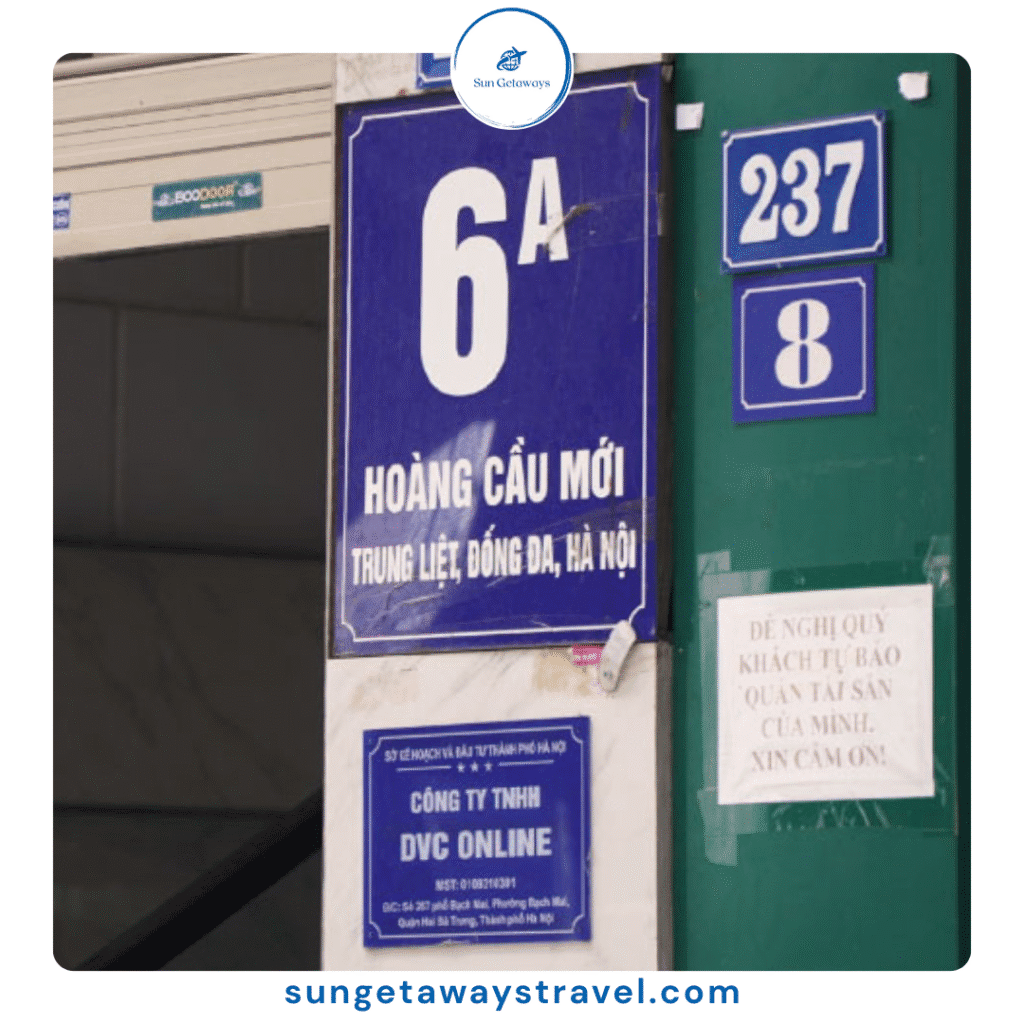
1. House or Building Number
- Appears first.
- May include additional letters or slashes (e.g., 12A, 45/7B).
- Crucial in dense urban neighborhoods where multiple small alleys exist.
2. Street Name
- Comes directly after the number.
- Many Vietnamese streets are named after historical figures, dates, or cultural references.
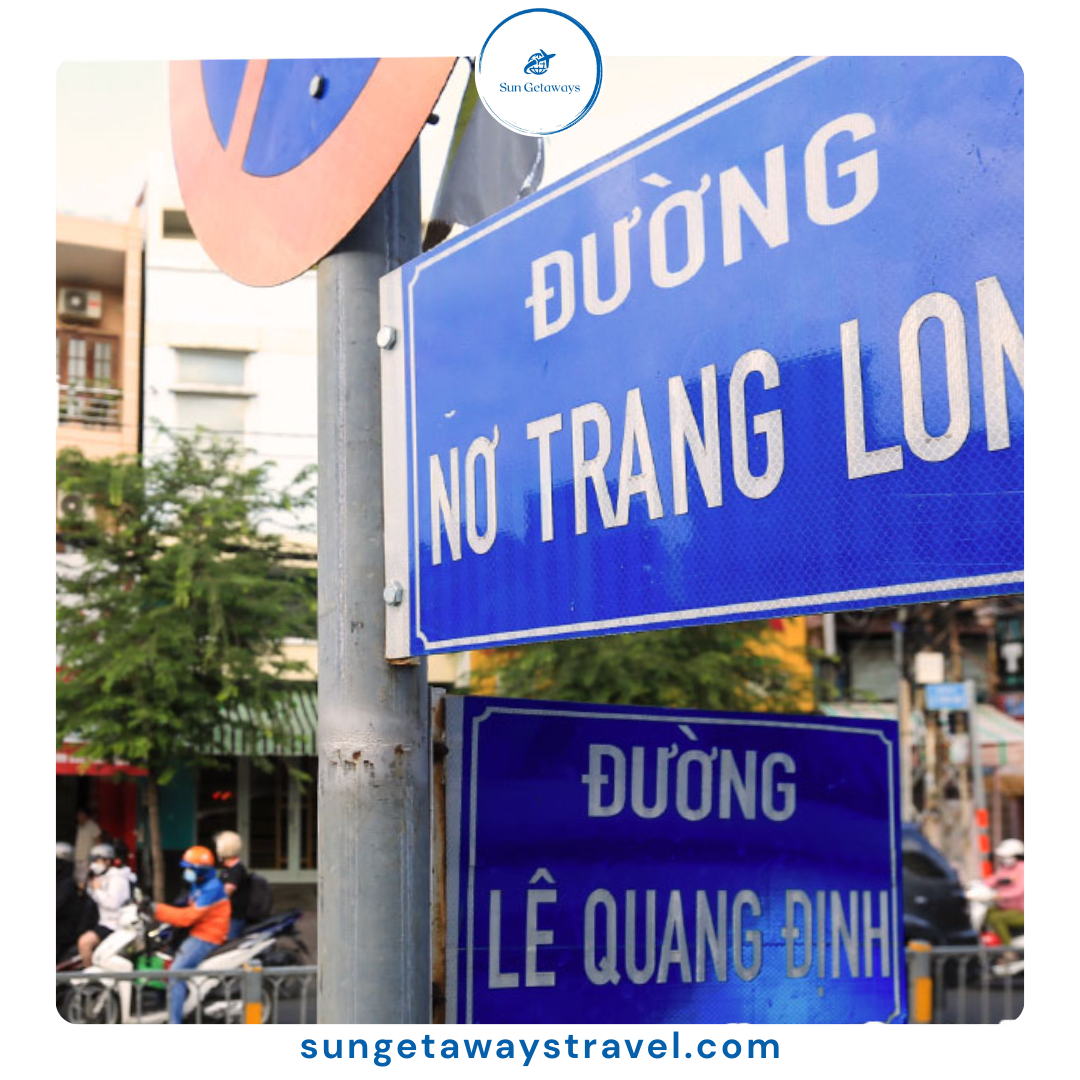
- Abbreviations (St. → “Đ.” for “Đường”) may appear locally.
3. Ward/Commune (Phường/Xã)
- Still an important subdivision.
- Used to identify neighborhoods or small towns.
- Written as “Phuong” (ward) or “Xa” (commune) in Vietnamese phrases.
4. City/Province
- Now directly follows the ward/commune.
- Vietnam currently has fewer administrative provinces due to Vietnam provincial merger in 2025.
- Always confirm the official name since some provinces were renamed.
5. Postal Code
- Now plays a critical role in ensuring accuracy.
- Always include the Vietnamese postal code if you are sending mail, packages, or filling out official forms.
6. Country
- Written as “Vietnam” in international mail or forms.
4. How to Read an Address in Vietnam (2025)
Reading Vietnamese addresses requires starting from the smallest detail and working outward:
- House/building number – locates the exact property.
- Street name – places it on the city’s map.
- Ward/Commune – identifies the neighborhood.
- City/Province – gives the broader regional context.
- Postal code – ensures delivery and official recognition.
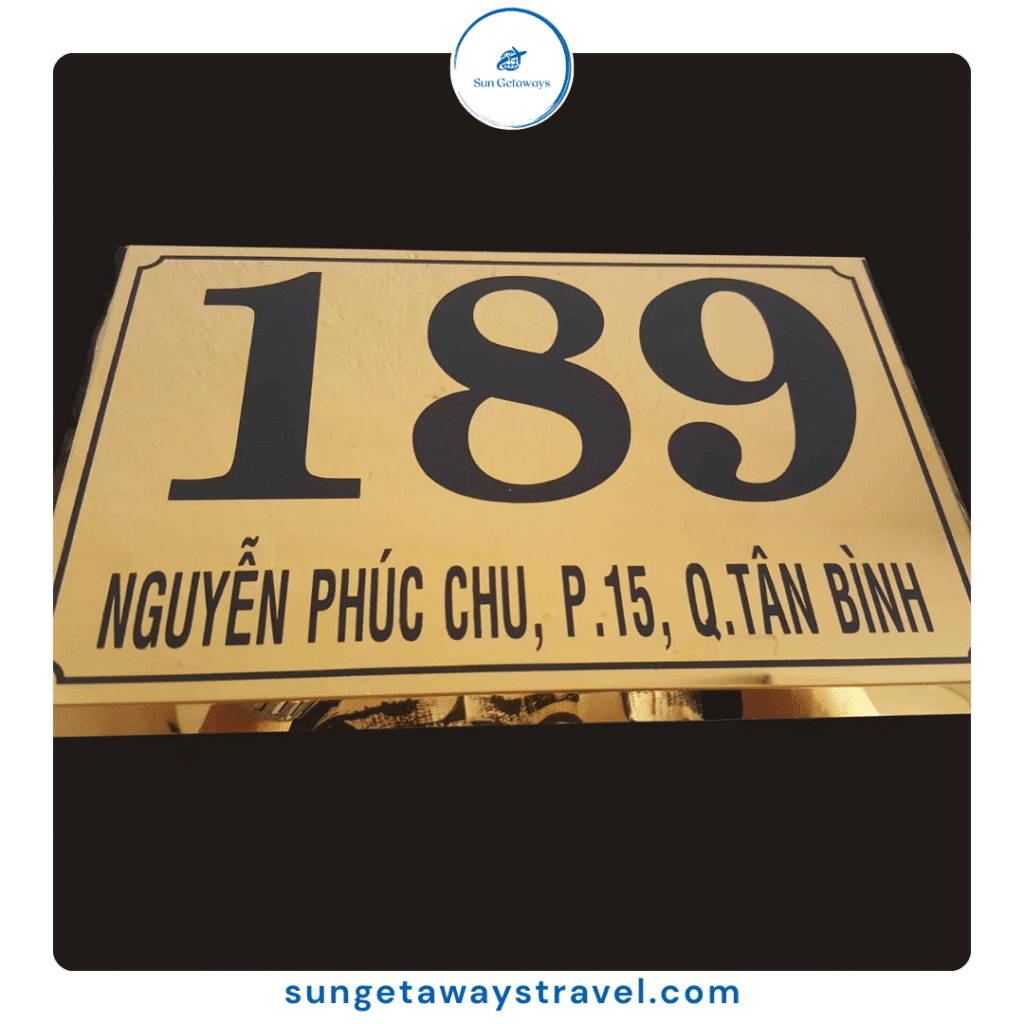
❗️Tip: Some locals still refer to the old district names in conversation. For instance, people in Ho Chi Minh City may continue to say “District 1” or “District 3.” While useful informally, these terms are no longer valid in official documents.
5. Vietnamese Address Format (2025): Key Changes and Examples
This section clearly illustrates the new structure of the Vietnamese Address Format and how it differs from the old system, particularly with the removal of the district name in formal addresses.
Practical Address Examples (Old vs. New)
| Location | Old Format (Pre-2025) | New Format (2025) | Key Change |
| Ho Chi Minh City | 12A Dang Thai Mai, Phuong 7, Quan 3, Ho Chi Minh City, Vietnam | 12A Dang Thai Mai, Phuong 7, Ho Chi Minh City, 700000, Vietnam | District (Quận) removed; Postal Code added. |
| Hanoi | 89 Tran Hung Dao, Phuong Cua Nam, Quan Hoan Kiem, Ha Noi, Vietnam | 89 Tran Hung Dao, Phuong Cua Nam, Ha Noi, 100000, Vietnam | District (Quận) removed; Postal Code added. |
| Rural Province | Thon 3, Xa Tan Hoa, Huyen Buon Don, Dak Lak, Vietnam | Thon 3, Xa Tan Hoa, Dak Lak, 630000, Vietnam | District (Huyện) removed; Postal Code added. |
Quick Checklist for a Correct Address (2025)
Always follow this sequence for the official Vietnamese Address Format:
- House/Building Number and Street Name
- Ward/Commune (Phường/Xã)
- City/Province (Use the updated official name)
- Vietnamese Postal Code (Crucial for the new system when sending letters, parcels, goods, especially when shopping online or receiving goods from abroad)
- Vietnam (Country)
- Optional: Phone number or landmark for clarification.
6. Essential Tips for Travelers: Mastering the Vietnamese Address Format
Understanding the theoretical format is one thing; using it practically requires adapting to current software limitations and local habits.
Best Practices for Booking and Navigation
- Avoid the District Name (If Possible): In all booking forms and formal paperwork, prioritize the street, ward, city, and Vietnamese postal code. This aligns with the new Vietnamese Address Format.
- The Power of Digital: When using ride-sharing apps or meeting drivers, always share both the written address and a Google Maps link (or screenshot). This dual method significantly reduces errors caused by language barriers or legacy habits.
- The Landmark Advantage: For quick confirmation with drivers, be prepared to mention a nearby major landmark (e.g., “near Ben Thanh Market“). Navigating a city like Hanoi can be made easier with key landmarks. Explore Hanoi’s nightlife and you’ll quickly learn the major street names.
- Seamless Logistics: If you want a stress-free trip, consider using a local travel agent like Sun Getaways Travel. They handle address verification and pickup coordination, ensuring zero confusion during your Vietnam adventures.

Handling Digital Forms and Common Challenges
- Mandatory “District” Field: A common challenge on international booking sites is the mandatory “District” field. When this occurs, simply enter the Ward/Commune name or N/A (Not Applicable). The system will rely on the accurate street name and Vietnamese postal code.
- Use Phone Numbers: Always provide a working local phone number (or your hotel’s number) when ordering deliveries or services for quick confirmation. Having a local SIM card is essential for this.
- Language Nuances: Be mindful of Vietnamese language transliteration (Đường is often written as Duong). If an address seems incorrect, cross-reference it with the official Vietnamese postal code.
- Keep the Checklist Handy: Always save your destination’s address in the correct 2025 format (Street → Ward → City → Postal Code) to ensure clarity.
7. Final Thoughts
The Vietnamese address format (2025) marks a significant modernization step, aligning Vietnam’s system with simplified global practices. While it removes a layer of complexity, the transition can cause confusion if you don’t stay updated.
For everyday travelers and businesses alike, the best way to avoid mistakes is to:
- Drop district names,
- Always use Vietnamese postal code,
- Verify province/city names,
- Provide contact details.
If you’re planning to explore Vietnam but don’t want to get lost in translation — literally — Sun Getaways Travel is here to help. We’ll take care of logistics, confirm addresses with local providers, and ensure your journey is smooth from start to finish.

8. FAQs: Vietnamese Address Format 2025
Here are the most important questions travelers have about the new Vietnamese Address Format in 2025:
- What is the single biggest change in the 2025 format?
The biggest change is the official removal of the District (Quận/Huyện) name from the address line. Addresses now move directly from the Ward (Phường/Xã) to the City/Province, making the Postal Code essential for accuracy. - Do locals still use the old “District” names?
Yes, informally. Locals often still use “District 1” or “District 3” in casual conversation or for general navigation. However, for official bookings, mail, or government forms, you must use the new format without the district name. - Why is the Postal Code so important now?
Since the District line was removed, the Postal Code (e.g., 700000 for HCMC) is the key identifier that ensures mail and packages are routed correctly and confirms the exact location for booking systems. - How should I handle “District” fields on international booking sites?
If the field is mandatory, enter the Ward/Commune name or simply write N/A (Not Applicable). Always prioritize entering the correct Street, City, and Postal Code to ensure your booking is secured at the right location. - What is the simplest way to ensure my pickup address is correct?
Always share two things with your driver or service provider:
👉 The written address in the new Vietnamese Address Format.
👉 A clear Google Maps link or screenshot. This prevents confusion caused by varying translations.


Related Tour

Hanoi’s Street Food 3-Hour Guided Tour


25 Reviews

Vietnam South To North 10 Days Tour
21 Reviews


14 Days Vietnam North To South With Phu Quoc Island
26 Reviews

Mekong Experience: My Tho & Ben Tre
7 Reviews

4-Day Central Vietnam Discovery and Experience Tour
10 Reviews
Ask a question
Leave a Comment (0)
No questions yet. Be the first to ask a question!
See related Posted
Luxury Golf Resorts in Vietnam – Elite Golf Travelers

Vietnam is increasingly recognized as a premier golf destination in Asia, therefore luxury golf…
Macrame in Vietnam: The Revival of Knot Art in Contemporary Craft Culture

Macrame in Vietnam reflects the country’s growing engagement with contemporary handmade culture, where global…
Vietnamese Musical Instrument Craft: Traditional Instrument Making in Vietnam

Vietnamese musical instrument craft reflects a long-standing relationship between sound, material, and cultural memory.…
Traditional Vietnamese Kite Art: History, Craftsmanship, and Cultural Meaning

Traditional Vietnamese kite art is a living expression of folk creativity, community values, and…
Vietnamese Folk Masks: Tradition, Symbolism & Cultural Meaning

Vietnamese folk masks are a distinctive form of traditional art that reflects the spiritual…
Vietnamese Embroidery Art: Traditional Craftsmanship & Cultural Meaning

Vietnamese embroidery art is a refined traditional craft that reflects patience, cultural memory, and…