



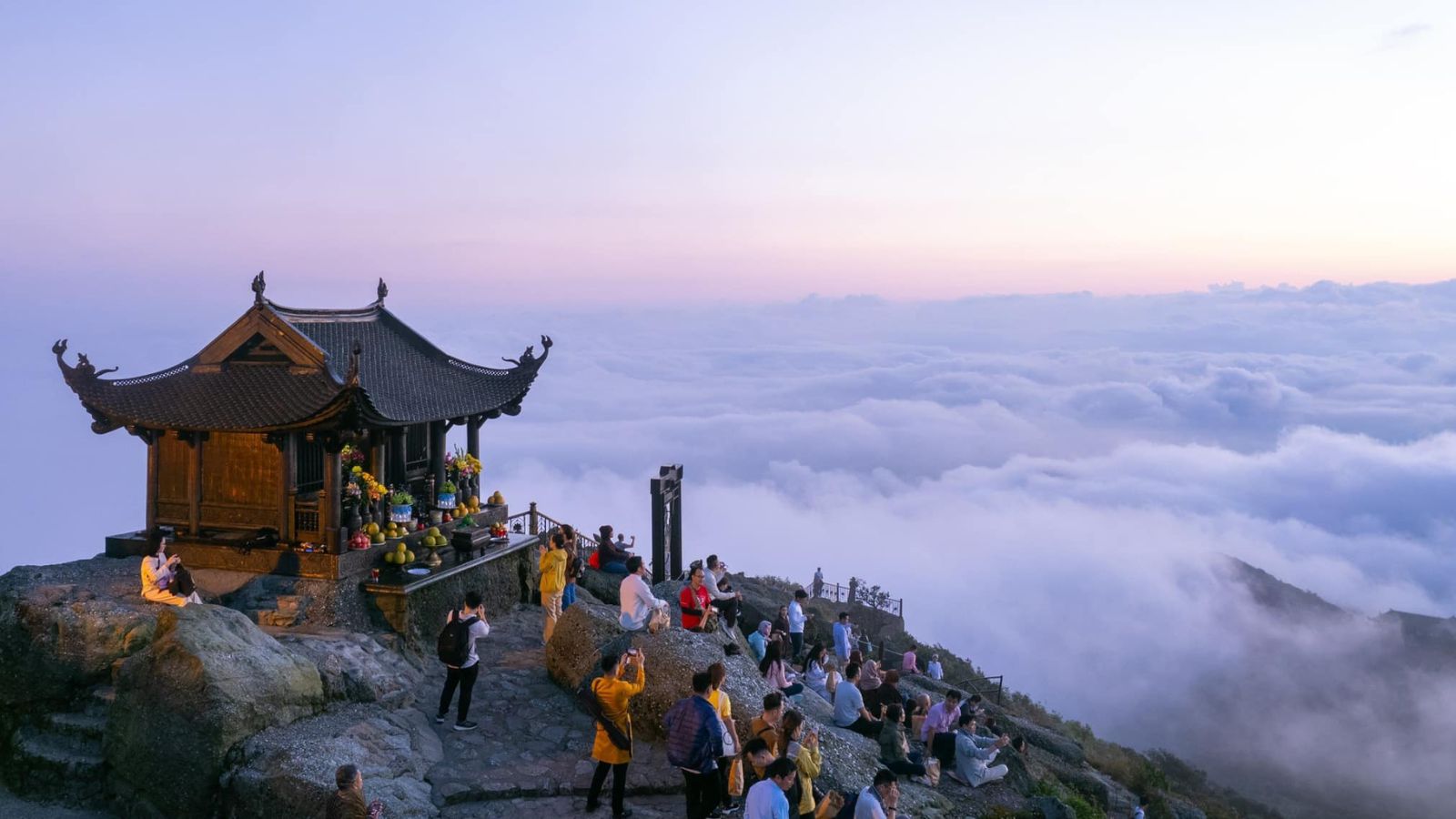
Yen Tu Festival Experience: How to Plan a Sacred Vietnam Journey
 HoangAn
  3 min. to read
 Are you interested in spiritual travel in Vietnam but unsure where to begin? The Yen Tu Festival and the sacred pilgrimage to Yen Tu attract travelers who seek culture, peace, and authenticity beyond typical tourist routes. In this guide, you will find everything you need to plan your visit, from history and timing to costs, etiquette, and how to include Yen Tu in a well-balanced Vietnam journey.
Key Takeaways
- The Yen Tu Festival is a significant Buddhist event in Vietnam, emphasizing devotion and reflection for travelers seeking authentic experiences.
- A pilgrimage to Yen Tu takes place at a serene mountain, connecting history, religion, and nature, making it one of the highlights of a Vietnam trip.
- The festival runs from the 10th day of the first lunar month to the end of the third lunar month, offering flexibility to visitors.
- Travelers can enjoy a calm pilgrimage by exploring important temples and participating in Buddhist rituals along the route.
- Including Yen Tu in a Vietnam itinerary enhances cultural depth and balances spiritual exploration with natural beauty.
1. What Is the Yen Tu Festival
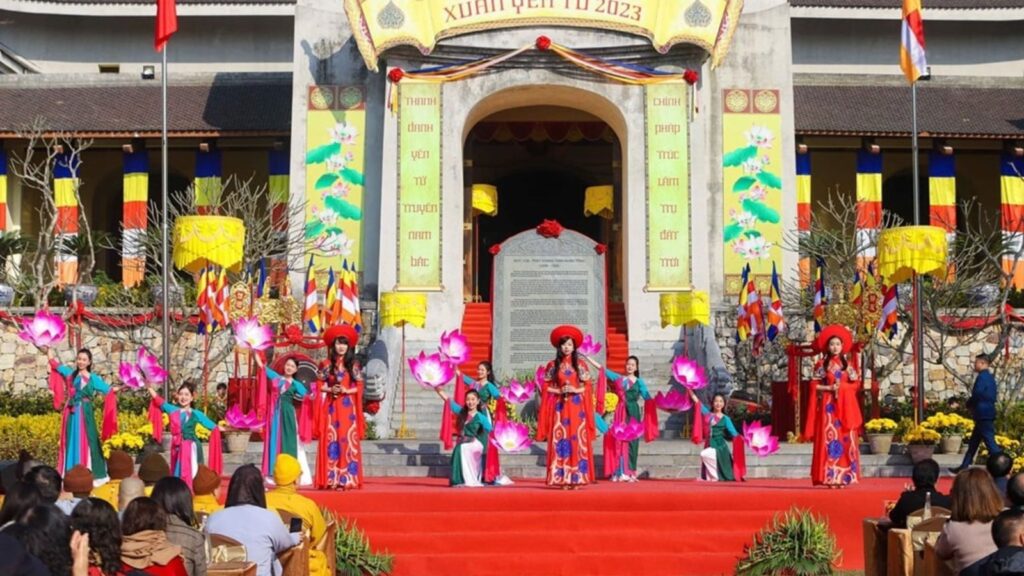
The Yen Tu Festival is one of Vietnam’s most important Buddhist festivals and a major spiritual event in Northern Vietnam. It takes place at Yen Tu Mountain, a sacred site where King Tran Nhan Tong left the throne to become a monk and founded the Truc Lam Zen sect.
Unlike many festivals focused on performances or entertainment, this festival centers on devotion and reflection. Visitors join a real pilgrimage to Yen Tu, walking the same paths as monks and believers have done for centuries.
2. Why the Yen Tu Festival Matters to Travelers
The Yen Tu Festival appeals strongly to travelers who want deeper cultural experiences rather than surface-level sightseeing.
This festival matters because:
- It represents the heart of Vietnamese Zen Buddhism.
- It connects history, religion, and nature in one journey.
- It allows travelers to participate, not just observe.
For many international visitors, a pilgrimage to Yen Tu becomes one of the most meaningful moments of their Vietnam trip.
3. Where the Yen Tu Festival Takes Place
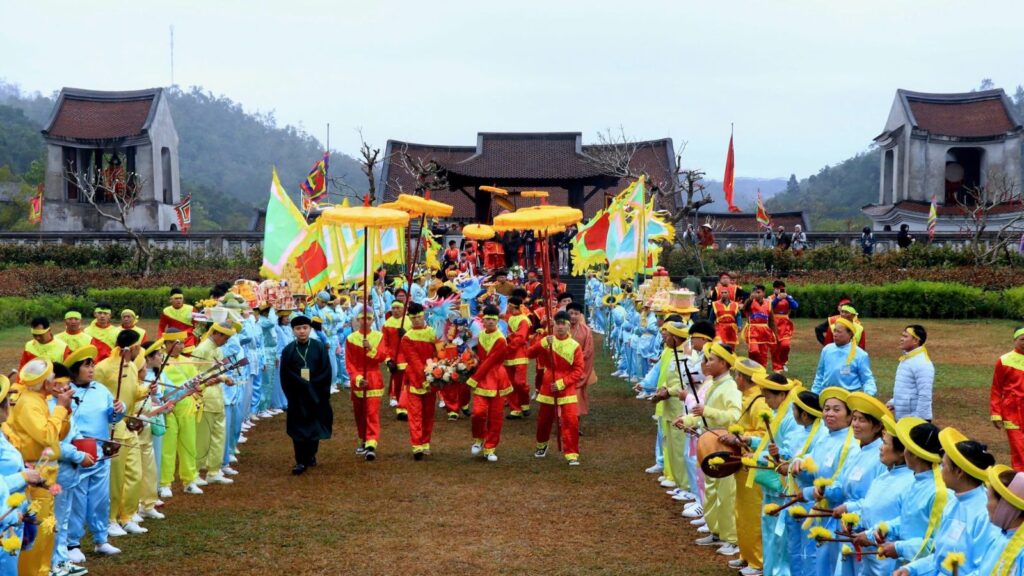
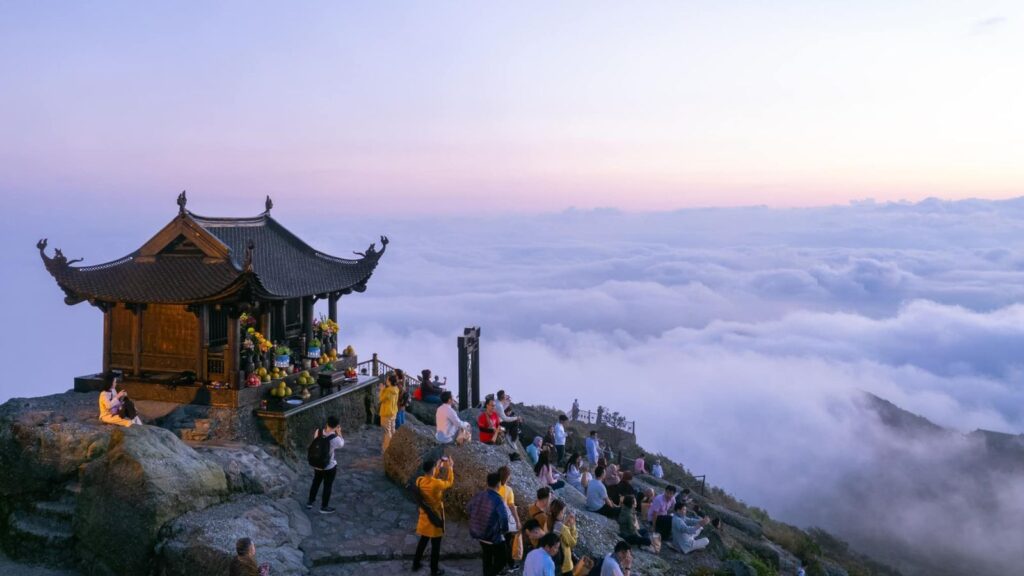
Yen Tu Mountain is located in Quang Ninh Province, around 130 kilometers east of Hanoi. The area is famous for misty peaks, ancient forests, and a chain of pagodas built along the mountain.
Travelers often compare Yen Tu with other spiritual destinations such as Perfume Pagoda or Bai Dinh Pagoda. However, Yen Tu feels quieter and more meditative, especially outside peak days of the festival.
📌 Many visitors combine Yen Tu with Halong Bay or include it as a cultural stop during a North to South Vietnam Experience. Contact us for more information!
4. When Does the Yen Tu Festival Happen
The Yen Tu Festival begins on the 10th day of the first lunar month and usually lasts until the end of the third lunar month. This period often falls between February and April.
Because the festival lasts several months, travelers have flexibility. You do not need to visit on the opening day to enjoy the full spiritual atmosphere. For a calmer pilgrimage to Yen Tu, weekdays and early mornings are strongly recommended.
5. Key Highlights of the Yen Tu Festival
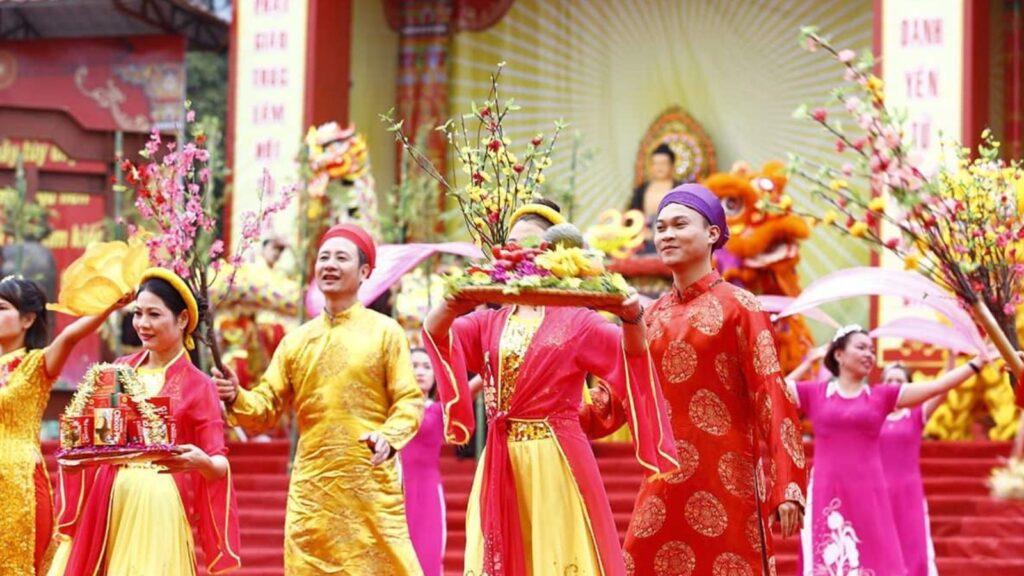
The Yen Tu Festival is not a single event but a long spiritual season with many meaningful moments.
Main highlights include:
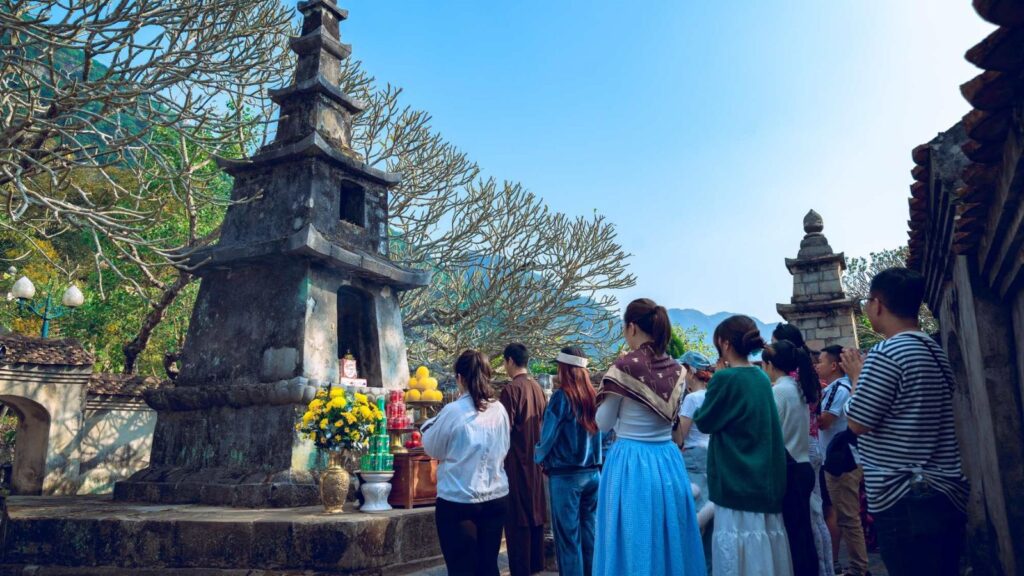
- Pilgrims offering incense and prayers at mountain pagodas
- Buddhist rituals led by monks
- Slow, silent walks along forest paths
Each of these activities encourages reflection and patience, which is central to the pilgrimage to Yen Tu experience.
6. The Pilgrimage Route at Yen Tu Festival
The pilgrimage route at the Yen Tu Festival is more than a path to the mountain peak. It represents a spiritual journey where each step encourages patience, reflection, and respect.
6.1 Walking the Sacred Path
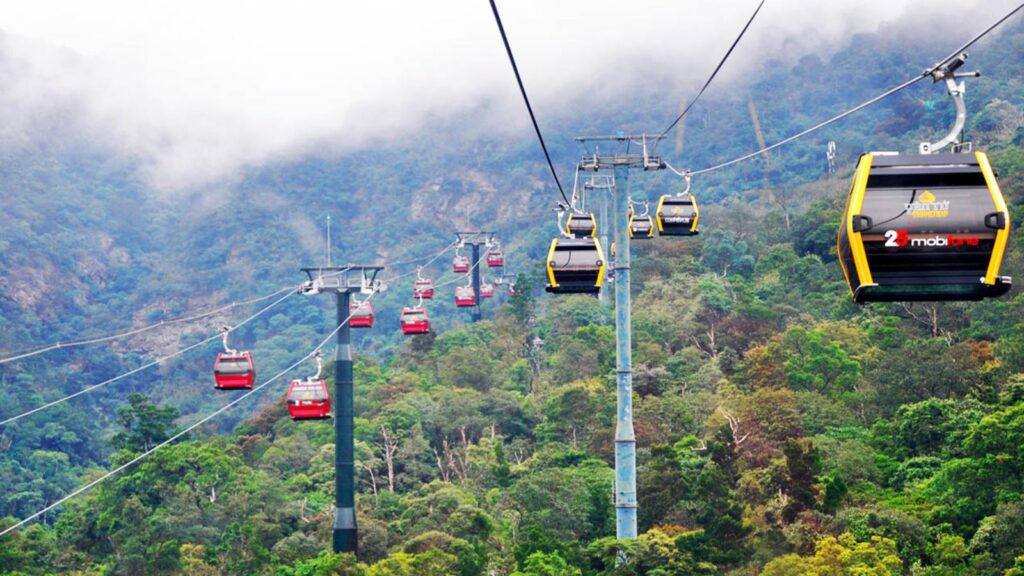
The pilgrimage route during the Yen Tu Festival stretches several kilometers from the base of the mountain to its peak. The path includes stone steps, forest trails, and ancient rest points.
Walking the route symbolizes personal effort and inner growth. However, travelers can combine walking with cable car rides if needed. This flexibility allows everyone to complete a pilgrimage to Yen Tu at their own pace.
6.2 Important Temples Along the Way
Several key temples shape the spiritual journey:
- Hoa Yen Pagoda: The main spiritual center and resting place
- Mot Mai Pagoda: A quiet space for meditation
- Dong Pagoda: The highest point, symbolizing enlightenment
Stopping at each temple helps travelers understand the philosophy behind the Yen Tu Festival.
7. Yen Tu Festival Costs and Ticket Information
One reason the Yen Tu Festival appeals to travelers is its affordability. Below is a clear cost overview:
| Item | Estimated Cost (USD) |
|---|---|
| Entrance fee | Free |
| Cable car (one way) | 10 – 12 |
| Cable car (round trip) | 18 – 22 |
| Simple local meals | 3 – 6 |
| Optional donations | Flexible |
A pilgrimage to Yen Tu does not require expensive spending, making it suitable for many travel styles.
8. How to Get to Yen Tu Festival From Hanoi
Most international travelers start from Hanoi. You can reach Yen Tu by private car, shared shuttle, or guided tour.
A private transfer offers comfort and time flexibility, especially if you plan to continue to Halong Bay afterward. Many travelers enjoy starting their journey with a Hanoi Food Tour before heading to spiritual destinations.
9. Local Experiences Beyond the Festival
Beyond the main events, the area around Yen Tu offers quiet local experiences that many travelers overlook. Spending extra time here helps you see daily life and culture beyond the festival atmosphere.
- Temple vegetarian meals
Simple vegetarian dishes served near pagodas reflect Buddhist values of balance and mindfulness. Sharing these meals offers a calm and authentic cultural experience. - Village walks near Yen Tu Mountain
Short walks through nearby villages allow you to observe local life at a slow pace. These moments add a human connection to the spiritual journey. - Forest paths and scenic viewpoints
Quiet trails around Yen Tu provide space for reflection and nature appreciation. They are ideal for travelers who enjoy peaceful landscapes without large crowds.
These experiences complement the Yen Tu Festival and create a more balanced and meaningful visit.
10. How to Include Yen Tu Festival in Vietnam Travel Itineraries
The Yen Tu Festival fits easily into many Vietnam travel routes, especially for travelers exploring the north. With its location near Hanoi and Halong Bay, Yen Tu works well as a cultural and spiritual stop rather than a standalone destination.
Popular ways to include the festival:
- Hanoi – Yen Tu – Halong Bay
This route balances city life, spiritual exploration, and natural scenery within a short travel time. - Northern Vietnam cultural journey
Yen Tu pairs well with other heritage sites and pagodas, adding depth to a Northern-focused itinerary. - North to South Vietnam experience
Some travelers begin their journey with Yen Tu before continuing south, creating a meaningful start to a longer Vietnam trip.
With thoughtful planning, the Yen Tu Festival becomes a calm and enriching highlight within a diverse Vietnam itinerary.
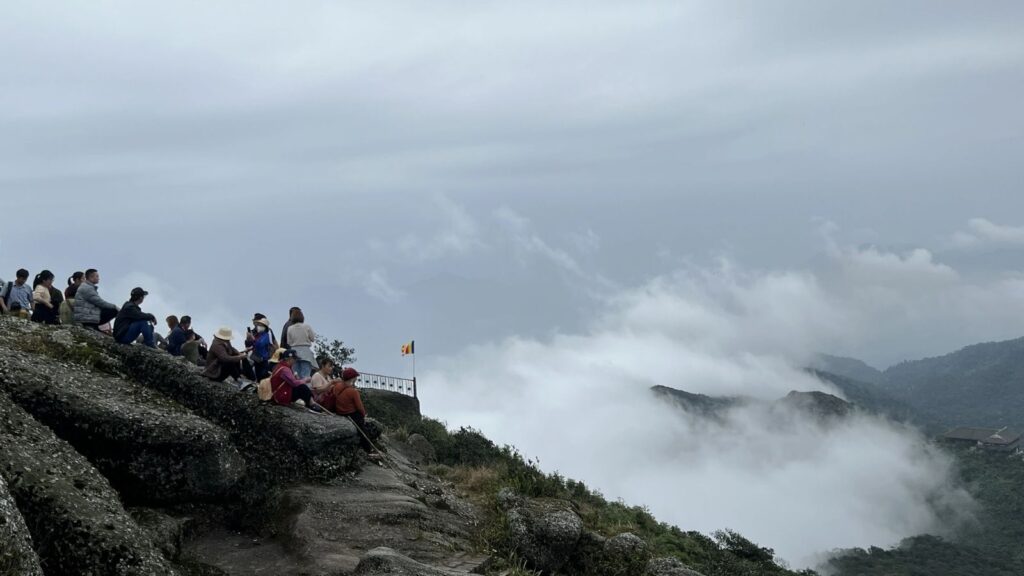
“Many travelers underestimate the time needed at Yen Tu. Slow down, rest often, and let the journey guide you,”
Mrs. Emma Nguyen – Tour Operator Manager with over 12 years of experience at Sun Getaways Travel
11. Helpful Travel Tips for the Yen Tu Festival
Planning ahead makes a big difference when visiting the Yen Tu Festival, especially if this is your first spiritual journey in Vietnam. These practical tips help you stay comfortable, respectful, and fully present throughout the experience.
- Slow down and take breaks
The Yen Tu Festival is not about speed or reaching the top quickly. Take time to rest at pagodas, observe rituals, and enjoy the surrounding nature along the way.l. - Start early in the morning
Arriving early helps you avoid crowds and enjoy cooler temperatures. The quiet atmosphere in the morning also makes the pilgrimage feel more peaceful and reflective. - Choose comfortable and respectful clothing
Light, breathable fabrics work best, but modest dress is essential. Covered shoulders and long pants help you feel comfortable inside temples and show respect to local traditions. - Balance walking and cable car use
You do not need to walk the entire route to complete the pilgrimage. Combining short walks with cable car rides allows you to enjoy the journey without unnecessary fatigue. - Carry only essential items
A small backpack with water, sunscreen, and tissues is enough. Traveling light helps you move easily and focus on the spiritual experience rather than physical discomfort.
12. Frequently Asked Questions
No, many travelers visit for the peaceful atmosphere, mountain scenery, and cultural value, even without religious beliefs.
The journey is flexible, as visitors can walk part of the route and use cable cars for steeper sections.
Modest clothing with covered shoulders and comfortable walking shoes is recommended.
Yes, starting before sunrise and focusing on smaller pagodas allows a more peaceful and personal experience.
Crowds appear mainly on weekends and peak lunar dates, while early mornings and weekdays remain calm and comfortable for visitors.
13. Conclusion
The Yen Tu Festival offers a rare chance to experience Vietnam through spirituality, history, and nature. A pilgrimage to Yen Tu invites travelers to slow down, reflect, and connect with local culture in an authentic way. With good planning, this journey becomes one of the most memorable parts of visiting Vietnam.
If you want expert support and a seamless experience, Sun Getaways Travel is ready to help. Contact us today to design a meaningful Vietnam journey that blends spiritual depth with unforgettable destinations.


Related Tour
7 Day Adventure Trekking Bac Ha Ban Phung Hoang Su Phi


10 Reviews

16-Day Vietnam Adventure Experience trip
0 Reviews
12 Days Vietnam Local Food Tour
15 Reviews

Small Group Vietnam South to North 12 Days Tour
25 Reviews
Ask a question
Leave a Comment (0)
No questions yet. Be the first to ask a question!
See related Posted
Luxury Golf Resorts in Vietnam – Elite Golf Travelers

Vietnam is increasingly recognized as a premier golf destination in Asia, therefore luxury golf…
Macrame in Vietnam: The Revival of Knot Art in Contemporary Craft Culture

Macrame in Vietnam reflects the country’s growing engagement with contemporary handmade culture, where global…
Vietnamese Musical Instrument Craft: Traditional Instrument Making in Vietnam

Vietnamese musical instrument craft reflects a long-standing relationship between sound, material, and cultural memory.…
Traditional Vietnamese Kite Art: History, Craftsmanship, and Cultural Meaning

Traditional Vietnamese kite art is a living expression of folk creativity, community values, and…
Vietnamese Folk Masks: Tradition, Symbolism & Cultural Meaning

Vietnamese folk masks are a distinctive form of traditional art that reflects the spiritual…
Vietnamese Embroidery Art: Traditional Craftsmanship & Cultural Meaning

Vietnamese embroidery art is a refined traditional craft that reflects patience, cultural memory, and…