






Vietnam Dolphin Tour Tips: Best Season for Sightings and Safety
 Dan Vy
  3 min. to read
 A Vietnam dolphin tour is one of the most rewarding yet misunderstood wildlife experiences in Southeast Asia. Unlike dolphin shows or captive encounters, dolphin watching in Vietnam focuses on observing wild pods in open waters, guided by natural behavior rather than fixed schedules. Because sightings depend on season, location, and operator ethics, travelers who prepare properly tend to have far more meaningful experiences.
This guide provides practical, experience-based insights to help you plan a safe, ethical, and successful dolphin encounter in Vietnam.
Key Takeaways
- Vietnam dolphin tours focus on ethical, wild dolphin observations rather than commercial shows.
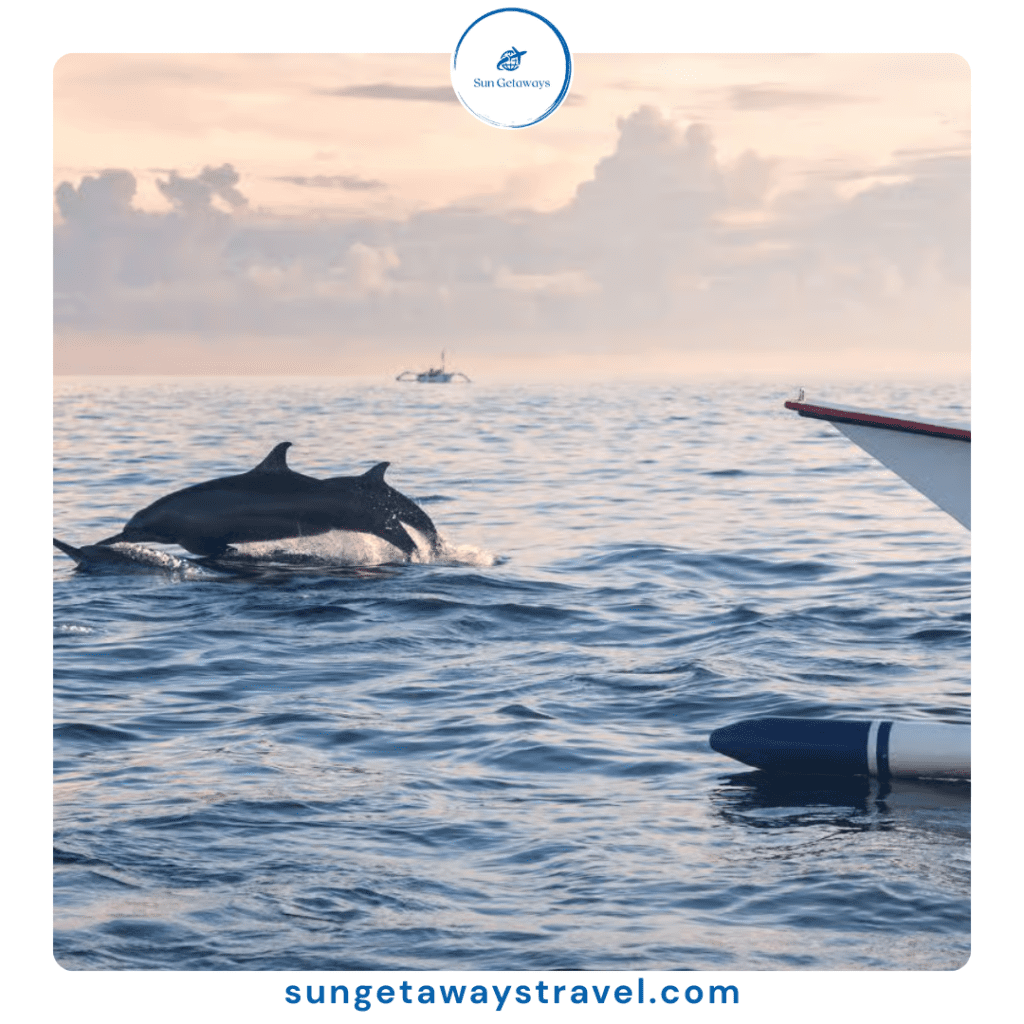
- Travelers can expect to see spinner dolphins, bottlenose dolphins, and Indo-Pacific humpback dolphins in their natural habitat.
- The best season for Vietnam dolphin tours is from June to August, when sightings are most likely.
- Locations like Quy Nhon, Con Dao Archipelago, and Ninh Thuan offer great opportunities for dolphin watching.
- Safety and ethical practices are essential; travelers should prepare for a respectful and authentic experience.
Why Dolphin Watching in Vietnam Is Still a Hidden Gem
Vietnam’s coastline stretches over 3,200 kilometers, yet dolphin watching in Vietnam remains surprisingly low-profile. This is not due to a lack of dolphins, but rather because Vietnam has prioritized fishing and coastal livelihoods over wildlife commercialization. As a result, dolphin encounters here feel raw, quiet, and authentic, much like the serene experiences found in wildlife sanctuaries in Vietnam.
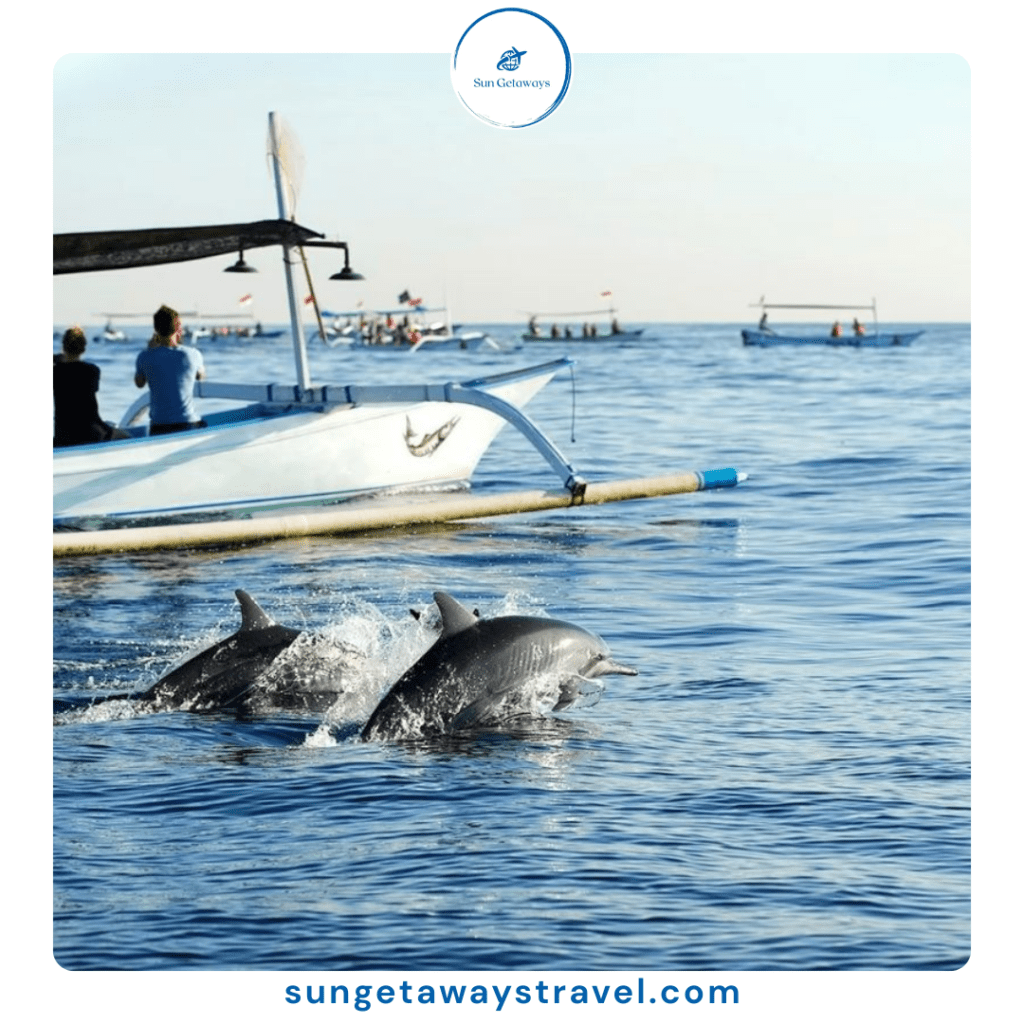
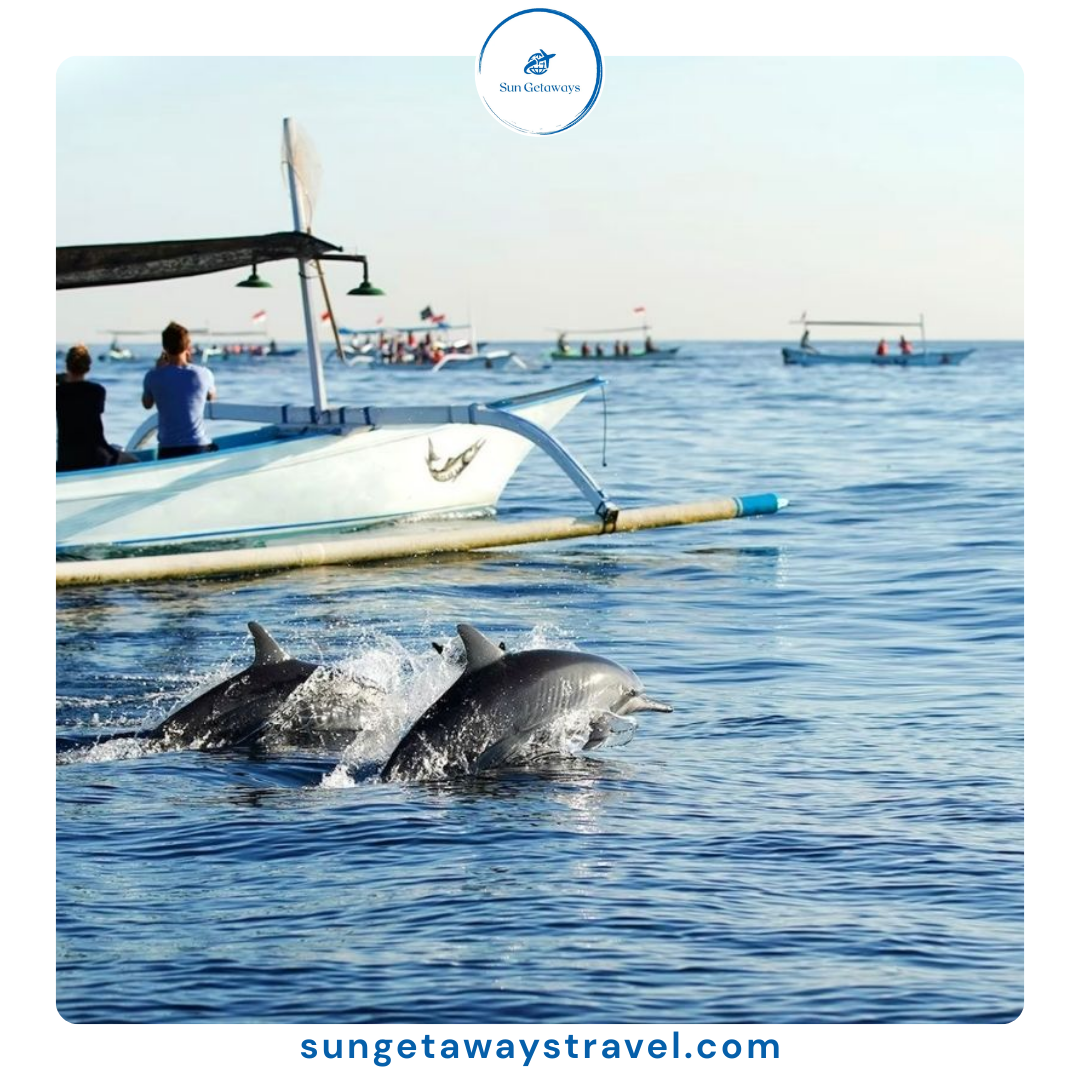
Vietnam dolphin tour experiences appeal especially to travelers who value nature-led exploration over guaranteed entertainment. Instead of dozens of boats chasing pods, sightings often happen organically when dolphins follow fish schools near fishing grounds.This creates a calmer environment for dolphins and a more respectful experience for travelers, aligning with the principles of sustainable tourism Vietnam.
Key reasons dolphin watching in Vietnam stands out:
- 🐬 Healthy marine biodiversity
Vietnam’s waters support multiple dolphin species thanks to nutrient-rich currents and coastal upwelling zones. - 🌊 Nearshore encounters
Dolphins often surface within a few kilometers of land, reducing long offshore travel. - 🚫 Minimal tourism pressure
Most regions still operate small-scale tours with limited boat numbers, similar to the intimacy of Vietnam whale watching tour options. - 🛶 Local sea knowledge
Fishermen recognize dolphin movement patterns through birds, currents, and fish behavior.
This combination makes Vietnam dolphin tour experiences increasingly attractive for eco-conscious travelers looking for adventure travel in Vietnam.
Vietnam Dolphin Tour: What You Can Realistically Expect to See
Understanding dolphin behavior is essential to enjoying dolphin watching in Vietnam. Dolphins are highly intelligent, social mammals, but they are also cautious and sensitive to noise and movement.
🐬 Dolphin Species Commonly Seen in Vietnam
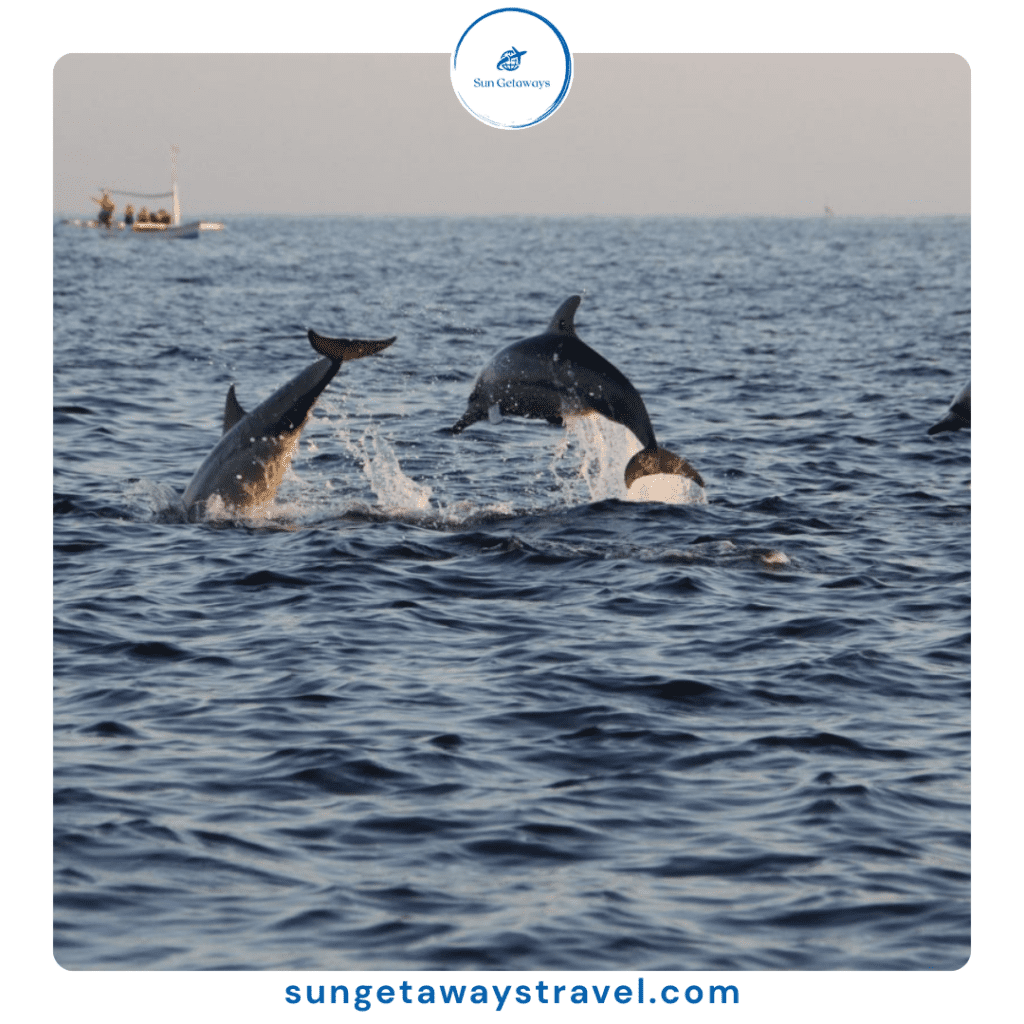
- Spinner dolphins
Often seen in energetic pods, spinner dolphins are known for leaping and spinning above the water. They are among the most frequently sighted species during the peak Vietnam dolphin tour season. - Bottlenose dolphins
Larger and slower-moving, bottlenose dolphins surface regularly and are easier to observe for longer periods. - Indo-Pacific humpback dolphins
Less common and usually found near estuaries and bays, these dolphins are protected and should be observed from a respectful distance.
🌊 Typical Dolphin Behavior During Tours
- Traveling in pods ranging from 5 to 30 individuals
- Surfacing rhythmically to breathe
- Occasionally swimming alongside boats without being pursued
⚠️ Expectation management:
A Vietnam dolphin tour is about observation, not interaction. Ethical operators do not chase dolphins, attempt to attract them, or promise acrobatic displays. Travelers interested in other unique fauna might also enjoy visiting a Vietnam bird sanctuary.
Best Season for Dolphin Watching in Vietnam
Seasonality plays a decisive role in dolphin watching in Vietnam. Dolphins follow fish migration patterns and prefer calmer sea conditions, which vary significantly throughout the year, similar to the Vietnam beach season.
Below is a seasonal overview to help you plan effectively:
| Period | Dolphin Sightings | Sea Conditions | Recommendation |
|---|---|---|---|
| Jan – Feb | Low | Cool, calm | ⚠️ Limited |
| Mar – May | Moderate | Calm | ✅ Good |
| Jun – Aug | High | Calm mornings | ⭐ Best |
| Sep – Oct | Good | Variable | ✅ Acceptable |
| Nov – Dec | Low | Rough seas | ❌ Avoid |
The most reliable Vietnam dolphin tour window runs from June to August, when warm waters attract fish closer to shore and early mornings offer optimal visibility. This is also the best time to visit Vietnam for coastal activities.
Best Places for Dolphin Watching in Vietnam
Location matters just as much as timing. Dolphin sightings are concentrated in specific regions where food sources and sea conditions align.
📍 Quy Nhon & Phu Yen (South-Central Coast)
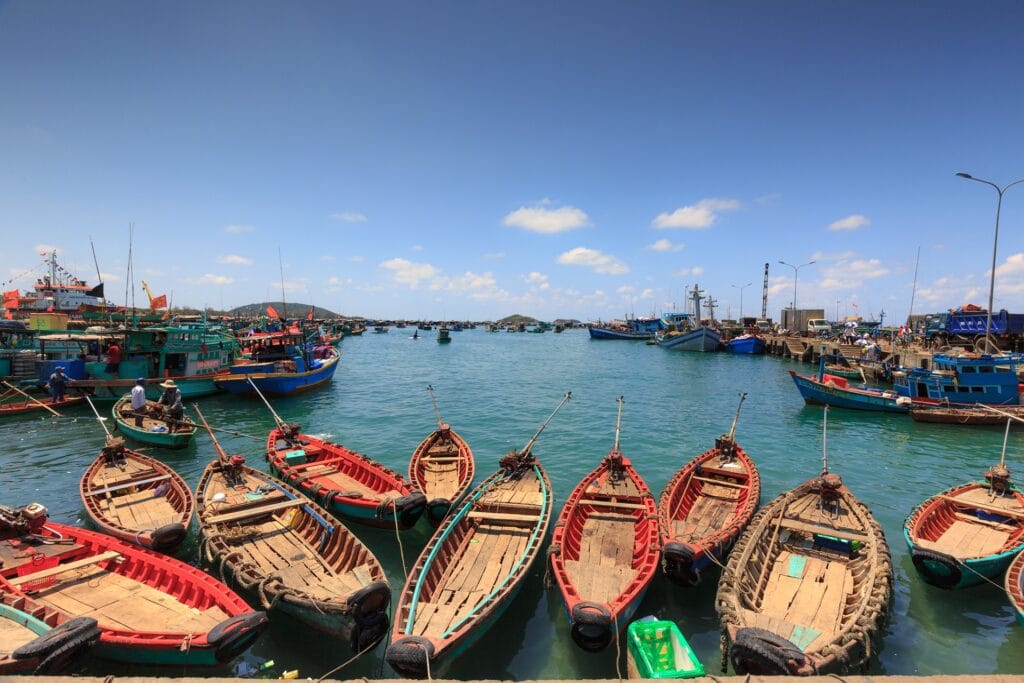
This region is widely considered the most consistent area for dolphin watching in Vietnam. In fact, its shallow continental shelves, rich fishing grounds, and limited commercial traffic create truly ideal conditions. Consequently, it has become a major highlight for those following a central Vietnam itinerary.
- Dolphins often follow fishing boats near shore
- Best visited during summer months
- Suitable for small-group Vietnam dolphin tour experiences
📍 Con Dao Archipelago
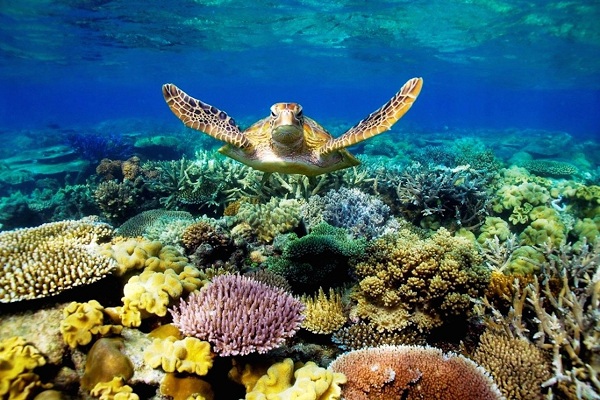
As a protected marine zone, explore Con Dao National Park for healthier coral systems and stronger conservation. Dolphin sightings here are less frequent but often longer and calmer.
- Ideal for travelers combining wildlife with Con Dao beaches.
- Higher cost due to protected-area regulations
- Strong focus on ethical dolphin watching in Vietnam
📍 Ninh Thuan & Binh Thuan Coast
These areas offer occasional sightings reported by fishermen. Travelers can combine these trips with Mui Ne sand dune exploration.
- Best for flexible travelers
- No mass tourism infrastructure
- Requires experienced local crews
Choosing the right destination significantly improves your Vietnam dolphin tour success rate.
How Vietnam Dolphin Tours Typically Operate
A Vietnam dolphin tour is not a scripted performance; it is a raw encounter with nature. Operations are intentionally flexible, adapting to real-time sea conditions and migratory patterns to ensure the highest probability of a sighting while maintaining Vietnam travel safety standards.
🕔 Departure Timing
- Early morning (5:30–7:30 AM): This is the “prime time” for dolphin watching in Vietnam.
- Dolphins are most active during the cooler dawn hours when they hunt near the surface.
- Once the midday sun hits and boat traffic increases, they often dive deeper or move further offshore.
⏱ Duration
- 2.5–4 hours: This timeframe includes the transit to “hotspots” and ample time for observation.
- If a pod is particularly playful, crews may extend the stay to allow for better photography.
🚤 Boat Type & Group Size
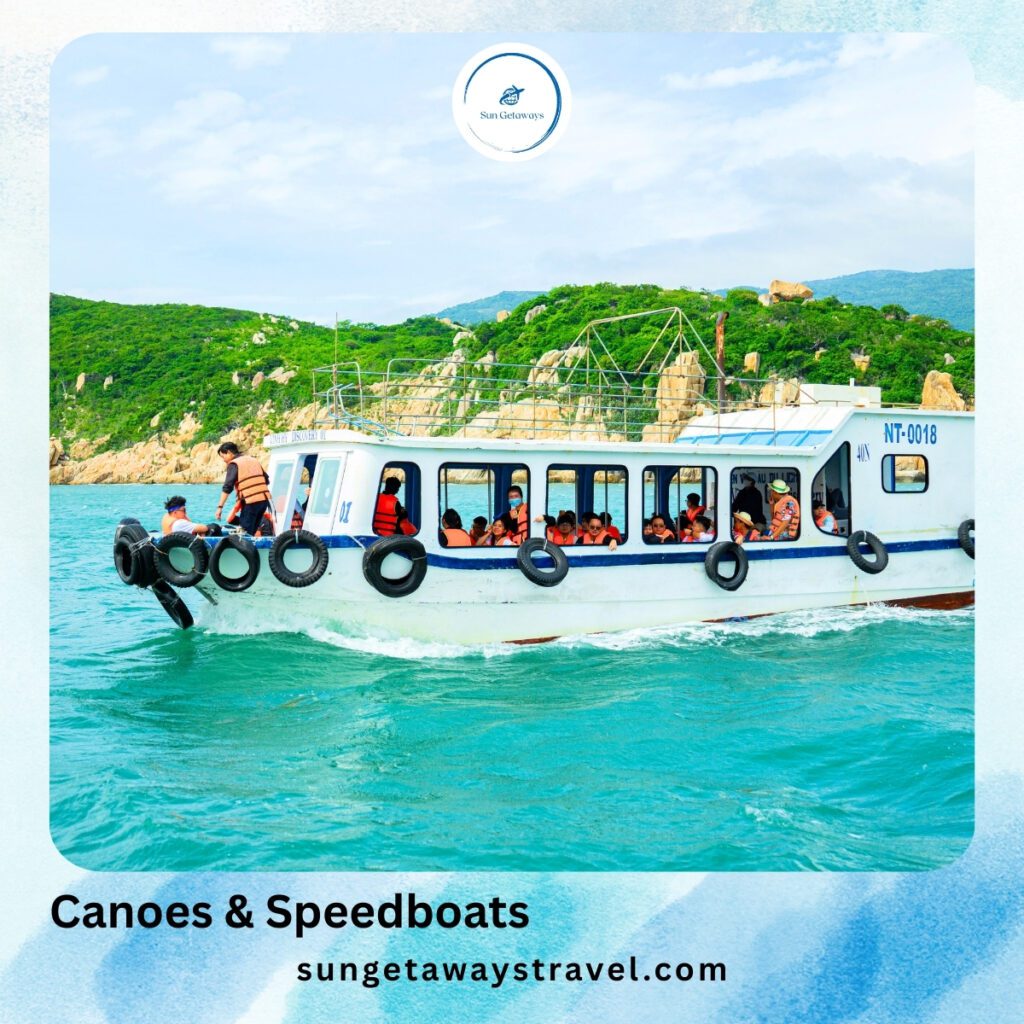
- Most tours use small traditional fishing boats or light speedboats (6–12 guests).
- Smaller vessels are preferred for a Vietnam dolphin tour as they produce less acoustic pollution, which can distress the dolphins’ sensitive sonar systems.
- Crews don’t use GPS waypoints; they use traditional sea-reading skills:
- Bird Activity: Large groups of diving terns often indicate a school of fish, with dolphins likely feeding just below.
- Surface Ripples: Experienced captains look for “breaks” in the water that don’t match the rhythm of the waves.
👉 If navigating these variables feels overwhelming, Sun Getaways Travel helps arrange Vietnam dolphin tour experiences with trusted local crews who understand both Vietnam travel safety and ethical wildlife standards. Contact us to secure your spot today and enjoy a hassle-free booking experience with no hidden fees.
Vietnam Dolphin Tour Costs: What You’re Paying For
Moreover, costs reflect fuel, crew expertise, and safety—not entertainment guarantees. To that end, for a full breakdown of travel expenses, see our Vietnam trip cost guide.
💰 Typical Price Range
- Shared Tour: USD $35–$60 per person (Ideal for solo travelers or couples).
- Private Charter: USD $220–$350 per boat (Best for families, photographers, and those wanting a tailored pace).
🧾 Included
- Experienced Captain: A local expert who knows the specific bays where pods frequent.
- Fuel & Navigation: Covers the long distances often required to find mobile pods.
- Basic Safety Equipment: Including life jackets (ensure they are size-appropriate for children).
❌ Not Included
- Land Transfers: Most tours depart from specific piers (like those in Phu Quoc or Da Nang) that may require a private car or taxi to reach.
- Meals & Drinks: Most 4-hour tours provide only basic water.
- Photography Services: Some specialized tours offer professional telephoto shots for an extra fee.
💡 Extremely cheap dolphin watching in Vietnam often signals compromised safety or unethical practices. Always check your Vietnam travel insurance before embarking on sea activities.
Expert Insight: Emma’s Perspective (12 Years in Vietnam Tourism)
“Dolphins respond strongly to noise and speed,” explains Emma, a Vietnam travel consultant with 12 years of experience in tour operations. In fact, she emphasizes that the best Vietnam dolphin tour experiences occur when boats slow down so that they allow dolphins to approach naturally.
Emma emphasizes that respecting marine life leads to better sightings over time.
Safety Tips for Dolphin Watching in Vietnam
Safety benefits both travelers and dolphins.
- 🦺 Always wear life jackets
- 🚫 Avoid leaning over the boat edge
- 📵 Secure loose items
- 🤢 Prepare for motion sickness
Following essential tips for your Vietnam journey ensures responsible dolphin watching in Vietnam.
FAQs
1. Is dolphin watching guaranteed in Vietnam?
No, sightings depend on natural conditions.
2. When is the best season for dolphin watching in Vietnam?
June to August offers the highest chances.
3. Are Vietnam dolphin tours safe?
Yes, when operated responsibly.
4. Can children join dolphin tours?
Yes, under calm conditions.
5. Are dolphins protected in Vietnam?
Yes, dolphins are protected marine species.
For travelers who appreciate authenticity, patience, and ethical travel, a Vietnam dolphin tour is deeply rewarding. While sightings are never guaranteed, moments of observing dolphins in open water create lasting memories that no aquarium can replicate.


Related Tour


Visit Handicraft Villages in Hanoi


0 Reviews

13-Day Vietnam Adventure Motorbike Street Food Sightseeing
27 Reviews
Discover the Gems of Vietnam with a 14-Day Grand Tour
20 Reviews
Hoi An Discovery Tour: Unveiling the Charms in 5 Days
25 Reviews
Ask a question
Leave a Comment (0)
No questions yet. Be the first to ask a question!
See related Posted
Luxury Golf Resorts in Vietnam – Elite Golf Travelers

Vietnam is increasingly recognized as a premier golf destination in Asia, therefore luxury golf…
Macrame in Vietnam: The Revival of Knot Art in Contemporary Craft Culture

Macrame in Vietnam reflects the country’s growing engagement with contemporary handmade culture, where global…
Vietnamese Musical Instrument Craft: Traditional Instrument Making in Vietnam

Vietnamese musical instrument craft reflects a long-standing relationship between sound, material, and cultural memory.…
Traditional Vietnamese Kite Art: History, Craftsmanship, and Cultural Meaning

Traditional Vietnamese kite art is a living expression of folk creativity, community values, and…
Vietnamese Folk Masks: Tradition, Symbolism & Cultural Meaning

Vietnamese folk masks are a distinctive form of traditional art that reflects the spiritual…
Vietnamese Embroidery Art: Traditional Craftsmanship & Cultural Meaning

Vietnamese embroidery art is a refined traditional craft that reflects patience, cultural memory, and…