




The Ultimate List of Vietnam Backpacking Tips That Will Save You Money
 Dan Vy
  3 min. to read
 Backpacking Vietnam is one of the most rewarding — and budget-friendly — travel experiences in Southeast Asia. But to make your journey smoother, cheaper, and more immersive, you’ll need the right Vietnam backpacking tips. This guide brings you everything you should know before hitting the road: money-saving hacks, transport insights, cultural dos and don’ts, packing strategies, and insider advice from Emma — a Vietnam travel expert with 12 years of experience guiding backpackers across the country.
Whether you’re planning a weeklong adventure or a month-long journey, this Vietnam backpacking guide will help you stretch your budget while upgrading your entire travel experience.
Key Takeaways
- Backpacking Vietnam is budget-friendly, but using smart Vietnam backpacking tips can enhance your experience, save money, and reduce stress.
- Essential tips include knowing daily budgets based on travel styles, avoiding unnecessary transaction fees, and choosing the right accommodations.
- Public transport, especially buses and trains, offers the cheapest way to explore Vietnam while allowing for cultural immersion through street food and local interactions.
- Cultural respect and basic Vietnamese phrases can greatly enhance your trip; cash still plays a vital role in most areas.
- Always prepare for climate variations and common scams, while considering professional guidance for safety and best experiences during your travels.
Why You Need Smart Vietnam Backpacking Tips Before You Go
Backpacking Vietnam is easy, but backpacking it smartly saves you money, time, and stress. Daily costs are already low, but small mistakes — overpriced taxis, unnecessary tours, ATM fees — add up quickly. By preparing with the right Vietnam backpacking tips, you can avoid rookie traveler traps and focus on what matters: beaches, mountains, street food, and cultural discoveries.
A professional note: If at any point planning becomes overwhelming, we offers free trip consultations — a gentle way to make sure you aren’t overspending or missing hidden gems.
Budget Planning — Essential Vietnam Backpacking Tips for Saving Money
Know the Real Daily Budget
Vietnam is cheap, but your costs depend on your travel style. On average:
- Shoestring travelers: Vietnam backpacking cost is around $20–$25/day (Hostel dorms, exclusively street food, public buses).
- Mid-range backpackers: $30–$45/day (Budget private rooms/nice hostels, mix of street food and cheap restaurants, occasional trains).
- Comfort travelers: $50–$70/day (Boutique hotels, mid-range dining, internal flights for long distances).
Reduce costs by:
- Eating street food instead of restaurants
- Sleeping in hostels or budget homestays
- Using public buses, trains, and Grab bike
- Traveling slower (fewer transport costs)
Avoid unnecessary transaction fees
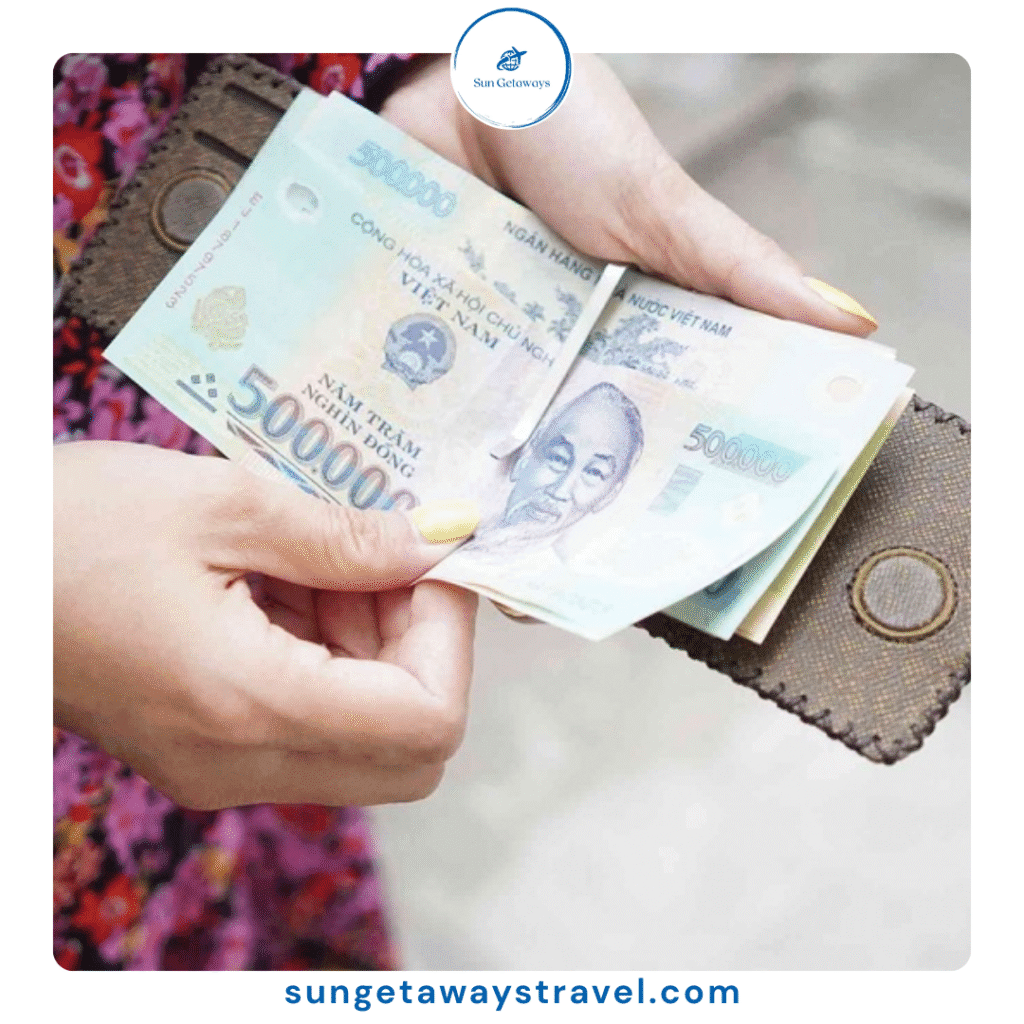
Bank fees are sneaky. Many travelers pay $40–$100 per month in ATM charges without noticing.
Money-saving tips:
- Withdraw larger amounts less frequently (e.g., withdraw 3,000,000 VND instead of 1,000,000 VND three times).
- Use fee-free travel cards like Revolut or Wise.
- Look for banks with lower withdrawal fees, such as Techcombank or VPBank (fees average 40,000 VND).
- Always pay in VND (Vietnamese Đồng), never USD, especially when using a card for large purchases.
Accommodation Tips — How to Get the Best Deals
Stay in hostels for social + financial benefits
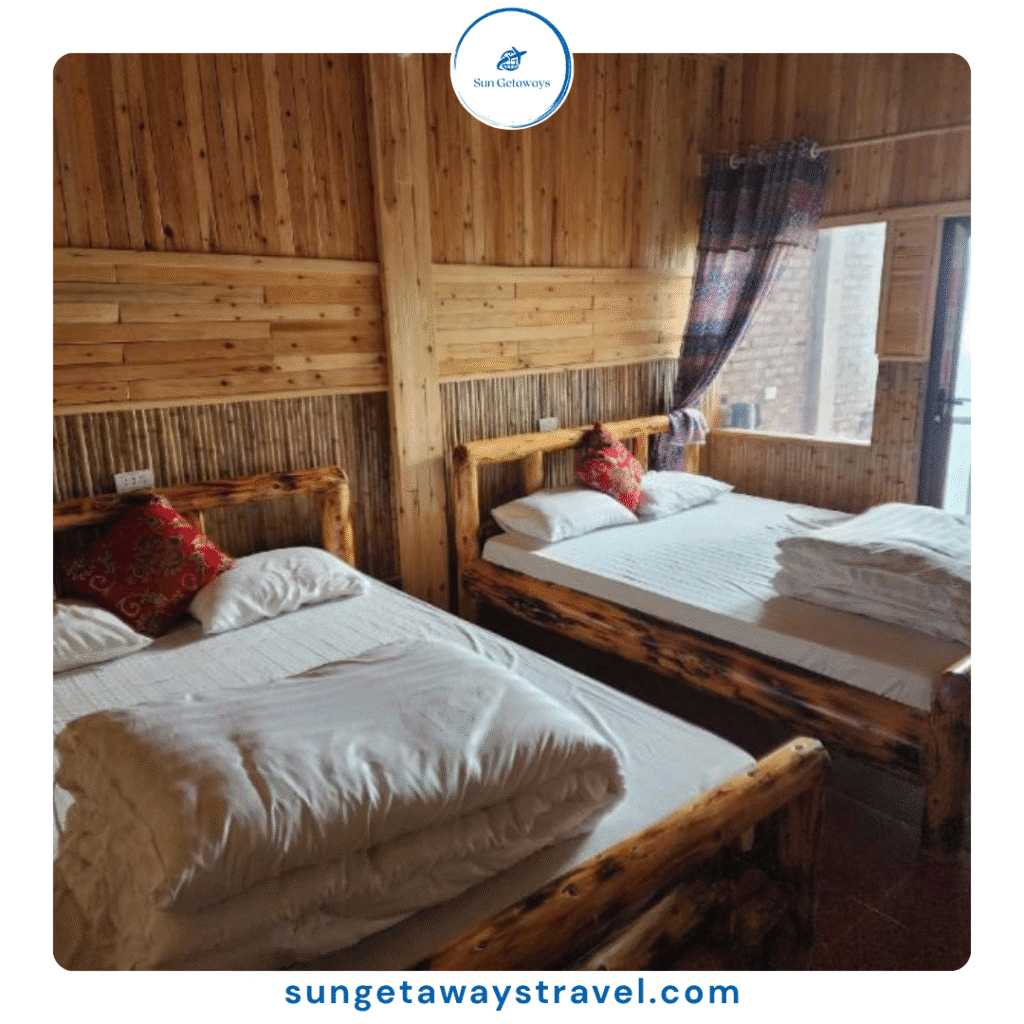
Vietnam has some of the best backpacker hostels in Asia. For $6–$12 per night you get free breakfast, free activities, and a community of travelers.
To save money, choose hostels that include:
- Free breakfast
- Airport pickup
- Free walking tours
- Laundry included
Homestays for cultural immersion
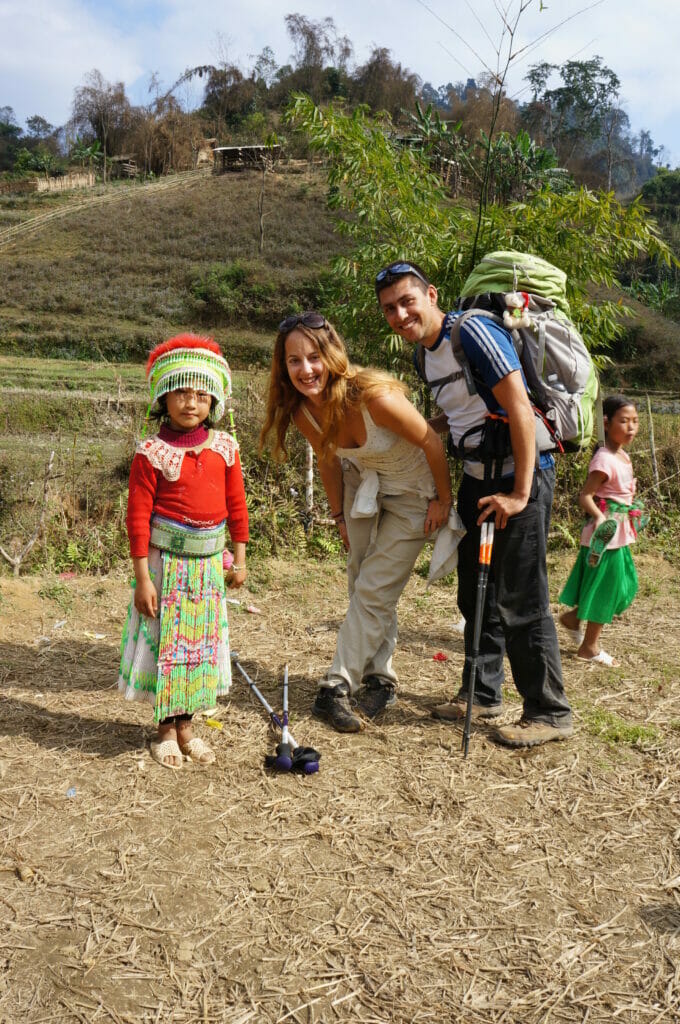
Northern regions like Ha Giang, Sapa, and Mai Chau offer family-run homestays for $10–$15/night, including home-cooked meals.
It’s one of the most culturally authentic travel experiences — and cheaper than staying in hotels. Consider mixing these with more remote options like Sapa Homestay Trekking for deeper immersion.
Booking hacks
- Book your first 1–2 nights only — then negotiate in person for cheaper rates.
- Use filters for “deals” or “genius discounts” in hotels website or we can help you compare different prices, feel free to contact us 24/7!!
- Never book through airport taxi drivers (overpriced).
Transport Tips — The Heart of Every Vietnam Backpacking Guide
Use buses and trains for long-distance travel
The cheapest and most popular way to explore Vietnam is by public transport, especially for long distances:
- Sleeper buses: Comfortable (if you’re under 6 feet tall) and cost-effective at $10–$22 per journey. Book overnight trips to save on accommodation costs.
- Vietnam Railways trains: More comfortable, significantly safer, and highly scenic, especially on routes like the Reunification Express (Hanoi to Ho Chi Minh City).
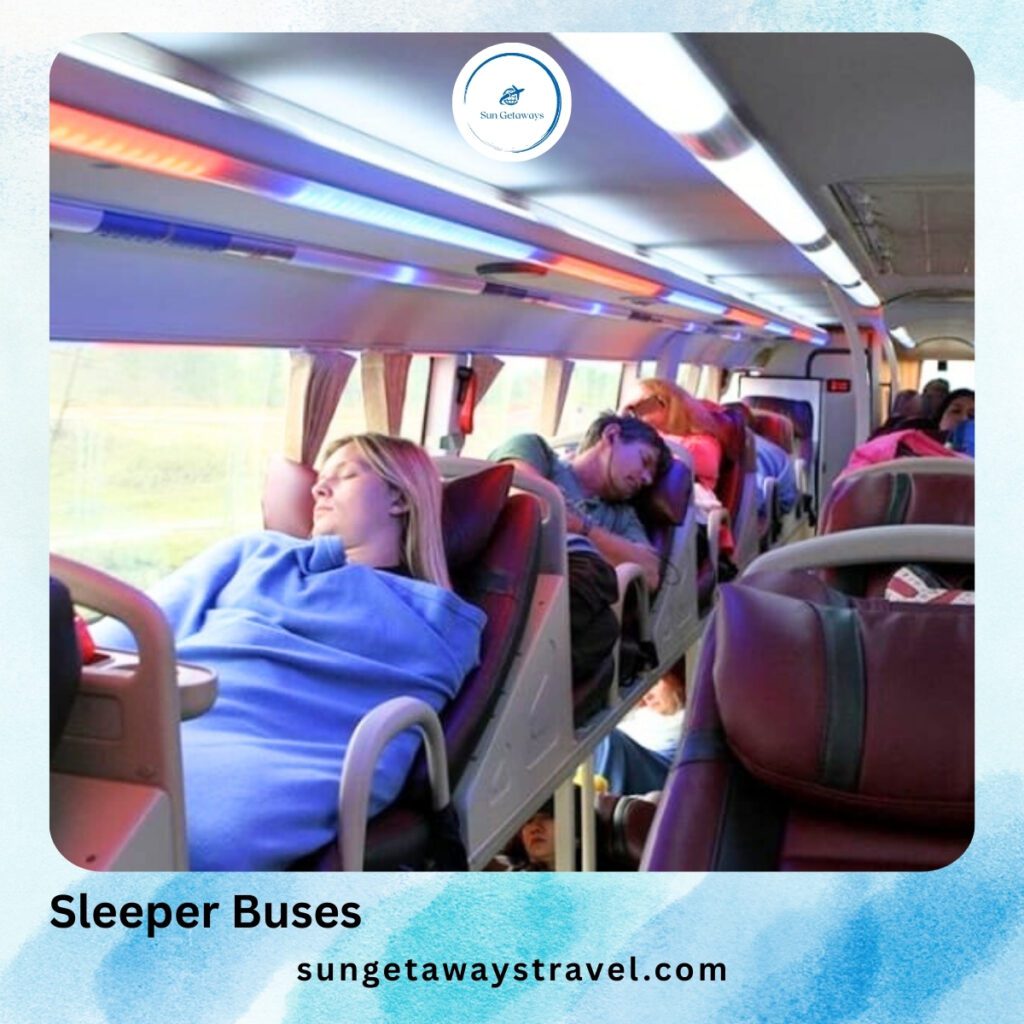
⚠️ A golden rule: Always book buses directly at reputable stations (like the major bus companies’ dedicated offices) or contacts us for FREE support 📞 – to avoid other agency markups (which can add hidden costs Vietnam travel of 15–30%).
Renting a motorbike — do it right
Vietnam is famous for its epic motorbike journeys (like the Ha Giang Loop), but doing it wrong can cost you hundreds in fines or repairs. Implement these crucial Vietnam backpacking tips:
- Rent from reputable shops only (e.g., specialized motorbike touring companies, not random roadside vendors).
- Always ask for a contract and take detailed photos of existing scratches before leaving the shop.
- Invest in a proper, high-quality helmet; most helmets provided are too thin and unsafe.
- Regions best for motorbiking: Ha Giang Loop Guide, Dalat countryside, and the Hai Van Pass.
For multi-day rides like Ha Giang, Sun Getaways Travel offers licensed guides — a much safer and surprisingly affordable option.
Food & Drink Tips — Eat Smart and Spend Less
Street food is your best friend
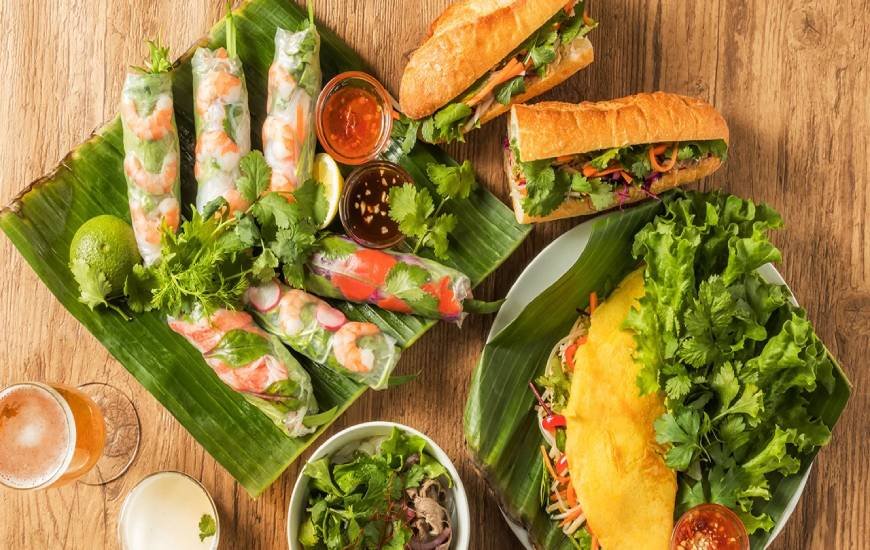
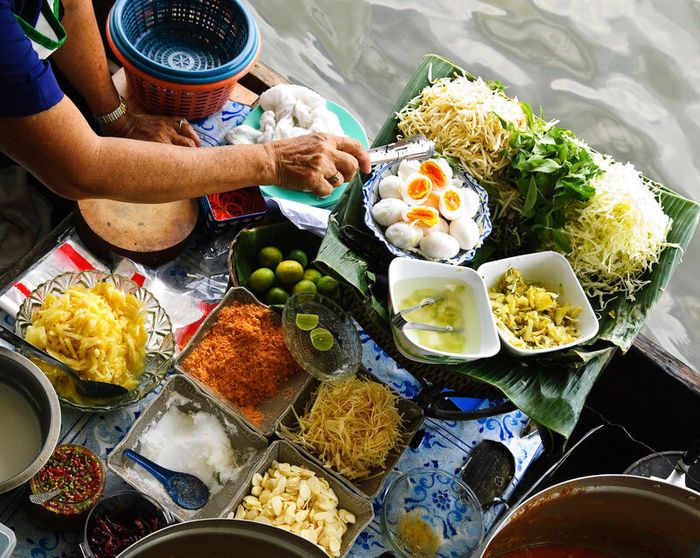
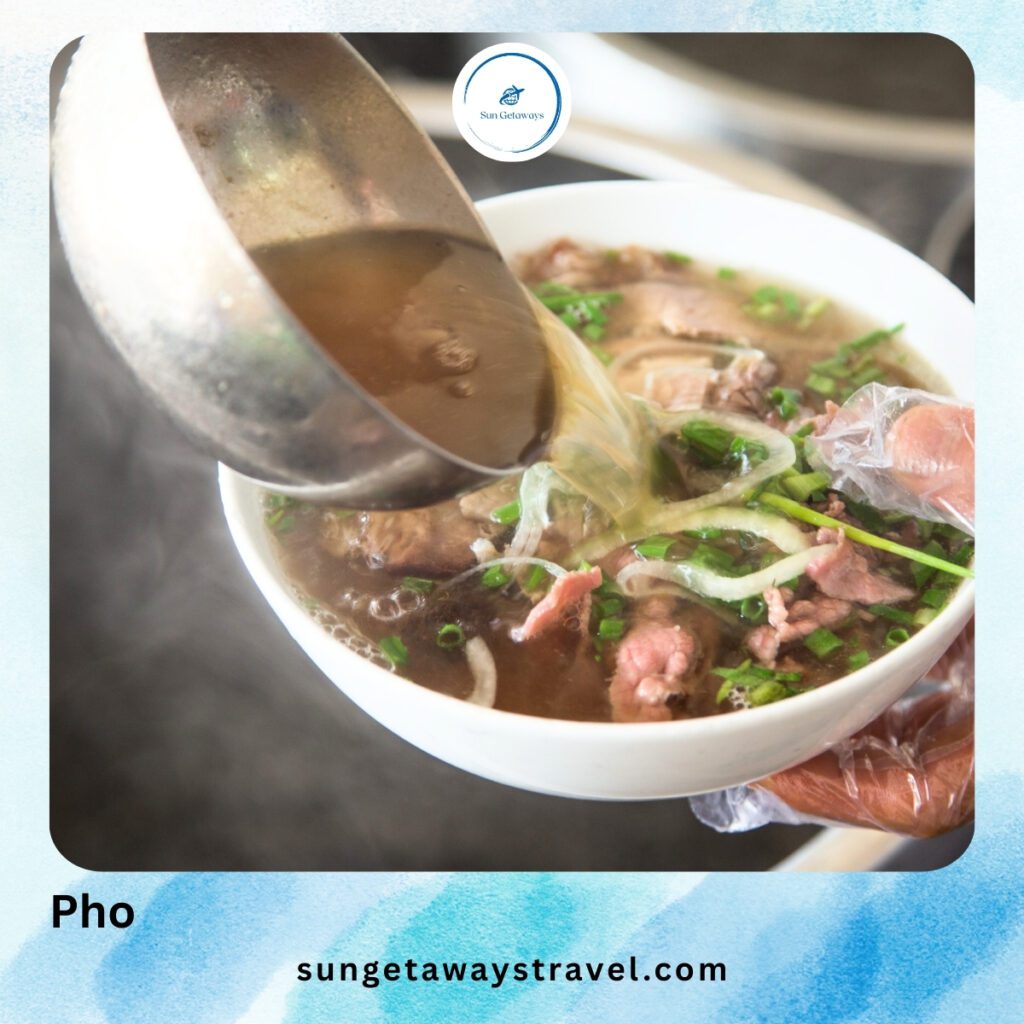
Vietnam’s best flavors, cultural interactions, and prices are found on the streets, not in fancy restaurants. You can eat a fulfilling, delicious meal for $1–$3. Must-try street dishes include:
- Bánh mì
- Bún chả
- Hủ tiếu
- Phở
- Cơm tấm
For a deeper dive into flavors, check out our Vietnam Culinary Experiences guide.
Hygiene rules to follow
While street food is delicious, smart hygiene practices are essential for a smooth trip:
- Choose stalls with long lines (high turnover means fresh food).
- Avoid food sitting uncovered in the sun.
- If you’re worried about the water source, ask for drinks “Không Đá” (No Ice) or buy bottled water/soda.
- Never drink tap water.
Drinking culture
Beer is cheap ($1–$1.5), but nightlife in cities like Saigon can get expensive fast. To save money:
- Avoid tourist bars
- Drink where locals drink (fresh beer “bia hơi” costs only $0.30)
Packing Hacks — Vietnam Backpacking Tips for Every Season
Pack for climate variation
Vietnam has three distinct climate zones (North, Central, South), meaning you need adaptable clothing.
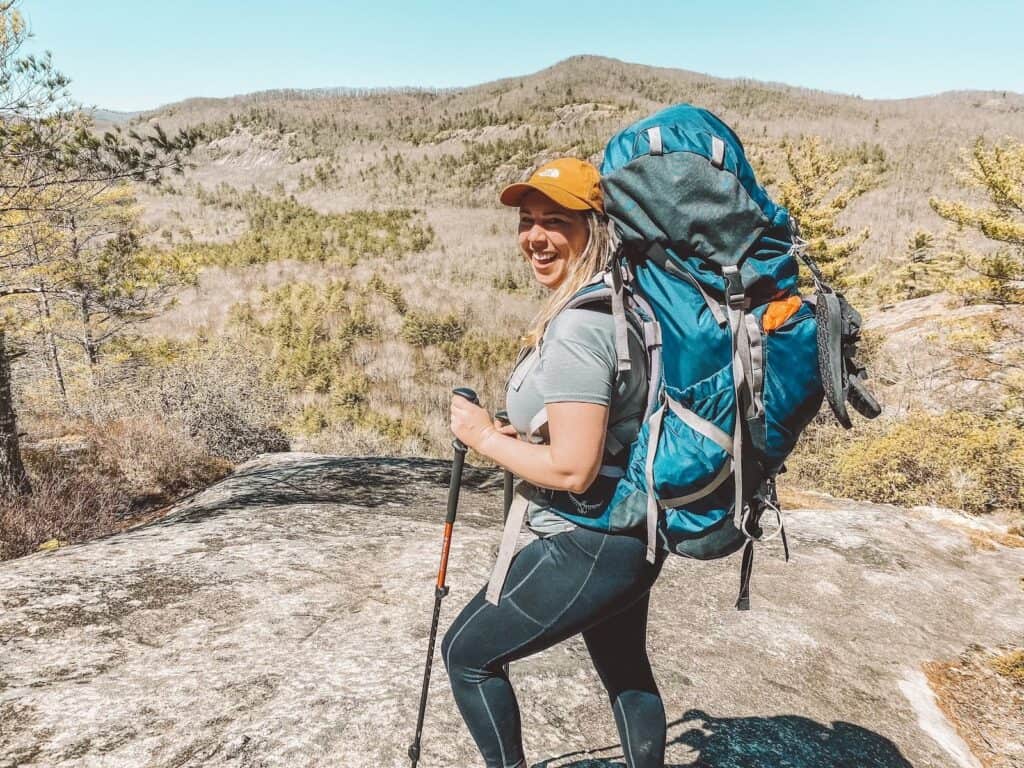
- Essentials: Quick-dry t-shirts, lightweight rain jacket/poncho, sandals (essential for walking and wet markets) + sturdy sneakers.
- Safety/Tech: Power bank, reusable bottle, mosquito repellent, padlock (for hostels), travel-sized laundry detergent.
- Important: If traveling to Sapa or Ha Giang in winter (Nov–Feb), pack layers, as temperatures can drop below 10°C (50°F).
Don’t overpack — laundry is cheap
Laundry costs only $1–$2/kg in every major city and hostel. Don’t bring 20 outfits; pack light to travel easier, save your back, and avoid paying unnecessary baggage fees on flights or buses.
Safety & Scam Prevention — Core Vietnam Backpacking Guide Essentials
Common scams to avoid
Vietnam is generally safe, but travelers should be aware of:
- Taxi overcharging
- Overpriced SIM cards at airports
- Fake tour agencies
- Motorbike repair scams
- Overpriced souvenirs in tourist markets
Solutions:
- Use Grab or Xanh SM
- Buy SIM cards inside a Viettel/ Mobifone store
- Verify tour companies
- Agree on prices before buying anything

Travel insurance is non-negotiable
Motorbike accidents are statistically the number one cause of travel insurance claims in Vietnam. Never travel without comprehensive coverage—medical bills for serious accidents can be devastatingly expensive. This is the single most important Vietnam backpacking tip regarding Vietnam travel safety.
Cultural Tips — Respect Goes a Long Way
Learn a few Vietnamese phrases
Locals appreciate effort, and even simple phrases reduce tourist pricing. Useful Vietnamese phrases:
- “Cảm ơn” — Thank you
- “Bao nhiêu?” — How much?
- “Xin lỗi” — Sorry
- “Không” — No
Dress appropriately
Vietnam is modern but modest. When visiting temples, pagodas, or family homes, always cover your shoulders and knees as a sign of respect.
Cash is still king
While major cities accept cards, over 60% of Vietnam still relies on cash, especially for street food vendors, local markets, and rural areas. Always carry a small amount of local currency.
Expert Insights — Emma’s Vietnam Backpacking Guide Advice
Emma, a Vietnam tour operator with 12 years of field experience, shares this:
“Backpacking Vietnam isn’t just about saving money — it’s about traveling wisely. Most overspending happens because travelers try to do too much too fast. Slow travel is cheaper, safer, and lets you actually feel Vietnam. My advice? Choose fewer destinations, stay longer, and connect with locals. Those moments are what make Vietnam unforgettable.”
Her pro tip:
“Book trusted tours only. The cheapest option is often the one that causes the most trouble.”
If you need help choosing reliable tours with fair prices, Sun Getaways Travel can recommend local operators they personally trust.
⭐️ Sample Itinerary — A Smart & Budget-Friendly Route
A great, balanced route for a first-time backpacker (2–3 weeks) is the classic North-to-South (or vice versa) journey:
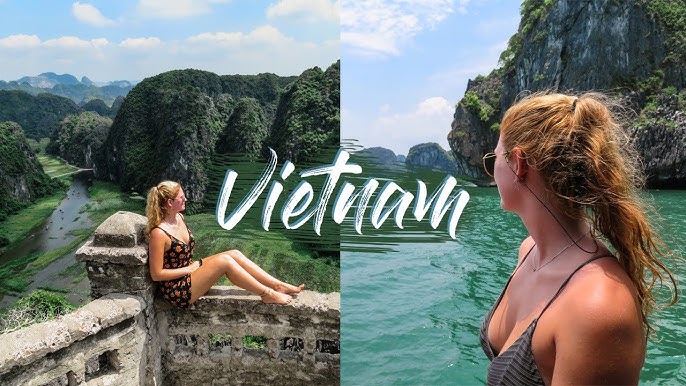
- Hanoi → Ninh Binh → Ha Giang → Sapa → Hue → Hoi An → Dalat → Saigon (Ho Chi Minh City)
❓ Why this itinerary works:
It minimizes zig-zagging to keep transport costs low, offers a perfect mix of mountains, culture, beaches, and food, and is suitable for both budget travelers and first-timers following this Vietnam backpacking guide.
- ✅Low transport costs
- ✅Mix of mountains, culture, beaches, and food
- ✅Suitable for budget travelers and first-timers
For multi-day tours, Sun Getaways Travel can help you compare different licensed operators to get the best value—a simple, no-pressure way to avoid inflated rates and ensure you book a reputable service.
When to Use Travel Agencies (and Save Money Doing It)
Believe it or not, certain activities are often cheaper through agencies because local suppliers offer wholesale pricing to partners—a crucial one of the last Vietnam backpacking tips.
These activities, where a licensed tour is better than DIY, include:
- Ha Giang Loop tours (safety, bike quality, guides)
- Ha Long Bay cruises (cost, quality control, safety)
- Cu Chi Tunnels & Mekong Delta tours (efficient logistics, professional guides)
- Sapa trekking (licensed local guides)
Final Thoughts — Vietnam Backpacking Tips That Truly Make a Difference
Vietnam is an incredible, budget-friendly destination — but the difference between a stressful trip and a smooth, memorable adventure often comes down to preparation.
By following the Vietnam backpacking tips in this guide, you’ll avoid unnecessary expenses, travel safer, and experience the authentic side of the country.
And if you ever feel stuck with planning transportation, routes, or reliable tour operators, Sun Getaways Travel is always ready to help.
FAQs — Vietnam Backpacking Tips
Most travelers spend $25–$40/day, depending on accommodation and transport choices.
Yes, Vietnam is very safe. Just follow basic precautions and avoid unlicensed taxis or tours.
Sleeper buses and trains are the most budget-friendly long-distance options.
Cash is essential, especially in rural areas. Cards are accepted in big cities and hotels.
Yes, if you rent from reputable shops, wear a proper helmet, and drive cautiously.


Related Tour

11-Day Taste of Vietnam From North to South


31 Reviews

Mekong Experience: My Tho & Ben Tre
7 Reviews

4 Day Hoang Su Phi Trekking
23 Reviews

Northern Vietnam Delights: Hanoi, Halong Bay & Sa Pa 6 Days
27 Reviews
Discover the Gems of Vietnam with a 14-Day Grand Tour
20 Reviews
Ask a question
Leave a Comment (0)
No questions yet. Be the first to ask a question!
See related Posted
Luxury Golf Resorts in Vietnam – Elite Golf Travelers

Vietnam is increasingly recognized as a premier golf destination in Asia, therefore luxury golf…
Macrame in Vietnam: The Revival of Knot Art in Contemporary Craft Culture

Macrame in Vietnam reflects the country’s growing engagement with contemporary handmade culture, where global…
Vietnamese Musical Instrument Craft: Traditional Instrument Making in Vietnam

Vietnamese musical instrument craft reflects a long-standing relationship between sound, material, and cultural memory.…
Traditional Vietnamese Kite Art: History, Craftsmanship, and Cultural Meaning

Traditional Vietnamese kite art is a living expression of folk creativity, community values, and…
Vietnamese Folk Masks: Tradition, Symbolism & Cultural Meaning

Vietnamese folk masks are a distinctive form of traditional art that reflects the spiritual…
Vietnamese Embroidery Art: Traditional Craftsmanship & Cultural Meaning

Vietnamese embroidery art is a refined traditional craft that reflects patience, cultural memory, and…