





Traditional Medicine in Vietnam – Heritage & Wellness Today
 PhamDuong
  3 min. to read
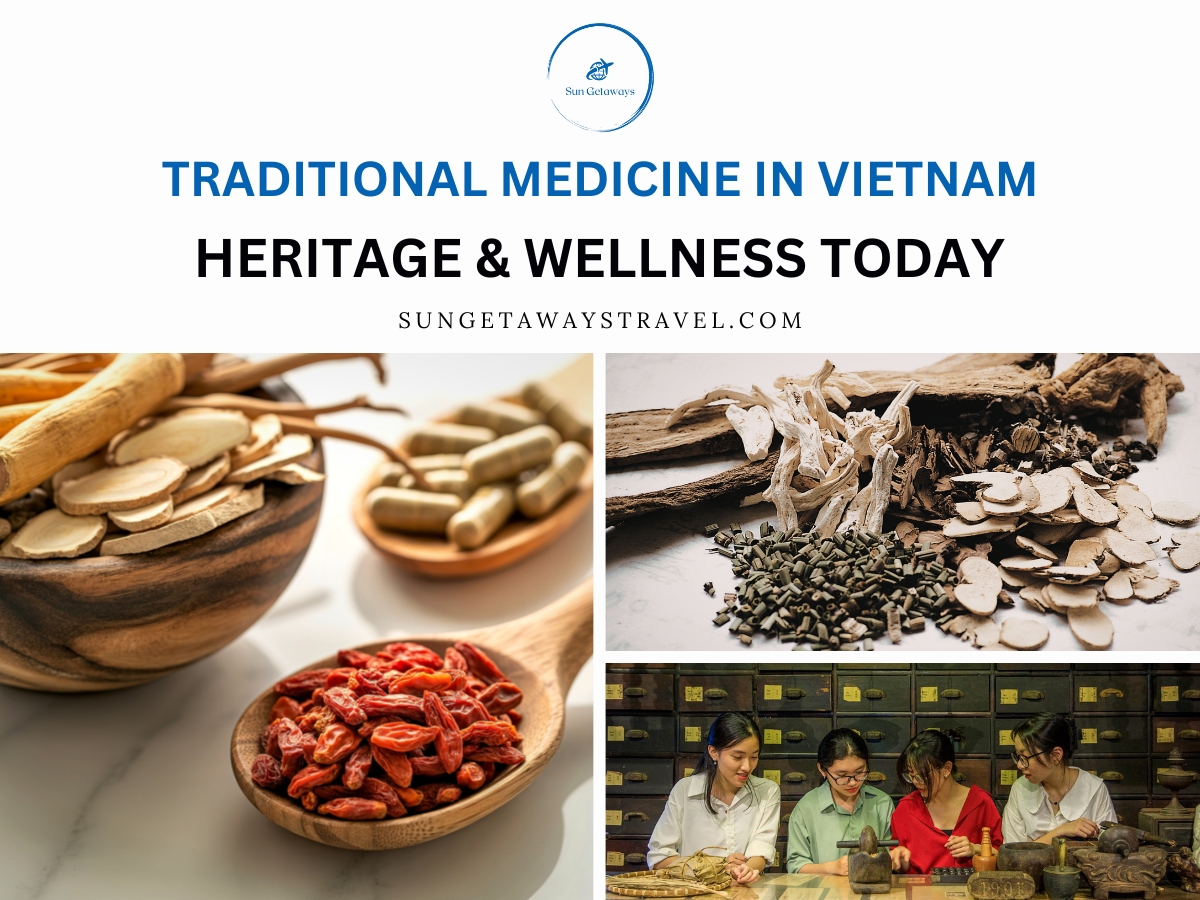
 Vietnam offers far more than scenic landscapes and rich history, it is also rooted in centuries-old healing traditions. The practice of traditional medicine in Vietnam is alive today, and modern travellers are discovering how it can enrich their wellness journeys. From regional herbal clinics to elegant resorts offering herbal-based spa treatments, the legacy of Vietnamese herbal remedies is being re-imagined for international visitors.
Key Takeaways
- Traditional medicine in Vietnam is rooted in centuries-old practices, blending indigenous wisdom and Chinese influence.
- Modern wellness centers integrate traditional treatments like acupuncture, herbal remedies, and massage alongside modern practices.
- Key concepts include harmony, preventive health, and the vital mind-body connection emphasized in Vietnamese healing culture.
- Visitors can experience unique wellness rituals such as Dao herbal baths and herbal foot soaks for relaxation and healing.
- Travelers interested in traditional medicine in Vietnam should seek licensed practitioners and explore local herbal remedies.
1. What Is Traditional Medicine in Vietnam?
1.1. A Deep Historical Journey of Traditional Medicine in Vietnam
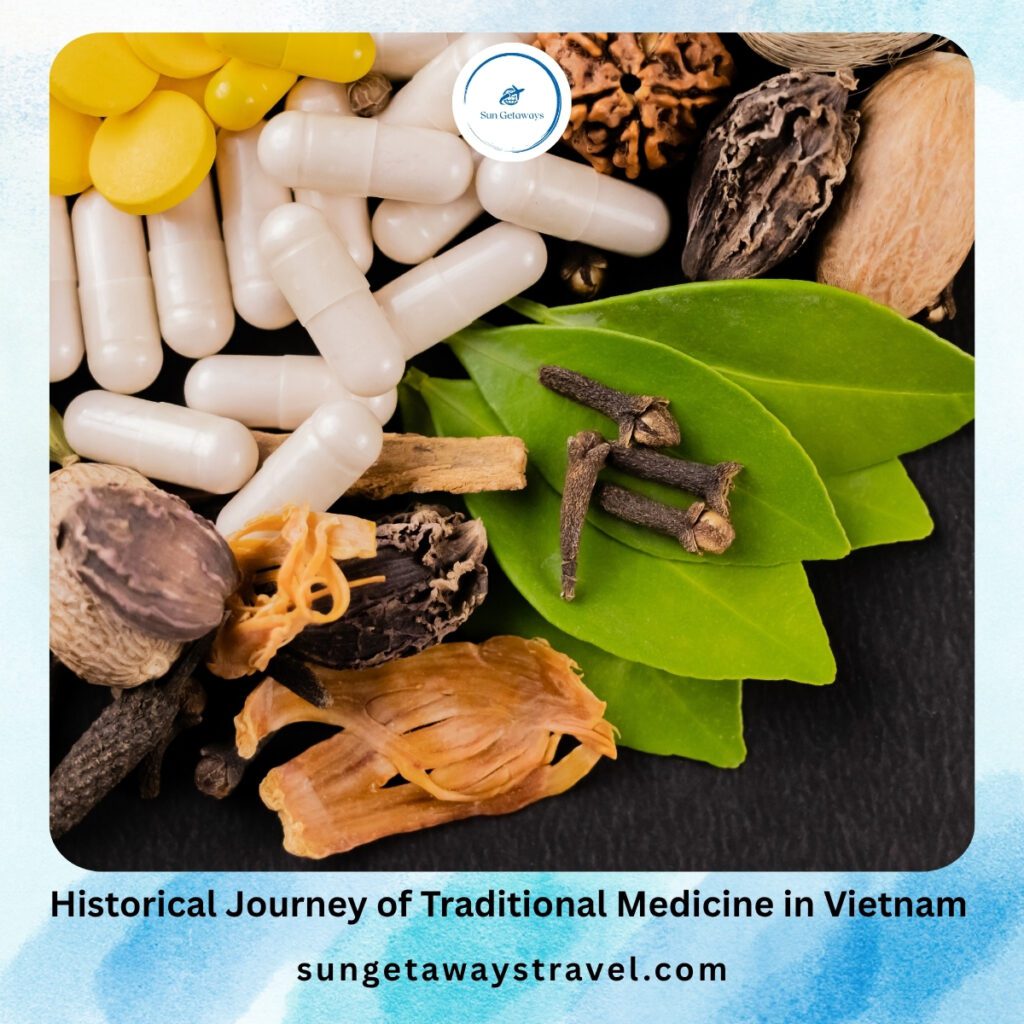
The roots of traditional medicine in Vietnam stretch back over a thousand years, shaped by a blend of Chinese influence and indigenous wisdom. Early Vietnamese healers studied local plants, roots, and minerals to create herbal formulas suited to the country’s tropical climate. EthnoMed and The Borgen Project note that traditional Vietnamese medicine emphasized balance, restoring harmony between body and nature rather than just treating symptoms.
Over time, this system evolved into Thuốc Nam, a uniquely Vietnamese branch focused on Vietnamese herbal remedies made from local ingredients. Historical physicians like Tuệ Tĩnh and Hải Thượng Lãn Ông documented hundreds of healing herbs still used today. Their work remains the foundation for many rural practitioners who continue to pass down herbal knowledge across generations.
1.2. Traditional Medicine in Vietnam Meets Modern Science
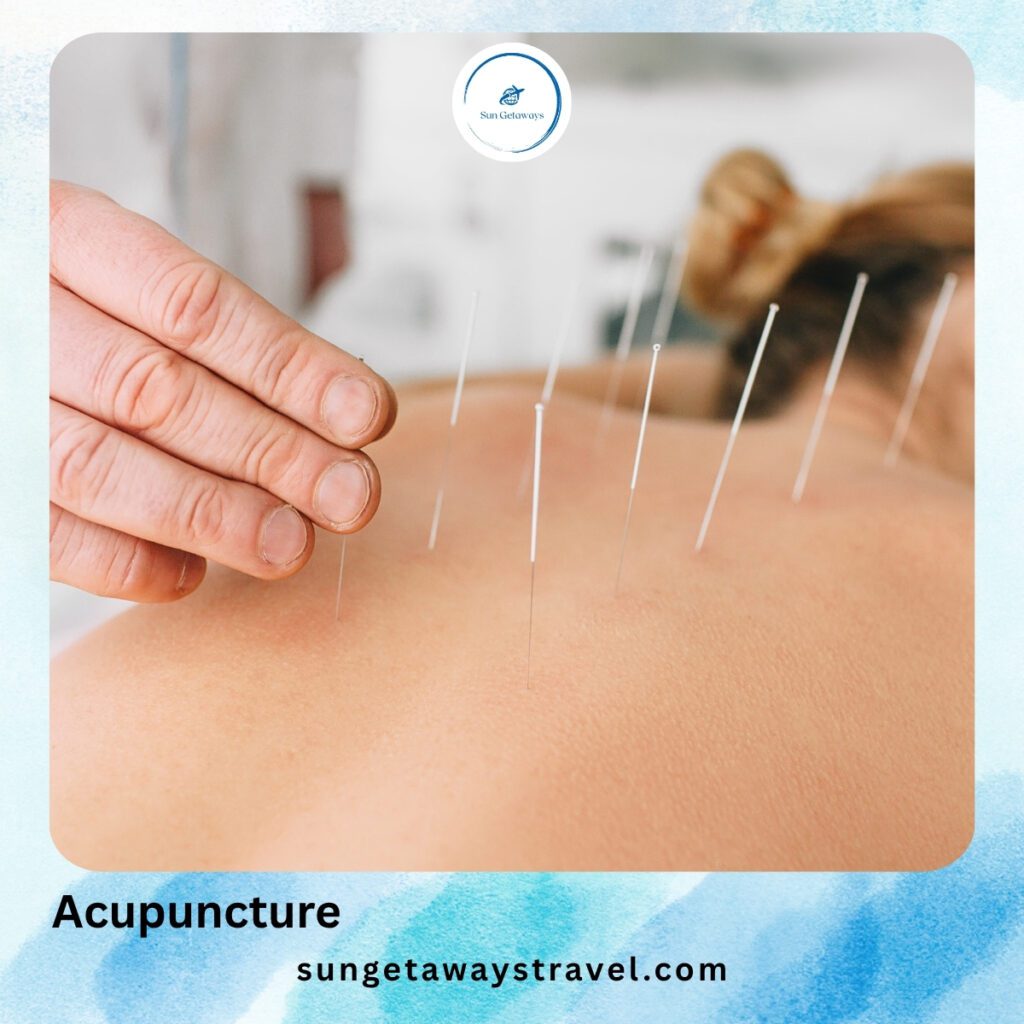
Today, traditional medicine in Vietnam thrives alongside modern healthcare. Many hospitals now integrate acupuncture, massage, and herbal therapy into their treatment programs. According to PMC studies, around 70% of Vietnamese adults regularly use traditional remedies for daily health maintenance.
For visitors, this renewed interest offers a chance to experience wellness the Vietnamese way, blending science with tradition. Clinics in Hanoi, Da Nang, and Ho Chi Minh City now provide authentic Vietnamese herbal remedies in peaceful, spa-like settings, inviting travelers to heal naturally while discovering the country’s rich cultural roots.
2. Core Principles Behind Vietnamese Healing
2.1. The Philosophy of Balance in Traditional Medicine in Vietnam
At the heart of traditional medicine in Vietnam lies the belief in harmony, between yin and yang, hot and cold, and body and nature. Practitioners view illness as an imbalance, not merely a disease. Therefore, every treatment aims to restore internal equilibrium through herbs, diet, and lifestyle changes.
2.2. The Role of Nature and Environment
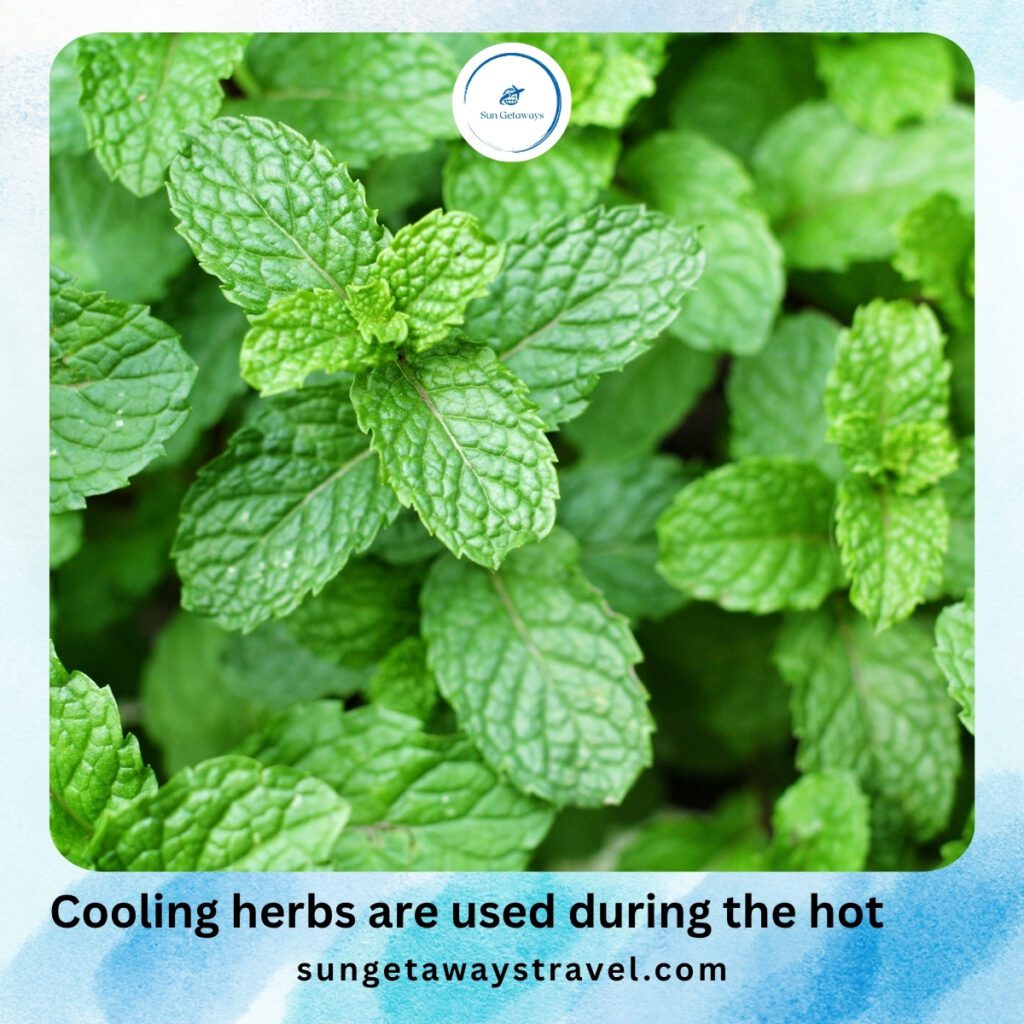
Vietnamese healers deeply respect the environment. Many remedies are inspired by local climate patterns and seasonal foods. For instance, cooling herbs are used during the hot, humid months to prevent internal heat, while warming tonics help people through the damp winter in the north.
2.3. The Mind–Body Connection
Traditional Vietnamese medicine also emphasizes mental peace. According to healers, emotional stress can disturb vital energy, known as “khí.” Consequently, relaxation methods such as meditation, breathing, and gentle massage are integrated into treatment to enhance recovery.
2.4. Preventive Health, Not Just Cure by Traditional medicine in Vietnam
Rather than waiting for illness, Vietnamese herbal remedies are used regularly to maintain wellness. Locals often drink herbal teas, eat medicinal soups, or visit wellness clinics for balancing therapies. This preventive mindset is why longevity and vitality are prized in Vietnamese culture.
2.5. Modern Adaptations and Integration
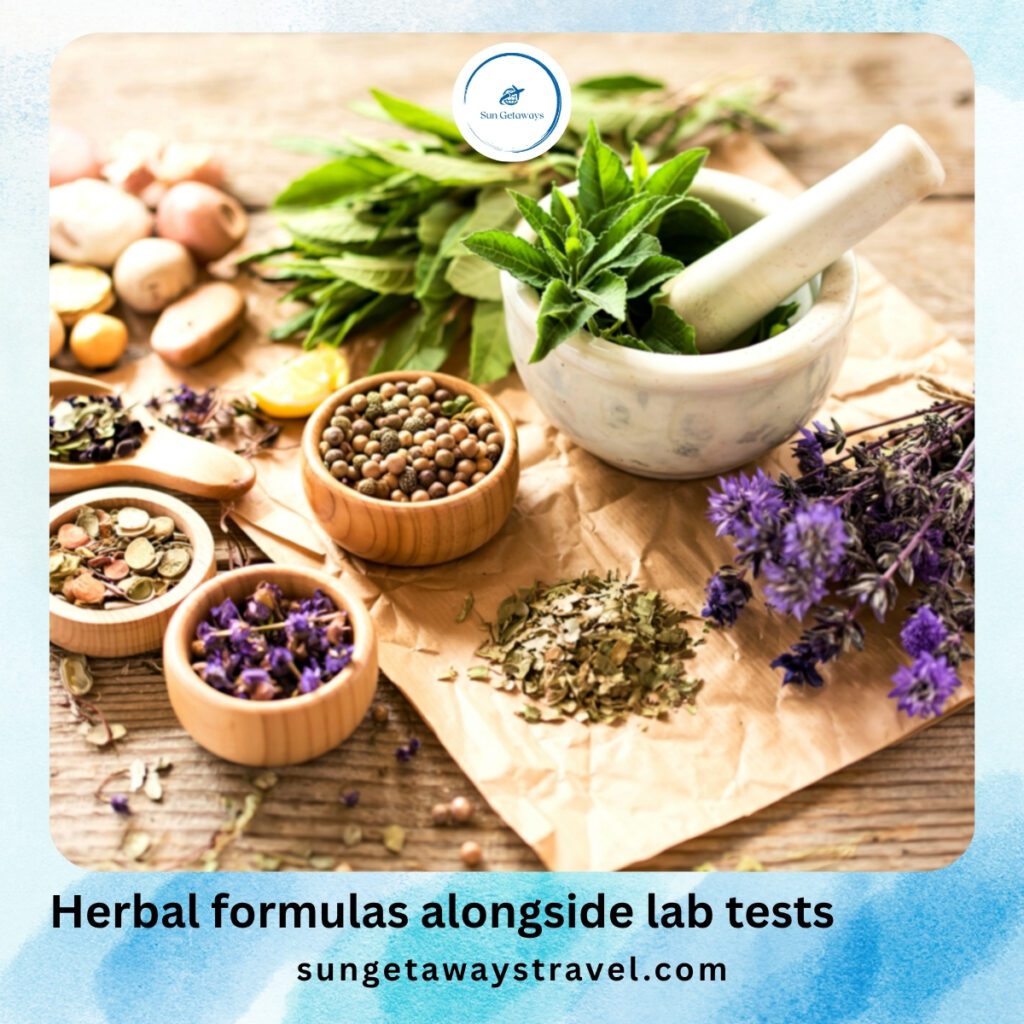
Today, hospitals and wellness centers across the country blend traditional medicine in Vietnam with modern diagnostics. Doctors might prescribe herbal formulas alongside lab tests or physiotherapy, offering travelers a well-rounded and scientifically supported healing experience.
3. Common Vietnamese Herbal Remedies
3.1. Ginger (Gừng) — The Ultimate Warming Herb
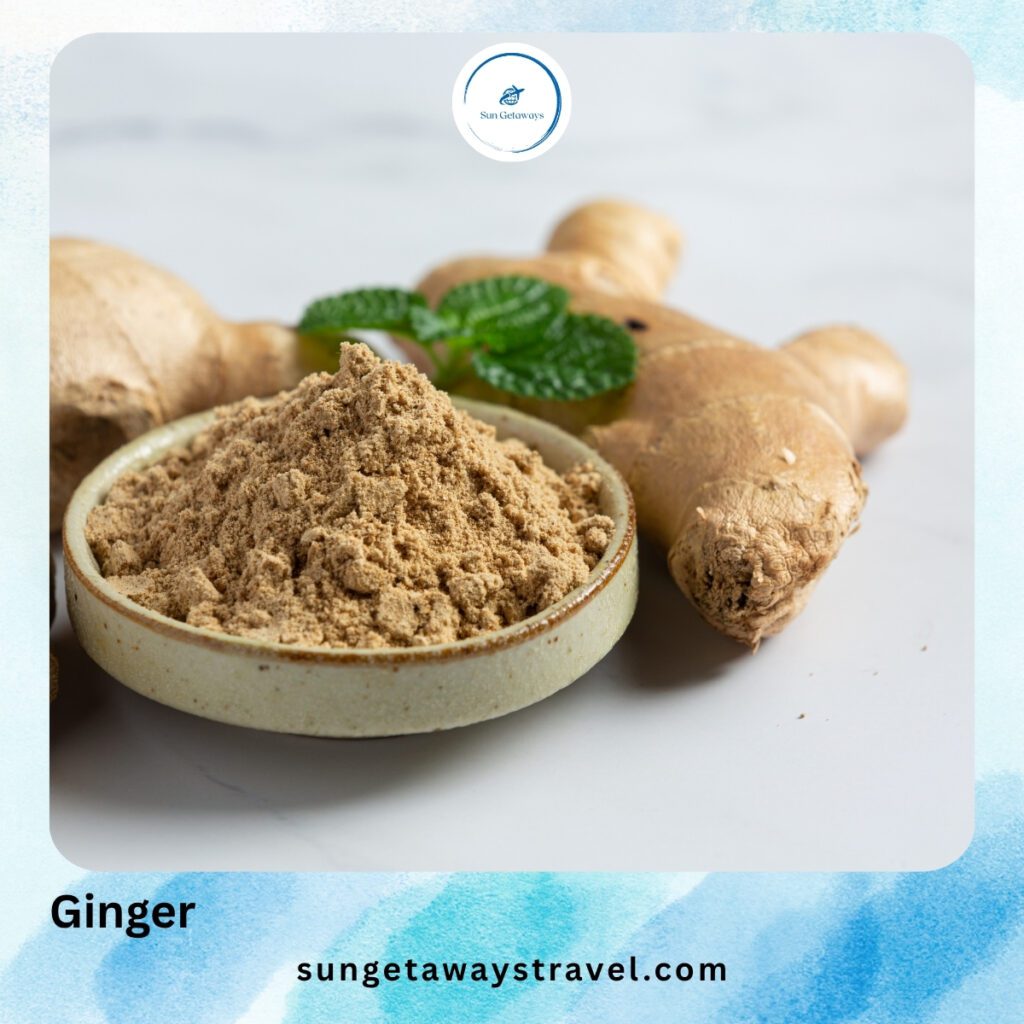
In traditional medicine in Vietnam, ginger is considered a must-have for treating colds, nausea, and fatigue. Locals believe it restores body heat and improves energy flow, especially on rainy or humid days. You’ll often find it in teas, soups, or herbal compresses used in spas and wellness resorts.
For travelers, ginger is a simple yet powerful companion. Many Vietnamese herbal remedies feature ginger to prevent motion sickness or boost digestion after street food adventures. You can easily try ginger tea at wellness cafés in Hanoi or buy fresh slices from local markets in Da Nang to make your own.
3.2. Licorice Root (Cam Thảo) — Traditional medicine in Vietnam
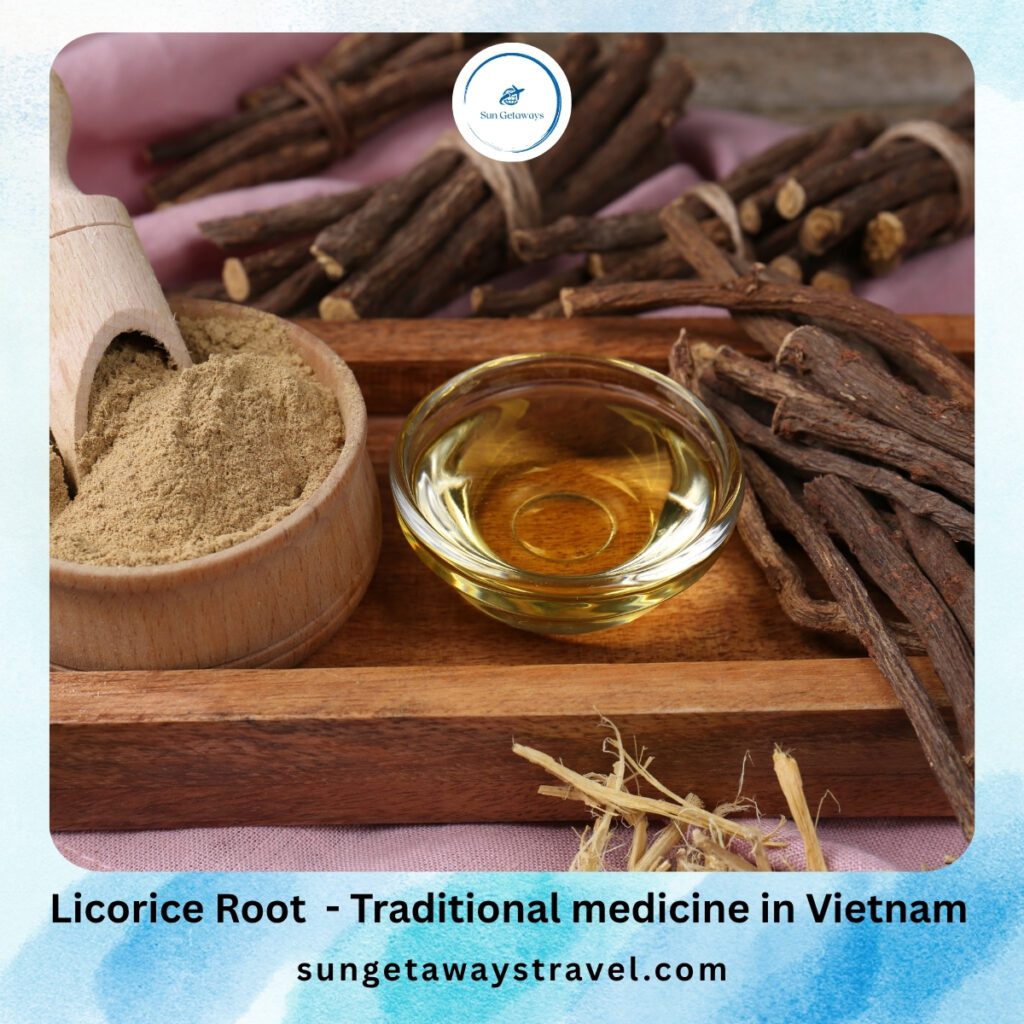
Licorice root plays a balancing role in traditional medicine in Vietnam, softening strong herbs and harmonizing the body. It’s famous for soothing sore throats, easing coughs, and relieving stress. Moreover, its sweet flavor makes it a common base for herbal teas served in traditional pharmacies.
Travelers who enjoy herbal wellness can find Vietnamese herbal remedies containing licorice in local apothecaries or at spa centers. In central Vietnam, for example, many detox treatments include licorice infusions to cool the liver and calm the body after long flights or hot weather exploration.
3.3. Gotu Kola (Rau Má) — The Cooling Tonic
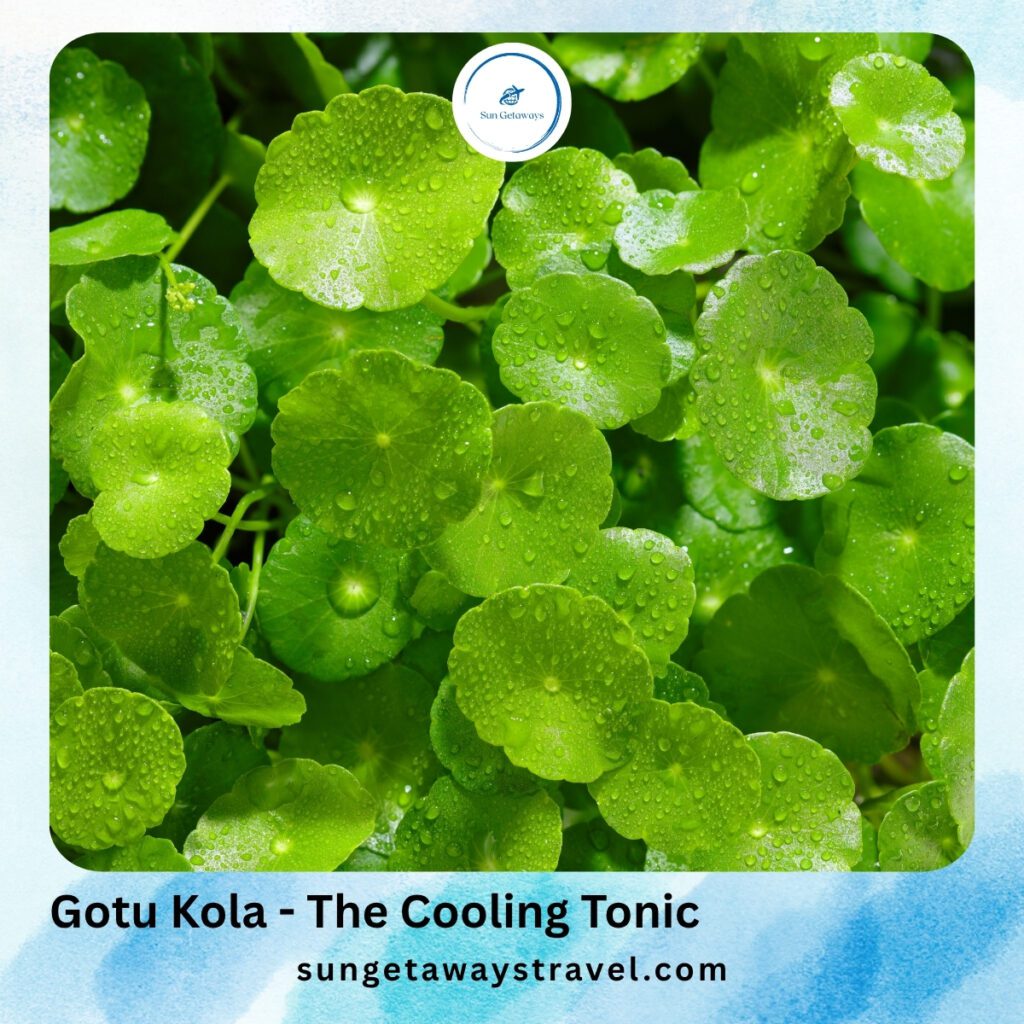
Gotu kola (Known as Centella Asiatica) is widely used in traditional medicine in Vietnam to “cool the blood” and promote skin healing. It’s believed to detoxify the liver and improve circulation, which helps prevent acne and heat-related fatigue. Moreover, it’s one of the most refreshing Vietnamese herbal remedies for those sensitive to the tropical climate.
You’ll see street vendors blending gotu kola into a green drink, a favorite among locals for its mild taste and cooling effect. For wellness travelers, it’s worth trying fresh rau má juice in Ho Chi Minh City or adding it to your detox plan after visiting hot, sunny destinations like Nha Trang or Phu Quoc.
3.4. Turmeric (Nghệ) — The Golden Healer
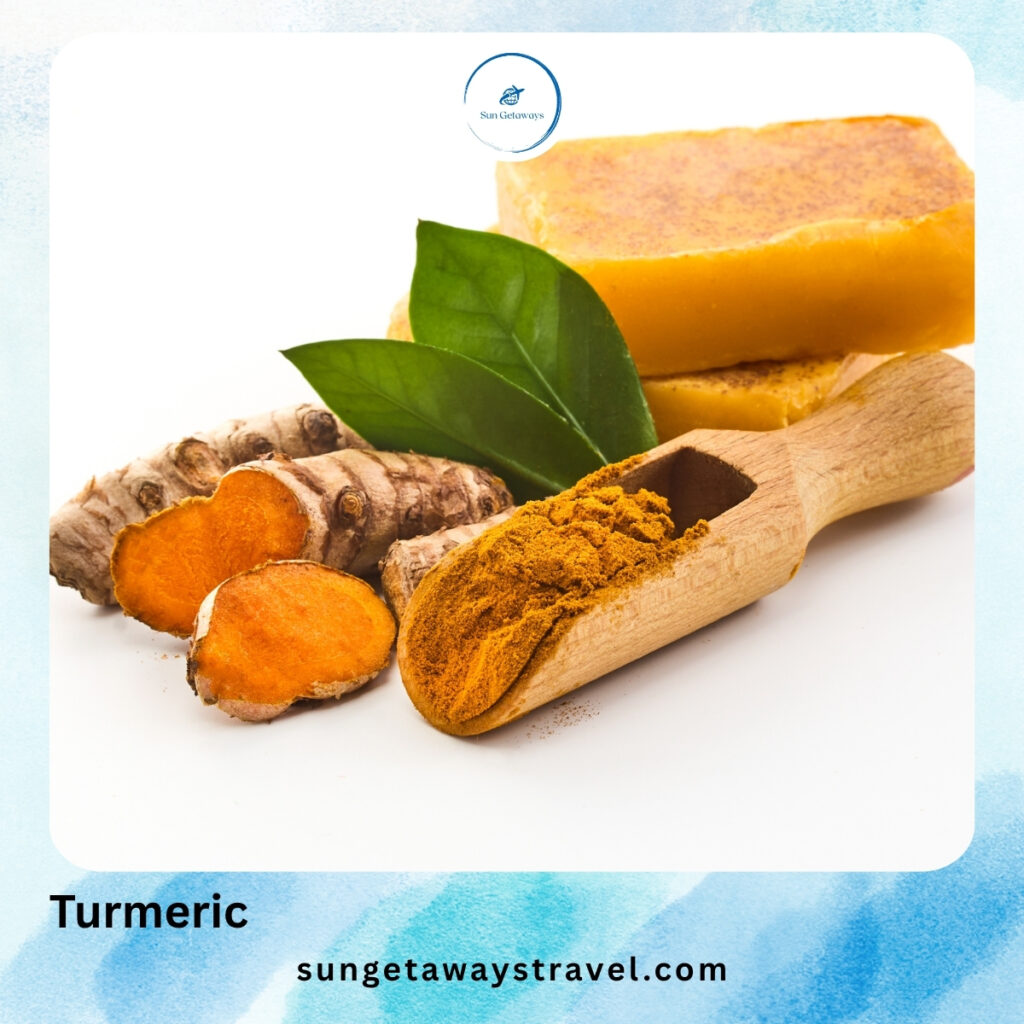
Turmeric is often called the “golden root” in traditional medicine in Vietnam because of its powerful anti-inflammatory and liver-protecting benefits. It’s used for wound healing, digestion, and skin repair, making it one of the most versatile Vietnamese herbal remedies.
Today, wellness resorts and herbal spas across Vietnam use turmeric in natural skincare and body wraps. Many travelers try turmeric-honey masks or turmeric tea for internal detox. If you’re in Hue or Hoi An, local wellness shops even sell handmade turmeric soaps as meaningful souvenirs.
3.5. Cinnamon (Quế) — The Circulation Booster
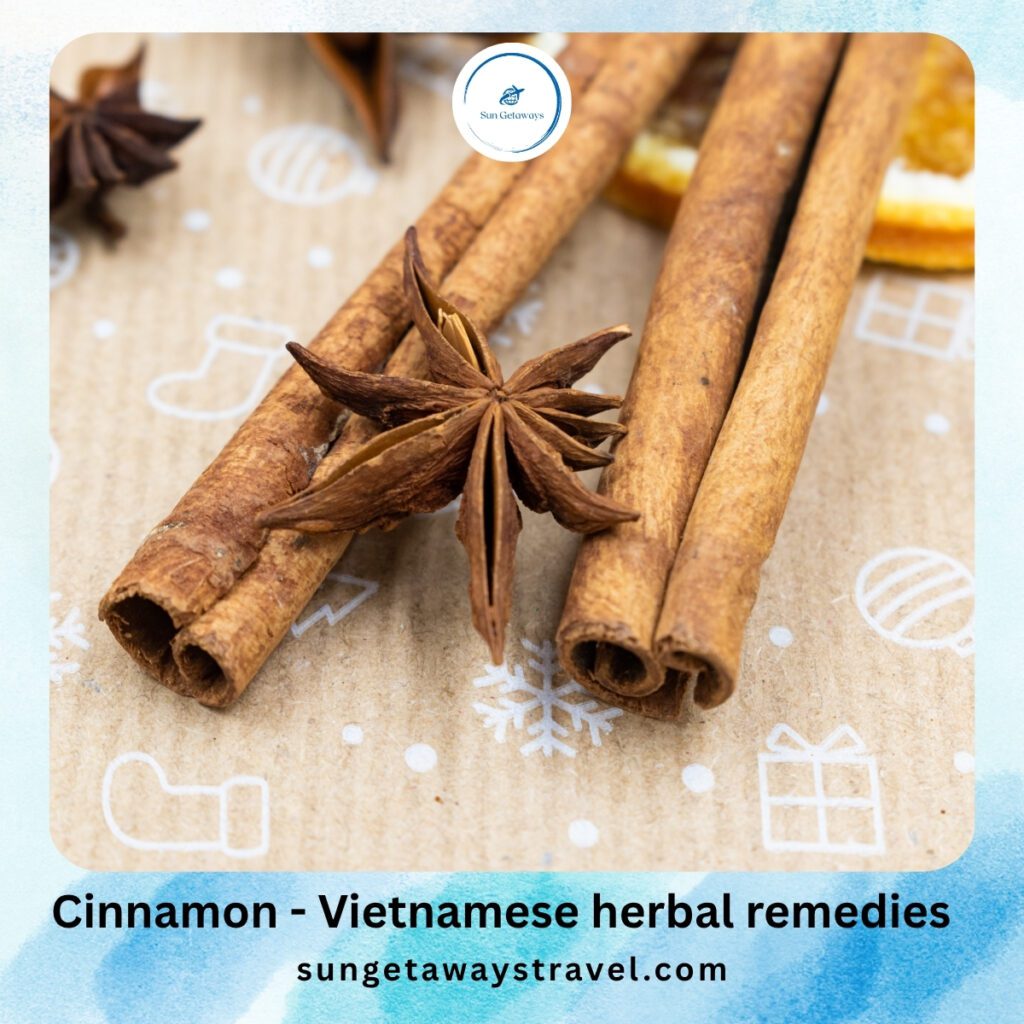
Cinnamon is a warming spice that symbolizes vitality in traditional medicine in Vietnam. It’s used to improve blood flow, relieve muscle pain, and boost heart health. Moreover, its antibacterial properties make it popular in herbal balms and teas, especially during cooler months in northern Vietnam.
Travelers can explore Vietnamese herbal remedies featuring cinnamon at traditional medicine museums or herbal markets in Hanoi’s Old Quarter. Many spa treatments in Sapa and Hue also use cinnamon oil to relieve stiffness after trekking or long travel days, offering both relaxation and rejuvenation.
If you’d love to explore authentic traditional medicine in Vietnam or experience real Vietnamese herbal remedies, you can chat with our local wellness experts here for quick guidance and recommendations.
4. Experiencing Traditional Medicine in Vietnam Through Wellness Rituals
4.1. The Dao Herbal Bath — Nature’s Healing Immersion
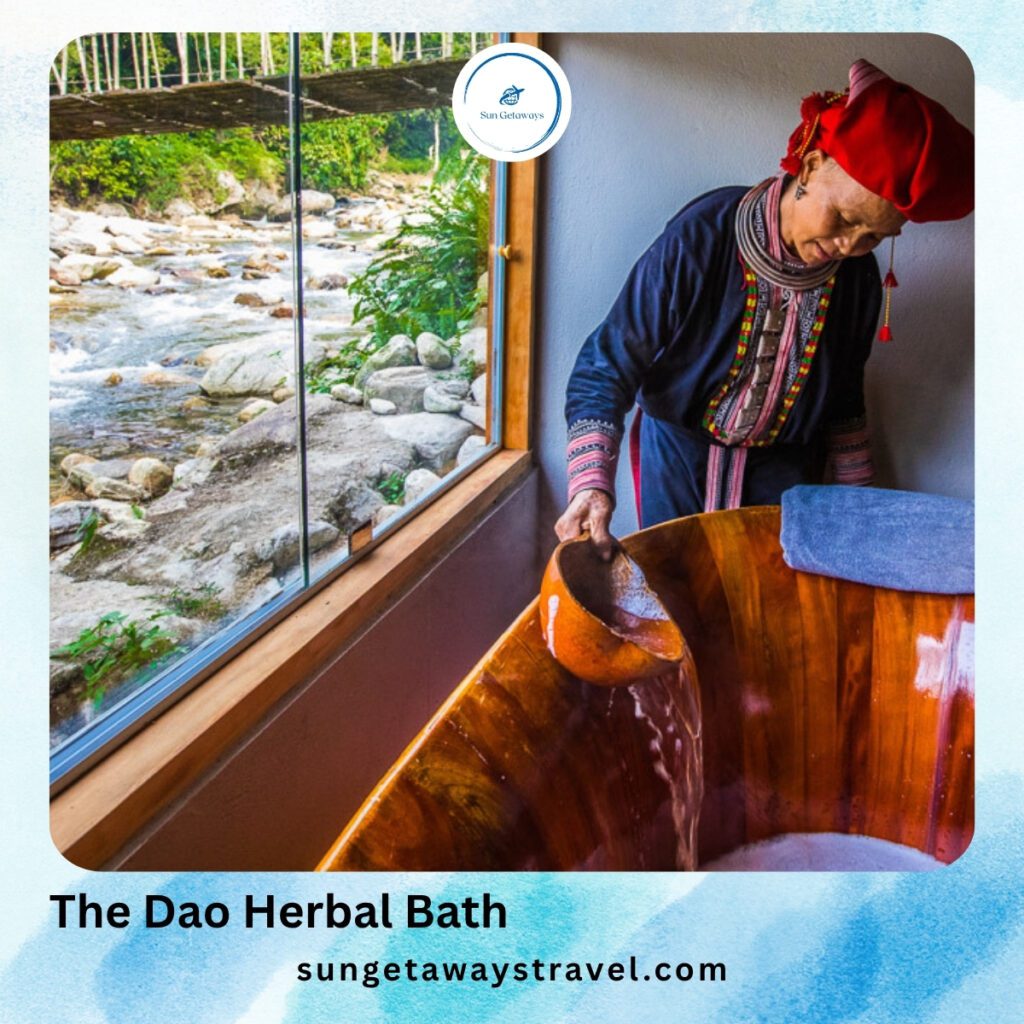
Among the most fascinating experiences of traditional medicine in Vietnam is the Dao herbal bath. This unique ritual comes from the Dao ethnic group living in northern highlands like Sa Pa – Lao Cai and Hoang Su Phi – Ha Giang. The bath blends more than 20 Vietnamese herbal remedies, including wild gingers, cardamom, and cinnamon bark. These plants are hand-picked from forest hills and soaked in hot water to release their healing oils.
Moreover, the Dao believe the steam cleanses both body and spirit. Tourists can enjoy this treatment in local spas or homestays, often overlooking misty valleys. The warmth relieves fatigue, eases muscle pain, and improves blood flow, perfect after long hikes. It’s a soothing, culturally rich way to experience Vietnam’s living heritage.
4.2. Herbal Steam and Foot Soaks for Travelers – Traditional medicine in Vietnam
Another form of traditional medicine in Vietnam that draws travelers’ attention is herbal steaming and foot soaking. These treatments use blends of Vietnamese herbal remedies such as lemongrass, eucalyptus, and wormwood to open pores and stimulate circulation.
In many wellness resorts and community spas, visitors can enjoy a steam bath followed by a hot foot soak. This combination detoxifies the body and calms the mind after busy travel days. It’s a relaxing, accessible version of traditional healing for those short on time.
4.3. Acupuncture and Cupping — Ancient Healing, Modern Comfort
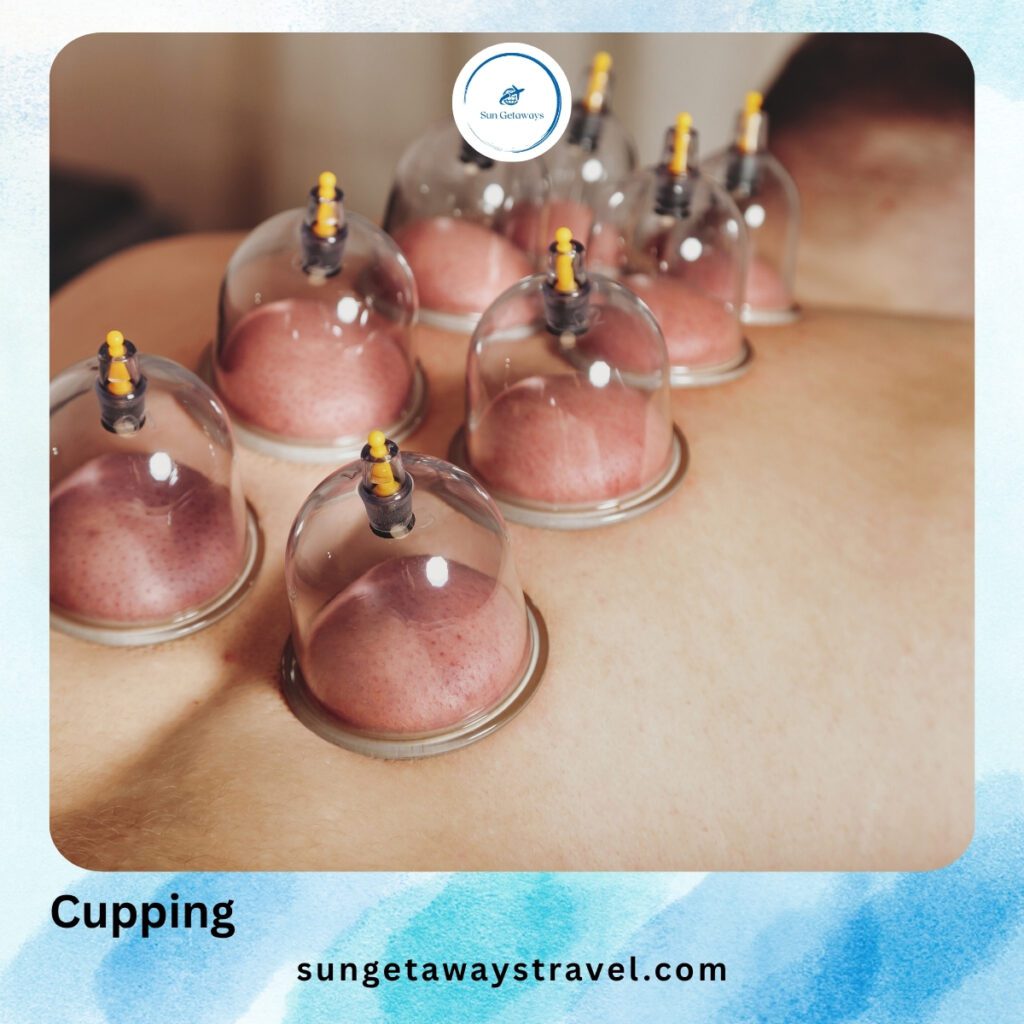
Beyond herbs, acupuncture and cupping remain essential pillars of traditional medicine in Vietnam. Certified practitioners use fine needles and glass cups to balance energy flow and relieve chronic tension. These methods are often available in wellness centers from Hanoi to Ho Chi Minh City.
For visitors curious about authentic Vietnamese care, combining these treatments with herbal therapy offers deep rejuvenation. Plus, modern clinics now blend ancient wisdom with comfortable, hygienic facilities, making the experience both safe and insightful.
4.4. Bringing Herbal Wellness Home
Before leaving Vietnam, travelers can also take a piece of wellness culture with them. Local pharmacies and souvenir shops sell dried Vietnamese herbal remedies in small packs for tea or baths. These blends featuring ingredients like ginger, turmeric, and camphor leaves, extend the feeling of calm long after the trip ends.
In short, traditional medicine in Vietnam isn’t just about healing; it’s about harmony, nature, and connection to culture. Whether through the Dao herbal bath or a simple herbal foot soak, every traveler can discover a meaningful way to unwind.
5. Practical Tips for Experiencing Traditional Medicine in Vietnam
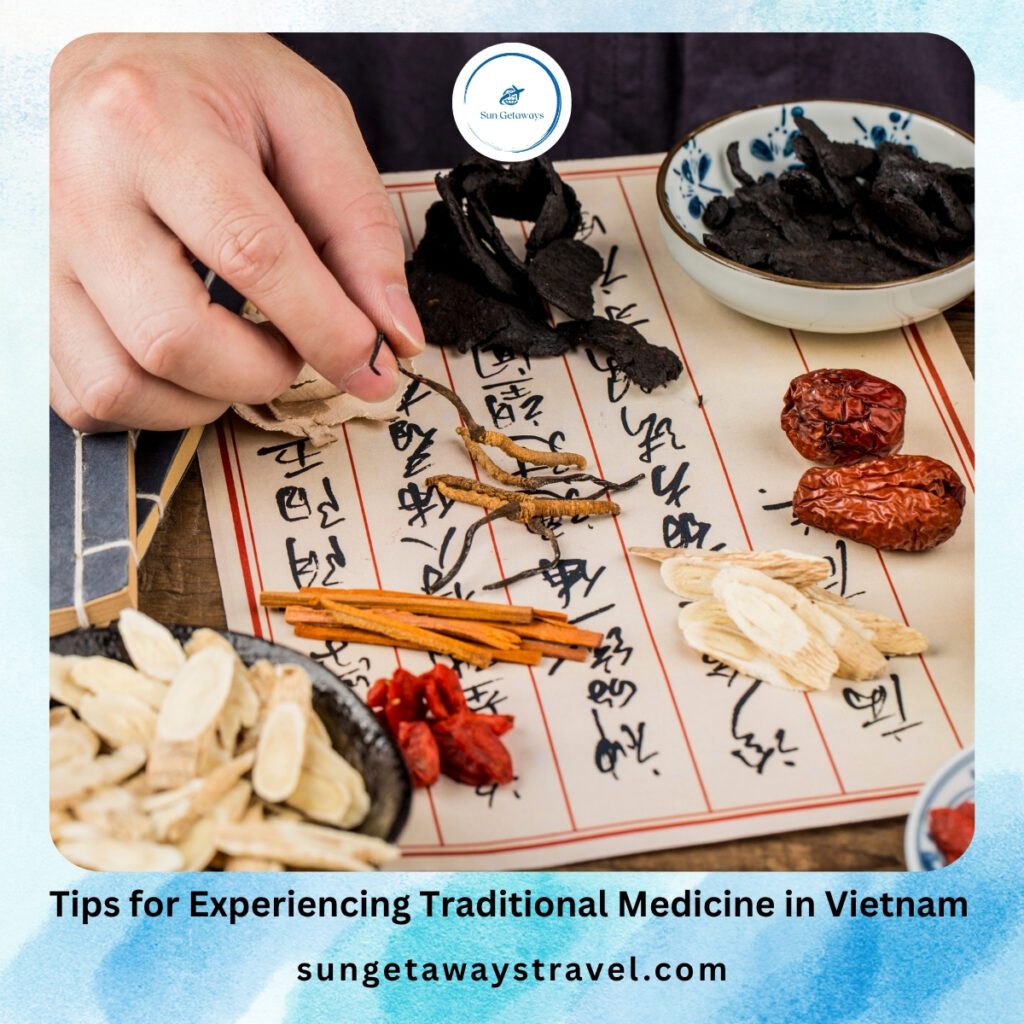
Before exploring traditional medicine in Vietnam, keep these quick tips in mind:
- Choose licensed clinics or spas for safe care.
- Start with mild Vietnamese herbal remedies like teas or Dao Red Leaf baths.
- Always ask about herbal ingredients and possible drug interactions.
- Bring a translation app when visiting local healers.
- Combine treatments with visits to traditional markets for a cultural touch.
- Stay hydrated and rest well after therapy sessions.
These simple habits make your healing journey smoother and more authentic.
Conclusion
Exploring traditional medicine in Vietnam offers more than healing, it’s a window into the country’s deep cultural roots. From acupuncture and cupping to Vietnamese herbal remedies passed down through generations, each treatment tells a story of balance and respect for nature. Whether you visit a modern wellness center or a small mountain village, you’ll discover how ancient wisdom still shapes modern wellness today.
If you’re planning a cultural retreat, customized wellness tour by Sun Getaway Travel will help you design an authentic journey that blends health, heritage, and relaxation.


Related Tour

Experience History and Local Life in the Mekong Delta 5 Days


11 Reviews

Hands On Art & Craft Experience from Hanoi
0 Reviews

Discover the Best of Northern Vietnam in 9 Days
29 Reviews

Discover Vietnam on an 8-Day Relaxing Tour
12 Reviews

11-Day Taste of Vietnam From North to South
31 Reviews

Ask a question
Leave a Comment (0)
No questions yet. Be the first to ask a question!
See related Posted
Luxury Golf Resorts in Vietnam – Elite Golf Travelers

Vietnam is increasingly recognized as a premier golf destination in Asia, therefore luxury golf…
Macrame in Vietnam: The Revival of Knot Art in Contemporary Craft Culture

Macrame in Vietnam reflects the country’s growing engagement with contemporary handmade culture, where global…
Vietnamese Musical Instrument Craft: Traditional Instrument Making in Vietnam

Vietnamese musical instrument craft reflects a long-standing relationship between sound, material, and cultural memory.…
Traditional Vietnamese Kite Art: History, Craftsmanship, and Cultural Meaning

Traditional Vietnamese kite art is a living expression of folk creativity, community values, and…
Vietnamese Folk Masks: Tradition, Symbolism & Cultural Meaning

Vietnamese folk masks are a distinctive form of traditional art that reflects the spiritual…
Vietnamese Embroidery Art: Traditional Craftsmanship & Cultural Meaning

Vietnamese embroidery art is a refined traditional craft that reflects patience, cultural memory, and…