





When Is the Best Time for Stargazing in Vietnam? (2026 Seasonal Guide)
 Dan Vy
  3 min. to read
 Stargazing in Vietnam is an underrated yet deeply rewarding experience, especially for travelers willing to venture beyond cities and tourist hubs to find best stargazing spots in Vietnam. Thanks to its long geography, varied climates, and remote highland regions, Vietnam offers surprisingly dark skies at certain times of the year. Knowing when and where to go is crucial, as weather patterns, moon cycles, and light pollution can dramatically affect visibility.
This 2026 seasonal guide breaks down the best months, regions, and conditions so you can plan unforgettable nights under Vietnam’s stars.
Key Takeaways
- Stargazing in Vietnam offers unique advantages like low light pollution and visibility of northern and southern constellations.
- Best stargazing months are October to March for clear nights, while the rainy season (July to September) poses challenges.
- Key regions for stargazing in Vietnam include Northern Vietnam (Hà Giang), Central Highlands (Da Lat), and Southern islands (Con Dao).
- Plan trips around new moon phases for optimal visibility; avoid full moons that wash out the night sky.
- Practical tips: prioritize higher altitudes, bring warm layers, and stay flexible with travel plans to adapt to changing weather.
Why Stargazing in Vietnam Is More Special Than You Think
Vietnam is not usually associated with astronomy travel, yet it holds unique advantages for night-sky lovers. Large stretches of mountainous terrain, national parks in Vietnam, and sparsely populated highlands create pockets of low light pollution that are rare in Southeast Asia.
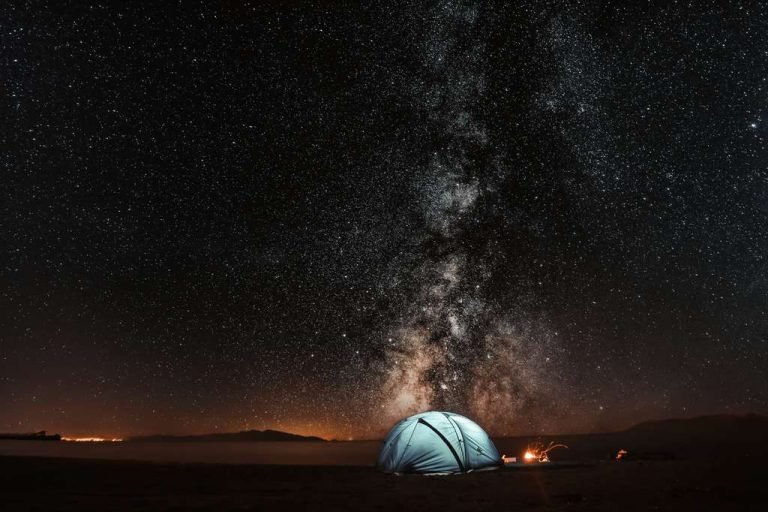
- Bilateral View: Positioned between 8° and 23° north, Vietnam allows you to observe both northern constellations (e.g., Orion) and parts of the southern sky (e.g., the Southern Cross).
- Milky Way Potential: During clear nights, it’s possible to see the Milky Way core from truly remote areas—a stunning reward for diligent planning.
- The Challenge: However, success depends heavily on timing. Choosing the wrong season can mean cloud cover, humidity haze, or bright moonlight washing everything out.
Understanding Vietnam’s Climate and Its Impact on Stargazing
Vietnam’s climate directly determines when stargazing in Vietnam is worthwhile. You need dry air, minimal cloud cover, low humidity, and calm nights. These conditions rarely occur uniformly across the country at the same time.
| Region | Optimal Window for Stargazing in Vietnam | Conditions |
| Northern Vietnam (Hanoi, Sapa) | January – March | Cold fronts bring dry, crisp air and excellent atmospheric clarity. |
| Central Vietnam (Huế, Đà Lạt) | January – May & October – December | Long dry season, especially inland. Avoid September/October (Typhoon Season). |
| Southern Vietnam (HCMC, Phú Quốc, Côn Đảo) | December – April | Dry season with stable, clear nights. Avoid June–August (Rainy Season). |
The Best Time of Year for Stargazing in Vietnam (Month-by-Month Overview)
January to March: Clear Skies and Cool Air
This period is widely considered one of the best times for stargazing in Vietnam, especially in the North and Central Highlands. Cold fronts reduce humidity, skies are clearer, and nights are crisp.
- Northern Vietnam: Mountainous areas like Hà Giang Loop Guide, Sapa (remote parts), and Ba Bể National Park benefit from dry air and excellent visibility.
- Central & South: Remains dry and stable, offering a high chance of clear nights.
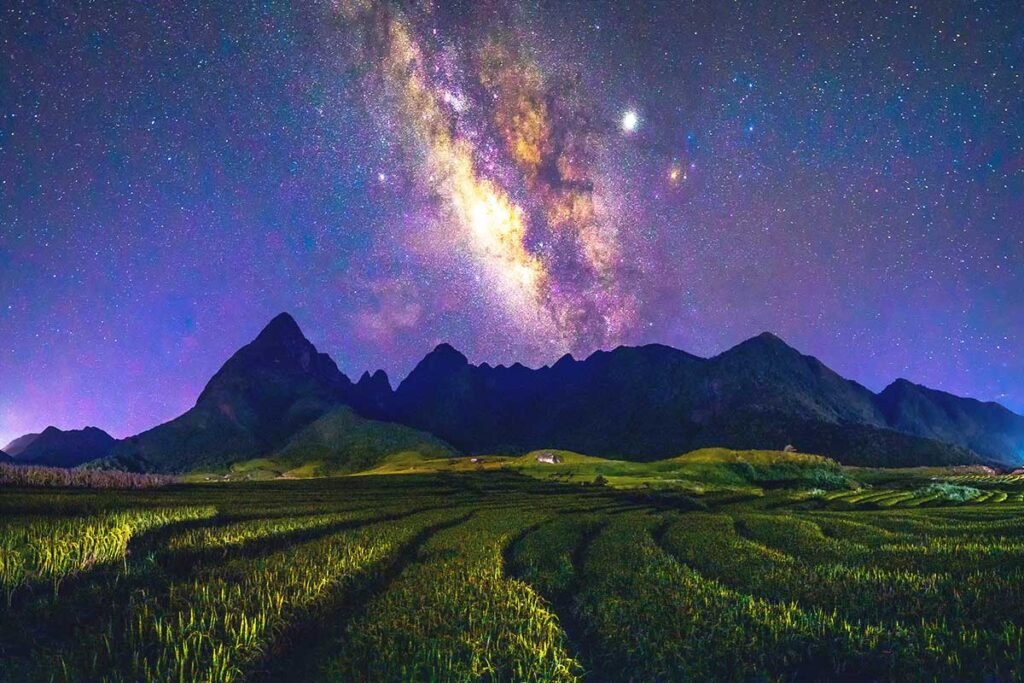
In Northern Vietnam, mountainous areas like Ha Giang, Sapa, and Ba Be Lake benefit from dry air and minimal cloud cover. While temperatures can drop significantly at night, visibility is excellent, making this a prime season for astrophotography.
Central Vietnam also performs well during these months, particularly inland areas away from the coast. Southern Vietnam remains dry and stable, though light pollution is harder to avoid near cities.
April to June: Transition Season with Mixed Conditions
April marks a transition period. Temperatures rise, and skies are relatively stable before the summer rains. This is less predictable but can still be rewarding.
- Highlands: Regions like Đà Lạt and Kon Tum still offer good night-sky conditions, but increasing humidity can soften star visibility at lower elevations.
- Travel Tip: This season is ideal for travelers who want to combine stargazing in Vietnam with trekking through Vietnam, as landscapes are lush and accessible.
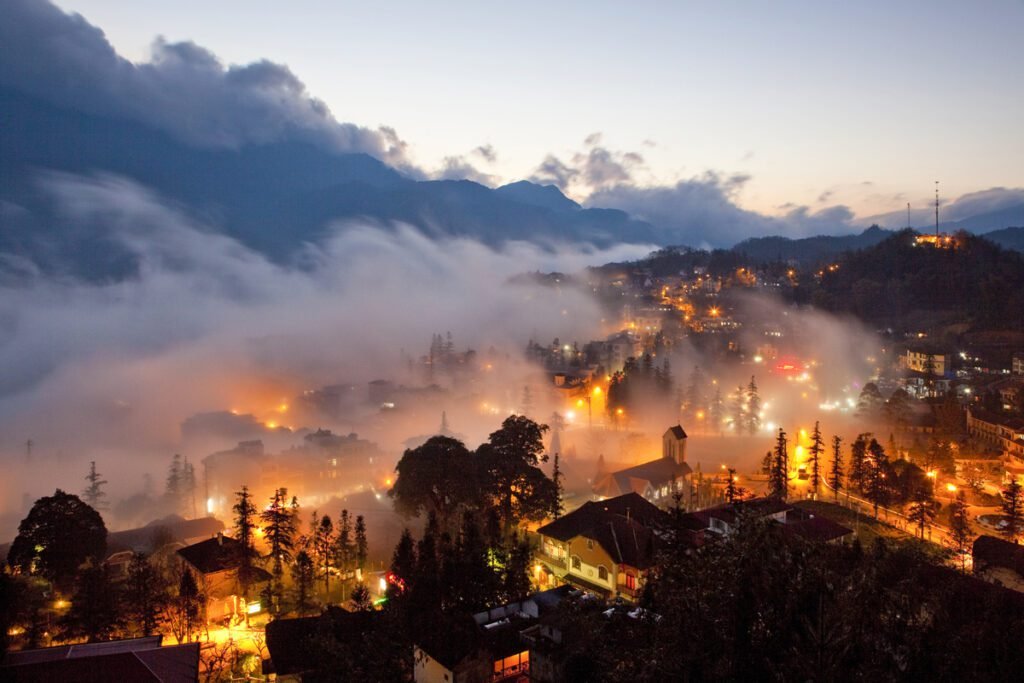
Highland regions like Da Lat and Kon Tum still offer good night-sky conditions, especially in April and early May. However, increasing humidity can soften star visibility, particularly at lower elevations.
This season is ideal for travelers who want to combine stargazing with trekking or nature exploration, as landscapes remain lush and accessible.
July to September: Lush Landscapes, Challenging Skies
This is the most challenging season for stargazing in Vietnam due to frequent rain, cloud cover, and high humidity—especially in the North and Central regions.
That said, short clear windows do occur, particularly in the Central Highlands after rainfall. During these moments, the atmosphere can be exceptionally clean, offering sharp star visibility for brief periods.
This season is not recommended for planning a trip around stargazing, but spontaneous night-sky moments can still surprise travelers staying in remote areas.
October to December: Peak Season for Stargazing Across Vietnam
October to December is the most reliable period for stargazing in Vietnam and often the best overall choice for travelers. The rainy season retreats, skies clear up, and humidity drops significantly nationwide.
- Photography: For those serious about night photography or Milky Way observation, this is the ideal season to plan a dedicated stargazing in Vietnam itinerary.
- High Visibility: Northern Vietnam enjoys cool, dry nights, and Central Vietnam stabilizes after typhoon season. This is consistently the best time to visit Vietnam.

Moon Phases: A Crucial Detail Most Travelers Ignore
Even during the best season, the moon’s brightness can completely ruin a night of stargazing in Vietnam.
- Optimal Result: Plan your trip around the new moon or the days immediately before and after it.
- Avoid: During full moon periods, even the best stargazing spots in Vietnam will appear washed out and dim.
- The Goal: Aim for nights when the moon sets early or rises late, giving you at least 3–4 hours of dark sky (astronomical twilight).
Best Stargazing Spots in Vietnam by Region
Northern Vietnam: Mountains and Remote Valleys
Northern Vietnam hosts some of the best stargazing spots in Vietnam due to altitude and distance from urban centers.
Ha Giang stands out as the top destination. Remote villages, high mountain passes, and minimal infrastructure create exceptionally dark skies. On clear nights, the Milky Way can be seen with the naked eye.

Sapa can also offer good stargazing if you stay far from town centers. Remote homestays in Ta Van or Ban Ho are far better than central Sapa, which suffers from light pollution. Consider taking a Sapa trekking tour to reach truly remote areas.
Ba Be National Park is another underrated location, combining calm lakes, forested hills, and low artificial lighting.
Central Highlands: Vietnam’s Stargazing Sweet Spot
The Central Highlands are arguably the most consistent region for stargazing in Vietnam. Elevated terrain reduces humidity, and settlements are scattered.
Da Lat, when visited outside peak tourist areas, offers cool nights and clear skies. Areas outside the city—such as Lak Lake or Bidoup Nui Ba National Park—are far superior.
Kon Tum and Gia Lai are lesser-known but excellent for serious stargazers. Their remoteness and dry-season climate make them ideal for multi-night observation.

Southern Vietnam: Islands and Coastal Retreats
While Southern Vietnam has more humidity, certain islands qualify among the best stargazing spots in Vietnam.
Con Dao Island is exceptional due to limited development and protected status. On moonless nights, stars stretch clearly across the sky, often reflecting off the sea.
Phú Quốc can offer decent stargazing if you stay far from resorts and the main town, though light pollution is increasing. You might also find exciting night options in the Phú Quốc nightlife areas.
| Region | Top Destination | Why It’s Ideal for Stargazing in Vietnam |
| Northern Vietnam | Hà Giang Loop | Top destination due to altitude, remote villages, and minimal infrastructure. Milky Way often visible to the naked eye. |
| Central Highlands | Bidoup Núi Bà National Park (Đà Lạt outskirts) | Elevated terrain reduces humidity; excellent clear nights outside the city’s light dome. |
| Islands | Côn Đảo Island | Exceptional due to protected status and limited development; star reflection off the dark sea enhances visibility. |
| Underrated Gem | Kon Tum / Gia Lai | Extremely remote and less touristy, ideal for serious astrophotography during the dry season. |
Expert Insight: Emma, a senior travel consultant with 12 years of experience designing Vietnam itineraries, shares a practical perspective:
“Most travelers don’t realize Vietnam has real stargazing potential, but timing and location are everything. From my experience, October to March gives the highest success rate. The biggest mistake people make is staying too close to towns. When clients choose remote homestays or national parks, the difference in night skies is dramatic.”
Her insight reinforces that stargazing in Vietnam is less about luxury and more about thoughtful planning.
Practical Tips for Stargazing in Vietnam
- Altitude Matters: Prioritize locations at 500–800 meters or higher; elevation significantly improves clarity.
- Essential Gear: Bring a headlamp with red light mode (to protect night vision), warm layers for the highlands, a tripod for photography, and a basic star map app that works offline.
- Dress Warm: Underestimate temperature drops at your peril; high-altitude nights are often significantly colder than the daytime suggests. See our Vietnam packing guide.
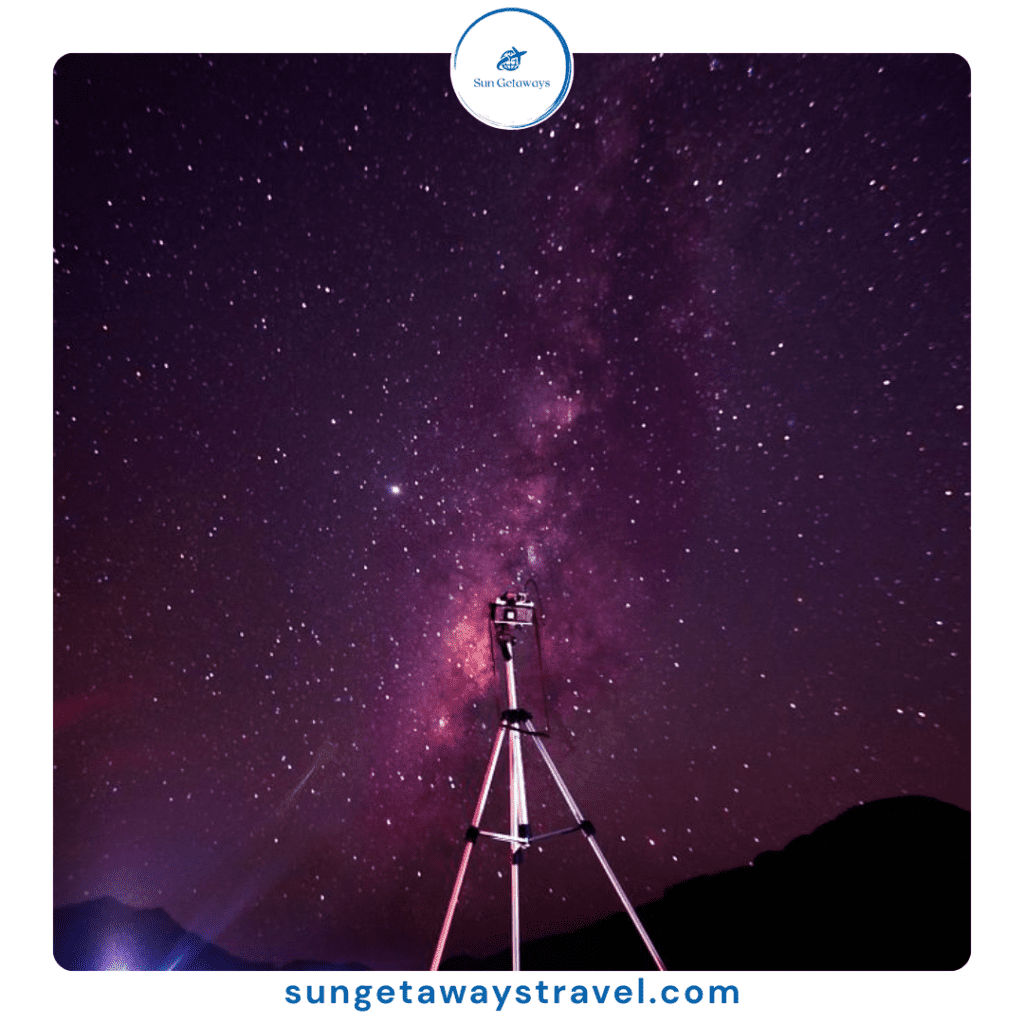
How Sun Getaways Travel Can Help You Plan a Stargazing Trip
Planning stargazing in Vietnam requires balancing weather, remoteness, and accessibility—a logistical challenge for first-time visitors.
- Custom Planning: Sun Getaways Travel can help you identify remote accommodations and scenic routes that align with the best seasonal windows and moon cycles.
- Seamless Booking: We ensure your transport and remote homestays are reliable, allowing you to focus purely on the night sky.
Ready to witness the Milky Way over the Vietnamese mountains? Contact Sun Getaways Travel today for a custom itinerary to the best stargazing spots in Vietnam in 2026.
Common Mistakes to Avoid When Stargazing in Vietnam
Staying too close to cities is the most common mistake. Even small towns produce more light pollution than expected.
Another frequent issue is ignoring weather micro-patterns. Mountain areas can cloud over unexpectedly, so flexibility in your schedule is valuable.
Finally, many travelers underestimate temperature drops at night, especially in the North and Central Highlands. Cold discomfort can quickly cut a night short.

Final Thoughts: Is Vietnam Worth Visiting for Stargazing?
While Vietnam may not replace classic astronomy destinations, it offers surprisingly rewarding experiences for travelers willing to go off the beaten path. With the right season, moon phase, and location, stargazing in Vietnam can be peaceful, intimate, and visually stunning.
For 2026, travelers who plan between October and March, prioritize remote regions, and stay mindful of lunar cycles will find Vietnam’s night skies far more magical than expected.


Related Tour
10-Day Serenity in Vietnam: Honeymoon Haven


10 Reviews
Rural and ancient land of Bac Ninh
0 Reviews

7 Days Best of Northern Vietnam
49 Reviews

4 Days Explore Cu Chi Tunnels & Mekong Delta
30 Reviews

15-Day Vietnam Food Tour: A Culinary Adventure
19 Reviews
Ask a question
Leave a Comment (0)
No questions yet. Be the first to ask a question!
See related Posted
Luxury Golf Resorts in Vietnam – Elite Golf Travelers

Vietnam is increasingly recognized as a premier golf destination in Asia, therefore luxury golf…
Macrame in Vietnam: The Revival of Knot Art in Contemporary Craft Culture

Macrame in Vietnam reflects the country’s growing engagement with contemporary handmade culture, where global…
Vietnamese Musical Instrument Craft: Traditional Instrument Making in Vietnam

Vietnamese musical instrument craft reflects a long-standing relationship between sound, material, and cultural memory.…
Traditional Vietnamese Kite Art: History, Craftsmanship, and Cultural Meaning

Traditional Vietnamese kite art is a living expression of folk creativity, community values, and…
Vietnamese Folk Masks: Tradition, Symbolism & Cultural Meaning

Vietnamese folk masks are a distinctive form of traditional art that reflects the spiritual…
Vietnamese Embroidery Art: Traditional Craftsmanship & Cultural Meaning

Vietnamese embroidery art is a refined traditional craft that reflects patience, cultural memory, and…