






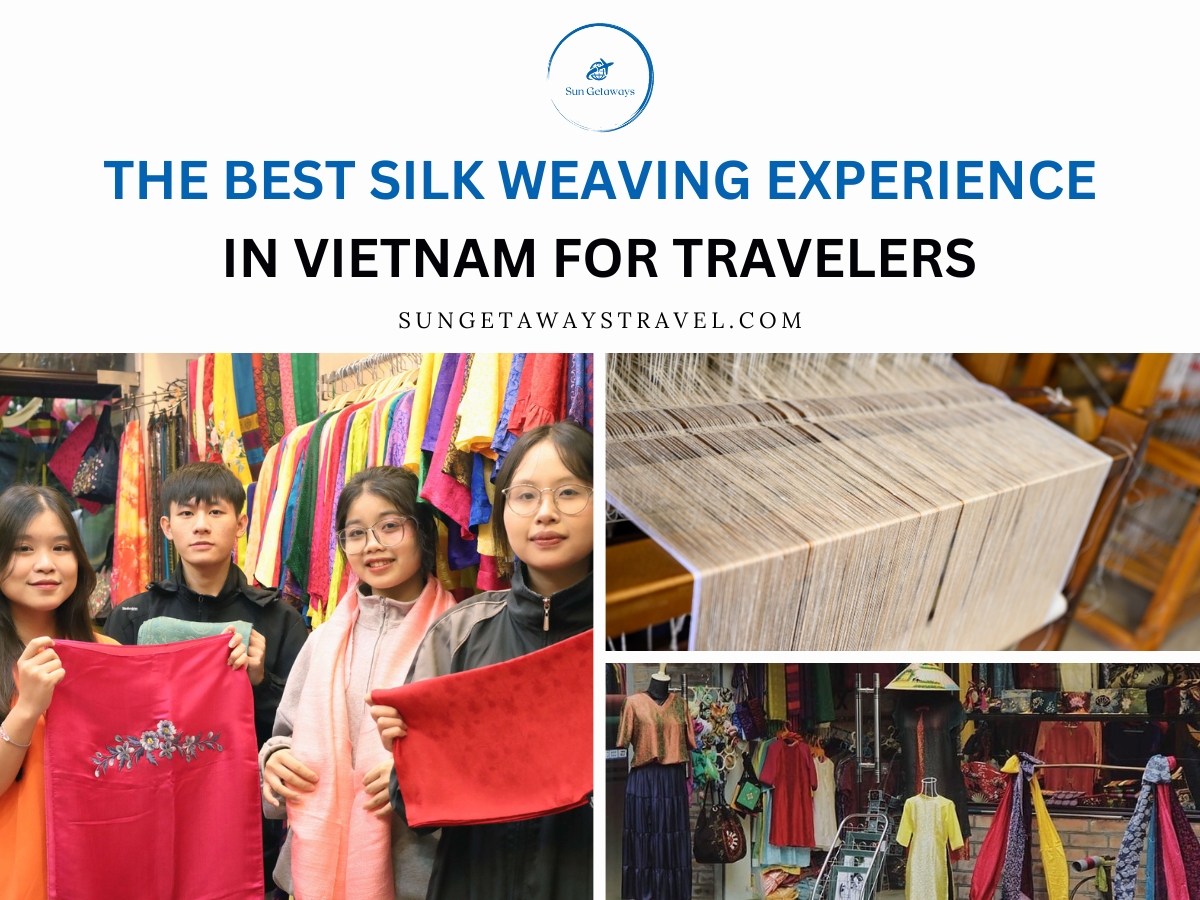
The Best Silk Weaving Experience in Vietnam for Travelers
 PhamDuong
  3 min. to read
 Vietnam’s silk weaving heritage spans over two millennia, blending artistry, patience, and cultural pride. Joining a silk weaving experience in Vietnam lets travelers witness this living craft firsthand — from handlooms to shimmering Ao Dai fabrics. Whether exploring traditional silk villages in Vietnam or chic boutiques in Hanoi and Hoi An, you’ll uncover how silk continues to weave through Vietnam’s timeless identity.
Key Takeaways
- Van Phuc and Hoi An Silk Villages are the most iconic destinations to experience Vietnam’s traditional silk weaving heritage.
- Joining a silk weaving experience in Vietnam lets travelers try weaving and dyeing firsthand, connecting deeply with over 2,000 years of craftsmanship.
- A Vietnamese silk Ao Dai makes the perfect souvenir — blending history, fashion, and timeless artistry.
1. The Story of Vietnamese Silk
1.1. Ancient Origins of Vietnamese Silk
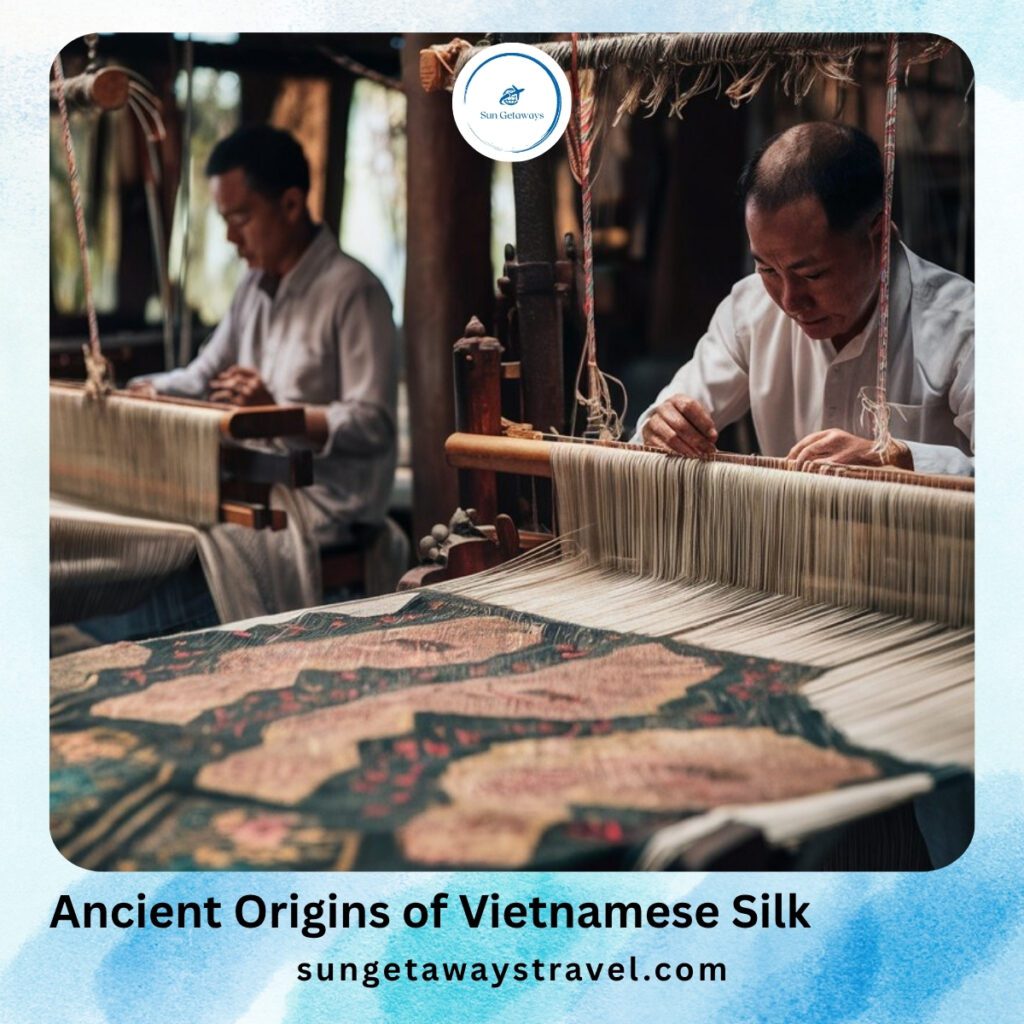
Silk first arrived in Vietnam along ancient trade routes from China and India. Early weavers learned sericulture techniques from neighboring regions, adapting them to local resources and tropical conditions. Soon, silk became more than fabric, it was a symbol of status, artistry, and diplomacy in early Vietnamese kingdoms.
1.2. The Rise of Traditional Silk Villages in Vietnam
Northern and Central Vietnam became hubs of silk craftsmanship. Villages like Van Phuc near Hanoi and Hoi An Silk Village in Quang Nam devoted centuries to perfecting weaving and dyeing. Besides, each community developed its own patterns and textures, making every region’s silk distinct and culturally meaningful.
1.3. From Heritage to Modern Silk Weaving Experience in Vietnam
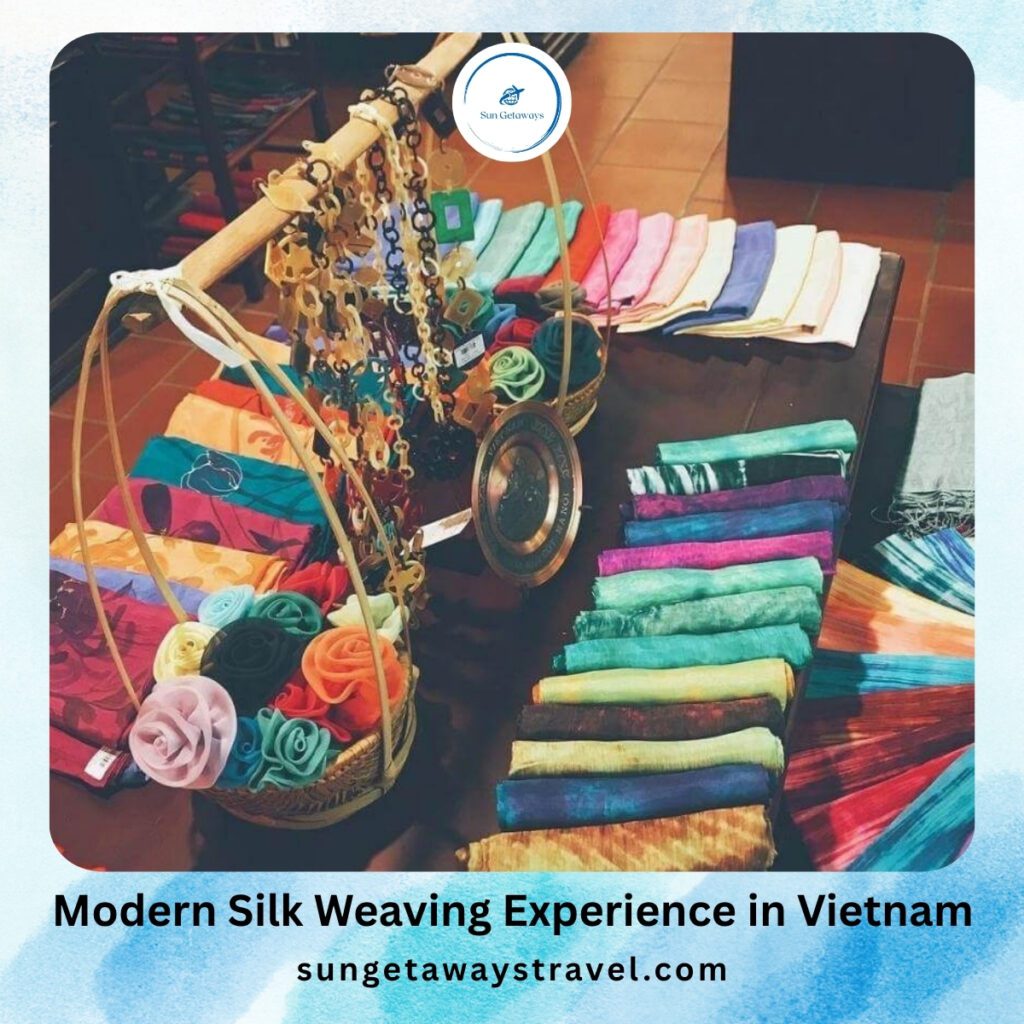
Today, travelers can explore these ancient weaving hubs through guided workshops and factory visits. Moreover, observing artisans at work or trying to weave your own scarf transforms a simple tour into an authentic silk weaving experience in Vietnam. It’s an immersive way to connect history, art, and fashion.
2. Inside Silk Weaving Experience in Vietnam
2.1. Van Phuc Silk Village – Silk Weaving Experience in Vietnam
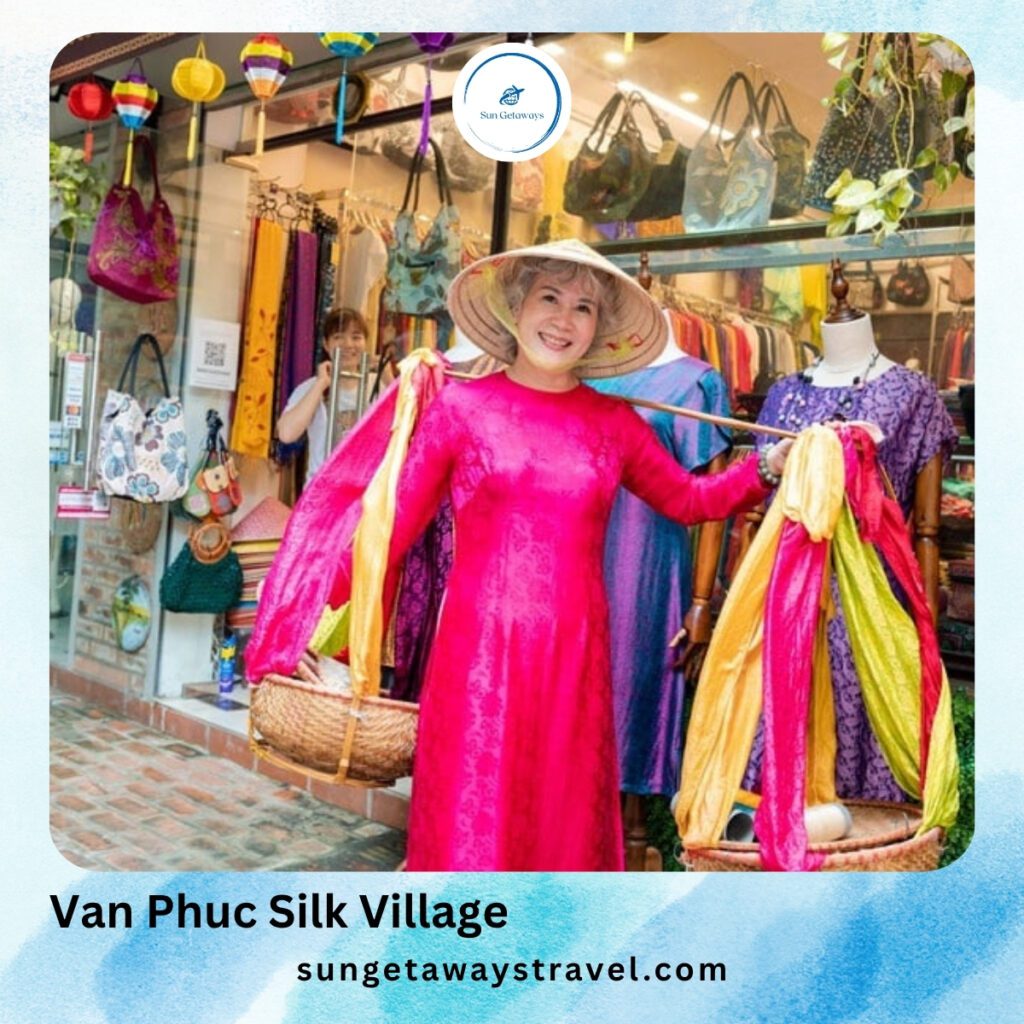
Located just a short 10-kilometer drive from Hanoi’s Old Quarter, Van Phuc Silk Village stands as the beating heart of Vietnam’s silk heritage. For over a thousand years, its artisans have produced shimmering fabrics that once adorned emperors and nobles.
Additionally, visitors can wander through narrow village lanes lined with colorful silk shops, watch artisans operate traditional handlooms, and see how threads transform into luxurious scarves and Ao Dai fabric.
One of the most charming aspects of Van Phuc is its interactive atmosphere, travelers are often invited to try weaving or dyeing under the guidance of local craftswomen. Because this creates a hands-on silk weaving experience in Vietnam that blends tradition and participation. After that, enjoy a short trip back to central Hanoi for coffee by Hoan Kiem Lake or a stroll through the Old Quarter’s boutiques selling locally made silk accessories.
2.2. Hoi An Silk Village – Central Vietnam’s Heritage Hub
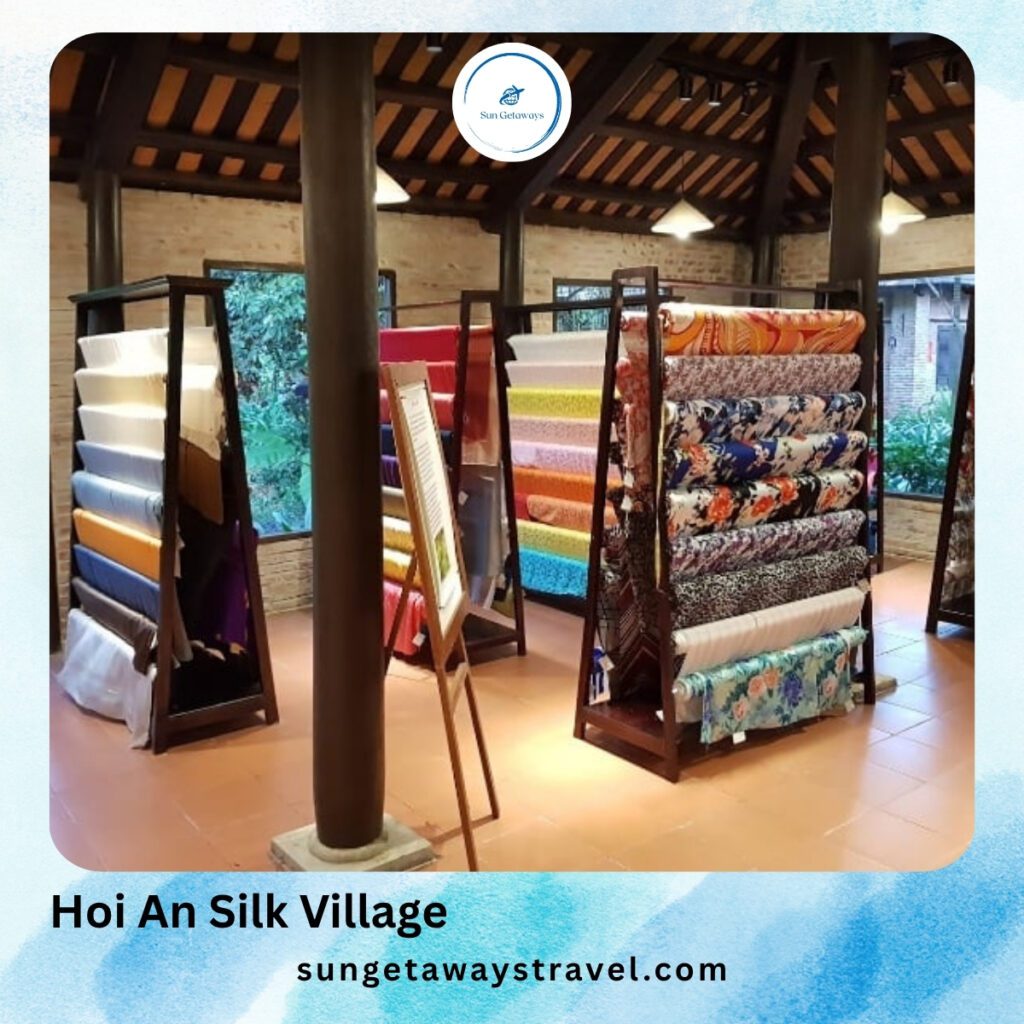
Set in the UNESCO World Heritage town of Hoi An, this peaceful enclave brings Vietnam’s silk story to life. Because at the Hoi An Silk Village, visitors can trace the entire production process, from raising silkworms to spinning, weaving, and dyeing. Moreover, local guides explain how mulberry leaves feed the worms and how natural dyes made from plants and minerals give each piece its distinct color.
In addition to museum-style displays, travelers can enjoy live weaving demonstrations and purchase silk garments or decorative pieces crafted on-site. Combining cultural exploration with craftsmanship, the village perfectly represents the best of traditional silk villages in Vietnam. Besides, its tranquil gardens and slow rhythm offer a relaxing contrast to Hoi An’s bustling Ancient Town, making it a rewarding half-day trip.
2.3. Nha Xa Silk Village – Silk Weaving Experience in Vietnam
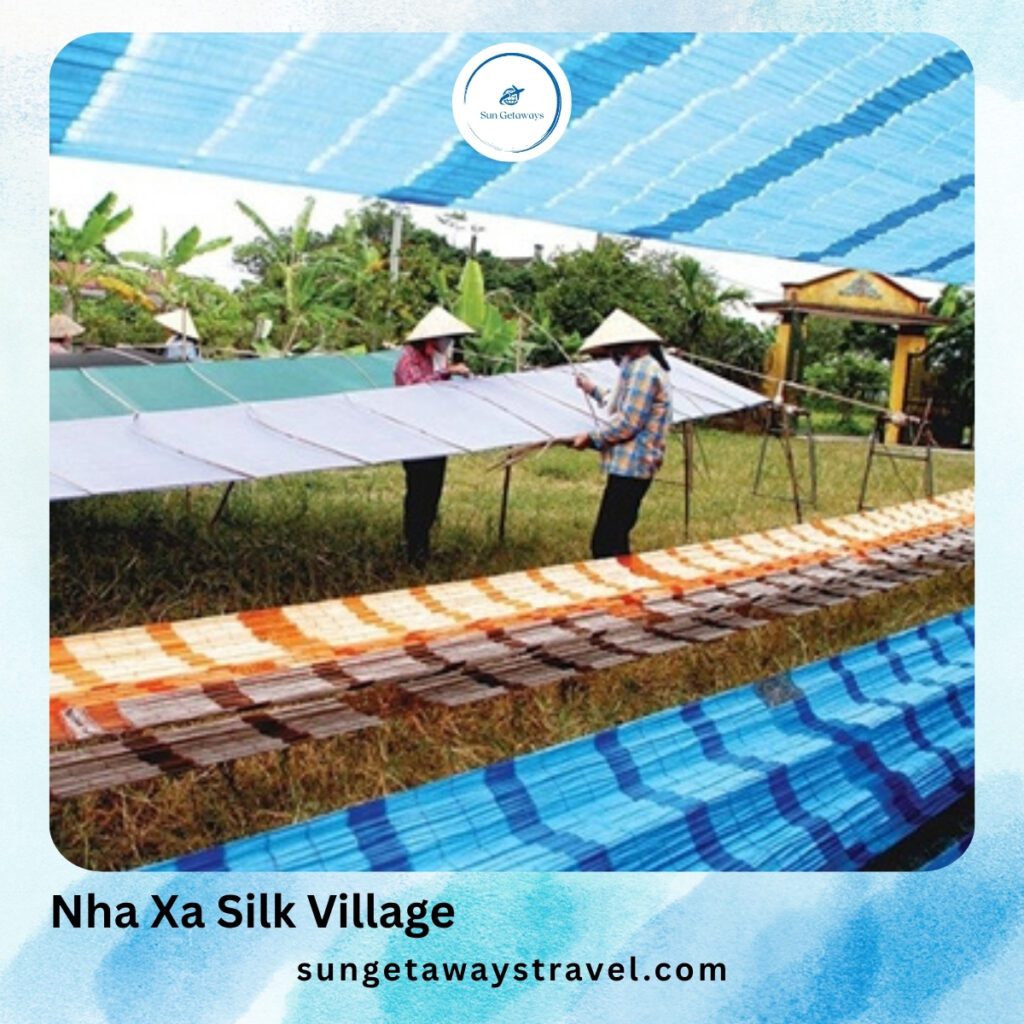
Located about 60 kilometers south of Hanoi, Nha Xa Village is a lesser-known but deeply authentic stop for those seeking genuine craft experiences. The artisans here specialize in weaving soft, lightweight silk with delicate floral motifs. In addition, visitors can walk along the Red River bank, visit family-run workshops, and learn how generations have preserved their craft through turbulent history.
Compared to larger villages, Nha Xa provides a quieter, more personal experience where guests can talk directly with the artisans and understand their life stories. It’s a perfect escape for those wanting to slow down and truly appreciate Vietnam’s traditional craftsmanship.
2.4. Ma Chau Silk Village – Silk Weaving Experience in Vietnam
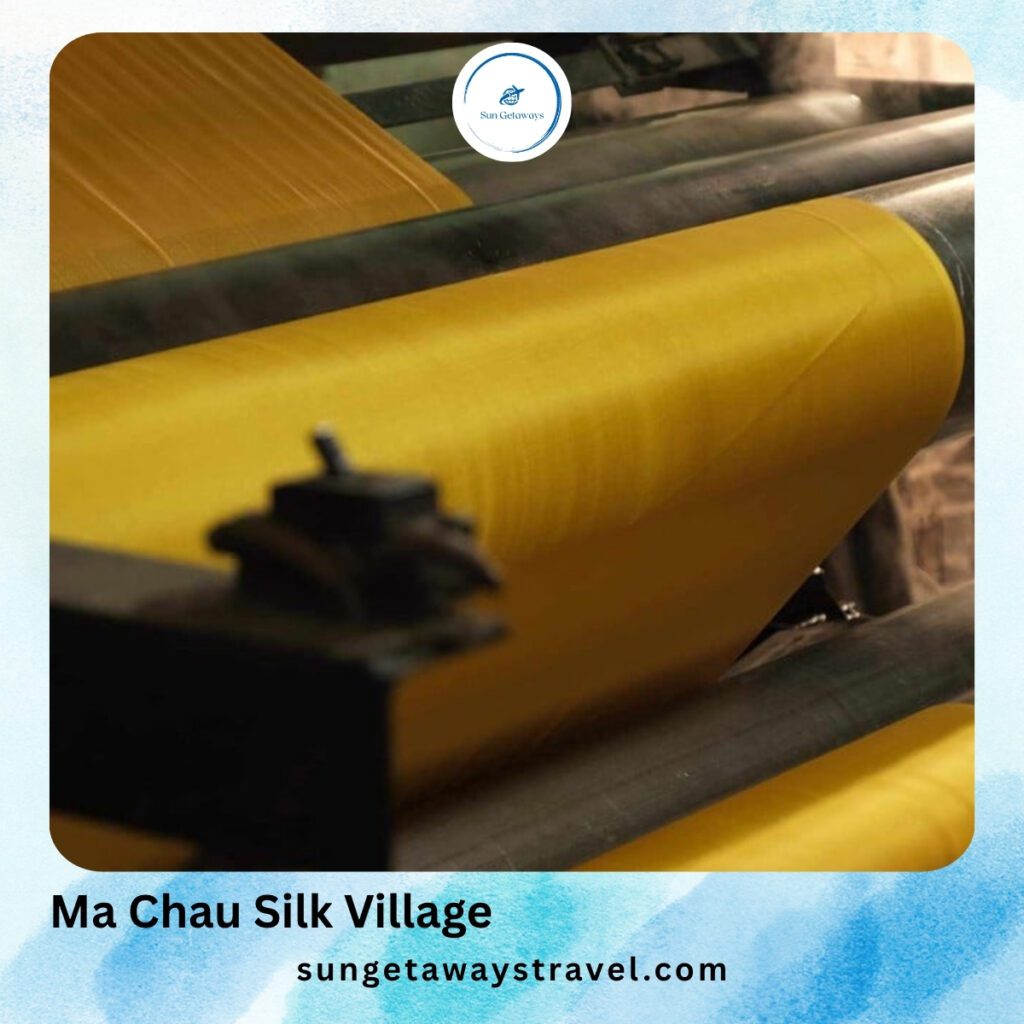
Just a short drive from Hoi An, Ma Chau Village offers an inspiring blend of heritage and modern sustainability. Because the community focuses on eco-friendly production, using natural fibers and organic dyes. Therefore, tourists can join short weaving classes or browse small boutiques selling ethically made silk scarves, shirts, and accessories.
While smaller than Van Phuc or Hoi An Silk Village, Ma Chau’s charm lies in its authenticity and environmental awareness. So, visiting this village allows travelers to see how Vietnam’s ancient silk industry is evolving toward sustainable tourism, a truly memorable silk weaving experience in Vietnam.
If you’d like personalized advice or help arranging visits to these villages, feel free to reach out through our quick WhatsApp support channel for instant recommendations and travel planning assistance.
3. The Art of Silk Making
3.1. From Silkworm to Thread
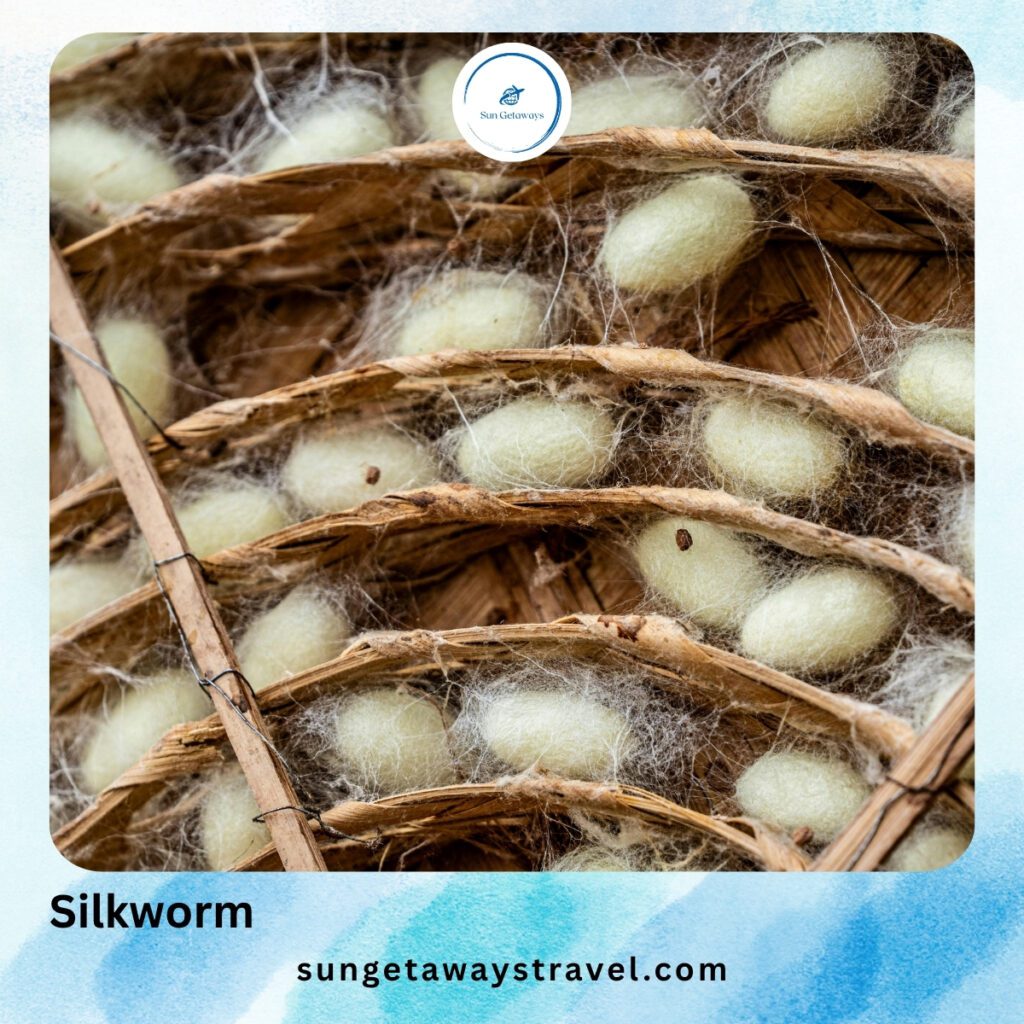
The story of Vietnamese silk begins first in quiet rural farms, where villagers nurture silkworms feeding solely on fresh mulberry leaves. After that, once the cocoons mature, the threads are gently unraveled by hand to create the delicate filaments that form the foundation of every silk masterpiece.
Gradually, observing this process gives travelers a glimpse into centuries of skill passed down through generations in traditional silk villages in Vietnam.
3.2. The Weaving Process
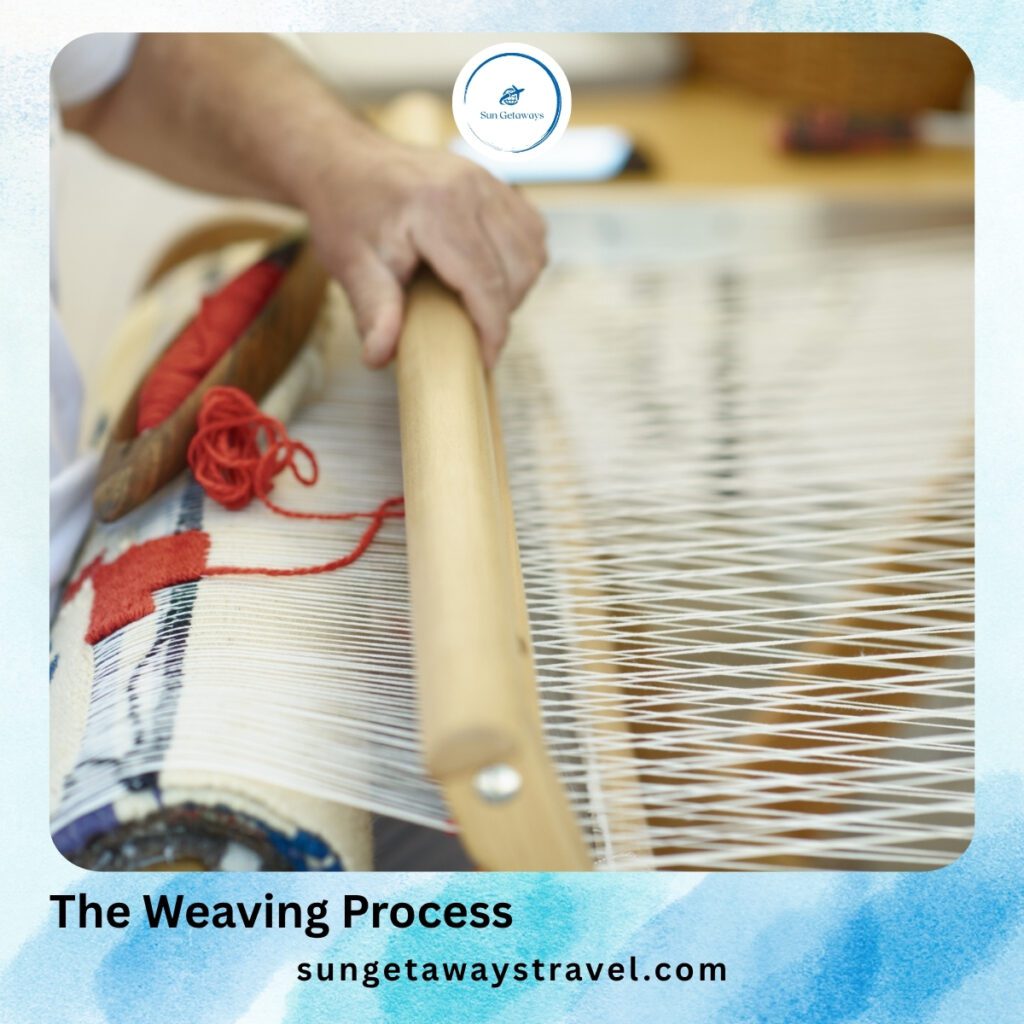
Once the threads are spun, artisans take their place at wooden handlooms that have changed little over time. Each movement of the shuttle requires precision and rhythm, turning fine threads into shimmering fabric.
Therefore, watching this artistry unfold is among the most mesmerizing moments of a silk weaving experience in Vietnam, where time slows and the sound of the loom becomes almost meditative.
3.3. Dyeing and Finishing
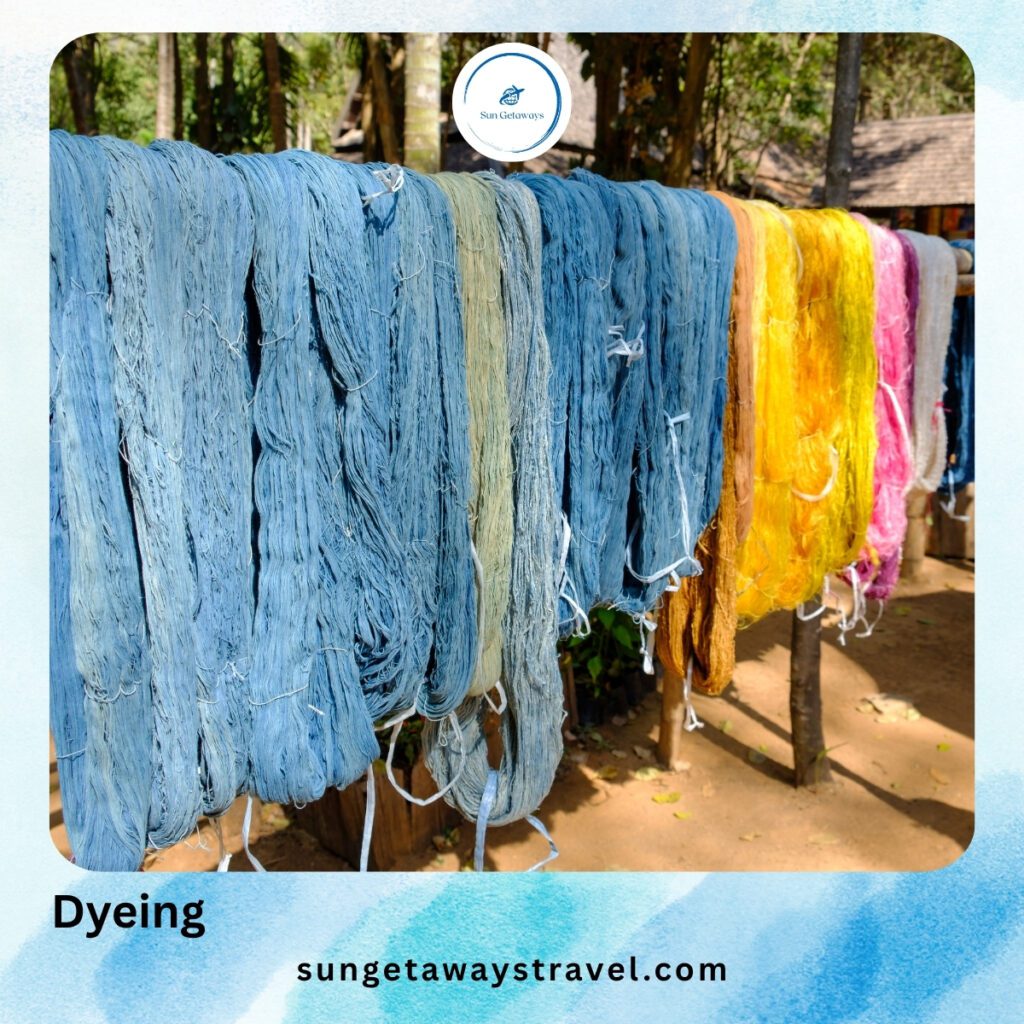
After weaving, the fabric moves to the dyeing stage. Using natural pigments from indigo, bark, and minerals, Vietnamese craftsmen produce rich colors such as jade green, royal yellow, and deep crimson. These tones once symbolized prosperity and nobility.
Finally, involves stretching, softening, and polishing the fabric to enhance its sheen and texture, a fitting finale to the long journey from silkworm to silk.
If you wish to experience these traditional techniques in person, consider joining the Discover Vietnam 9 Days – Hanoi to Hoi An tour, where you can witness authentic silk weaving workshops while exploring the country’s most historic destinations.
4. Comparing Vietnamese Silk Types for Travelers
| Silk Name | Material | Advantages | Disadvantages |
| Satin Silk | Mulberry silk, polyester, viscose | Smooth, shiny surface; soft; absorbs sweat well | Difficult to sew, hard to maintain crease |
| Latin Silk | Mulberry silk combined with cotton | Lightweight, soft, easy to dye, versatile patterns | Difficult to sew, hard to maintain crease |
| Brocade Silk | Cotton brocade, silk brocade, polyester brocade | Luxurious patterns, elegant, eco-friendly | Absorbs water quickly, slow drying, easily stained |
| Mnago Silk | 90% Poly, 10% Spandex | Soft, no pilling, colorful patterns | Low stretch, not heat resistant |
| Glossy Phi Silk | Nylon, polyester mixed with silk | Affordable, elegant, low wrinkle, diverse colors | Poor sweat absorption, hard to maintain crease |
5. What to Buy – Silk Souvenirs Worth Bringing Home
5.1. Ao Dai and Fashion Items

No journey through Vietnam’s silk culture is complete without the Ao Dai, the country’s most iconic garment. Tailors in Hoi An’s Ancient Town and Hanoi’s Hang Gai Street can craft a custom-fitted Ao Dai in just one day, using high-quality local silk.
Beyond the traditional dress, travelers can also explore scarves, blouses, and handbags that combine timeless elegance with modern flair, perfect keepsakes from your silk weaving experience in Vietnam.
5.2. Home Décor and Art Pieces
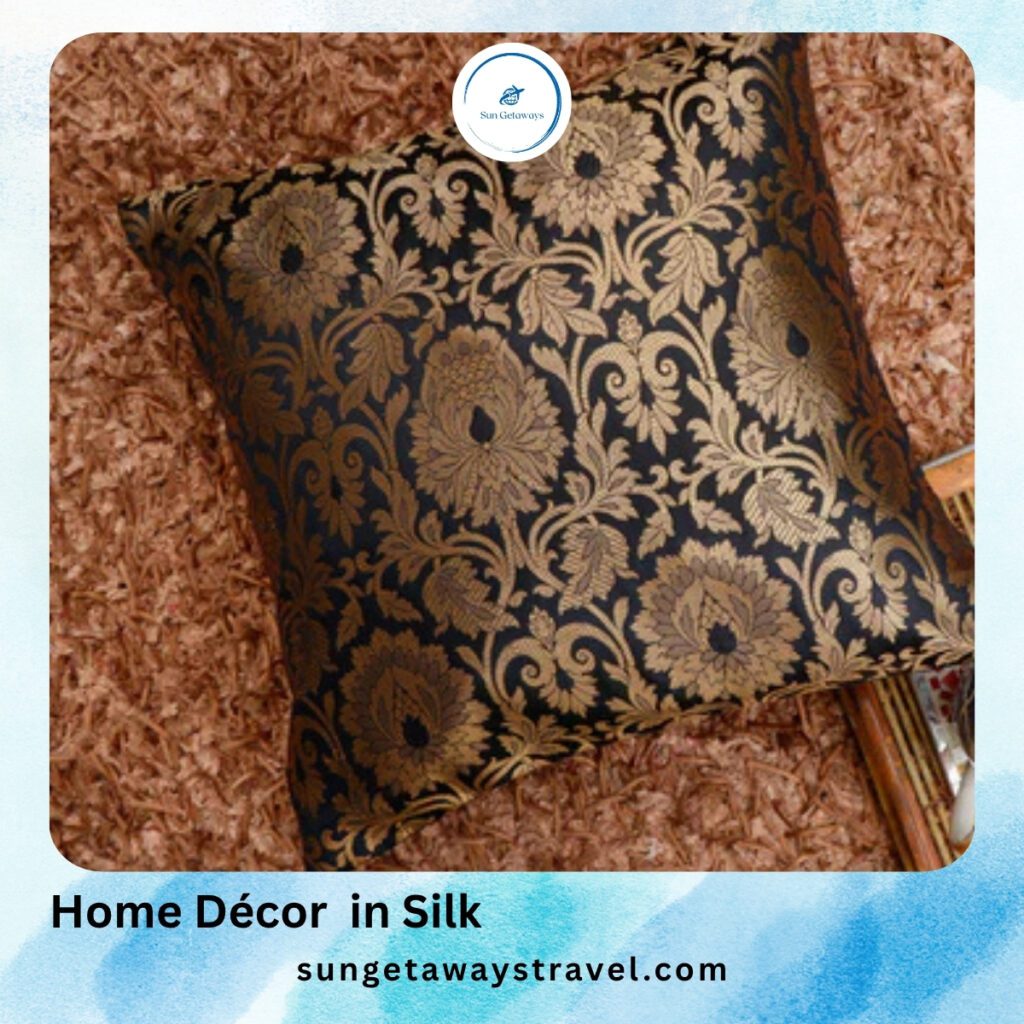
For travelers who love art, silk goes beyond fashion. Many traditional silk villages in Vietnam produce exquisite home décor, including wall hangings, embroidered paintings, and cushion covers featuring lotus flowers or graceful cranes. Besides, hese items make beautiful gifts, each telling a story of culture and craftsmanship that endures through time.
5.3. Where to Shop
Authentic silk can be found in Van Phuc Silk Village, Hoi An Silk Village, and boutique stores scattered across Hanoi’s Old Quarter.
“When visiting traditional silk villages in Vietnam, take time to try weaving yourself and ask artisans about the dyeing process. It deepens your understanding and makes your silk souvenirs truly memorable.” – Ms. Emma Nguyen, Head of Tour Operations at Sun Getaways Travel
6. Practical Tips for Silk Weaving Experience in Vietnam
6.1. Plan Your Visit Wisely
Morning visits are ideal to avoid heat and crowds. Because Van Phuc Silk Village is just 10 km from Hanoi Old Quarter, making it perfect for a half-day trip. Meanwhile Hoi An Silk Village can be combined with a walk through Ancient Town. Besides, check opening hours for workshops, as some start around 8–10 a.m.
6.2. Workshop – Silk Weaving Experience in Vietnam
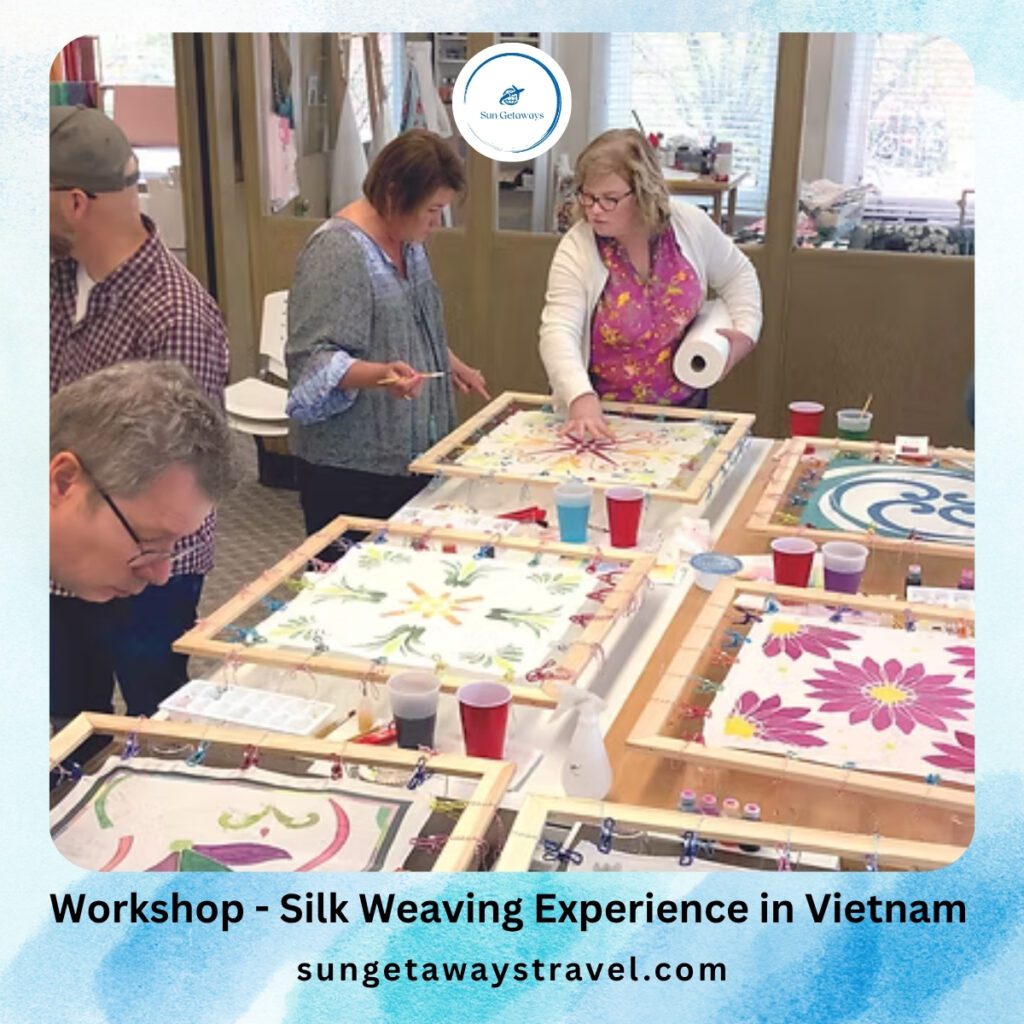
Always ask before touching looms or materials. Avoid interrupting artisans while they work. Additionally, dress comfortably, wear light shoes, and leave large bags behind to fully enjoy the hands-on experience.
6.3. Timing and Seasons
Spring and autumn are the best times for silk visits. Because cooler weather enhances the colors of silk and makes exploring villages more comfortable. Avoid heavy rains during summer to prevent disruptions to workshops or travel.
6.4. Buying Authentic – Silk Weaving Experience in Vietnam
Look for fine texture, vibrant colors, and intricate patterns. Besides, ask artisans about silk origin and production methods. Because this ensures souvenirs reflect the genuine craft.
6.5. Combine Culture with Travel
Pair your visit with local sightseeing. For instance, in Hanoi, stop by Hoan Kiem Lake or the Old Quarter. Meanwhile in Hoi An, visitors can explore Ancient Town after your workshop. In addition, combining learning and sightseeing makes your silk weaving experience in Vietnam more memorable.
6.6. Family-Friendly Tips
Traditional silk villages often welcome children for short, hands-on sessions. These workshops provide a fun, educational experience, teaching younger travelers about Vietnamese culture and craftsmanship.
Conclusion
Experiencing a silk weaving experience in Vietnam allows travelers to connect with centuries of craftsmanship and cultural heritage. Visiting traditional silk villages in Vietnam like Van Phuc or Hoi An offers hands-on workshops, artisan insights, and vibrant souvenirs. From observing delicate weaving techniques to taking home a custom Ao Dai or silk scarf, every moment celebrates Vietnam’s timeless artistry.
Plan your personalized silk adventure today with Sun Getaway Travel and make your journey both memorable and authentic.


Related Tour

Discover the Secrets of Cu Chi Tunnels on a Half-Day Tour


10 Reviews

2 Days Central Vietnam Highlights Tour
8 Reviews

6 Days Mekong Delta and Beach Relaxing
29 Reviews

Exploring Vietnam: 9 Days of Adventures
10 Reviews

Honeymoon Bliss in Vietnam 16 days
21 Reviews

Experience the Best of Northern Vietnam in 5 Days
22 Reviews
Ask a question
Leave a Comment (0)
No questions yet. Be the first to ask a question!
See related Posted
Luxury Golf Resorts in Vietnam – Elite Golf Travelers

Vietnam is increasingly recognized as a premier golf destination in Asia, therefore luxury golf…
Macrame in Vietnam: The Revival of Knot Art in Contemporary Craft Culture

Macrame in Vietnam reflects the country’s growing engagement with contemporary handmade culture, where global…
Vietnamese Musical Instrument Craft: Traditional Instrument Making in Vietnam

Vietnamese musical instrument craft reflects a long-standing relationship between sound, material, and cultural memory.…
Traditional Vietnamese Kite Art: History, Craftsmanship, and Cultural Meaning

Traditional Vietnamese kite art is a living expression of folk creativity, community values, and…
Vietnamese Folk Masks: Tradition, Symbolism & Cultural Meaning

Vietnamese folk masks are a distinctive form of traditional art that reflects the spiritual…
Vietnamese Embroidery Art: Traditional Craftsmanship & Cultural Meaning

Vietnamese embroidery art is a refined traditional craft that reflects patience, cultural memory, and…