






Muong Hoa Valley: Adventure to Sapa’s Most Scenic Gem
 Hoang Pham
  3 min. to read
 If you’re mapping out a trip through northern Vietnam, you’ve almost certainly circled Sapa on your map. I get it. I’ve been drawn back to its misty mountains time and again. But I want to let you in on the real heart of this region, a place just past the main town that holds its own quiet magic. I’m talking about Muong Hoa Valley, a truly stunning natural wonder in northwestern Vietnam.
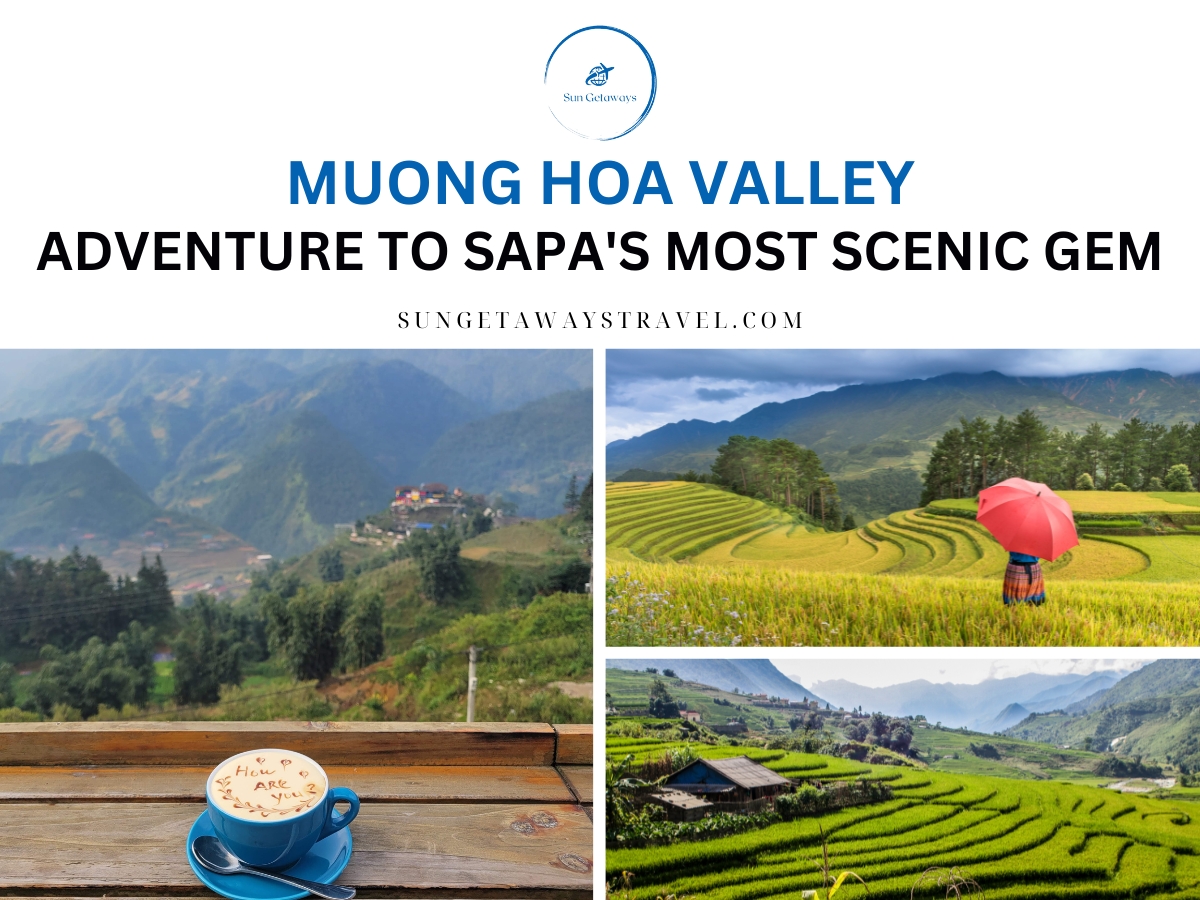
Imagine stepping into a postcard of Vietnam. That’s what it feels like here. You’ll find some of the most spectacular terraced rice fields, a deep connection to ethnic cultures, and landscapes that bring a genuine sense of peace. It’s a place that stays with you long after you’ve left. Have you ever wanted to find a destination that feels both grand and incredibly personal? This might just be it.
The Overview of Muong Hoa Valley
The story of this valley is written on the land and in its people. For centuries, this area has been a home for various ethnic minority groups. The H’mong, Dao, and Giay communities have farmed these hillsides for generations, creating the incredible terraced landscapes we see today. If you’re looking for other amazing experiences, we have a whole list of things to do in Vietnam with friends. It’s a great resource for planning your group trip.
Beyond the rice terraces, you can find a deeper, more puzzling past. The valley holds the Ancient Stone Field, a collection of hundreds of large boulders with mysterious carvings. Nobody knows for sure who carved them or what the intricate patterns mean, and researchers are still studying them today. This fascinating area is a significant archaeological site, offering a quiet glimpse into a history that is thousands of years old.
How to Get to Muong Hoa Valley
First, you need to get to Sapa, the main hub for the region. The town is roughly 320 kilometers from Hanoi, and there are plenty of buses and private cars that make the trip. Once you’re settled in Sapa town, the entrance to the valley is just about 10 kilometers away. You have a few really good options to cover that last stretch.
By Motorbike
If you’ve got some experience on two wheels and an adventurous spirit, renting a motorbike is a fantastic choice. It gives you the freedom to move at your own pace, zip along the winding mountain roads, and pull over whenever a view catches your eye—which will happen a lot. You can find rentals all over Sapa town for a reasonable price, but just give the bike a good check before you head out, especially the brakes. For those who want a longer, guided experience, our 13-Day Vietnam Adventure Motorbike tour covers the best roads in the north.
By Trekking
For me, the best way to truly see Muong Hoa Valley is on foot. Trekking gets you off the main road and deep into the landscape, following small dirt paths that wind through the rice paddies and lead directly into remote villages. You can arrange anything from a short half-day walk to a multi-day trek. We have a detailed guide on Sapa trekking that covers different routes and what to expect.
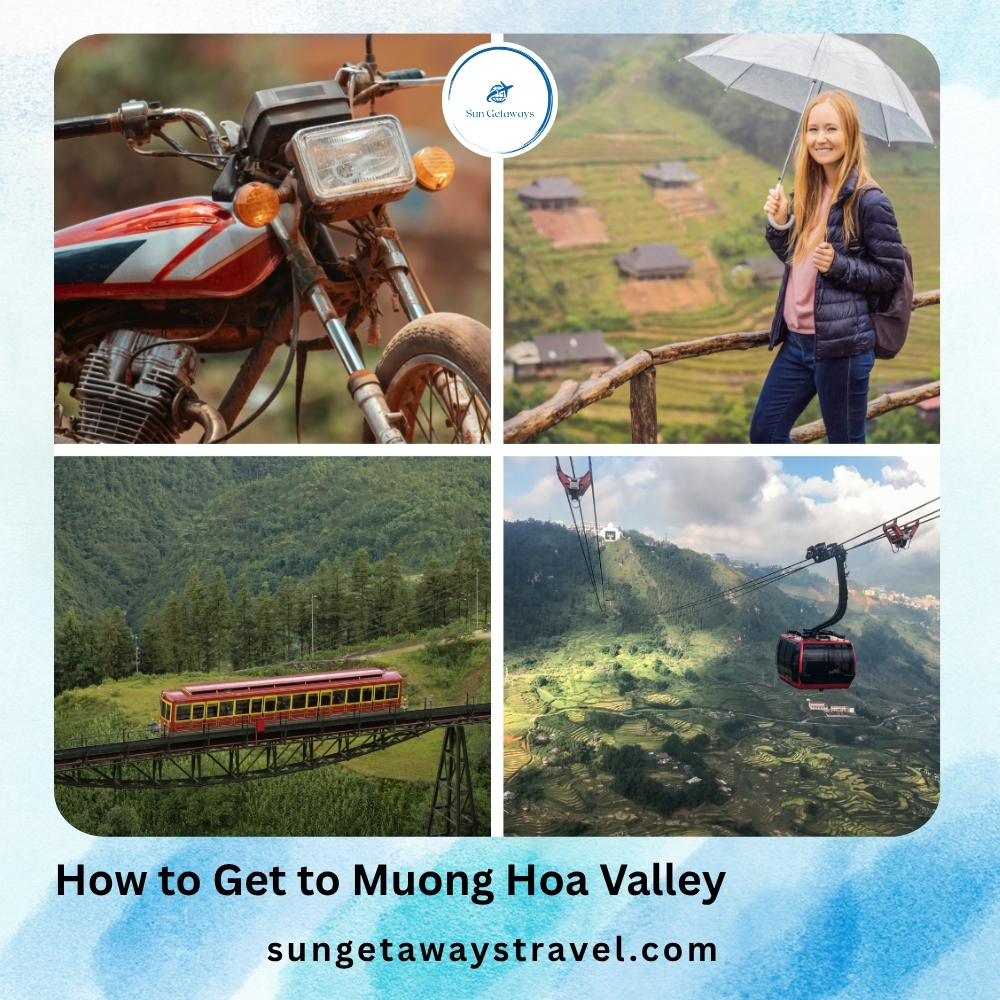
By Muong Hoa Mountain Train
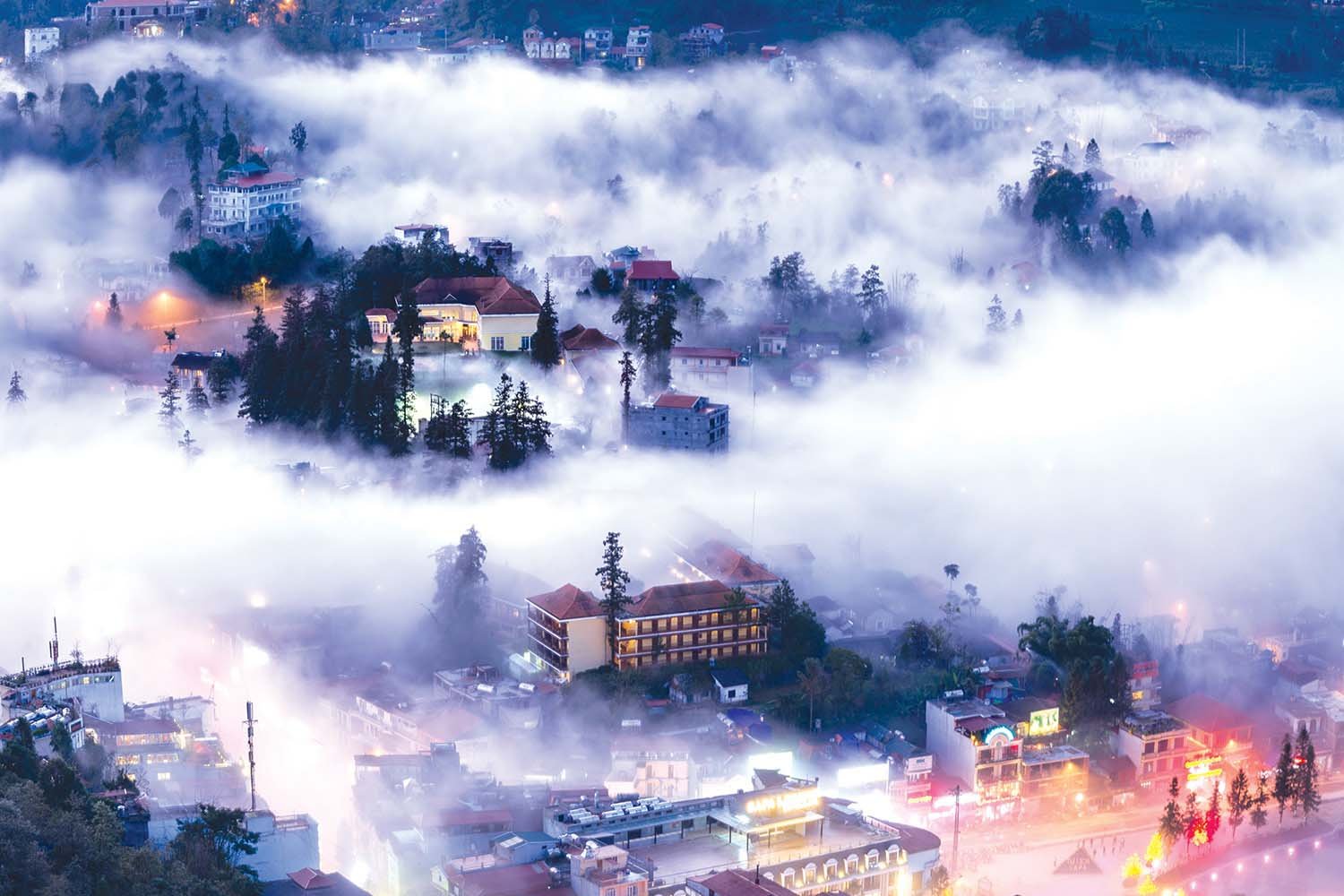
For a very scenic and comfortable option, the Muong Hoa Mountain Train offers incredible panoramic views from its unique vantage point high above the valley floor. It’s a modern funicular that connects Sapa town to the Fansipan cable car station, so it provides a breathtaking overview of the entire area rather than taking you down into the villages. On a clear day, the sweeping views of the terraced fields are just spectacular, making it a great choice if you’re short on time or want some amazing photos without a long trek.
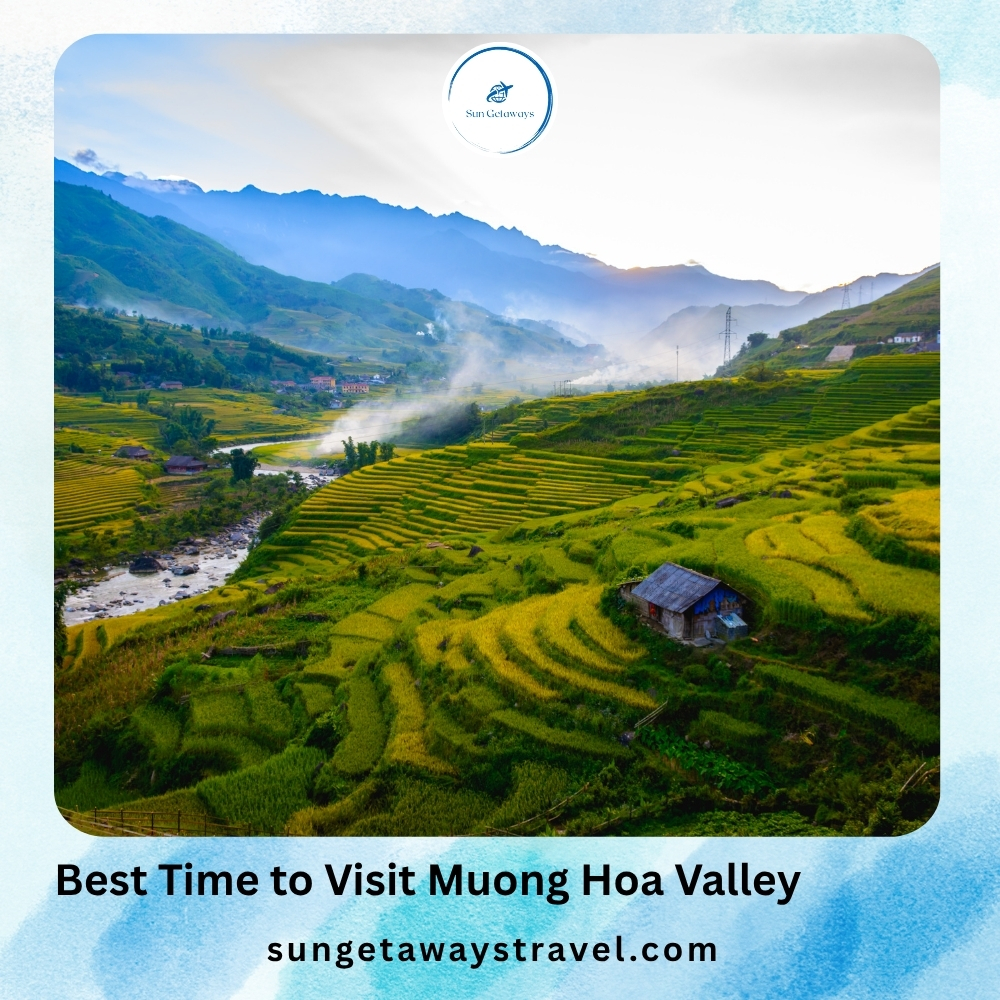
Best Time to Visit Muong Hoa Valley
Timing your visit to Muong Hoa Valley can completely shape your experience, as the landscape changes dramatically with the seasons. While it’s beautiful year-round, two seasons really stand out.
Spring (March – May)
Spring is known as the “pouring water season.” This is when the local farmers flood the terraced fields with water to prepare for a new crop of rice. It’s a time of new beginnings, and you can see the farmers hard at work planting the young rice shoots.
The weather is generally getting warmer and is very pleasant for trekking. This season offers a unique, tranquil beauty that’s very different from the more famous harvest time.
Autumn (September – November)
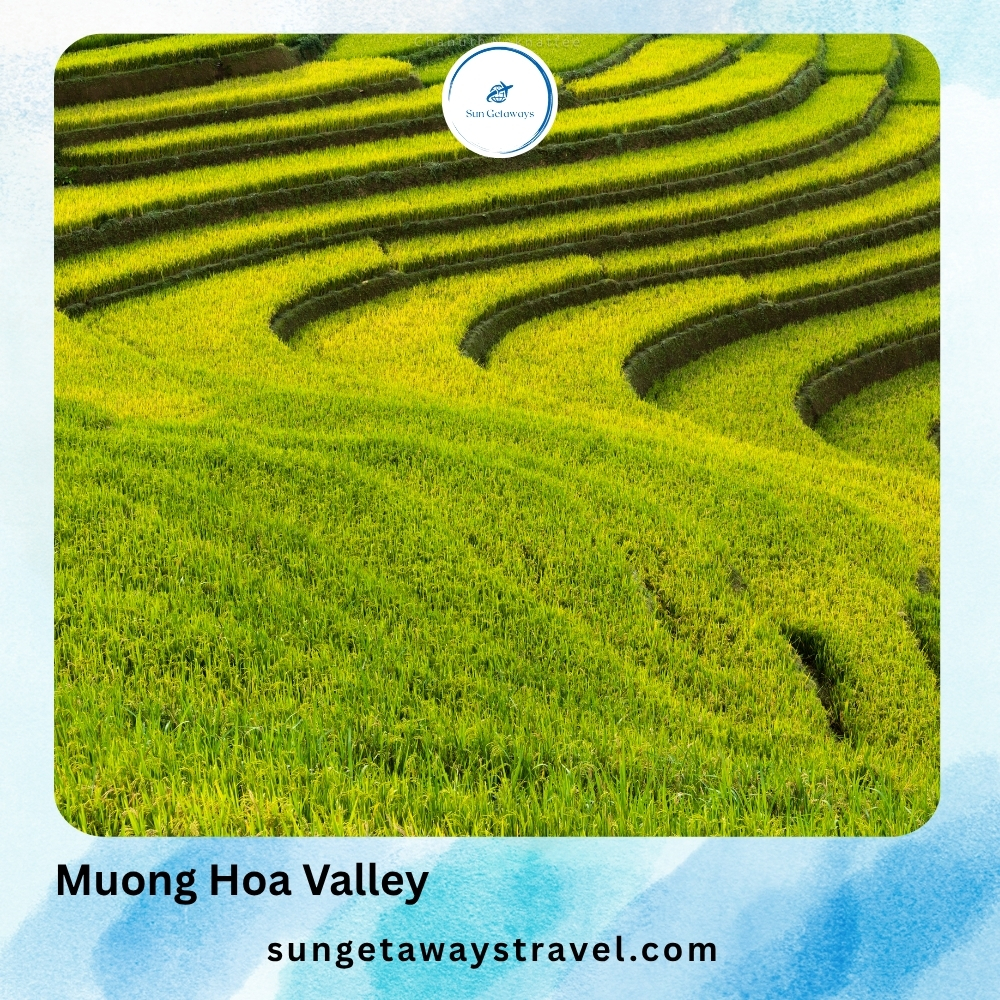
Autumn is the “golden season” and is perhaps the most popular time to visit. During these months, the rice is ripe for harvest, and the entire valley is covered in a brilliant blanket of gold. The terraced fields glow under the autumn sun, creating a picture-perfect scene that draws photographers from all over.
The Sapa weather in October is typically at its best during this period, with cool, dry, and sunny days that are ideal for trekking. The air is fresh, the views are clear, and the energy of the harvest season is all around. If you want to see the valley at its most vibrant, this is the time to come.
Top Things to Do in Muong Hoa Valley
Trekking Through Ethnic Villages
The number one activity here is trekking, as it allows you to truly connect with the landscape and the local culture. Popular routes will take you through key villages like Lao Chai, home to the Black H’mong, Ta Van, where the Giay people live, and Giang Ta Chai, a village of the Red Dao. Each community has its own distinct character and traditions, and walking the paths between them is the best way to see the subtle and beautiful shifts in daily life.
These treks can be tailored to any fitness level, from a gentle half-day walk to a challenging multi-day adventure that takes you far into the mountains. As you walk, you’ll see farmers working in the fields with their water buffalo, children playing along the paths, and women in vibrant traditional clothing. If you’d like a planned itinerary, our 2-Days Trekking Sapa Love Waterfall tour is a fantastic option that covers some of the most beautiful scenery.

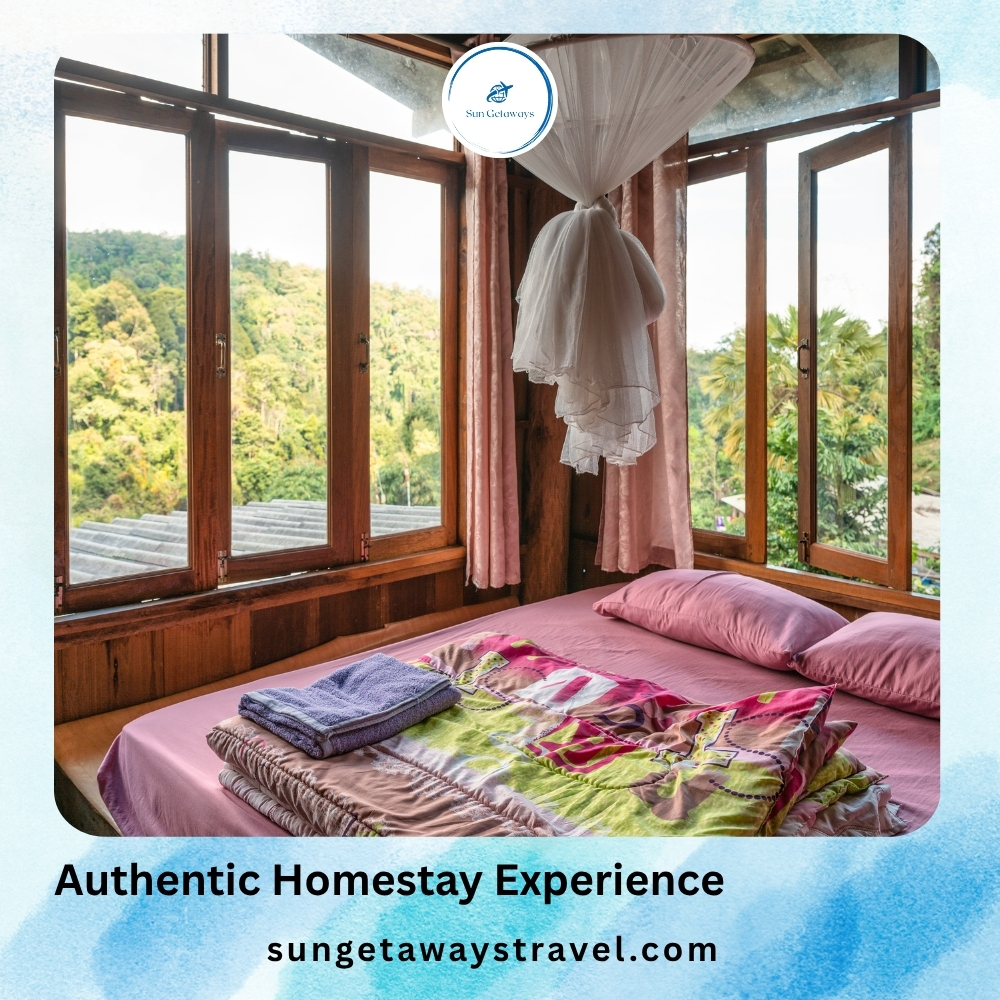
Authentic Homestay Experience
To truly understand the local culture, I highly recommend spending a night at a homestay. This means you will be a guest in a local family’s traditional home, which is a simple, humbling, and incredibly rewarding way to experience the valley. You will share meals with the family, see how they live their daily lives, and maybe even get invited to try a little of their homemade rice wine.
This is much more than just a place to sleep; it’s a genuine cultural exchange. A homestay experience provides an authentic connection to the people of the valley that a hotel simply cannot match. You also get the benefit of knowing your stay directly supports the local family and community, making your travel more impactful and memorable.
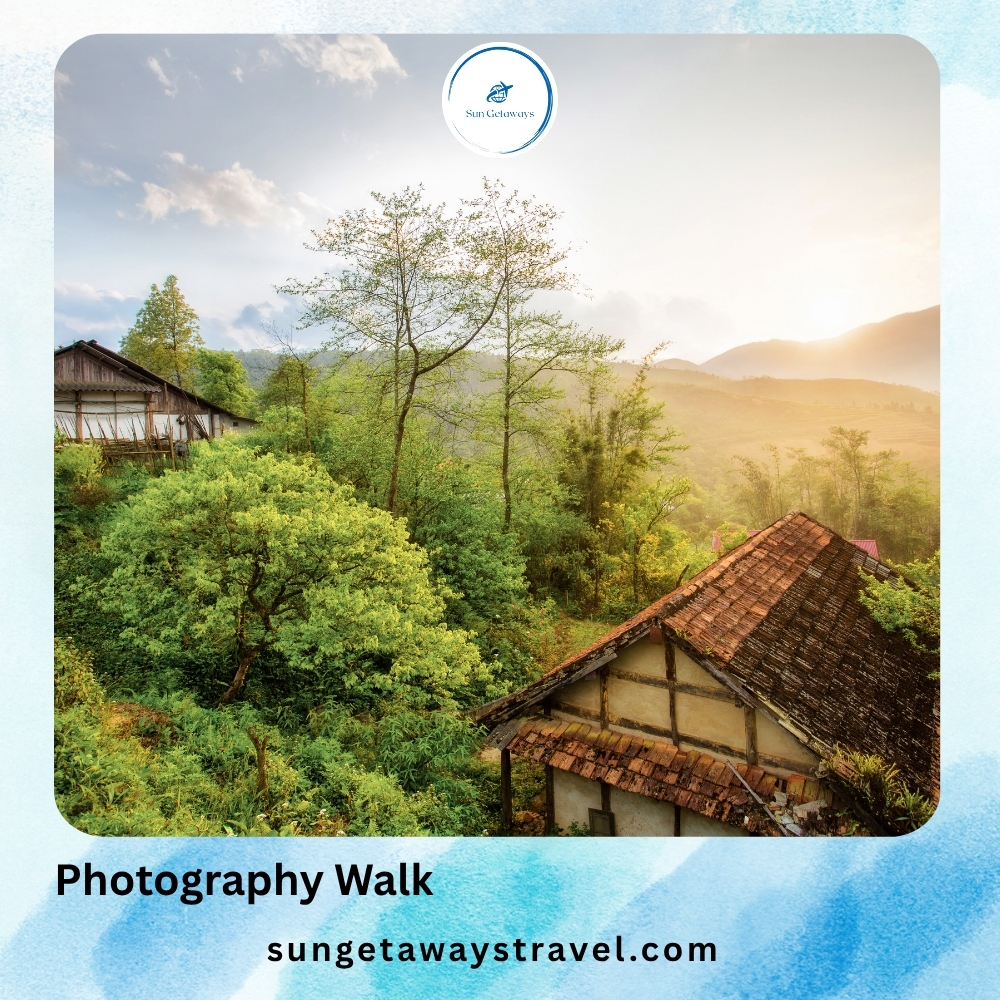
Photography Walk
It is no exaggeration to say this valley is a photographer’s paradise, offering endless opportunities for amazing shots. Every turn in the trail reveals a new, stunning view, whether it’s the grand, sweeping landscape of the terraced fields, the intricate details of a woman’s traditional clothing, or a candid portrait of a villager with a warm smile. The possibilities are truly endless.
The light is especially beautiful in the early morning as the sun rises over the peaks, and again in the late afternoon when it casts a soft, golden glow over the landscape. Remember to be respectful when photographing people; it’s always a good idea to have your guide ask for permission first. The changing seasons also provide a completely different color palette, from the mirrored waters of spring to the deep gold of autumn.
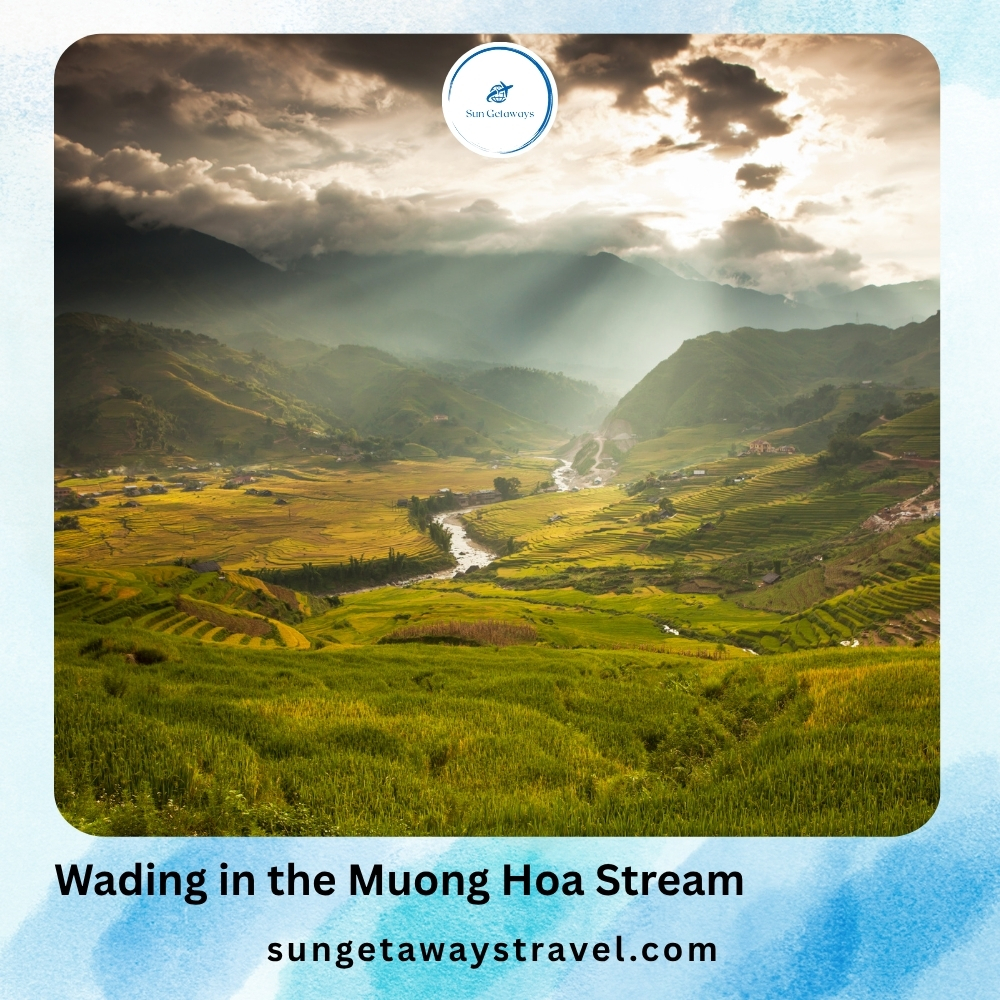
Wading in the Muong Hoa Stream
A gentle stream, the Muong Hoa, winds its way through the bottom of the valley, giving life to the rice fields that line its banks. The stream is a central part of the landscape, and you will cross its clear, shallow waters several times on small suspension bridges during your trek. It’s a constant, peaceful presence as you walk.
After a few hours of trekking under the sun, there is nothing better than taking off your boots and cooling your feet in the refreshing water. It’s a simple pleasure and a peaceful way to take a break and just soak in the serene atmosphere of your surroundings. Finding a smooth rock to sit on by the water’s edge is the perfect way to pause and reflect on the beauty around you.
Savoring Local Cuisine
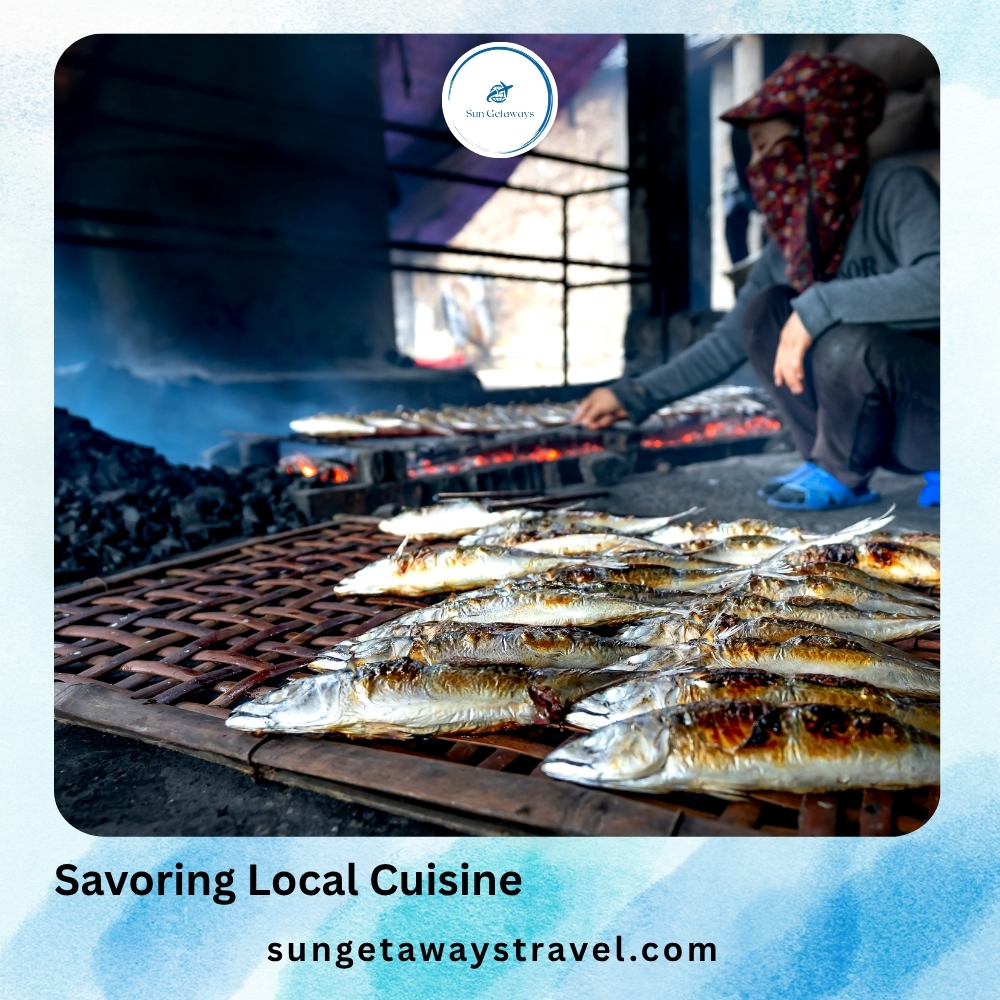
The food in this region is unique, delicious, and deeply connected to the mountain environment. Be sure to try some of the local specialties, which are often made with ingredients grown or foraged from the surrounding area. You might find dishes like bamboo-tube rice (“com lam”), dried buffalo meat (“thit trau gac bep”), or a hot pot of salmon or sturgeon raised in the cool mountain streams.
Eating the local food is a key part of the travel experience here, and the best meals are often the ones served in a homestay. Your host family will likely prepare a feast of simple, fresh, and flavorful dishes that they eat every day. It’s a wonderful opportunity to taste the real flavors of the mountains and understand the local way of life through its cuisine.
Muong Hoa Valley Nearby Attractions
Fansipan Mountain
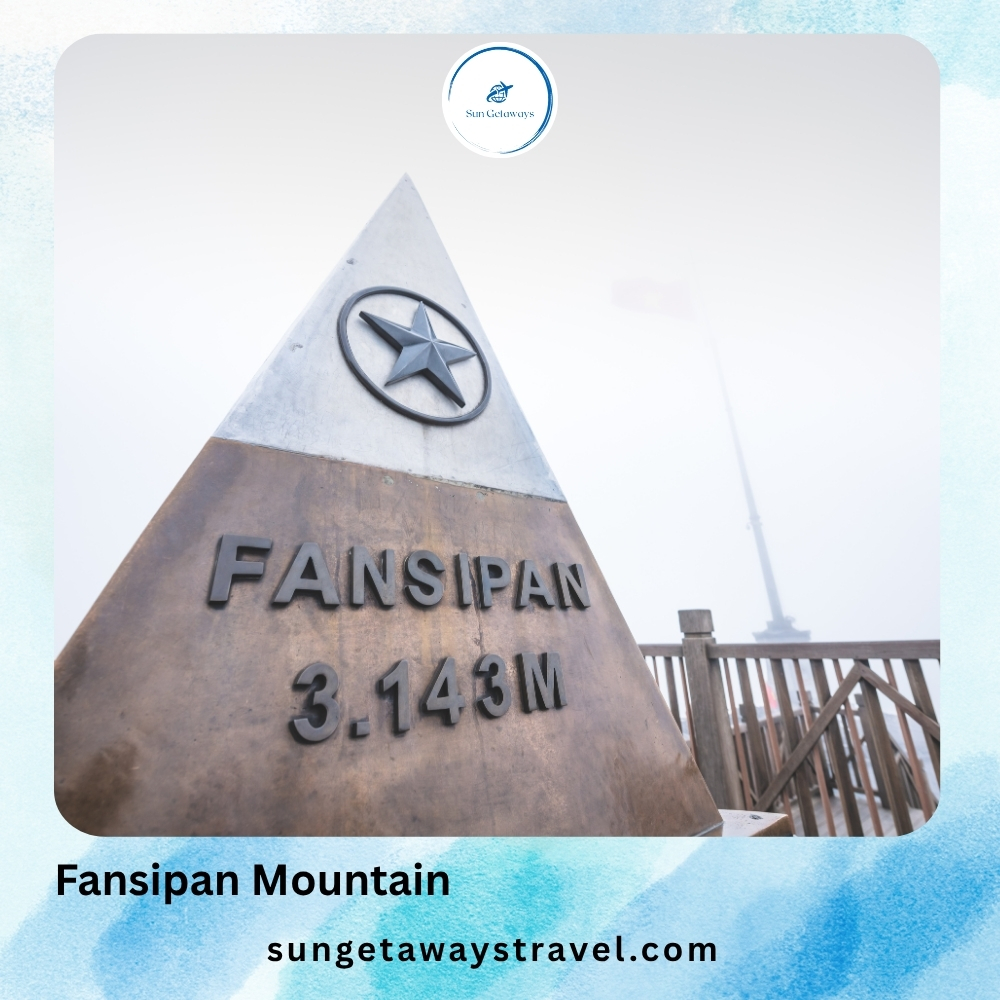
Often called “The Roof of Indochina,” Fansipan is the highest peak in Vietnam, and a visit to Sapa isn’t complete without seeing it. We have a complete guide to visiting Fansipan Mountain with tips on how to get there and what to see. The main way to reach the top is via a record-breaking cable car system that glides high above the Muong Hoa Valley.
Once you reach the top, you’ll find a beautiful complex of temples, pagodas, and a giant Buddha statue, all often shrouded in mist, which creates a very spiritual atmosphere. On a clear day, the 360-degree views are absolutely breathtaking, and you truly feel like you are standing on top of the world. It’s a memorable experience that showcases the grand scale of the region’s beauty.
Cat Cat Village
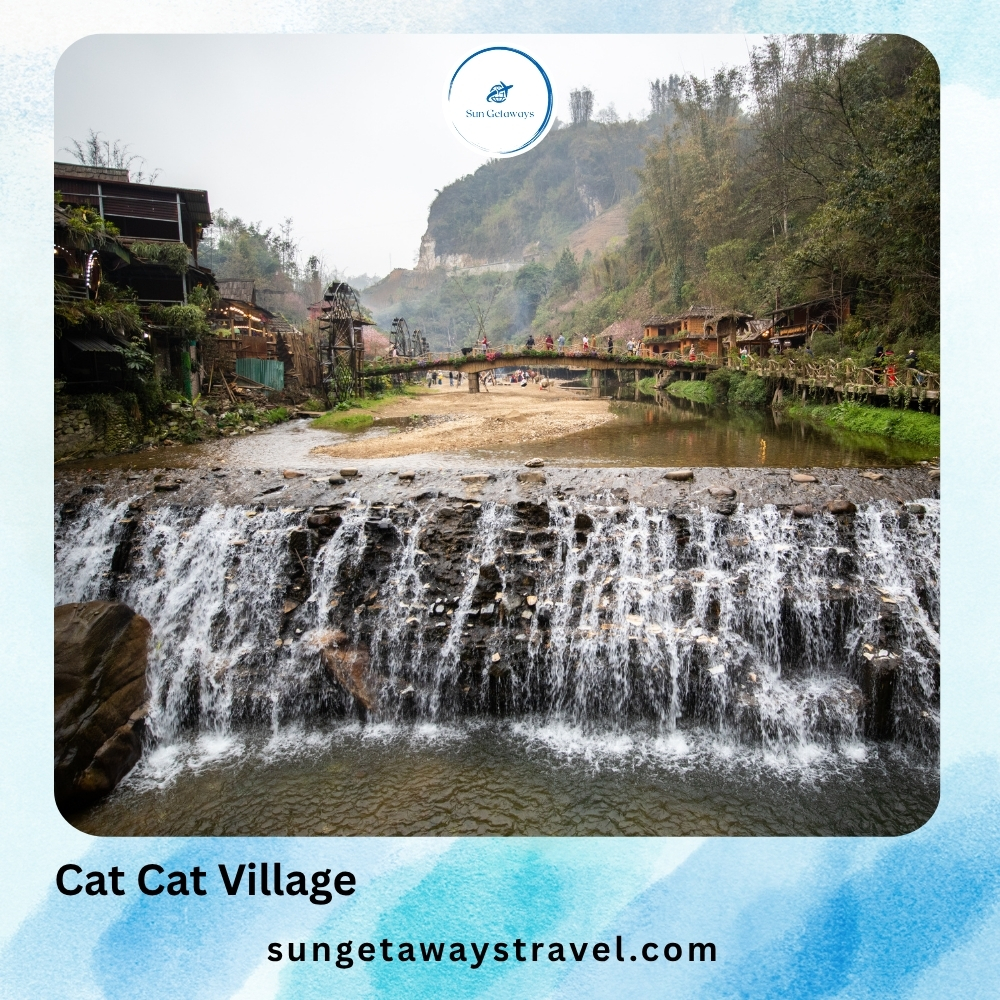
Cat Cat is one of the most accessible villages of the Black H’mong people. Because of its proximity to town, it’s a very popular option for a short trek. The walk down to the village is scenic, following a paved path with views of the valley.
Inside the village, you can see traditional H’mong homes, watch craft demonstrations like weaving and indigo dyeing. You can also see a beautiful waterfall that powers a historic hydroelectric station. It is a well-organized and beautiful introduction to the local culture.
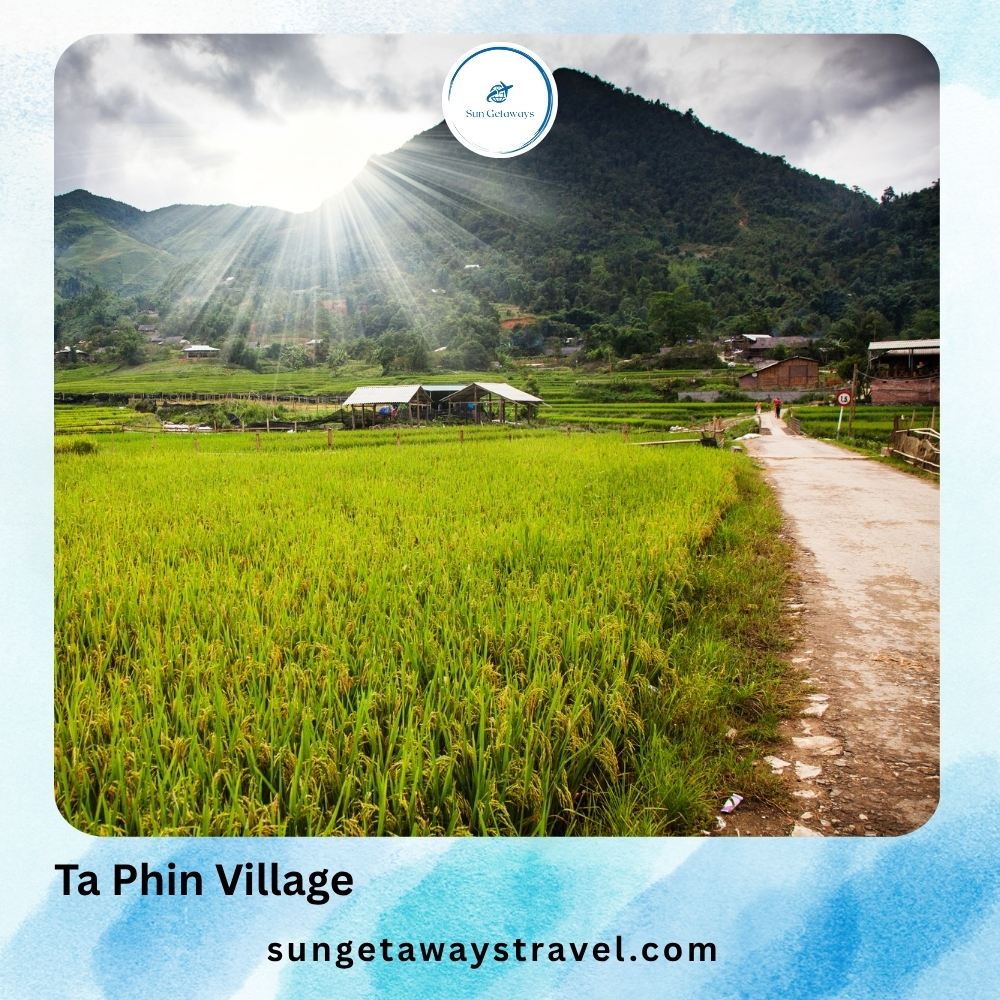
Ta Phin Village
This village is home to the Red Dao people. They are easily recognized by their vibrant red headwear and intricately embroidered clothing. The village is set in a beautiful, wide valley and offers a slightly more tranquil experience than Cat Cat. The Red Dao are known for their friendliness and are often happy to welcome you into their homes.
Ta Phin is most famous for its traditional herbal baths. After a long day of trekking, there is no better way to relax than by soaking in a wooden barrel filled with a secret concoction of medicinal herbs and plants foraged from the surrounding forest. This is the perfect way to soothe sore muscles and is a unique cultural experience you shouldn’t miss.
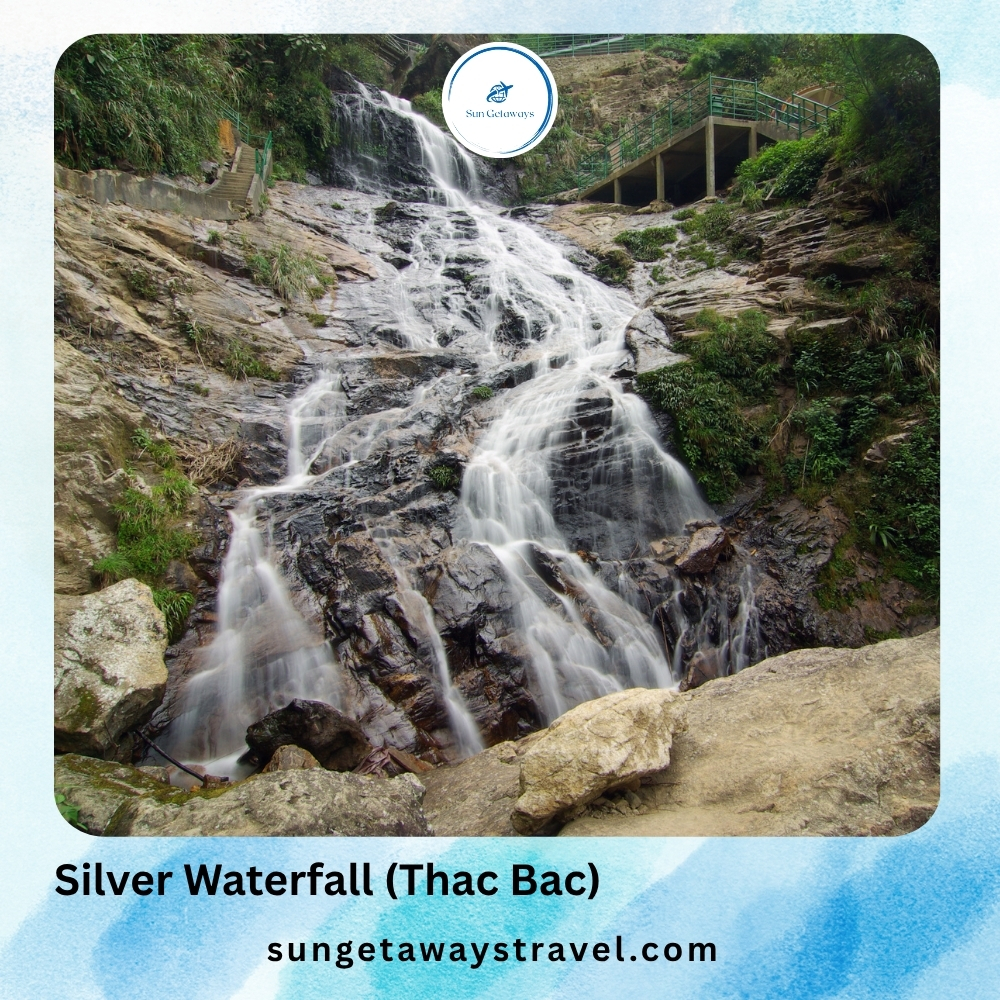
Silver Waterfall (Thac Bac)
A tall, beautiful waterfall located right off the main road about 12 kilometers from Sapa, towards Lai Chau province. It’s an easy and popular stop to make, as you can see the falls from the road. The water cascades down from a height of over 200 meters, creating a roaring sound and a refreshing mist.
There are stairs that allow you to climb up alongside the falls to a bridge, offering different perspectives. The scenery around the waterfall is also very lush and green. It’s a quick but very worthwhile stop that showcases the raw natural power of the mountains in this region.
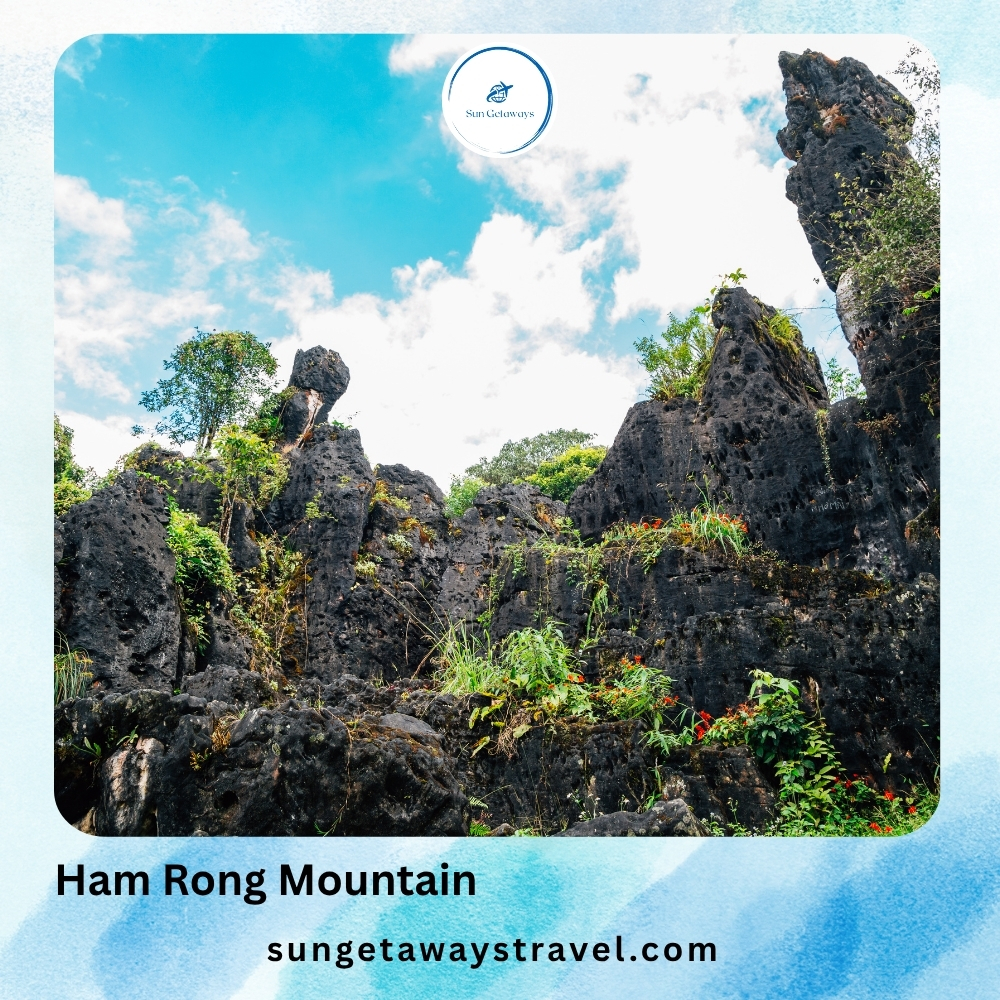
Ham Rong Mountain
Ham Rong Mountain is a landscaped park that is easy to walk to. The name means “Dragon Jaw Mountain,”. As you explore the park, you will walk through beautiful flower gardens, past interesting rock formations, and stone paths. It’s a pleasant place to spend a couple of hours.
The main reason people visit, however, is for the viewpoint at the very top, known as “Cloud Yard.” From here, you get a fantastic panoramic view over Sapa town. The Muong Hoa Valley, and, on a clear day, the distant peak of Fansipan. It’s a great spot to get your bearings when you first arrive in Sapa and to appreciate the stunning setting of the town.
Conclusion
Muong Hoa Valley offers that perfect mix of incredible natural beauty, rich cultural experiences, and a bit of adventure. It’s a place where you can disconnect from the busy world and reconnect with something more grounded and real.
Whether you’re trekking through golden rice fields, sharing a meal with a local family, or just sitting by the stream, the valley’s magic is sure to leave a lasting impression. I truly hope you get the chance to visit and experience it for yourself.
FAQs About Muong Hoa Valley
What is the best way to get to Muong Hoa Valley?
For the most freedom and adventure, renting a motorbike is a great option if you’re an experienced rider. However, trekking with a local guide is the most immersive way to experience the valley’s culture and scenery.
Where does the railway in Muong Hoa Valley lead to?
The Muong Hoa Mountain Train is a funicular railway that connects Sapa town with the Fansipan Peak. Cable car station, offering scenic views over the valley along the way.
What are the highlights of Muong Hoa Valley?
The main highlights are the stunning terraced rice fields, trekking through traditional ethnic villages like Lao Chai and Ta Van, the mysterious Ancient Stone Field, and experiencing local culture through a homestay.
What can I do in Sapa for a 2 day itinerary?
With two days, you could spend the first day trekking through Muong Hoa Valley to a village like Ta Van for an overnight homestay. On the second day, you could trek back to Sapa and visit Fansipan Mountain via the cable car in the afternoon.
Is trekking to Muong Hoa Valley safe?
Yes, trekking is generally very safe, especially when you go with a local guide. The guides know the paths well and can ensure you have a safe and enjoyable trip. Just be sure to wear proper footwear as the paths can be muddy or uneven.


Related Tour

14 Days Vietnam North To South With Phu Quoc Island


26 Reviews
4 Days Muslim Da Nang Ba Na Hills & Hoi An
0 Reviews

Small Group Vietnam South to North 12 Days Tour
25 Reviews
Best Cultural & Heritage Vietnam 12 Days
35 Reviews
7 Days Northern Vietnam Tour: Hanoi, Halong, Sapa
23 Reviews

Ask a question
Leave a Comment (0)
No questions yet. Be the first to ask a question!
See related Posted
Luxury Golf Resorts in Vietnam – Elite Golf Travelers

Vietnam is increasingly recognized as a premier golf destination in Asia, therefore luxury golf…
Macrame in Vietnam: The Revival of Knot Art in Contemporary Craft Culture

Macrame in Vietnam reflects the country’s growing engagement with contemporary handmade culture, where global…
Vietnamese Musical Instrument Craft: Traditional Instrument Making in Vietnam

Vietnamese musical instrument craft reflects a long-standing relationship between sound, material, and cultural memory.…
Traditional Vietnamese Kite Art: History, Craftsmanship, and Cultural Meaning

Traditional Vietnamese kite art is a living expression of folk creativity, community values, and…
Vietnamese Folk Masks: Tradition, Symbolism & Cultural Meaning

Vietnamese folk masks are a distinctive form of traditional art that reflects the spiritual…
Vietnamese Embroidery Art: Traditional Craftsmanship & Cultural Meaning

Vietnamese embroidery art is a refined traditional craft that reflects patience, cultural memory, and…