



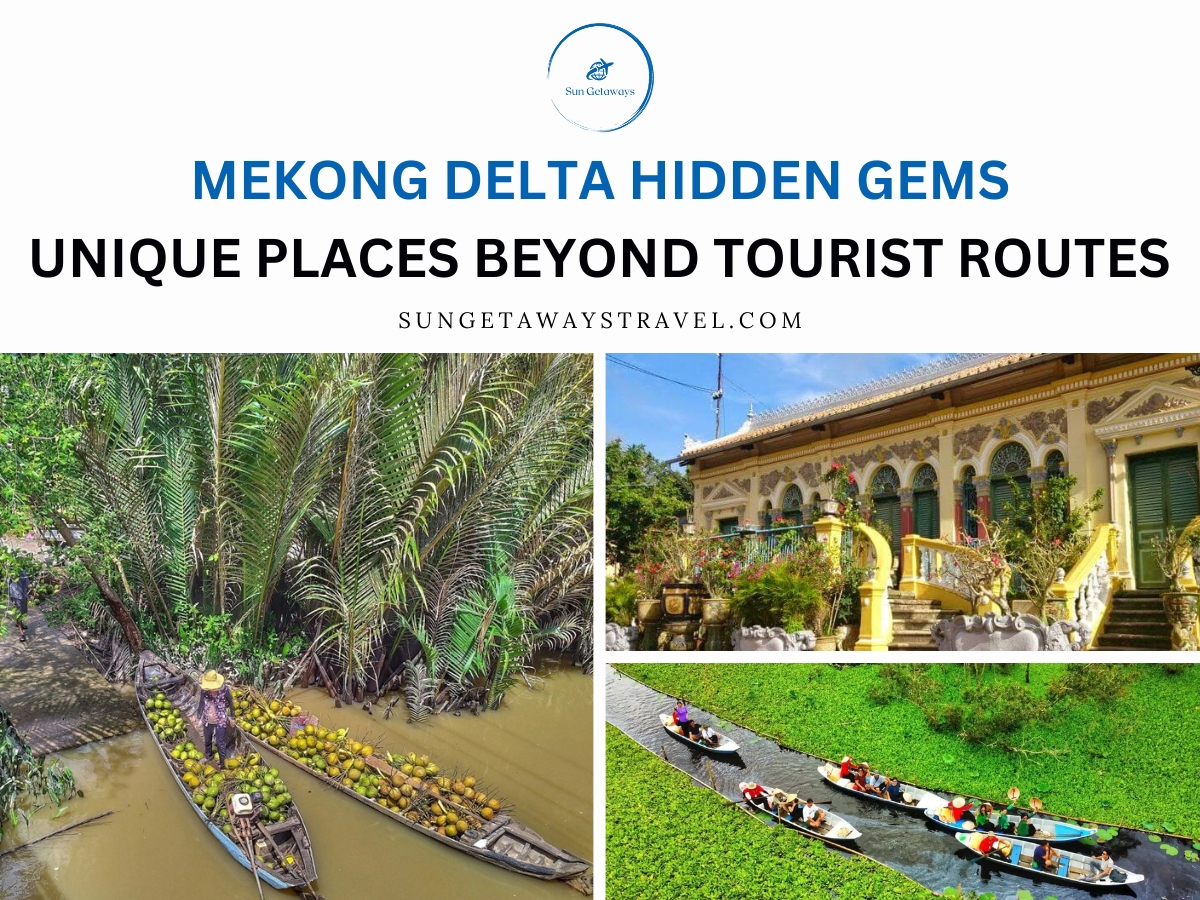
Mekong Delta Hidden Gems: Unique Places Beyond Tourist Routes
 PhamDuong
  3 min. to read
 The Mekong Delta hidden gems reveal a quieter, more authentic side of southern Vietnam, far beyond crowded floating markets. This guide explores Mekong Delta unique places shaped by rivers, wetlands, and resilient communities. Drawing from over ten years of local tour operations experience at Sun Getaways Travel, this cluster content helps international travelers plan meaningful journeys with confidence, depth, and cultural respect.
Key Takeaways
- Mekong Delta hidden gems offer deeper cultural immersion through real village life, wetlands, and slow travel rather than tourist performances.
- Exploring Mekong Delta unique places supports local communities directly while preserving fragile ecosystems and traditions.
- Thoughtful timing, respectful behavior, and local engagement significantly enhance the quality of Mekong Delta travel experiences.
1. Why Explore Mekong Delta Hidden Gems

Mekong Delta hidden gems offer experiences rooted in everyday life rather than staged tourism activities. Visitors observe farming, fishing, and handicrafts happening naturally along rivers and village paths. These encounters feel authentic and unfiltered.
Instead of rushing between famous stops, travelers move at a slower pace and engage more deeply. Time is spent listening, watching, and interacting with local people. Consequently, journeys become more personal, meaningful, and memorable.
Moreover, choosing lesser-known destinations helps local communities benefit directly from tourism. Spending reaches family-run businesses rather than large operators. This travel style encourages sustainability and protects the cultural value of Mekong Delta unique places.
Travelers looking to deepen their experience can explore more meaningful things to do in the Mekong Delta.
2. Tra Su Cajuput Forest: A Wetland Sanctuary
Unlike bustling floating markets or riverfront towns, Tra Su Cajuput Forest offers a slower, more immersive encounter with the Mekong Delta’s wetland ecosystem.
2.1. Wildlife and Flooded Forest Landscape – Mekong Delta hidden gems
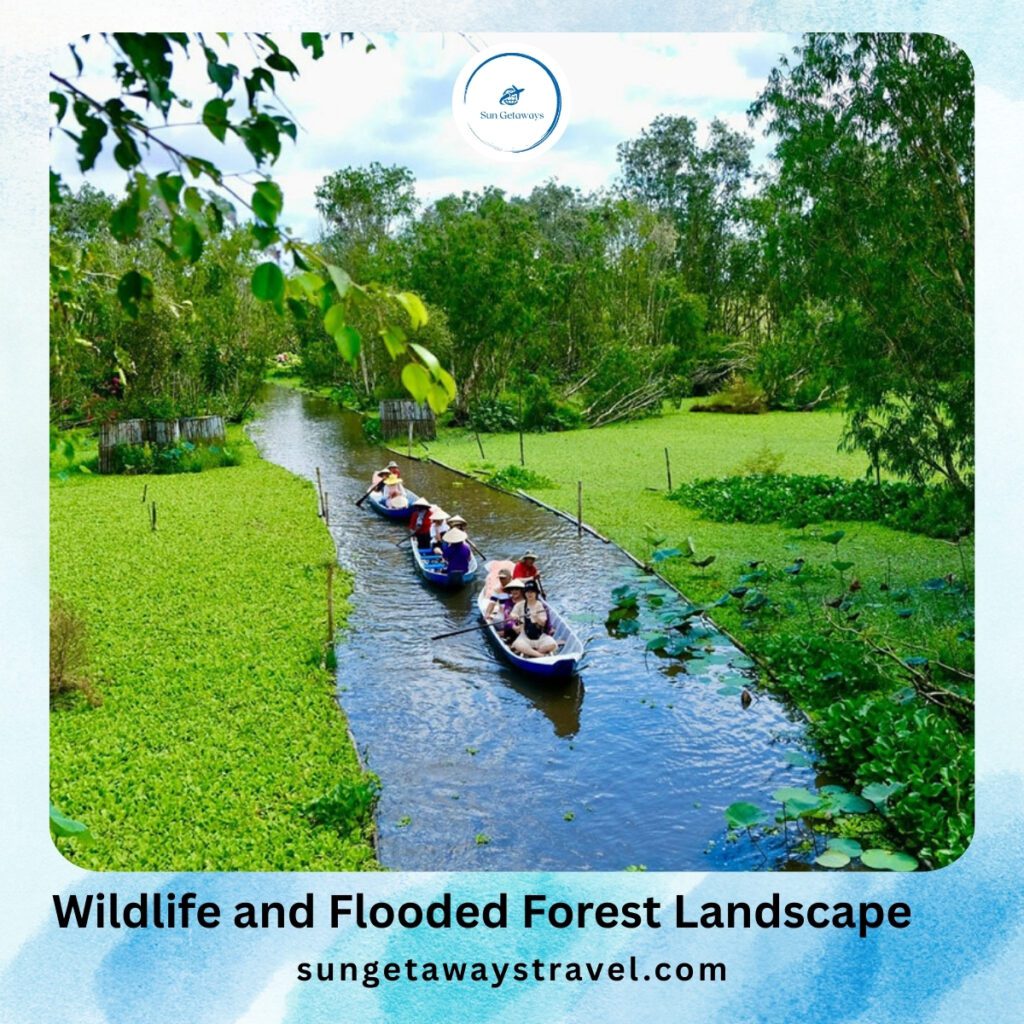
Tra Su Cajuput Forest spreads across a vast wetland dominated by cajuput trees and seasonal floodwaters. During the wet months, rising water levels create narrow channels beneath dense green canopies. Moreover, boats glide slowly through floating duckweed, forming a peaceful and immersive landscape.
The forest supports rich birdlife throughout the year. Herons, egrets, and storks gather near quiet waterways, especially in early mornings. This ecological diversity clearly defines Tra Su as one of the most authentic Mekong Delta unique places.
2.2. Best Time, Boat Experience, and Entrance Fees
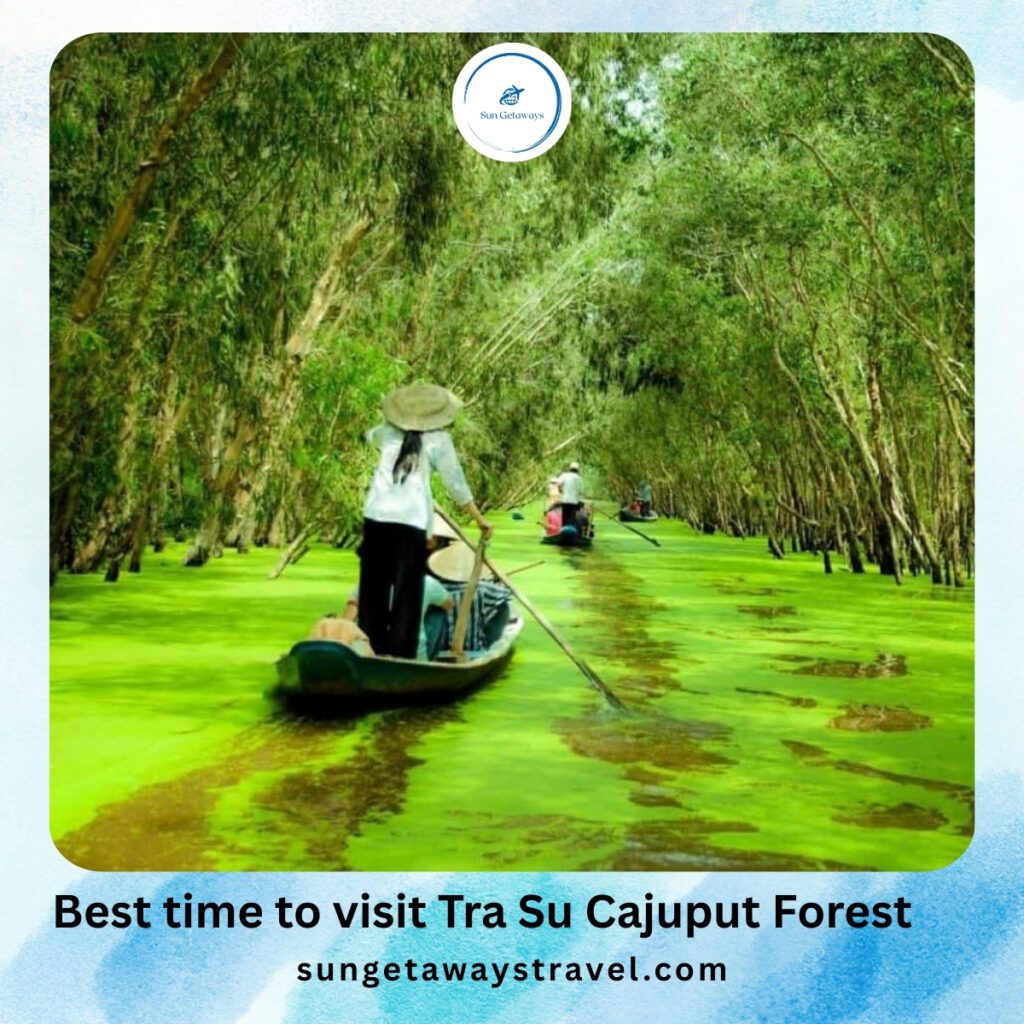
The best time to visit Tra Su Cajuput Forest is from September to November, when floodwaters reach their peak. Because reflections become more vivid, and wildlife activity increases noticeably. Cooler morning temperatures also improve comfort and visibility.
Besides, paddle boats offer the most rewarding experience inside the forest. The silent movement allows travelers to hear birds and water naturally. Therefore, many visitors choose to explore Tra Su through eco-friendly boat routes, preserving its status among Mekong Delta hidden gems.
The entrance fee is 120,000 VND per person, while the boat ticket costs 60,000 VND per person. Fees are paid on site and help support conservation efforts within the protected wetland area.
To plan your timing more effectively, you can also explore the best time to visit the Mekong Delta.
3. Ben Tre Coconut Villages – Mekong Delta hidden gems
Ben Tre Province is widely known as Vietnam’s coconut heartland. Life unfolds slowly along canals, orchards, and shaded village paths shaped by water and agriculture.
3.1. Coconut Craft Villages and Daily Work
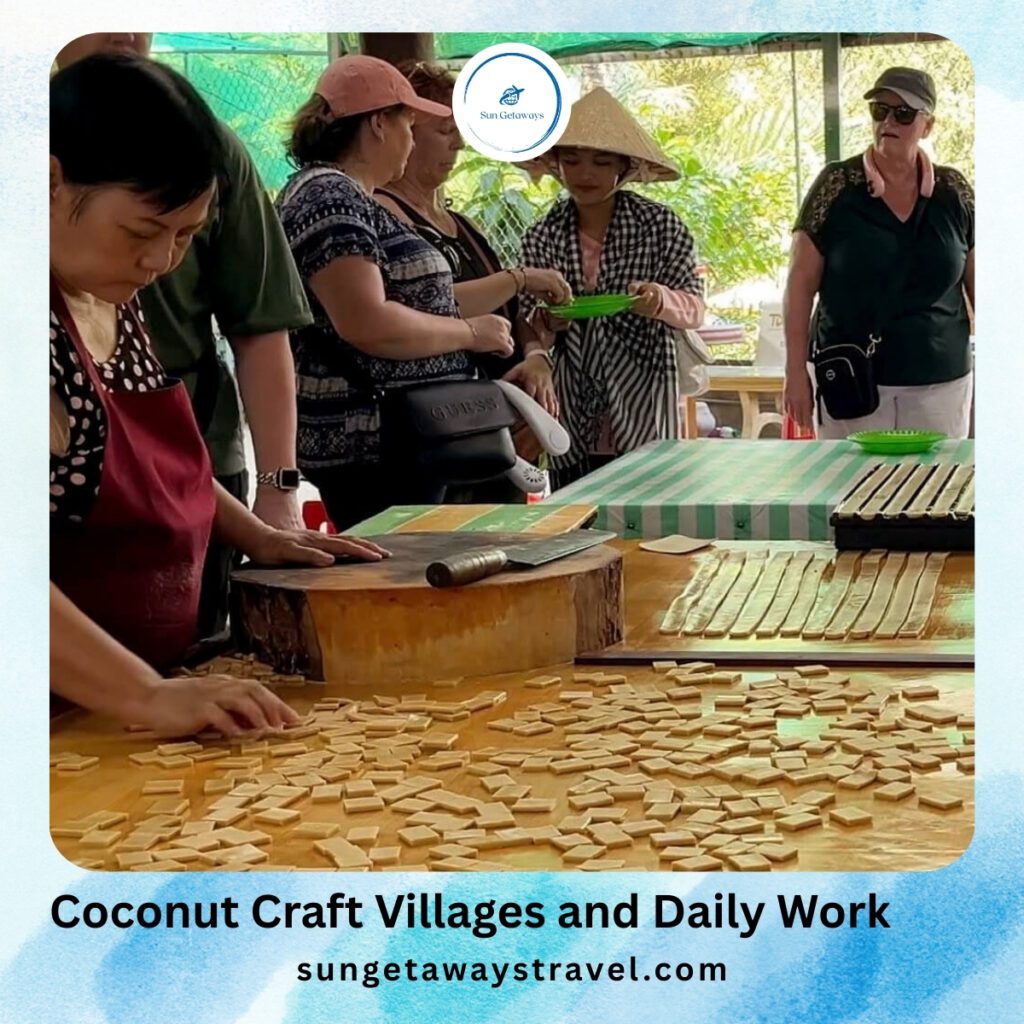
In Ben Tre villages, families process coconuts into candy, oil, charcoal, and handicrafts within their homes. Additionally, production remains small-scale and transparent. Therefore, visitors observe each step without staged performances or commercial setups.
Moreover, many households welcome visitors to try making coconut candy using traditional methods. Travelers can stir coconut milk over open stoves and shape finished sweets by hand. Freshly made candy is often offered for tasting on site.
Artisans explain techniques passed down through generations while working. Conversations happen naturally during daily routines. Consequently, Ben Tre stands out among Mekong Delta unique places for genuine cultural exchange.
3.2. Cycling and Canal Exploration in Ben Tre – Mekong Delta hidden gems
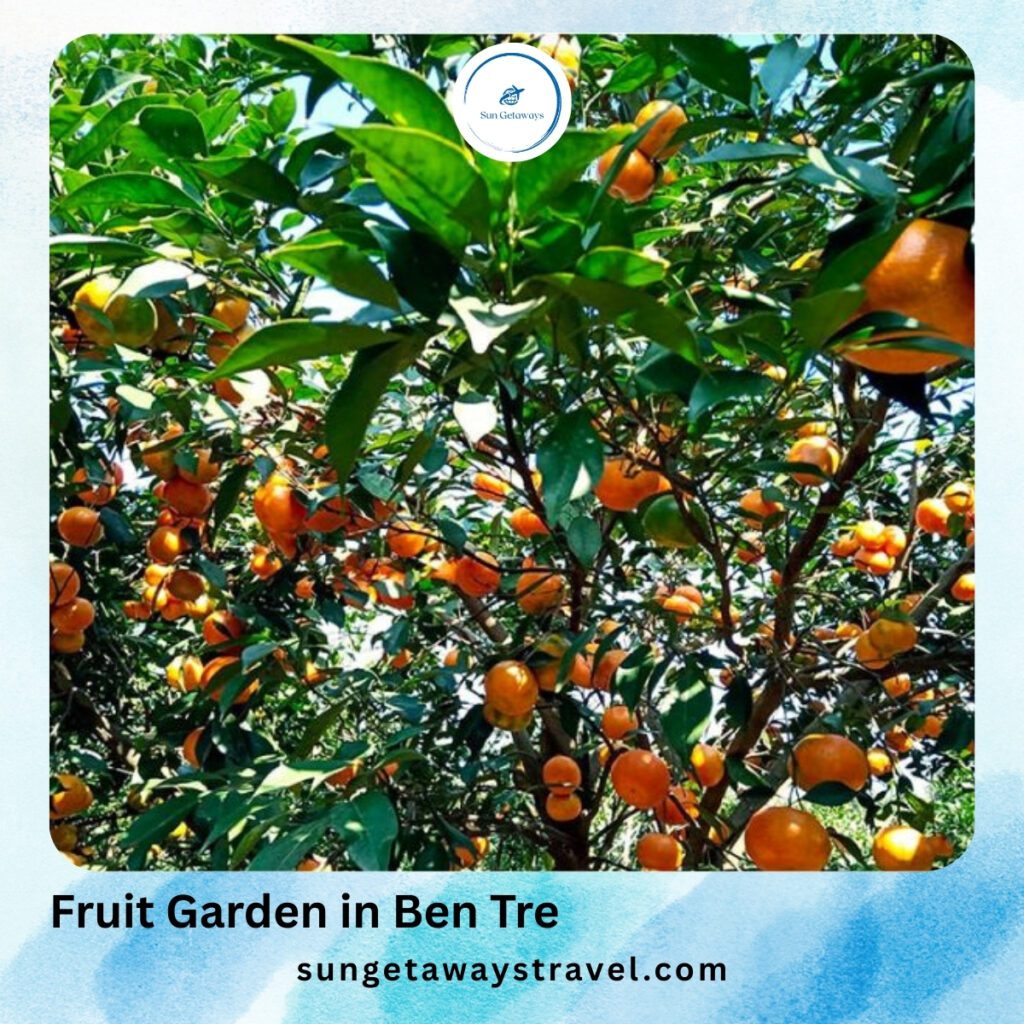
Village lanes in Ben Tre are narrow and shaded by coconut palms, creating ideal conditions for cycling. Moreover, travelers move slowly through orchards, family homes, and small workshops without disturbing daily life. Wooden monkey bridges connect households across narrow canals, adding strong local character.
Besides, small boats access calm waterways unreachable by larger tour vessels. These routes pass fruit gardens, fishing nets, and riverside homes. As a result, cycling combined with canal exploration reveals the most authentic side of village life.
For broader planning ideas, you may also explore where to go in the Mekong Delta.
4. Binh Thuy Ancient House: Architectural Heritage
Binh Thuy Ancient House reveals a lesser-known architectural layer within Mekong Delta hidden gems, reflecting the region’s historical prosperity near Can Tho.
4.1. History and Colonial Influence
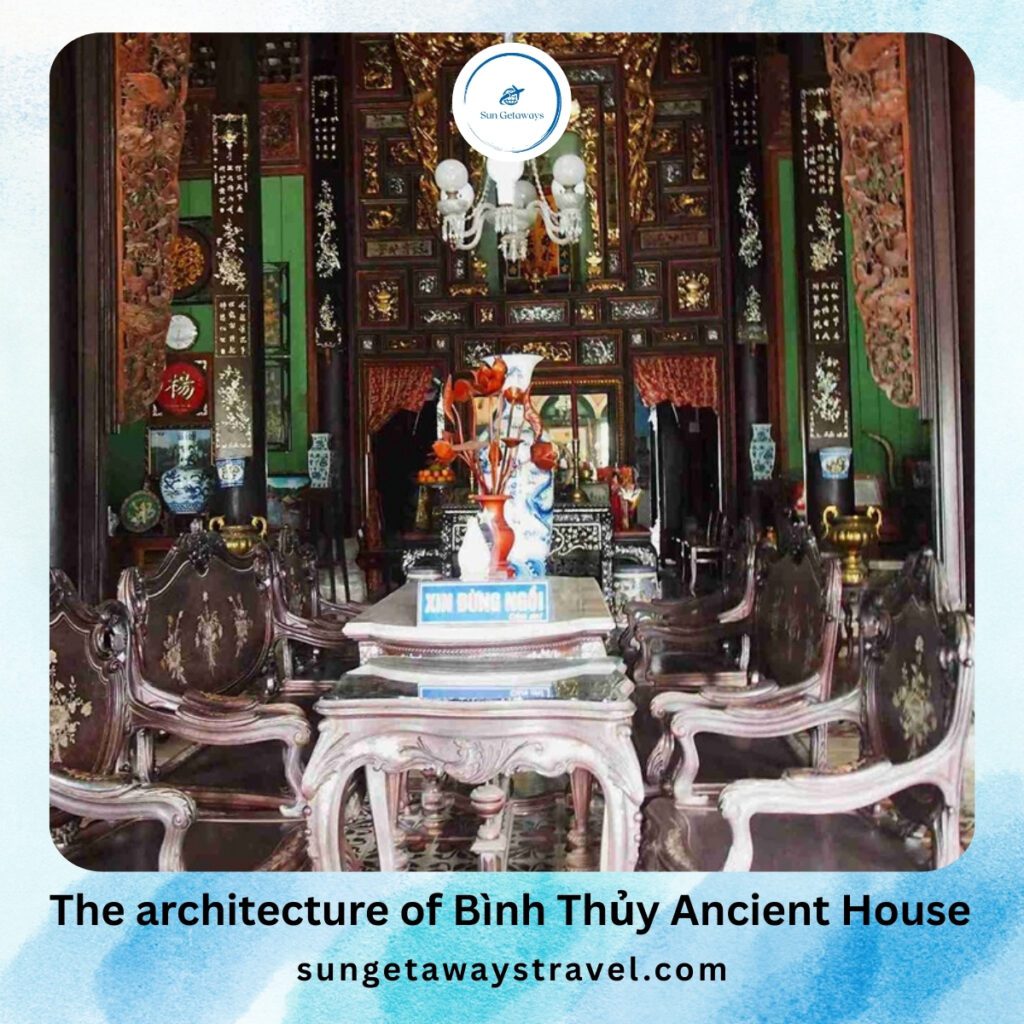
Built in the early 1900s, Binh Thuy Ancient House blends French colonial architecture with traditional Vietnamese design. The layout follows feng shui principles while incorporating European symmetry and decoration. This fusion reflects cultural exchange during the colonial era.
Inside, carved wooden columns, antique furniture, and patterned ceramic tiles remain remarkably intact. Many materials were imported, highlighting the family’s former wealth and social standing. Each space preserves traces of everyday life from the past.
This architectural harmony sets Bình Thủy apart from typical heritage houses. As a result, it stands out among Mekong Delta unique places with genuine historical depth.
4.2. Visiting Experience from Can Tho
Binh Thuy Ancient House is located a short distance from Can Tho city center, making it easy to reach. Travelers can visit by taxi, bicycle, or private transport. In addition, the surrounding area remains largely residential and local.
Many visitors combine the house with nearby riverfront walks and traditional markets. These additions enrich the cultural context without overcrowding the itinerary. Besides, the experience remains calm and unrushed.
The entrance fee is approximately 15,000 VND per person, which is affordable and paid directly on site. Because of its accessibility and historical value, cultural itineraries often include Binh Thuy Ancient House within Can Tho heritage routes.
5. Lang Sen Wetland Reserve – Mekong Delta hidden gems
Lang Sen Wetland Reserve is one of the most untouched Mekong Delta hidden gems, located in Long An Province within the Dong Thap Muoi wetland region.
5.1. Seasonal Flooding and Birdlife
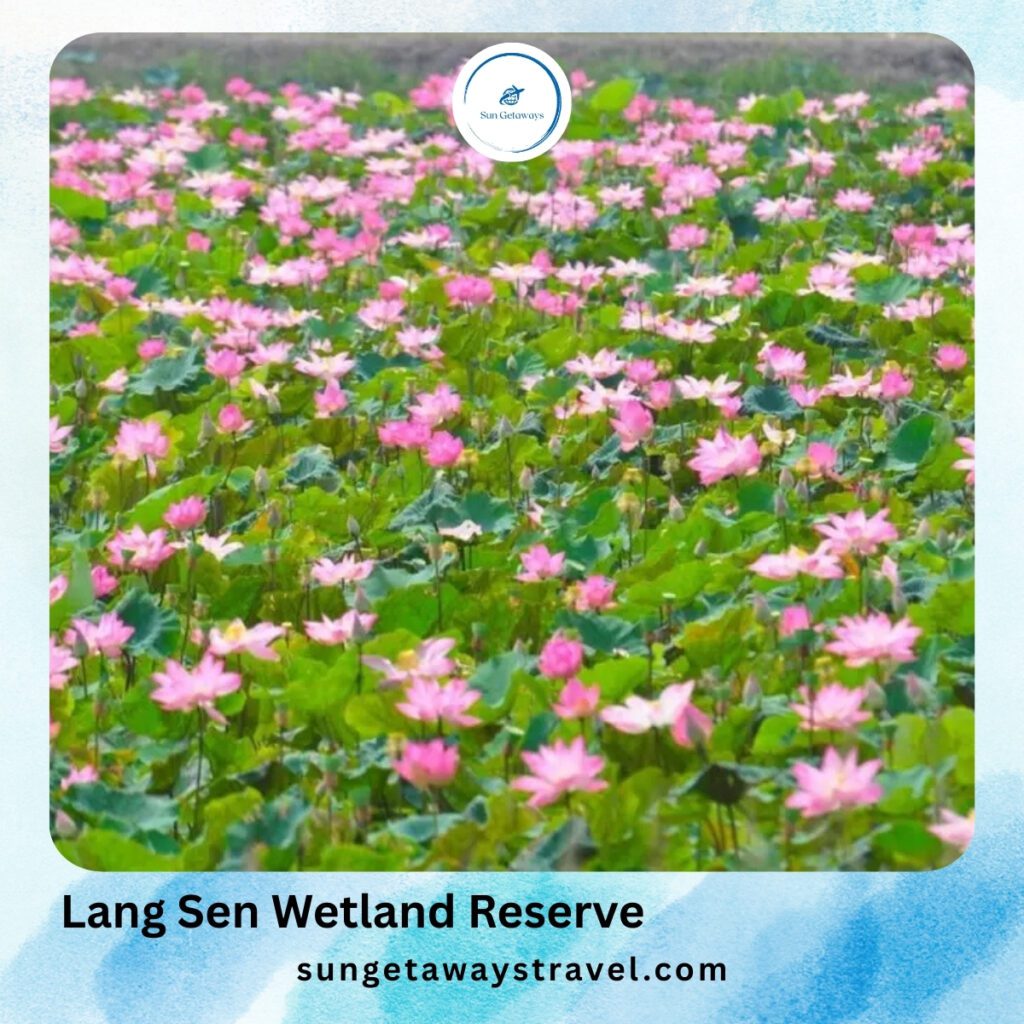
Seasonal flooding is the foundation of Lang Sen’s ecosystem. Each year, rising waters replenish nutrients, restore soil fertility, and sustain aquatic plants. Therefore, this natural cycle allows the wetland to function without intensive human control.
During flood season, vast lotus fields spread across shallow waters. Broad leaves and pink blossoms dominate the landscape, creating a quiet and expansive wetland scene. These habitats support fish, insects, and amphibians.
Migratory birds arrive seasonally to feed and nest in undisturbed zones. So, herons, storks, and other waterbirds are commonly seen near reed beds. Boat journeys reveal ecosystems operating with minimal tourism pressure, defining Lang Sen among Mekong Delta unique places.
To better understand seasonal conditions, you may also explore the Mekong Delta weather patterns.
5.2. Local Cuisine, Lotus Culture, and Visiting Costs
Local cuisine at Lang Sen reflects the surrounding wetland environment. Because meals often feature lotus stem salad, wild vegetables, and freshwater fish caught locally. Ingredients are sourced directly from rivers and flooded fields.
Cooking styles remain simple and seasonal. Dishes emphasize freshness rather than heavy seasoning. This food culture preserves traditional knowledge shaped by water cycles and natural harvests.
The entrance fee is 50,000 VND per person, while children under 1.2 meters enter for free. Tickets are purchased on-site, making Lang Sen accessible for independent travelers. These details further support its appeal as a low-impact Mekong Delta hidden gem.
“Hidden wetlands and villages reveal the Mekong’s true soul. Slow travel allows culture and nature to unfold naturally, creating deeper connections between travelers and local communities.” – Ms. Emma Nguyen, Head of Tour Operations, Sun Getaways Travel
6. Tan Lap Floating Village: A Quiet Wetland Escape
Tan Lap Floating Village stands out as one of the lesser-known Mekong Delta hidden gems, especially for travelers seeking calm landscapes. Located in Long An Province, this destination remains largely untouched by mass tourism
6.1. Melaleuca Forest and Elevated Walkways – Mekong Delta hidden gems
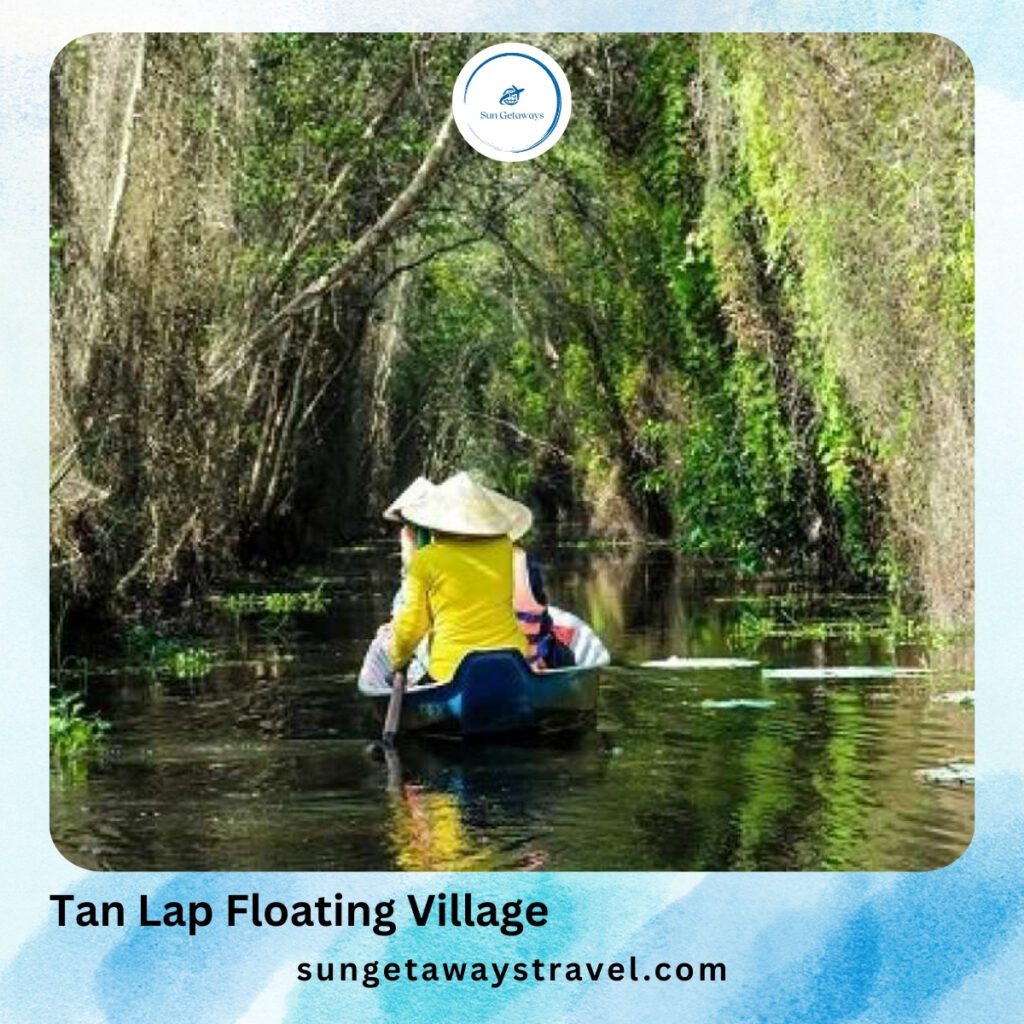
The area is dominated by expansive melaleuca forests shaped by annual floods. Elevated wooden walkways stretch deep into wetlands, allowing visitors to walk above submerged vegetation. These paths reveal changing water levels throughout the year.
Seasonal transitions dramatically alter the scenery. During flood months, water reflects dense green canopies. Consequently, Tan Lap becomes one of the most atmospheric Mekong Delta hidden gems for nature photography.
For travelers interested in low-impact travel, you may also explore Mekong eco tour experiences.
6.2. Boat Routes and Wetland Observation Tower
Small paddle boats move quietly through narrow canals surrounded by melaleuca trees. Moreover, the slow pace encourages mindful travel and deeper engagement with the environment. Wildlife sightings often occur without disturbance.
At the center, an observation tower offers panoramic wetland views. From above, travelers understand the scale of this ecosystem. This perspective reinforces Tan Lap’s status among Mekong Delta unique places.
If you need quick assistance or personalized advice while planning your Mekong Delta journey, you can chat directly with our local team via WhatsApp for fast and reliable support.
7. FAQ about Mekong Delta Hidden Gems
Independent travel is possible, but guided tours add cultural context and logistical ease. Because local guides help interpret daily life, wetland ecology, and regional history. Therefore, this guidance enhances understanding of Mekong Delta unique places beyond surface-level sightseeing.
A minimum of two to three days allows proper immersion. This timeframe supports unhurried exploration, overnight stays, and deeper community engagement. Rushed visits often miss the essence of Mekong Delta unique places.
Slow travelers, photographers, nature lovers, and culturally curious visitors benefit the most. These destinations favor observation and interaction over fast-paced itineraries. Travelers seeking meaningful experiences often prioritize Mekong Delta hidden gems.
Conclusion
Exploring Mekong Delta hidden gems reveals a quieter, more meaningful side of southern Vietnam shaped by rivers, wetlands, and resilient communities. From flooded forests and lotus wetlands to coconut villages and heritage houses, these destinations showcase life unfolding naturally beyond tourist routes. By choosing Mekong Delta unique places, travelers gain authentic cultural insight while supporting sustainable local livelihoods.
If you are thinking about discovering more of Vietnam’s beauty, Sun Getaways Travel offers a variety of thoughtfully curated tours to inspire your next adventure.


Related Tour
Explore Kong Skull Island in Vietnam: A 14 Day Journey


50 Reviews
7 Days Northern Vietnam Tour: Hanoi, Halong, Sapa
23 Reviews
Hanoi’s Street Food 3-Hour Guided Tour
25 Reviews

Private Vietnam Luxury Tour 12 Days
25 Reviews

Private Vietnam Luxury Tour 13 Days
24 Reviews
Ask a question
Leave a Comment (0)
No questions yet. Be the first to ask a question!
See related Posted
Luxury Golf Resorts in Vietnam – Elite Golf Travelers

Vietnam is increasingly recognized as a premier golf destination in Asia, therefore luxury golf…
Macrame in Vietnam: The Revival of Knot Art in Contemporary Craft Culture

Macrame in Vietnam reflects the country’s growing engagement with contemporary handmade culture, where global…
Vietnamese Musical Instrument Craft: Traditional Instrument Making in Vietnam

Vietnamese musical instrument craft reflects a long-standing relationship between sound, material, and cultural memory.…
Traditional Vietnamese Kite Art: History, Craftsmanship, and Cultural Meaning

Traditional Vietnamese kite art is a living expression of folk creativity, community values, and…
Vietnamese Folk Masks: Tradition, Symbolism & Cultural Meaning

Vietnamese folk masks are a distinctive form of traditional art that reflects the spiritual…
Vietnamese Embroidery Art: Traditional Craftsmanship & Cultural Meaning

Vietnamese embroidery art is a refined traditional craft that reflects patience, cultural memory, and…