







Exploring the Iconic Conical Hat Village in Vietnam: Craftsmanship, and Cultural Experiences
 PhamDuong
  3 min. to read
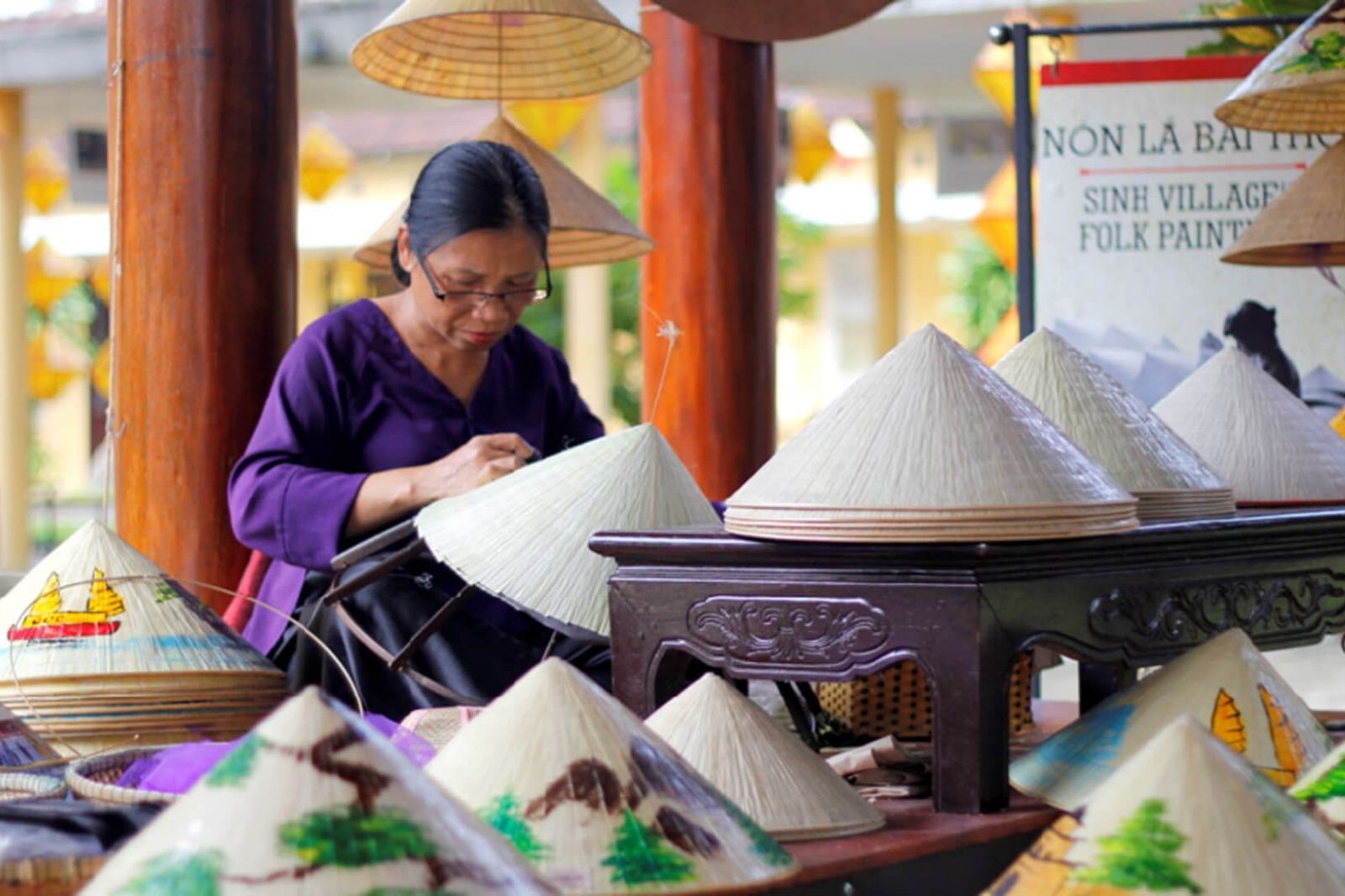
 When traveling through Vietnam, one cultural icon stands out instantly: the conical hat or nón lá. Seen from the bustling streets of Hanoi to the peaceful rivers of Hue, this elegant headwear symbolizes simplicity, beauty, and the enduring spirit of Vietnamese life. For those seeking an authentic cultural experience, visiting a conical hat village in Vietnam is a must. These villages not only showcase the intricate art of non la making, but also offer a glimpse into the country’s rural heritage, artisanal craftsmanship, and daily life.
In this article, we will explore the history, techniques, top villages, and practical tips for visitors who want to experience Vietnam’s most famous craft.
Key Takeaways
- The conical hat, or nón lá, symbolizes Vietnamese culture and is crucial for understanding local craftsmanship.
- Visiting a conical hat village in Vietnam allows travelers to learn about the intricate process of non la making.
- Chuong, Tay Ho, and Phú Cam are top villages that showcase unique styles and techniques of conical hats.
- Engaging in hands-on workshops and purchasing directly from artisans enriches the cultural experience.
- To maximize visits, plan mornings, join guided tours, and explore nearby attractions.
1. The Cultural Significance of the Vietnamese Conical Hat

The conical hat is more than a practical accessory to shield from sun and rain. It embodies centuries of Vietnamese tradition. From farmers working in rice paddies to women gracefully walking in áo dài, the nón lá reflects resilience, elegance, and cultural identity. Each region of Vietnam has developed its own unique style of conical hat, reflecting local materials, climate, and aesthetic preferences.
For travelers interested in experiencing this tradition up close, a visit to a conical hat village in Vietnam is the best way to see how these iconic hats are made, learn about their symbolism, and even try your hand at non la making.
2. The History of Conical Hat Villages in Vietnam
The tradition of non la making dates back thousands of years. Archaeological evidence, including depictions on Đông Sơn bronze drums, confirms that conical hats were worn in ancient Vietnam. Over time, specific craft villages emerged, each specializing in unique styles of conical hats:
- Northern Vietnam: Villages near Hanoi focus on durable, practical hats for daily use.
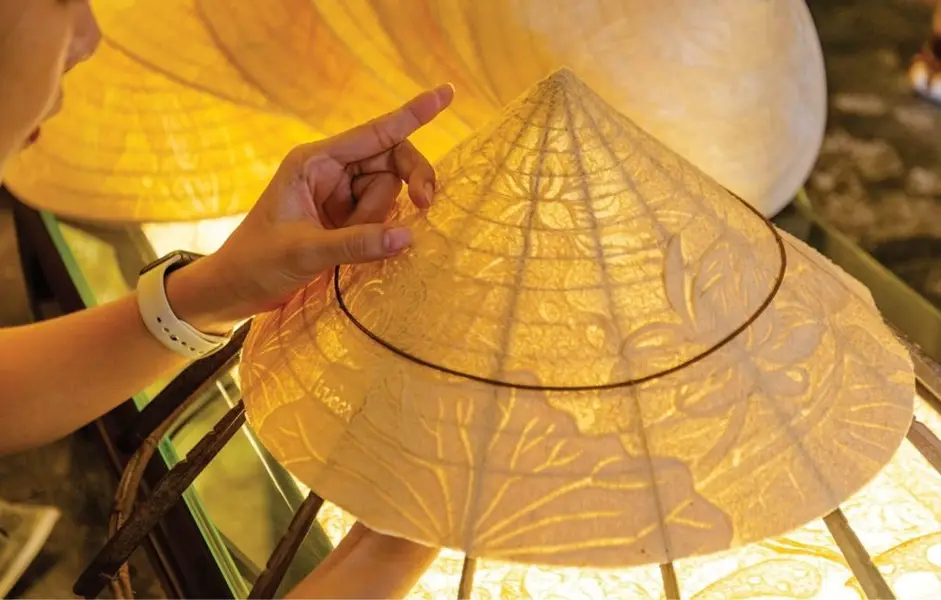
- Central Vietnam: Villages in Hue developed the famous poetic hats (nón bài thơ), featuring hidden verses or designs visible when held against sunlight.
- Southern Vietnam: Designs here are typically lighter, adapted to tropical weather, though fewer dedicated craft villages remain.
Visiting these villages provides insight into centuries-old techniques, passed down through generations, keeping the tradition of non la making alive.
3. Top Conical Hat Villages in Vietnam
3.1. Chuông Village – The Northern Gem Near Hanoi

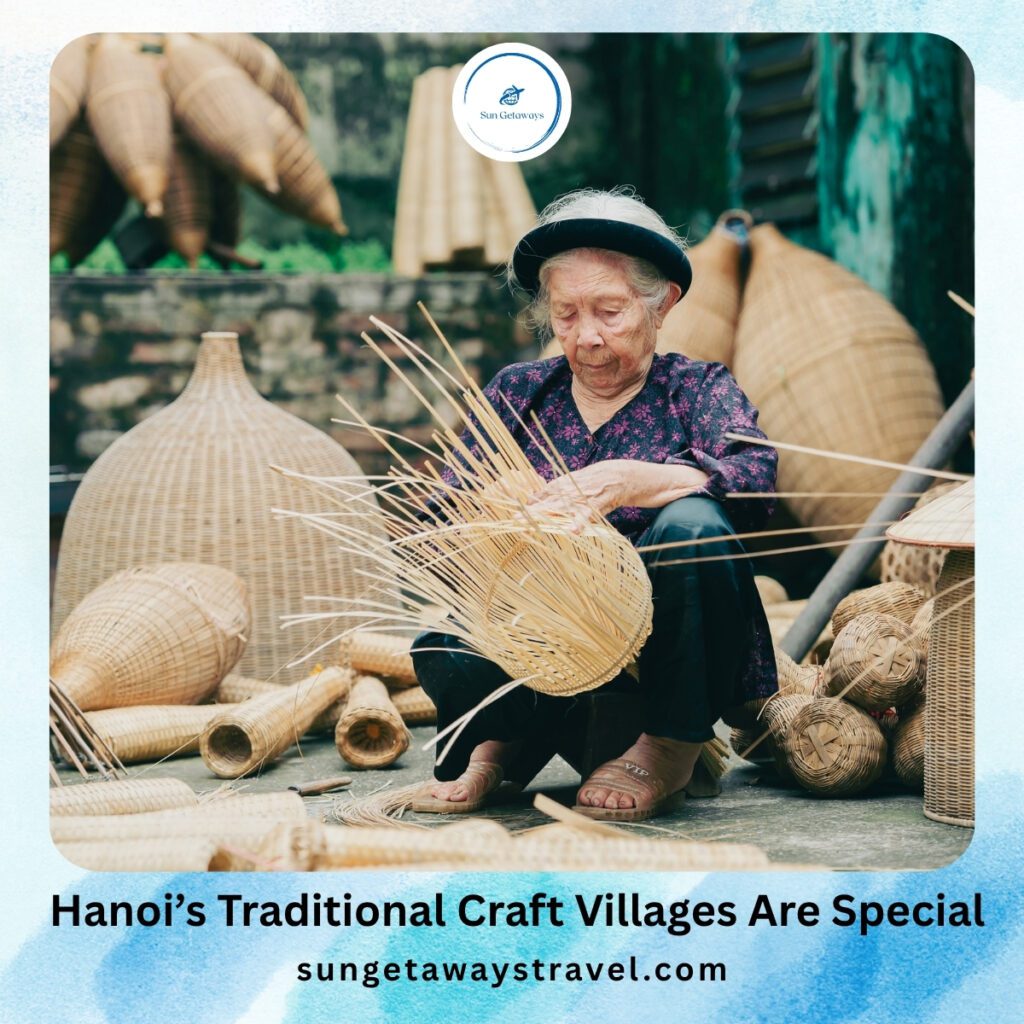
Located about 30 km west of Hanoi, Chuong Village is one of the most famous conical hat villages in Vietnam. Here, generations of artisans have perfected a durable, farmer-style nón lá that is both functional and beautiful.
Visitors can:
- Observe bamboo preparation and leaf selection
- Watch skilled artisans layer palm leaves onto bamboo frames
- Participate in hands-on non la making workshops
- Purchase authentic handmade hats directly from the artisans
For travelers exploring Hanoi, Sun Getaways Travel offers a tour that highlights Chuong Village:
👉 Visit Handicraft Villages in HanoiThis tour also includes visits to other handicraft villages, allowing tourists to immerse themselves in Hanoi’s rich artisan culture.
3.2. Tay Ho Village – The Poetic Hats of Hue
In central Vietnam, Hue is home to Tay Ho Village, known for the elegant nón bài thơ or poetic conical hat. These hats often contain hidden verses, poems, or intricate designs that are revealed when the hat is held up to the light.
Tay Ho Village represents the artistry and refinement of non la making, blending utility with cultural symbolism. Travelers visiting Hue often pair this village visit with the city’s other historical sites, such as the Imperial Citadel and Perfume River.
3.3. Phú Cam Village – Traditional Craftsmanship of Hue
Also in Hue, Phú Cam Village is renowned for producing thin, lightweight conical hats that are favored by locals and tourists alike. Unlike the northern styles, these hats are elegant and delicate, often adorned with silk ribbons or subtle patterns.
Phú Cam Village provides:
- Demonstrations of traditional weaving techniques
- Opportunities for visitors to try stitching leaves onto bamboo frames
- Insight into the daily life of artisans maintaining centuries-old skills
Connecting a visit to Phú Cam with a wider tour of Hue ensures travelers can fully appreciate both the artistry and cultural context of the hats. For those seeking a personalized experience, Sun Getaways Travel offers a customized tour to tailor the itinerary to your interests.
4. How Non La Making Works
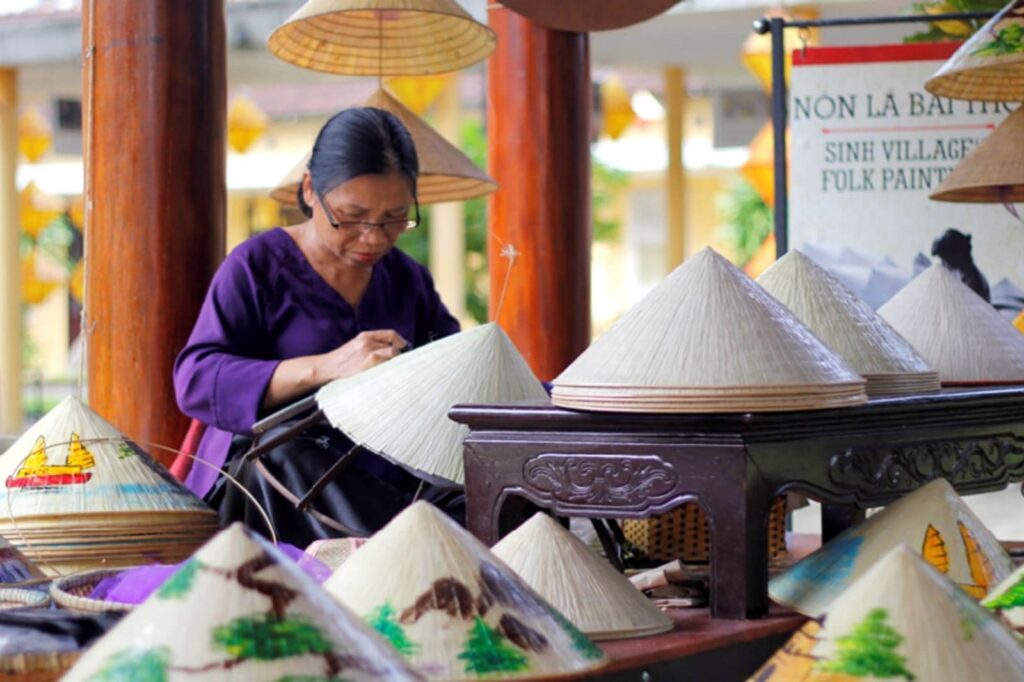
The process of non la making is meticulous and requires precision. Observing or participating in this craft offers travelers a tangible connection to Vietnamese culture.
Step-by-Step Process:
- Selecting and Preparing Leaves
Palm or reed leaves are chosen for their quality, then dried or steamed to ensure flexibility.
- Creating the Bamboo Frame
Thin bamboo strips are bent into perfect concentric circles to form the hat’s structure.

- Layering Leaves
Leaves are carefully arranged on the bamboo frame to ensure symmetry and durability.
- Sewing
Each leaf layer is stitched by hand using a fine needle and thread, often requiring hours of patient work.
- Finishing Touches
Hats are polished, sometimes decorated with silk ribbons or painted patterns, completing the iconic look.
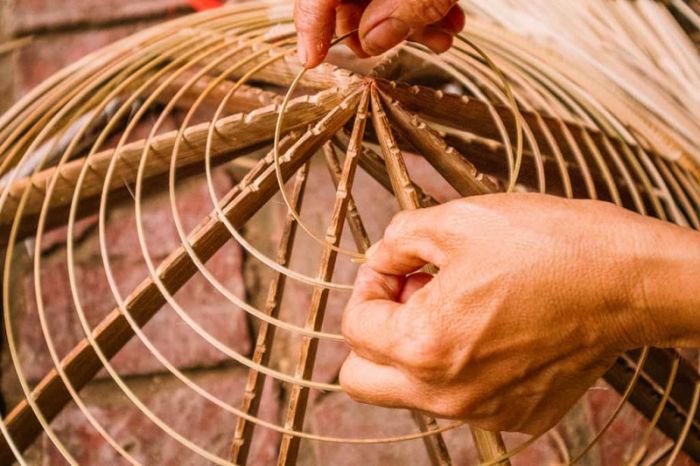
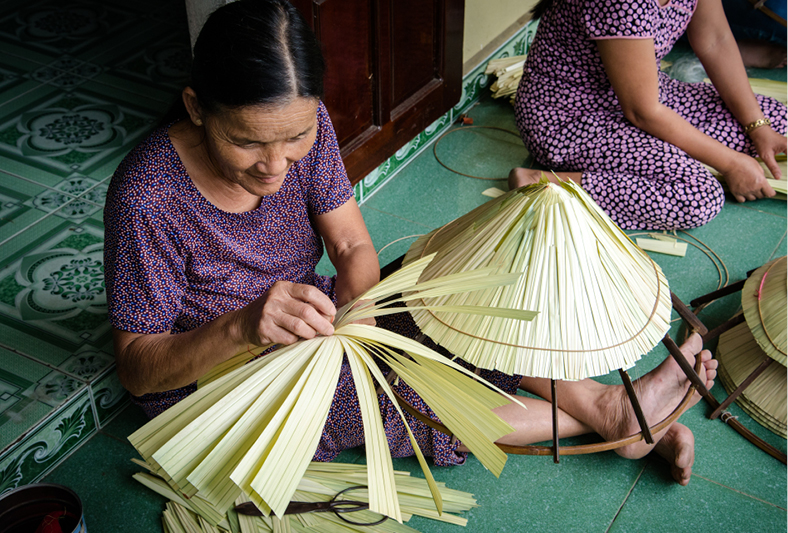
Experiencing this first-hand at Chuông Village or Tay Ho Village deepens appreciation for the craftsmanship behind every hat.
5. Comparison of Major Conical Hat Villages in Vietnam
| Village | Region | Specialty | Visitor Highlights | Suggested Sun Getaways Tour |
|---|---|---|---|---|
| Chuong Village | Northern Vietnam | Durable everyday nón lá | Hands-on workshops, authentic souvenirs | Visit Handicraft Villages in Hanoi |
| Tay Ho Village | Central Vietnam | Poetic nón lá (nón bài thơ) | Artistic designs, cultural heritage | Best of Vietnam 13 Days |
| Phú Cam Village | Central Vietnam | Lightweight elegant hats | Traditional weaving, personal participation | Best of Vietnam 13 Day |
6. Tips for Visiting Conical Hat Villages
- Plan Your Visit in the Morning: Artisans are most active, allowing you to see the full process of non la making.
- Join a Guided Tour: Tours provide context and history, such as the Visit Handicraft Villages in Hanoi tour.
- Support Local Artisans: Purchasing directly from the craftsmen ensures the tradition continues.
- Combine with Nearby Attractions: For example, in Hue, combine village visits with the Imperial Citadel or Perfume River sightseeing.
Visiting a conical hat village in Vietnam is not just a sightseeing activity—it is a cultural immersion. The villages preserve centuries-old skills and allow tourists to see how local artisans maintain traditional craftsmanship despite modernization. Engaging with the craft through workshops or observation fosters respect for Vietnamese heritage.
“Craft villages are the heart of Vietnam’s cultural identity. Visiting a conical hat village in Vietnam allows travelers to witness our heritage through real artisans and real stories.”
— Ms. Emma Nguyen, Head of Tour Operations at Sun Getaways Travel
These experiences enrich travel, offering more than a simple souvenir—they provide a story, a skill, and a connection to the people behind the craft.
7. Conclusion: Experience Vietnam Through Its Iconic Conical Hats
A journey to a conical hat village in Vietnam provides a rare and authentic window into the country’s culture. From observing meticulous non la making techniques to interacting with local artisans, travelers gain a deeper appreciation for Vietnam’s rural life and cultural heritage.
If you want to start your cultural adventure today and explore the rich tradition of Vietnam’s craft villages, you can browse all our tours at Sun Getaways Travel or chat with our team directly via WhatsApp for quick assistance and personalized recommendations.
Vietnam’s craft villages are waiting. Immerse yourself in the timeless art of the nón lá and create memories that will last a lifetime.


Related Tour

15-Day Vietnam Food Tour: A Culinary Adventure


19 Reviews

Explore Vietnam: 13 Days 12 Nights Tour Package
42 Reviews


Best Cultural & Heritage Vietnam 12 Days
35 Reviews

6 Days Muslim Hanoi Sapa Trang An & Halong Bay
0 Reviews

12 Days Vietnam Relaxing Tour With Phu Quoc Island
39 Reviews
Ask a question
Leave a Comment (0)
No questions yet. Be the first to ask a question!
See related Posted
Luxury Golf Resorts in Vietnam – Elite Golf Travelers

Vietnam is increasingly recognized as a premier golf destination in Asia, therefore luxury golf…
Macrame in Vietnam: The Revival of Knot Art in Contemporary Craft Culture

Macrame in Vietnam reflects the country’s growing engagement with contemporary handmade culture, where global…
Vietnamese Musical Instrument Craft: Traditional Instrument Making in Vietnam

Vietnamese musical instrument craft reflects a long-standing relationship between sound, material, and cultural memory.…
Traditional Vietnamese Kite Art: History, Craftsmanship, and Cultural Meaning

Traditional Vietnamese kite art is a living expression of folk creativity, community values, and…
Vietnamese Folk Masks: Tradition, Symbolism & Cultural Meaning

Vietnamese folk masks are a distinctive form of traditional art that reflects the spiritual…
Vietnamese Embroidery Art: Traditional Craftsmanship & Cultural Meaning

Vietnamese embroidery art is a refined traditional craft that reflects patience, cultural memory, and…