





Cliff Jumping in Vietnam: What You Need to Know Before You Jump
 Dan Vy
  3 min. to read
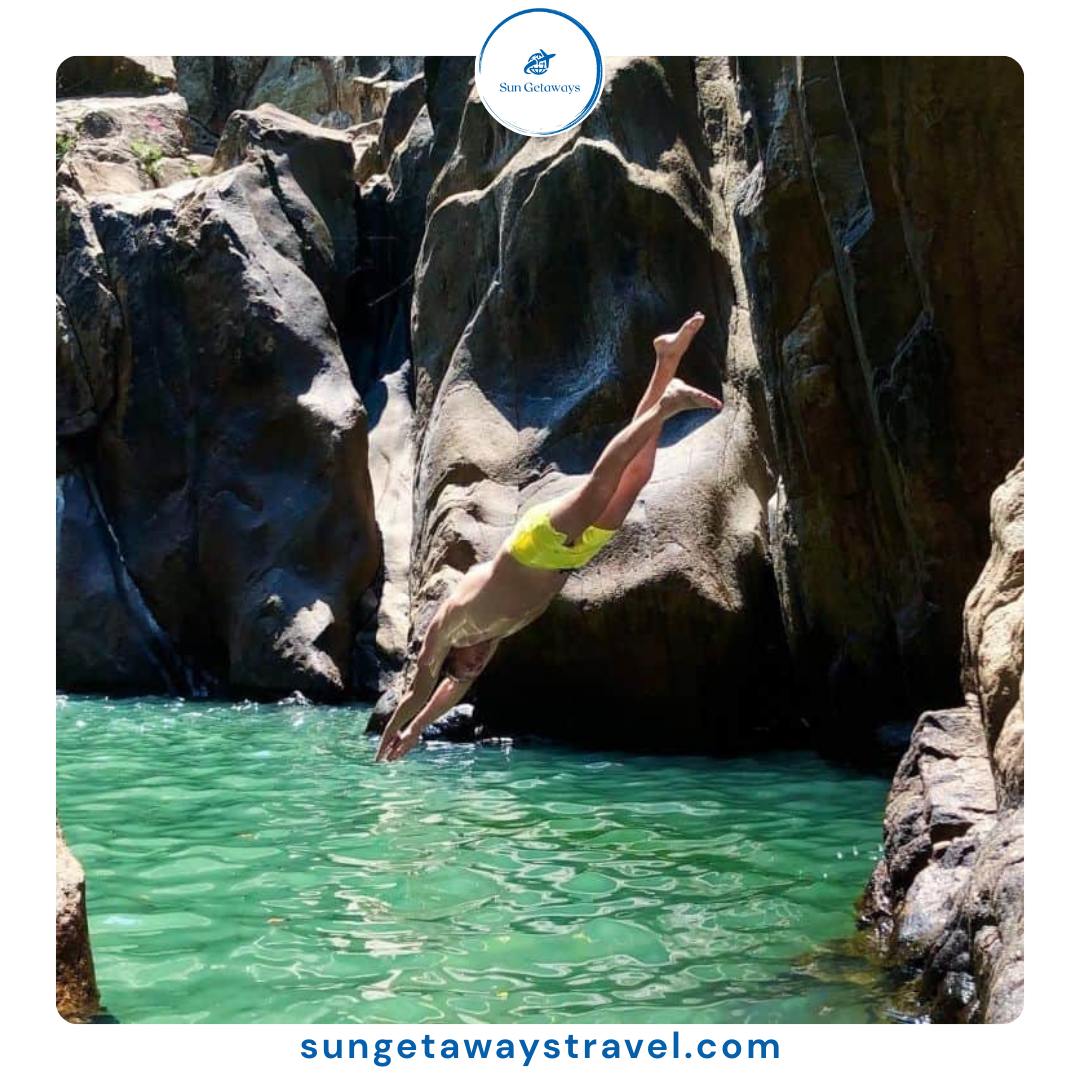
 Cliff jumping in Vietnam is becoming increasingly popular among adventure travelers looking for adrenaline beyond beaches and cities. With dramatic limestone cliffs, waterfalls, and hidden coastal coves, Vietnam offers natural terrain that looks perfect for cliff diving—but not every spot is safe or legal. Understanding local conditions, water depth, seasonal risks, and skill requirements is essential before you jump. This guide gives you a realistic, safety-first overview so you can enjoy cliff jumping in Vietnam responsibly.
Key Takeaways
- Cliff jumping in Vietnam is thrilling but requires caution due to the lack of regulation and safety infrastructure.
- The best time for cliff jumping in Vietnam is from December to April when conditions are safer and more stable.
- Recommended spots include Da Lat Waterfalls, Phong Nha-Ke Bang National Park, and remote areas of Ha Long Bay, though all come with risks.
- Beginners should avoid cliff jumping in Vietnam; only confident swimmers with experience should consider it.
- Always prioritize safety by assessing water depth, checking local conditions, and seeking guided experiences.

Is Cliff Jumping in Vietnam Actually Safe?
Vietnam is not a regulated cliff diving destination like parts of Europe or the Americas. There are no officially designated cliff jumping platforms, no permanent depth markings, and no professional lifeguards stationed at natural jump points. This means safety depends entirely on preparation, local knowledge, and conditions on the day.
The biggest risks include sudden changes in water depth, submerged rocks, strong currents, and seasonal water level fluctuations—especially near waterfalls and coastal cliffs. In many areas, cliffs that appear safe in the dry season become extremely dangerous after heavy rain.

For this reason, experienced travelers strongly recommend never jumping alone, never jumping into unfamiliar water, and never assuming a spot is safe just because others have jumped there before. Ready for the ultimate drop? See where you can go Bungee Jumping in Vietnam.
The Best Vietnam Cliff Diving Spots (Where People Actually Jump)
Vietnam has several locations where experienced adventurers and local guides occasionally practice cliff jumping. These are not official sites, but they are the most commonly known Vietnam cliff diving spots.
Da Lat Waterfalls (Central Highlands)
Da Lat is one of the most talked-about regions for waterfall jumping due to its cooler climate and rugged terrain. Areas near Datanla and Pongour Waterfalls are sometimes used by experienced canyoning guides. However, independent jumping is strongly discouraged here because water levels change daily.
Only attempt cliff jumping in Đà Lạt as part of a guided canyoning experience with safety gear and local expertise. This highlights the importance of guided adventure travel in Vietnam.

Phong Nha – Ke Bang National Park
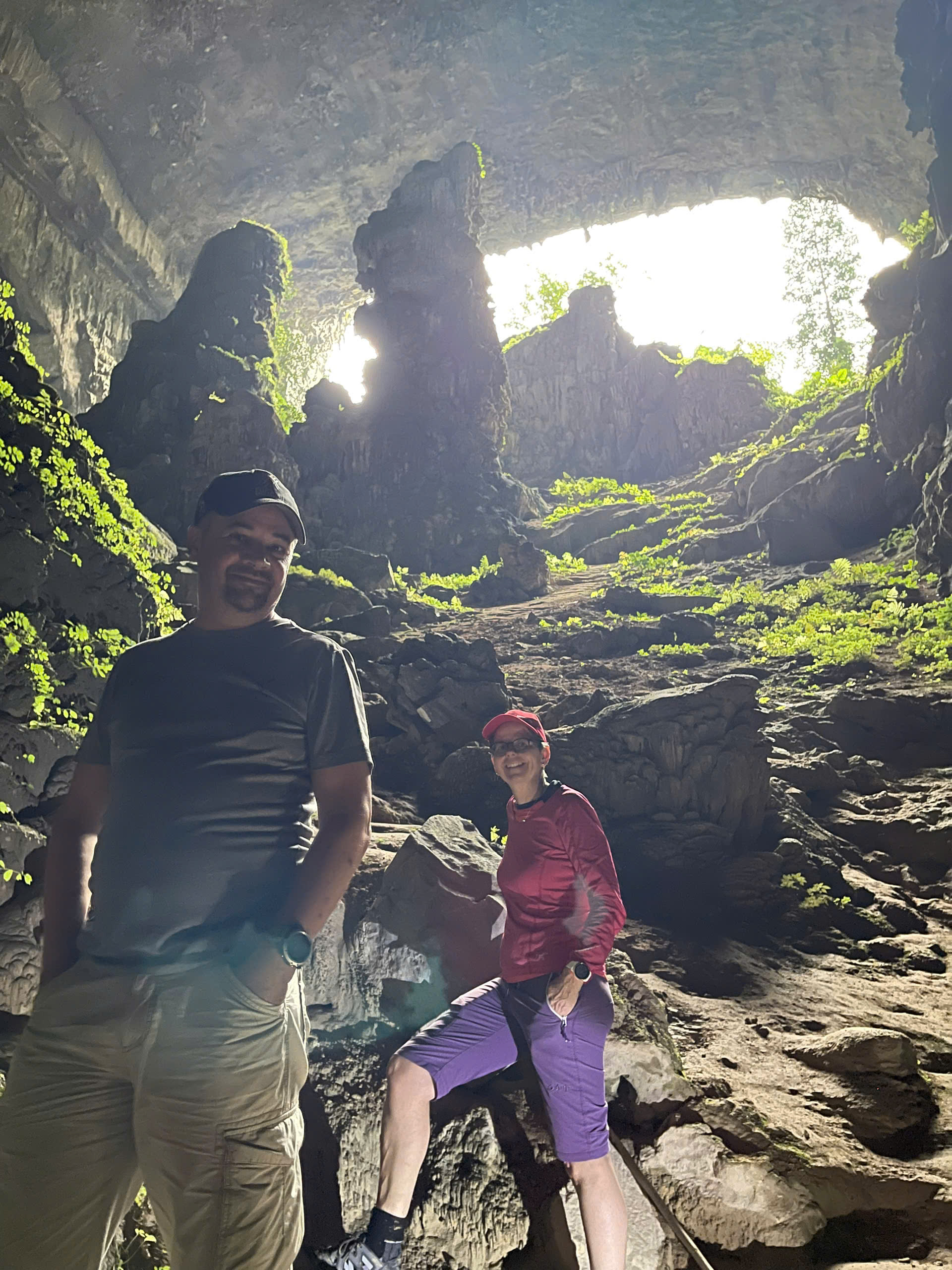
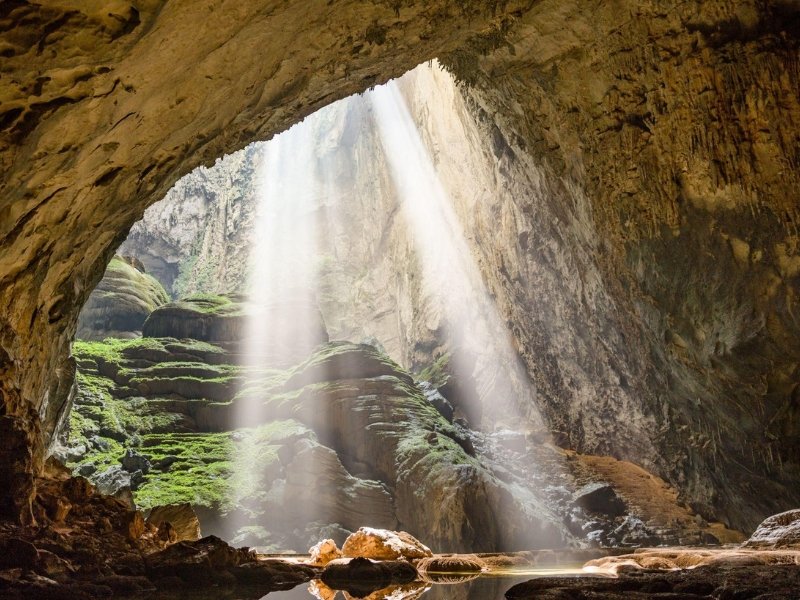
Phong Nha’s rivers and caves attract adventure travelers, and some riverbanks have natural ledges used for jumping. The water can look calm but hides strong undercurrents and sudden drop-offs.
This is one of the Vietnam cliff diving spots where season matters most. During rainy months, jumping is extremely dangerous due to flash floods. Check the Vietnam rainy season forecast before planning a visit.
Ha Long Bay (Remote Limestone Islets)
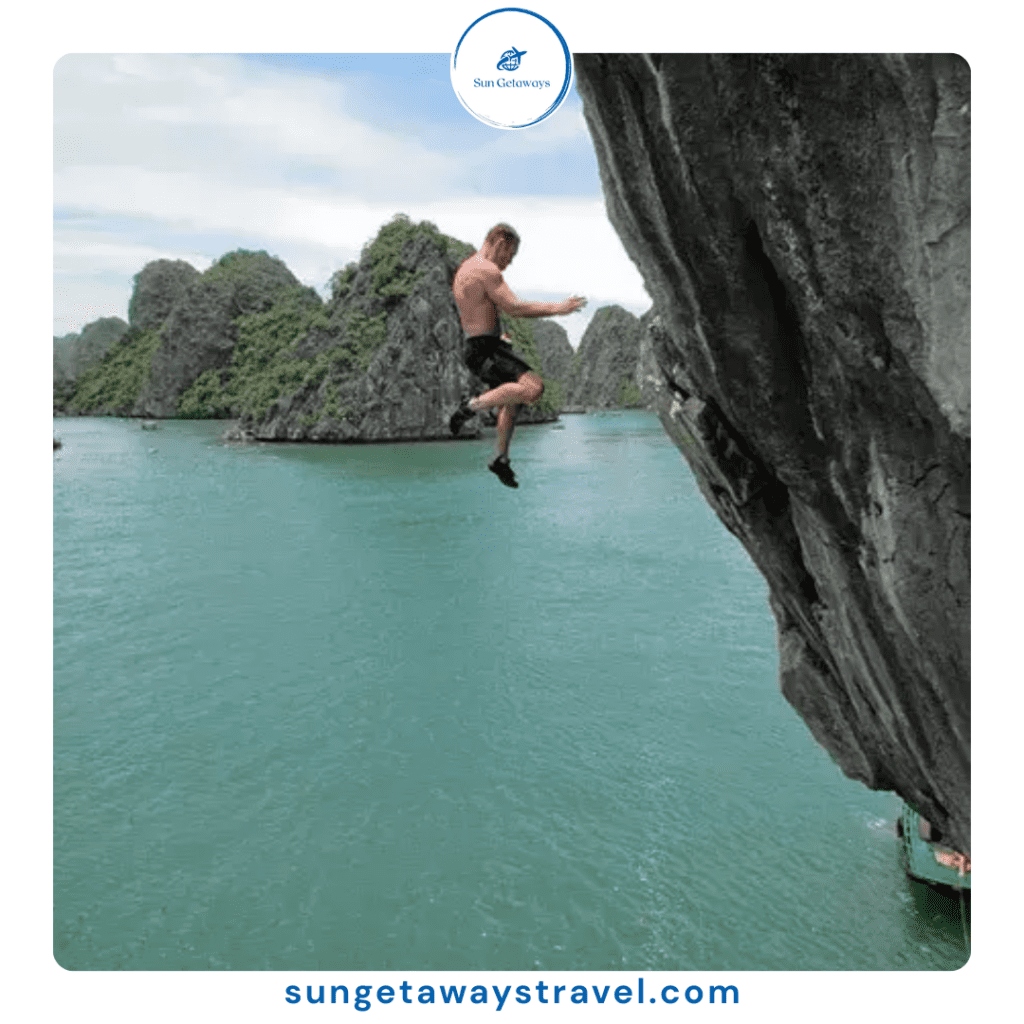
Some deep-water areas around uninhabited limestone islands appear ideal for cliff jumping in Vietnam. However, tides, boat traffic, and hidden sharp rocks make this a high-risk area.
Jumping here should only be done during private, controlled excursions with experienced local boat operators who know safe anchoring zones.

Nha Trang & Coastal Cliffs (Limited & Risky)
A few rocky coastal areas near Nha Trang are occasionally used for cliff jumping, but waves, tides, and marine life add complexity. These are not beginner-friendly Vietnam cliff diving spots and should only be attempted by strong swimmers in calm conditions. Nha Trang offers many safer beach holidays in Vietnam alternatives.
When Is the Best Time for Cliff Jumping in Vietnam?
Timing plays a critical role in safety. Vietnam’s weather is highly seasonal, and water conditions can change rapidly.
The safest period for cliff jumping in Vietnam is December to April, when rainfall is low and water clarity is better. Rivers and waterfalls are more predictable, and coastal waters are calmer.
The most dangerous time is June to October, especially in Central and Northern Vietnam. Heavy rain causes water levels to rise suddenly, making previously safe jump points lethal. Many serious accidents happen during this season.
If you are unsure about conditions, always ask local guides or operators who are active in the area that week, not just relying on online advice.
Skill Level: Who Should (and Shouldn’t) Try Cliff Jumping in Vietnam
Cliff jumping in Vietnam is not beginner-friendly. Even experienced swimmers and divers need to adjust expectations due to the lack of infrastructure.
You should consider cliff jumping only if:
- You are a confident swimmer in open water
- You have previous cliff diving or canyoning experience
- You can assess water depth visually and with tools
- You are physically fit and injury-aware
You should avoid cliff jumping entirely if:
- You cannot swim long distances
- You have no experience jumping into natural water
- You are traveling alone
- You are unsure of water depth or underwater hazards
Vietnam rewards adventure—but it punishes recklessness. Learn more about overall Vietnam travel safety.
Legal & Cultural Considerations You Should Know
In Vietnam, cliff jumping exists in a legal gray area. While it is not explicitly illegal, accidents caused by risky behavior can lead to fines, medical costs, or legal responsibility—especially if rescue services are involved.
Additionally, some locations considered Vietnam cliff diving spots are near:
- Sacred sites
- Local fishing areas
- Protected national parks (like Phong Nha-Kẻ Bàng National Park)
Jumping in these areas may be viewed as disrespectful or dangerous to others. Always ask local authorities or guides if a location is acceptable before attempting any jump.
Essential Safety Rules Before You Jump
This section matters more than any other.
Always check water depth using:
- A weighted rope
- Local diver confirmation
- Multiple visual checks
Never jump after rain, even if the water looks calm. Rain upstream can change depth and current strength within minutes.
Wear proper footwear for climbing wet rocks. Slipping accidents are more common than bad landings.

Never dive head-first. All jumps should be feet-first, vertical, and controlled.
And most importantly: If you feel uncertain, do not jump. Ensure you have adequate Vietnam travel insurance before any adventure activity.
Expert Insight: Emma, a senior adventure travel consultant with over 12 years of experience operating tours across Vietnam, offers a clear warning:
“Many travelers underestimate how unpredictable Vietnam’s natural water environments are. Unlike destinations with established cliff diving infrastructure, Vietnam requires local knowledge and real-time judgment. I always advise travelers to join guided canyoning or adventure tours rather than attempting cliff jumps independently.”
Her advice reflects years of accident prevention and responsible tour design across Central and Northern Vietnam. For safer water activities, consider river tubing in Vietnam as an alternative.
Guided Alternatives to Independent Cliff Jumping
If you’re drawn to the thrill but want safety, guided experiences are the best option.
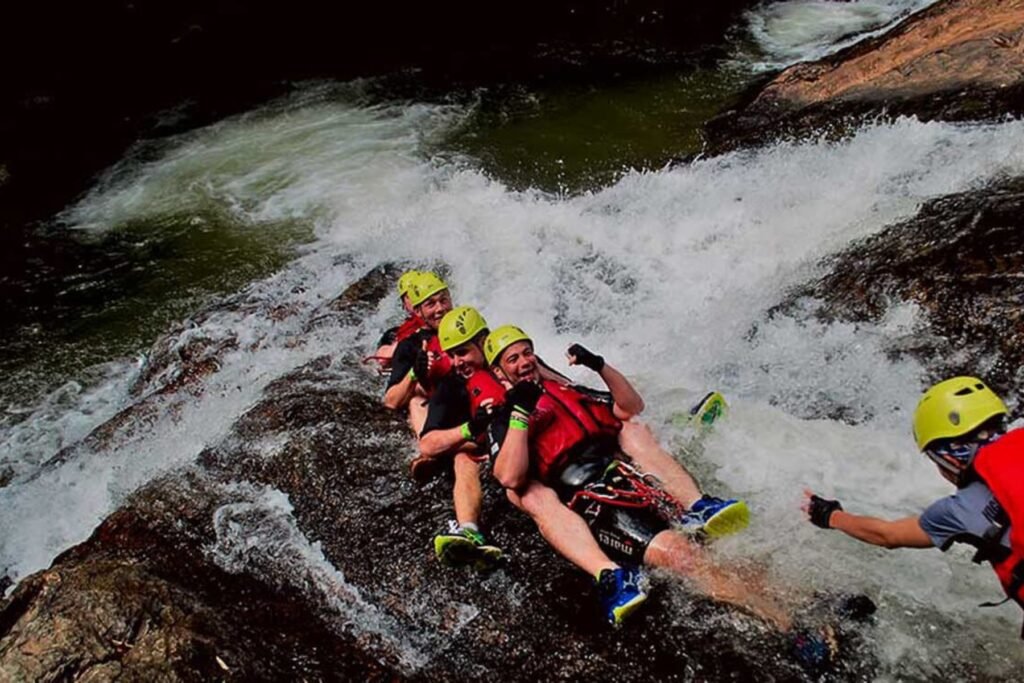
Canyoning tours in Da Lat, for example, include:
- Controlled jump heights
- Helmet and harness systems
- Depth-tested pools
- Professional rescue protocols
These tours offer the excitement of cliff jumping in Vietnam without unnecessary risk.
If you want adrenaline without compromising safety, Sun Getaways Travel can help connect you with certified canyoning and adventure operators that prioritize risk management and local expertise. We also arrange other safe thrills like wakeboarding in Vietnam.
What to Bring If You’re Considering Cliff Jumping
Even with guides, preparation matters.
Bring:
- Water shoes or grip sandals
- Lightweight quick-dry clothing
- A dry bag for valuables
- Basic first-aid knowledge
- Respect for weather conditions
Avoid alcohol before any jump—this is a leading cause of accidents worldwide. Check out our comprehensive Vietnam packing guide for other essentials.
Is Cliff Jumping in Vietnam Worth It?
For experienced adventurers with the right guidance, cliff jumping in Vietnam can be an unforgettable experience—raw, beautiful, and thrilling. But it is not a casual activity to add spontaneously to your itinerary.

Vietnam rewards preparation, patience, and respect for nature. If you approach it wisely, you’ll gain memories without regrets.
If you’re unsure where to start, Sun Getaways Travel can help you assess safe adventure options, recommend reputable operators, and plan experiences that match your skill level. We specialize in planning the perfect 7-day Northern Vietnam itinerary adventure and other regional trips.
FAQs About Cliff Jumping in Vietnam
1. Is cliff jumping legal in Vietnam?
It’s not officially illegal, but it’s unregulated and risky in many locations.
2. What is the safest place for cliff jumping in Vietnam?
Guided canyoning tours in Da Lat are the safest option.
3. Can beginners try cliff jumping in Vietnam?
Not recommended without professional guidance.
4. What is the best season for cliff jumping in Vietnam?
December to April offers the most stable conditions.
5. Are there official Vietnam cliff diving spots?
No. All known spots are unofficial and require caution.
Cliff jumping in Vietnam is not about chasing Instagram moments—it’s about understanding terrain, respecting nature, and choosing safety over ego. With the right season, guidance, and mindset, Vietnam offers thrilling natural landscapes that few travelers ever experience up close.


Related Tour

11-Day Taste of Vietnam From North to South


31 Reviews

Experience the Magic of Vietnam in 16 Days
0 Reviews

Explore the Ho Chi Minh City Floating Market in 6 Days
8 Reviews

12 Days Vietnam Local Food Tour
15 Reviews


Honeymoon Bliss in Vietnam 16 days
21 Reviews
Ask a question
Leave a Comment (0)
No questions yet. Be the first to ask a question!
See related Posted
Luxury Golf Resorts in Vietnam – Elite Golf Travelers

Vietnam is increasingly recognized as a premier golf destination in Asia, therefore luxury golf…
Macrame in Vietnam: The Revival of Knot Art in Contemporary Craft Culture

Macrame in Vietnam reflects the country’s growing engagement with contemporary handmade culture, where global…
Vietnamese Musical Instrument Craft: Traditional Instrument Making in Vietnam

Vietnamese musical instrument craft reflects a long-standing relationship between sound, material, and cultural memory.…
Traditional Vietnamese Kite Art: History, Craftsmanship, and Cultural Meaning

Traditional Vietnamese kite art is a living expression of folk creativity, community values, and…
Vietnamese Folk Masks: Tradition, Symbolism & Cultural Meaning

Vietnamese folk masks are a distinctive form of traditional art that reflects the spiritual…
Vietnamese Embroidery Art: Traditional Craftsmanship & Cultural Meaning

Vietnamese embroidery art is a refined traditional craft that reflects patience, cultural memory, and…