





Banh Chung Vietnam Travel Guide: Taste the Heart of Tet
 HoangAn
  3 min. to read
 Have you heard about Banh Chung Vietnam but are not sure why locals value it so deeply? For many travelers, this famous Vietnam holiday rice cake looks simple but carries a meaning that is easy to miss without context. In this guide, you will discover what Banh Chung really is, how it is made, where to try it across Vietnam, how much it costs, and how travelers can enjoy it like locals.
Key Takeaways
- Banh Chung Vietnam is a traditional rice cake made for Tet, symbolizing family values and cultural connection.
- Key ingredients include glutinous rice, mung beans, pork belly, and dong leaves, each contributing to its unique flavor.
- The making process involves careful preparation, layering, and long boiling, maintaining traditions passed down through generations.
- Various types exist, such as classic, vegetarian, and mini versions, catering to different tastes and preferences.
- Travelers should enjoy Banh Chung at local hotspots across regions, appreciating its cultural significance beyond just the taste.
1. What Is Banh Chung Vietnam?
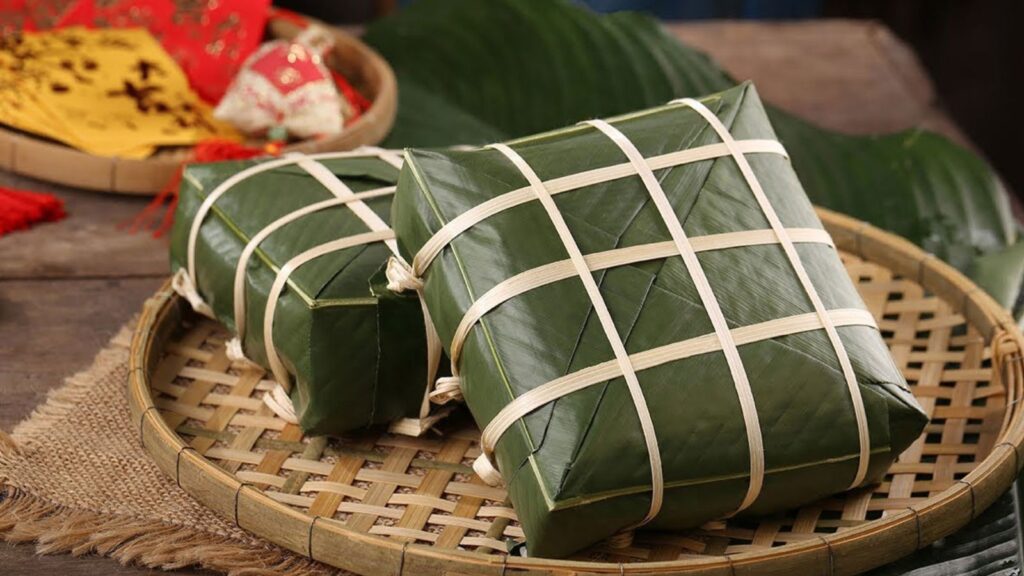
To understand Vietnamese food culture, you need to start with Banh Chung Vietnam. This dish connects history, family values, and everyday life in a very special way.
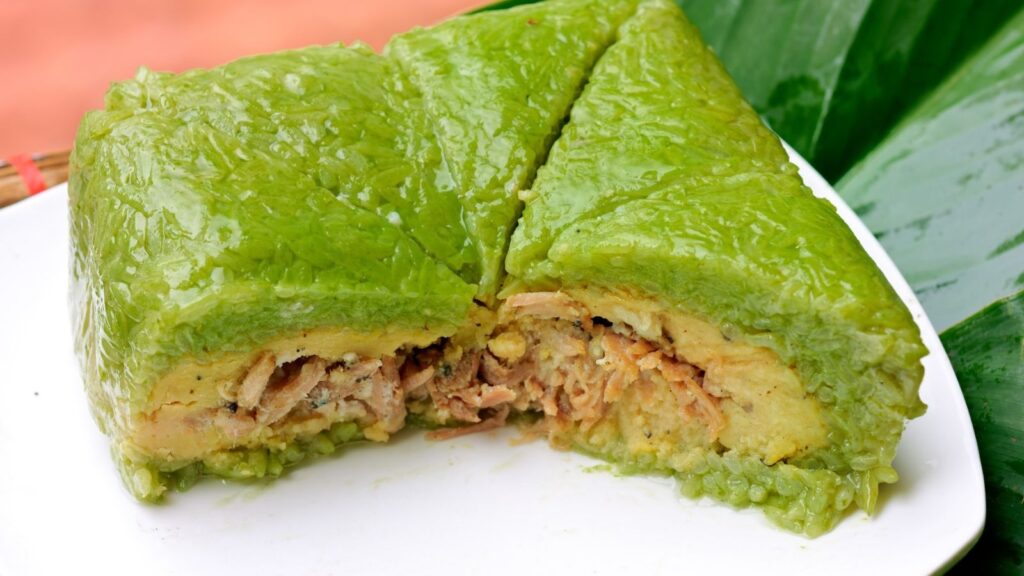
Banh Chung Vietnam is a traditional square-shaped sticky rice cake made from glutinous rice, mung beans, and pork. Vietnamese families prepare it mainly for Tet, the Lunar New Year, when family reunion and ancestral respect matter the most.
The square shape represents the Earth in ancient Vietnamese beliefs. Because of that, Banh Chung often appears on ancestral altars and family meals. For travelers, tasting this Vietnam holiday rice cake offers a deeper look into Vietnamese traditions beyond sightseeing.
2. Key Ingredients That Define the Flavor of Banh Chung Vietnam
Although the ingredients are simple, each one plays a clear role in shaping the taste of Banh Chung Vietnam. Together, they create a balanced and comforting flavor.
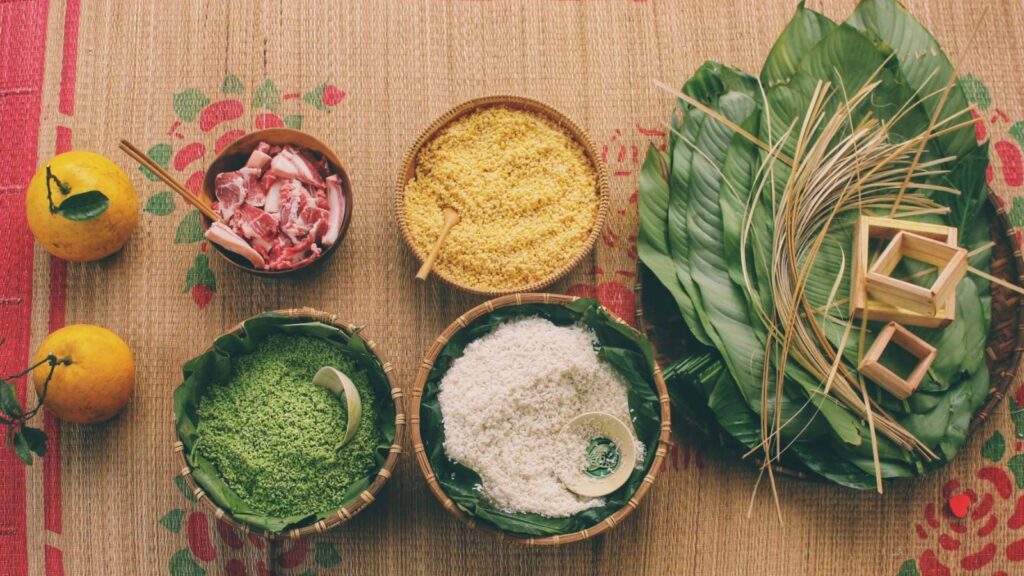
- Glutinous rice (nep):
This rice gives the cake its chewy and filling texture. It absorbs the aroma of the leaves and the richness of the filling during long cooking hours. Many travelers remember this texture when tasting a Vietnam holiday rice cake for the first time. - Green mung beans:
Mung beans add a soft and slightly sweet layer inside the cake. Locals steam and mash them carefully to keep the flavor smooth and natural. - Pork belly:
Pork belly brings richness and depth to the cake. As it cooks, the fat melts into the rice, which explains why Banh Chung Vietnam tastes full but not greasy. - Dong leaves:
These large green leaves wrap the cake and protect it during boiling. They also add a light herbal scent that makes the cake unique.
3. How Banh Chung Vietnam Is Traditionally Made
To many travelers, Banh Chung Vietnam tastes special because it takes time, patience, and care to make. This traditional process has changed very little over generations, and each step adds meaning to the final Vietnam holiday rice cake.
Step 1: Preparing the Ingredients Carefully
Families start by soaking glutinous rice and mung beans overnight. This step helps the grains soften and cook evenly later. Pork belly is sliced into thick pieces and lightly seasoned with salt and pepper, which allows the natural flavor to stay balanced and not overpower the cake. This careful preparation explains why Banh Chung Vietnam feels rich but not heavy when eaten.
Step 2: Cleaning and Softening Dong Leaves
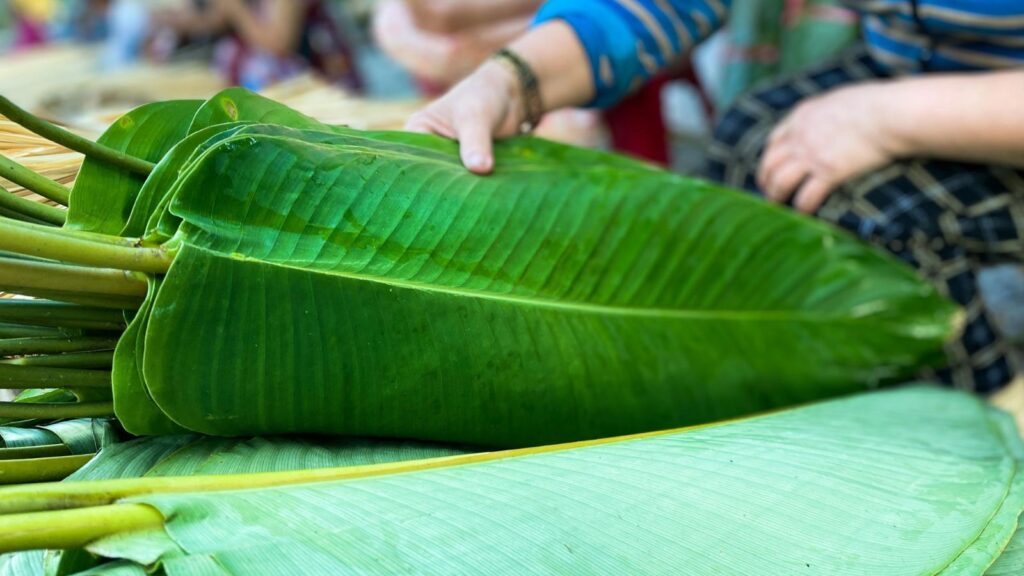
Dong leaves are washed many times and briefly softened over heat. This makes them flexible enough to fold without tearing. More importantly, the leaves release a subtle herbal aroma during cooking, which becomes part of the identity of this Vietnam holiday rice cake.
Step 3: Layering the Cake by Hand
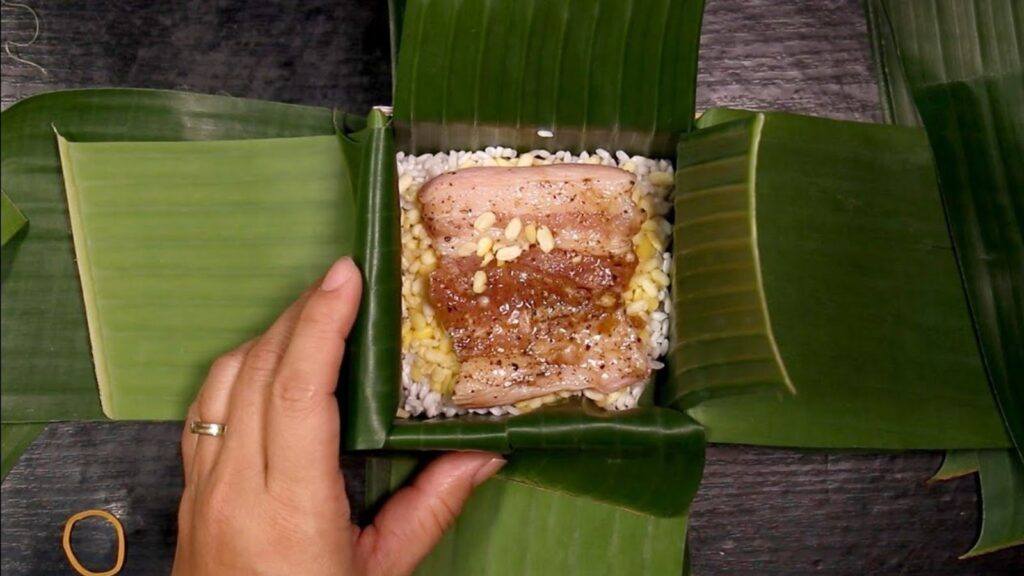
The cake is built in layers. Locals place a base of glutinous rice first, followed by mung beans and pork, then cover it with another rice layer. Everything must stay centered so the cake keeps its square shape, which symbolizes the Earth in Vietnamese beliefs. This step often requires experience, and elders usually guide younger family members.
Step 4: Wrapping and Tying the Square Shape
After layering, the dong leaves are folded tightly into a square. Bamboo strings are tied firmly to keep the shape during boiling. Many travelers are surprised to learn that wrapping Banh Chung Vietnam evenly is considered a skill passed down within families.
Step 5: Boiling for Long Hours
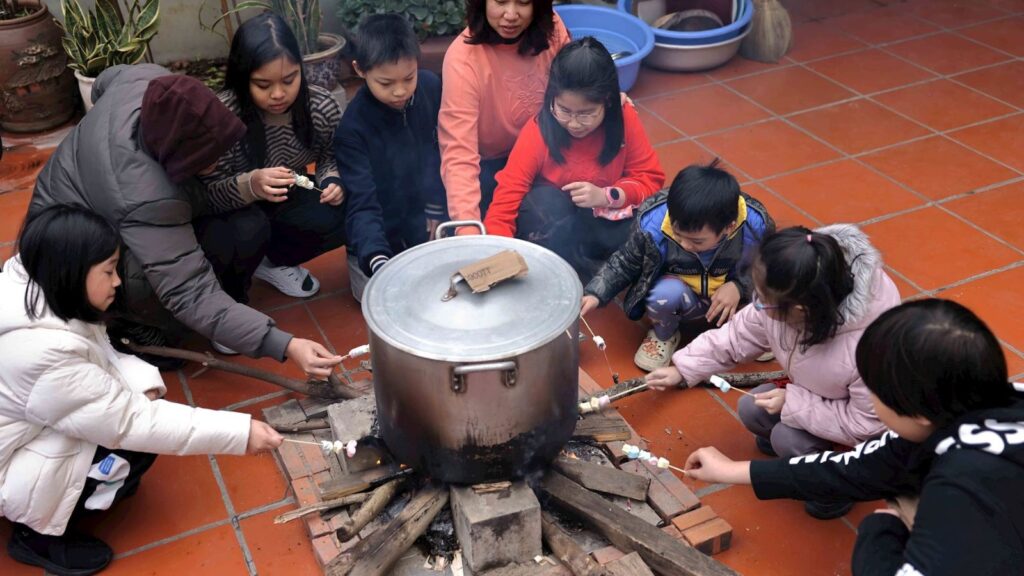
The wrapped cakes are fully submerged in boiling water for 8 to 12 hours. Families often take turns watching the pot overnight, turning the cakes and adding water. This long boiling time allows all ingredients to blend into one unified flavor.
Step 6: Cooling and Resting Before Serving
Once cooked, the cakes are removed and cooled naturally. Locals usually press them gently to remove excess water, then let them rest. This resting stage helps the texture firm up and makes slicing easier. For travelers who join local cooking experiences, this process often becomes a cultural highlight rather than just a cooking lesson.
Expert insight:
“Travelers often enjoy Banh Chung more when they understand the story behind it. Watching or joining the cooking process creates a memory, not just a meal.”
– Mrs. Emma Nguyen, Tour Operator Manager with over 12 years of experience at Sun Getaways Travel
4. Popular Types of Banh Chung Vietnam You Should Know
Banh Chung Vietnam appears in several forms depending on region and lifestyle. Knowing these types helps travelers choose the right one.
- Classic Banh Chung:
This version uses pork belly and mung beans. It is common across Vietnam and closely linked to family traditions, especially during Tet. Travelers joining a Vietnam classic tour often try this version first because it represents the most authentic taste of a Vietnam holiday rice cake. - Vegetarian Banh Chung:
Instead of pork, locals use mushrooms, peanuts, or beans. This version suits vegetarians and appears at pagodas and spiritual events. - Mini Banh Chung:
Smaller cakes are easier to eat and carry. Travelers often buy them as gifts during their Vietnam tours. - Modern preserved Banh Chung:
Vacuum-sealed versions last longer and suit travelers with longer itineraries.
| Type | Filling | Common Regions | Best For |
|---|---|---|---|
| Classic | Pork & mung beans | Northern Vietnam | First-time tasters |
| Vegetarian | Mushrooms, beans | Pagodas, cities | Vegetarian travelers |
| Mini | Pork or veg | Markets nationwide | Souvenirs |
| Preserved | Pork | Supermarkets | Long trips |
5. Where to Try Authentic Banh Chung in Vietnam
You can find authentic Banh Chung Vietnam across the country, not only in Ha Noi. Each region offers a slightly different experience.
- Northern Vietnam:
Traditional markets like Dong Xuan sell fresh Banh Chung during Tet. Family-run shops in villages near Ha Noi often offer handmade versions. Many Ha Noi street food tour programs include it during the holiday season. - Central Vietnam:
In cities like Hue and Da Nang, Banh Chung appears during festivals and family gatherings. Travelers on central Vietnam tours often encounter it at local homes or temple events. - Southern Vietnam:
In Ho Chi Minh City and the Mekong Delta, Banh Chung is available in markets and supermarkets. Southern versions may taste slightly richer due to local preferences. - Hotels and homestays:
During Tet, many accommodations nationwide serve Banh Chung Vietnam to international guests, offering a convenient way to try this Vietnam holiday rice cake.
6. How Much Does Banh Chung Vietnam Cost?
The price of Banh Chung Vietnam varies depending on size, quality, and location. Travelers should expect a wider range than often mentioned online.
A standard handmade cake usually costs 50,000-120,000 VND (about 2-5 USD). Mini versions range from 30,000-50,000 VND (1.2-2 USD) and work well for tasting. Premium or gift-packaged cakes can reach 150,000-200,000 VND (6-8 USD), especially during Tet.
Overall, this Vietnam holiday rice cake remains affordable compared to many international festive foods. If you have the chance to travel across Vietnam, you should try it at least once to fully understand local holiday culture.
7. Tips for First-Time Travelers Trying Banh Chung Vietnam
Trying Banh Chung Vietnam feels more enjoyable when you know what to expect. These tips help travelers avoid common mistakes and enjoy the experience fully.
- Do not eat it straight from the fridge:
Cold Banh Chung tastes firm and less aromatic. Locals usually reheat or lightly pan-fry it for better texture. - Balance it with sour sides:
Pickled vegetables or pickled onions help balance the richness. This pairing also appears with other Vietnamese savory cakes. - Share one cake instead of eating alone:
Banh Chung is filling. Sharing allows you to try more dishes, including Vietnamese sweet cakes during the same meal. - Ask locals about their Tet memories:
Conversations often reveal stories that make this Vietnam holiday rice cake more meaningful than its taste alone.
If you want guidance on food-focused routes or cultural timing, Sun Getaways Travel can help travelers plan experiences that match local traditions. Contact us anytime via WhatsApp!
8. FAQs About Banh Chung Vietnam
No, but Tet is the most important time. Some shops sell it year-round in big cities, especially for travelers.
Yes, vegetarian versions are common. Travelers should ask about the filling before buying.
No, it has a mild and comforting flavor. Travelers sensitive to spice usually enjoy it.
Fresh cakes should be eaten within a few days. Refrigeration extends shelf life but changes texture slightly.
Yes, many children enjoy it. The soft texture and mild taste make it family-friendly.
9. Conclusion
Banh Chung Vietnam is not just food, but a story of family, gratitude, and tradition. When travelers understand its meaning, this Vietnam holiday rice cake becomes one of the most memorable cultural experiences in Vietnam.
Let Sun Getaways Travel help you discover Vietnam beyond landmarks, through food, people, and real local moments. Travel with us, and turn every bite into a meaningful journey you will never forget.


Related Tour

11-Day Taste of Vietnam From North to South


31 Reviews
Best Cultural & Heritage Vietnam 12 Days
35 Reviews
Explore the Ho Chi Minh City Floating Market in 6 Days
8 Reviews


Discover Vietnam on an 8-Day Relaxing Tour
12 Reviews

5 Days Muslim Tour Hanoi, Sapa & Halong Bay
0 Reviews
Ask a question
Leave a Comment (0)
No questions yet. Be the first to ask a question!
See related Posted
Luxury Golf Resorts in Vietnam – Elite Golf Travelers

Vietnam is increasingly recognized as a premier golf destination in Asia, therefore luxury golf…
Macrame in Vietnam: The Revival of Knot Art in Contemporary Craft Culture

Macrame in Vietnam reflects the country’s growing engagement with contemporary handmade culture, where global…
Vietnamese Musical Instrument Craft: Traditional Instrument Making in Vietnam

Vietnamese musical instrument craft reflects a long-standing relationship between sound, material, and cultural memory.…
Traditional Vietnamese Kite Art: History, Craftsmanship, and Cultural Meaning

Traditional Vietnamese kite art is a living expression of folk creativity, community values, and…
Vietnamese Folk Masks: Tradition, Symbolism & Cultural Meaning

Vietnamese folk masks are a distinctive form of traditional art that reflects the spiritual…
Vietnamese Embroidery Art: Traditional Craftsmanship & Cultural Meaning

Vietnamese embroidery art is a refined traditional craft that reflects patience, cultural memory, and…