





Why Travelers Love Banh Troi Vietnam and Where to Eat It
 HoangAn
  3 min. to read
 Looking for an authentic dessert experience before your Vietnam trip? Banh Troi Vietnam, also known as Vietnam rice balls, may look simple, yet it carries deep cultural meaning and gentle sweetness loved by locals. In this guide, you will discover what makes this traditional dessert special, where to try it, and how travelers can enjoy it like a local in Vietnam.
Key Takeaways
- Banh Troi Vietnam, or Vietnam rice balls, is a traditional dessert made of glutinous rice flour with deep cultural significance.
- Key ingredients include glutinous rice flour, palm sugar, sesame seeds, and coconut, creating a soft and sweet treat.
- Travelers can find various types of Vietnam rice balls, including classic Banh Troi, Banh Chay, and colorful modern variations.
- To enjoy authentic Banh Troi Vietnam, visit local markets in Hanoi or Ho Chi Minh City during food tours.
- Banh Troi Vietnam is affordable, typically costing around 0.5–3 USD, making it accessible for travelers.
1. What Are Banh Troi Vietnam?
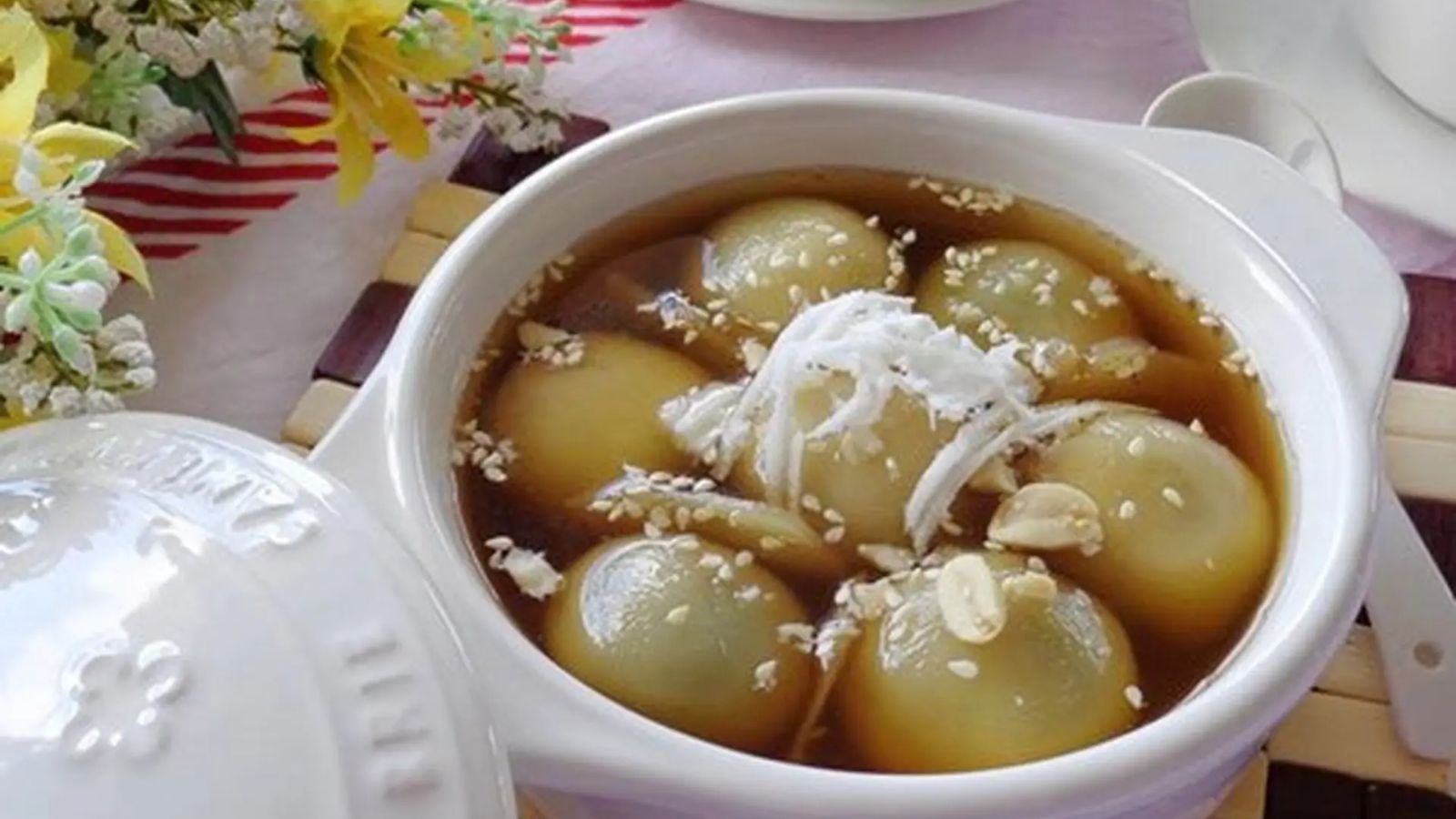
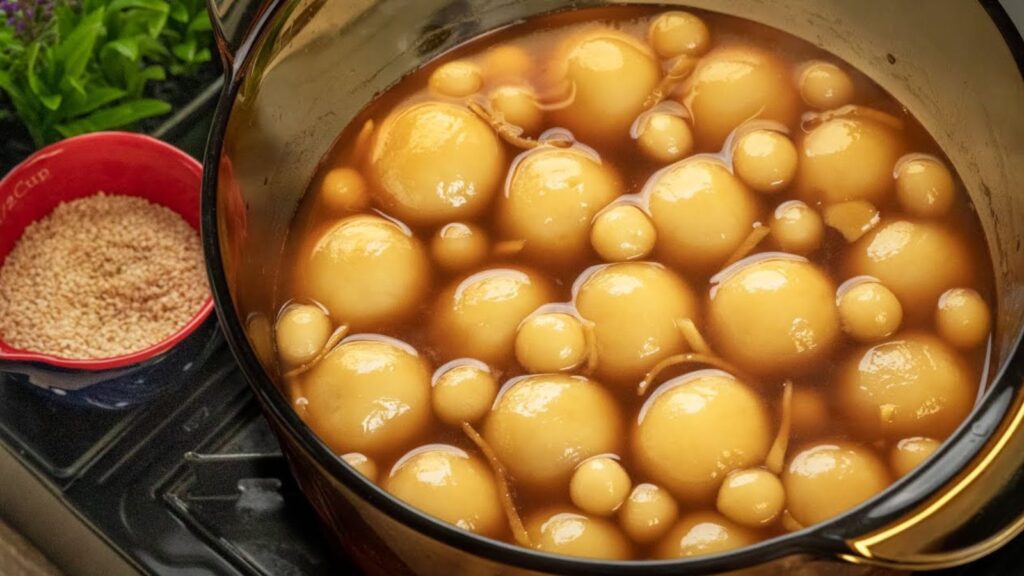
Banh Troi Vietnam is a traditional Vietnamese dessert made from glutinous rice flour, shaped into small balls, and cooked in boiling water until they float. People often serve these Vietnam rice balls with sweet syrup, coconut cream, or sesame seeds. At first glance, the dish looks humble, yet it holds strong emotional value for many Vietnamese families.
Beyond taste, this dish carries cultural meaning linked to family, harmony, and gratitude. Vietnamese people usually prepare this dish during the Han Thuc Festival, when families remember ancestors and celebrate togetherness. Because of that, tasting Vietnam rice balls allows travelers to experience not only food but also Vietnamese traditions passed down through generations.
2. Key Ingredients That Define the Flavor of Banh Troi Vietnam
To truly appreciate Banh Troi Vietnam, travelers should understand the ingredients that create its gentle sweetness and soft texture. Each element plays a clear role, and locals choose ingredients carefully.
- Glutinous rice flour
This flour creates the chewy and smooth outer layer of Vietnam rice balls. Local cooks knead it with warm water until it becomes elastic, which helps the balls hold their shape while cooking. - Mung bean paste
Cooks steam, peel, and mash mung beans until smooth. This filling tastes mild and slightly nutty, helping balance the sweetness from the syrup. - White sesame seeds
Sesame seeds bring nutty aroma and light crunch. Many vendors toast them fresh to enhance the final flavor. - Fresh grated coconut
Coconut balances sweetness with richness. In some regions, people add coconut cream on top for extra indulgence. - Ginger syrup (optional)
In cooler northern areas, ginger syrup adds warmth and light spice. This version feels especially comforting during colder days in Ha Noi.
Together, these ingredients turn simple Vietnam rice balls into a dish that feels soft, sweet, and memorable for first-time travelers.
3. How Banh Troi Vietnam Is Traditionally Made
Understanding how locals make this one of Vietnamese sweet cakes helps travelers appreciate its simplicity and cultural care. Although the process looks easy, each step follows a clear order and requires attention to texture and balance.
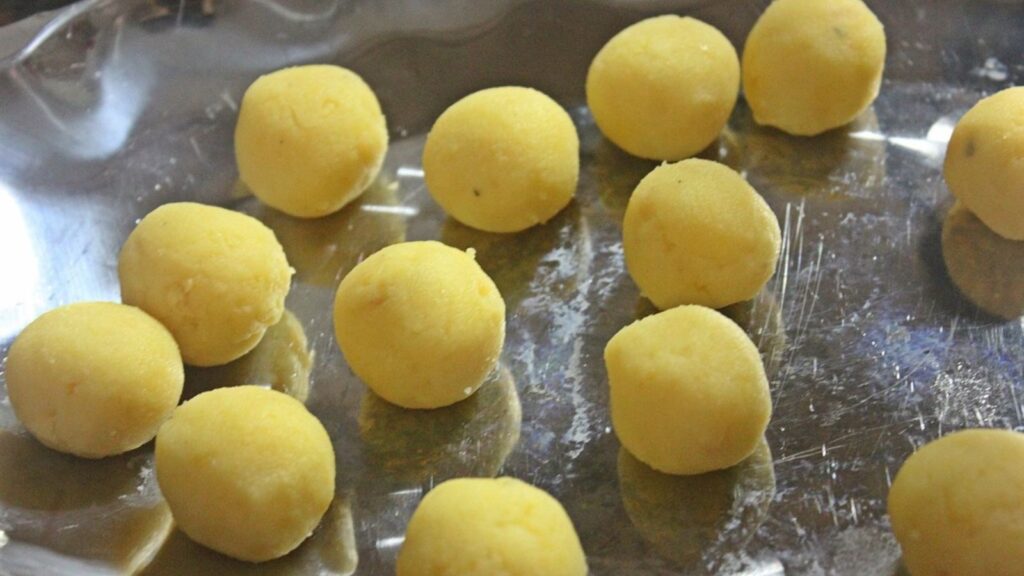
Step 1: Preparing the mung bean filling
Cooks soak mung beans, steam them until soft, and mash them into a smooth paste. They lightly sweeten the paste to keep the flavor gentle, not overpowering. After that, they roll the paste into small, even balls so the filling cooks evenly inside the rice dough.
Step 2: Making the glutinous rice dough
Glutinous rice flour is mixed with warm water and kneaded until the dough becomes smooth and elastic. The dough should feel soft but not sticky, which helps prevent cracking later. This step decides the final chewiness of the Vietnam rice balls.
Step 3: Wrapping and shaping the rice balls
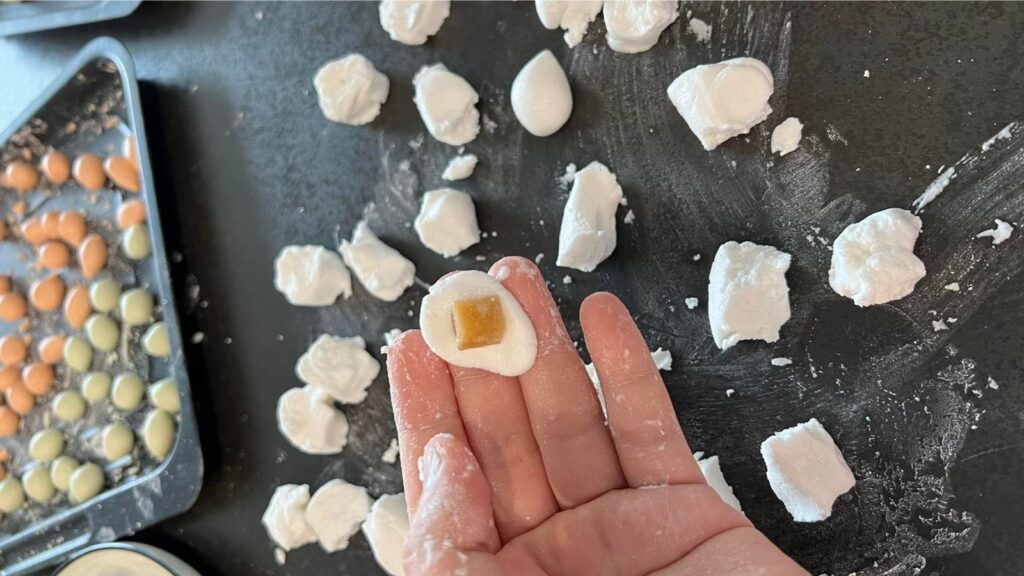
Cooks flatten small pieces of dough and place one mung bean ball in the center. They gently wrap and roll the dough until it forms a round shape with the filling fully covered. Careful shaping keeps the rice balls smooth and visually pleasing.
Step 4: Boiling and serving
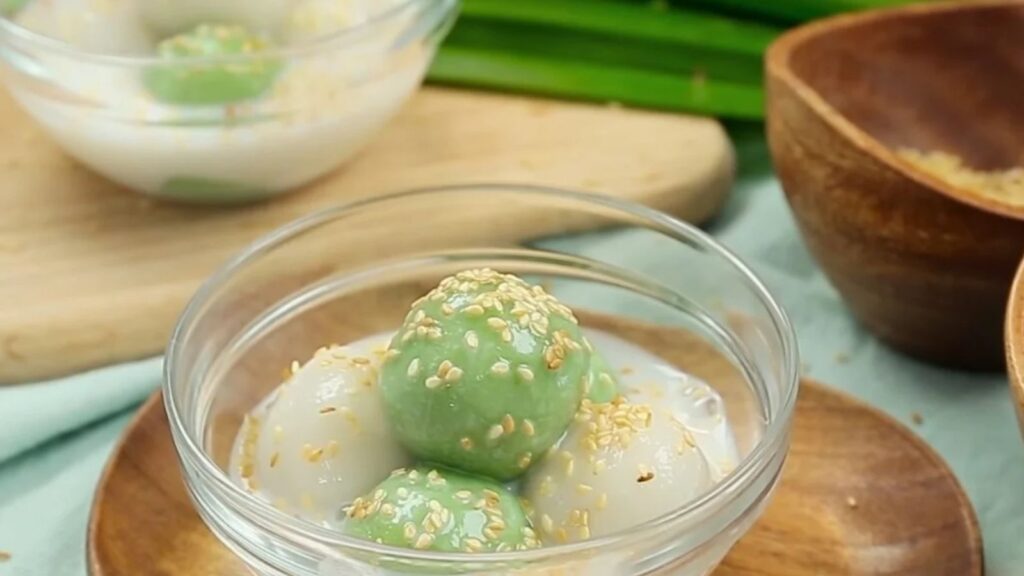
The rice balls are dropped into boiling water and cooked until they float to the surface. Floating shows that the dough is fully cooked and soft. Finally, Banh Troi Vietnam is served in a bowl with warm sugar syrup and topped with sesame seeds or grated coconut.
4. Popular Types of Vietnam Rice Balls You Should Know
Vietnam rice balls appear in several variations, and travelers often notice these differences when traveling on a North to South Vietnam tour. Each region adds its own flavor, so knowing the types helps you choose what suits your taste.
- Classic Banh Troi
This version uses palm sugar filling and sesame topping. It tastes lightly sweet and soft, making it ideal for first-time travelers. - Banh Chay (Sweet rice balls with mung bean)
Unlike classic Vietnam rice balls, Banh Chay uses mung bean paste inside and sweet syrup outside. The texture feels softer and slightly creamier. - Ginger Banh Troi
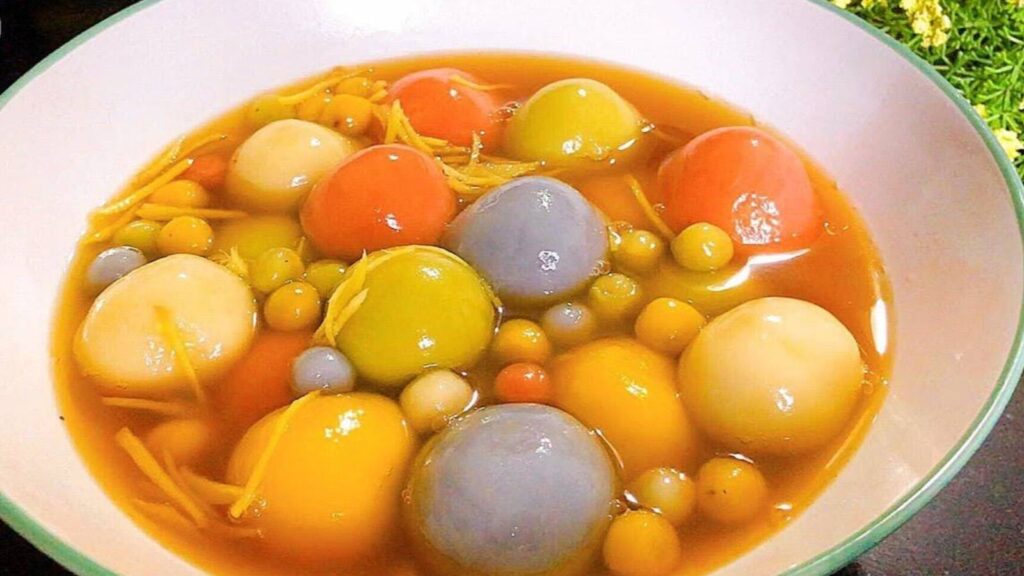
Popular in northern Vietnam, this type comes with ginger-infused syrup. It tastes warming and aromatic, especially during winter evenings. - Colorful modern Banh Troi
Some vendors use natural colors from pandan or butterfly pea flowers. These versions look vibrant and attract younger travelers. - Festival-style Vietnam rice balls
During festivals, locals shape Banh Troi Vietnam in larger sizes or serve them in decorative bowls to honor ancestors.
| Type | Filling | Topping | Best For Travelers |
|---|---|---|---|
| Classic Banh Troi | Palm sugar | Sesame seeds | First-time tasters |
| Banh Chay | Mung bean | Sweet syrup | Soft texture lovers |
| Ginger Banh Troi | Palm sugar | Ginger syrup | Cold weather trips |
| Colorful Banh Troi | Palm sugar | Coconut | Food photos |
| Festival Banh Troi | Mixed | Sesame & syrup | Cultural events |
5. Where to Try Authentic Banh Troi Vietnam
Travelers can find the dish in many cities, but some places offer more authentic experiences. Exploring these locations often pairs well with local food tours.
- Ha Noi Old Quarter
Many small stalls sell fresh Vietnam rice balls near traditional markets. Joining a Ha Noi street food tour helps travelers discover trusted vendors safely. - Ho Chi Minh City local markets
In the south, vendors serve sweeter versions with coconut cream. Travelers exploring Ho Chi Minh street food scenes often find this dessert after savory meals. - Traditional villages
Some villages still prepare Banh Troi Vietnam by hand using old recipes. These visits fit well into cultural day trips. - Vietnam Local Food Tour
Guided tours help travelers taste Banh Troi Vietnam alongside other Vietnamese traditional cakes, with cultural explanations.
👉 If you want help finding clean and authentic places to try Vietnam rice balls, Sun Getaways Travel can design a food-focused route for you. Contact us via WhatsApp for 24/7 support!
6. How Much Does Banh Troi Vietnam Cost?
Banh Troi Vietnam remains one of the most affordable desserts for travelers. Prices vary based on location and presentation.
Street vendors usually sell Vietnam rice balls for around 0.5-1 USD per bowl. In tourist-friendly cafés, prices can reach 2-3 USD, often with added coconut cream or ginger syrup. During festivals or cooking experiences, the price may include storytelling and demonstrations, which adds cultural value rather than just food cost.
7. Tips for First-Time Travelers Trying Banh Troi Vietnam
Trying Vietnam rice balls for the first time becomes more enjoyable with a few simple tips. These suggestions help travelers avoid common mistakes.
- Eat it fresh and warm
Freshly cooked Banh Troi Vietnam tastes softer and more fragrant. Warm syrup enhances sweetness and texture. - Ask about sweetness level
Some regions make Vietnam rice balls sweeter. Asking vendors helps you choose the right version. - Watch portion size
The dessert feels light, but sugar fills quickly. Sharing a bowl works well. - Pair with a food tour
Guided tours help travelers understand the story behind the dish while ensuring food safety.
Expert Tip:
“For travelers new to Vietnamese desserts, I always suggest starting with classic Banh Troi Vietnam before trying modern versions. It offers the most balanced flavor and cultural meaning.”
– Mrs. Emma Nguyen, Tour Operator Manager with over 12 years of experience at Sun Getaways Travel
8. FAQs About Vietnam Rice Balls
Yes, Vietnam rice balls usually contain no meat, making them vegetarian-friendly.
Yes, although it appears more during festivals, many cities sell it daily.
It uses glutinous rice, which is naturally gluten-free, but cross-contamination may occur.
When freshly made and eaten warm, most travelers tolerate it well.
Yes, some cultural tours include hands-on cooking sessions.
9. Conclusion
Banh Troi Vietnam may look simple, but it reflects Vietnamese culture, family values, and culinary balance. Through its soft texture and gentle sweetness, travelers connect with local traditions beyond famous landmarks. Trying Vietnam rice balls adds depth to any Vietnam journey, especially for those who love authentic food experiences.
If you want to explore Banh Troi Vietnam and other local flavors in a meaningful way, Sun Getaways Travel can design custom food routes, cultural tours, and full Vietnam Classic Tour experiences. Let us turn your curiosity into unforgettable memories in Vietnam 🇻🇳✨


Related Tour

Experience Hanoi city after dark


0 Reviews

Hoi An Discovery Tour: Unveiling the Charms in 5 Days
25 Reviews

13-Day Vietnam Adventure Motorbike Street Food Sightseeing
27 Reviews


4 Days Halal Muslim Hanoi and Sapa
0 Reviews
Ask a question
Leave a Comment (0)
No questions yet. Be the first to ask a question!
See related Posted
Luxury Golf Resorts in Vietnam – Elite Golf Travelers

Vietnam is increasingly recognized as a premier golf destination in Asia, therefore luxury golf…
Macrame in Vietnam: The Revival of Knot Art in Contemporary Craft Culture

Macrame in Vietnam reflects the country’s growing engagement with contemporary handmade culture, where global…
Vietnamese Musical Instrument Craft: Traditional Instrument Making in Vietnam

Vietnamese musical instrument craft reflects a long-standing relationship between sound, material, and cultural memory.…
Traditional Vietnamese Kite Art: History, Craftsmanship, and Cultural Meaning

Traditional Vietnamese kite art is a living expression of folk creativity, community values, and…
Vietnamese Folk Masks: Tradition, Symbolism & Cultural Meaning

Vietnamese folk masks are a distinctive form of traditional art that reflects the spiritual…
Vietnamese Embroidery Art: Traditional Craftsmanship & Cultural Meaning

Vietnamese embroidery art is a refined traditional craft that reflects patience, cultural memory, and…