







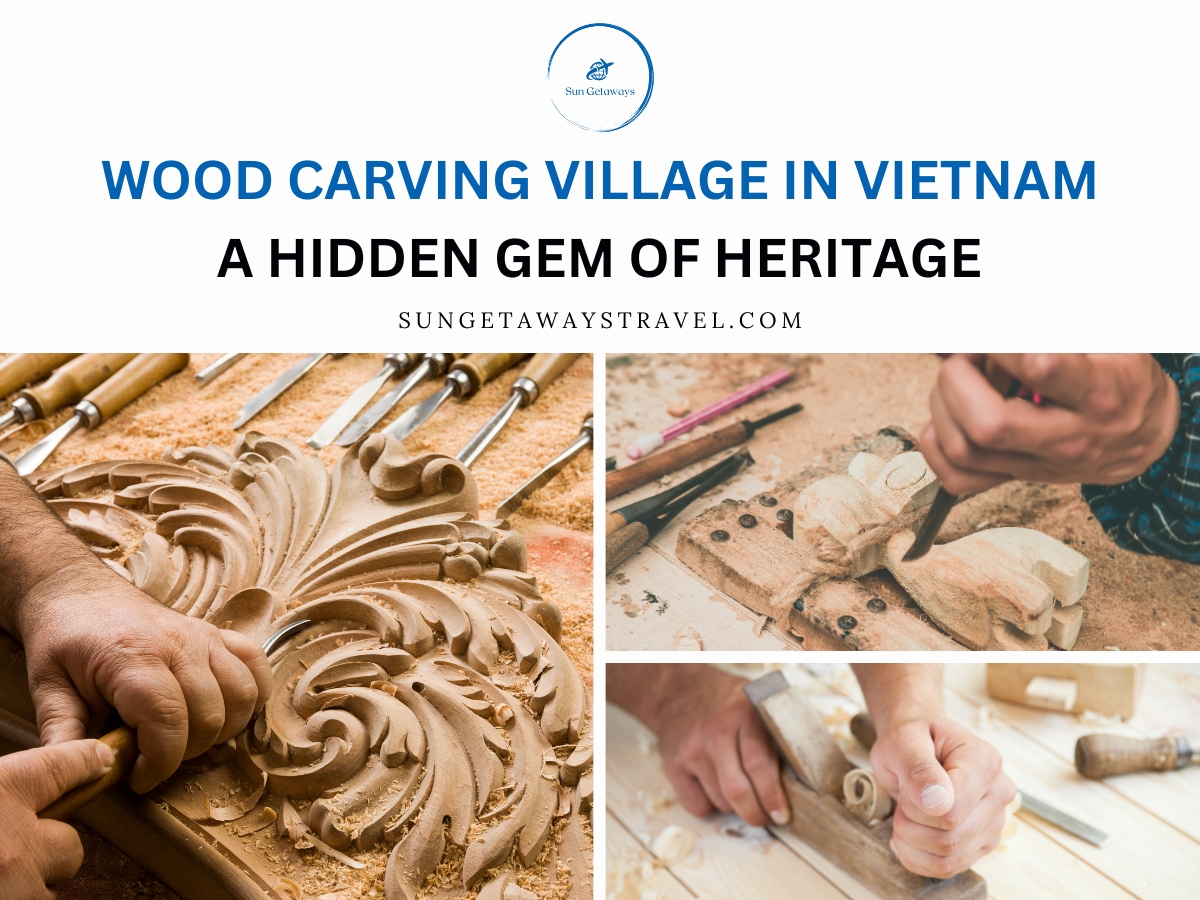
Wood Carving Village in Vietnam – A Hidden Gem of Heritage
 PhamDuong
  3 min. to read
 Beyond the busy cities and tourist hubs, a quieter Vietnam thrives in its craft villages. One of the most captivating is the wood carving village in Vietnam, where age-old techniques continue to shape Vietnam’s artistic identity. Nestled in Bac Ninh Province near Hanoi, the Dong Ky wood carving village welcomes travelers to witness generations of craftsmanship preserved through skill, patience, and pride.
Key Takeaways
- Cultural and Historical Significance – Vietnamese wood carving villages, especially Dong Ky wood carving village, preserve centuries-old craftsmanship, reflecting spiritual values, family heritage, and national identity.
- Top Craft Villages to Explore – Six notable villages, including Dong Ky, Van Phu, Phu Vinh, Bao Ha, Cam Khe, and Dong Ho, each specialize in unique products, techniques, and artistic styles.
- Travel Tips for Visitors – Best visited in the morning or on weekdays, wear comfortable clothing, and inquire about wood types and craftsmanship to ensure authentic purchases.
1. The History and Significance of Vietnamese Wood Carving
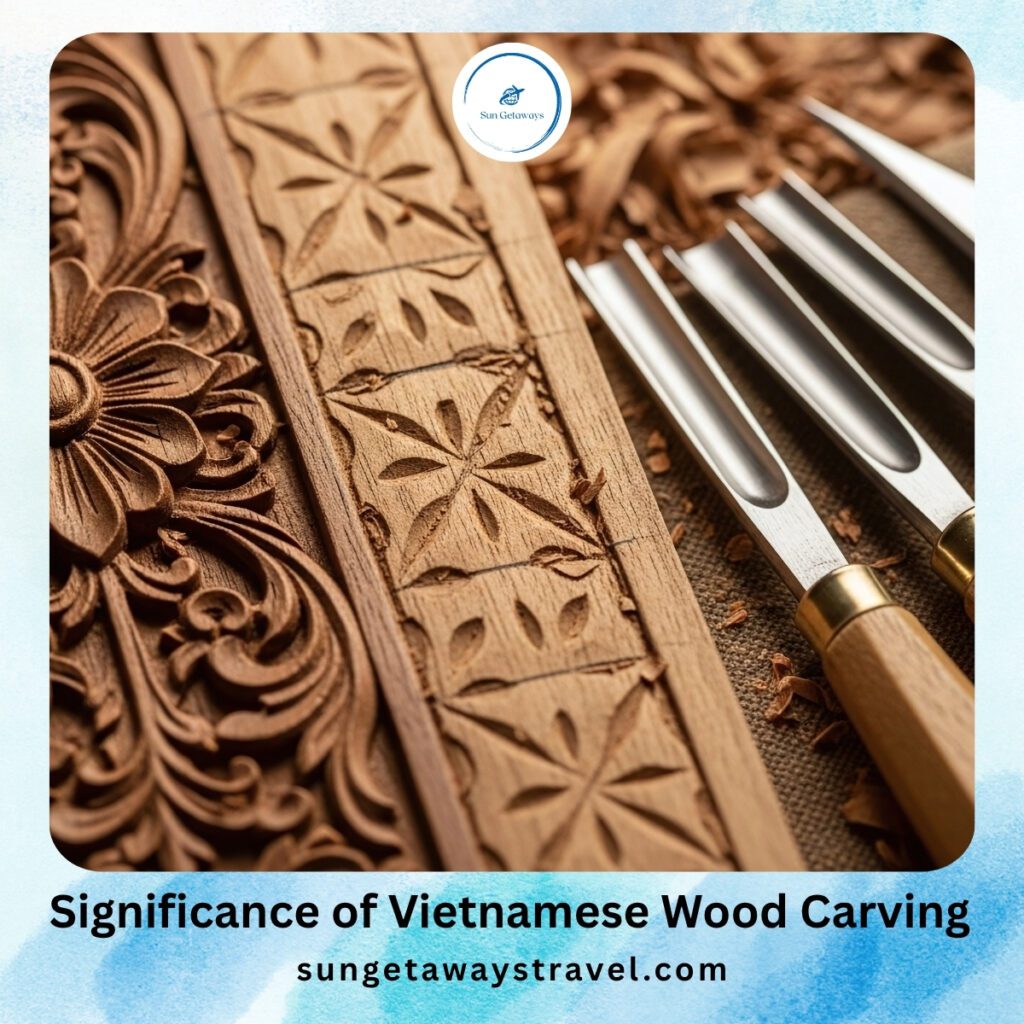
Wood carving in Vietnam dates back hundreds of years. Artisans used local hardwoods to craft functional and decorative pieces for homes, temples, and communal spaces.
The wood carving village in Vietnam embodies more than just art. It reflects spiritual values, family heritage, and national identity. Each dragon, phoenix, or lotus motif carved into the wood carries symbolic meaning. Dragons represent power and protection, while the lotus symbolizes purity and harmony.
Traditional wood carving evolved alongside Vietnam’s dynasties, and villages like Dong Ky wood carving village became renowned for combining technical skill with artistic elegance. Today, these villages preserve cultural memory through both production and craft education.
2. Top 6 Famous Wood Craft Villages in Vietnam
2.1. Dong Ky Wood Carving Village – Bac Ninh Province
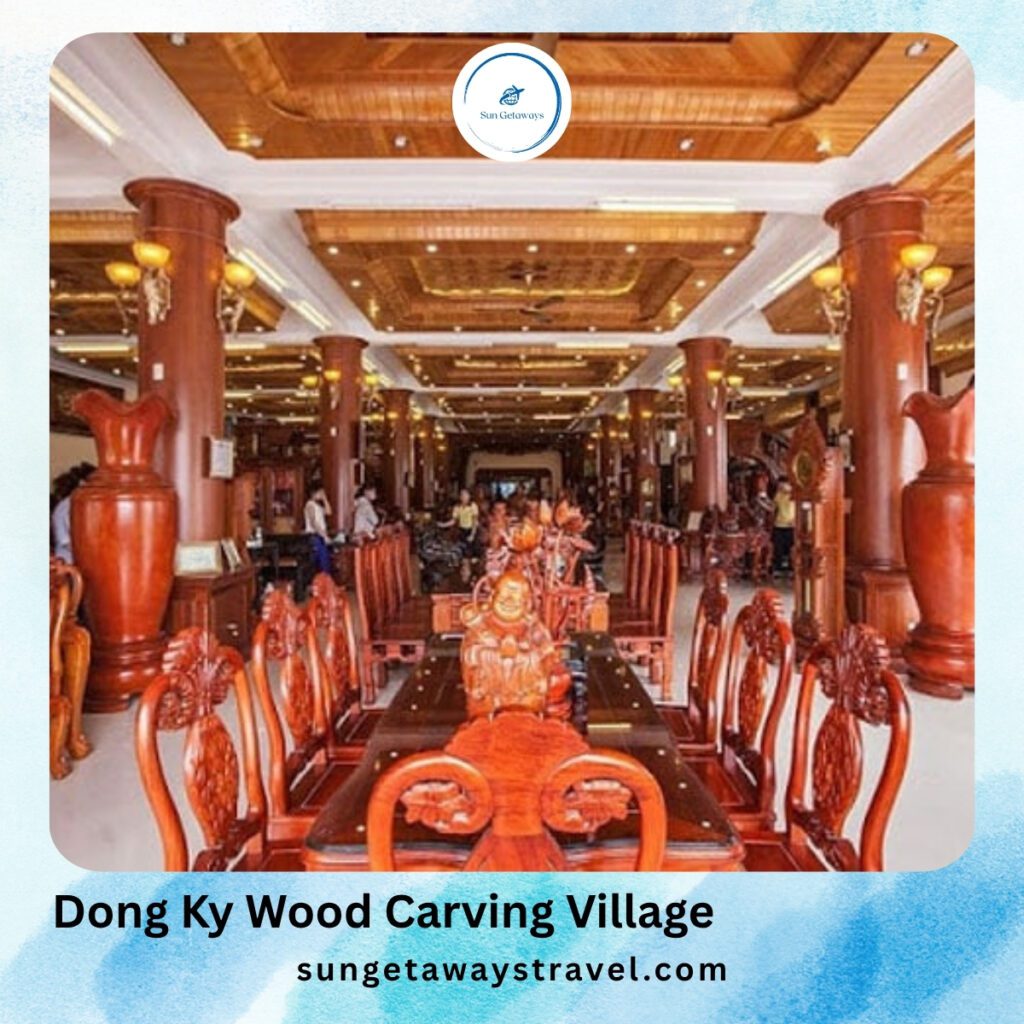
Dong Ky wood carving village is located just 25 km from Hanoi and is one of Vietnam’s most celebrated craft villages. Known for its intricate inlays, high-quality hardwood furniture, and decorative panels, the village evolved from a traditional firecracker-making hub into a center of woodworking excellence. Its artisans preserve centuries-old techniques, blending tradition with modern designs to produce timeless pieces.
Visitors to Dong Ky wood carving village can explore vibrant workshops where skilled craftsmen shape wood with precision and creativity. From large furniture to delicate decorative carvings, every item reflects the village’s heritage. Additionally, some tours even allow travelers to try basic carving, making it a hands-on cultural experience and a must-see destination for anyone interested in Vietnamese artistry.
“Visiting Dong Ky wood carving village offers a unique chance to experience centuries-old craftsmanship. Each piece tells a story bridging history and culture.” – Ms. Emma Nguyen, Head of Tour Operations at Sun Getaways Travel.
2.2. Van Phu – Wood Carving Village in Vietnam
Van Phu, near central Hanoi, is a wood carving village in Vietnam known for its carved furniture and home décor. Artisans here combine traditional Vietnamese motifs with modern functionality to produce both beautiful and practical pieces.
Artisans here are known for detailed carvings on tables, cabinets, and chairs. A visit allows you to explore both small workshops and larger production houses, giving a comprehensive view of Hanoi’s woodworking heritage. Travelers can also find unique souvenirs crafted on-site.
2.3. Phu Vinh – Wood Carving Village in Vietnam
Phu Vinh specializes in large-scale altar pieces and temple furniture. The craftsmen here are known for precision and durability, producing high-end pieces for both local use and export.
Tourists can observe master artisans creating intricate patterns and learn about the spiritual meaning behind each piece. Phu Vinh provides a deeper understanding of Vietnam’s temple woodcraft culture.
2.4. Bao Ha Wood Village – Thai Binh
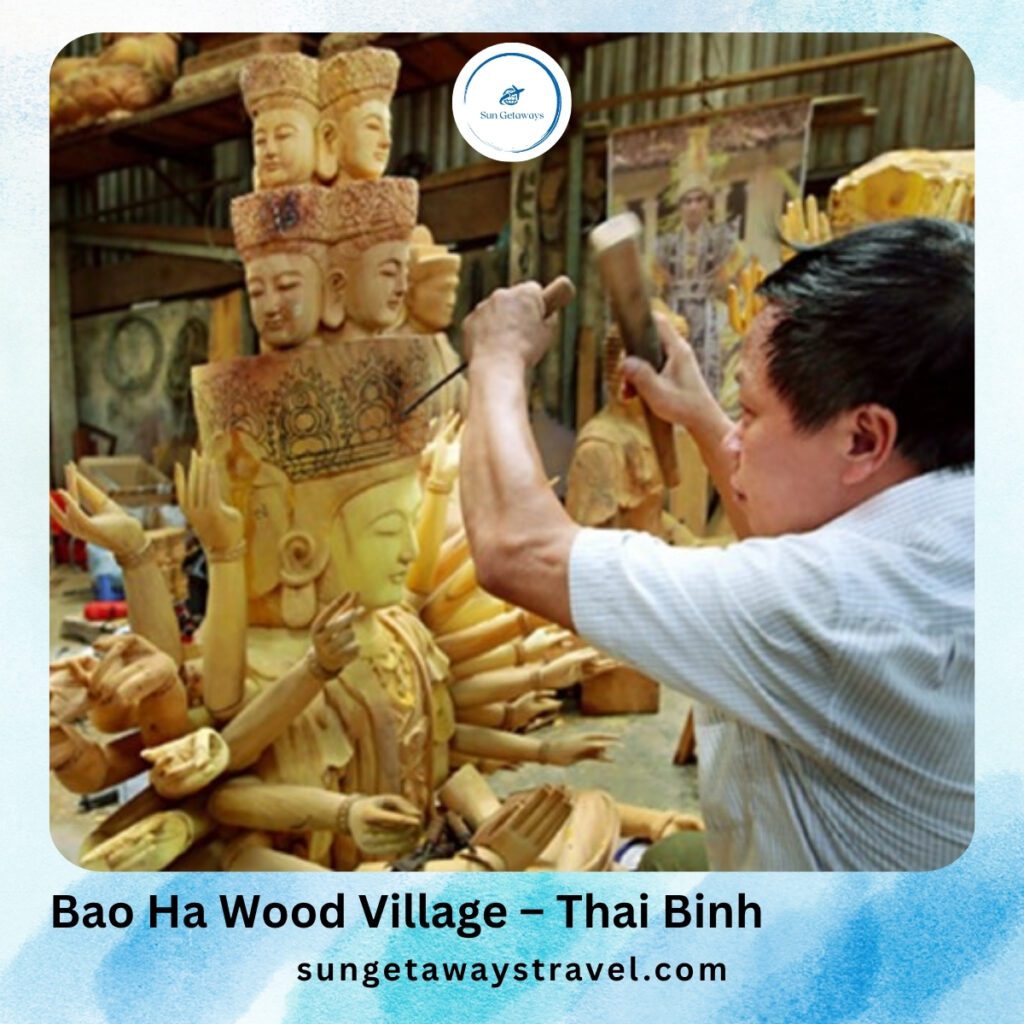
Bao Ha is celebrated for delicate carvings of floral and animal motifs. Meanwhile, its workshops produce decorative cabinets, chairs, and figurines appreciated by both collectors and travelers.
Visitors can watch artisans at work and explore the meticulous techniques behind each piece. Therefore, Bao Ha stands out among Vietnam’s traditional craft villages for its focus on artistry.
2.5. Cam Khe – Wood Carving Village in Vietnam
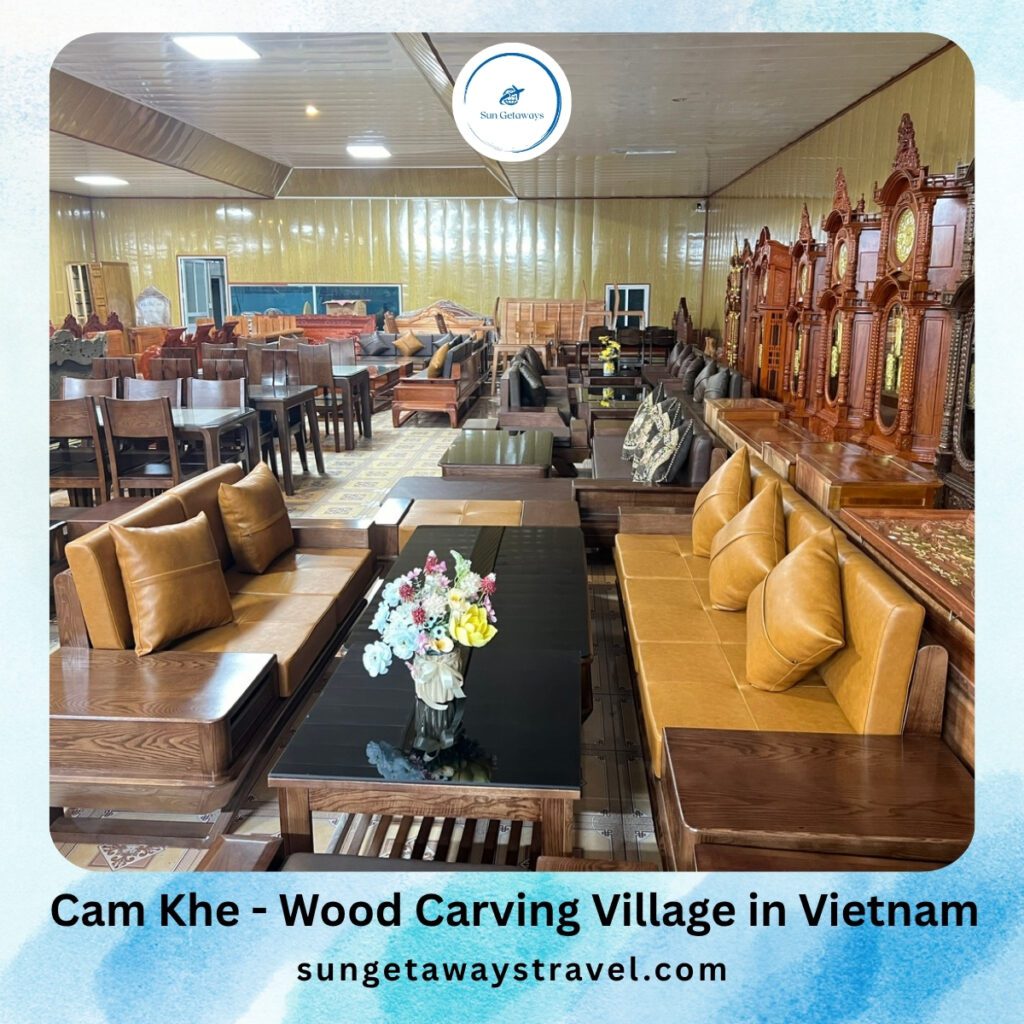
Cam Khe is famous for making high-quality furniture that emphasizes symmetry and strong structure. Additionally, artisans work with both local hardwoods and imported wood to create pieces that are both functional and beautiful.
Visitors to Cam Khe can see how traditional woodworking adapts to modern life. Next, the village offers a great experience for travelers who enjoy practical yet artistic woodcraft.
2.6. Dong Ho Wood Village – Bac Ninh
Dong Ho, distinct from the famous painting village, is a small but vibrant wood carving village in Vietnam. The artisans specialize in miniature carvings, decorative boxes, and ornaments that showcase local folk artistry. Moreover, these products are affordable and ideal for visitors seeking authentic souvenirs.
Visitors can explore the workshops, watch craftsmen at work, and purchase unique handcrafted items. Finally, Dong Ho offers a complementary experience to Dong Ky wood carving village: while Dong Ky focuses on large furniture and intricate panels, Dong Ho highlights the charm of smaller, delicate woodcrafts, giving travelers a complete view of Bac Ninh’s woodworking traditions.
3. Popular Wooden Products in Vietnam
3.1. Types of Wooden Products

Vietnamese woodworking reflects centuries of craftsmanship and cultural identity. Moreover, each village produces distinct items influenced by local materials and artisan skills. Travelers visiting a wood carving village in Vietnam can find a wide range of products, from large furniture to delicate decorative pieces. For those staying in Hanoi, some artisans’ works can also be seen in museums and cultural sites like the Imperial Citadel of Thang Long.
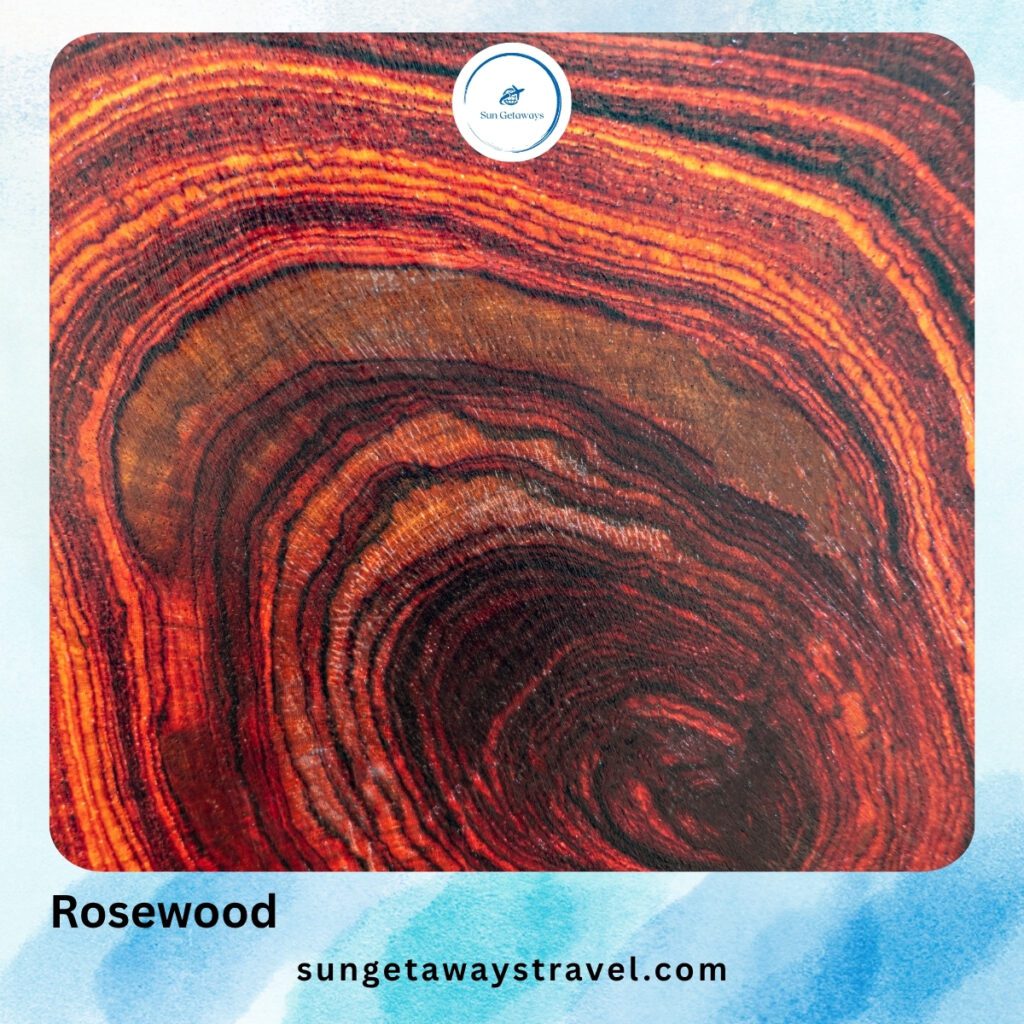
Furniture is one of the most popular items, including cabinets, beds, chairs, and altar tables. Artisans often use strong woods such as rosewood, mahogany, and camphor. Additionally, decorative panels, doors, and screens are carved with dragons, phoenixes, or lotus patterns, which stand for luck and harmony. Small household items like bowls, trays, and chopsticks are also made, making great souvenirs.
Artistic figures and miniatures are particularly popular in villages like Dong Ky wood carving village and Dong Ho, where artisans focus on delicate folk-inspired designs. Therefore, visitors can select products that combine traditional craftsmanship with modern aesthetics, suitable for both decoration and functional use.
3.2. Comparison of Wood Types Across Villages
To help travelers better understand the specialties of each village, the following table highlights the main wood types, typical products, and unique features:
| Village | Main Wood Types | Typical Products | Special Features |
| Dong Ky | Rosewood, Mahogany, Camphor | Furniture, Decorative panels | High durability, intricate carvings |
| Van Phu | Teak, Rosewood | Tables, Chairs, Cabinets | Blends traditional motifs with modern design |
| Phu Vinh | Ebony, Mahogany | Temple altars, Altar tables | Large-scale furniture, spiritual motifs |
| Bao Ha | Camphor, Oak | Cabinets, Figurines | Delicate floral & animal carvings |
| Cam Khe | Local hardwoods & Imported wood | Furniture, Panels | Emphasizes symmetry & structural strength |
| Dong Ho | Softwood | Miniatures, Boxes, Ornaments | Small, decorative, folk-style craftsmanship |
Moreover, this comparison allows visitors to identify which villages produce items that match their preferences, whether they are looking for large furniture or small souvenirs. Understanding the wood type and specialty can also help travelers make informed purchases.
4. Visiting Wood Carving Villages – What to Expect
4.1. Explore Active Workshops

Visiting a wood carving village in Vietnam offers travelers a fascinating glimpse into centuries-old craftsmanship. First, villages like Dong Ky wood carving village maintain active workshops where artisans carve furniture, decorative panels, and miniature pieces.
Walking through these workshops allows visitors to observe traditional techniques, from precise carving to fine finishing, which have been preserved across generations.
4.2. Hands-on Experience for Travelers
Next, many villages provide hands-on opportunities. Travelers can try basic carving or assist in finishing smaller decorative items. Moreover, participating in the process helps visitors appreciate the patience, skill, and artistry required to produce each piece. This interactive experience adds depth to cultural understanding and creates memorable moments for all ages.
4.3. Practical Tips for Visiting

Travelers should plan ahead to maximize their experience. Additionally, mornings are often ideal due to cooler temperatures and active workshops. Comfortable clothing and shoes are recommended, as visitors may walk or stand for long periods. When purchasing wooden products, ask about the type of wood and craftsmanship.
For personalized guidance or questions about hands-on cultural experiences, travelers can reach out via WhatsApp for fast support.
5. Frequently Asked Questions
Dong Ky wood carving village is situated about 25 km from Hanoi in Bac Ninh Province. Besides, it is easily accessible by car or motorbike, making it a convenient day trip from the capital.
Some villages like Van Phu, Phu Vinh, Bao Ha, Cam Khe, and Dong Ho are located near major cities in northern Vietnam. Public transport or guided tours are recommended to navigate these villages efficiently.
Yes! Many villages, especially Dong Ky, offer hands-on experiences. Additionally, travelers can observe artisans closely and participate in basic carving or finishing smaller decorative items, enhancing appreciation of the craft.
Mornings are usually ideal due to cooler temperatures and active workshops. Additionally, visiting during weekdays avoids large crowds, allowing a more immersive and relaxed experience.
Visitors should wear comfortable clothing and shoes suitable for walking. Moreover, it is recommended to ask about the type of wood and level of craftsmanship before purchasing items to ensure authenticity and quality.
Conclusion
Visiting a wood carving village in Vietnam provides travelers with a unique opportunity to experience centuries-old craftsmanship firsthand. Villages like Dong Ky wood carving village offer intricate furniture, decorative panels, and delicate miniature carvings that reflect Vietnam’s rich cultural heritage. Moreover, exploring workshops and observing artisans at work deepens appreciation for this traditional craft.
Discover these artisan villages and plan an authentic cultural journey, explore Vietnam tours with Sun Getaways Travel for tailored experiences.


Related Tour

Honeymoon Bliss in Vietnam 16 days


21 Reviews

13-Day Vietnam Adventure Motorbike Street Food Sightseeing
27 Reviews

Discover the Gems of Vietnam with a 14-Day Grand Tour
20 Reviews

13 Days Vietnam Beauty from North to South
19 Reviews

14-Day Explore Vietnam Local Food
20 Reviews

Private Vietnam Luxury Tour 13 Days
24 Reviews
Ask a question
Leave a Comment (0)
No questions yet. Be the first to ask a question!
See related Posted
Luxury Golf Resorts in Vietnam – Elite Golf Travelers

Vietnam is increasingly recognized as a premier golf destination in Asia, therefore luxury golf…
Macrame in Vietnam: The Revival of Knot Art in Contemporary Craft Culture

Macrame in Vietnam reflects the country’s growing engagement with contemporary handmade culture, where global…
Vietnamese Musical Instrument Craft: Traditional Instrument Making in Vietnam

Vietnamese musical instrument craft reflects a long-standing relationship between sound, material, and cultural memory.…
Traditional Vietnamese Kite Art: History, Craftsmanship, and Cultural Meaning

Traditional Vietnamese kite art is a living expression of folk creativity, community values, and…
Vietnamese Folk Masks: Tradition, Symbolism & Cultural Meaning

Vietnamese folk masks are a distinctive form of traditional art that reflects the spiritual…
Vietnamese Embroidery Art: Traditional Craftsmanship & Cultural Meaning

Vietnamese embroidery art is a refined traditional craft that reflects patience, cultural memory, and…