






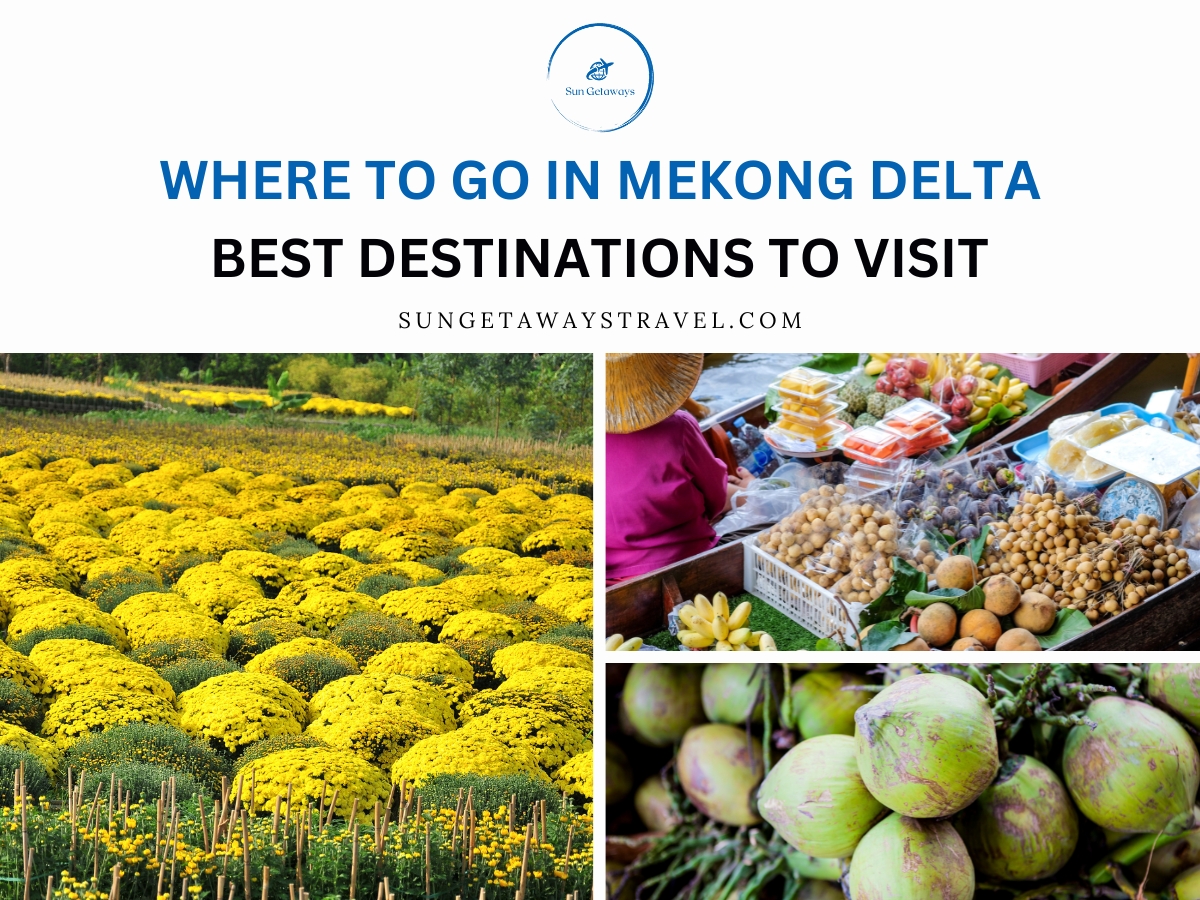
Where to Go in Mekong Delta: Best Destinations to Visit
 PhamDuong
  3 min. to read
 The Mekong Delta is one of southern Vietnam’s most distinctive travel regions, shaped by rivers and rural life. For many international travelers, deciding where to go in Mekong Delta can be confusing due to the region’s size and diversity. This guide highlights the most meaningful Mekong Delta destinations to help visitors plan an authentic and well-paced journey.
Key Takeaways
- The Mekong Delta offers diverse experiences, from floating markets to rural villages and spiritual sites.
- Choosing where to go in Mekong Delta depends on travel pace, cultural interests, and available time.
- Well-planned routes help travelers experience authentic Mekong Delta destinations without rushing.
1. Can Tho – The Cultural Hub of the Delta
Can Tho is often the first place travelers consider when deciding where to go in Mekong Delta. As the largest city in the region, it offers a balance between urban convenience and traditional river life. This combination makes Can Tho one of the most accessible Mekong Delta destinations for first-time visitors.
1.1. Places to Visit and Things to Do
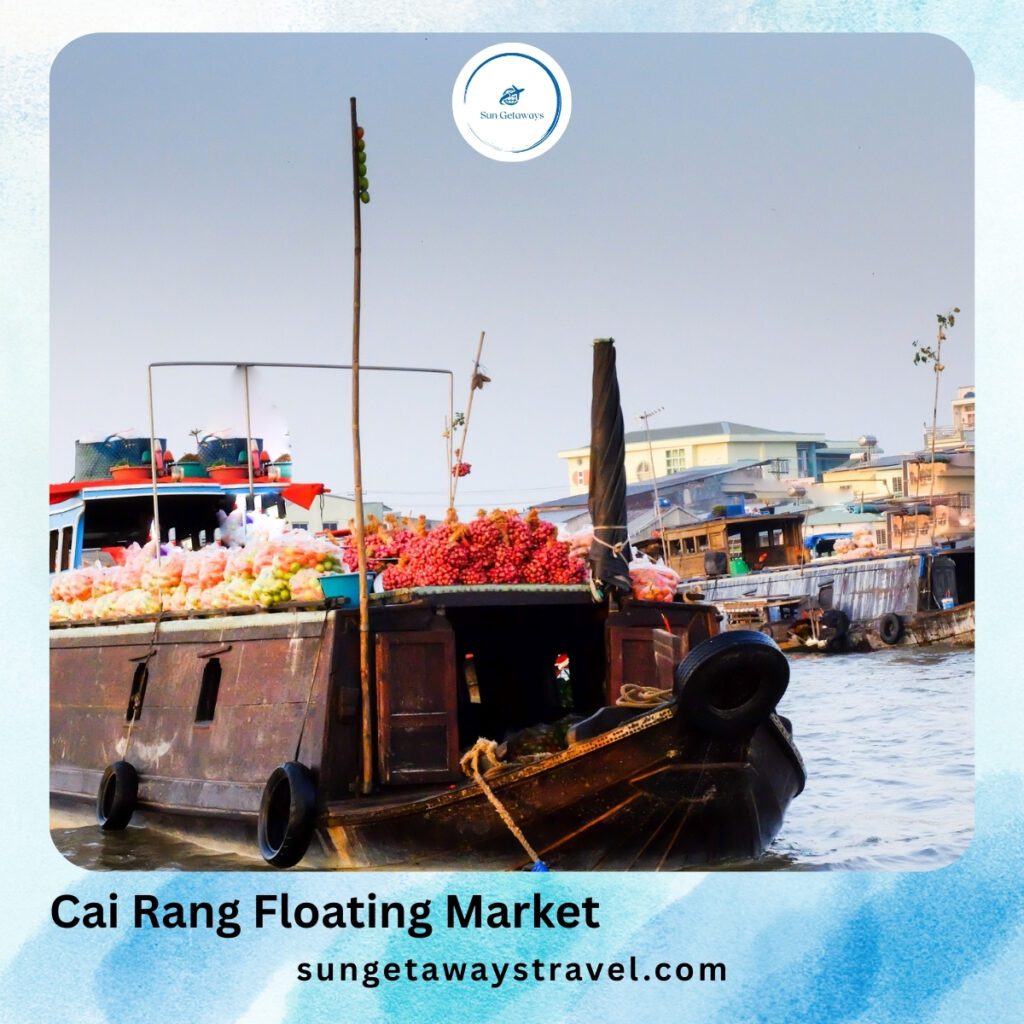
Cai Rang Floating Market is the most iconic attraction in Can Tho and a key highlight of where to go in Mekong Delta. Before sunrise, dozens of boats gather to trade fruits, coffee, and breakfast dishes directly on the river. The market reflects genuine daily commerce rather than a tourist performance.
Beyond the floating market, visitors can explore Ninh Kieu Wharf and nearby canals by boat or on foot. Besides, iverside neighborhoods reveal how homes, cafés, and ferry crossings adapt to water-based living. These scenes provide a deeper understanding of everyday life in major Mekong Delta destinations.
1.2. Local Food to Try
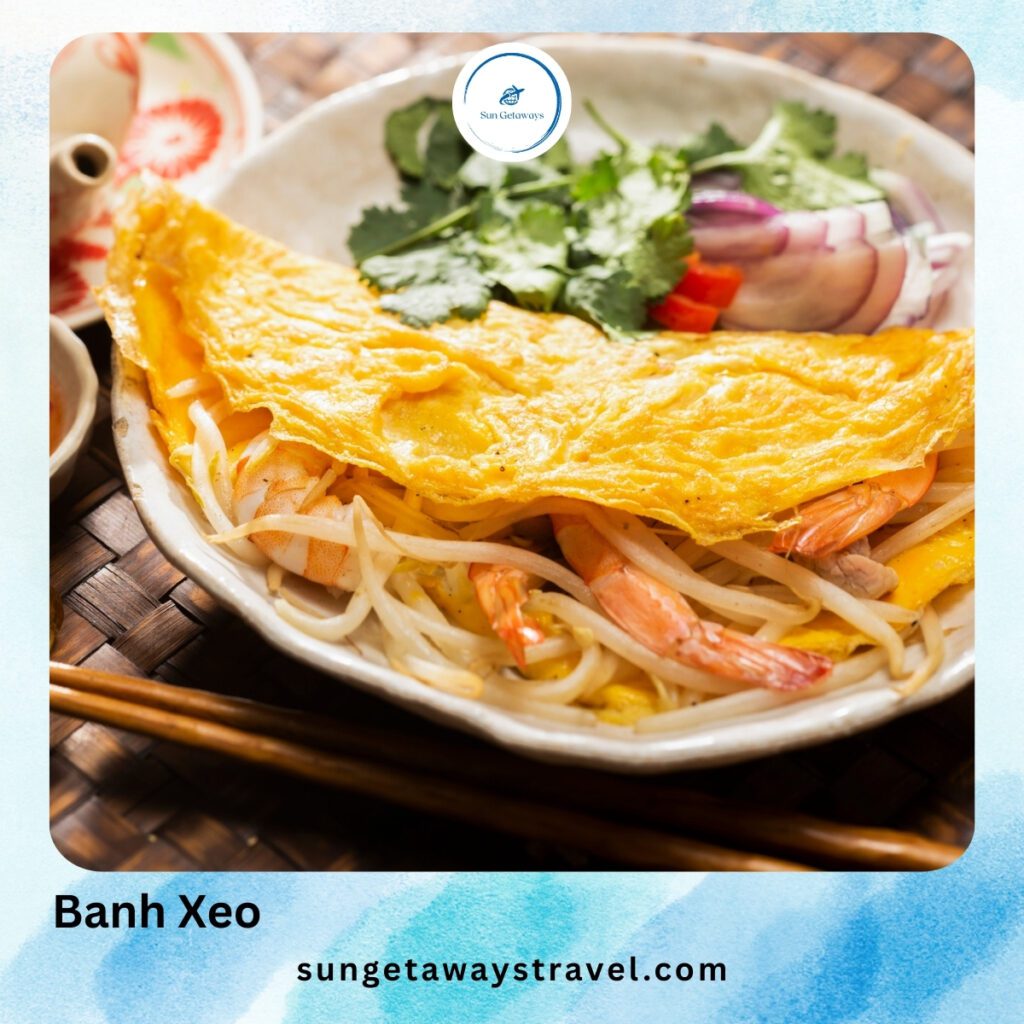
Can Tho is well known for regional specialties such as hu tieu, banh xeo, and grilled river fish. These dishes are prepared with fresh ingredients sourced from nearby waterways and farms. So, food experiences here are closely connected to local production and seasonal availability.
Moreover, night markets and riverside restaurants offer convenient places to sample local cuisine after sunset. Eating by the river also allows travelers to observe evening routines along the Hau River. Food, scenery, and daily life blend naturally in this part of the Delta.
For travelers who want to explore regional flavors in greater depth, this Vietnam local food tour offers a structured way to experience authentic dishes across different regions.
2. Cai Be – A Classic Stop for Where to Go in Mekong Delta
Cai Be is a classic choice for travelers wondering where to go in Mekong Delta on a short itinerary. Located along the Tien River, this town reflects traditional river trade and agricultural life.
2.1. Places to Visit and Things to Do

Cai Be Floating Market operates on a smaller scale than markets in Can Tho but remains authentic. Especially, boats gather in the early morning to trade fruits and local products along the river. This scene offers a clear picture of everyday commerce in the where to go in Mekong Delta journey.
In addition, earby river islands feature colonial-era houses and small craft villages. Visitors can explore fruit orchards by boat and on foot. These experiences highlight the agricultural roots of many Mekong Delta destinations.
2.2. Local Food to Try
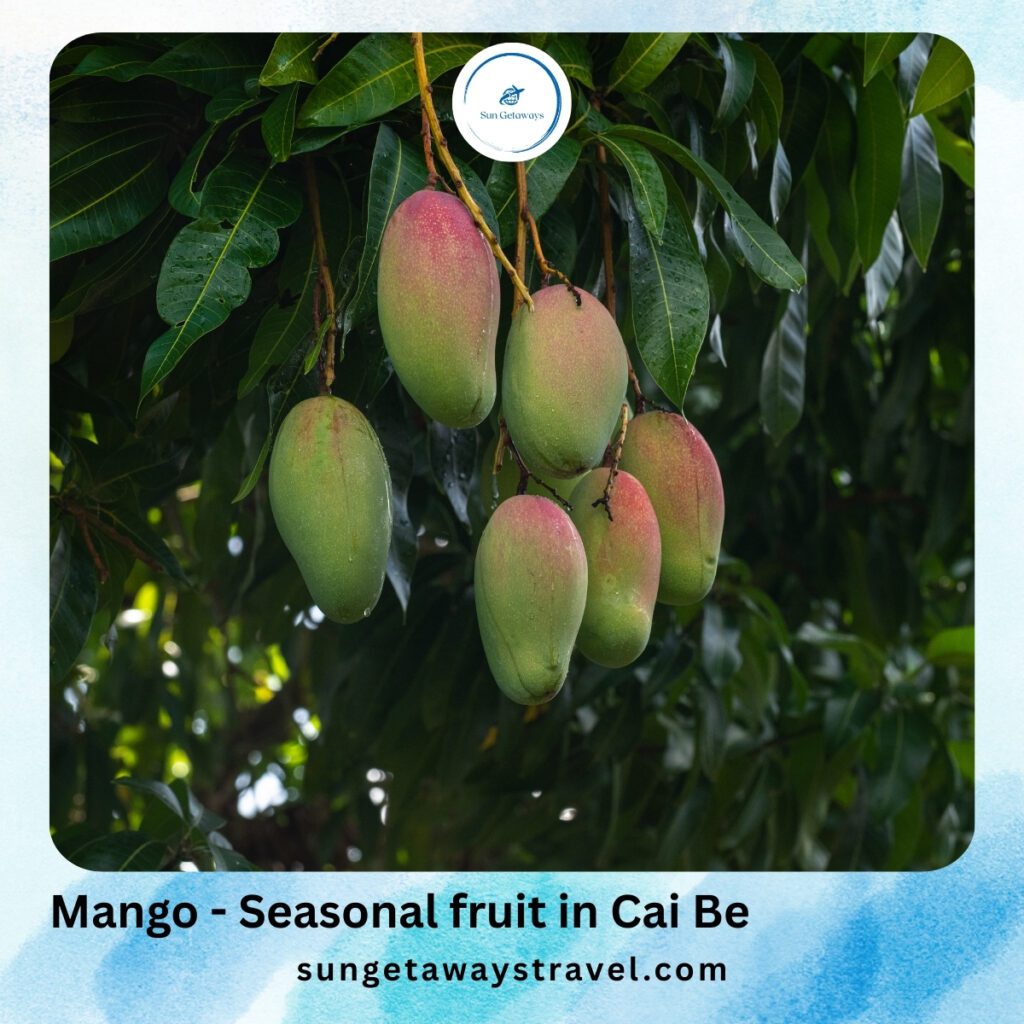
Cai Be is also known for fresh tropical fruits grown on nearby islands. Seasonal fruit tastings often include mango, pomelo, and rambutan. And local meals focus on simple southern flavors using river fish and coconut-based sauces.
Moreover, home-style dishes are commonly served in family-run restaurants. Meals feel casual and closely connected to daily life. Food here reflects the agricultural identity of this part of the Delta.
For travelers curious about how river trade works across the region, this guide to floating markets in Vietnam offers helpful insights into locations, timing, and local practices
3. Chau Doc – Cultural Insight on Where to Go in Mekong Delta
Chau Doc offers a distinctive answer to where to go in Mekong Delta for culturally curious travelers. Situated near the Cambodian border, the town reflects ethnic and religious diversity.
3.1. Places to Visit and Things to Do
Floating villages along the river are a major highlight of Chau Doc. Because amilies live and farm fish directly on the water, adjusting to seasonal changes. Therefore, boat visits reveal a lifestyle shaped entirely by river conditions.
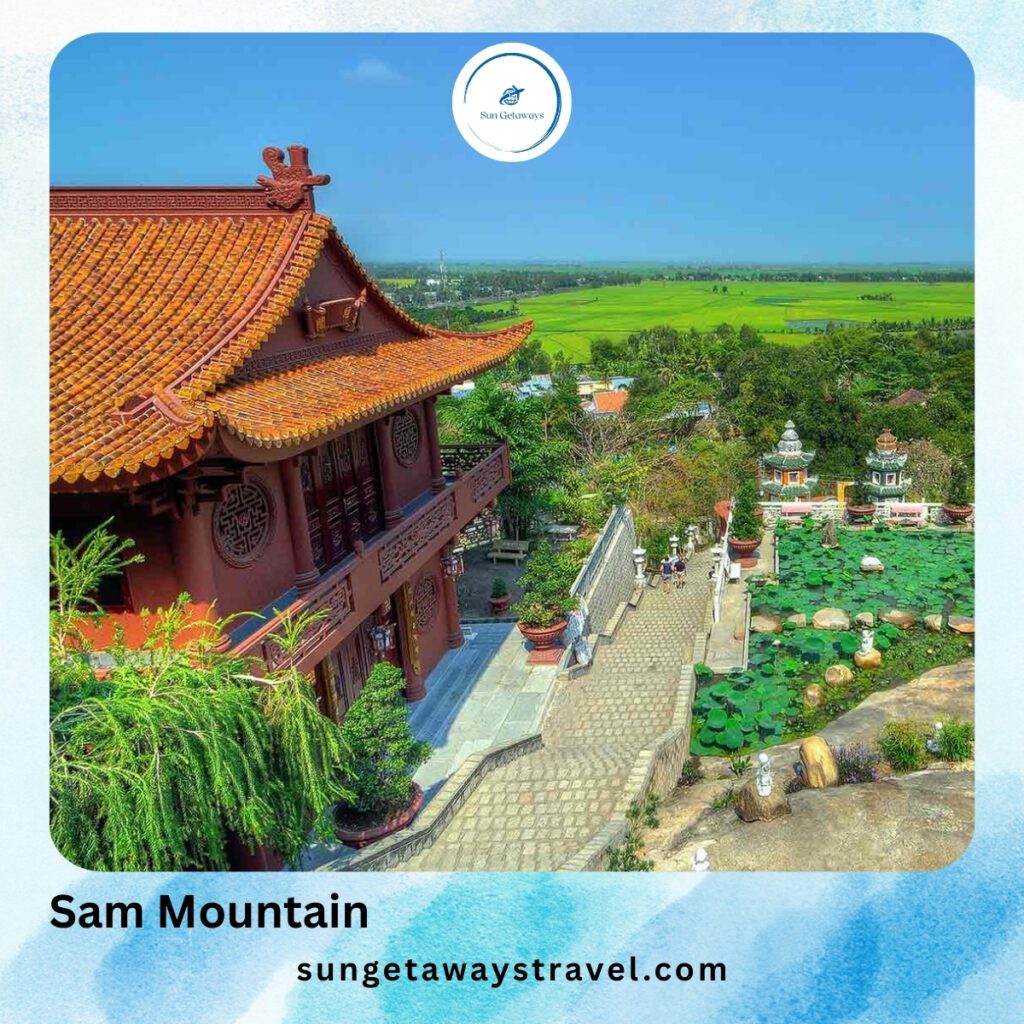
Additionally, Sam Mountain is another important site, known for temples and pilgrimage routes. Visitors observe spiritual practices woven into everyday routines. These experiences add cultural depth to the where to go in Mekong Delta journey.
3.2. Local Food to Try
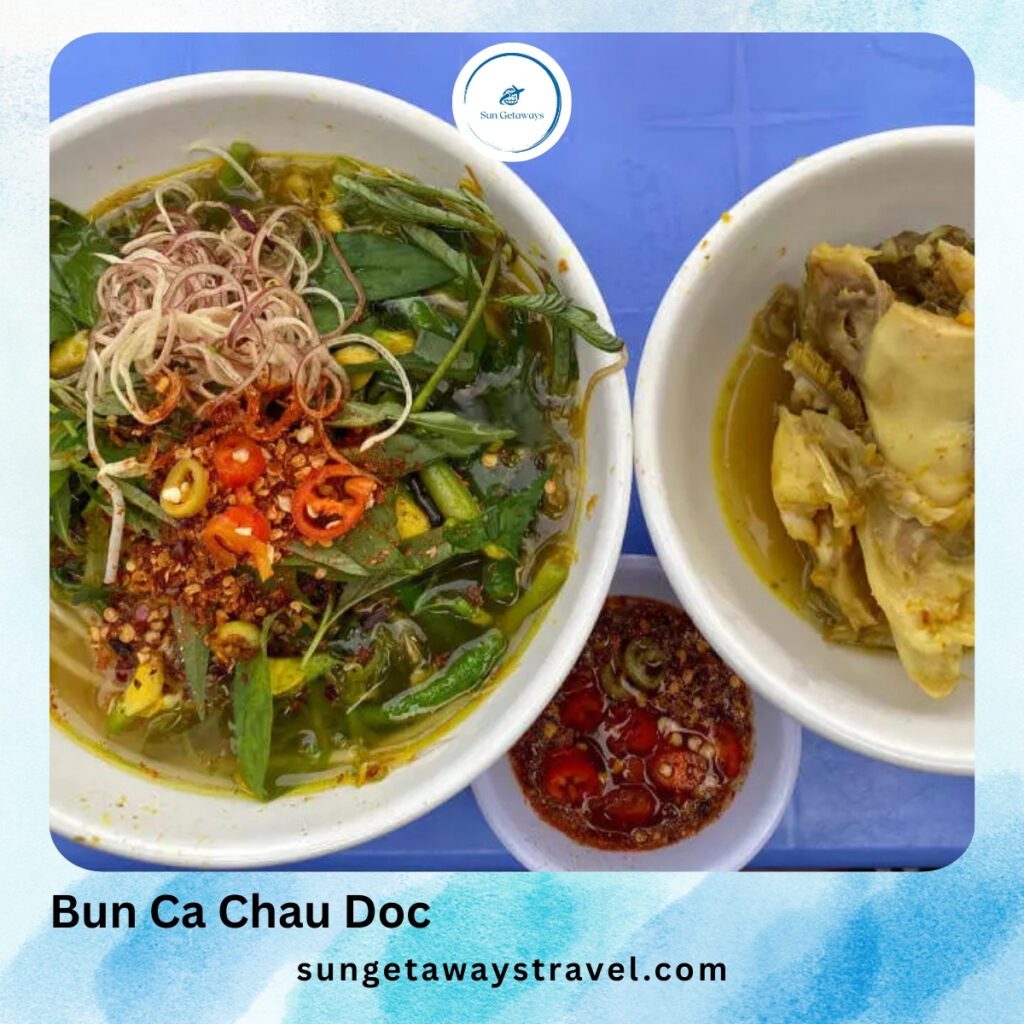
Chau Doc is famous for fermented fish products, especially mam, which play a central role in local cuisine. Moreover, Bun ca Chau Doc, a fish noodle soup, is the region’s most well-known dish and is commonly eaten for breakfast. The broth is light but flavorful, made from freshwater fish and local herbs. Besides, this dish reflects strong Khmer and Cham culinary influences shaped by border culture.
Local markets in Chau Doc sell a wide variety of dried fish and preserved foods produced by nearby fishing communities. These products are prepared using traditional methods and sold for both local use and regional trade. Flavors tend to be stronger and more complex than in other parts of the Delta.
4. Sa Dec – Where to Go in Mekong Delta Beyond Major Hubs
Sa Dec is an appealing option for travelers exploring where to go in Mekong Delta beyond major hubs. The town is known for flower cultivation and colonial architecture.
4.1. Places to Visit and Things to Do
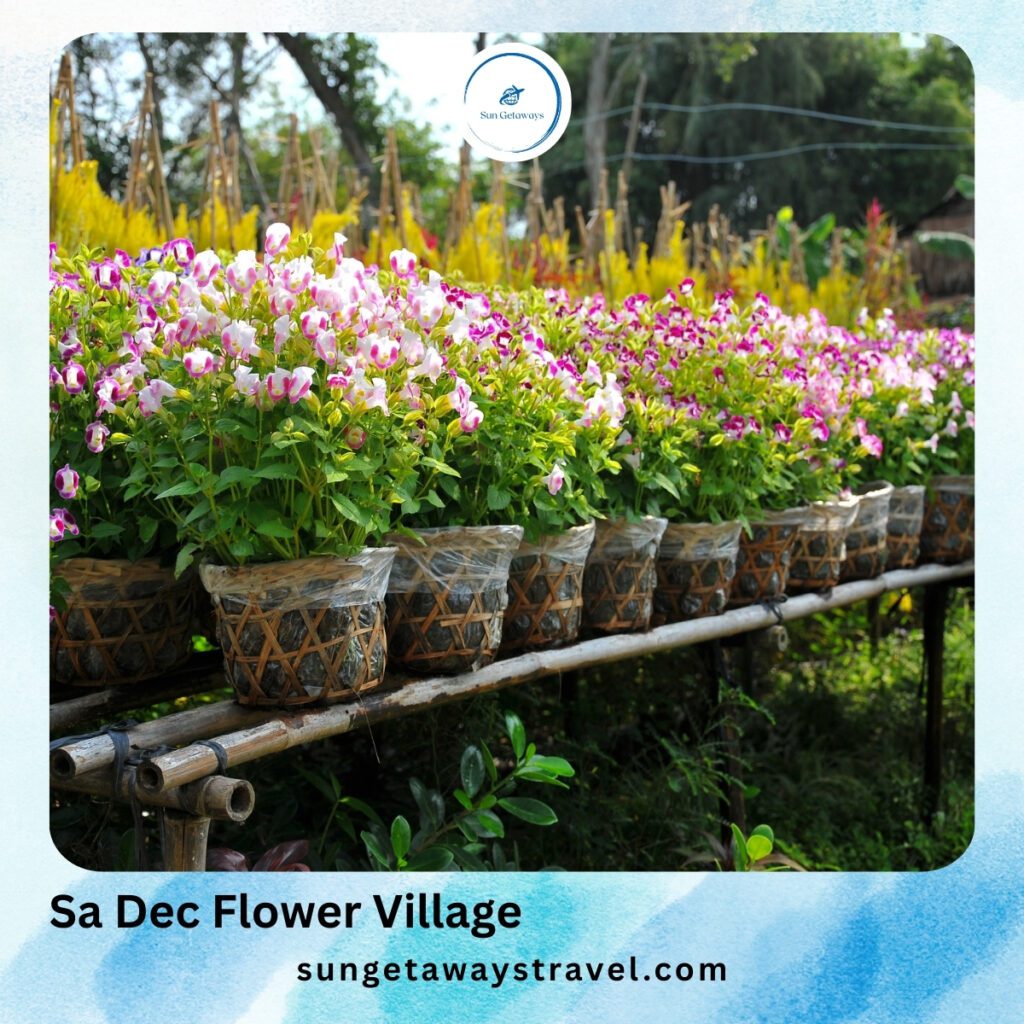
Sa Dec Flower Village is the town’s main attraction, particularly in the months leading up to Lunar New Year. Thousands of flower pots line canals, bridges, and walkways, creating a colorful agricultural landscape. Besides, he village supplies flowers to many southern provinces and operates year-round. This area clearly reflects seasonal rhythms and the farming livelihoods of local residents.
Beyond the flower village, Sa Dec’s riverside streets and historic houses reveal its role as an old trading port. French-era architecture and traditional wooden homes sit along the riverbanks. Therefore, alking through these neighborhoods feels calm and unhurried. These scenes offer a softer and more reflective perspective on where to go in Mekong Delta.
4.2. Local Food to Try
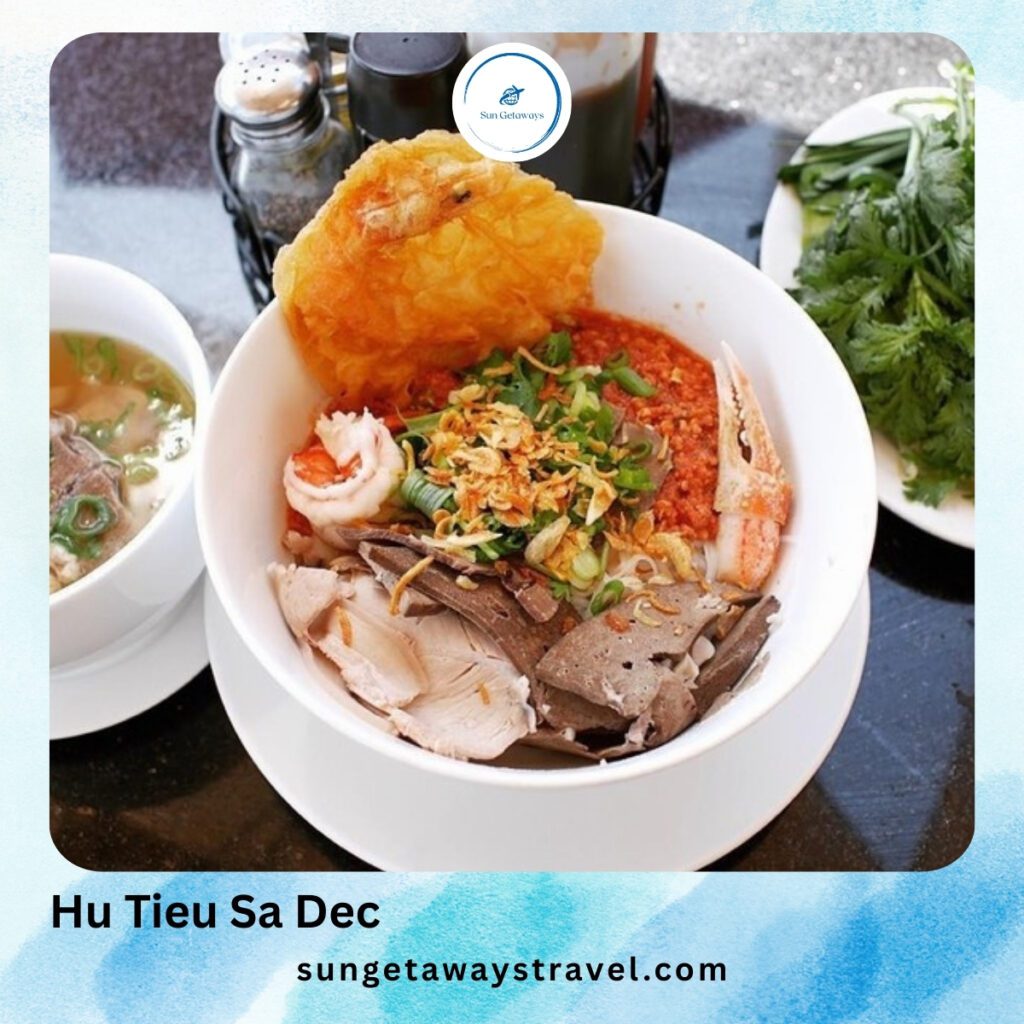
Sa Dec is well known for hu tieu Sa Dec, a noodle dish recognized for its chewy texture and clear broth. The noodles are produced locally using traditional methods passed down through generations. Many family-run eateries specialize in this dish, serving it for breakfast and lunch. Hu tieu Sa Dec represents both culinary craftsmanship and everyday eating habits in the town.
In addition to noodles, Sa Dec’s street food scene offers grilled snacks, rice cakes, and various sweet soups. These foods are commonly sold at small stalls along riverside streets and local markets. Meals are affordable, casual, and designed for locals rather than tourists. Food here reflects daily life and community routines instead of commercial dining experiences.
For travelers planning a multi-stop journey, this Mekong Delta tour guide explains how different river regions can be combined into a balanced itinerary.
5. Ben Tre – Where to Go in Mekong Delta for Slow Travel
Ben Tre is ideal for travelers deciding where to go in Mekong Delta for a slower pace. Known as the “land of coconuts,” the province features dense palm groves and narrow canals.
5.1. Places to Visit and Things to Do
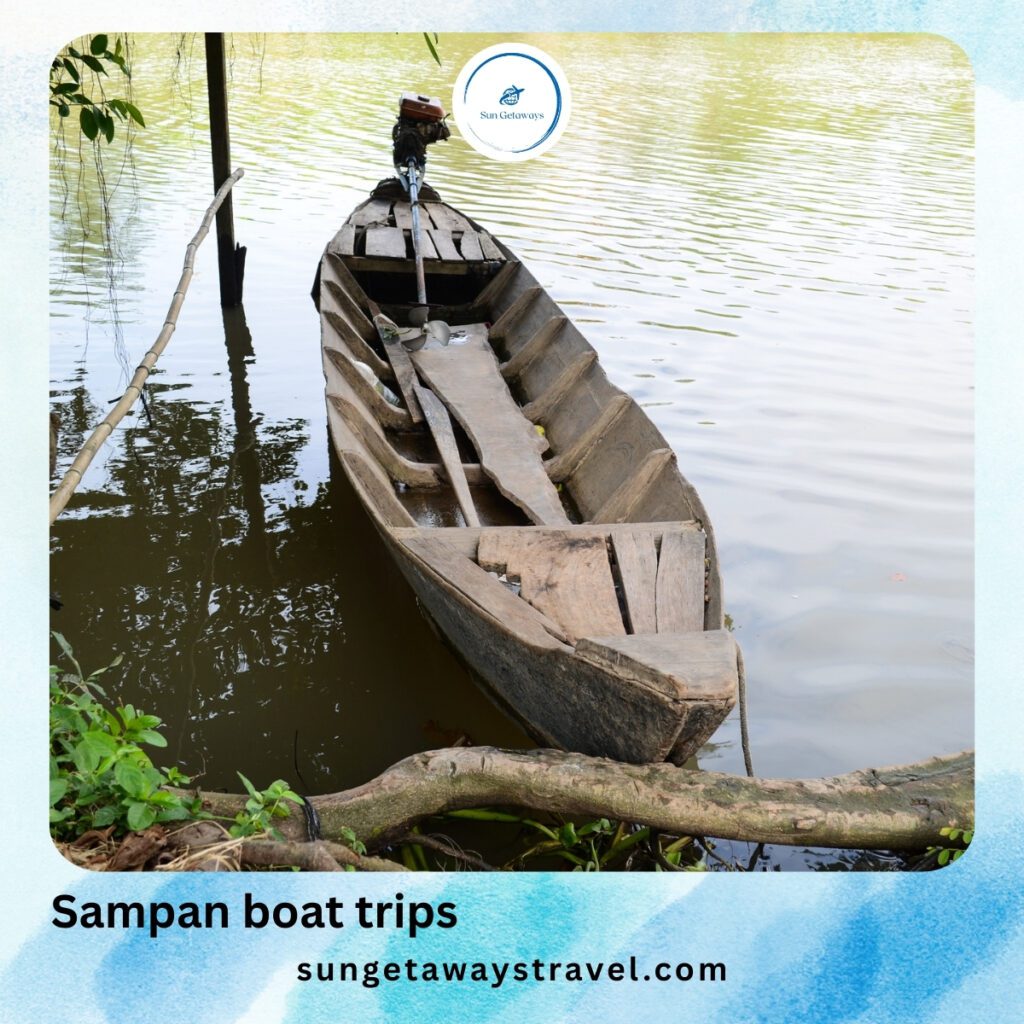
Sampan boat trips through coconut-lined canals are a defining experience in Ben Tre. These narrow waterways lead travelers into villages hidden from the main rivers and roads. Along the route, visitors observe daily activities such as fishing, fruit harvesting, and small household workshops. The journey emphasizes calm exploration and close contact with local life rather than rushed sightseeing.
Cycling through rural paths offers a complementary way to explore Ben Tre’s countryside. Moreover, flat village roads pass through orchards, rice fields, and quiet residential areas. Travelers can stop at local markets or roadside cafés without fixed schedules.
5.2. Local Food to Try
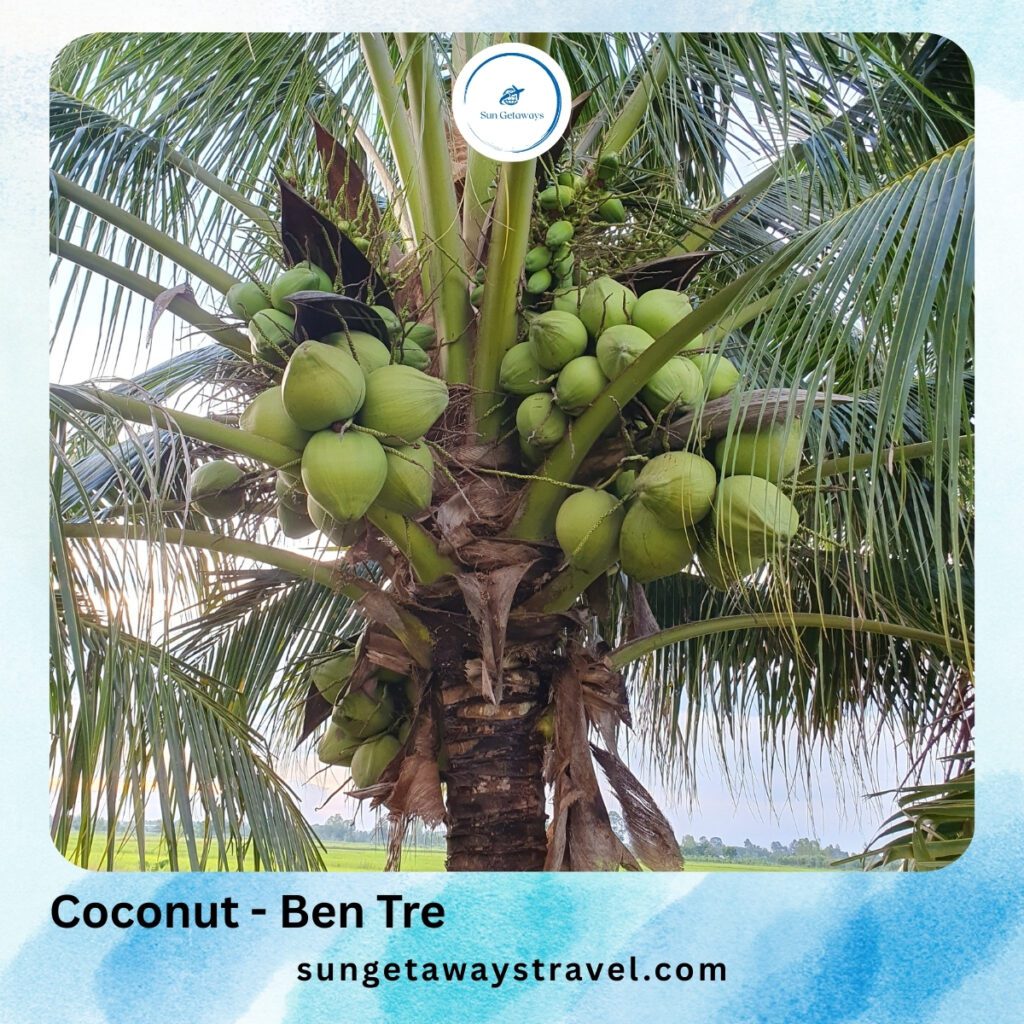
Ben Tre cuisine is closely associated with coconut, which appears in both savory and sweet dishes. Popular items include coconut candy, coconut rice, and river fish cooked in coconut juice. These flavors are naturally mild and slightly sweet, reflecting the region’s agricultural environment. Therefore, oconut-based cooking has become a defining feature of local meals.
Most dishes use ingredients sourced directly from nearby gardens and rivers. Meals are prepared simply, focusing on freshness rather than complex seasoning. Seasonal produce strongly influences daily menus.
If you’re still unsure where to go in Mekong Delta or how to connect different provinces smoothly, you can reach our team on WhatsApp for quick travel advice and route suggestions.
6. How to Plan Routes When Choosing Where to Go in Mekong Delta
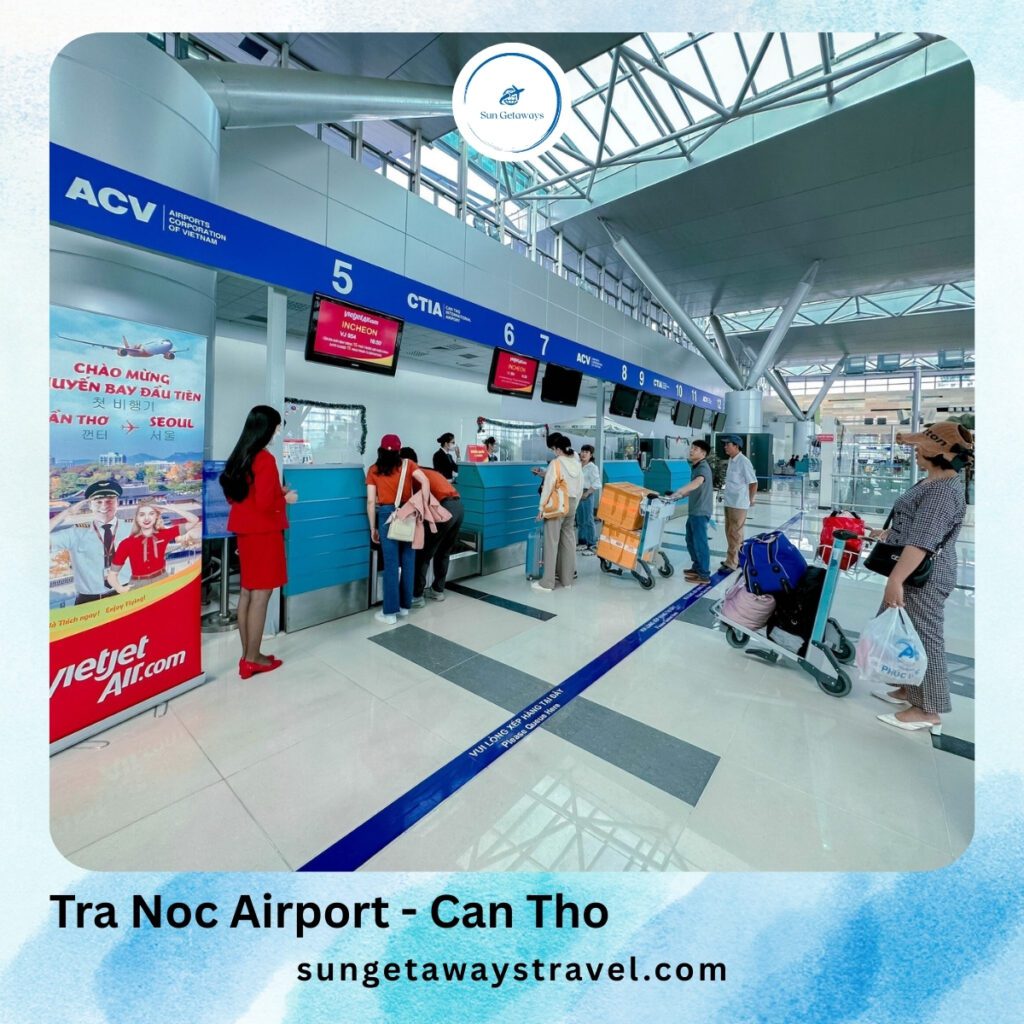
For travelers coming from northern or central Vietnam, the most convenient option is flying to Ho Chi Minh City (Tan Son Nhat Airport) or Can Tho (Tra Noc Airport). From there, visitors continue by bus or private car to reach different Mekong Delta provinces. Once in the region, for short-distance, visitors can go by bicycle or motorbike for those comfortable with local road conditions.
Additionally, for travelers already in southern Vietnam, bus travel is the most practical way to access the Mekong Delta Destinations. Major routes connect Ho Chi Minh City with towns such as Can Tho, Ben Tre, and Cai Be. Therefore, any visitors choose to rent a motorbike for flexible exploration of rural roads and village areas, depending on experience and confidence.
“Many travelers underestimate the size and diversity of the Mekong Delta. Instead of trying to see everything, it’s better to choose a few destinations and slow down. That’s how visitors truly understand local life, river culture, and regional food” – Ms. Emma Nguyen, Head of Tour Operations at Sun Getaways Travel.
7. FAQ about Mekong Delta Destinations
Most travelers spend 2 to 3 days in the Mekong Delta. However, short trips usually focus on Can Tho and nearby areas. Longer itineraries allow visits to multiple provinces and slower experiences.
Daily travel costs range from USD 40–70 per person for independent travelers. Private tours typically start from USD 120–180 per day, depending on services and group size.
The dry season from December to April offers comfortable weather and stable river conditions. The rainy season brings lush scenery and fewer crowds. Floating markets operate year-round.
Conclusion
Understanding where to go in Mekong Delta depends on how deeply travelers want to experience river life, culture, and food. From Can Tho’s floating markets to Ben Tre’s quiet canals, each stop offers a different perspective on the region. These carefully chosen Mekong Delta destinations reflect both daily routines and long-standing traditions. Traveling at a slower pace allows visitors to appreciate these contrasts more fully.
If you’re looking for a personalized Mekong Delta journey designed at a relaxed pace, Sun Getaways Travel can help tailor a private itinerary based on your interests and travel style.


Related Tour
5 Days Muslim Tour Hanoi, Sapa & Halong Bay


0 Reviews
Hands On Art & Craft Experience from Hanoi
0 Reviews

10-Day Serenity in Vietnam: Honeymoon Haven
10 Reviews

4 Day Hoang Su Phi Trekking
23 Reviews

Discover the Essence of Vietnam: A 12-Day Journey
46 Reviews
Ask a question
Leave a Comment (0)
No questions yet. Be the first to ask a question!
See related Posted
Luxury Golf Resorts in Vietnam – Elite Golf Travelers

Vietnam is increasingly recognized as a premier golf destination in Asia, therefore luxury golf…
Macrame in Vietnam: The Revival of Knot Art in Contemporary Craft Culture

Macrame in Vietnam reflects the country’s growing engagement with contemporary handmade culture, where global…
Vietnamese Musical Instrument Craft: Traditional Instrument Making in Vietnam

Vietnamese musical instrument craft reflects a long-standing relationship between sound, material, and cultural memory.…
Traditional Vietnamese Kite Art: History, Craftsmanship, and Cultural Meaning

Traditional Vietnamese kite art is a living expression of folk creativity, community values, and…
Vietnamese Folk Masks: Tradition, Symbolism & Cultural Meaning

Vietnamese folk masks are a distinctive form of traditional art that reflects the spiritual…
Vietnamese Embroidery Art: Traditional Craftsmanship & Cultural Meaning

Vietnamese embroidery art is a refined traditional craft that reflects patience, cultural memory, and…