






Say It Right: Common Vietnamese Greetings and Phrases
 Dan Vy
  3 min. to read
 Vietnamese is a tonal language rich with meaning, and learning a few greetings and common phrases can go a long way in building connections. Whether you’re traveling to Vietnam, meeting Vietnamese friends, or exploring a new language, mastering Vietnamese greetings and phrases is key to making a great impression. This guide will equip you with essential expressions and insights into Vietnamese culture.
Why Learning Vietnamese Greetings and Phrases Matters
Greeting someone in their native language demonstrates respect and a genuine interest in their culture. In Vietnam, where hospitality is a cornerstone of society, even basic greetings can earn you smiles and warm responses. Beyond politeness, knowing the right phrases will help you navigate daily interactions, such as ordering food, asking for directions, or bargaining at markets.
❗️Pro tip: Use Google Translate to learn how to pronounce Vietnamese greeting phrases. 👀
Overview of Vietnamese Language Basics
Before diving into Vietnamese greetings and phrases, understanding some basics of the language can enhance your learning process.
Tonal Language
Vietnamese has six tones, and the meaning of a word can change depending on the tone used. For example, “ma” can mean ghost, mother, or horse depending on its tone. Pay close attention to pronunciation when practicing phrases.
Three Dialects
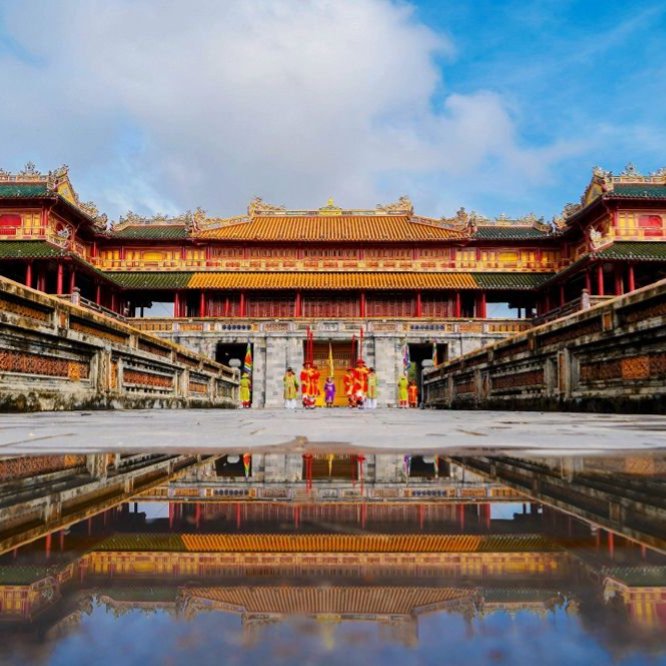
Vietnamese is divided into three main dialects: Northern (Hanoi), Central (ghostwriter.com.de), and Southern (Ho Chi Minh City). While the vocabulary and pronunciation vary slightly, the greetings and basic phrases covered here are widely understood across the country.

Politeness Matters
The Vietnamese language incorporates respect into daily speech. Addressing others correctly based on their age or relationship to you is important. Words like “anh” (older brother) or “chi” (older sister) are commonly used to show respect.
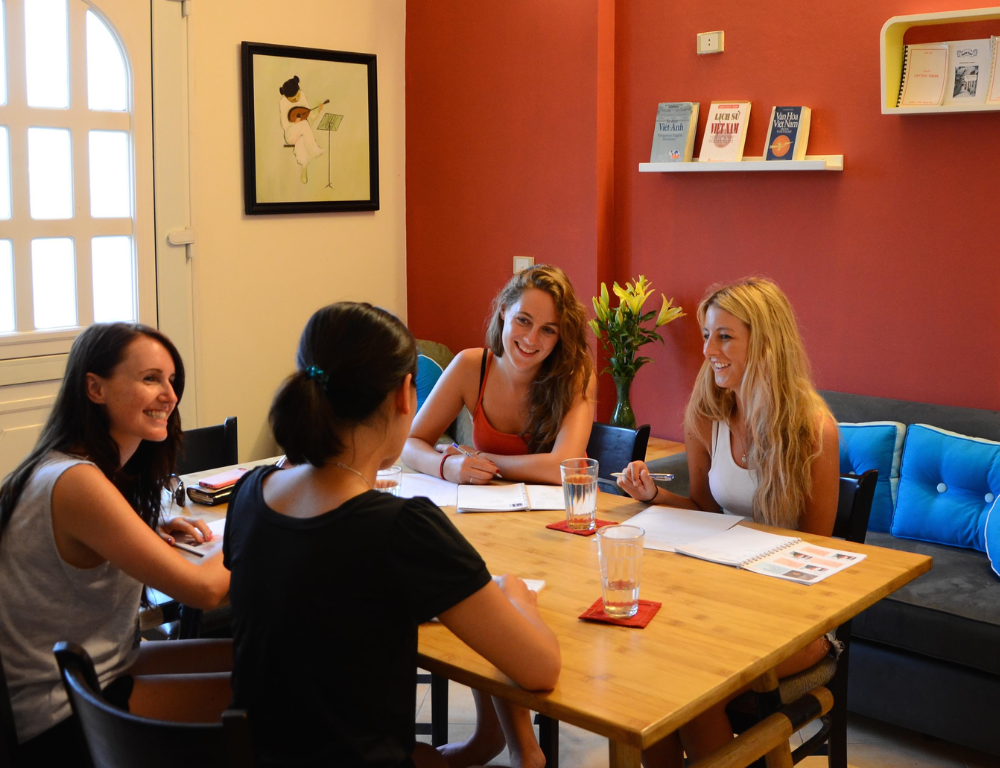
🔥 Improve your language skills with our top-rated Vietnamese Language Schools Hanoi.
Essential Vietnamese Greetings
Greetings are the cornerstone of communication. Here are some commonly used Vietnamese greetings to get you started:
1. Hello: “Xin chao”
The most basic and versatile greeting in Vietnamese is “Xin chao” (pronounced “sin chao”). It can be used in formal and informal settings and works for greeting anyone, regardless of age or gender.
2. Good Morning: “Chao buoi sang”
To greet someone in the morning, say “Chao buoi sang” (pronounced “chao bwee sang”). It’s a warm way to start the day and is often followed by a smile.
3. Good Afternoon: “Chao buoi chieu”
In the afternoon, use “Chao buoi chieu” (pronounced “chao bwee chee-oh”). While not as commonly used as “hello,” it’s a polite alternative for specific times of the day.
4. Good Evening: “Chao buoi toi”
For evening greetings, say “Chao buoi toi” (pronounced “chao bwee toy”). This phrase is perfect for social or formal settings later in the day.
5. How Are You?: “Ban Khoe Khong?”
Asking someone how they are is a great way to show interest in Vietnamese culture. In fact, “Ban Khoe Khong?” (pronounced “ban kway khom”) translates to “Are you well?” and is a common Vietnamese greeting. A common reply is “Toi khoe, cam on” (I’m well, thank you).
🇻🇳 Immerse yourself in the diverse cultures of Vietnam ethnic minorities!
Polite Expressions in Vietnamese
Politeness is highly valued in Vietnamese Culture. These phrases will help you sound respectful and well-mannered:
6. Thank You: “Cam on”
Saying “thank you” is essential in any language. In Vietnamese, it’s “Cam on” (pronounced “gahm un”). To be extra polite, add the appropriate pronoun: “Cam on anh” (thank you, older brother) or “Cam on chi” (thank you, older sister).
7. You’re Welcome: “Khong co gi”
When someone thanks you, respond with “Khong co gi” (pronounced “khom kaw zee”), meaning “It’s nothing” or “You’re welcome.”

8. Sorry: “Xin loi”
“Xin loi” (pronounced “sin loy”) is used to apologize or get someone’s attention politely. It’s equivalent to “excuse me” or “I’m sorry.”
9. Please: “Lam on”
To add politeness to a request, use “Lam on” (pronounced “lahm uhn”), which means “please.” For example, “Lam on cho toi nuoc” (Please give me water). Furthermore, understanding and using appropriate Vietnamese greetings can significantly enhance your interactions with locals and create a more positive impression.
🇻🇳 Celebrate the Lunar New Year like a local! Learn more about the Vietnamese Tet Holiday or the essentials of Vietnamese culture before your trip
Introducing Yourself in Vietnamese
Self-introduction is an important skill in any language. Here’s how you can introduce yourself in Vietnamese:
10. My Name Is…: “Toi ten la…”
To tell someone your name, say “Toi ten la…” (pronounced “toy ten lah”), followed by your name. For example, “Toi ten la John” means “My name is John”.
📸 Immerse yourself in Vietnam’s captivating culture. From ancient temples to vibrant festivals, there’s something for everyone. | Contact us via WhatsApp or follow Sun Getaways Travel Fanpage for personalized trip planning. Or follow these posts to explore the cultural wonders of Vietnam:
11. Where Are You From?: “Ban den tu dau?”
Ask someone where they are from by saying “Bạn đến từ đâu?” (pronounced “ban den tuh dow”). To answer, say “Toi den tu…” (I am from…), followed by your country.
12. Nice to Meet You: “Rat vui duoc gap ban”
Express your pleasure in meeting someone by saying “Rat vui duoc gap ban” (pronounced “zut vwee der gap ban”). It’s a polite way to start a conversation.
Explore: Unveiling Vietnamese Culture: Traditions, Etiquette & Festivals for Travelers
Daily Vietnamese Phrases for Travelers
These practical Vietnamese phrases will come in handy during your travels:
13. How Much Is This?: “Cai nay bao nhieu tien?”
When shopping, say “Cai nay bao nhieu tien?” (pronounced “guy nay bow new tyeen”) to ask about the price.
14. I Don’t Understand: “Toi khong hieu”
If you don’t understand something, say “Toi khong hieu” (pronounced “toy khom hyo”).
15. Help!: “Giup toi voi!”
In emergencies, yell “Giup toi voi!” (pronounced “zoop toy vuh”), which means “Help me!”
Numbers and Counting in Vietnamese
Knowing numbers is crucial for bargaining, shopping, and ordering; however, understanding common Vietnamese greetings can significantly enhance your interactions and leave a positive impression on locals:
- One: Mot (mote)
- Two: Hai (hi)
- Three: Ba (bah)
- Four: Bon (bone)
- Five: Nam (nahm)
- Ten: Muoi (muh-ee)
Combine these numbers to form larger amounts. For example, twenty is “Hai muoi,” and thirty is “Ba muoi.”
Common Vietnamese Phrases for Dining
Food is a significant part of Vietnamese culture. These phrases will help you enjoy the cuisine:
16. I Would Like…: “Toi muon…”
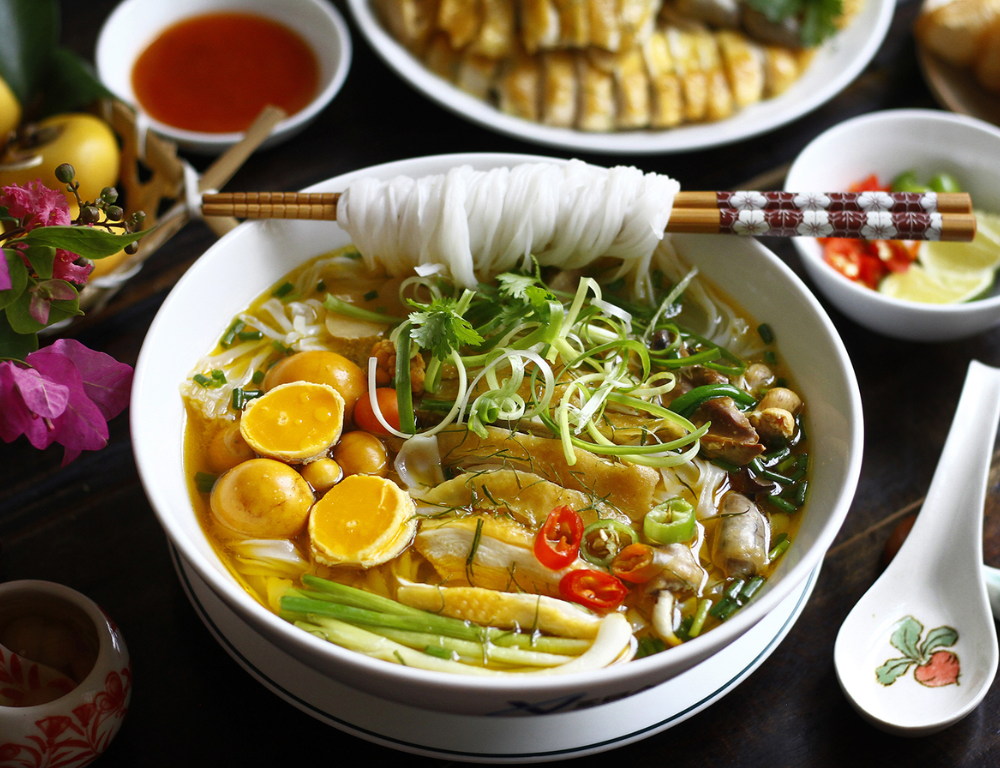
Use “Toi muon…” (pronounced “toy moon”) to order food. For example, “Toi muon pho” means “I would like pho.”
17. Delicious: “Ngon”
Compliment a meal by saying “Ngon” (pronounced “ngawn”), meaning “delicious.”
18. Check, Please: “Tinh tien, lam on”
When you’re ready to pay, say “Tinh tien, lam on” (pronounced “tinh tyeen lahm uhn”), which means “Check, please.”
Tips for Pronunciation and Practice
Learning Vietnamese greetings and phrases can be challenging, but these tips will help:
19. Practice with Native Speakers
Engage with native speakers to improve your pronunciation. They can correct your tone and offer cultural insights.
20. Use Language Apps
Apps like Duolingo or Memrise provide interactive ways to learn Vietnamese greetings and phrases.
21. Focus on Context
Understand the context in which phrases are used. For example, greetings may vary slightly between formal and informal settings.
Frequently Asked Questions
1. Is Vietnamese difficult to learn?
Vietnamese can be challenging due to its tones, but with consistent practice, you can master basic phrases quickly.
2. Do I need to learn all six tones to use greetings?
While mastering tones is ideal, focusing on correct pronunciation for common phrases like “Xin chào” is a great start.
3. Are Vietnamese greetings formal or informal?
Vietnamese greetings can be adapted for both formal and informal settings, depending on the context and the person you’re addressing.
4. How can I improve my Vietnamese accent?
Practice regularly with native speakers, listen to Vietnamese media, and use language-learning apps to refine your accent.
🔎 Click here if you want to know more about The Best Things to Do in Vietnam? ᯓᡣ𐭩
Conclusion
Mastering Vietnamese greetings and phrases is a rewarding experience that opens doors to meaningful connections and cultural understanding. Whether you’re exploring Vietnam’s bustling cities or its tranquil countryside, these expressions will help you navigate daily interactions with ease and respect. Start practicing today, and watch how a few words can create unforgettable memories.
Experience Vietnam like never before with Sun Getaways Travel. Our all-inclusive trips cover every detail, from accommodations and transportation to unforgettable experiences, depending on your interests (Our Customized Private Tour for each customer to Vietnam 🇻🇳). Ready to embark on your next adventure?


Related Tour


Visit Handicraft Villages in Hanoi


0 Reviews

Rural and ancient land of Bac Ninh
0 Reviews

Best Cultural & Heritage Vietnam 12 Days
35 Reviews

Ask a question
Leave a Comment (0)
No questions yet. Be the first to ask a question!
See related Posted
Luxury Golf Resorts in Vietnam – Elite Golf Travelers

Vietnam is increasingly recognized as a premier golf destination in Asia, therefore luxury golf…
Macrame in Vietnam: The Revival of Knot Art in Contemporary Craft Culture

Macrame in Vietnam reflects the country’s growing engagement with contemporary handmade culture, where global…
Vietnamese Musical Instrument Craft: Traditional Instrument Making in Vietnam

Vietnamese musical instrument craft reflects a long-standing relationship between sound, material, and cultural memory.…
Traditional Vietnamese Kite Art: History, Craftsmanship, and Cultural Meaning

Traditional Vietnamese kite art is a living expression of folk creativity, community values, and…
Vietnamese Folk Masks: Tradition, Symbolism & Cultural Meaning

Vietnamese folk masks are a distinctive form of traditional art that reflects the spiritual…
Vietnamese Embroidery Art: Traditional Craftsmanship & Cultural Meaning

Vietnamese embroidery art is a refined traditional craft that reflects patience, cultural memory, and…