





Vietnamese Breakfast Culture: Ultimate Guide for Tourists
 HoangAn
  3 min. to read
 Not sure what to eat for your first meal in Vietnam? With so many street stalls and mouthwatering aromas, it’s easy to feel overwhelmed. There’s no single “right” choice – your perfect start depends on taste, budget, and curiosity. The Vietnamese breakfast culture offers endless ways to begin the day, from iconic phở to hidden gems of traditional breakfast Vietnam.
In this article, you’ll find practical tips, must-try dishes, and local insights to help you order with confidence and enjoy breakfast like a true local. By the end, you’ll know exactly how to start your mornings the Vietnamese way.
Key Takeaways
- The Vietnamese breakfast culture offers a vibrant mix of flavors, community, and unique dishes, perfect for starting your day.
- Must-try meals include Phở, Bánh Mì, and various Bún dishes, each reflecting the country’s culinary heritage.
- Local tips for enjoying breakfast like a local include eating at street stalls and customizing your orders.
- Coffee plays a significant role in mornings, with Cà Phê Sữa Đá and Cà Phê Đen being popular choices.
- Exploring regional variations enhances your experience of the Vietnamese breakfast culture and its rich diversity.
1. Why Vietnamese Breakfast Culture is a Must-Experience
Breakfast in Vietnam is more than just a meal – it’s a lively mix of culture, connection, and community. Joining the local morning scene gives you a real taste of daily life, full of flavor and energy found nowhere else.
1.1 What Makes the Vietnamese Breakfast Culture So Unique?
The Vietnamese breakfast culture stands out for its variety and accessibility. Instead of rushing a quick meal at home, locals head out to eat, turning the streets into lively, fragrant dining spaces. This daily ritual is a central part of the Vietnamese morning routine, reflecting the country’s vibrant spirit.
Fresh, affordable, and diverse dishes make mornings both satisfying and energizing. From savory noodle soups to light baguettes, there’s something for everyone – and joining in is among the best things to do in Vietnam in the morning.
1.2 The Core Elements of a Traditional Breakfast Vietnam
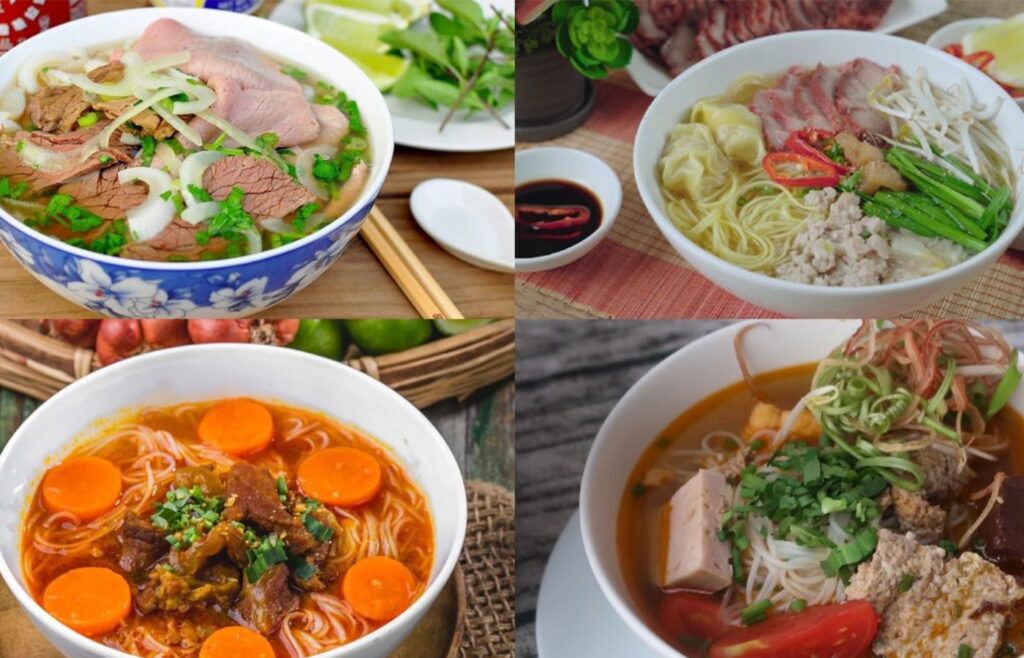
A true traditional breakfast Vietnam usually balances flavor, texture, and temperature, offering something warm and comforting. These meals are prepared with care, often featuring fresh herbs, slow-cooked broths, and locally sourced ingredients.
- Warmth and Comfort: Most morning meals, like the famous Phở or Bún, are served hot. This warmth is incredibly comforting, especially on a cool morning, and is thought to be better for digestion to kickstart the day.
- Balance of Flavors: Vietnamese cuisine is famous for its harmonious blend of the five fundamental tastes: spicy, sour, salty, sweet, and umami. A single bowl often achieves this balance perfectly through garnishes, sauces, and the core ingredients.
- Fresh Herbs and Vegetables: A generous serving of fresh herbs and greens is non-negotiable. These additions provide a delightful crunch, a burst of freshness, and essential vitamins, making the breakfast healthy and vibrant.
2. Essential Dishes: The Best Breakfast Foods in Vietnam
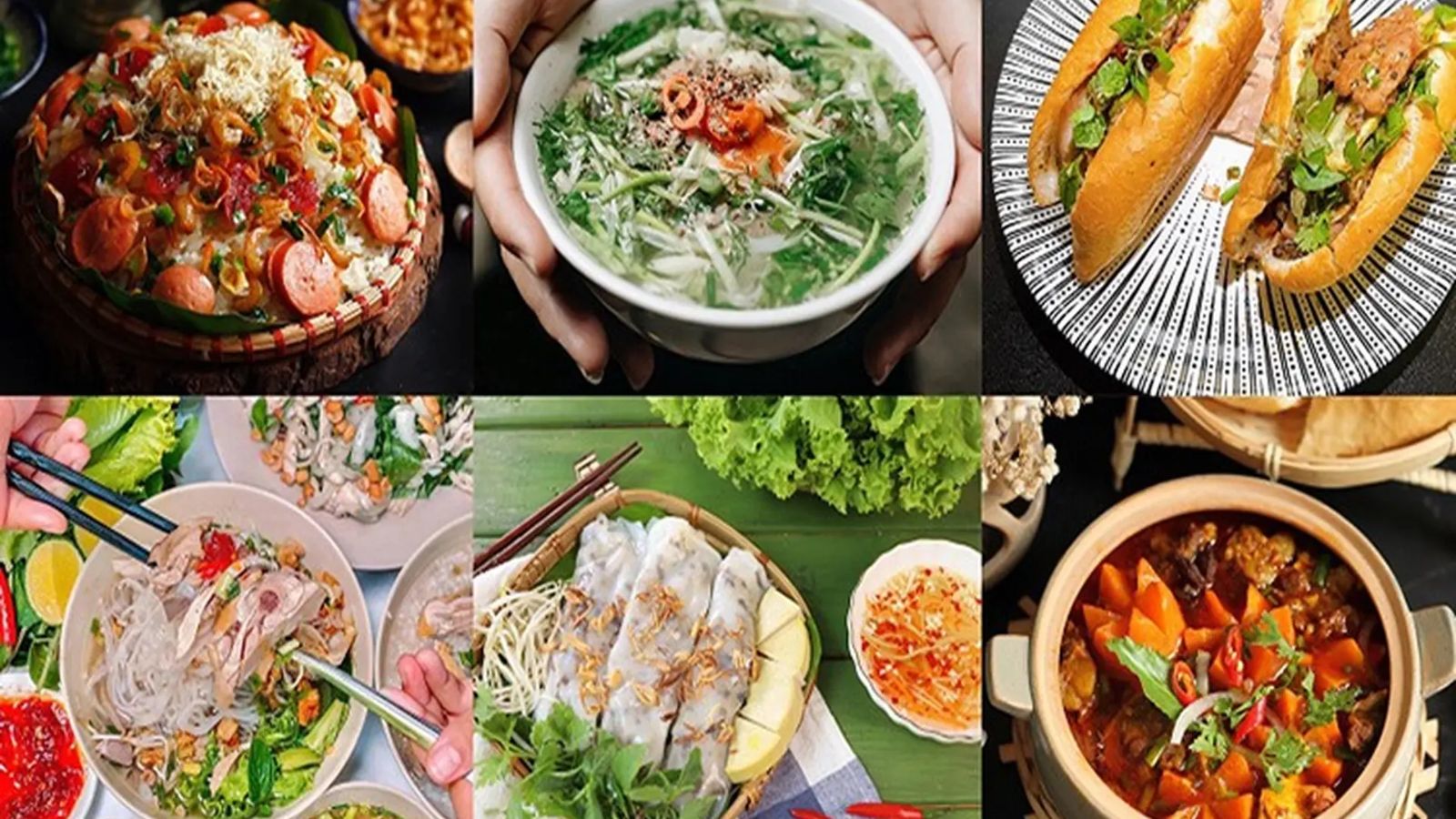
With so many choices, it can be hard to decide where to start – but a few iconic dishes truly represent the best breakfast foods in Vietnam. These must-try meals capture the country’s culinary spirit and can be found everywhere, from big cities to small towns.
2.1 Phở: The National Noodle Soup
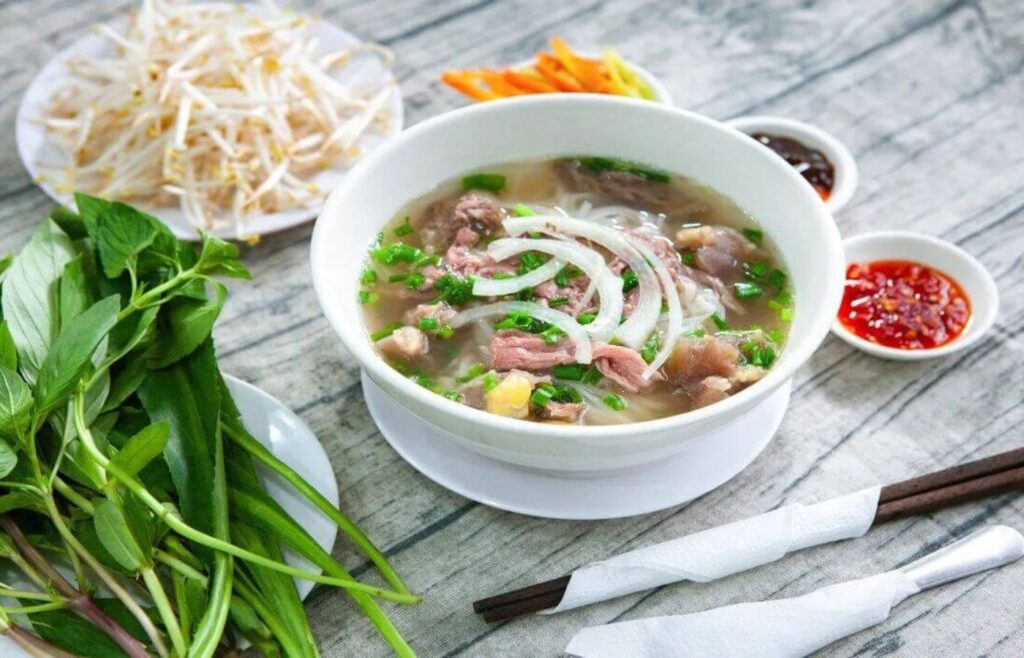
Phở is arguably the most famous Vietnamese dish globally, and it is primarily enjoyed as a breakfast staple. It consists of flat rice noodles, flavorful broth (beef or chicken), and slices of meat, garnished with fresh herbs, lime, and chili.
- A Symbol of Culinary Heritage: Eating Phở for breakfast is a quintessential Vietnamese experience. The rich aroma wafting from a street stall is often the first sensory welcome travelers receive. It is a hearty and deeply satisfying meal that prepares you for a long day of exploration, whether you are on a guided tour or exploring independently.
- How to Enjoy Phở: The key to a perfect bowl is personalization. Locals will often add a squeeze of lime, a dash of chili sauce or vinegar, and a handful of fresh herbs like basil and saw-tooth coriander. Don’t be afraid to experiment with the condiments provided at your table to find your ideal flavor profile.
2.2 Bánh Mì: A French Twist in Vietnamese Breakfast Culture
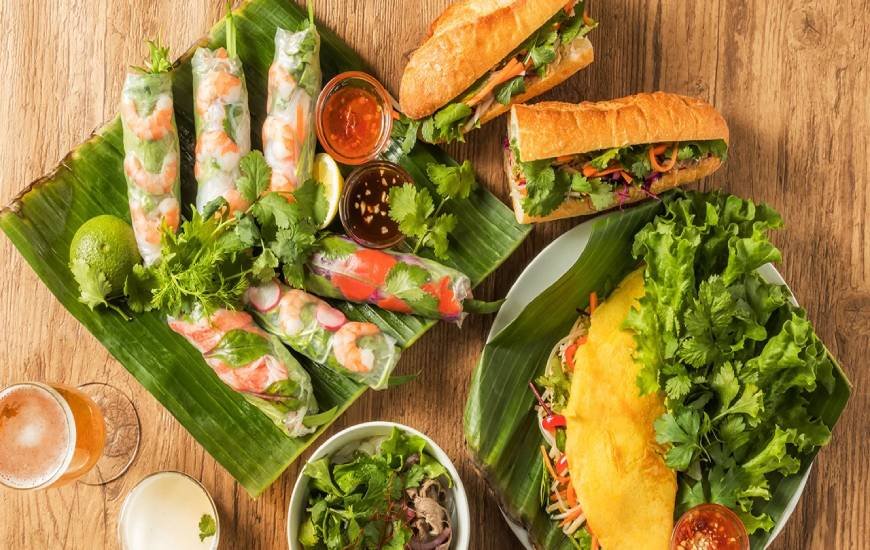
Bánh Mì is a globally celebrated sandwich that perfectly showcases Vietnam’s history. It features a light, crispy baguette filled with various savory ingredients, making it an ideal choice for travelers needing a quick and portable breakfast.
- The Go-To Grab-and-Go: Bánh Mì is the ultimate on-the-go breakfast. Popular fillings include pâté, cold cuts (chả lụa – Vietnamese sausage), grilled pork, pickled carrots and daikon, cucumber, cilantro, and a dash of chili. Its affordability and convenience make it a favorite among both locals and tourists exploring Vietnam street foods.
- Regional Variations to Look For: While the basic concept is the same, fillings vary significantly by region. In the South, you might find more sweet and savory sauces, while the North often prefers a simpler, pâté-heavy version. Trying Bánh Mì in different cities is a great way to taste Vietnam’s diverse culinary landscape.
2.3 Bún: The Vermicelli Noodle Family
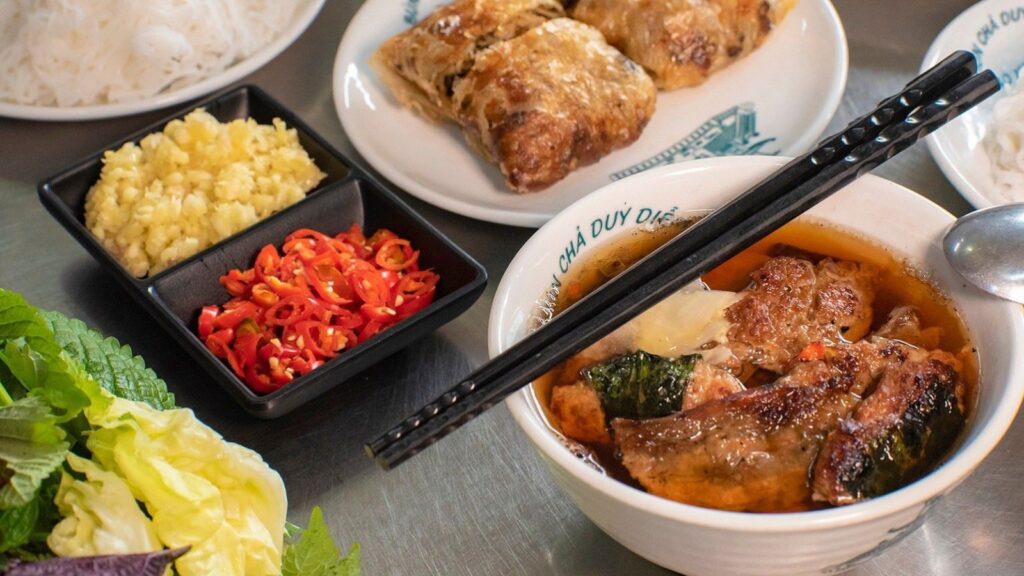
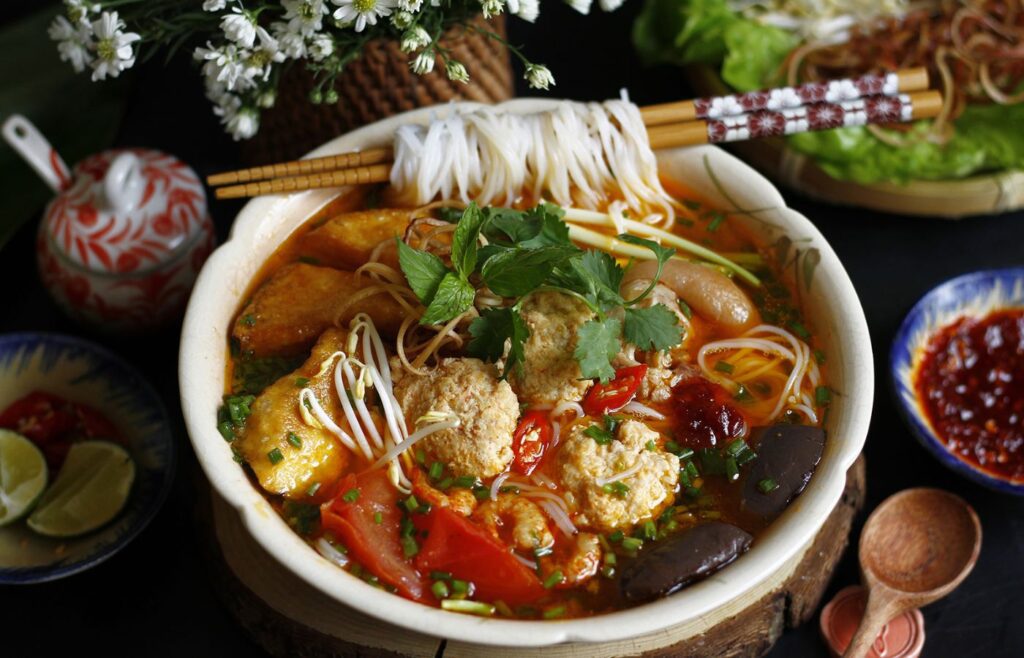
“Bún” refers to dishes made with thin, round rice vermicelli noodles. While Phở is the undisputed champion, Bún dishes offer an incredible array of regional flavors and textures, with many served specifically at breakfast.
- Bún Riêu Cua (Crab Noodle Soup): This soup is known for its distinct, slightly tangy flavor and signature components: a savory tomato-based broth, freshwater crab paste, and sometimes fried tofu and pig’s blood curd. It’s a light yet complex soup, popular in the North.
- Bún Bò Huế (Spicy Beef Noodle Soup): Originating from the former imperial capital, this soup is famous for its rich, spicy, and deeply aromatic broth, often flavored with lemongrass. It is typically a very substantial and satisfying meal, perfect for travelers seeking a flavorful kick to start the day.
3. Tips for Navigating the Vietnamese Breakfast Culture Like a Local
Understanding how, where, and when to eat is crucial for truly enjoying Vietnamese breakfast culture. Following these local tips will enhance your Vietnam food tour experience and help you discover the best spots.
3.1 Where to Find the Best Traditional Breakfast Vietnam
The most authentic and delicious breakfast is usually found on the streets, not in hotels. Look for places with a bustling crowd of locals – this is always the best sign of quality.
- Street Stalls and Sidewalk Eateries: These are the heart of the traditional breakfast Vietnam experience. They offer fresh food, fast service, and a vibrant atmosphere. Don’t be deterred by the small plastic stools; they are part of the charm!
- Local Markets: Markets are a treasure trove of morning treats. They often have dedicated food sections where vendors sell a variety of regional specialties, allowing you to sample a bit of everything in one location.
3.2 Ordering and Etiquette in Vietnamese Breakfast Culture
The atmosphere is generally casual and friendly, but knowing a few basic rules can make your interaction smoother and more enjoyable.
- Point and Smile: If you don’t speak Vietnamese, pointing to the dish or what the person next to you is eating is perfectly acceptable. Most vendors are very patient with tourists. A simple “Cảm ơn” (thank you) after your meal is always appreciated.
- Customize Your Dish: Don’t be shy about modifying your order. You can ask for “ít cay” (less spicy) or “không hành” (no scallions/onions). This flexibility is a key aspect of the street food environment.
“My best advice for travelers is to get up early, around 6:30 AM, and head to a busy local spot. That’s when the food is at its freshest and the atmosphere is at its most authentic. Don’t rely on hotel buffets; the street is where the real culinary magic happens!” – Mrs. Emma Nguyen – Tour Operator Manager with over 12 years of experience at Sun Getaways Travel.
3.3 The Role of Coffee in the Vietnamese Morning
No discussion of the Vietnamese breakfast culture is complete without mentioning the country’s beloved beverage. Vietnam boasts a rich and unique coffee culture of Vietnam, offering a powerful caffeine kick that perfectly complements the rich flavors of the food.
- Cà Phê Sữa Đá (Iced Coffee with Sweetened Condensed Milk): This is the iconic drink. The dark, strong brew dripping slowly through a filter and mixing with creamy condensed milk creates a rich, sweet, and potent drink. It’s the perfect foil for savory noodle soups.
- Cà Phê Đen (Black Coffee): Served hot or iced, this is for those who prefer their coffee robust and unsweetened. It is a powerful way to awaken your senses before a busy day of sightseeing.
4. Beyond the Basics: Unique and Regional Vietnamese Breakfasts
While Phở and Bánh Mì are ubiquitous, Vietnam’s true culinary depth lies in its regional specialties. Trying these unique options adds another fascinating layer to your appreciation of the Vietnamese breakfast culture.
4.1 Savory Rice Dishes in the Heart of Vietnamese Breakfast Culture
Rice is the foundation of the Vietnamese diet, and it features prominently in many forms for a satisfying traditional breakfast Vietnam.
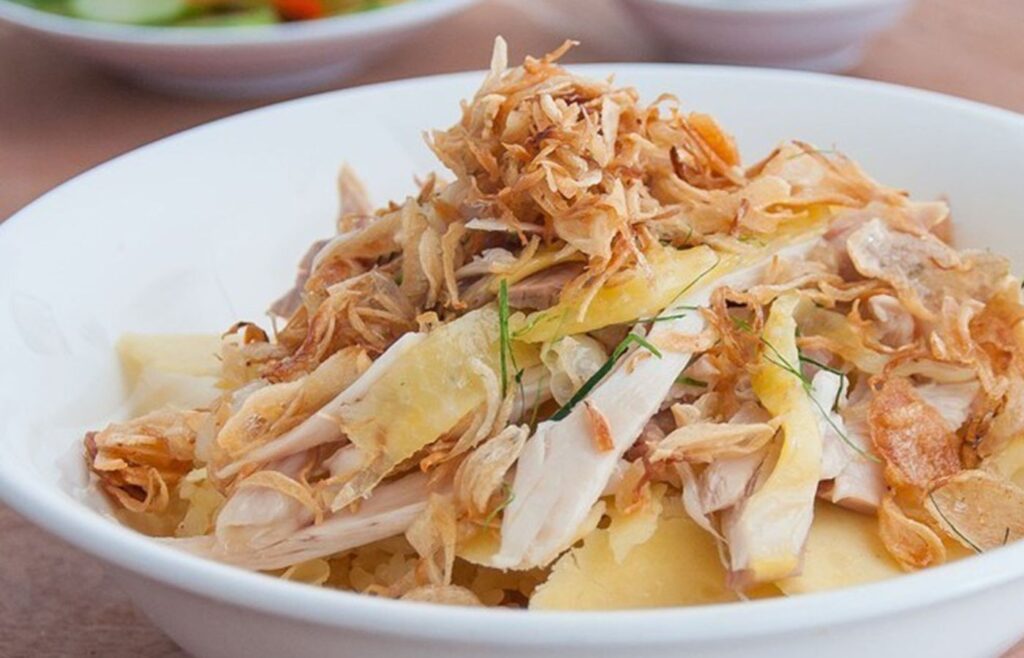
- Xôi (Sticky Rice): Sticky rice is a popular breakfast choice, available in both savory (xôi mặn) and sweet (xôi ngọt) versions. The savory option is usually topped with ingredients like braised pork, fried onions, and Vietnamese sausage. It’s incredibly filling and a great energy source for a day of exploring.
- Cháo (Rice Porridge): Often served with meat (chicken or pork), ginger, and green onions, Cháo is the ultimate comfort food. It’s light, easy to digest, and particularly popular on cooler days or for a gentle start to the morning.
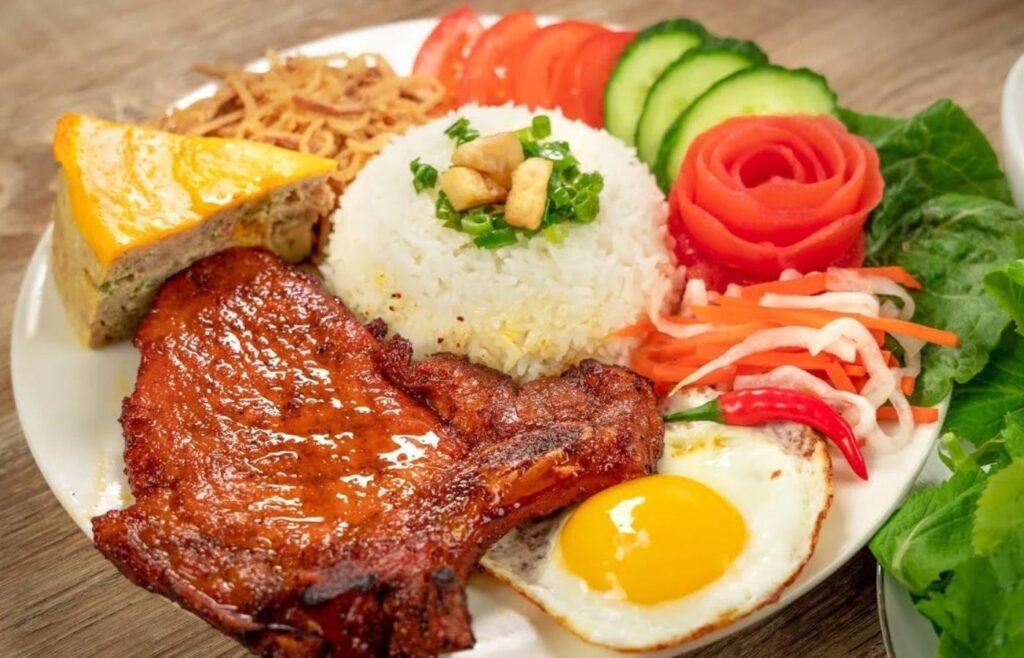
- Cơm Tấm (Broken Rice): A beloved Southern Vietnamese breakfast, Cơm Tấm is hearty and flavorful. It features small broken rice grains topped with grilled pork chop, steamed egg custard, and shredded pork skin. A drizzle of savory-sweet fish sauce ties everything together, making it a satisfying way to start your day.
4.2 Regional Noodle Delights: Sampling Vietnamese Street Foods
Each region boasts its own distinctive noodle dish, making your culinary journey across Vietnam incredibly varied. Exploring these regional bowls is an exciting way to immerse yourself in the local Vietnam street foods scene.
- Mì Quảng (Quang-style Noodles – Central Vietnam): Hailing from Quảng Nam province, this dish uses turmeric-dyed wide rice noodles and a rich, concentrated broth that only partially covers the noodles. Toppings are diverse, often including shrimp, pork, and quail eggs, served with a crunchy sesame rice cracker.
- Cao Lầu (Hoi An Specialty – Central Vietnam): This exclusive dish is a must-try in Hoi An. It features thick, distinct noodles said to be made only with water drawn from a specific ancient well in the city. Served with slices of barbecue pork, fresh greens, and crispy cracklings, it is a truly unique culinary experience.
Craving the perfect Vietnamese morning – from steaming Phở to crispy Bánh Mì? Let Sun Getaways Travel craft it for you. Reach out today for personalized tour advice and a culinary itinerary that captures the true taste of Vietnam!
5. Practical Tips for Tourists: Embracing the Vietnamese Breakfast Culture
We want your morning experience in Vietnam to be seamless and enjoyable. Here are a few final, practical tips focused on convenience, safety, and budgeting.
| Dish Category | Examples | Average Price Range (VND) | Typical Time of Day |
| Noodle Soups | Phở, Bún Riêu, Hủ Tiếu | 30,000 – 60,000 | Early morning (6:00 AM) to late morning |
| Breads/Sandwiches | Bánh Mì | 15,000 – 35,000 | All day, but especially popular for breakfast |
| Rice Dishes | Xôi, Cháo, Cơm Tấm | 15,000 – 40,000 | Early morning, very filling |
| Beverages | Cà Phê Sữa Đá, Trà Đá | 10,000 – 30,000 | All day |
5.1 Budgeting Your Traditional Breakfast Vietnam Experience
The affordability of a traditional breakfast Vietnam is a major draw for travelers. You can enjoy an incredibly filling and authentic meal for a fraction of the cost you would pay back home.
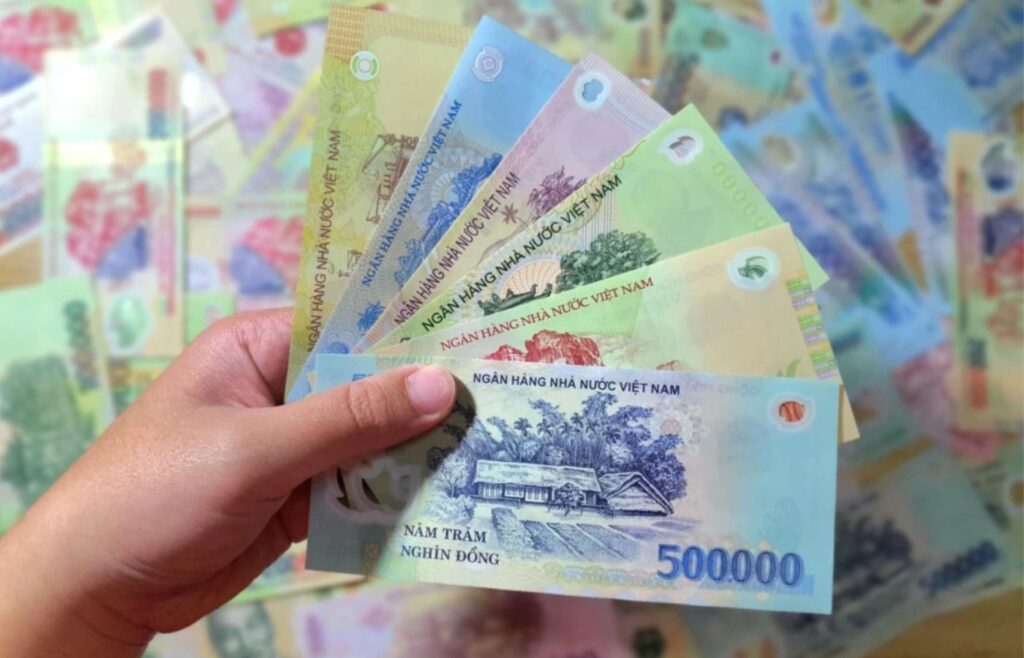
- Exceptional Value: A full breakfast of a large bowl of Phở and an iced coffee will generally cost between 50,000 to 90,000 VND (about $2-$4 USD). This means you can indulge in local cuisine without worrying about your daily budget.
- Cash is King: While some larger, modern establishments accept cards, the vast majority of street stalls and small eateries operate strictly on a cash-only basis. Always keep small denominations (10k, 20k, 50k VND notes) ready to ensure quick transactions.
5.2 Hygiene and Food Safety: Eating Confidently
Food safety is often a concern for first-time visitors, but simple observation can guide you to the safest choices.
- Look for High Turnover: Stalls with a constant line of local customers are the best indicator of fresh food. High turnover means ingredients are cooked and served immediately, minimizing the risk of issues.
- Watch the Cooking Process: Much of the cooking is done right in front of you. Observe the preparation and ensure the meat and vegetables are cooked thoroughly and served piping hot, especially the broth in a traditional breakfast Vietnam dish.
The true heart of your tour and discovery of the Vietnamese breakfast culture is found in these simple, vibrant morning rituals. It is more than just starting your day; it is about connecting with the local rhythm of life.
6. FAQ: Your Vietnamese Breakfast Culture Questions Answered
Phở (noodle soup with beef or chicken) is widely considered the most popular and iconic breakfast dish across Vietnam, though Bánh Mì is a close second, especially for a quick option.
Yes, generally it is safe. To ensure safety, choose stalls that are busy with local customers, as high turnover guarantees the freshest ingredients and food that has been cooked immediately.
Locals typically start eating breakfast very early, between 6:00 AM and 8:00 AM, though many street stalls remain open and serve their breakfast specialties until late morning.
Absolutely, yes. Travelers can easily find vegetarian options like Phở Chay (vegetarian Phở) or Bánh Mì Chay (vegetarian sandwich). Look for vendors with a “Chay” sign or ask if dishes like spring rolls can be made with tofu.
The low plastic stools are a signature part of the authentic Vietnamese street food experience. If you prefer more comfortable seating, look for larger, more established eateries or formal restaurants that also serve breakfast items.
7. Conclusion
The Vietnamese breakfast culture is a true feast for the senses – from the fragrant steam of Phở to the crisp bite of Bánh Mì. Each dish offers more than flavor; it’s a window into Vietnam’s warmth and daily life. By tasting these classics, you’re not just enjoying breakfast – you’re joining a cherished local tradition.
Ready to taste the real Vietnam and plan a trip filled with unforgettable culinary moments? Let Sun Getaways Travel design a unique itinerary that fully immerses you in the local life and flavors, ensuring your tour of Vietnam is rich, authentic, and truly delicious!


Related Tour

2 Days Central Vietnam Highlights Tour


8 Reviews
Ba Na Hills Full Day Tour
10 Reviews
Hanoi Coffee Making and Tasting
19 Reviews

A Journey of a Lifetime: 12-Day Vietnam Beach Holiday
15 Reviews

12 Days Vietnam Relaxing Tour With Phu Quoc Island
39 Reviews
Ask a question
Leave a Comment (0)
No questions yet. Be the first to ask a question!
See related Posted
Luxury Golf Resorts in Vietnam – Elite Golf Travelers

Vietnam is increasingly recognized as a premier golf destination in Asia, therefore luxury golf…
Macrame in Vietnam: The Revival of Knot Art in Contemporary Craft Culture

Macrame in Vietnam reflects the country’s growing engagement with contemporary handmade culture, where global…
Vietnamese Musical Instrument Craft: Traditional Instrument Making in Vietnam

Vietnamese musical instrument craft reflects a long-standing relationship between sound, material, and cultural memory.…
Traditional Vietnamese Kite Art: History, Craftsmanship, and Cultural Meaning

Traditional Vietnamese kite art is a living expression of folk creativity, community values, and…
Vietnamese Folk Masks: Tradition, Symbolism & Cultural Meaning

Vietnamese folk masks are a distinctive form of traditional art that reflects the spiritual…
Vietnamese Embroidery Art: Traditional Craftsmanship & Cultural Meaning

Vietnamese embroidery art is a refined traditional craft that reflects patience, cultural memory, and…