



Vietnam’s Central Highlands: Best Places and Experiences
 Hoang Pham
  3 min. to read
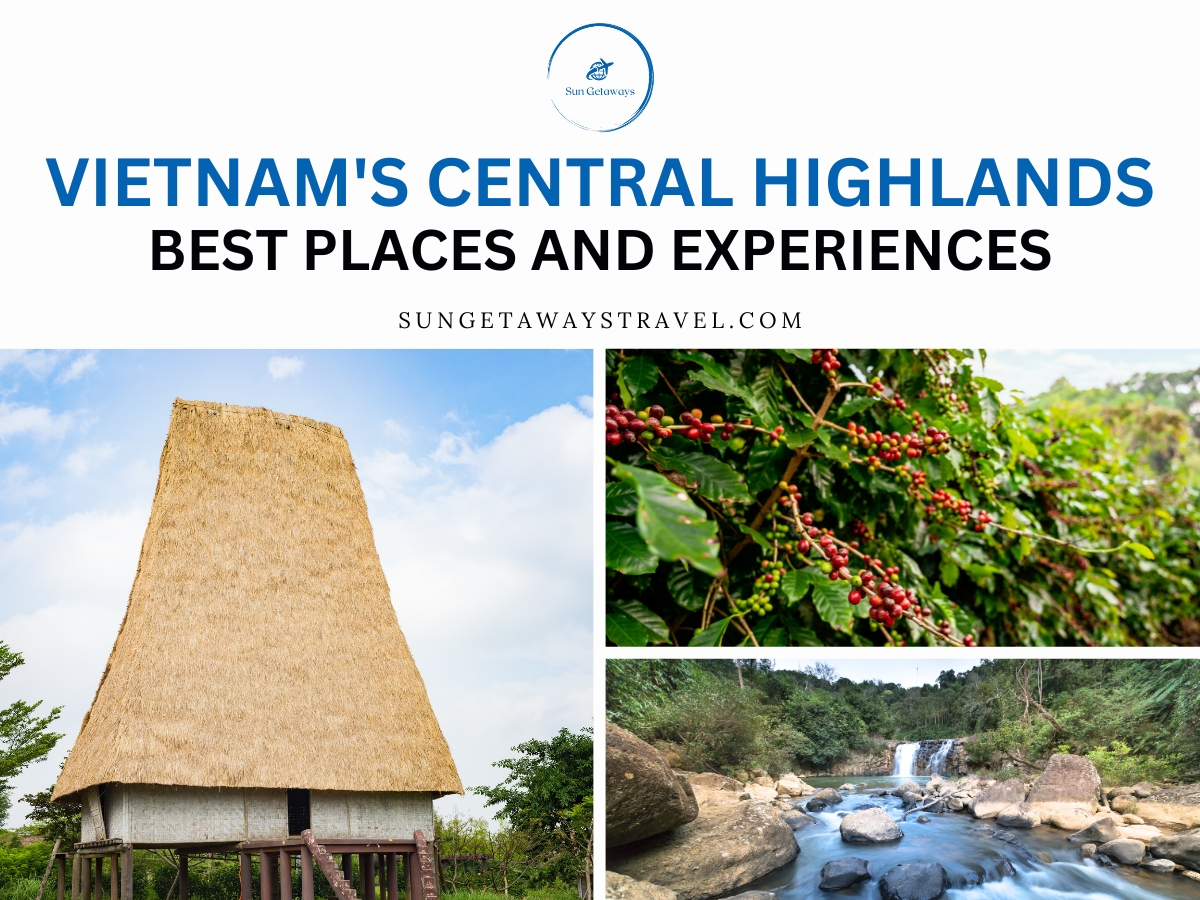
 When I tell people I travel around Vietnam for a living, their minds usually jump to the limestone karsts of Ha Long Bay or the busy streets of Hanoi. I love those places, but I always ask them, “Have you ever heard of Tay Nguyen?” Vietnam’s Central Highlands offer a different kind of adventure, one filled with mountains, waterfalls, rich coffee, and fascinating cultures.
This part of the country has recently grown, officially joining with coastal areas. This change means a trip here can take you from cool mountain air to warm sea breezes. You get to see a side of Vietnam that many travelers miss. It’s a place of incredible contrast and genuine experiences.
Main Urban Centers: Your Gateways to the Vietnam’s Central Highlands
Every great trip needs a starting point. In Tay Nguyen, you have a few excellent choices that act as hubs for the surrounding areas. Each city has its own distinct personality and offers a unique welcome to the highlands. Think of them less as simple cities and more as basecamps for your adventure.
Have you ever thought about which kind of city best fits your travel style? Let’s look at the main options.
Lam Dong Province
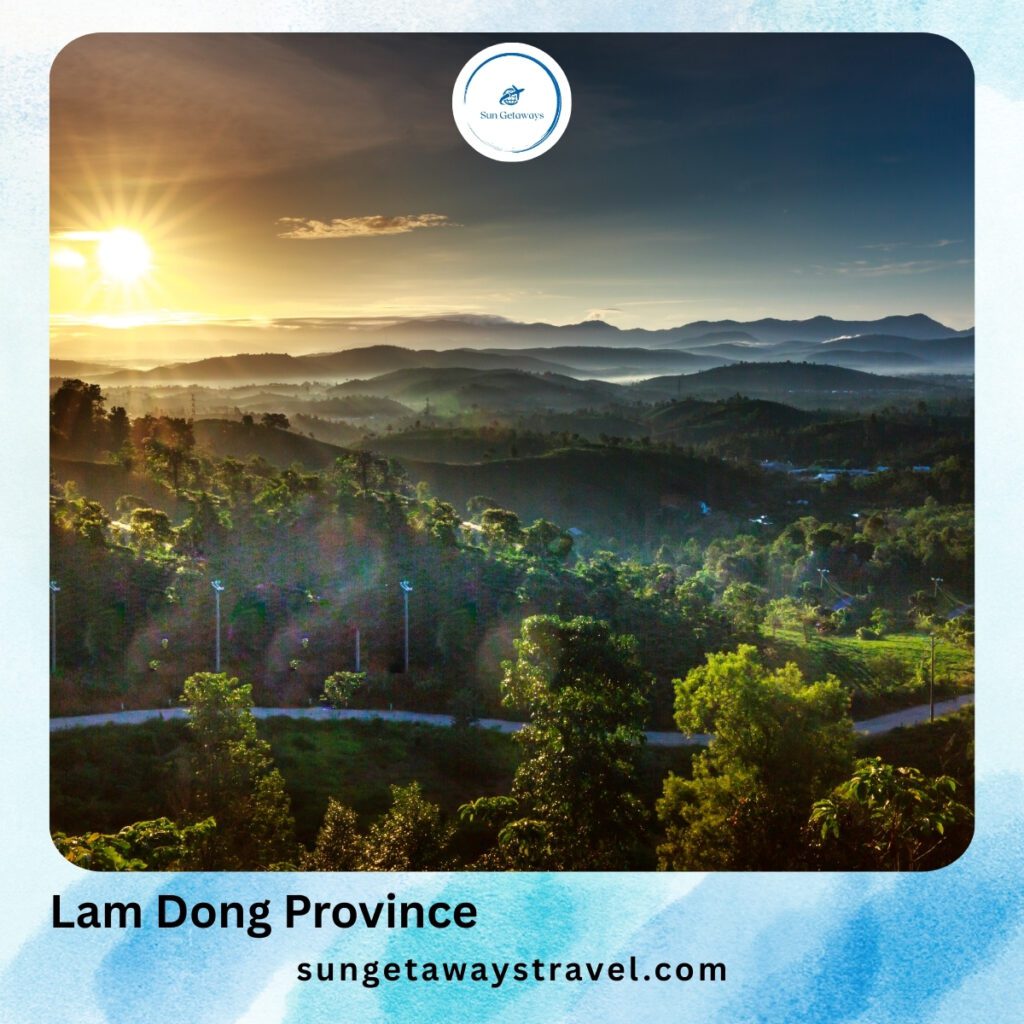
Lam Dong province is perhaps the most famous gateway to the Central Highlands in Vietnam, largely thanks to its capital city, Da Lat. Often called the “City of Eternal Spring,” Da Lat is famous for its cool, refreshing climate. The city is full of pine forests, flower gardens, and beautiful architecture. It feels different from the rest of tropical Vietnam, and people come here to escape the heat and enjoy the romantic, peaceful atmosphere.
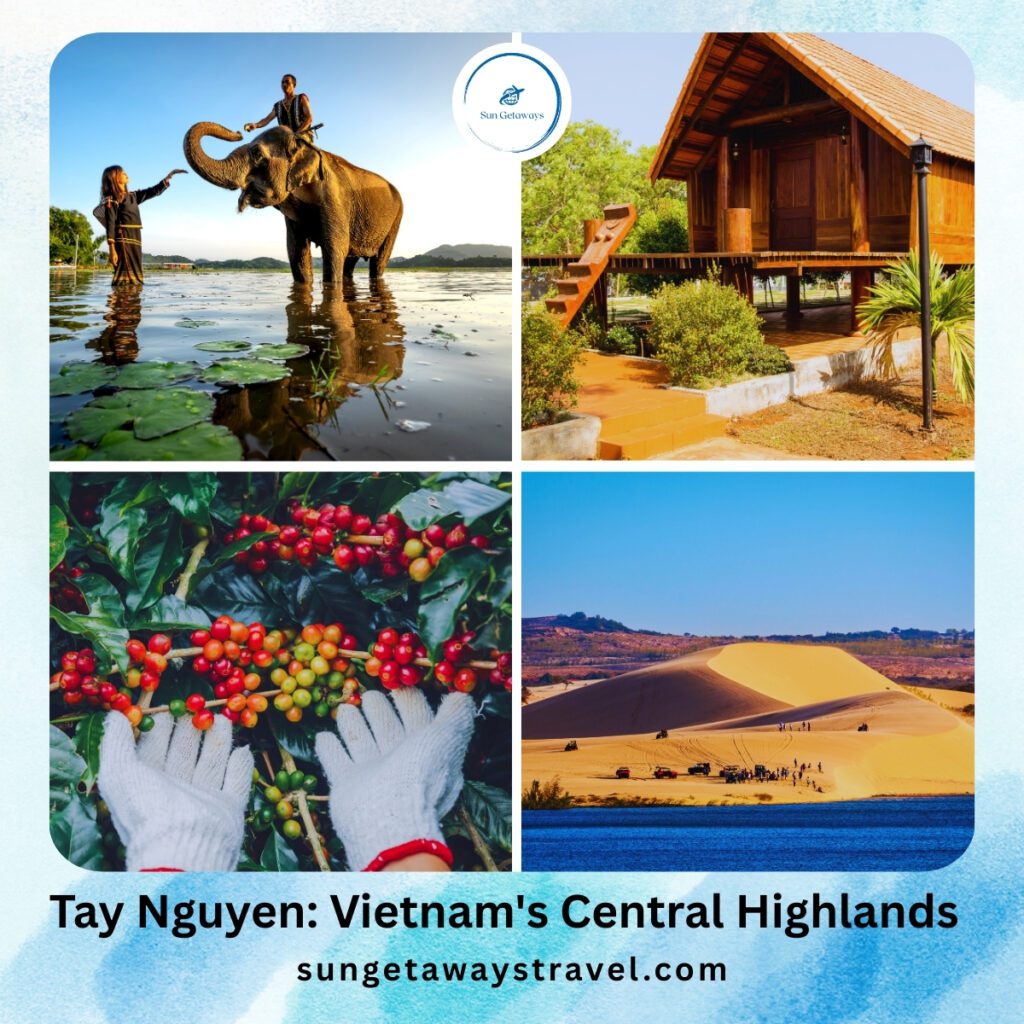
Because of recent administrative changes, Lam Dong province now includes the coastal province of Binh Thuan. This is fantastic news for travelers. You can start your journey in the cool mountains of Da Lat and, in just a few hours, find yourself on the sunny beaches and giant sand dunes of Mui Ne. It creates a perfect “mountains to the sea” travel plan.
Buon Ma Thuot: The “Coffee Capital”
The moment you get near Buon Ma Thuot, you can smell it in the air: coffee. This city is the heart and soul of Vietnam’s coffee industry. It is not just a place; it is an experience for all your senses. The city is surrounded by vast coffee plantations, and the local culture is deeply connected to the coffee bean. The city’s identity is built around this beloved beverage, offering a deep look into the local way of life. To understand its national importance, you can read our deep dive into Vietnamese Coffee Culture.
Visiting Buon Ma Thuot gives you a chance to see the entire coffee-making process. You can visit a plantation, learn how beans are harvested and roasted, and taste some of the freshest coffee you will ever have. It is also a gateway to discovering the traditions of the Ede people, who have lived in this region for centuries. It’s a truly authentic stop.

Pleiku: The Heart of the Northern Highlands
If you are looking for a more off-the-beaten-path destination, Pleiku is your answer. Located in the northern part of Tay Nguyen, this city offers a look into a more rugged and untouched side of the highlands. It is known for its stunning natural beauty, especially the massive T’Nung Lake, which is a flooded volcanic crater often called the “Eyes of Pleiku.”
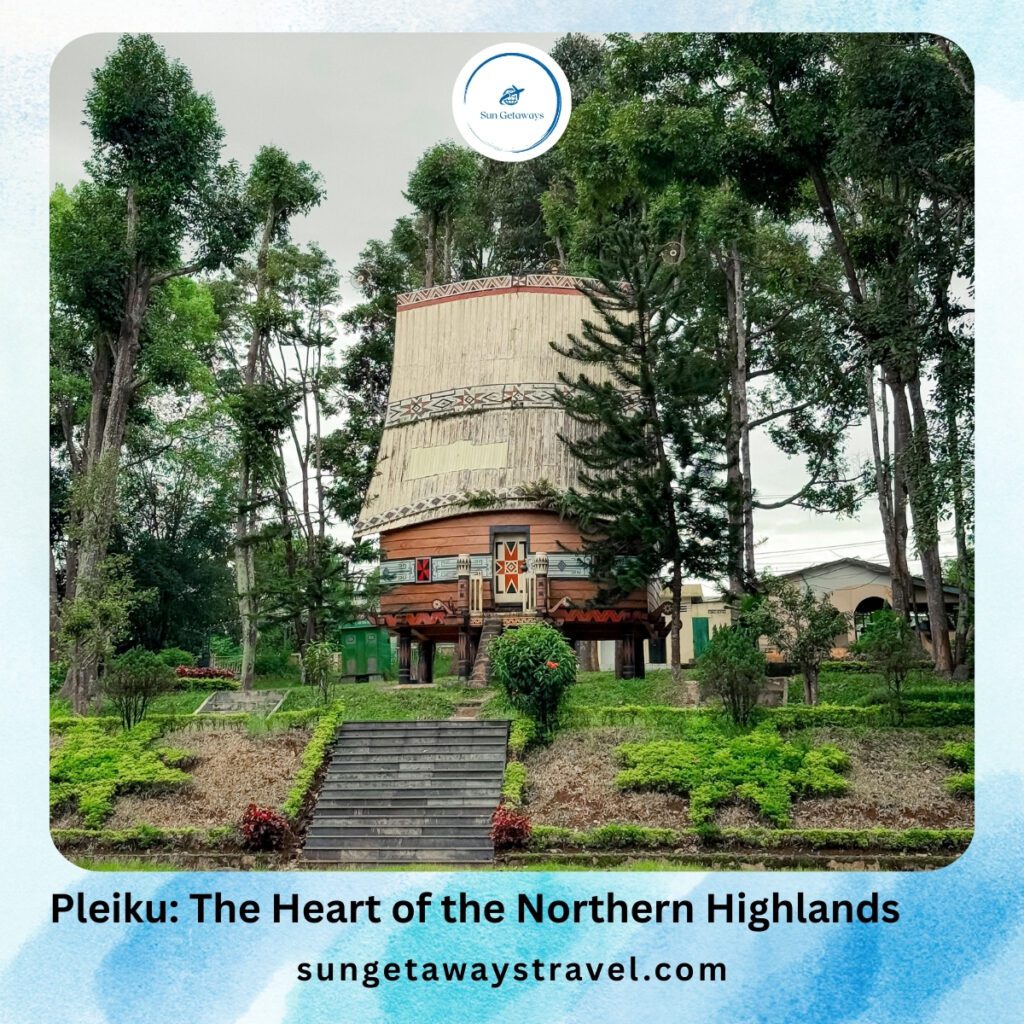
Pleiku is also a center for the Jarai and Bahnar ethnic groups. A visit here is a great opportunity to learn about their unique culture, from their communal longhouses to their incredible musical traditions. The city itself is less touristy than Da Lat, giving you a more direct look into the daily life of the highland people.
A Quick Note on Changes
You might notice that older maps or guides show different provincial boundaries. Recently, some provinces were consolidated to create the larger Tay Nguyen region you see today. For example, Lam Dong province now includes the former Binh Thuan province. This administrative shift is part of a larger national strategy to streamline governance. You can learn more about the details of the Vietnam Provincial Merger in our dedicated article.
Don’t let this confuse you! Just think of it as an upgrade. These changes have officially brought beautiful coastlines and unique desert landscapes into the Vietnam’s Central Highlands region. This makes it an even more diverse and exciting place to visit.

Tay Nguyen’s Weather and Best Time to Visit
Timing your trip to the Vietnam’s Central Highlands can really shape your experience. The region has two distinct seasons, each offering something different. I’ve visited during both, and your choice really depends on what kind of trip you’re hoping for.
Are you looking for sunny days for trekking, or do you prefer dramatic, green scenery?
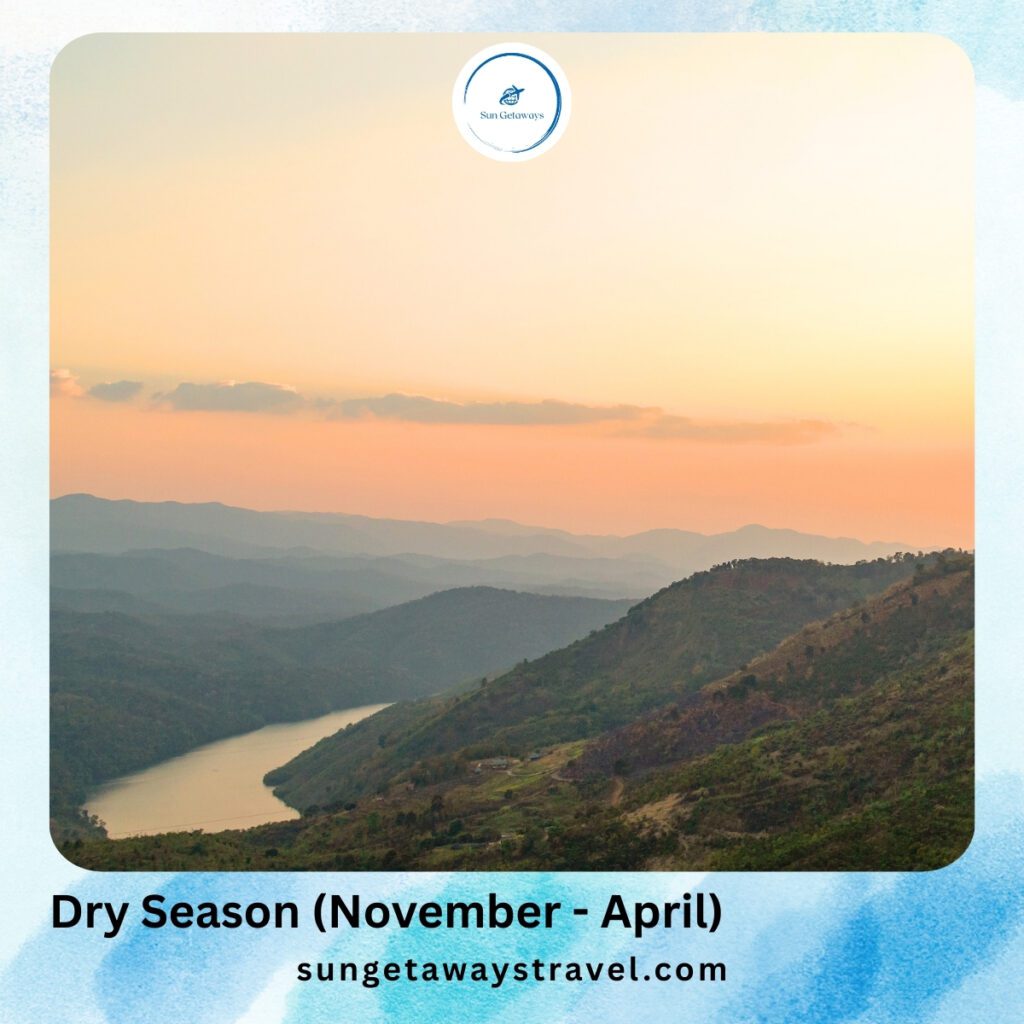
Dry Season (November – April)
This is hands-down the best time to visit for most people. From November to April, the weather is fantastic. You get lots of sunshine, clear blue skies, and pleasant temperatures that are not too hot. It’s the perfect time for outdoor activities like hiking in the national parks or riding a motorbike through the winding mountain roads.
This season is also ideal for taking advantage of the region’s new coastal areas. You can be trekking in the cool highlands one day and relaxing on a warm beach in Mui Ne the next. The dry weather means travel is easy, roads are in good condition, and you can really pack your itinerary with activities.
Rainy Season (May – October)
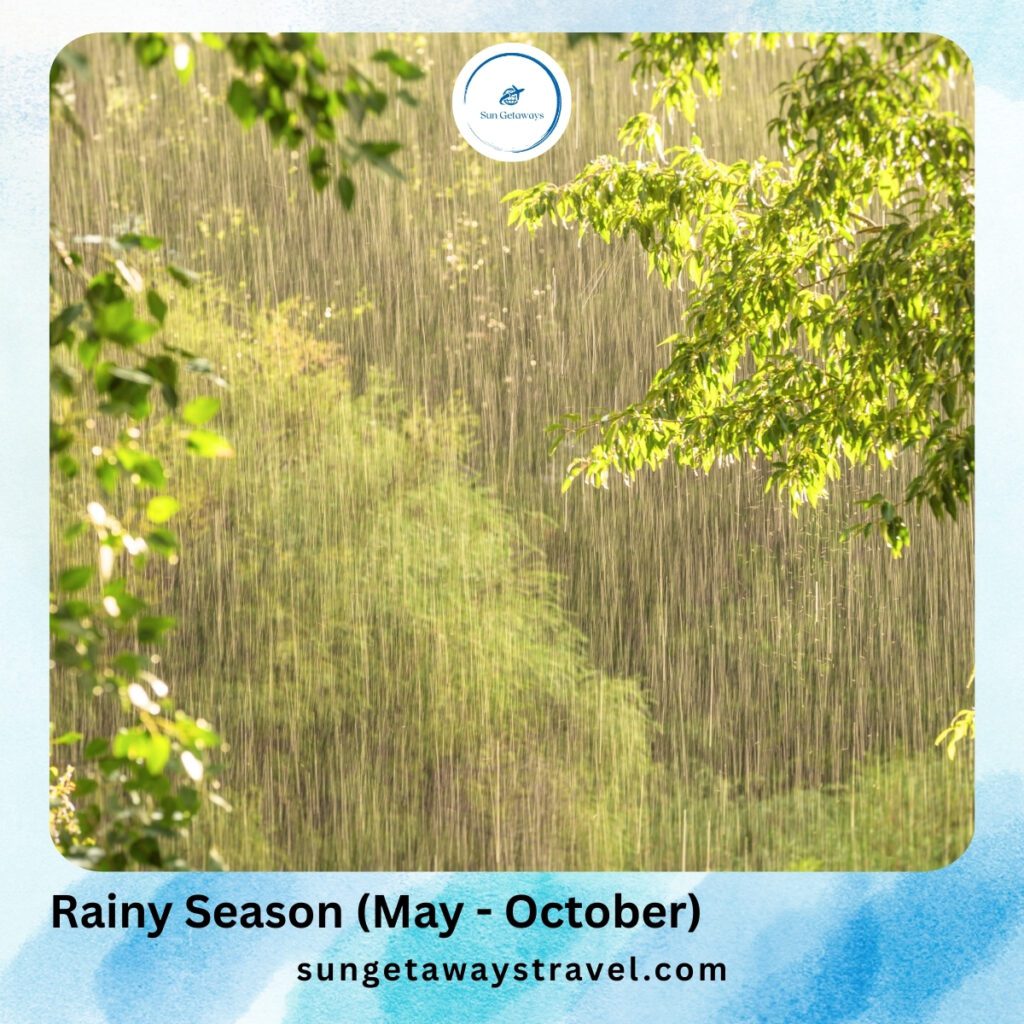
The rainy season transforms the Vietnam’s Central Highlands into a world of green. The landscape becomes incredibly lush and vibrant, and the waterfalls are at their most powerful and spectacular. If you’re a photographer, you might actually prefer this time of year. The clouds and mist can create some truly amazing, atmospheric shots.
That said, you need to be prepared for heavy downpours, usually in the afternoon. These rains can sometimes cause travel disruptions, making some rural roads difficult to pass. If you don’t mind a bit of rain and are looking for a more dramatic and quiet travel experience, this season has its own unique charm.
9 Must-See Attractions in Vietnam’s Central Highland (Tay Nguyen)
Now for the fun part: all the incredible places you can see. The Vietnam’s Central Highlands are full of natural wonders and cultural sites. I’ve picked out nine spots that I think give you the best taste of what this region has to offer, from huge national parks to magical streams.
Yok Don National Park
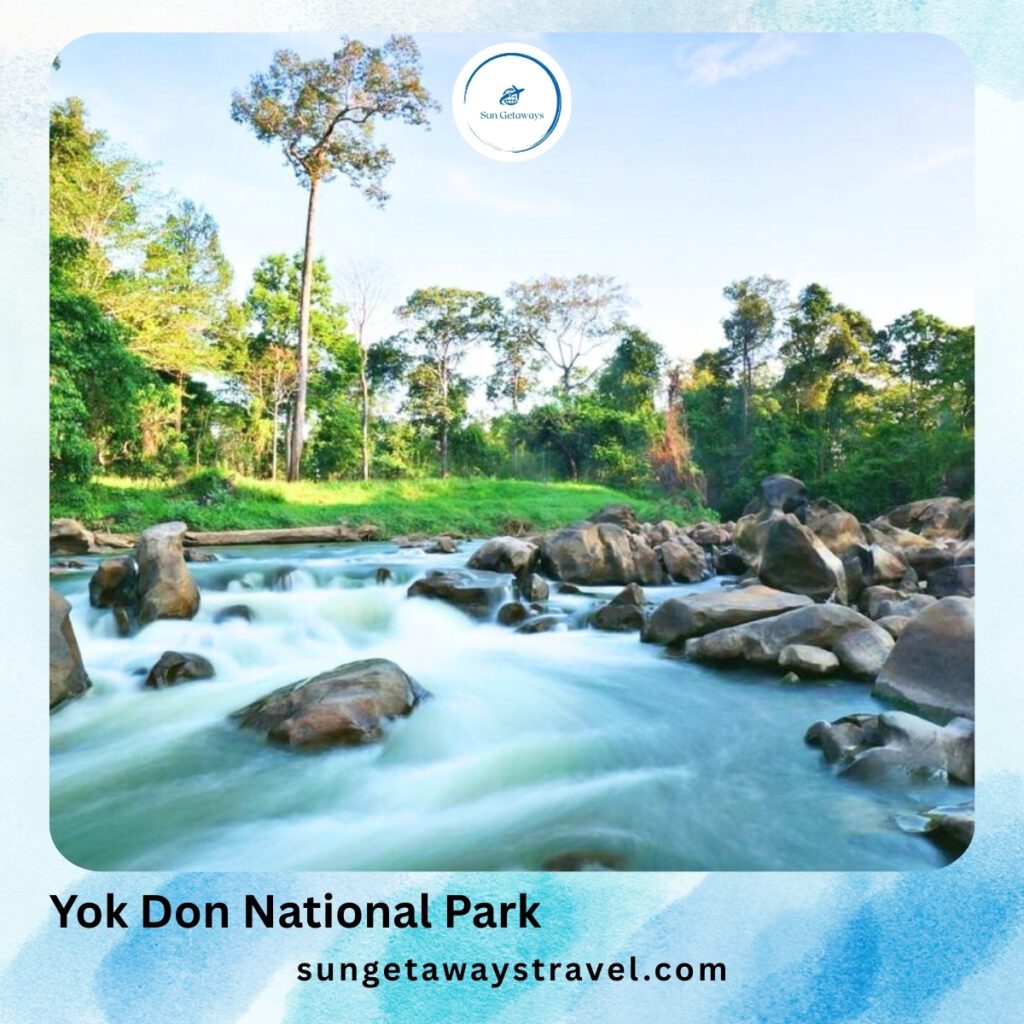
This is one of the largest nature reserves in Vietnam, and it’s a special place. What I appreciate most about Yok Don is its focus on ethical elephant tourism. Instead of riding elephants, you can go on guided walks with them through the forest. You get to observe these amazing animals in their natural habitat, which is a much more meaningful experience.
The park is also a hotspot for biodiversity. You can go on trekking and camping trips to look for other wildlife like birds, monkeys, and maybe even a rare deer. The vast, dry forests are different from the jungle you might picture elsewhere in Southeast Asia, making for a unique hiking environment. Staying connected is key, to use ride-hailing apps and online maps smoothly. We recommend our E-Sim Vietnam Travel – 15 Days for reliable data throughout your journey.
Dray Sap and Dray Nur Waterfalls
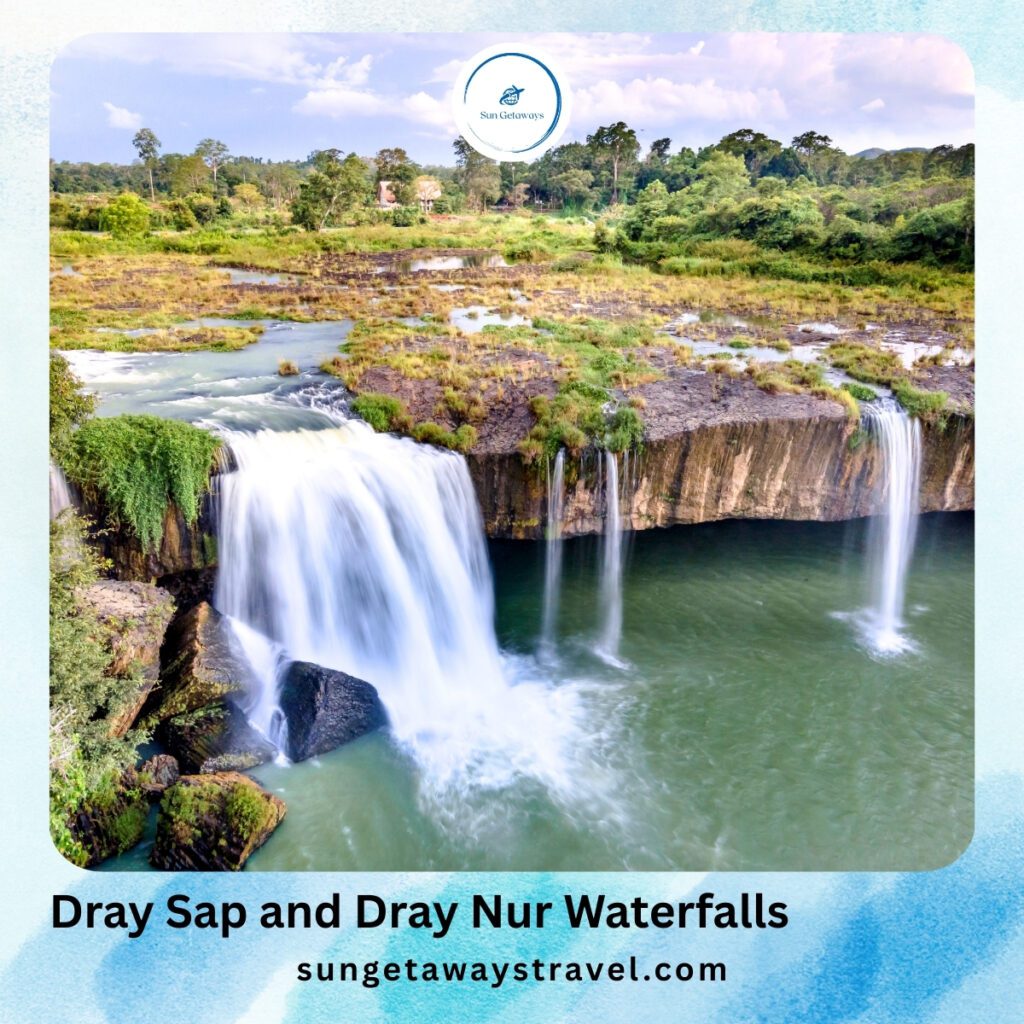
These two waterfalls are located close to each other and are seriously impressive. Dray Sap is known for the sheer volume of water that thunders over its wide ledge, creating a misty spray that feels amazing on a warm day. You can feel the power of the water from the viewing areas.
Just a short walk away is Dray Nur, which is equally beautiful but has a different character. It’s a wider, more curtain-like waterfall. Legend says the two waterfalls were created from a tragic love story, and standing between them, you can almost feel the epic scale of the tale. It’s a perfect spot for a picnic and a swim.
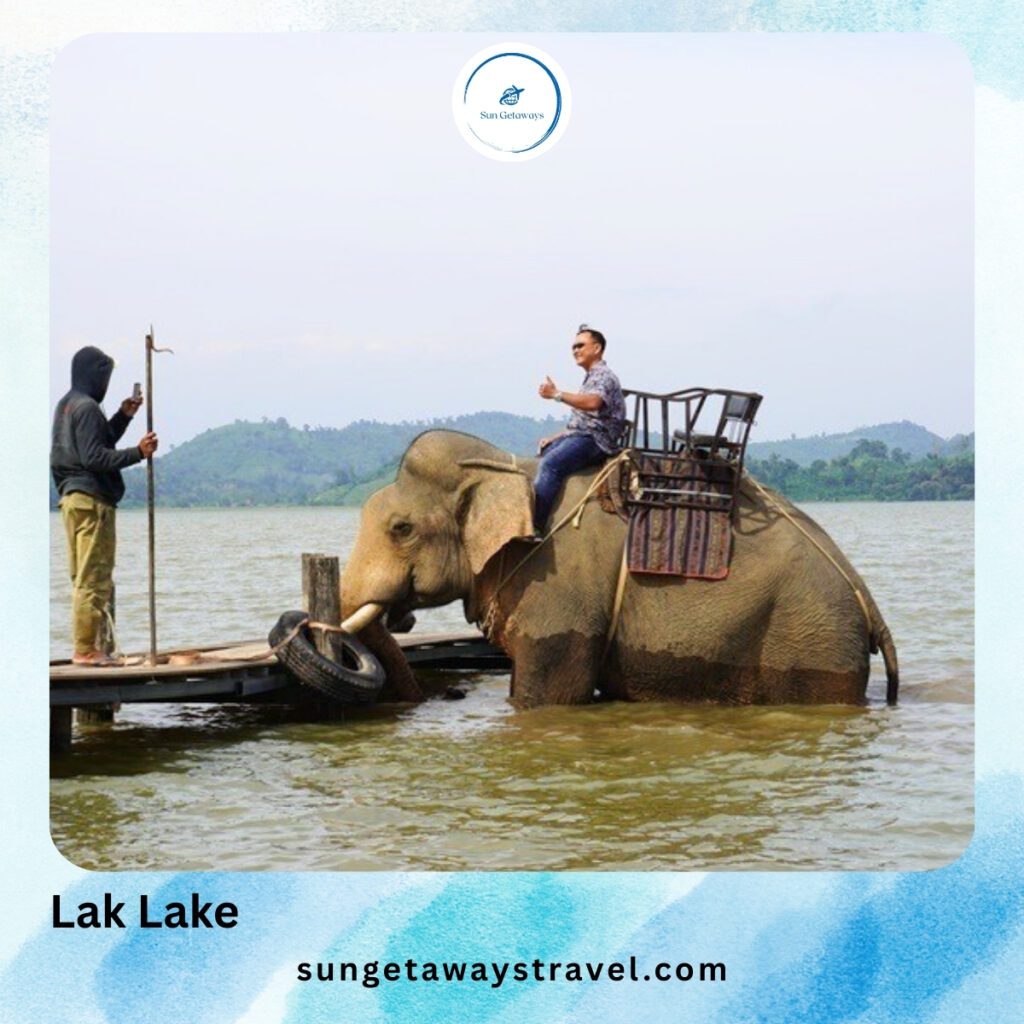
Lak Lake
Lak Lake is one of the most serene places I’ve visited in the highlands. It is a large, natural freshwater lake surrounded by rolling hills and small villages. The best way to see it is by taking a longboat cruise. Gliding across the calm water, you can really appreciate the peacefulness of the area.
This is also a great place to connect with the local M’nong people, who have lived by the lake for generations. You can visit their villages, see their unique longhouses, and learn about their way of life. I once spent an afternoon here just watching the local fishermen, and it was one of my favorite travel memories.
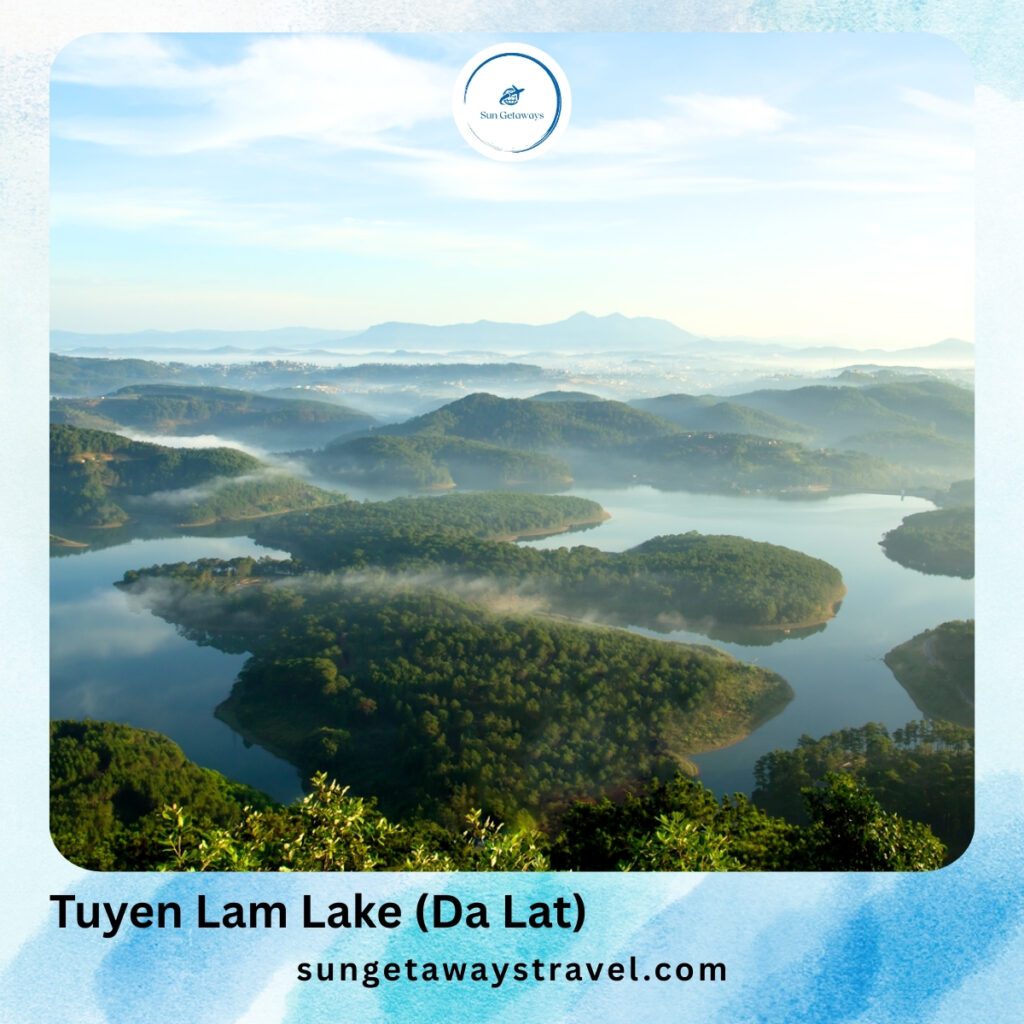
Tuyen Lam Lake (Da Lat)
While Da Lat has a lake in the city center, Tuyen Lam Lake, located just outside of town, is where you’llfind true tranquility. It’s a huge lake surrounded by thick pine forests. The water is calm and the air is fresh. It’s the perfect place to escape the buzz of the city.
Many people come here for meditation or to practice yoga by the shore. You can also rent a kayak or a paddleboard to get out on the water. There are several cafes and resorts around the lake, but it never feels crowded. It’s a beautiful spot to relax and recharge for a few hours.
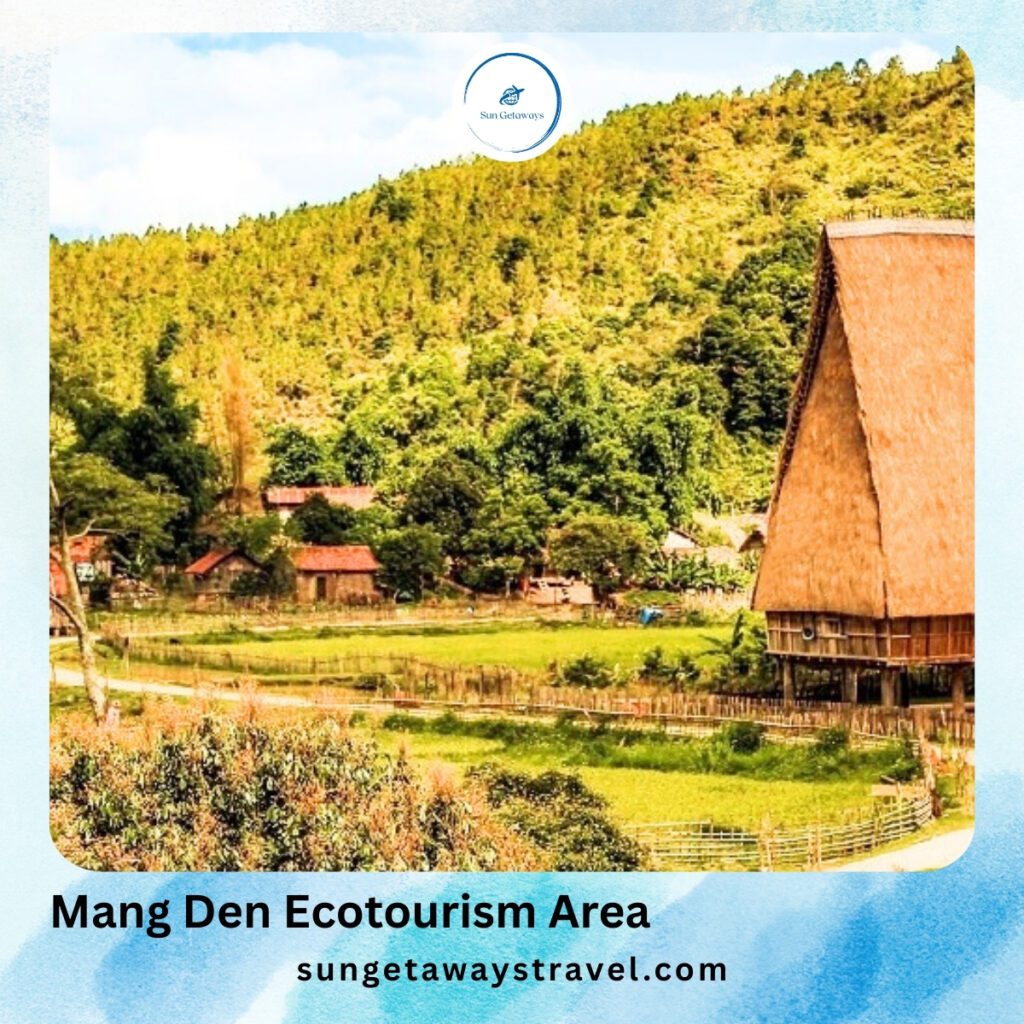
Mang Den Ecotourism Area
If you want to get even further away from it all, Mang Den is your destination. This area is often called the “second Da Lat” because of its cool climate and pine forests, but it’s much less developed. It’s a peaceful retreat for nature lovers who want to enjoy the quiet of the mountains.
The area is perfect for hiking, with trails leading to waterfalls and small ethnic villages. The air here feels incredibly clean and crisp. It’s the kind of place where you can truly disconnect, read a book, and just enjoy the sounds of nature. It’s a hidden gem that not many tourists know about yet.
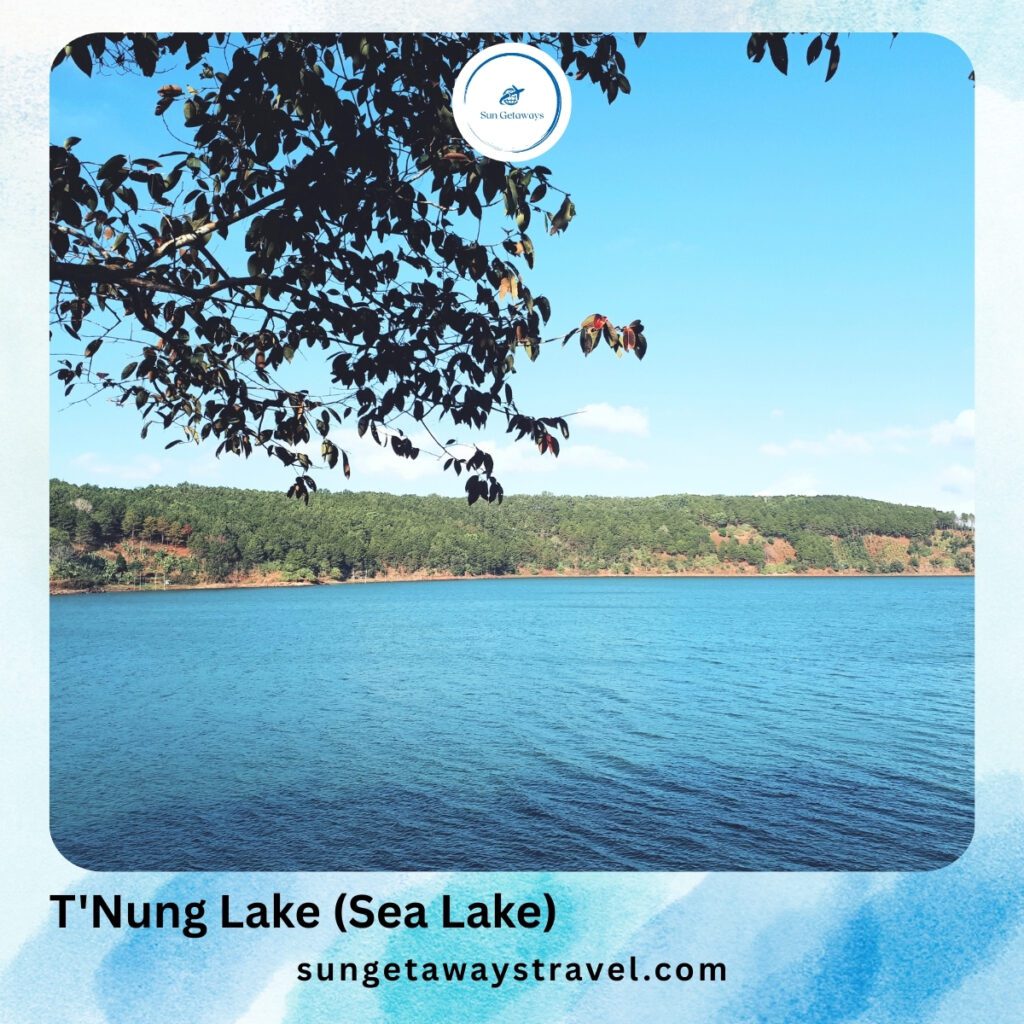
T’Nung Lake (Sea Lake)
The “Eyes of Pleiku,” as T’Nung Lake is called, is a breathtaking sight. It is a massive lake that was formed in the crater of an extinct volcano. When you stand on the shore and look out at the vast expanse of clear, blue water, it’s easy to understand the name. It feels like the highlands are looking right back at you.
The road to the lake is beautiful, passing through coffee and tea plantations. You can walk along the edge, take a boat out on the water, or just sit and admire the view. It’s a very spiritual and calming place that shows you the raw, natural beauty of the northern highlands.
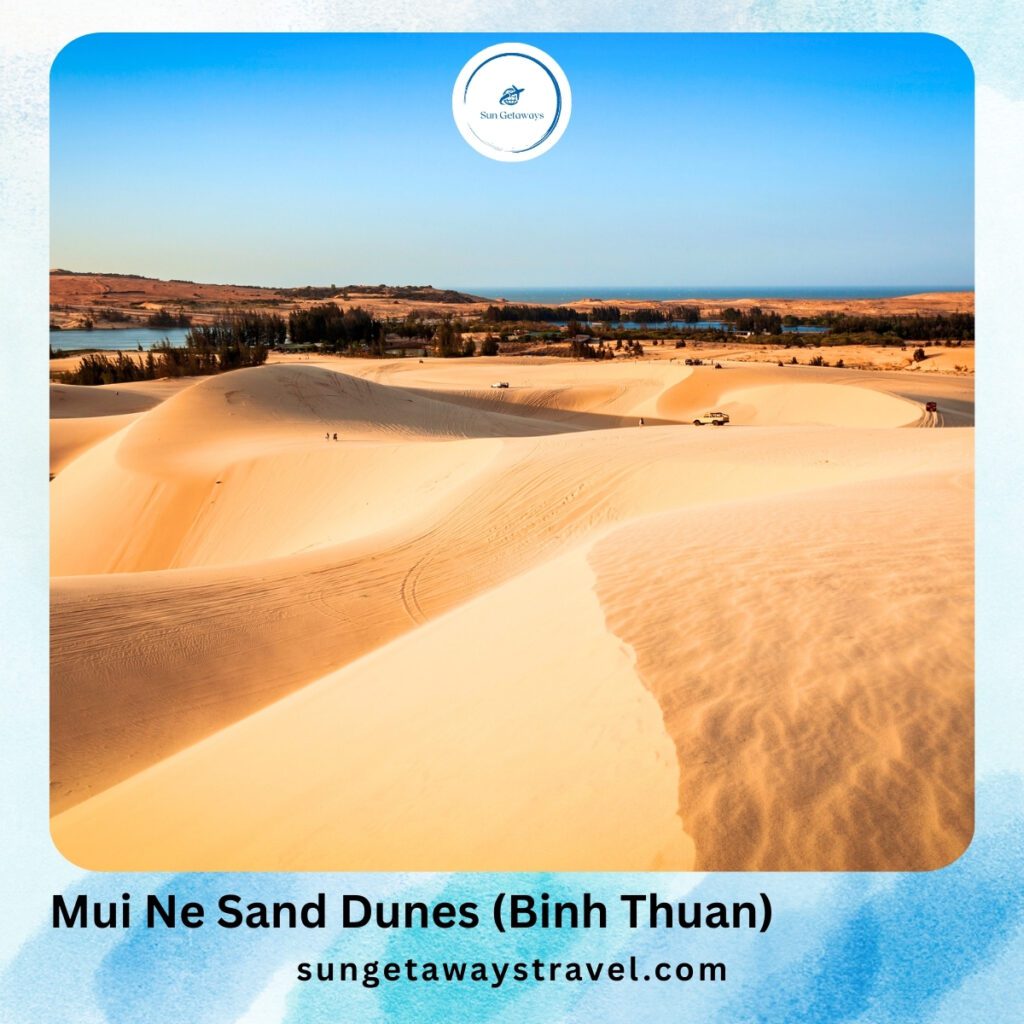
Mui Ne Sand Dunes (Binh Thuan)
This is one of the most surprising landscapes in all of Vietnam. Thanks to the new regional boundaries, the sand dunes of Mui Ne are now part of the Central Highlands experience. One moment you’re in the mountains, and the next, you feel like you’re in the middle of a desert. The contrast is incredible.
The White Dunes are the larger of the two main areas, with vast, rolling hills of sand that are amazing at sunrise. The Red Dunes are smaller but have a beautiful reddish-brown color that glows in the late afternoon sun. You can rent a sand-sled to slide down the slopes or go for a thrilling ATV ride across the terrain.
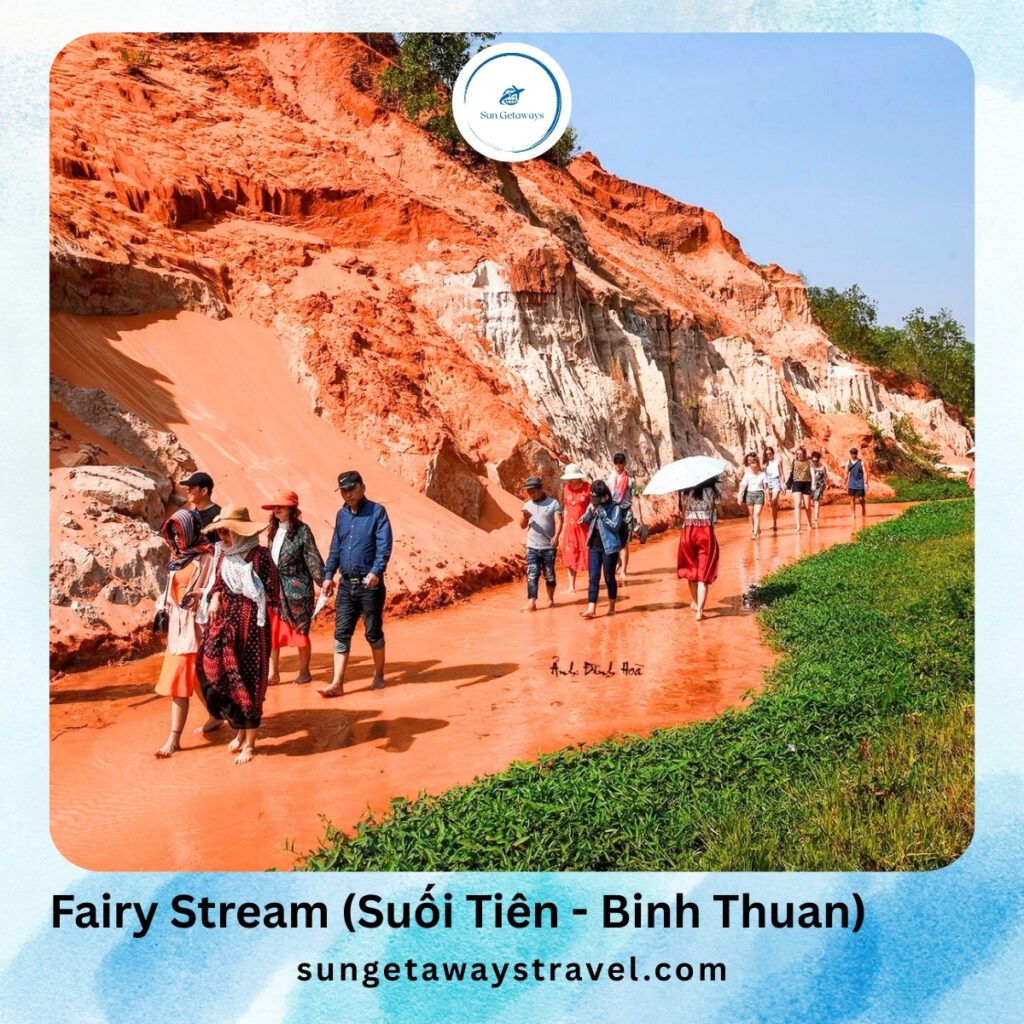
Fairy Stream (Suối Tiên – Binh Thuan)
This is another unique attraction in the coastal part of the new Tay Nguyen region. The Fairy Stream is a small stream that you can walk through, and it’s like a miniature canyon. On one side, you have towering formations of red and white sand, while the other is lined with lush greenery.
You take your shoes off and wade through the ankle-deep, cool water. The walk is about a kilometer long and leads to a small waterfall. The feeling of the soft sand under your feet and the stunning colors all around you makes for a magical and refreshing experience, especially on a hot day.
Experiences to Try in Vietnam’s Central Highland (Tay Nguyen)
Beyond the sights, the Vietnam’s Central Highlands offer experiences that connect you to the culture and soul of the region. These are the activities that turn a good trip into a great one. They are the moments you’ll talk about long after you’ve returned home.
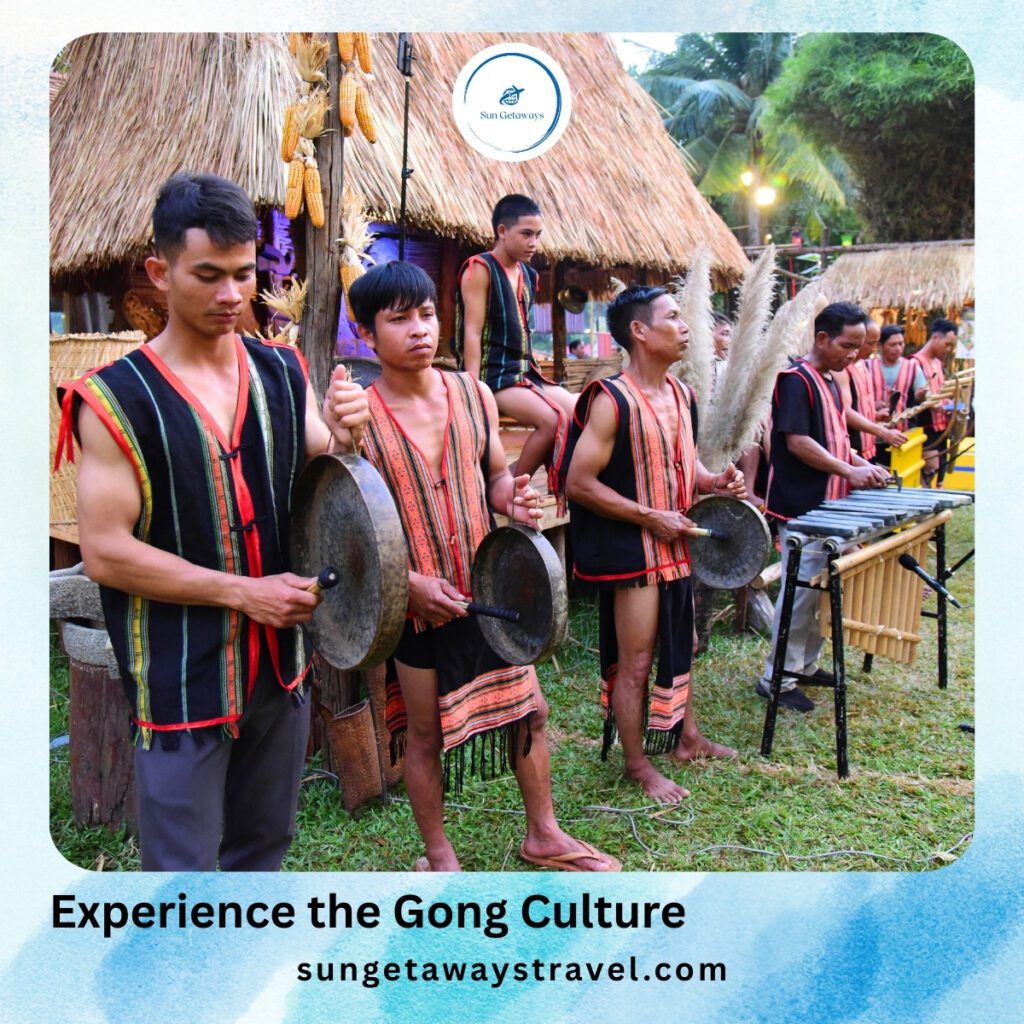
Experience the Gong Culture
The sound of gongs is the heartbeat of the Vietnam’s Central Highlands. The Space of Gong Culture is recognized by UNESCO as a Masterpiece of the Intangible Heritage of Humanity. For the local ethnic groups, gongs are not just instruments; they are a spiritual connection to their gods and ancestors, used in every important festival and ceremony.
Try to attend a local performance if you can. Hearing the powerful, resonating sounds of a gong ensemble is an unforgettable experience. It’s a beautiful tradition that has been passed down through generations and offers a deep insight into the region’s spiritual life.
.
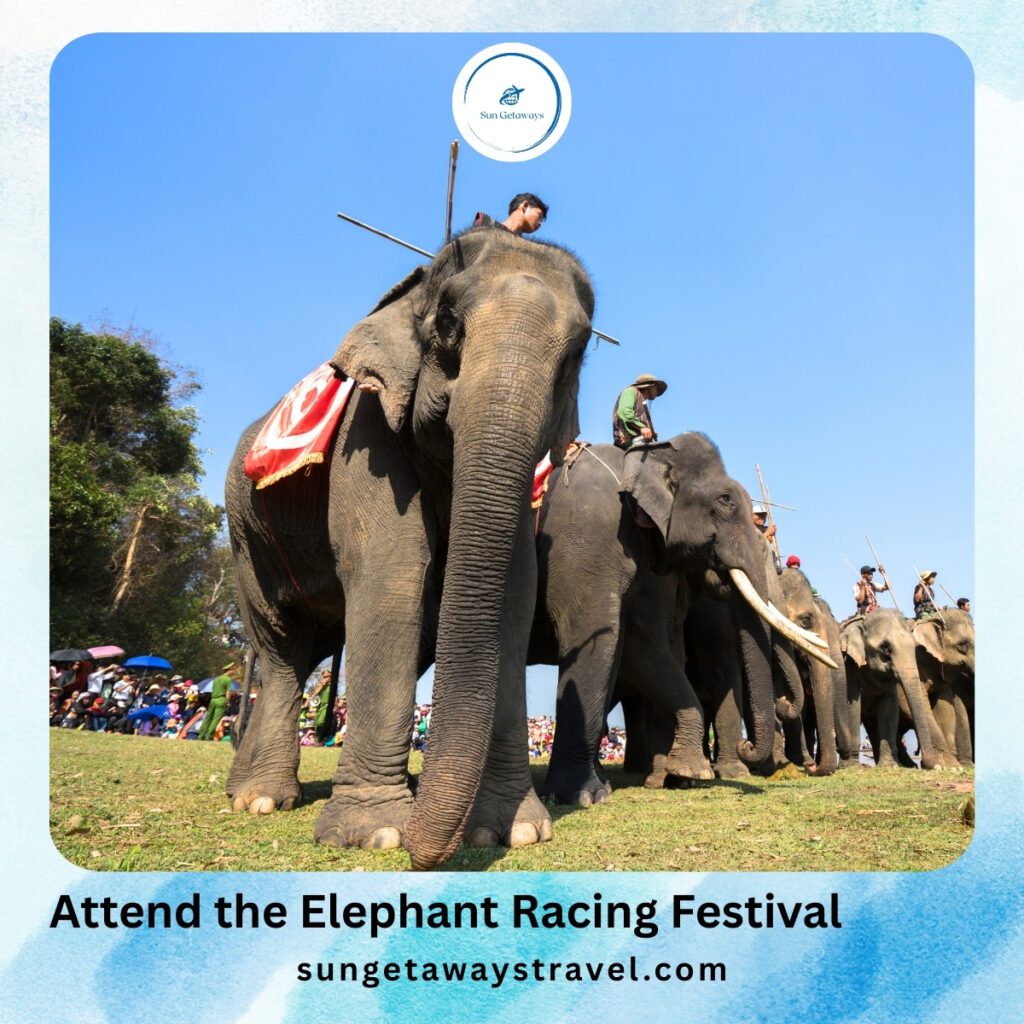
Attend the Elephant Racing Festival
This is a seasonal event, usually held in the spring, but if your timing is right, it’s a spectacle you won’t want to miss. The festival is a celebration of the M’nong people’s deep connection with their elephants. It’s a vibrant, exciting event full of energy and local pride.
The races are the main attraction, but the festival also includes music, dancing, and other cultural activities. It’s a colorful and loud affair that shows the cultural importance of these majestic animals in the highlands.
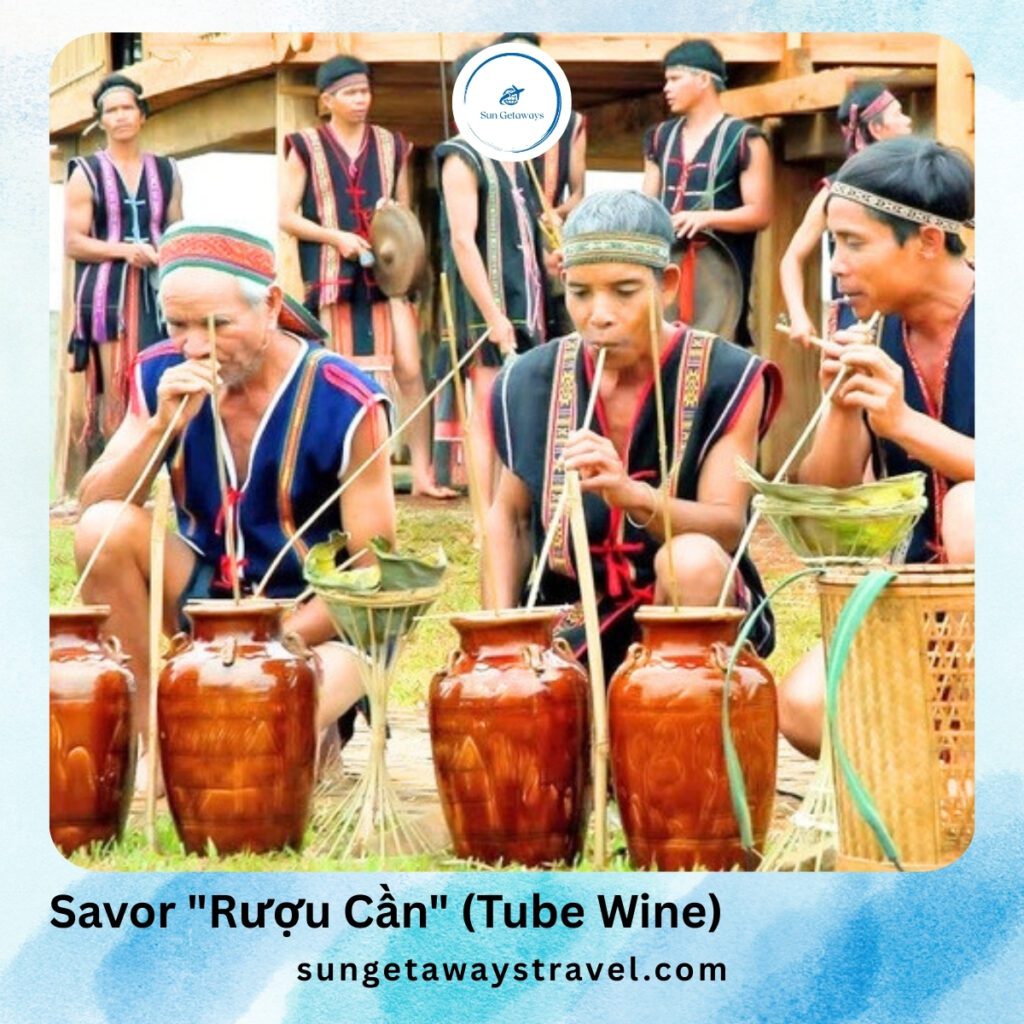
Savor “Rượu Cần” (Tube Wine)
You can’t leave the highlands without trying rượu cần. This is a traditional fermented rice wine that is drunk communally from a large ceramic jar through long bamboo straws. It is a symbol of friendship and hospitality. This communal experience is just one of many amazing things you can do with a group. If you’re traveling with company, check out our guide on Things To Do In Vietnam With Friends for more ideas.
Being invited to share rượu cần with a local family is a true honor. Everyone gathers around the jar, and the experience is all about community and sharing. The wine itself has a unique, slightly sweet taste, but the real magic is in the ritual of drinking it together.
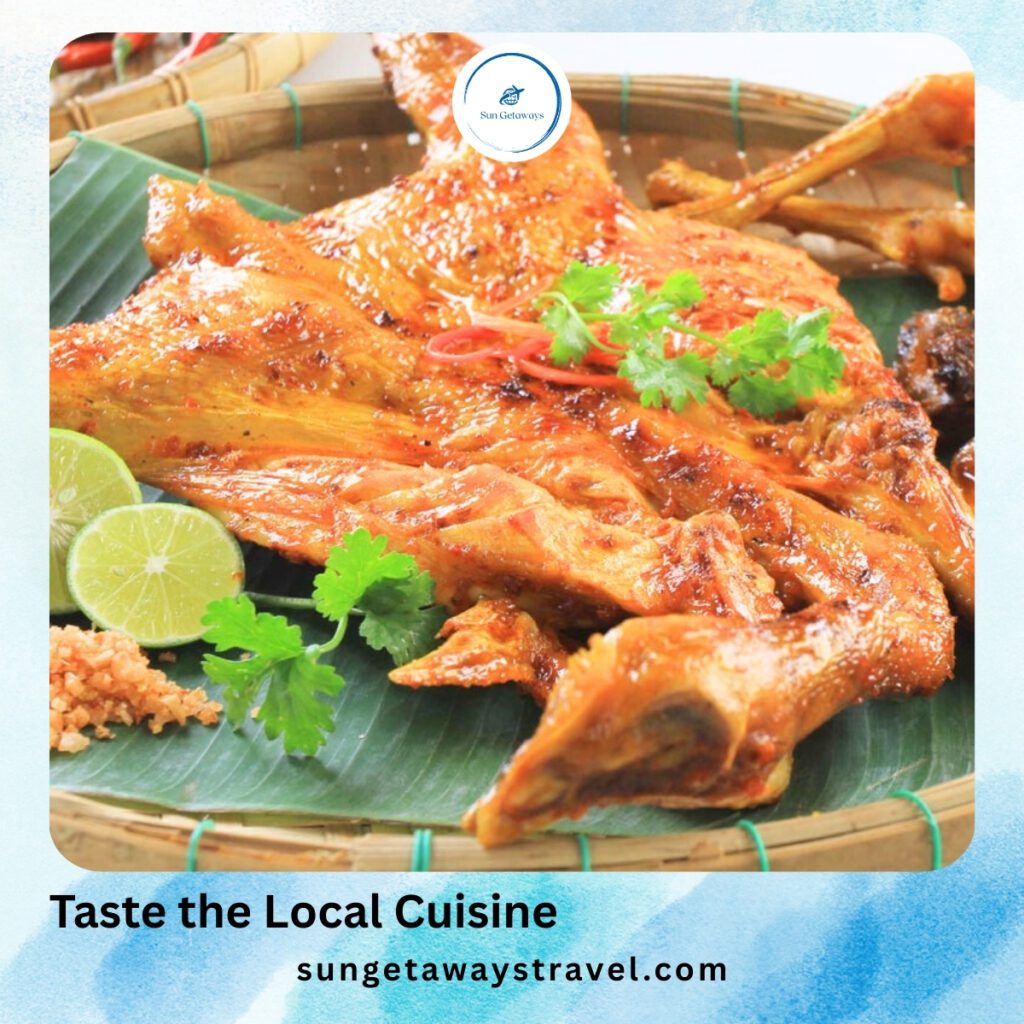
Taste the Local Cuisine
The food in the Vietnam’s Central Highlands is as distinct as its landscape. A must-try dish is gà nướng cơm lam, which is chicken marinated in local spices and grilled over charcoal, served with sticky rice cooked inside a bamboo tube. The smoky flavor is amazing.
Another local specialty is phở khô, or dry pho. Unlike the soup you might know, this version from Pleiku is served with the noodles and toppings in one bowl and a hot, flavorful broth on the side. And now with the coast included in the region, you can also enjoy incredibly fresh seafood in places like Mui Ne.
Visit Ethnic Minority Villages
A visit to the Vietnam’s Central Highlands is a chance to learn about the many ethnic groups who call this region home. Groups like the Ede, Jarai, and M’nong have unique cultures, languages, and traditions that are fascinating to discover.
Many villages welcome respectful visitors. You can see their traditional longhouses, which can be over 100 meters long to house an entire extended family. Hiring a local guide is the best way to do this, as they can help with translation and ensure your visit is responsible and benefits the community.

Conclusion – Vietnam’s Central Highlands
So, what do you think of Tay Nguyen now? It’s a region of incredible contrasts. A single trip can take you from the cool, misty mountains full of coffee plantations to the warm, sandy shores of the coast. It’s a place where ancient traditions live on and where nature’s beauty is on full display.
If you are looking for a Vietnamese adventure that goes beyond the usual tourist trail, the Vietnam’s Central Highlands are waiting for you. It’s a chance to see a different side of this amazing country and create stories that you will share for years to come. I hope you’ll consider adding it to your travel plans.
Planning a journey with so many options can be a lot to handle on your own. If you’d like expert help, you can Custom Your Trip with us to create a perfect itinerary.
FAQs about Vietnam’s Central Highland (Tay Nguyen)
How many days are recommended for a trip to Tay Nguyen?
I’d say a minimum of 5-7 days is a good start. That gives you enough time to get a good feel for one or two main areas, like combining Da Lat with Mui Ne, or focusing on Buon Ma Thuot and Pleiku. If you want a full tour that covers both the highlands and the coast, you should plan for 10-14 days.
Is Tay Nguyen safe for solo travelers?
Yes, the region is generally very safe for solo travelers. Like anywhere, you should take standard precautions. For activities like trekking in remote areas or visiting ethnic villages, I’d suggest hiring a local guide or joining a tour. It helps overcome any language barriers and makes for a much richer experience.
What is the food like, especially for picky eaters?
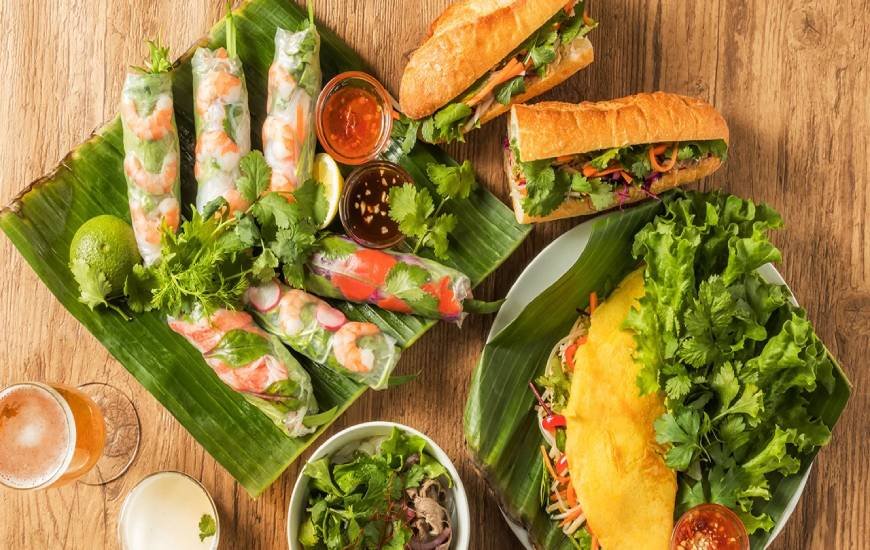
The food is really diverse. You can easily find familiar Vietnamese dishes like phở and bánh mì in the cities. The region’s specialties are grilled meats, interesting wild vegetables, and of course, strong coffee. The new coastal areas also offer fantastic fresh seafood. Most cities have plenty of options to suit any palate.
Why were the Vietnam’s Central Highlands so important in Vietnam?
The Vietnam’s Central Highlands have always been strategically important due to their location and terrain. Historically, they have been a key area during conflicts, including the Vietnam War. They are also vital to the country’s economy, primarily because of agriculture, with coffee, rubber, and tea being major products.
What is the best way to get around the region?
A mix of different transport methods usually works best. Long-distance buses are great for connecting the main cities. Within the cities, ride-hailing apps and taxis are readily available. To really see the countryside, renting a motorbike is a popular choice for experienced riders.


Related Tour
Explore the Ho Chi Minh City Floating Market in 6 Days


8 Reviews
Love’s Retreat: Honeymoon Adventure in Vietnam 14 days
20 Reviews
5-Day Highlights of Central Vietnam
27 Reviews
12 Days Vietnam From North To South With Hue
14 Reviews

Honeymoon Bliss in Vietnam 16 days
21 Reviews
Discover the Unbeaten Path to Vietnam on a 14-Day Tour
20 Reviews
Ask a question
Leave a Comment (0)
No questions yet. Be the first to ask a question!
See related Posted
Luxury Golf Resorts in Vietnam – Elite Golf Travelers

Vietnam is increasingly recognized as a premier golf destination in Asia, therefore luxury golf…
Macrame in Vietnam: The Revival of Knot Art in Contemporary Craft Culture

Macrame in Vietnam reflects the country’s growing engagement with contemporary handmade culture, where global…
Vietnamese Musical Instrument Craft: Traditional Instrument Making in Vietnam

Vietnamese musical instrument craft reflects a long-standing relationship between sound, material, and cultural memory.…
Traditional Vietnamese Kite Art: History, Craftsmanship, and Cultural Meaning

Traditional Vietnamese kite art is a living expression of folk creativity, community values, and…
Vietnamese Folk Masks: Tradition, Symbolism & Cultural Meaning

Vietnamese folk masks are a distinctive form of traditional art that reflects the spiritual…
Vietnamese Embroidery Art: Traditional Craftsmanship & Cultural Meaning

Vietnamese embroidery art is a refined traditional craft that reflects patience, cultural memory, and…