






Traditional Vietnamese Kite Art: History, Craftsmanship, and Cultural Meaning
 PhamDuong
  3 min. to read
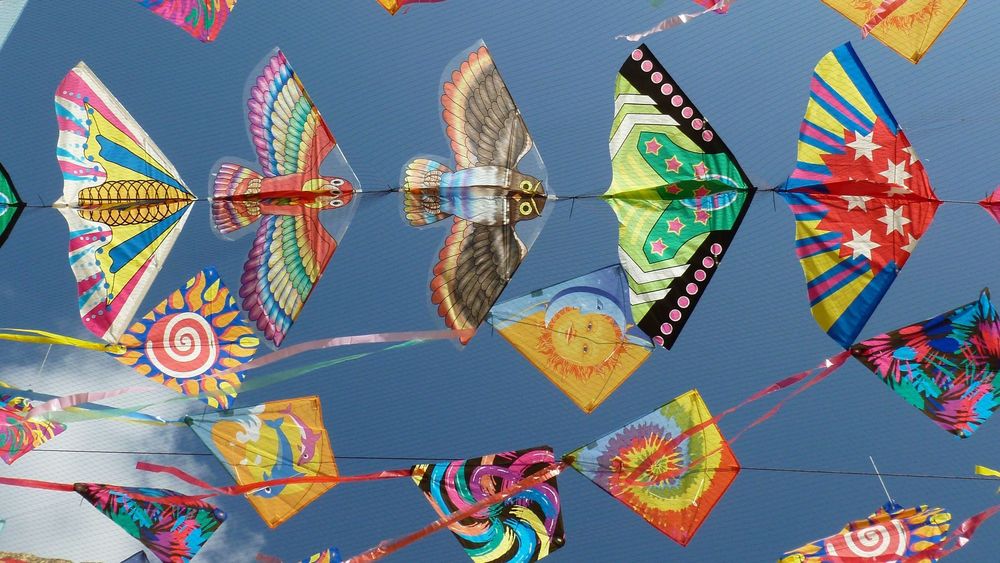
 Traditional Vietnamese kite art is a living expression of folk creativity, community values, and harmony with nature. Rooted in rural life and passed down through generations, handmade kite traditions in Vietnam combine simple materials with refined craftsmanship and deep cultural meaning. From bamboo frames and paper wings to whistling kites soaring above rice fields, Vietnamese kites reflect a worldview where art, play, and spiritual belief naturally intertwine.
Key Takeaways
- Traditional Vietnamese kite art integrates craftsmanship, community values, and spiritual beliefs rooted in rural life.
- Handmade kites utilize local materials like bamboo and paper, reflecting sustainability and harmony with the environment.
- The art embodies cultural values such as patience, community spirit, and harmony with nature, distinguishing it from modern kite designs.
- Regional styles highlight diverse traditions, with Northern Vietnam focusing on craftsmanship, Central Vietnam emphasizing symbolism, and Southern Vietnam showcasing playfulness.
- Despite challenges from modernization, revival efforts aim to preserve these handmade kite traditions in Vietnam.
1. Introduction to Traditional Vietnamese Kite Art
Traditional Vietnamese kite art is one of the most enduring forms of folk creativity in Vietnam, blending craftsmanship, play, ritual, and community identity. Long before kites became recreational objects or tourist souvenirs, they played an important role in rural life, seasonal festivals, and spiritual beliefs.
Unlike mass-produced kites seen today, traditional Vietnamese kites are handmade objects shaped by regional aesthetics, local materials, and inherited techniques. Each kite reflects not only the skill of its maker but also collective values rooted in harmony with nature and communal life.
This article explores the historical origins, cultural values, materials, techniques, and regional styles that define traditional Vietnamese kite art, with special attention to handmade kite traditions in Vietnam.
2. Historical Origins of Handmade Kite Traditions in Vietnam
The history of kite flying in Vietnam stretches back several centuries, closely connected to agricultural society and seasonal rhythms.
2.1 Early Development in Rural Life
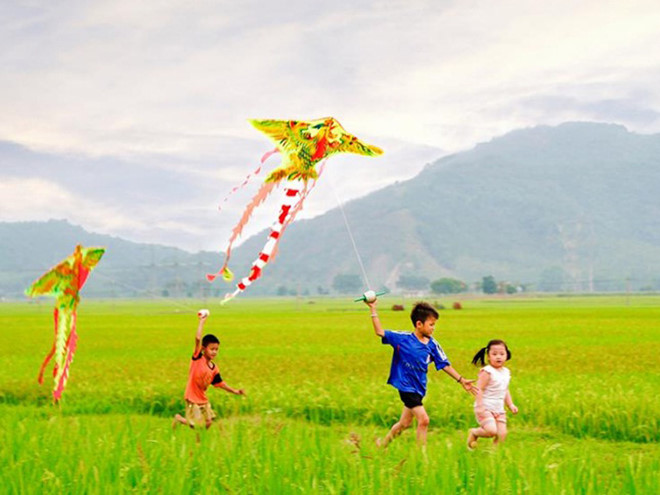
Kites were traditionally flown in open rice fields after harvest seasons, when the land was clear and the wind was steady.
Key historical features include:
- Kites used as seasonal leisure after agricultural labor
- Craft knowledge passed down within families and villages
- Kite flying associated with communal gatherings and childhood education
In many villages, kite making was considered both a pastime and a way to teach patience, dexterity, and respect for natural forces.
2.2 Connection to Ritual and Belief Systems
Beyond entertainment, kites held symbolic and spiritual meaning.
Historically, kites were believed to:
- Carry prayers and wishes to the sky
- Connect the human world with natural and spiritual realms
- Bring favorable winds, rain, and harvest fortune
This belief explains why kite flying was often linked to festivals and ceremonial occasions rather than casual play alone.
3. Cultural Values Embedded in Traditional Vietnamese Kite Art
Traditional Vietnamese kite art reflects collective cultural values rather than individual artistic ego, emphasizing harmony, cooperation, and long-standing folk wisdom. More than a recreational object, each handmade kite embodies a way of understanding nature and social life within rural communities.
Core values include:
- Harmony with nature: Kite designs respond to wind patterns, weather conditions, and wide open landscapes rather than attempting to dominate or resist natural forces. Successful flight depends on observing and adapting to nature.
- Community spirit: Kite making and kite flying are often shared village activities involving children, elders, and artisans alike. The process strengthens social bonds rather than celebrating solitary achievement.
- Patience and craftsmanship: Handmade kites require careful balance, symmetry, and continuous fine adjustment. The slow, attentive process reflects respect for skill and experience.
- Modesty and restraint: Beauty lies in proportion, movement, and sound rather than bold decoration or excessive color. Simplicity allows the kite’s motion in the sky to become the main visual statement.
These values align closely with broader Vietnamese folk aesthetics found in painting, embroidery, and mask traditions, where meaning outweighs spectacle.
4. Materials Used in Traditional Vietnamese Kite Making
Handmade kite traditions in Vietnam rely on simple, locally sourced materials that emphasize sustainability, adaptability, and harmony with the environment. Material choice is based on generations of experimentation rather than commercial convenience.
Common materials include:
- Bamboo: Used for frames due to its light weight, strength, and natural elasticity, allowing kites to flex gently with changing wind conditions.
- Traditional paper or cloth: Often dó paper or thin fabric, chosen for durability, breathability, and smooth airflow across the kite’s surface.
- Natural adhesives: Rice paste or plant-based glue provides sufficient bonding while remaining lightweight and environmentally friendly.
- Cotton or silk string: Selected for strength without excessive weight, helping maintain stable flight without pulling the kite downward.
Material selection reflects both environmental awareness and a deep understanding of local climate and wind behavior.
5. Core Techniques in Handmade Vietnamese Kite Traditions
While materials provide the foundation, it is traditional technique that determines whether a kite can truly fly with stability, grace, and sound. Vietnamese artisans rely on accumulated experience and precise manual skills, developed through generations, to transform simple bamboo and paper into responsive flying forms.
These techniques can be broadly understood through several key stages of construction, beginning with the most critical element: the bamboo frame.
5.1 Bamboo Frame Construction
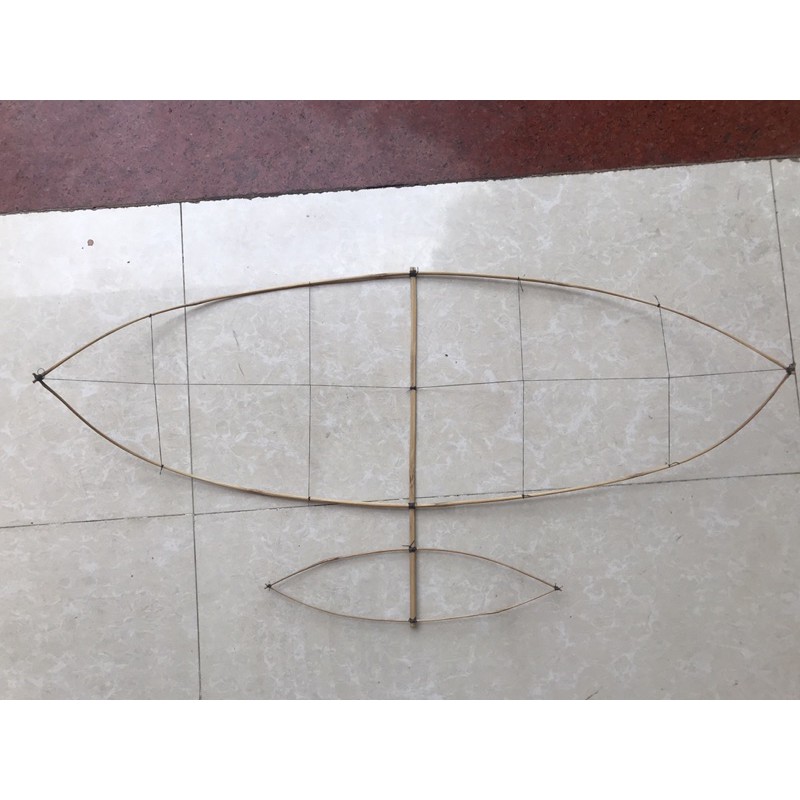
The frame determines the kite’s balance, flexibility, and overall flight behavior, making it the most critical structural component.
Key techniques include:
- Splitting bamboo into thin, even strips: Ensures uniform strength and reduces unnecessary weight.
- Heat-bending to create smooth curves: Allows artisans to shape wings and spines without breaking fibers.
- Binding joints with thread instead of nails: Maintains flexibility and prevents stress fractures during flight.
Precision is essential, as even small asymmetries can significantly affect stability in the air.
5.2 Surface Mounting and Tension Control
Attaching the paper or cloth surface requires careful tension control to ensure responsive movement rather than rigidity.
Traditional methods involve:
- Stretching material evenly without tearing: Prevents weak points that could disrupt airflow.
- Aligning grain direction with airflow: Improves lift and reduces drag.
- Adjusting surface tightness for wind conditions: Allows the kite to adapt to seasonal and regional variations.
This step transforms a static structure into a living, responsive flying form.
5.3 Tail and Sound Devices
Some Vietnamese kites include unique sound-producing elements that distinguish them from kite traditions elsewhere.
These may involve:
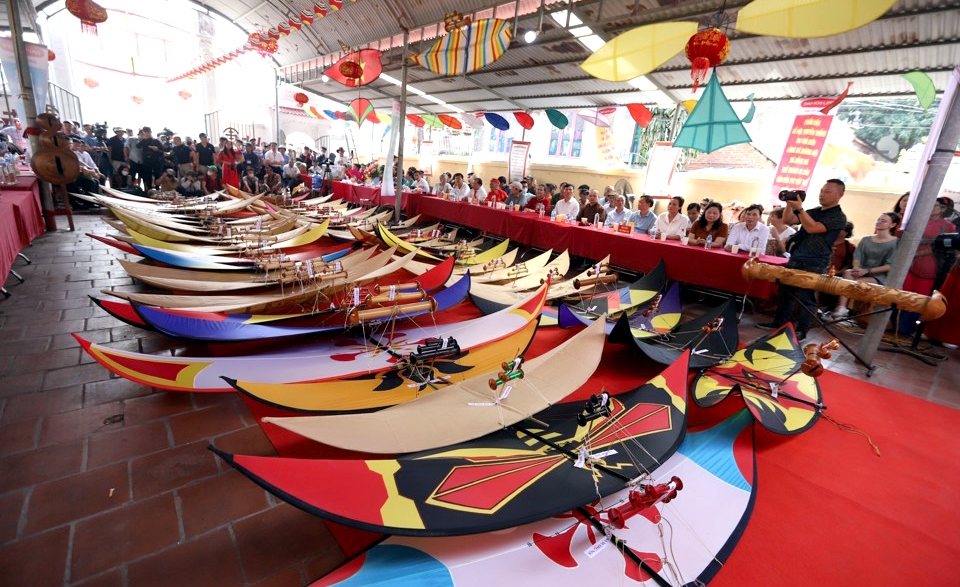
- Bamboo whistles or flutes: Attached to frames to produce melodic tones in strong winds.
- Hollow chambers that vibrate in wind: Creating layered, resonant sounds.
- Tail designs that stabilize movement: Enhancing both flight control and visual rhythm.
Sound adds an auditory dimension, turning kite flying into a multisensory cultural experience.
If you are interested in understanding the broader cultural context behind Vietnam’s creative heritage, start with an overview of 👉 Vietnamese traditional arts to explore key traditional art forms in Vietnam, from folk practices to court-influenced traditions.
6. Common Themes and Forms in Traditional Vietnamese Kite Art
Vietnamese kites often depict symbolic forms drawn from daily life, folklore, and natural observation rather than decorative excess.
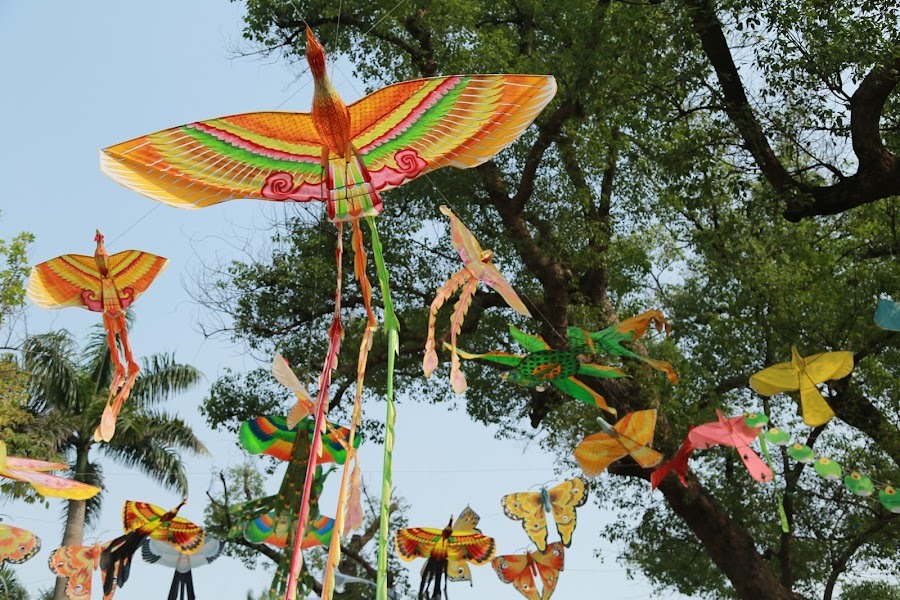
Popular themes include:
- Birds and mythical creatures symbolizing freedom: Reflecting aspirations for elevation and spiritual openness.
- Fish and aquatic animals linked to prosperity: Inspired by agricultural and river-based livelihoods.
- Geometric forms emphasizing balance: Showcasing harmony between structure and motion.
- Abstract shapes designed purely for aerodynamic beauty: Where form follows function.
Rather than visual realism, kite art prioritizes motion, rhythm, and interaction with wind.
To better understand Vietnam’s folk visual culture, discover 👉 Dong Ho folk painting and the unique process behind dong ho woodblock prints, rooted in village life and Lunar New Year traditions.
7. Regional Styles of Traditional Vietnamese Kite Art
Different regions in Vietnam developed distinctive kite-making traditions influenced by climate, culture, and social life.
7.1 Northern Vietnam
Northern kite traditions emphasize craftsmanship, scale, and sound.
Characteristics include:
- Large bamboo frames: Designed for strong seasonal winds.
- Elaborate whistle systems: Producing deep, layered sounds.
- Kite flying festivals in open fields: Often involving friendly competition.
Villages around Hanoi are especially known for competitive kite flying traditions.
7.2 Central Vietnam
Central regions favor elegance, symbolism, and restraint.
Features include:
- Refined shapes and restrained decoration: Reflecting courtly aesthetics.
- Connection to royal and ceremonial culture: Influenced by Hue’s imperial history.
- Seasonal kite competitions: Often linked to festivals and rituals.
Kites here often emphasize balance and symbolic form over size.
7.3 Southern Vietnam
Southern kite traditions are more playful, colorful, and accessible.
Typical traits include:
- Bright colors: Appealing to children and festive settings.
- Lighter materials: Suited to gentler winds.
- Use in children’s games and community festivals: Less competitive, more recreational.
Multicultural influences shape southern designs, adding diversity to Vietnamese kite art.
8. Traditional vs Modern Vietnamese Kites
| Aspect | Traditional Vietnamese Kites | Modern Commercial Kites |
|---|---|---|
| Materials | Bamboo, paper, cloth | Plastic, synthetic fabric |
| Production | Handmade | Mass-produced |
| Cultural meaning | Ritual, community, symbolism | Entertainment-focused |
| Sound elements | Common | Rare |
| Durability | Seasonal | Long-term |
This contrast highlights the cultural depth of handmade kite traditions in Vietnam.
9. Traditional Vietnamese Kite Art in Contemporary Context
In recent decades, traditional kite art has faced challenges from urbanization and industrial toys.
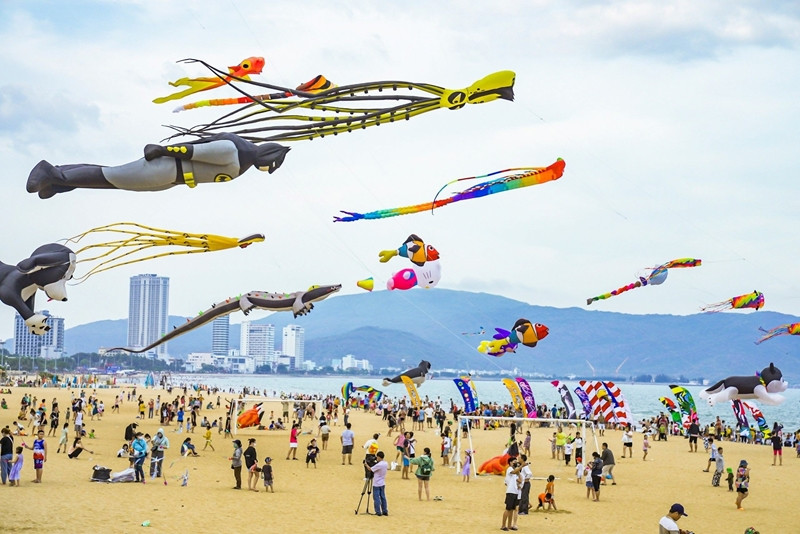
However, revival efforts include:
- Kite festivals promoting heritage
- Artisan workshops for younger generations
- Cultural tourism programs
These initiatives help preserve both skills and cultural meaning.
“A traditional Vietnamese kite is not designed to dominate the wind, but to listen to it. This philosophy reflects a deeper cultural attitude toward nature and community.”
— Mrs. Emma Nguyen – Tour Operator Manager with over 12 years of experience at Sun Getaways Travel
Experts note that kite art teaches values increasingly rare in modern life: patience, collaboration, and environmental sensitivity.
10. How to Experience Handmade Kite Traditions in Vietnam
Visitors can engage respectfully with kite traditions through informed participation.
Recommended approaches include:
- Attending local kite festivals
- Visiting craft villages and workshops
- Observing kite flying in rural areas during harvest season
Understanding context enhances appreciation beyond visual enjoyment.
Need quick advice or want to talk directly with our team? Contact us via WhatsApp for fast support and personal recommendations.
11. Best Places to Explore Traditional Vietnamese Kite Art
Hanoi and Surrounding Villages
- Kite festivals
- Artisan communities
- Cultural exhibitions
- Seasonal competitions
- Court-influenced designs
Coastal and Southern Regions
- Community festivals
- Child-centered kite traditions
12. Conclusion
Traditional Vietnamese kite art represents far more than a childhood pastime. Rooted in handmade kite traditions in Vietnam, it embodies cultural memory, environmental wisdom, and communal creativity. Preserving this art form means preserving a way of seeing the world—one shaped by wind, balance, and shared joy.
👉 If you prefer a journey tailored exactly to your interests, pace, and travel style, let us help you design a
customized tour created just for you.


Related Tour

Discover the Best of Northern Vietnam in 9 Days


29 Reviews

5-Day Highlights of Central Vietnam
27 Reviews


18 Days Vietnam Family Holiday Tour
0 Reviews

12 Days Vietnam Relaxing Tour With Phu Quoc Island
39 Reviews
Ask a question
Leave a Comment (0)
No questions yet. Be the first to ask a question!
See related Posted
Luxury Golf Resorts in Vietnam – Elite Golf Travelers

Vietnam is increasingly recognized as a premier golf destination in Asia, therefore luxury golf…
Macrame in Vietnam: The Revival of Knot Art in Contemporary Craft Culture

Macrame in Vietnam reflects the country’s growing engagement with contemporary handmade culture, where global…
Vietnamese Musical Instrument Craft: Traditional Instrument Making in Vietnam

Vietnamese musical instrument craft reflects a long-standing relationship between sound, material, and cultural memory.…
Vietnamese Folk Masks: Tradition, Symbolism & Cultural Meaning

Vietnamese folk masks are a distinctive form of traditional art that reflects the spiritual…
Vietnamese Embroidery Art: Traditional Craftsmanship & Cultural Meaning

Vietnamese embroidery art is a refined traditional craft that reflects patience, cultural memory, and…
Dong Ho Folk Painting: The Cultural Soul of Vietnamese Woodblock Prints
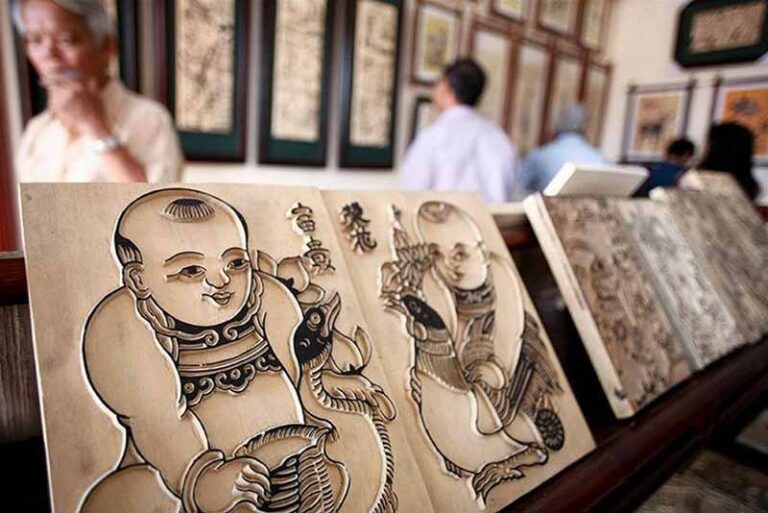
Dong Ho folk painting is one of Vietnam’s most enduring traditional art forms, reflecting…