





Things to Do in Mekong Delta That Reveal Local Life
 PhamDuong
  3 min. to read
 The Mekong Delta is one of Vietnam’s most distinctive travel regions, shaped by rivers, wetlands, and daily life on water. For international travelers, choosing the right things to do in Mekong Delta determines whether the journey feels rushed or truly meaningful. Beyond popular stops, understanding what to see in Mekong Delta means exploring floating markets, rural villages, and slow-paced local experiences.
Key Takeaways
- The Mekong Delta is best experienced through slow, water-based travel that follows local rhythms rather than tight schedules.
- Combining activities with observation of daily life creates a deeper understanding of the region’s culture and environment.
- Multi-day journeys consistently offer richer experiences than short visits, especially for travelers seeking authenticity.
1. Core Experiences That Define Local Life
To truly understand local life, travelers should focus on experiences that follow the rhythm of rivers and villages. Because hese core activities reveal how daily routines, culture, and movement shape the most meaningful things to do in Mekong Delta.
1.1. Enjoy a Mekong Delta Cruise Trip
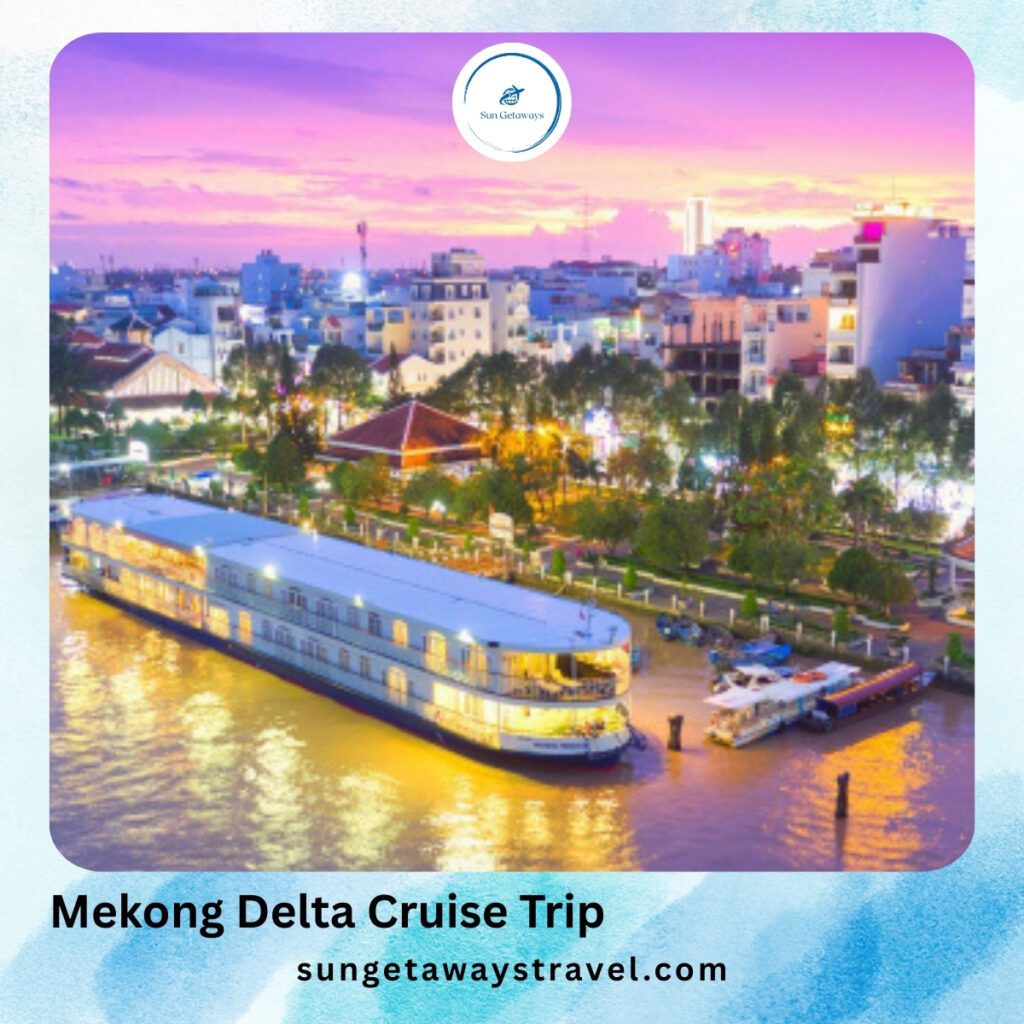
Among the most essential things to do in Mekong Delta, a river cruise provides the clearest overview of the region’s water-based lifestyle. From the river, travelers observe stilt houses, fishing boats, floating homes, and daily routines unfolding naturally along the banks. This experience helps first-time visitors understand a living cultural environment rather than isolated attractions.
Beyond scenery, a cruise also combines light exploration with cultural encounters. Many itineraries include stops at river islands, fruit orchards, or small craft villages, allowing travelers to step ashore without rushing the journey. Therefore, his balance makes cruising one of the most efficient things to do in Mekong Delta for travelers with limited time.
1.2. Visit the Famous Floating Markets
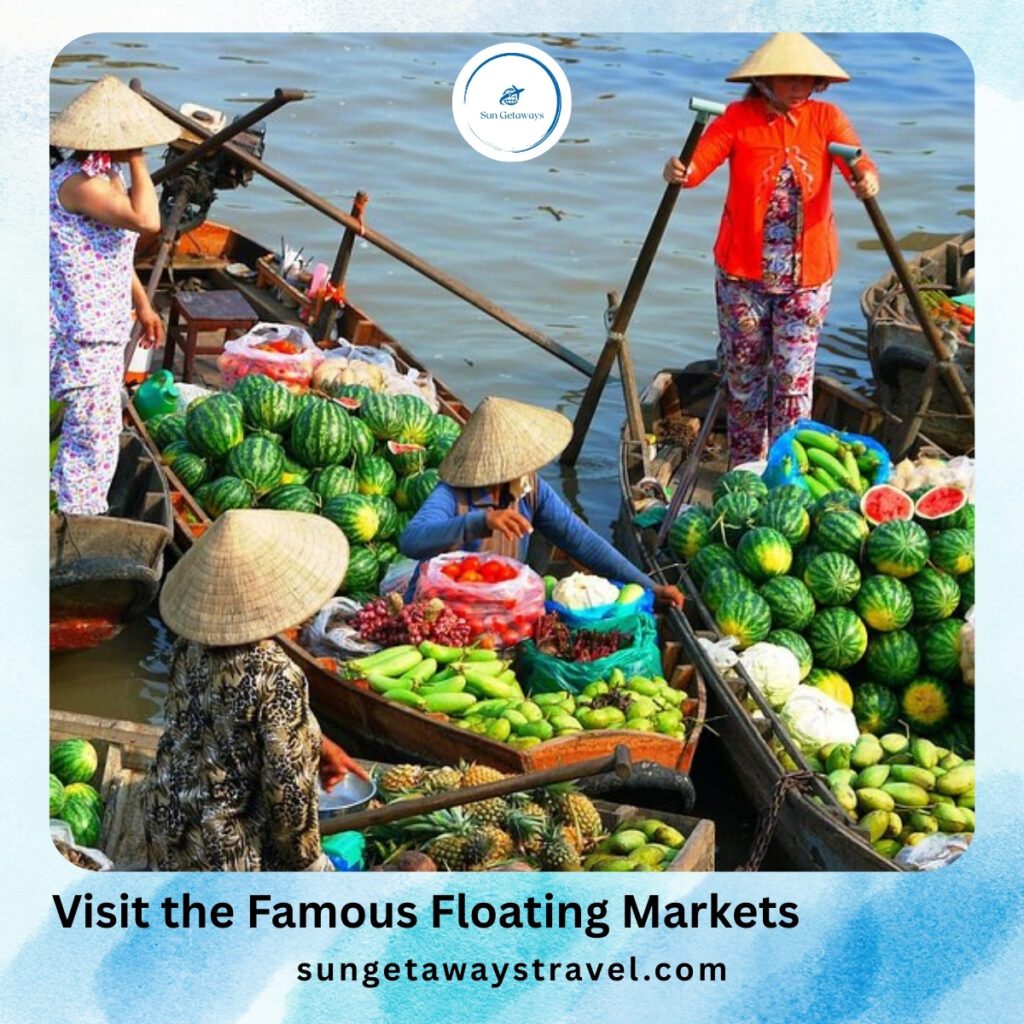
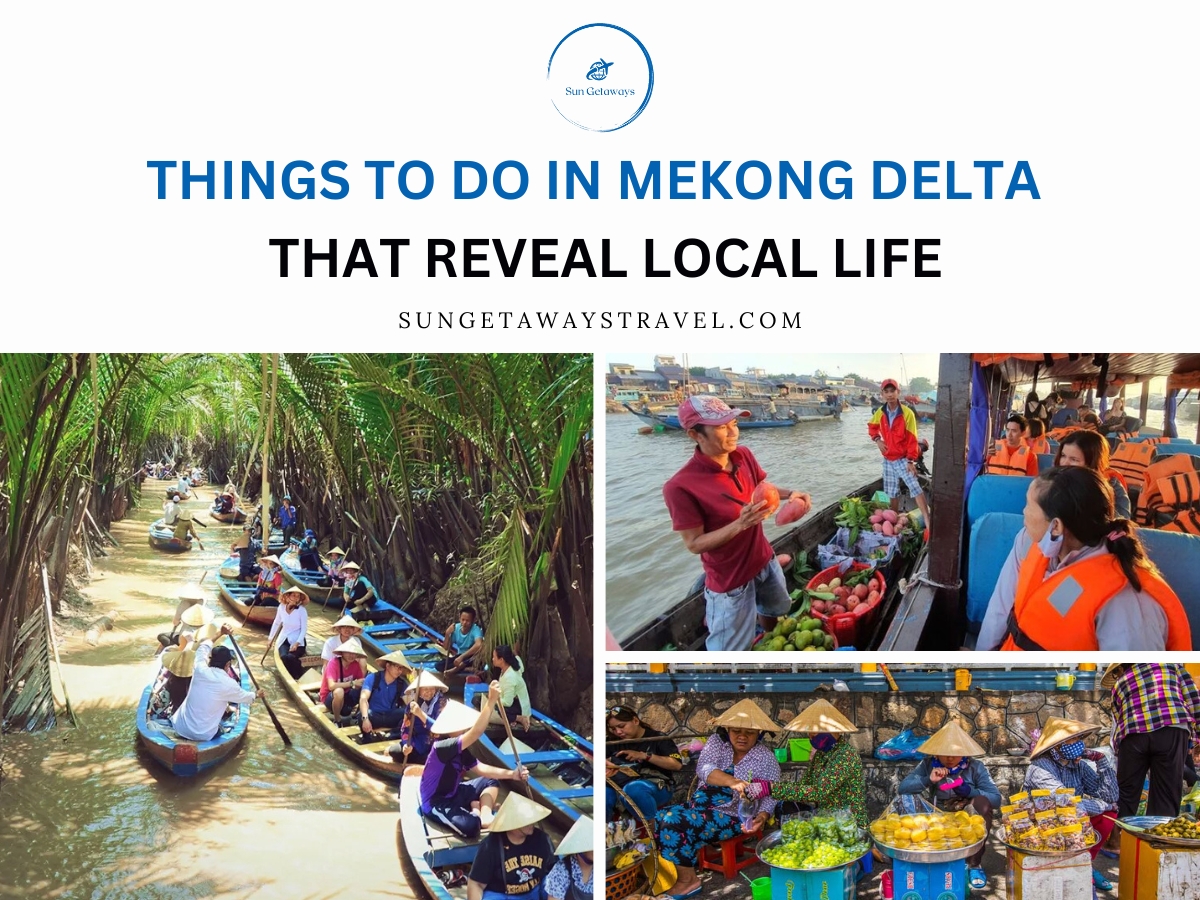
Visiting floating markets remains one of the most iconic things to do in Mekong Delta, showcasing commerce shaped entirely by waterways. Before sunrise, boats gather to sell fruits, noodles, coffee, and household goods directly on the river. This vibrant atmosphere clearly illustrates what to see in Mekong Delta from a cultural and economic perspective.
Unlike staged attractions, markets such as Cai Rang or Cai Be continue to function as genuine local trading hubs. Travelers can enjoy breakfast on a small boat while observing real exchanges between vendors.
To better understand how these river markets operate and how to visit them responsibly, travelers may find this detailed overview of floating markets in Vietnam helpful.
1.3. Overnight in a Mekong Delta Homestay
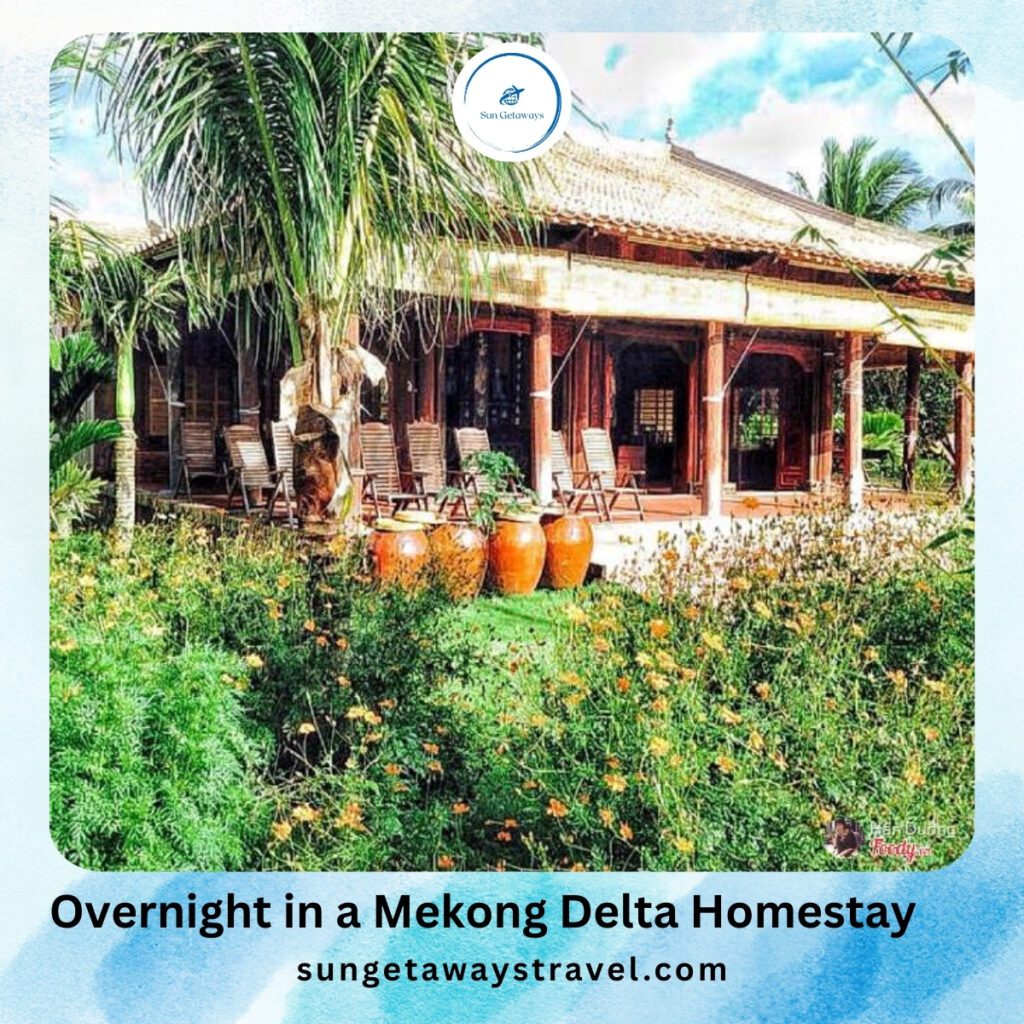
Spending a night in a homestay is one of the most immersive things to do in Mekong Delta, revealing rural life beyond daytime visits. Additionally, homestays are usually located along canals or within fruit gardens, far from busy roads and tourist centers.
Moreover, staying overnight allows travelers to see what to see in Mekong Delta after daily tours end. Evenings focus on shared meals, quiet river views, and simple conversations with host families. Guests experience local routines without performance or pressure.
1.4. Try a Traditional Sampan Boat Trip
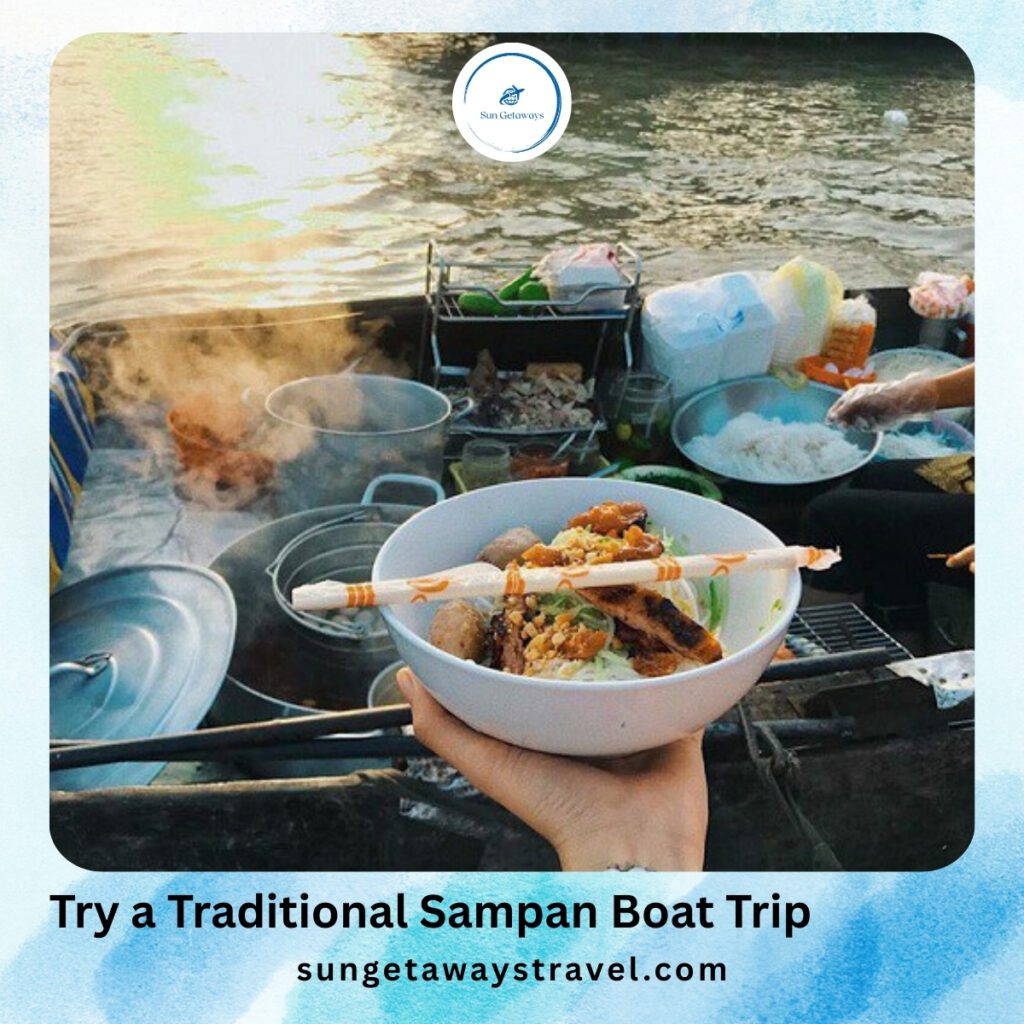
A sampan boat trip is one of the most relaxing things to do in Mekong Delta, emphasizing slow travel through narrow canals. And small wooden boats glide beneath coconut palms and shaded waterways that larger vessels cannot reach. This journey highlights what to see in Mekong Delta at a calm, intimate pace.
1.5. Cycle Through Local Mekong Delta Villages
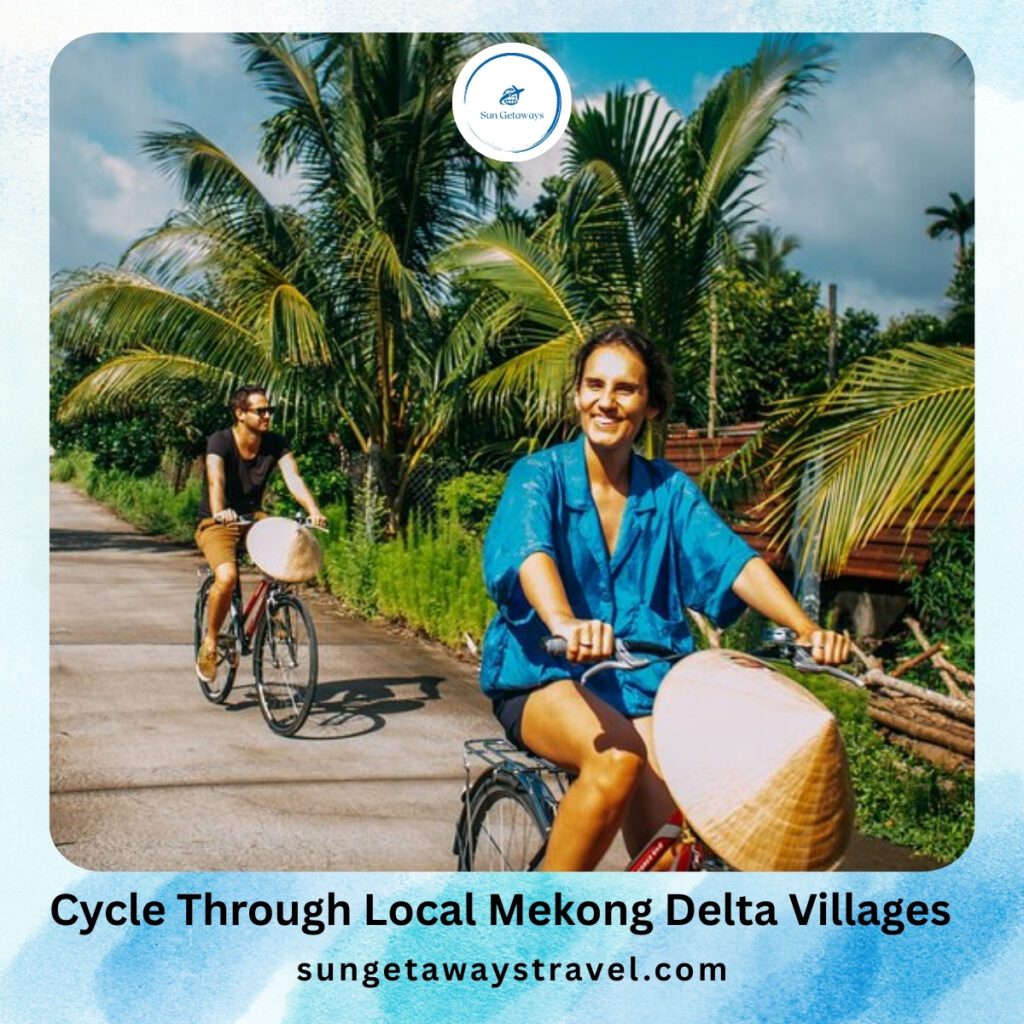
Cycling through villages offers one of the most engaging ways to connect with everyday rural life in the Delta. Because lat countryside paths pass rice fields, fruit orchards, and small communities where daily routines unfold naturally. This approach brings travelers close to local work, homes, and quiet village spaces.
Besides, his land-based perspective reveals scenes often missed on water-focused journeys. Cycling encourages flexible exploration and spontaneous interaction along the way. Moreover, ravelers can pause at roadside cafés, small markets, or shaded rest spots without fixed schedules.
For travelers who want to experience these highlights within a limited schedule, a well-planned Mekong Delta day trip offers a practical way to combine cruising, village visits, and local encounters in one smooth journey.
2. What to See in Mekong Delta Beyond Activities
After experiencing the region through activities, it becomes easier to notice the everyday scenes that define local life. Moreover, rivers, villages, and working landscapes reveal how people adapt naturally to water and seasonal rhythms.
2.1. Riverside Villages Shaped by Water Life
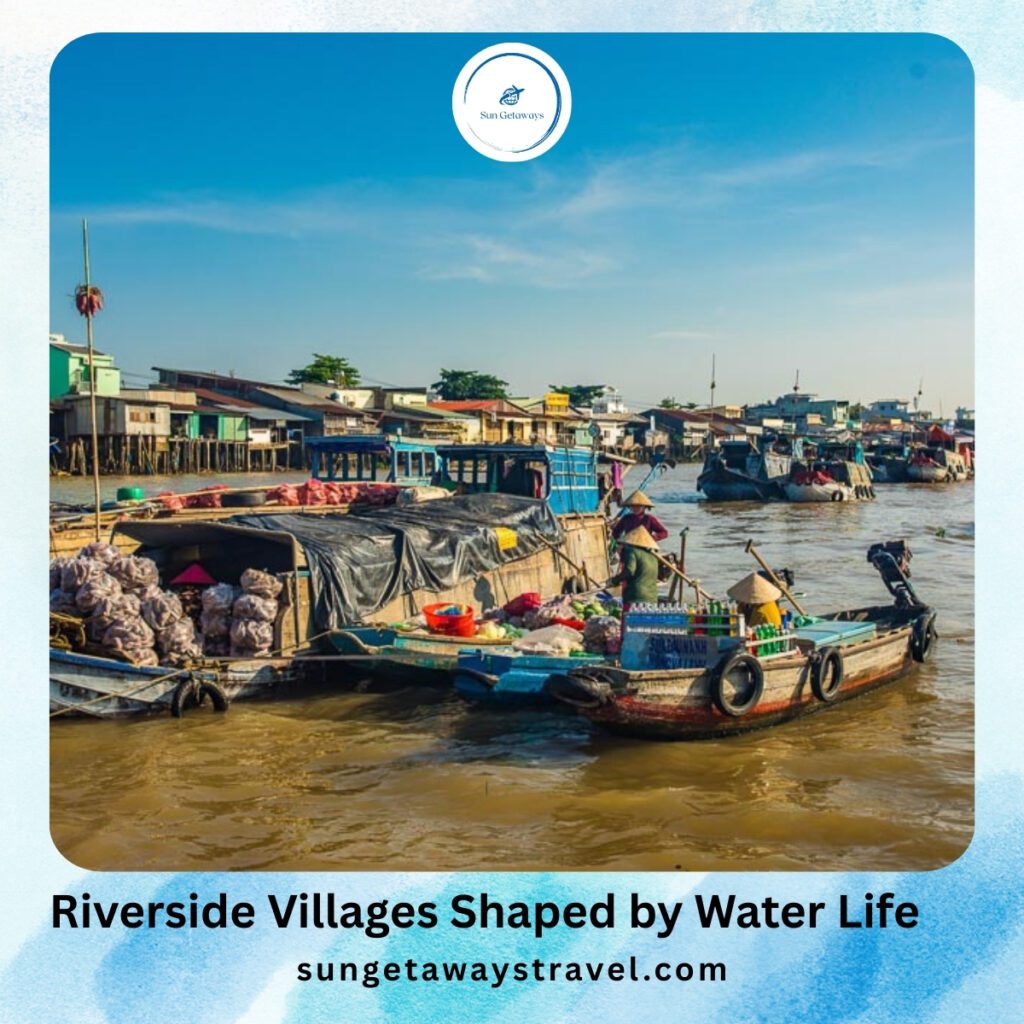
One of the clearest answers to what to see in Mekong Delta lies in its riverside villages. Homes face canals, boats replace motorbikes, and daily routines depend on water levels. This setting shows how the river defines both movement and livelihood.
Observing village life explains why many things to do in Mekong Delta revolve around waterways. Washing, trading, and socializing often happen on the riverbanks. These scenes reveal authentic local rhythms rather than staged experiences.
2.2. Floating Houses and River-Based Livelihoods
Floating houses remain a defining feature of life along the Delta’s main waterways. Because families cook, sleep, and earn a living directly on the river, adjusting their homes to changing water levels throughout the year. This way of life reflects long-standing knowledge passed down through generations.
Fishing, fruit transport, and small-scale trading all take place from these floating homes. Observing these daily activities helps visitors understand how livelihoods are shaped by the river environment. Life here adapts naturally to the water rather than resisting it.
2.3. Fruit Orchards and Agricultural Landscapes
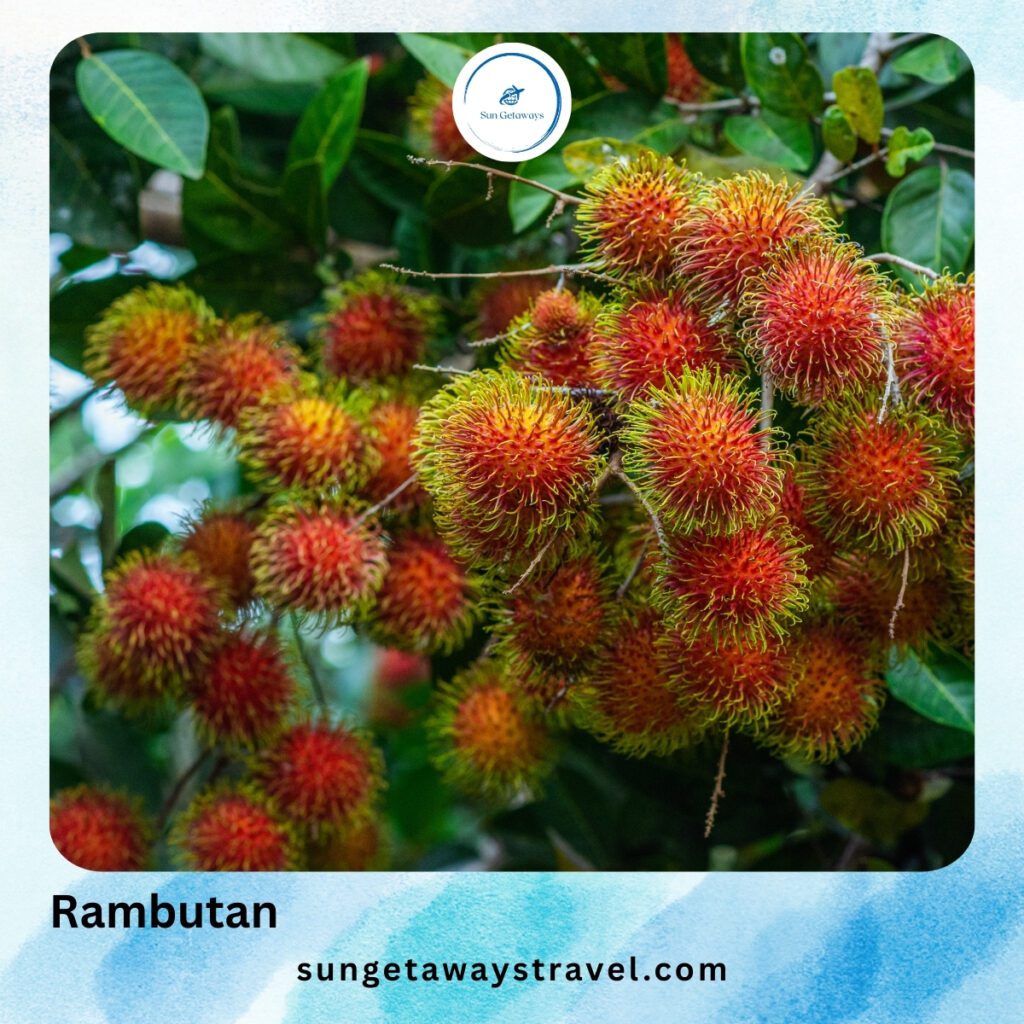
Fruit orchards represent another important aspect of what to see in Mekong Delta, supported by fertile alluvial soil. Mangoes, pomelos, durians, and rambutans grow beside canals and village paths. These landscapes explain the region’s strong food culture.
Walking through orchards connects naturally with several things, from tasting fruit to visiting local farms. The scenery feels calm and productive rather than decorative. Agriculture remains part of daily life, not just tourism.
2.4. Rice Fields and Seasonal Farming Cycles
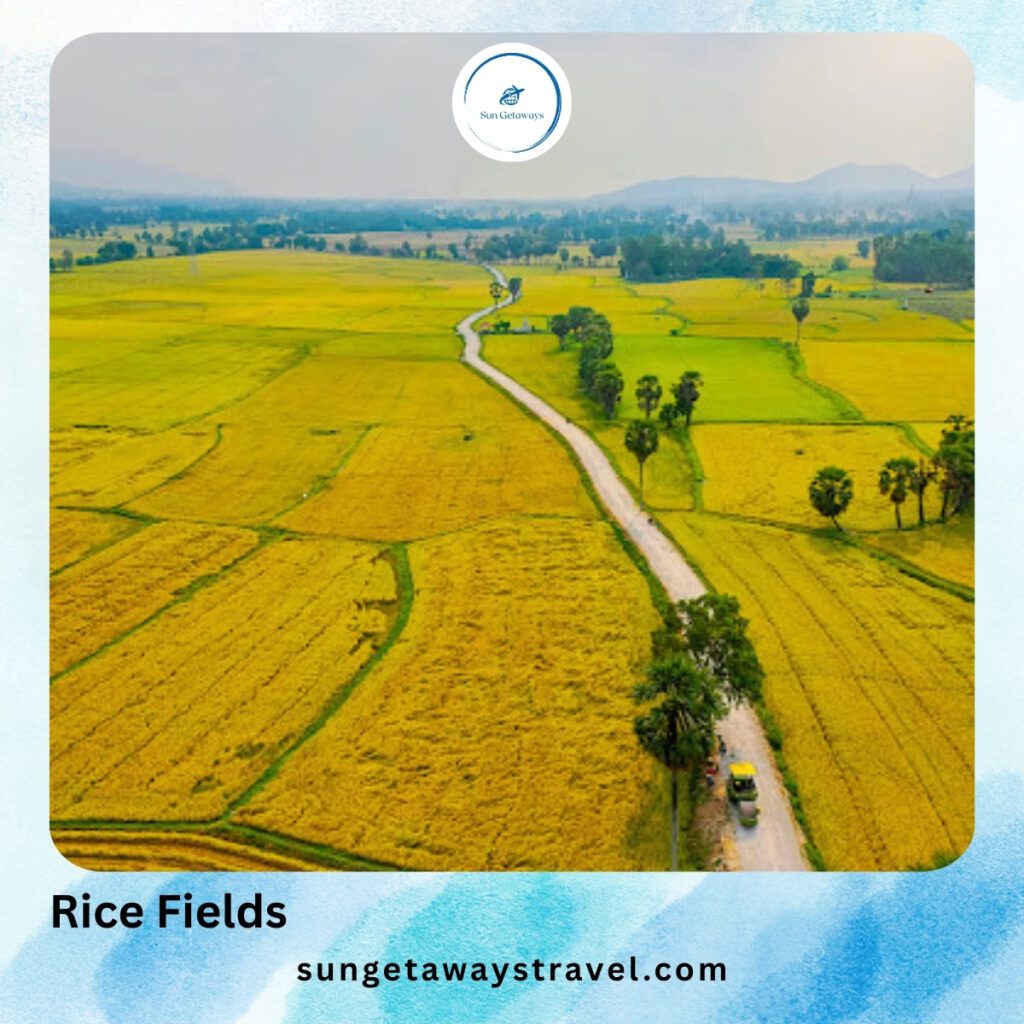
Rice fields stretch across much of the Delta. Additionally, seasonal planting and harvesting shape local schedules and income. Therefore, these fields reflect Vietnam’s reputation as a major rice producer.
Travelers who observe farming routines gain context for many things to do in Mekong Delta. Rural landscapes reveal patience, timing, and adaptation to nature. This environment contrasts sharply with Vietnam’s urban centers.
2.5. Temples, Pagodas, and Spiritual Landmarks
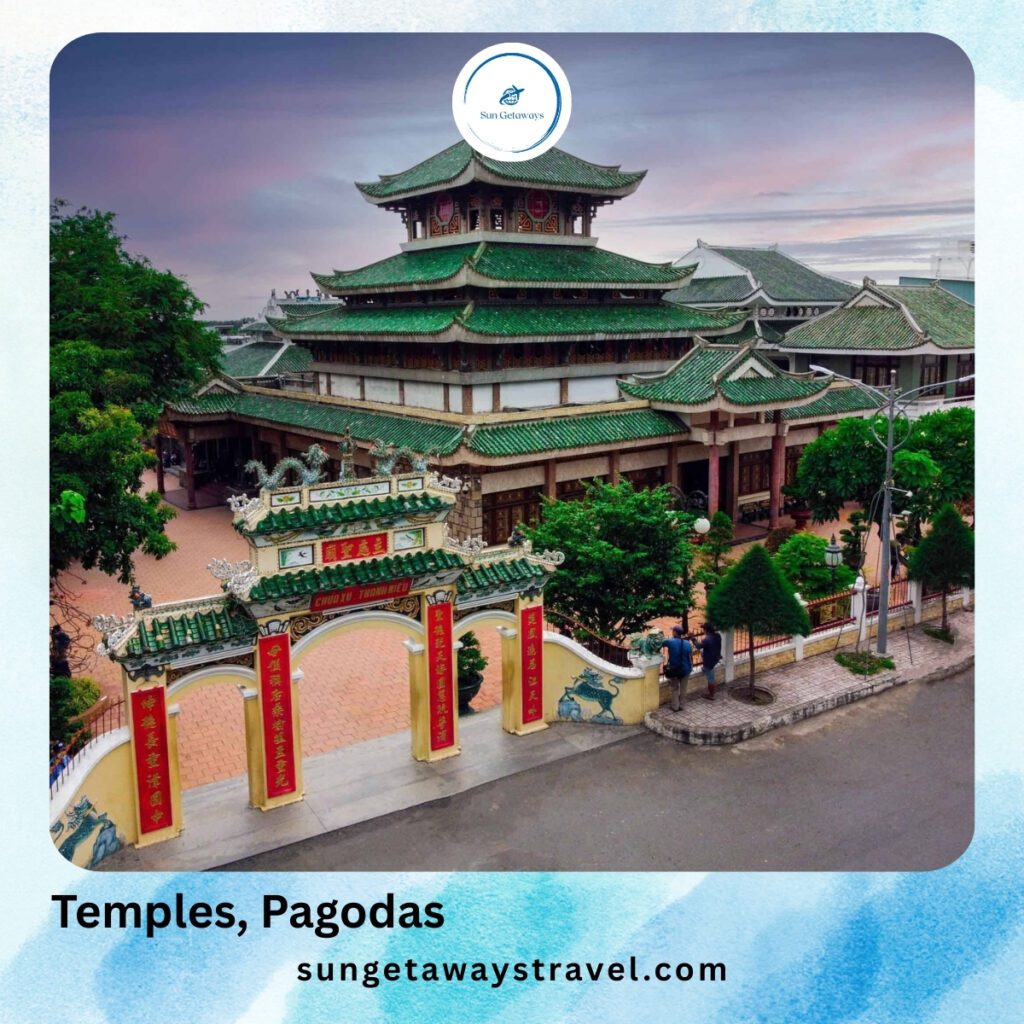
Religious sites add an important cultural layer to the region, particularly Khmer pagodas and village temples. These places reflect spiritual diversity and long-standing belief systems. Their architecture often blends local styles with broader regional influences.
Local residents tend to visit temples briefly as part of daily routines rather than formal ceremonies. Since, observing these quiet moments offers insight beyond visual appreciation. In addition, piritual life here remains woven into everyday movement and habits.
2.6. Small Local Markets and Community Spaces
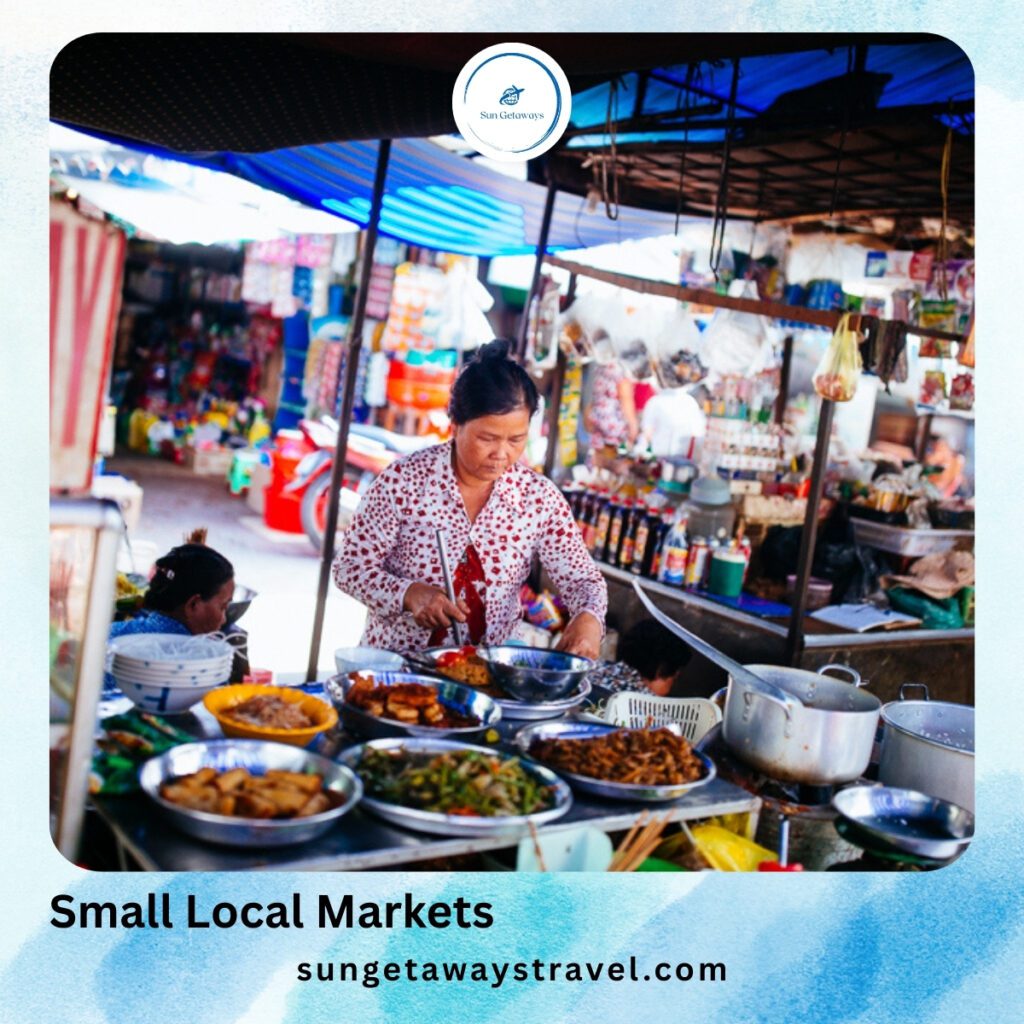
Village markets are among the most revealing answers to what to see in Mekong Delta. Because hese markets serve daily needs, selling fresh produce, fish, and household items. Moreover, they operate at a slower, more personal pace.
Stopping at local markets complements many things to do in Mekong Delta. Travelers see real interactions instead of tourist transactions. These spaces reflect community life at its most practical level.
Message us on WhatsApp if you need help planning your Mekong Delta experience or choosing the right travel route.
3. When and How to Experience the Mekong Delta Authentically
After understanding the region’s landscapes and daily life, the next step is choosing the right time and travel style. Seasonal rhythms and trip duration strongly influence how deeply visitors connect with local communities.
3.1. Best Time to Discover Local Life in the Mekong Delta
Timing plays a key role in choosing the right things to do in Mekong Delta, especially for travelers seeking authentic local life. The dry season from December to April offers calm weather and easier movement between rivers and villages. This period is ideal for first-time visitors exploring what to see in Mekong Delta comfortably.
From May to November, the region enters the green season with higher water levels and lush scenery. Floating activities become more vibrant, and fruit orchards reach peak harvest times. Travelers visiting during this season often discover deeper layers beyond standard routes.
For a broader understanding of seasonal patterns across the country and to help plan your trip around weather, festivals, and travel conditions, you may also find the best time to visit Vietnam month-by-month guide useful.
3.2. One-Day Trips vs Multi-Day Experiences
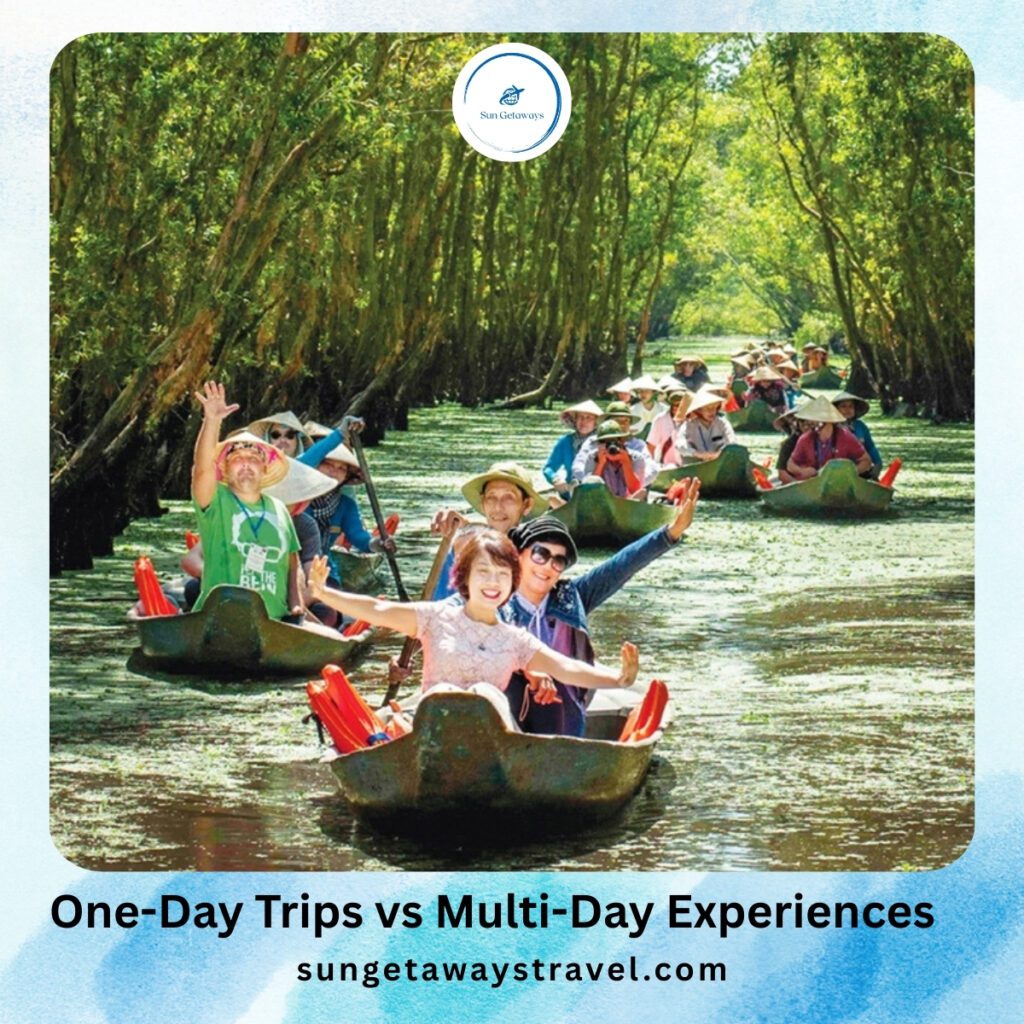
Many travelers consider a one-day trip among the simplest things to do in Mekong Delta, especially from Ho Chi Minh City. These trips offer a brief overview of rivers, markets, and villages within limited time. However, they often miss quieter moments that define local life.
Multi-day journeys allow travelers to slow down and stay overnight in rural areas. This approach reveals what to see in Mekong Delta after daytime tours end, including evening routines and early-morning river activity.
“With years of experience designing Mekong Delta journeys for international travelers, authentic experiences come from slowing down rather than rushing between highlights. Overnight stays, small-boat travel, and early-morning river life consistently create deeper cultural connection” – Emma Nguyen – Head of Tour Operations at Sun Getaways Travel.
4. Frequently Asked Questions About the Mekong Delta Experience
Yes, this is highly suitable for first-time visitors, especially those interested in culture and slow travel. The region is easy to access from Ho Chi Minh City and offers guided experiences that do not require complex planning.
Costs depend on trip length and service level. A one-day guided tour usually ranges from 900,000 – 1,500,000 VND per person, including transport and lunch. Overnight homestay experiences typically cost 1,800,000 – 3,000,000 VND per person, depending on accommodation comfort and included activities.
Booking in advance is recommended for popular experiences such as floating markets or overnight stays, especially during peak travel months. While independent travel is possible, guided arrangements help visitors access early-morning river life and avoid rushed itineraries.
Conclusion
Choosing the right things to do in Mekong Delta transforms a simple visit into a meaningful cultural journey. By slowing down on rivers, staying in local homes, and observing everyday routines, travelers gain a clearer understanding of what to see in Mekong Delta beyond popular highlights. These experiences reveal a region shaped by water, community, and seasonal rhythms rather than fast-paced sightseeing.
For travelers seeking a deeper and more personal approach, Sun Getaways Travel designs private journeys tailored to individual interests while maintaining a relaxed, authentic travel pace.


Related Tour

16-Day Vietnam Adventure Experience trip


0 Reviews
Discover the Gems of Vietnam with a 14-Day Grand Tour
20 Reviews
6 Days Hanoi Sapa Da Nang Muslim Trip
0 Reviews
Rural and ancient land of Bac Ninh
0 Reviews
Ask a question
Leave a Comment (0)
No questions yet. Be the first to ask a question!
See related Posted
Luxury Golf Resorts in Vietnam – Elite Golf Travelers

Vietnam is increasingly recognized as a premier golf destination in Asia, therefore luxury golf…
Macrame in Vietnam: The Revival of Knot Art in Contemporary Craft Culture

Macrame in Vietnam reflects the country’s growing engagement with contemporary handmade culture, where global…
Vietnamese Musical Instrument Craft: Traditional Instrument Making in Vietnam

Vietnamese musical instrument craft reflects a long-standing relationship between sound, material, and cultural memory.…
Traditional Vietnamese Kite Art: History, Craftsmanship, and Cultural Meaning

Traditional Vietnamese kite art is a living expression of folk creativity, community values, and…
Vietnamese Folk Masks: Tradition, Symbolism & Cultural Meaning

Vietnamese folk masks are a distinctive form of traditional art that reflects the spiritual…
Vietnamese Embroidery Art: Traditional Craftsmanship & Cultural Meaning

Vietnamese embroidery art is a refined traditional craft that reflects patience, cultural memory, and…