







The Ultimate Guide to Crossing the Most Scenic Mountain Passes in Vietnam
 Dan Vy
  3 min. to read
 Beyond the bustling cities, mountain road routes in Vietnam lead travelers through steep ascents and cloud-covered ridgelines. For those planning an overland journey, navigating the famous passes in Vietnam is essential to experiencing the country’s most dramatic landscapes. This guide explores these iconic routes and how they fit into a real itinerary from north to south.
Key Takeaways
- Vietnam’s mountain passes are essential for understanding the country’s geography and culture, connecting diverse regions and climates.
- Hai Van Pass is the most famous for its accessibility and stunning views between Da Nang and Hue.
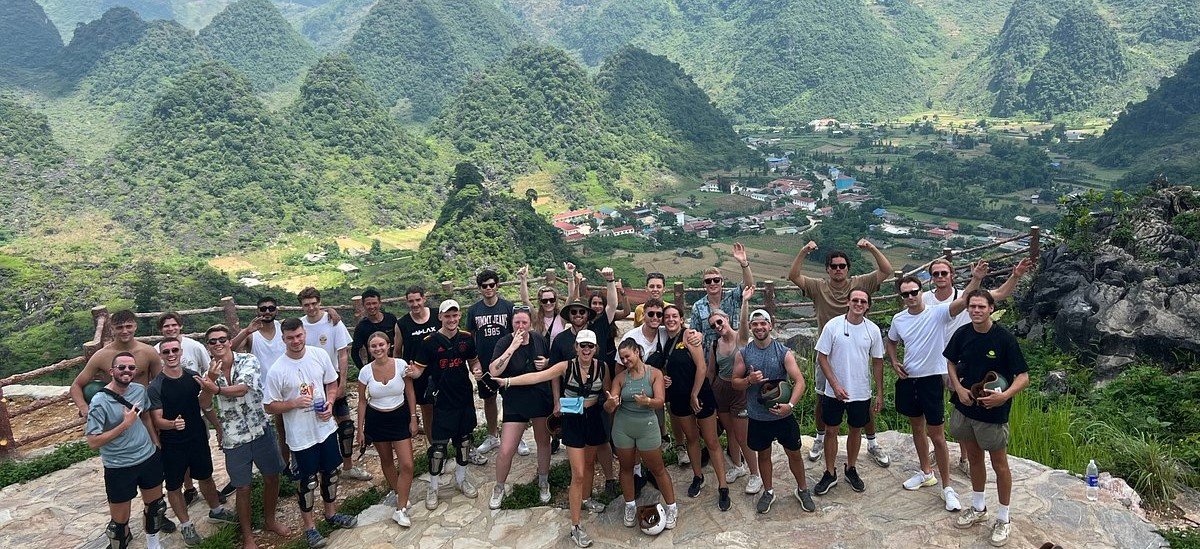
- Ma Pi Leng Pass offers dramatic scenery along steep cliffs and is ideal for adventurous travelers on the Ha Giang Loop.
- O Quy Ho Pass is known for its altitude and remote feel, making proper planning crucial for safety.
- Travelers should be prepared for weather changes, road conditions, and should consider guided tours to enhance safety and logistics while traversing the passes in Vietnam.
Why Vietnam’s Mountain Passes Are So Special For Travelers
Vietnam’s mountain passes are not isolated viewpoints; they are working roads that connect regions, cultures, and climates. Travelers crossing these routes often move from bustling lowland cities into quiet ethnic minority villages within a single day.

The appeal of these passes in Vietnam lies not only in scenery, but also in the sense of transition they create—between coast and highland, heat and mist, modern highways and narrow cliffside roads. Understanding this context helps travelers decide which routes match their comfort level, time constraints, and travel style for their Vietnam adventure travel.
1. Hai Van Pass – The Most Famous Coastal Mountain Crossing
Hai Van Pass is often the first mountain pass international travelers hear about, largely because it connects two major destinations: Da Nang and Hue. The road climbs sharply from the coastline, offering sweeping views of the sea on one side and dense forest on the other. Among all passes in Vietnam, Hai Van is considered the most accessible, with good road conditions and frequent stops for photos and rest.
Hai Van Pass Overview (★★★★★)
Crossing Hai Van Pass is usually a half-day experience rather than a full expedition, making it ideal for travelers with limited time. Many visitors choose to traverse it by private car or guided motorbike tour while transferring between cities.
- 📍 Location: Between Da Nang and Hue
- 🛣 Road condition: Fully paved, wide lanes
- 📸 Best viewpoint: Near the old French bunker at the summit

Pro Tip: Travel early in the morning for clearer skies, as fog often rolls in by late afternoon.
👉 This route is commonly included in short Central Vietnam itineraries such as Danang and Hoi An Discovery in 4 Days, allowing travelers to experience dramatic scenery without long detours.
2. Ma Pi Leng Pass – Vietnam’s Most Dramatic High-Altitude Road
Ma Pi Leng Pass is located in Ha Giang Province and is widely regarded as the most visually striking of all passes in Vietnam. The road cuts along sheer limestone cliffs above the Nho Que River, creating an intense but unforgettable driving experience. This is not a casual day trip; it is usually part of a multi-day Ha Giang Loop guide.
Ma Pi Leng Pass Overview (★★★★★)
Travelers crossing Ma Pi Leng must be prepared for narrow roads, steep drops, and changing weather. However, those who make the effort are rewarded with views unlike anywhere else in the country, including the famous sky paths in Ha Giang.
- 📍 Location: Ha Giang Loop
- 🛣 Road condition: Narrow, winding, partially exposed
- 🏞 Highlight: Canyon views over the Nho Que River

Pro Tip: Avoid riding at night and always check weather conditions before departure.
👉 This pass is a core highlight in northern overland programs such as 7 Days Northern Vietnam Tour: Hanoi, Halong, Sapa, where road safety and logistics are handled in advance.
3. O Quy Ho Pass – Crossing The Roof Of Northern Vietnam
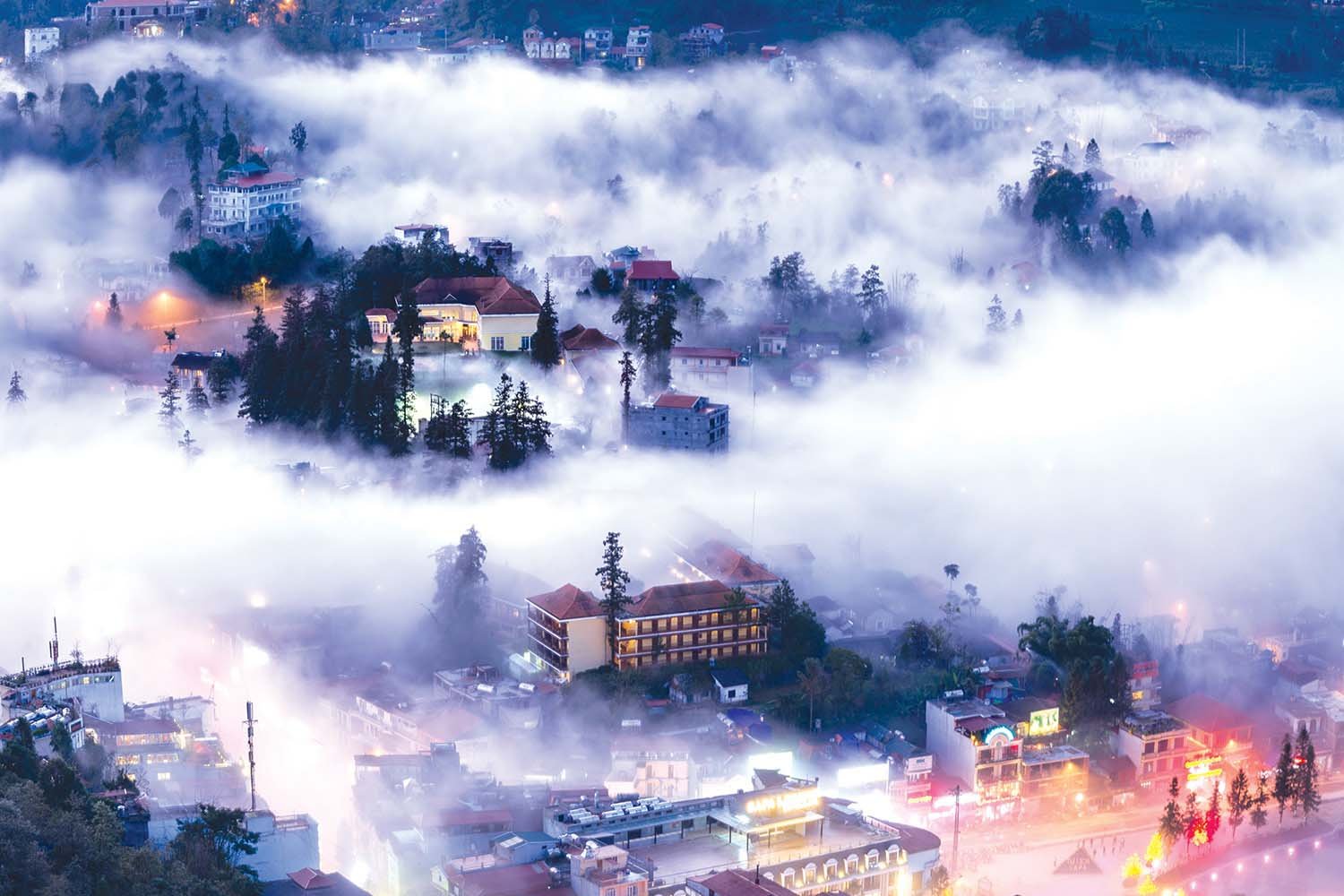
O Quy Ho Pass connects Lao Cai and Lai Chau provinces and is one of the longest and highest mountain road routes in Vietnam. The road climbs above 2,000 meters, often passing through clouds, with temperatures noticeably cooler than in Sapa town below. It is a must-see for those interested in Sapa trekking.
O Quy Ho Pass Overview (★★★★☆)
This pass is popular with travelers staying in Sapa who want to explore beyond the town center. The road itself feels remote, especially in poor weather, making planning essential.
- 📍 Location: Near Sapa
- 🌡 Climate: Cool year-round, fog common
- 🚗 Access: Best by car or experienced rider

Pro Tip: Carry warm clothing even in summer, as temperatures can drop suddenly at the summit.
4. Pha Din Pass – A Historical Route Through The Northwest
Pha Din Pass played a strategic role during Vietnam’s wartime history and remains one of the most meaningful passes in Vietnam for travelers interested in both scenery and context. The road links Son La and Dien Bien provinces, cutting through quiet, sparsely populated highlands.
Pha Din Pass Overview (★★★★☆)
This route is less commercialized than others, making it ideal for travelers seeking solitude and authenticity. Facilities are limited, so preparation is important, similar to the planning needed for northern Vietnam trekking.
- 📍 Location: Northwest Vietnam
- 🏔 Landscape: Rolling mountains and valleys
- 🕰 Significance: Historical wartime supply route

Pro Tip: Plan fuel stops carefully, as services are spaced far apart.
5. Ngoan Muc Pass – The Hidden Southern Highlands Route
Ngoan Muc Pass connects Ninh Thuan’s coastal plains with the cooler highlands of Da Lat. Unlike northern routes, this pass feels quieter and greener, making it one of the lesser-known mountain road routes in Vietnam.
Ngoan Muc Pass Overview (★★★★☆)
This pass is often used by travelers transitioning from beach destinations to the Central Highlands. The gradual climate change is one of its most memorable aspects, often compared to the transition seen in southern Vietnam trekking routes.
- 📍 Location: Between Phan Rang and Da Lat
- 🌲 Landscape: Pine forests and valleys
- 🚙 Traffic: Light compared to northern passes

Pro Tip: Combine this route with a night in Da Lat to avoid rushing the journey.
Comparison Table Of Vietnam’s Most Scenic Mountain Passes
Choosing which mountain pass to include in your journey can be difficult, especially when time, driving experience, and weather conditions vary so much across Vietnam. Some routes are short and accessible, while others require multiple days, careful planning, and a higher tolerance for narrow roads and steep drops.
This comparison table brings the most iconic passes together in one place, allowing travelers to quickly assess difficulty levels, regional location, and travel suitability. By reviewing these details side by side, you can decide which scenic routes realistically fit your itinerary rather than relying on photos alone.
| Pass Name | Region | Difficulty | Best For |
|---|---|---|---|
| Hai Van | Central | Easy | First-time visitors |
| Ma Pi Leng | Northern | Challenging | Adventure travelers |
| O Quy Ho | Northern | Moderate | Sapa-based trips |
| Pha Din | Northwest | Moderate | History-focused routes |
| Ngoan Muc | Southern | Easy–Moderate | Coast-to-highland travel |
Common Misconceptions About Mountain Pass Travel In Vietnam
Many travelers underestimate what crossing passes in Vietnam actually involves. Clearing up these misunderstandings helps set realistic expectations and improves safety, especially regarding Vietnam traffic safety.
- ❌ “All passes are easy day trips”
- ❌ “Road conditions are always predictable”
- ❌ “Navigation is straightforward everywhere”
✔️ In reality:
- Weather can change rapidly
- Road quality varies by region
- Local knowledge is invaluable

Planning A Scenic Mountain Journey Through Vietnam
Planning a journey that includes mountain road routes in Vietnam can be complex, especially for travelers unfamiliar with regional distances and road conditions. Routes that look short on a map can take much longer due to elevation changes, fog, or road works. Travelers also need to consider accommodation availability, fuel access, and meal planning—particularly in remote areas.
For Muslim travelers, additional considerations include prayer timing, food availability, and suitable rest stops, which can be difficult to manage independently in mountainous regions. This is where curated itineraries become particularly valuable.
- 🗺 Efficient routing between passes and towns
- 🕌 Scheduled stops aligned with prayer times
- 🚐 Reliable transport on challenging roads

👉 Multi-day programs like 9 Days Highlight North Of Vietnam or 7 Days Northern Vietnam Tour: Hanoi, Halong, Sapa are designed to balance scenery with logistics, allowing travelers to enjoy passes in Vietnam without navigating risks alone.
Tips For Visitors Driving Vietnam’s Mountain Roads
Crossing mountain road routes in Vietnam safely requires preparation rather than spontaneity.
- 🧥 Pack layers for changing temperatures
- 🛠 Check brakes and tires before departure
- ⛽ Refuel whenever possible
- 📶 Download offline maps in advance
- 🕒 Avoid night driving in unfamiliar areas
“Mountain passes look romantic in photos, but timing is everything. Over the years, I’ve seen travelers disappointed simply because they crossed at the wrong hour or season. Planning passes around visibility, traffic flow, and rest stops makes the journey safer and far more enjoyable.”
— Emma, Senior Vietnam Tour Consultant & Operations Specialist (12 Years Experience)
FAQs About Mountain Passes In Vietnam
1. Are Vietnam’s mountain passes safe for beginners?
Some routes are beginner-friendly, but others require experience and confidence.
2. When is the best season to cross mountain passes?
Dry season offers clearer views, but shoulder months balance weather and crowds.
3. Can passes be crossed by car instead of motorbike?
Yes, many passes in Vietnam are accessible by car.
4. Do I need special permits?
Certain northern areas may require permits, especially near borders.
5. Is guided travel recommended?
Guided tours reduce risk and simplify logistics, especially for remote routes.
Conclusion: Experiencing Vietnam Beyond The Cities
Vietnam’s mountain passes offer a deeper understanding of the country’s geography, culture, and pace of life. Whether you choose a famous coastal route or a remote northern climb, exploring passes in Vietnam transforms a journey from simple transportation into a meaningful experience.
For travelers seeking clarity and local expertise, you can reach out via WhatsApp travel assistance or design a route that fits your travel style through a tailor-made Vietnam journey.


Related Tour

Ventures Through Vietnam 14 Days


25 Reviews

Danang and Hoi An Discovery in 4 Days
35 Reviews

Experience the Magic of Vietnam in 16 Days
0 Reviews

Hanoi’s Street Food 3-Hour Guided Tour
25 Reviews


18 Days Vietnam Family Holiday Tour
0 Reviews
Ask a question
Leave a Comment (0)
No questions yet. Be the first to ask a question!
See related Posted
Luxury Golf Resorts in Vietnam – Elite Golf Travelers

Vietnam is increasingly recognized as a premier golf destination in Asia, therefore luxury golf…
Macrame in Vietnam: The Revival of Knot Art in Contemporary Craft Culture

Macrame in Vietnam reflects the country’s growing engagement with contemporary handmade culture, where global…
Vietnamese Musical Instrument Craft: Traditional Instrument Making in Vietnam

Vietnamese musical instrument craft reflects a long-standing relationship between sound, material, and cultural memory.…
Traditional Vietnamese Kite Art: History, Craftsmanship, and Cultural Meaning

Traditional Vietnamese kite art is a living expression of folk creativity, community values, and…
Vietnamese Folk Masks: Tradition, Symbolism & Cultural Meaning

Vietnamese folk masks are a distinctive form of traditional art that reflects the spiritual…
Vietnamese Embroidery Art: Traditional Craftsmanship & Cultural Meaning

Vietnamese embroidery art is a refined traditional craft that reflects patience, cultural memory, and…