





How to Visit a Fruit Garden and Pick Your Own Mekong Delta Tropical Fruits
 Dan Vy
  3 min. to read
 Experiencing Mekong Delta tropical fruits directly at local orchards is one of the most authentic ways to explore southern Vietnam. Instead of tasting fruit that has been transported and stored for days, visitors can walk beneath shady trees, learn from farmers, and pick ripe fruit straight from the branch. These fruit gardens are deeply connected to river life, seasonal rhythms, and family traditions.
This guide shows you how to visit Mekong Delta fruit gardens properly—what to expect, when to go, and how to make the experience truly meaningful.
Key Takeaways
- Mekong Delta tropical fruits offer freshness and flavor by allowing visitors to pick ripe fruit directly from family-owned gardens.
- The region’s exceptional agriculture results from alluvial soil, a stable tropical climate, and family-scale farming traditions.
- The best time to visit is between June and August, during peak harvest seasons for various fruits.
- Visitors should respect cultural etiquette, like asking before picking fruit and not wasting food.
- Experiencing Mekong Delta tropical fruits provides authentic connections to local culture and the environment.
Why Mekong Delta Tropical Fruits Are So Special
The Mekong Delta is often called Vietnam’s “fruit basket,” but that title barely captures its agricultural richness. The region’s fruit quality is the result of geography, climate, and generations of farming knowledge working together. There are so many incredible things to do in Mekong Delta that revolve around this bounty.
Here’s why Mekong Delta tropical fruits are genuinely different:
- 🌱 Alluvial soil renewed by rivers
Seasonal flooding deposits nutrient-rich sediment, allowing fruit trees to grow naturally without intensive fertilizers. - ☀️ Stable tropical climate
Warm temperatures and high humidity create ideal conditions for sweetness, aroma, and texture. You can check the Mekong Delta weather to plan your harvest visit. - 🚜 Family-scale farming traditions
Most Mekong Delta fruit gardens are inherited and managed by families, not corporations, preserving diversity and quality. - 🍍 Exceptional biodiversity
Beyond popular fruits like mango and durian, the delta grows rare varieties seldom exported due to fragility.
For travelers, this means Mekong Delta tropical fruits are not only fresher, but also more flavorful and culturally meaningful.
What Are Mekong Delta Fruit Gardens Really Like?
Many visitors expect large plantations, but Mekong Delta fruit gardens are far more intimate. These gardens are usually part of a family’s living space, shaped organically rather than in commercial rows. Exploring these areas offers a unique glimpse into life along rivers in Vietnam.
Typical characteristics of Mekong Delta fruit gardens include:
- 🏡 Homes surrounded by fruit trees rather than fences
- 🚣 Access via canals or narrow village paths
- 🌳 Mixed orchards with several fruit types growing together
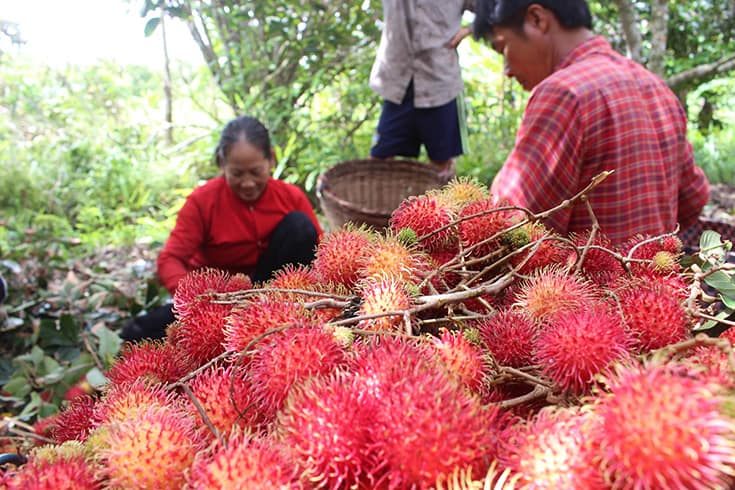
- 🧺 Fruit harvested only when ripe, not in bulk
Because of this, visits feel personal. Farmers often share stories about their land, harvest cycles, and even family history—something rarely found in commercial agrotourism.
Popular Mekong Delta Tropical Fruits You Can Pick
Different provinces specialize in different fruits, shaped by soil type and water flow. Knowing this helps you choose the right destination among the many where to go in Mekong Delta options.
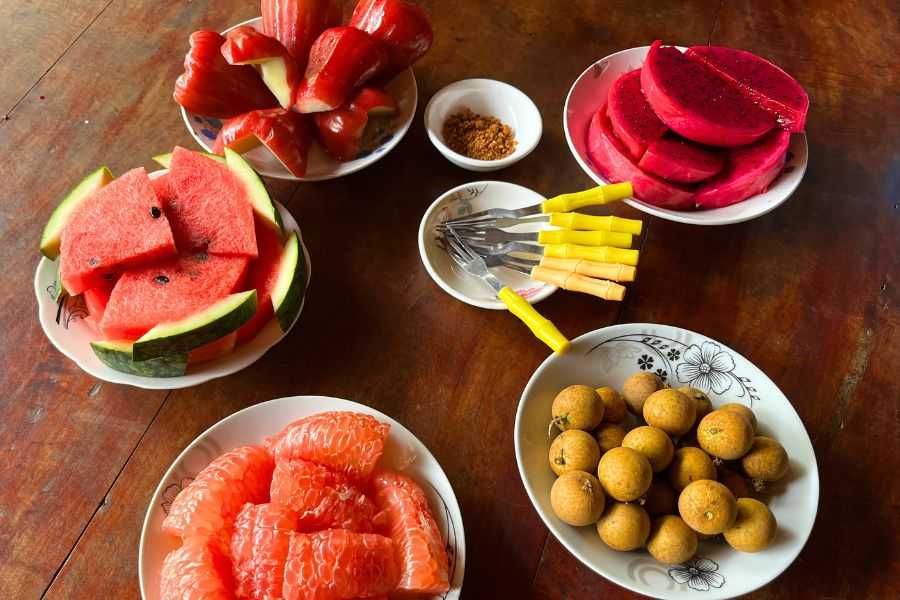
🍈 Common Mekong Delta Tropical Fruits by Area
- My Tho & Ben Tre
- Rambutan
- Longan
- Pomelo
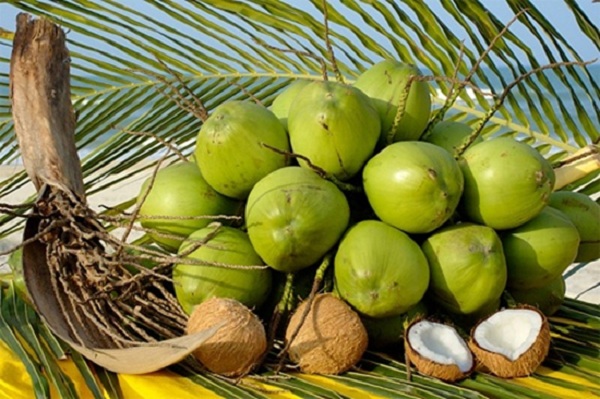
These areas are famous for coconut groves and sweet, juicy fruits.
- Vinh Long & Cai Be
- Durian
- Mangosteen
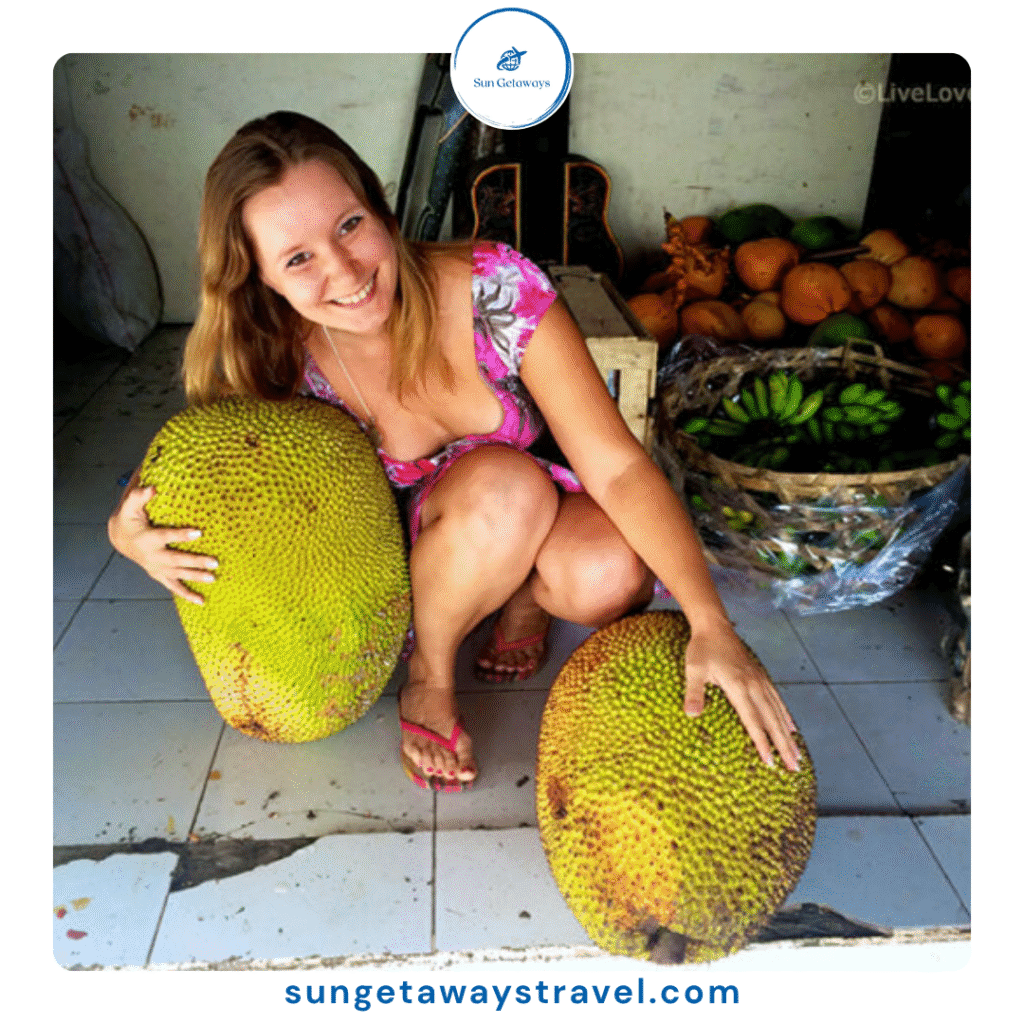
- Jackfruit
Known for premium-quality fruit and well-established Mekong Delta fruit gardens.
- Can Tho & Hau Giang
- Pineapple
- Star apple
- Dragon fruit
Often combined with floating markets and river activities.
Eating Mekong Delta tropical fruits immediately after picking reveals textures and aromas that rarely survive transportation.
Best Time to Visit
While fruit is available year-round, the experience varies greatly by season. Understanding the best time to visit Mekong Delta is crucial for fruit lovers.
📅 Seasonal Overview for Mekong Delta Tropical Fruits
| Period | Fruit Variety | Garden Activity | Visitor Experience |
|---|---|---|---|
| Jan – Mar | Limited | Quiet | Calm, fewer options |
| Apr – May | Moderate | Active | Good balance |
| Jun – Aug | Peak | Harvest season | ⭐ Best time |
| Sep – Oct | High | Lush | Scenic & flavorful |
| Nov – Dec | Low | Maintenance | Not ideal |
June to August is widely considered the best period to explore Mekong Delta fruit gardens, offering both diversity and peak freshness.
💰 Typical Costs at Mekong Delta Fruit Gardens
| Item | Estimated Cost (USD) | What’s Included? |
| Entrance Fee | $2.00 – $5.00 | Garden access, photo opportunities, and shade. |
| All-You-Can-Eat | $5.00 – $10.0 | Specific to gardens like Cái Mơn or Phong Điền during peak season. |
| Fruit Tasting Plate | Usually Included | A pre-cut sampler of 3-5 seasonal fruits with tea. |
| Pick-and-Pay | $1.50 – $4.00 per kg | Freshly picked fruit to take home (varies by fruit rarity). |
For a full breakdown of expenses, see our Mekong Delta travel cost guide. These costs go directly toward orchard maintenance and supporting family incomes.
Etiquette and Common Mistakes
Because most Mekong Delta fruit gardens are private, family-owned spaces, following a few Mekong Delta travel tips will lead to a much deeper connection with your hosts.
🙏 Cultural Etiquette for a Meaningful Visit:
- Always ask before picking: Even if the trees are overflowing, some fruits may be reserved for market sale or are not yet at peak ripeness.
- Avoid wasting food: In Vietnamese culture, food is a gift from the land. Only pick what you intend to eat or buy.
- Dress comfortably but respectfully: While gardens are rustic, wearing modest clothing (covering shoulders and knees) shows respect when entering a family’s private property.
- Ask permission for photos: Always ask before photographing the owners or their homes. A simple “Xin chào” (Hello) and a smile go a long way.
🚫 Common Mistakes to Avoid for the Best Experience:
- Expecting “Perfect” Supermarket Appearance:
* The Reality: Natural Mekong Delta tropical fruits vary in shape and size. They may have small skin blemishes, but these often signal that the fruit is organic and incredibly sweet. - Visiting Out of Season:
* The Reality: While fruits are available year-round, specific harvests peak at different times (e.g., Durian and Rambutan peak from June to August). Always check the seasonal calendar before booking your trip to specific Mekong Delta fruit gardens. - Treating Gardens Like Museums:
* The Reality: Remember these are active family homes and livelihoods. Avoid stepping on young seedlings or pulling on low-hanging branches, which can damage future harvests.
By avoiding these pitfalls, you ensure your visit supports the local economy and preserves the beauty of Mekong Delta fruit gardens for future generations of travelers.

Fruit Gardens and Mekong Delta Food Culture
In the Mekong Delta, fruit is rarely just a snack. Locals have mastered the art of integrating their harvest into every layer of daily life, creating a unique Mekong Delta food tour experience:
- Versatile Culinary Integration: Beyond eating them fresh, locals use jackfruit in coconut-based sweets, green mango in savory seafood salads, and even durian in specialized crepes.
- The Iconic “Chili Salt” Experience: A visit to Mekong Delta fruit gardens isn’t complete without trying firm fruits like guava or ambarella dipped in muối ớt (chili salt). This signature pairing of sweet, sour, and spicy is a staple of local street food culture.
- Fermented Delicacies: Many orchards also produce homemade fruit wines or fermented drinks from mulberry or star apple, often served during traditional festivals or family gatherings.
- Floating Heritage: Because many gardens are on islands, fruits are transported by boat to the world-famous floating markets in Vietnam.
Visiting Mekong Delta fruit gardens helps travelers understand the deep connection between the land and the table. It’s an immersive experience where you don’t just observe the landscape—you taste the very heart of the “Western Land” (Miền Tây).
Expert Insight: Emma’s Perspective After 12 Years in Vietnam Tourism
“Fruit gardens represent the soul of the Mekong Delta,” says Emma, a Vietnam travel consultant with 12 years of experience in tour planning and operations.
“Travelers who visit orchards instead of just markets gain a deeper understanding of rural life, food culture, and sustainability.”
Emma recommends combining fruit garden visits with homestays or canal cruises for a fuller picture of delta life.
Combining Fruit Gardens with a Mekong Delta Itinerary
Mekong Delta fruit gardens fit naturally into multi-day itineraries. A well-planned Mekong Delta tour should follow a relaxing flow:
🗺 Suggested Flow
- Morning (7:30 AM – 10:30 AM): Visit a local fruit garden in regions like Cái Mơn (Bến Tre) or Mỹ Khánh (Cần Thơ). This is the best time to wander under the canopy and pick Mekong Delta tropical fruits like rambutan, mangosteen, or longan directly from the branch.
- Midday (11:00 AM – 1:00 PM): Take a traditional sampan (canal boat) ride through narrow waterways shaded by water coconut trees to reach a local riverside restaurant.
- Afternoon (1:30 PM – 3:30 PM): Participate in a Mekong cooking class using seasonal fruits or simply relax in a hammock.
- Evening: Settle into a local homestay or enjoy a sunset riverside walk to see the delta transition into its peaceful night rhythm.orning: Fruit garden visit
👉 For travelers seeking a balanced, slow-paced experience, contact Sun Getaways Travel for customized Mekong Delta itineraries.
Our 4-Day Guided Mekong Delta Tour or the Experience Local Life in the Mekong package combines visits to authentic fruit gardens with deep cultural immersion, ensuring you see the delta without the rush of big tour groups.
FAQs
1. Are Mekong Delta fruit gardens open year-round?
Yes, but fruit availability varies by season.
2. When is the best time to enjoy Mekong Delta tropical fruits?
June to August offers the widest selection.
3. Are fruit garden visits suitable for children?
Yes, they are family-friendly and educational.
4. Should I book fruit gardens in advance?
Not mandatory, but guided visits ensure quality.
5. Can I take fruit back to the city?
Yes, most gardens sell fruit by weight.Without question.
Picking Mekong Delta tropical fruits directly from the tree offers freshness, human connection, and cultural depth that markets cannot replicate. It’s an experience rooted in simplicity, authenticity, and respect.
For travelers seeking genuine encounters, Mekong Delta fruit gardens are among the region’s most rewarding experiences.


Related Tour

Vietnam Luxury Tour 11 Days of Unforgettable Experiences


25 Reviews
Best Cultural & Heritage Vietnam 12 Days
35 Reviews

2 Days Central Vietnam Highlights Tour
8 Reviews

Travel eSIM: 3GB/Day – 7 Days
25 Reviews

11-Day Taste of Vietnam From North to South
31 Reviews

Ask a question
Leave a Comment (0)
No questions yet. Be the first to ask a question!
See related Posted
Luxury Golf Resorts in Vietnam – Elite Golf Travelers

Vietnam is increasingly recognized as a premier golf destination in Asia, therefore luxury golf…
Macrame in Vietnam: The Revival of Knot Art in Contemporary Craft Culture

Macrame in Vietnam reflects the country’s growing engagement with contemporary handmade culture, where global…
Vietnamese Musical Instrument Craft: Traditional Instrument Making in Vietnam

Vietnamese musical instrument craft reflects a long-standing relationship between sound, material, and cultural memory.…
Traditional Vietnamese Kite Art: History, Craftsmanship, and Cultural Meaning

Traditional Vietnamese kite art is a living expression of folk creativity, community values, and…
Vietnamese Folk Masks: Tradition, Symbolism & Cultural Meaning

Vietnamese folk masks are a distinctive form of traditional art that reflects the spiritual…
Vietnamese Embroidery Art: Traditional Craftsmanship & Cultural Meaning

Vietnamese embroidery art is a refined traditional craft that reflects patience, cultural memory, and…