





Historic Schools in Vietnam: A Hidden Cultural Experience
 HoangAn
  3 min. to read
 Have you ever felt that many cultural sites look beautiful but tell you very little about real Vietnamese life? Travelers who seek depth often struggle to understand traditional education in Vietnam and where it actually took place. In this guide, we explore historic schools in Vietnam, explain why they matter, share practical visiting tips, and show you how to connect them naturally with your Vietnam journey.
Key Takeaways
- Historic schools in Vietnam reveal the values of learning and moral character, offering travelers insights beyond typical tourist sites.
- Key locations include the Temple of Literature in Hanoi, Quoc Hoc Hue High School, and Hai Ba Trung High School, each with unique historical significance.
- Visitors should approach these schools with cultural awareness, following etiquette guidelines like dressing modestly and keeping noise levels low.
- Adding historic schools to your travel route enriches the experience, connecting cultural heritage with broader Vietnamese history.
- Travelers can easily access most historic schools at low or no cost, making them excellent choices for immersive cultural exploration.
1. Why Historic Schools in Vietnam Attract Cultural Travelers
Historic schools in Vietnam offer something different from palaces or pagodas. They show how Vietnamese people valued learning, discipline, and moral character across generations.
For curious travelers, these sites reveal how traditional education in Vietnam shaped leaders, scholars, and social values. They are quiet, meaningful, and easy to combine with city sightseeing, making them ideal for travelers who want culture without crowds.
2. The Temple of Literature (Van Mieu – Quoc Tu Giam), Hanoi
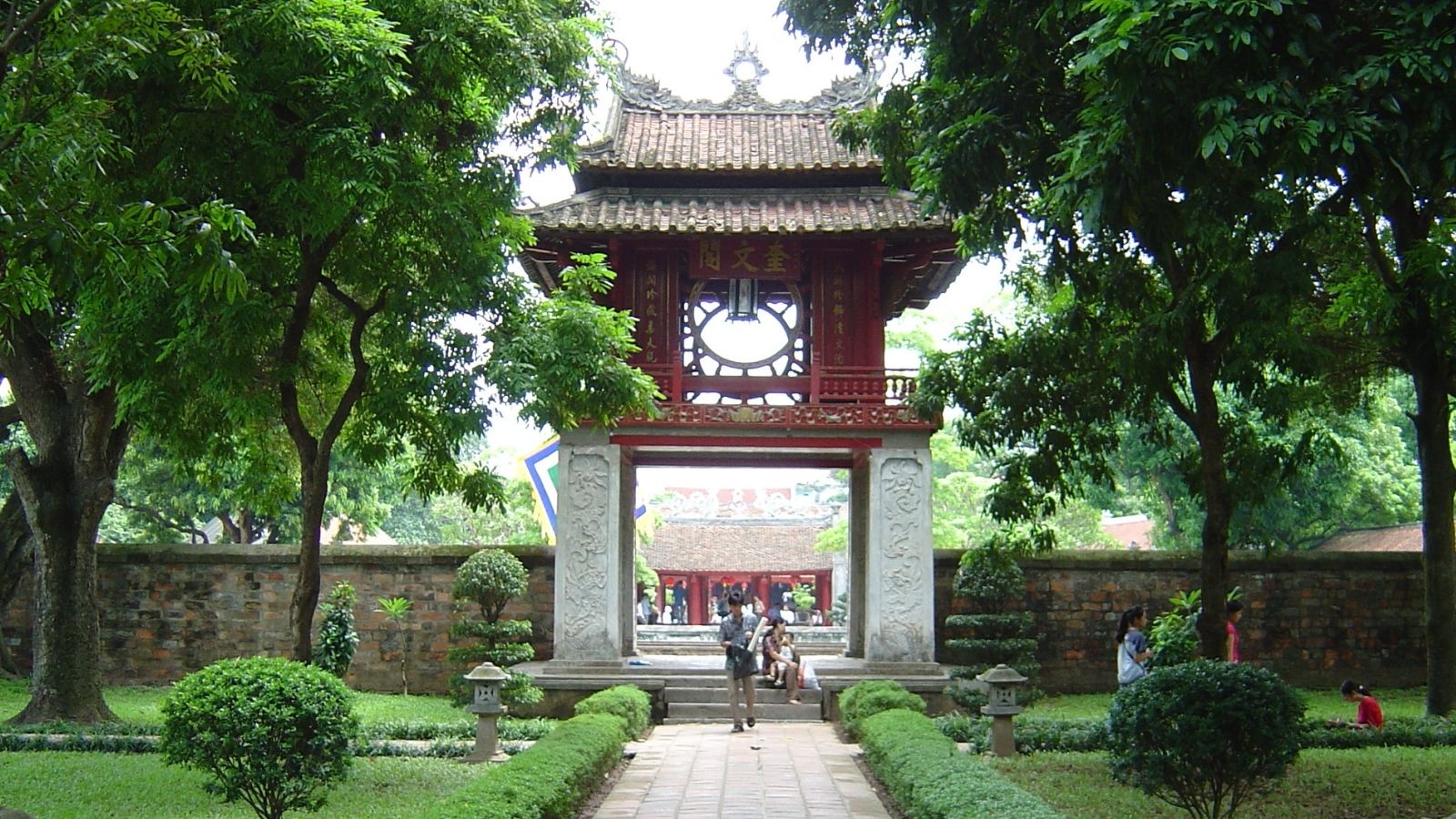
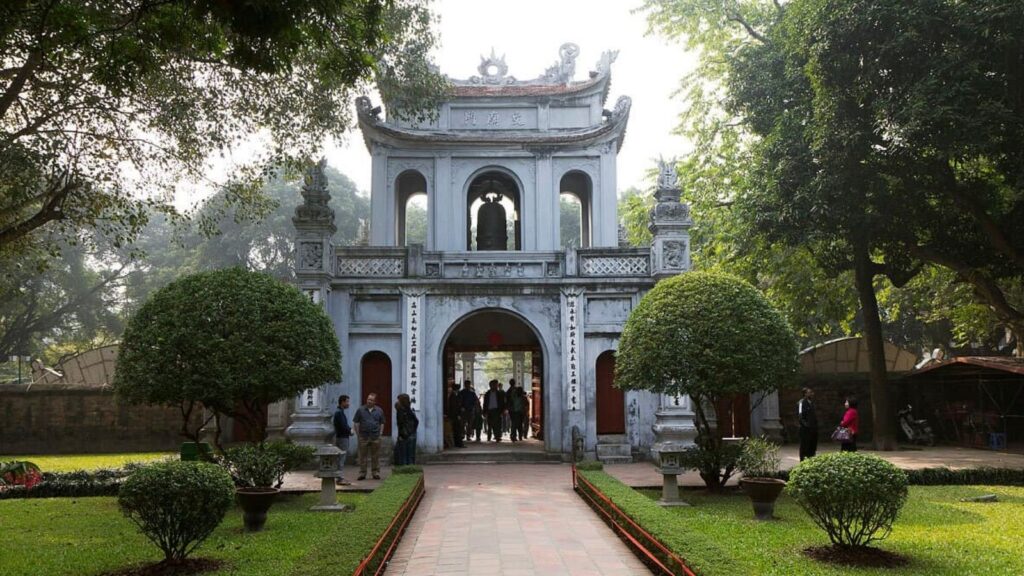
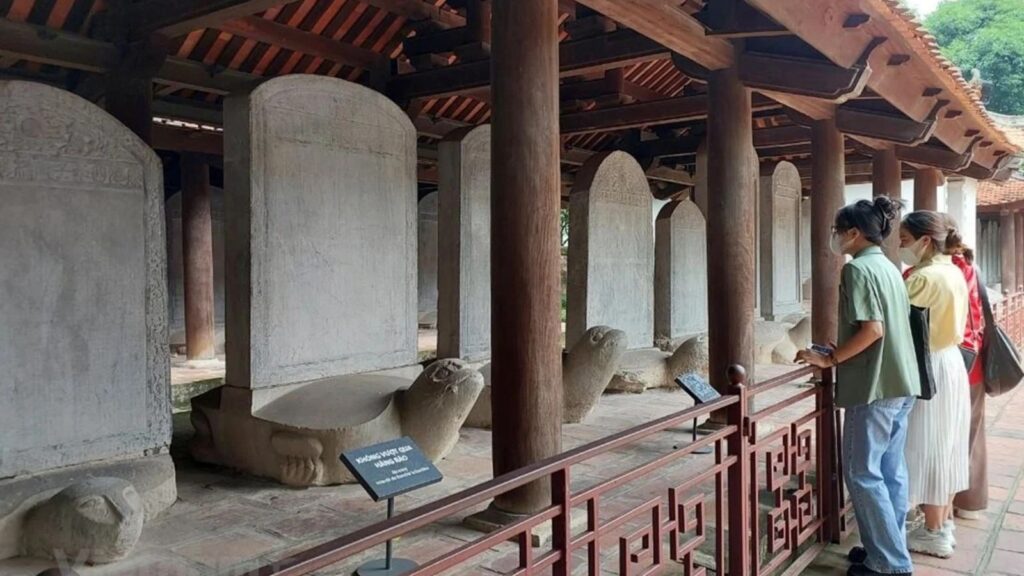
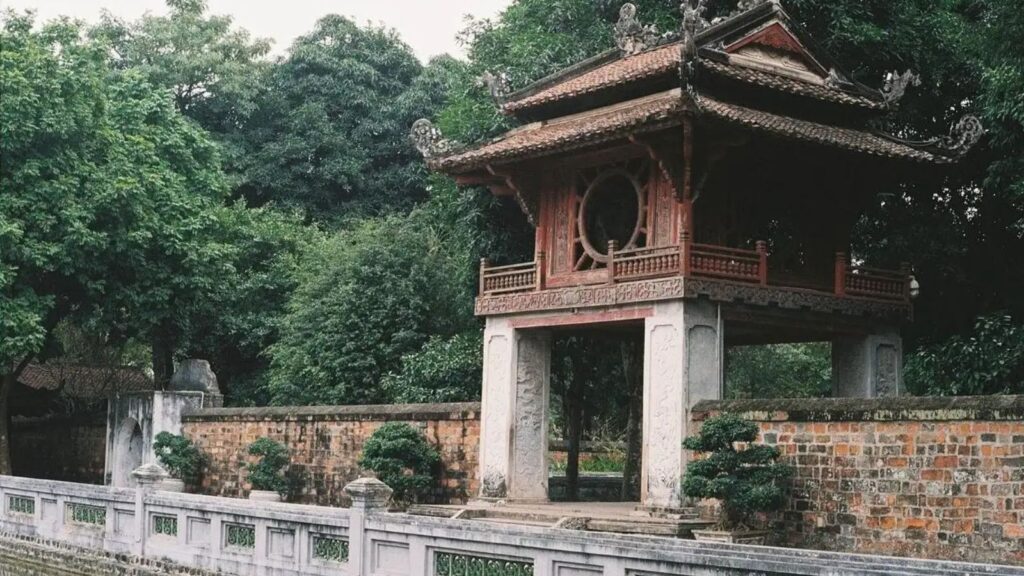
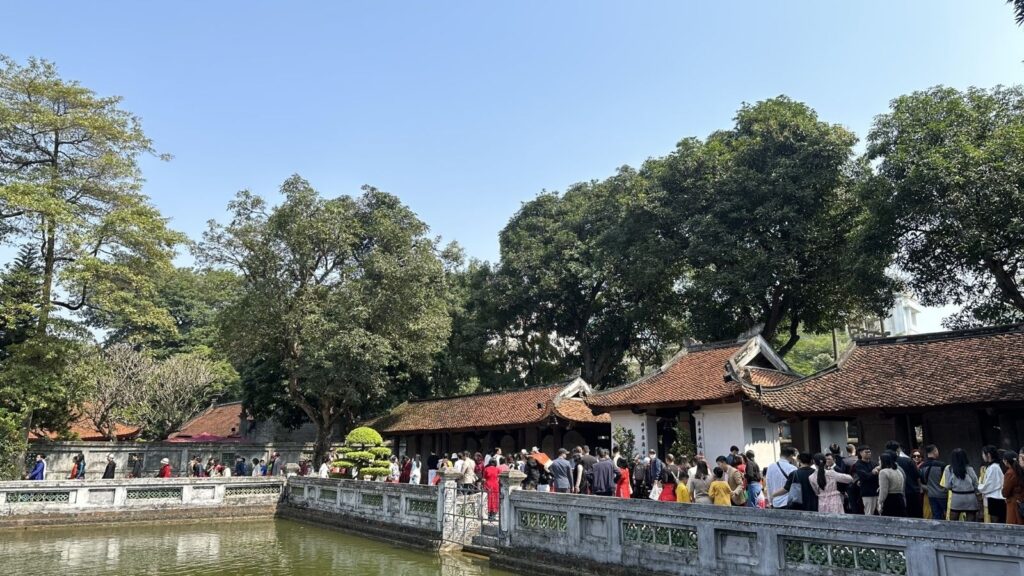
The Temple of Literature is the most important symbol among historic schools in Vietnam. Located in central Hanoi, it served as Vietnam’s first national university.
Built in the 11th century, the site honors outstanding scholars and reflects the deep respect for learning in traditional education in Vietnam. Today, visitors can walk through peaceful courtyards and see stone stelae recording successful exam candidates.
- Entrance fee: Around 30,000 VND
- Best time to visit: Early morning or late afternoon
You can easily combine this visit with Hoan Kiem Lake, the Old Quarter, or a Hanoi street food tour. It fits perfectly into a cultural day in Hanoi before continuing North or South.
Many travelers include the Temple of Literature as part of a half-day city tour. If you prefer a deeper cultural focus, this site works beautifully within a Vietnam classic tour, where history, local life, and heritage flow naturally together.
2. Hai Ba Trung High School, Ho Chi Minh City
Hai Ba Trung High School represents a later chapter of historic schools in Vietnam, reflecting early modern education in southern Vietnam. Located near Notre Dame Cathedral and the Central Post Office, the school shows how traditional education in Vietnam gradually blended with new teaching methods.
Entrance fee: Free (outside viewing)
Best time to visit: Morning or early afternoon
This stop fits well into a walking route through central Ho Chi Minh City, alongside museums and colonial-era landmarks.
3. Hue High School For The Gifted (Quoc Hoc Hue), Hue
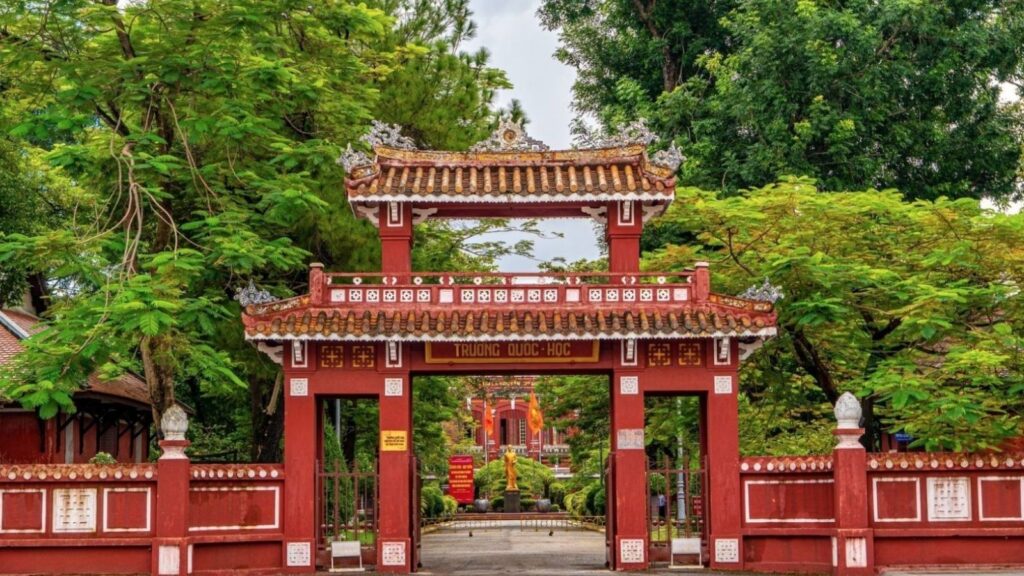
Hue High School For The Gifted is one of the most iconic historic schools in Vietnam from the late imperial period. It stands along the Perfume River and remains active today.
Founded in 1896, the school educated many influential figures in modern Vietnamese history. Its red-brick buildings and calm surroundings reflect how traditional education in Vietnam evolved while keeping strong academic values.
- Entrance fee: Free (exterior visit)
- Best time to visit: Late afternoon, cooler and quiet
You can stop here while exploring the Imperial City, Thien Mu Pagoda, or riverside cafes. It adds educational depth to a heritage-focused Hue visit.
Quoc Hoc Hue works best as a short cultural stop. It does not require much time but adds strong historical context. Many travelers include it in a Hue city tour before moving on to Da Nang or Hoi An, making the journey both educational and relaxing.
4. Dong Kinh Nghia Thuc Movement and Hanoi’s Education Legacy
Dong Kinh Nghia Thuc was not a physical school, but it played a major role in Vietnam’s educational awakening. It promoted open thinking and social responsibility.
Learning about this movement helps travelers understand how historic schools in Vietnam influenced social change. This story adds depth when visiting Hanoi’s cultural sites and museums.
5. Travel Costs and Practical Information for Historic Schools
Visiting historic schools in Vietnam is affordable and traveler-friendly. Most sites cost little or nothing. Below is a clear comparison to help you plan your route efficiently and avoid surprises during your trip.
| Historic School | City | Entrance Fee | Nearby Attractions |
|---|---|---|---|
| Temple of Literature | Hanoi | ~30,000 VND | Old Quarter, Hoan Kiem Lake |
| Quoc Hoc Hue High School | Hue | Free (outside) | Imperial City, Perfume River |
| Hai Ba Trung High School | Ho Chi Minh City | Free (outside) | Notre Dame Cathedral, Central Post Office |
This table helps travelers choose stops based on budget, location, and time.
“Historic schools offer context that many travelers miss. Even one visit helps you understand traditional education in Vietnam and how learning shaped society.”
Mrs. Emma Nguyen – Tour Operator Manager with over 12 years of experience at Sun Getaways Travel
6. How to Connect Historic Schools with Broader Vietnam Routes
Historic schools in Vietnam work best when included as part of a wider journey rather than standalone visits. They act as cultural anchors between major destinations.
For example, starting in Hanoi with the Temple of Literature creates a strong foundation for understanding northern culture. From there, you can travel south to Hue for royal heritage and continue to Ho Chi Minh City for a modern perspective on education.
Helpful tips for route planning:
- Visit schools in the morning when sites are quieter and cooler.
- Combine them with nearby attractions to save time and energy.
- Use historic schools as cultural breaks between long travel days.
These tips work especially well for travelers planning a North to South Vietnam tour, where balance and pacing matter.
If you want help designing a smooth cultural route that includes historic schools, heritage cities, and local experiences, Sun Getaways Travel is happy to support your planning. Don’t hesitate to contact us today!
7. Historic Schools in Vietnam and Cultural Etiquette
Historic schools in Vietnam are more than historical landmarks. Many locals still view them as places connected to learning, respect, and moral values rooted in traditional education in Vietnam. Because of this, visitors should approach these sites with care and cultural awareness.
Before visiting, it helps to understand a few basic etiquette rules. These small actions make a big difference in how your visit feels and how locals perceive international travelers.
7.1 Dress and Appearance
- Choose modest and simple clothing
Historic schools often share cultural values with temples and heritage sites. Wearing clothes that cover shoulders and knees shows respect for the educational and cultural spirit of the place.
This does not mean you need formal attire. Light, comfortable, and modest clothing is enough, especially during hot weather.
7.2 Behavior and Noise Level
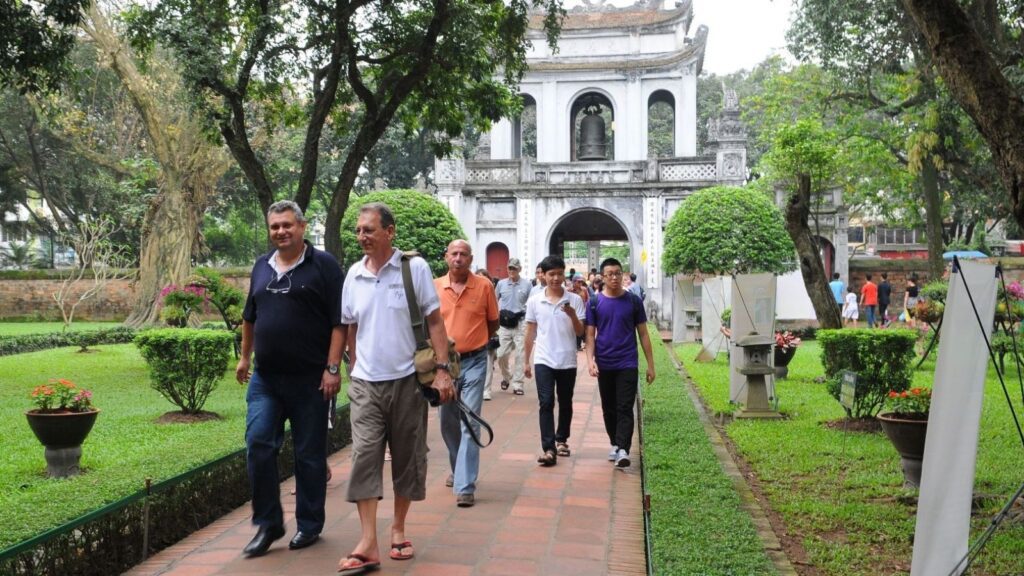
- Keep your voice low and movements calm
Many historic schools are quiet spaces where visitors come to reflect. Speaking softly helps maintain the peaceful atmosphere and shows respect for the role of education in Vietnamese culture.
Avoid running, loud laughter, or disruptive behavior, especially in courtyards and exhibition areas.
7.3 Photography Awareness
- Take photos respectfully and thoughtfully
Photography is usually allowed at historic schools in Vietnam. However, avoid posing disrespectfully or climbing on historical structures for photos.
If you see signs asking for no photos in certain areas, always follow them. Respecting these rules reflects an understanding of traditional education in Vietnam and local customs.
7.4 Respect for Objects and Spaces
- Do not touch statues, stelae, or study artifacts
Many objects represent scholars, teachers, and important educational achievements. Touching or leaning on them can cause damage over time.
Observing from a distance allows these sites to be preserved for future visitors and local students.
7.5 Interaction with Local Visitors
- Observe and follow local behavior
You may see students, families, or older visitors showing quiet respect. Following their example is the easiest way to behave appropriately.
If you are unsure about something, watching how locals act often provides the best guidance.
By respecting these simple etiquette guidelines, travelers can enjoy historic schools in Vietnam more deeply. These thoughtful actions help create a meaningful experience and honor the long-standing values behind traditional education in Vietnam.
8. Frequently Asked Questions
Yes, they are easy to visit and provide cultural context that helps first-time travelers understand Vietnam better.
A guide adds depth, but clear signage and basic knowledge are enough for most travelers.
They are suitable for older children interested in history and culture, especially when combined with nearby attractions.
Most are calm and less crowded, especially outside peak hours.
Yes, many travelers include them in customized cultural itineraries with flexible pacing.
9. Conclusion: Discover Vietnam Through Its Historic Schools
Historic schools in Vietnam tell quiet but powerful stories. They reflect values of learning, discipline, and respect rooted in traditional education in Vietnam. For travelers seeking meaning, these sites offer insight that temples alone cannot provide.
Ready to explore Vietnam beyond the usual highlights? Contact Sun Getaways Travel today and let our local experts design a cultural journey that brings historic schools, heritage cities, and authentic experiences together seamlessly.


Related Tour

Experience the Magic of Vietnam in 16 Days


0 Reviews

Experience Vietnam’s Diverse Regions in 14 Days
31 Reviews

Hanoi’s Street Food 3-Hour Guided Tour
25 Reviews

4 Days Explore Cu Chi Tunnels & Mekong Delta
30 Reviews

4 Days Hanoi Halong Ninh Binh Muslim Tour
21 Reviews
Ask a question
Leave a Comment (0)
No questions yet. Be the first to ask a question!
See related Posted
Luxury Golf Resorts in Vietnam – Elite Golf Travelers

Vietnam is increasingly recognized as a premier golf destination in Asia, therefore luxury golf…
Macrame in Vietnam: The Revival of Knot Art in Contemporary Craft Culture

Macrame in Vietnam reflects the country’s growing engagement with contemporary handmade culture, where global…
Vietnamese Musical Instrument Craft: Traditional Instrument Making in Vietnam

Vietnamese musical instrument craft reflects a long-standing relationship between sound, material, and cultural memory.…
Traditional Vietnamese Kite Art: History, Craftsmanship, and Cultural Meaning

Traditional Vietnamese kite art is a living expression of folk creativity, community values, and…
Vietnamese Folk Masks: Tradition, Symbolism & Cultural Meaning

Vietnamese folk masks are a distinctive form of traditional art that reflects the spiritual…
Vietnamese Embroidery Art: Traditional Craftsmanship & Cultural Meaning

Vietnamese embroidery art is a refined traditional craft that reflects patience, cultural memory, and…