






Fansipan Mountain: Your Guide to the Roof of Indochina
 Hoang Pham
  3 min. to read
 Have you ever stood so high up that you could see the world stretch out below you like a map? That’s the feeling you get on Fansipan Mountain. It’s the crown jewel of the Hoang Lien Son range, but it’s just one of many incredible Mountains in Vietnam. The country’s diverse geography offers stunning peaks for all levels of adventurers.
Standing tall at 3,143 meters, Fansipan is a short distance from the charming town of Sapa. Sapa itself is a destination with a long list of attractions and activities. If you’re planning to spend a few days here, we have a complete guide on all the best Things To Do in Sapa.
How to Get to Fansipan Mountain
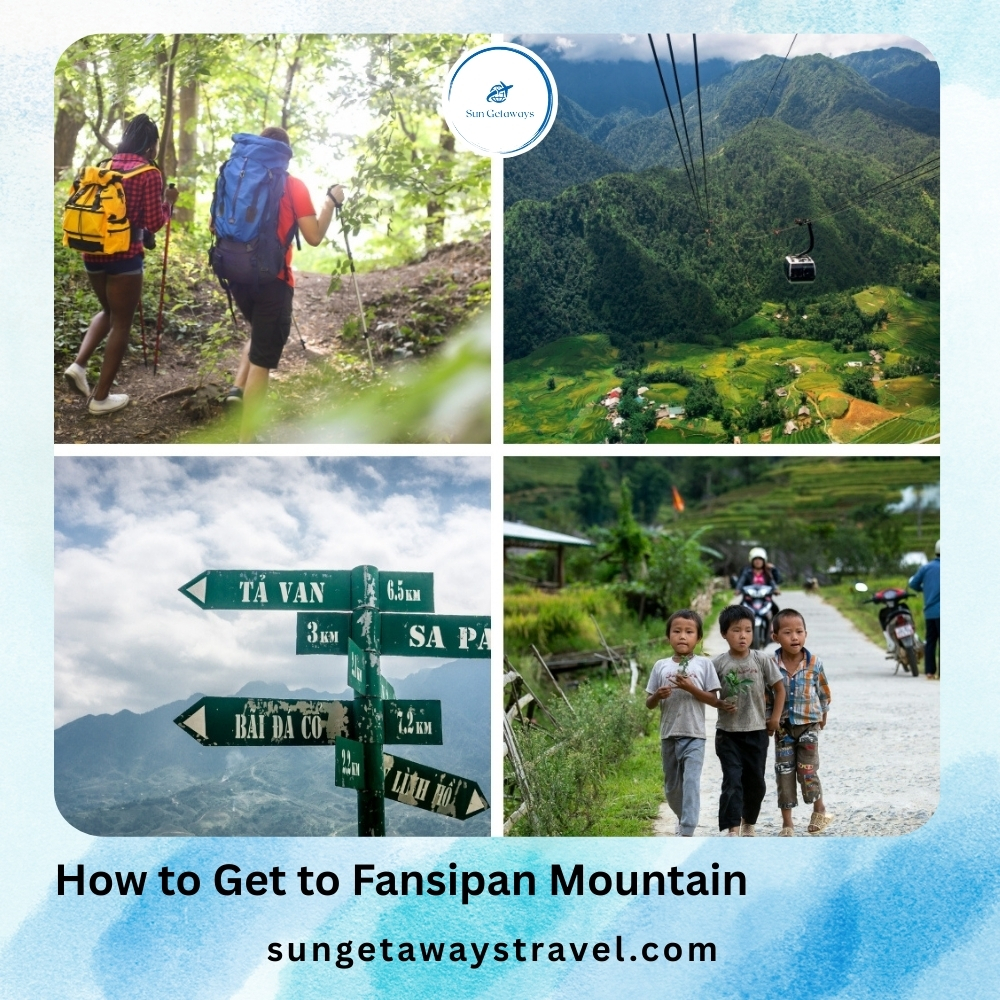
So, you’ve decided you want to see this incredible peak for yourself. Good choice! The first thing to figure out is how you’ll make the ascent. You basically have two main options: a scenic cable car ride or a challenging trek. Both offer completely different experiences, so let’s look at which one might be right for you.
Fansipan Legend Cable Car
Taking the cable car is an amazing experience in itself. You will glide smoothly over the beautiful Muong Hoa Valley, watching the famous terraced rice fields unfold beneath you. These fields are a signature sight of the region, and you can find more beautiful landscapes like this in our guide to the most stunning Rice Terraces in Vietnam.
Hiking to the Peak of Fansipan Mountain
For those who love a good physical challenge, hiking to the summit of Fansipan Mountain is an incredible accomplishment. This is a demanding multi-day journey that tests your endurance. For a deep dive into what to expect, check out our dedicated guide on Fansipan Trekking.
Popular Trekking Routes to Fansipan Mountain
If you’ve decided to trek, the next step is choosing your path. Fansipan offers some of the country’s most famous trails, but the entire region is a hiker’s paradise. For more ideas, check out our detailed guide to Northern Vietnam trekking.
Tram Ton Pass Route (Most Popular)
This is the path most people take, and for good reason. It’s considered the most beginner-friendly trek. The climb is more gradual than the others, making it a manageable challenge for those with a decent level of fitness. The trek usually takes two days and one night, with an overnight stay at a camp on the mountain.
Sin Chai Route (The Challenge)
Now, if you’re an experienced trekker looking for something more intense, the Sin Chai route is a great option. It’s a much shorter trek, often completed in one or two days, but don’t let that fool you. The path is significantly steeper and more rugged, requiring a higher level of fitness and stamina.
Cat Cat Route (The Ultimate Expedition)
The Cat Cat route is the longest and most demanding of the three, but also the most scenic. This three-day expedition is for very fit and experienced hikers who want the full Fansipan experience. It’s a journey that takes you through some of the most remote and beautiful parts of the Hoang Lien Son range.
Things to Notice When Trekking to Fansipan Mountain
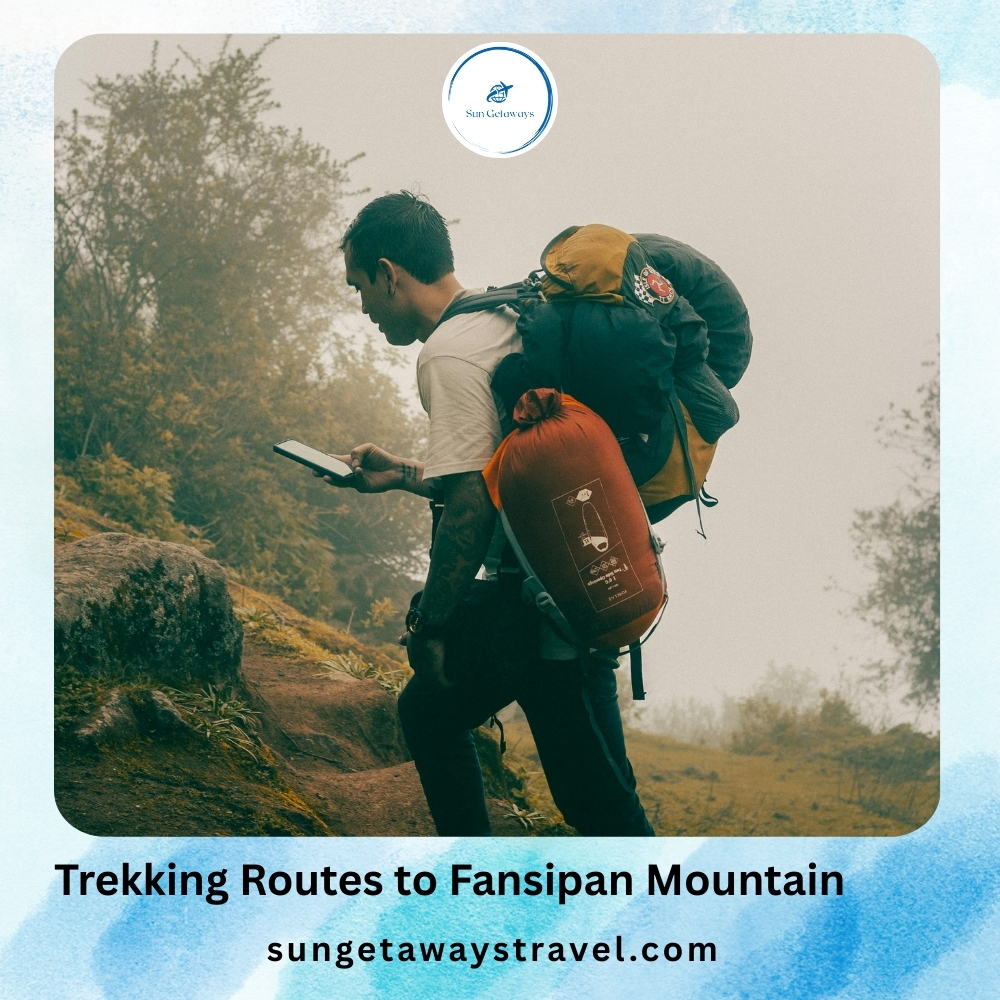
No matter which route you choose, there are a couple of very important things to keep in mind. Safety should always be your top priority on a trek like this.
First, always hire a local guide. The trails on Fansipan are not well-marked, and the weather can change in an instant. A local guide knows the mountain inside and out. They will ensure you stay on the right path, find the safest places to cross streams, and know what to do in an emergency. They also carry the necessary permits and can share so much about the local culture and environment.
Second, be aware of altitude sickness. Sapa is already at a high elevation, and you’ll be climbing much higher. Symptoms can include headaches, dizziness, and nausea. The best way to prevent it is to ascend slowly and stay hydrated. Listen to your body, and don’t push yourself too hard. Your guide will also know how to spot the signs and what to do if you start feeling unwell.

When to Visit Fansipan Mountain
Choosing the right time for your trek is key to a great experience, as the weather can change drastically. To help you plan, we’ve broken down the best Vietnam trekking seasons for different regions.
- Spring (March – May): This is a beautiful time to go. The weather is cool and clear, and the mountain is covered in blooming flowers, especially rhododendrons. It’s a very colorful and vibrant season.
- Autumn (September – November): This is another excellent choice. It is the harvest season, and the terraced rice fields in the valley below turn a beautiful golden yellow. The weather of Sapa in October is stable, and the skies are often very clear, offering some of the best panoramic views.
- Winter (December – February): This time of year is very cold. It’s for the truly adventurous. There is a rare chance to see frost or even a bit of snow at the peak, which is a unique experience in Vietnamese seasons.

Things to Do on the Fansipan Mountain’s Peak
Reaching the summit is just the beginning. The peak of Fansipan is a large complex with several spiritual and cultural landmarks to see.
The Great Buddha Statue
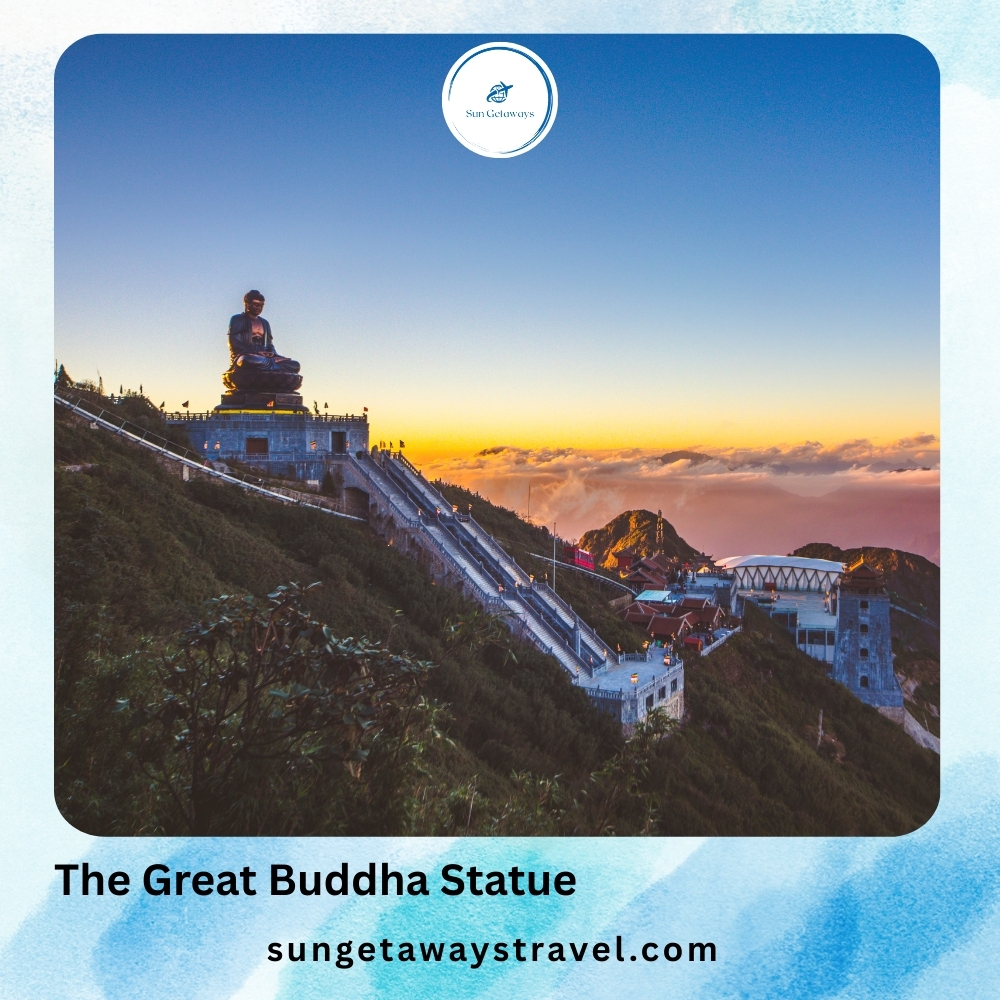
This massive bronze statue is the tallest of its kind in Vietnam, sitting at an impressive 21.5 meters high. It’s an amazing work of art, cast from thousands of bronze pieces. The statue sits peacefully, looking out over the mountains with a serene expression. It is a truly impressive sight and a highlight for many visitors, creating a powerful sense of calm at such a high altitude.
Walking up to the statue, you can feel the spiritual significance of the place. It’s not just a tourist attraction; it’s an active place of worship and reflection. Taking a moment here, with the clouds often swirling below, is a profound experience. It’s a perfect spot to pause and appreciate the immense scale of both nature and human creativity.
Bich Van Thien Tu Pagoda
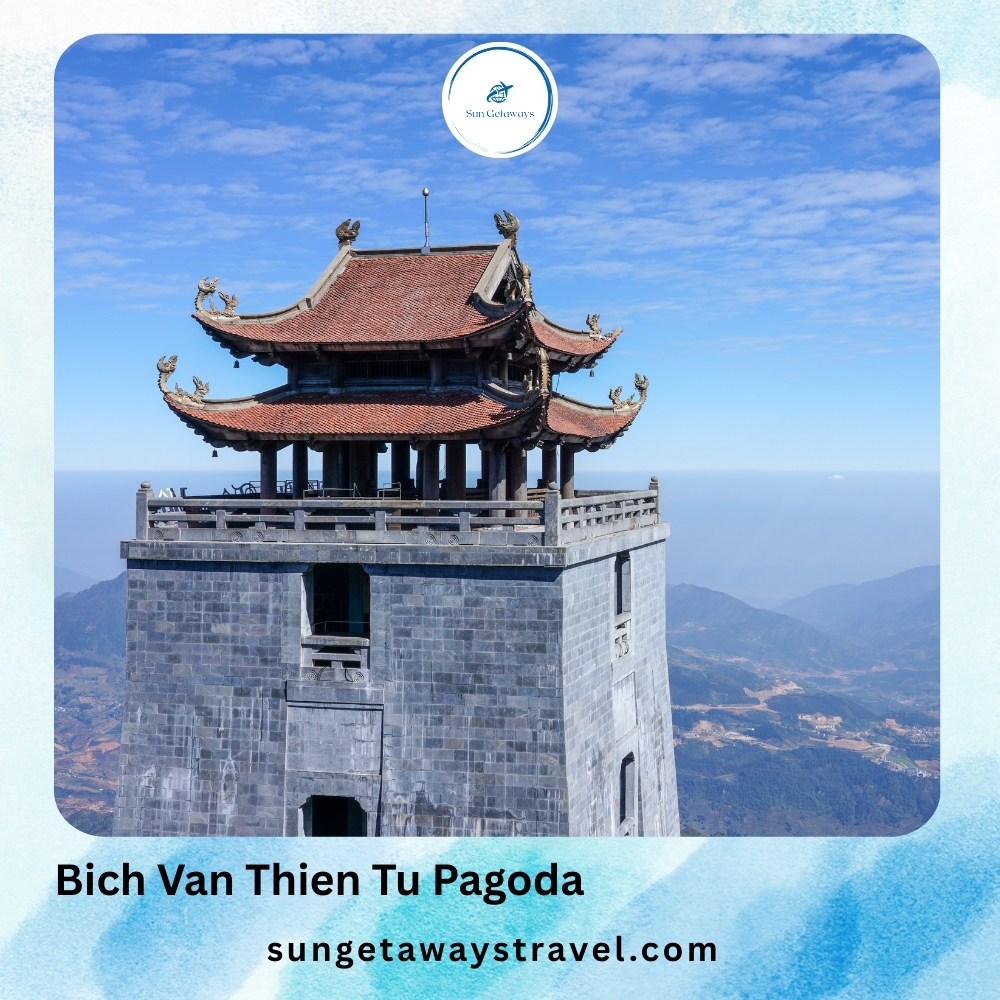
This beautiful pagoda is part of the spiritual complex at the summit, offering a quiet space for reflection. The traditional Buddhist architecture, with its curved roofs and intricate details, is stunning against the backdrop of the sky and clouds. It feels like a sanctuary floating in the sky, far removed from the world below.
Inside, the atmosphere is calm and respectful. You can see locals and tourists alike lighting incense and offering quiet prayers. It’s a chance to witness the living culture of Vietnamese Buddhism in a truly unique setting. Even if you’re not religious, the beauty and tranquility of the pagoda make it a must-see part of the Fansipan experience.
The Grand Belfry and Arhat Path
Near the pagoda, you will find the Grand Belfry, which houses a massive bell weighing several tons. Visitors are invited to ring the giant bell, as its sound is believed to travel across the mountains, carrying prayers for peace and good fortune. It’s a simple act, but one that feels very meaningful in this sacred place.
From there, you can walk along the Arhat Path. This walkway is lined with 18 intricate bronze statues of Arhats, who are the enlightened disciples of Buddha, each with a unique expression and posture. The path itself offers stunning views of the surrounding peaks, making the walk a beautiful journey of both art and nature. It’s a great place to slow down and admire the craftsmanship.

The Summit Marker
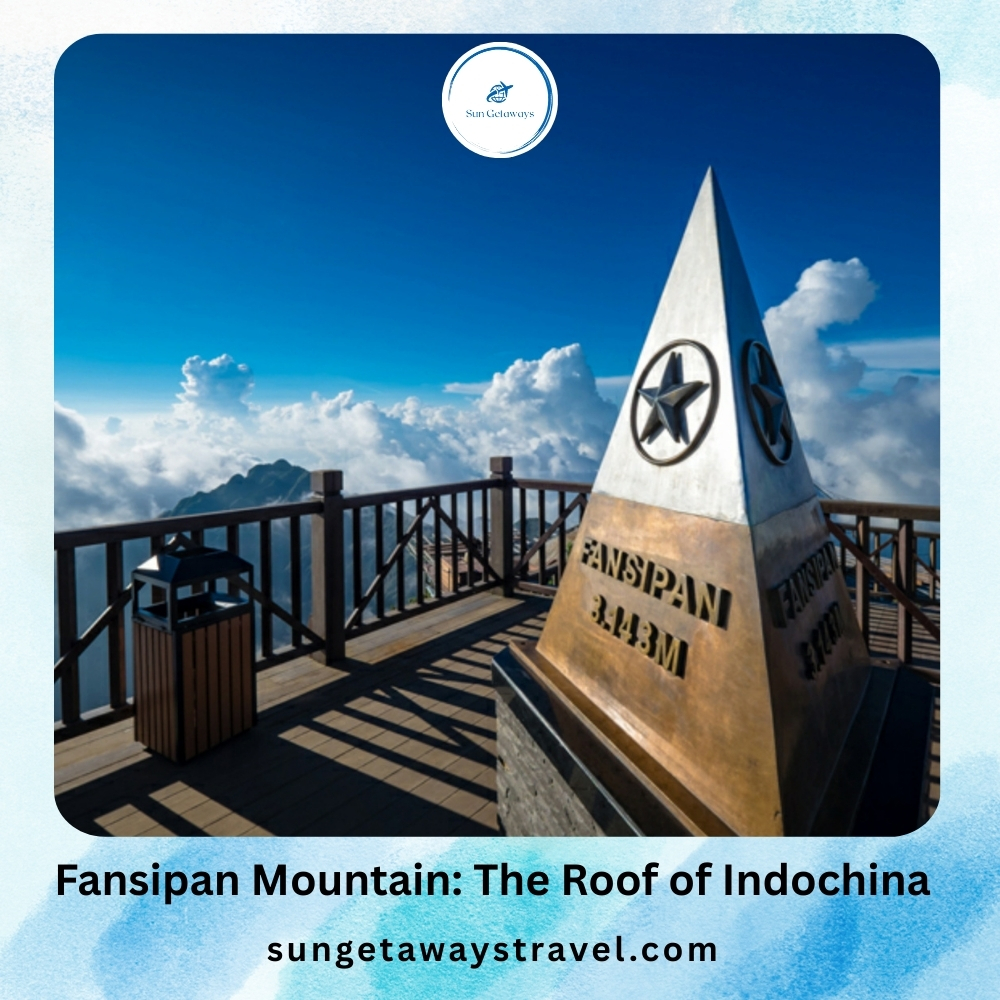
No trip to Fansipan is complete without getting a photo at the summit marker. This metal pyramid is the official marker that indicates you have reached the highest point in Indochina, at exactly 3,143 meters. It’s the classic “I made it!” shot and proof of your accomplishment, whether you hiked for days or took the cable car.
There’s often a happy and celebratory atmosphere around the marker, with people from all over the world sharing in the excitement of reaching the top. It can get a little crowded, but it’s worth the wait to get your picture. It’s a small object, but it represents a huge achievement and a memory you’ll want to keep.

Photo Walk
While there are many specific landmarks, one of the best activities is simply to walk around the summit complex and take pictures. The landscape is constantly changing with the weather, offering endless opportunities for stunning photos. On a clear day, the panoramic views of the Hoang Lien Son mountain range are absolutely incredible.
If you are lucky enough to be there when the clouds are low, you might witness the famous “sea of clouds.” This is a truly magical sight, where the peaks of nearby mountains poke through a thick blanket of white clouds, making you feel like you’re walking in a heavenly realm. It’s a photographer’s dream and an unforgettable experience for anyone.

Nearby Attractions around Fansipan Mountain
Your trip to Fansipan is a great opportunity to see more of the Sapa region. Seeing all these sights can be a lot to organize on your own. If you’d prefer a seamless journey, our 7 Days Northern Vietnam Tour covers Sapa, Fansipan, and other highlights of the region.
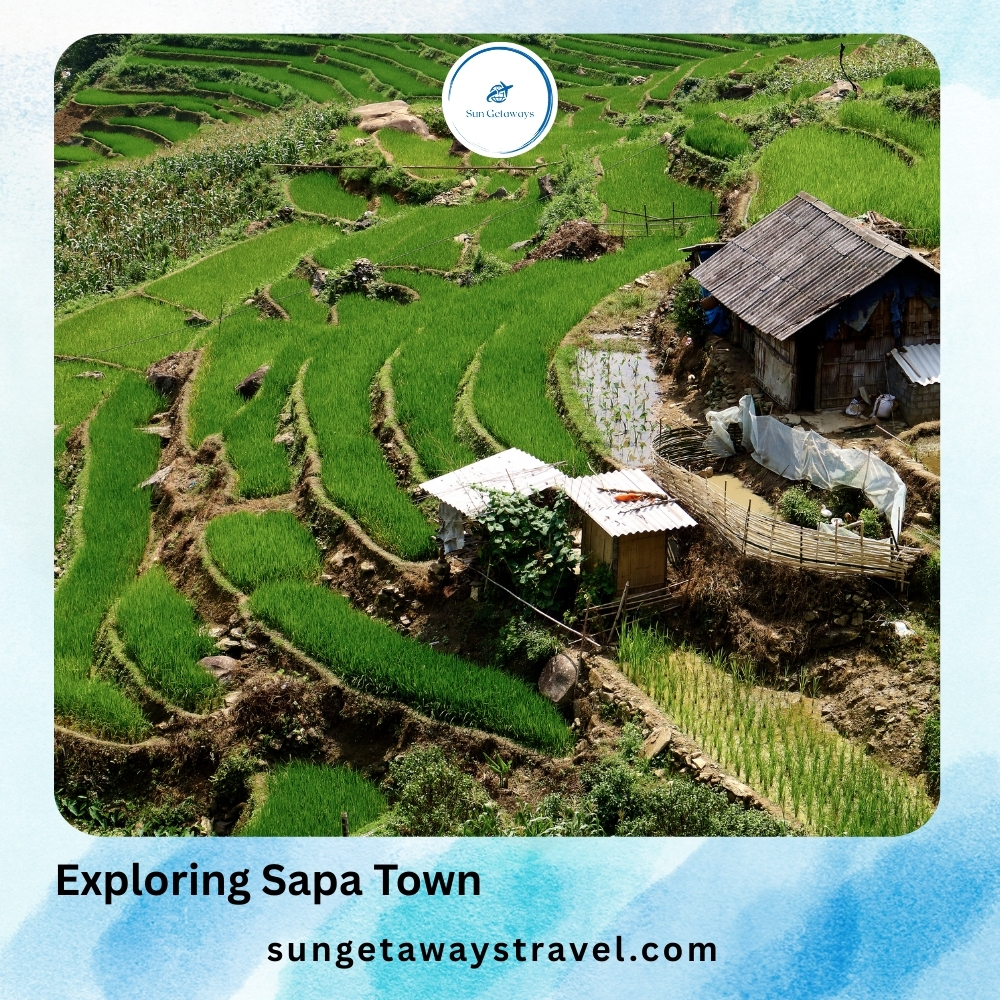
Exploring Sapa Town
Sapa town itself is the main hub for the region and a great place to start. It has a lively central market where you can find local handicrafts, textiles, and delicious regional foods. I love spending an afternoon just wandering through the stalls and seeing what’s for sale. The town also has a unique stone church, a remnant of the past, that stands in the main square.
The town’s atmosphere is a unique mix of local ethnic culture and a bustling tourist center. There are countless restaurants where you can try local specialties like grilled meats, bamboo-tube rice, and a salmon hotpot.
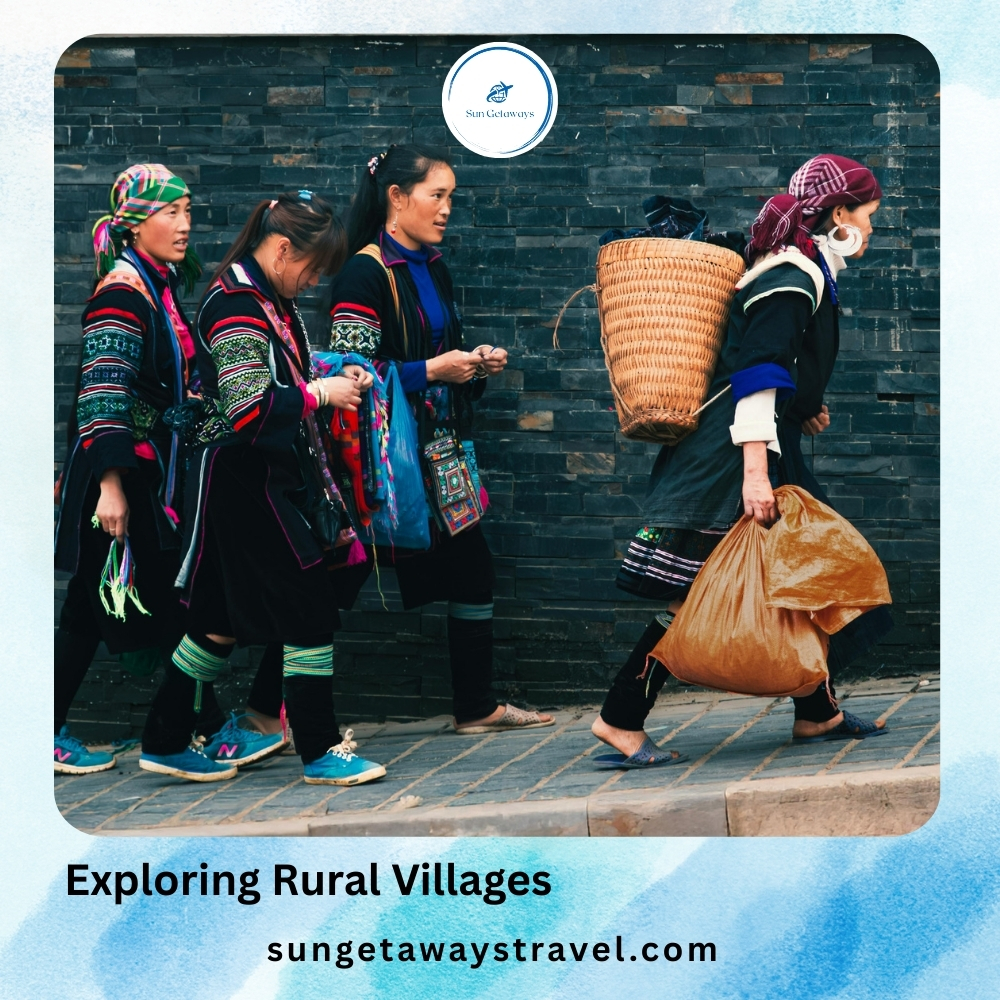
Rural Villages: Cat Cat, Lao Chai, and Ta Van
To get a real sense of the local culture, you have to visit the rural villages in the valleys around Sapa. Cat Cat village is one of the most accessible, just a short trek from town. Here, you can see the traditional homes of the H’mong people and watch them create their beautiful indigo-dyed fabrics.
For a deeper experience, I recommend a trek to Lao Chai and Ta Van. These villages are home to the H’mong and Giay people. You can walk through the stunning terraced rice fields and even arrange to stay overnight in a local homestay. It’s a fantastic way to learn about their daily lives, customs, and traditions firsthand.
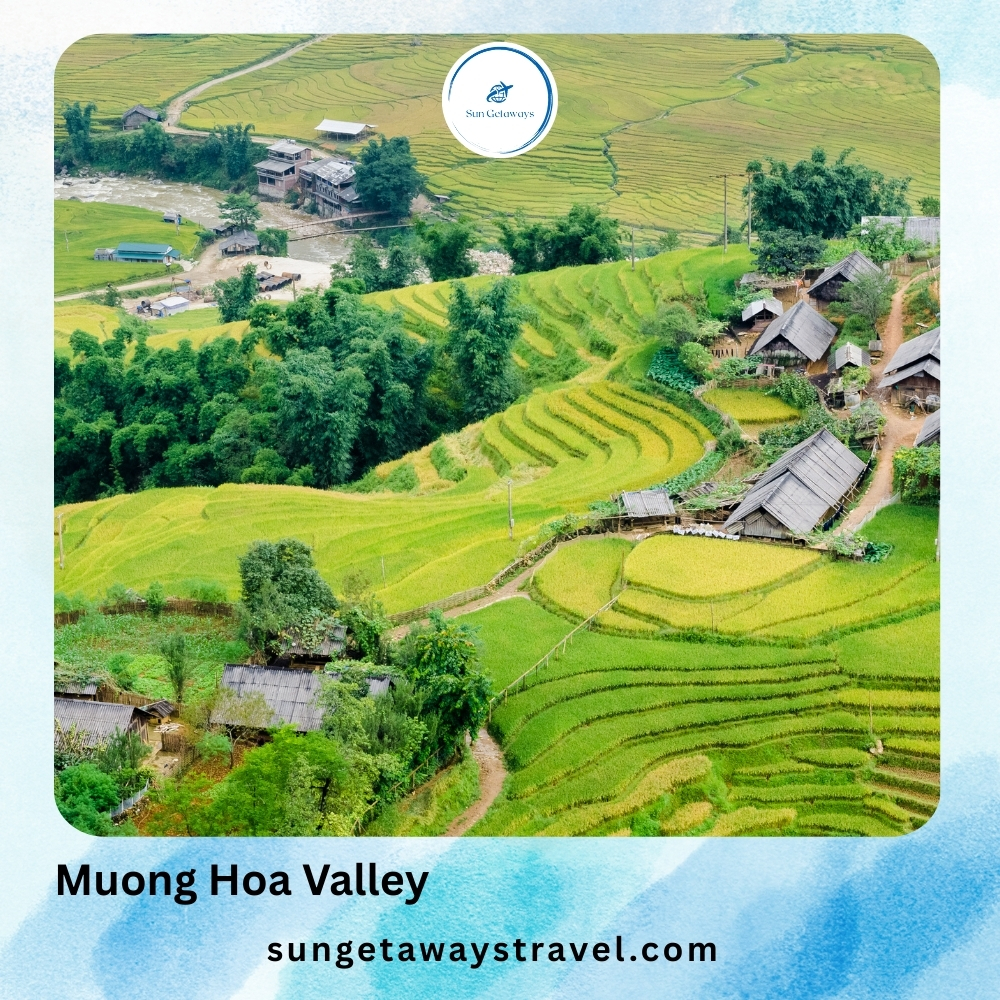
Muong Hoa Valley
The Muong Hoa Valley is the beautiful landscape you see from the Fansipan cable car, and it is even more impressive up close. A small river, the Hoa Stream, flows through the valley, and the terraced rice fields climb the slopes on either side. Depending on the season, the fields can be a vibrant green, a golden yellow, or a mirror-like surface of water.
The valley is also famous for its ancient rock carvings. These large stones have mysterious patterns and symbols carved into them, and their origin is still debated by historians. Hiking through the valley, past the rice paddies and buffalo, to see these ancient stones is a peaceful and fascinating experience.
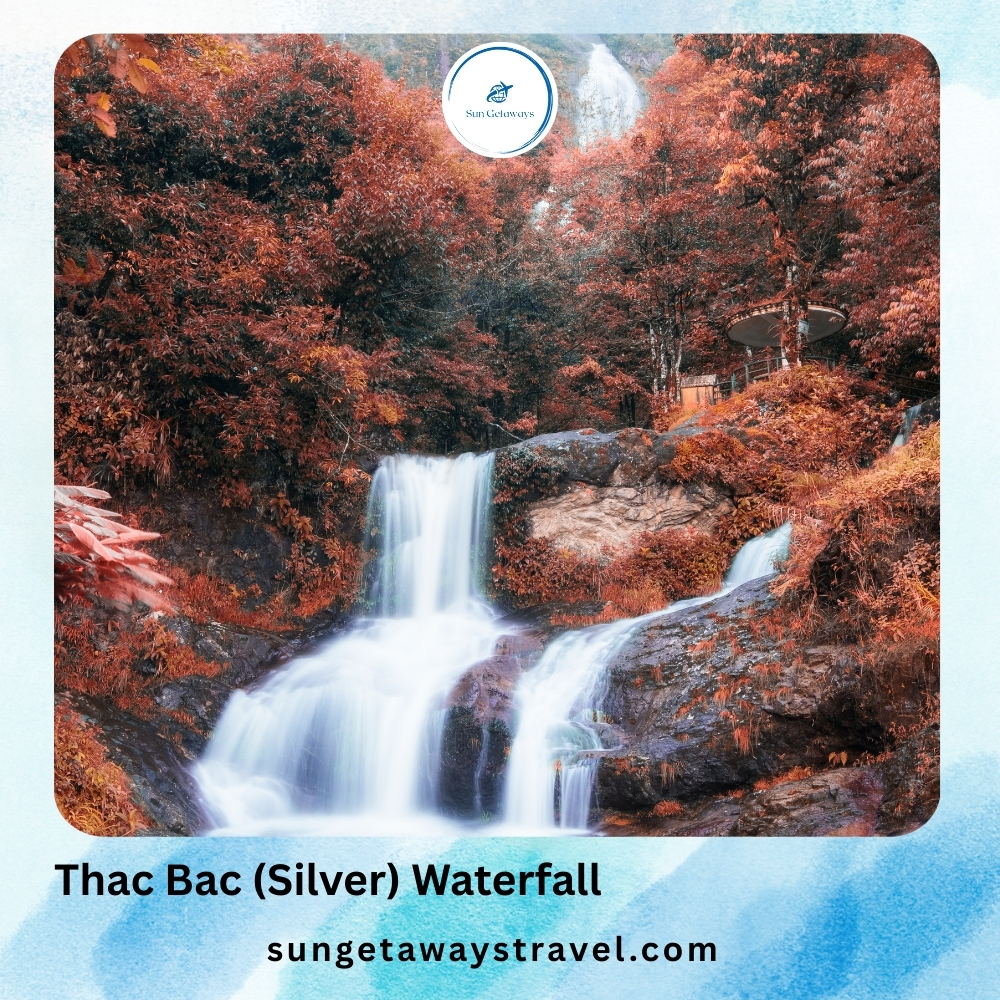
Thac Bac (Silver) Waterfall
About 12 kilometers from Sapa, you will find Thac Bac, or the Silver Waterfall. It’s one of the most famous Vietnam’s waterfalls in the area, and you can hear the roar of the water as you approach. The falls cascade down from a height of over 200 meters, creating a stunning white ribbon of water against the green mountainside, which is how it got its name.
There are stairs that you can climb to get a better view from a higher vantage point. The spray from the falls is cool and refreshing, especially on a warm day. It’s an easy trip from Sapa by motorbike or taxi and a great spot for some impressive nature photography.
Ham Rong Mountain
For a different perspective of Sapa and Fansipan, you can climb Ham Rong Mountain. The entrance is right in the center of Sapa town, making it very accessible. The name means “Dragon Jaw Mountain,” and the walk up takes you through a series of beautifully landscaped flower gardens.
From the top, you are rewarded with a fantastic panoramic view of Sapa town nestled in the valley below. On a clear day, you can also see Fansipan in the distance. It’s a great spot to get your bearings and appreciate the stunning geography of the entire region. The climb isn’t too difficult, and the views are absolutely worth it.

Conclusion
A trip to Fansipan is more than just a visit to a high peak. Planning a trip to a place this special can be part of the fun, but sometimes you want an expert to handle the details. If you’d like a personalized itinerary, you can Custom Your Trip with our team of local specialists.
FAQs about Fansipan Mountain
Is Fansipan the highest mountain in Vietnam?
Yes, it is. At 3,143 meters (10,312 feet), it is the highest peak not only in Vietnam but in the entire Indochina region.
How long does it take to climb Fansipan mountain?
If you trek, it usually takes two to three days, depending on the route you choose. The most popular route is a two-day, one-night trek.
Is Fansipan cable car closed in 2025?
The cable car typically undergoes annual maintenance, often for about a month. It is best to check the official Sun World Fansipan Legend website for the exact maintenance schedule for 2025 before planning your trip.
How much is a Fansipan cable ticket?
Ticket prices can change, but as of late 2024, a round-trip ticket for an adult was around 800,000 VND. It’s always a good idea to check the official website for the most current pricing.
What is Fansipan famous for?
Fansipan is famous for being the “Roof of Indochina.” It’s known for its challenging trekking routes, the world-record-holding cable car system, its stunning natural beauty, and the complex of spiritual structures at its summit.


Related Tour

12 Days Vietnam Local Food Tour


15 Reviews

Explore Amazing Vietnam in 15 Days
43 Reviews

Experience the Best of Northern Vietnam in 5 Days
22 Reviews

4 Days Guided Tour Of Northern Vietnam
12 Reviews

4 Day Hoang Su Phi Trekking
23 Reviews
Ask a question
Leave a Comment (0)
No questions yet. Be the first to ask a question!
See related Posted
Luxury Golf Resorts in Vietnam – Elite Golf Travelers

Vietnam is increasingly recognized as a premier golf destination in Asia, therefore luxury golf…
Macrame in Vietnam: The Revival of Knot Art in Contemporary Craft Culture

Macrame in Vietnam reflects the country’s growing engagement with contemporary handmade culture, where global…
Vietnamese Musical Instrument Craft: Traditional Instrument Making in Vietnam

Vietnamese musical instrument craft reflects a long-standing relationship between sound, material, and cultural memory.…
Traditional Vietnamese Kite Art: History, Craftsmanship, and Cultural Meaning

Traditional Vietnamese kite art is a living expression of folk creativity, community values, and…
Vietnamese Folk Masks: Tradition, Symbolism & Cultural Meaning

Vietnamese folk masks are a distinctive form of traditional art that reflects the spiritual…
Vietnamese Embroidery Art: Traditional Craftsmanship & Cultural Meaning

Vietnamese embroidery art is a refined traditional craft that reflects patience, cultural memory, and…