





Dong Ho Folk Painting: The Cultural Soul of Vietnamese Woodblock Prints
 PhamDuong
  3 min. to read
 Dong Ho folk painting is one of Vietnam’s most enduring traditional art forms, reflecting the values, humor, and worldview of rural Vietnamese society. Originating from Dong Ho village in Bac Ninh Province, these vibrant dong ho woodblock prints were created for everyday people and closely associated with Lunar New Year traditions. Through symbolic imagery, natural materials, and handcrafted techniques, Dong Ho folk painting preserves cultural memory while continuing to inspire contemporary art and design.
Key Takeaways
- Dong Ho folk painting is a significant Vietnamese art form from Dong Ho village, reflecting rural values and Lunar New Year traditions.
- These vibrant dong ho woodblock prints use natural materials and unique printing techniques, emphasizing community involvement.
- The paintings convey moral lessons and symbolisms, making them accessible and relatable to viewers.
- Despite facing declines due to modernization, recent efforts have revived interest in Dong Ho art as a cultural heritage.
- Today, Dong Ho folk painting influences contemporary design while preserving its traditional essence.
1. Introduction to Dong Ho Folk Painting
Dong Ho folk painting is one of Vietnam’s most iconic traditional art forms, representing the creativity, worldview, and everyday life of rural Vietnamese communities. Originating from Dong Ho village in Bac Ninh Province, this art form is closely associated with Lunar New Year celebrations and popular folk culture.
Unlike court or academic art, Dong Ho paintings were created for ordinary people. They were affordable, symbolic, and deeply rooted in daily experience. Through simple imagery and vivid colors, Dong Ho folk painting communicates moral lessons, social humor, and wishes for prosperity and harmony.
At the heart of this tradition lies dong ho woodblock prints, a printing technique that combines craftsmanship, storytelling, and community knowledge passed down through generations.
2. Historical Origins of Dong Ho Woodblock Prints
Rooted in village life and seasonal traditions, Dong Ho woodblock prints emerged as a visual expression of rural values, communal beliefs, and everyday aspirations passed down through generations.
2.1. Village Roots and Early Development
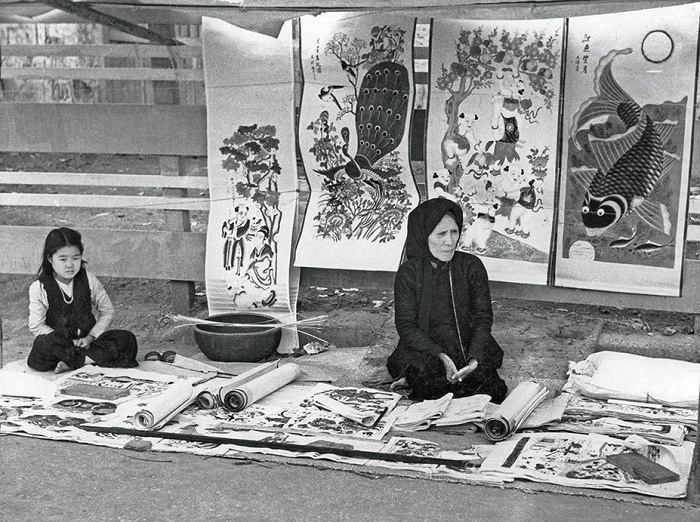
To understand Dong Ho folk painting, it is essential to begin with the village where this art form was born. Dong Ho village has been producing folk paintings for several centuries, with historical records tracing the craft back to at least the 16th century, closely tied to rural life in the Red River Delta.
Key historical characteristics include:
- Paintings were produced mainly during the months leading up to Tet (Lunar New Year)
Production followed the agricultural calendar, allowing villagers to focus on painting during the quieter farming season before the New Year. - Entire families participated in different stages of production
From carving woodblocks to preparing pigments and printing, each family member contributed, turning painting into a shared cultural activity rather than an individual profession. - Prints were sold at local markets and regional fairs
These markets connected Dong Ho village with surrounding communities, helping the paintings spread widely across northern Vietnam.
Dong Ho folk painting was never intended for elite collectors. Its purpose was social, ritual, and educational, reinforcing shared values and everyday wisdom. This community-oriented origin strongly influenced how the paintings were created and used.
2.2. Relationship with Lunar New Year Culture
Dong Ho paintings were traditionally displayed during Tet and replaced annually, reflecting the belief that images should align with the cyclical renewal of time. They symbolized:
- Renewal and fresh beginnings: New paintings marked the start of a new year, symbolizing the hope for positive change and good fortune.
- Wishes for wealth, fertility, and happiness: Popular images expressed aspirations for prosperity, large families, and harmonious households.
- Moral guidance for family life: Many paintings conveyed ethical lessons, reminding viewers of proper behavior and social values.
This seasonal nature explains why many old Dong Ho paintings no longer survive, making existing historical pieces extremely valuable today. It also highlights the close relationship between Dong Ho art and the rhythms of Vietnamese cultural life.
3. The Art of Dong Ho Woodblock Printing
Beyond cultural meaning, the artistic identity of Dong Ho folk painting lies in its unique printing techniques. Understanding the materials and methods behind the images reveals why this tradition remains distinctive within Vietnamese visual culture.
3.1. What Makes Dong Ho Woodblock Prints Unique?
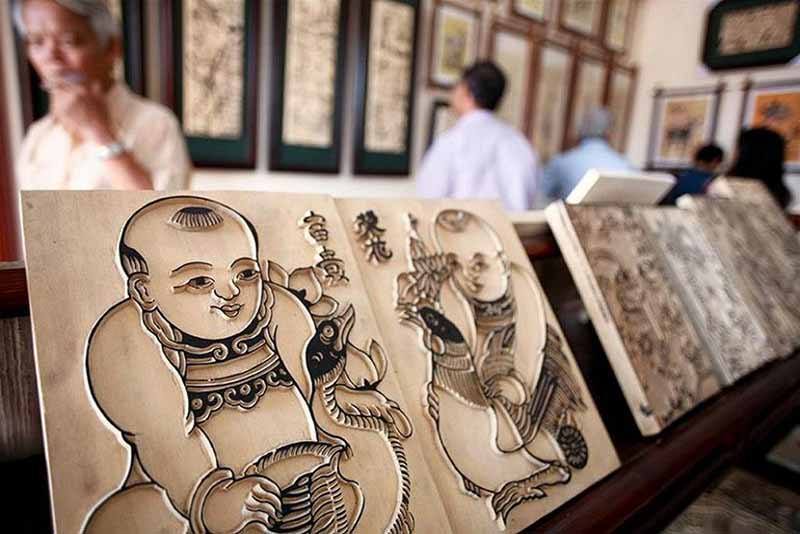
Unlike other print traditions in East Asia, Dong Ho woodblock prints rely entirely on natural materials and manual techniques, emphasizing simplicity and authenticity. Distinctive features include:
- Hand-carved wooden blocks for each color: Every color requires a separate block, demanding careful planning and high precision from artisans.
- Natural pigments derived from plants, minerals, and shells: These pigments create soft yet vibrant colors that age gracefully over time.
- Handmade paper known as giay diep, coated with crushed seashell powder: This special paper gives Dong Ho prints their recognizable shimmering surface and durability.
Each color requires a separate woodblock, demanding precision and long-term experience, which elevates the craft beyond simple reproduction.
To explore one of Vietnam’s most refined visual art forms, read our in-depth guide on 👉 Vietnamese lacquer painting and learn how traditional materials and lacquerware painting techniques shape its distinctive aesthetic.
3.2. The Printing Process
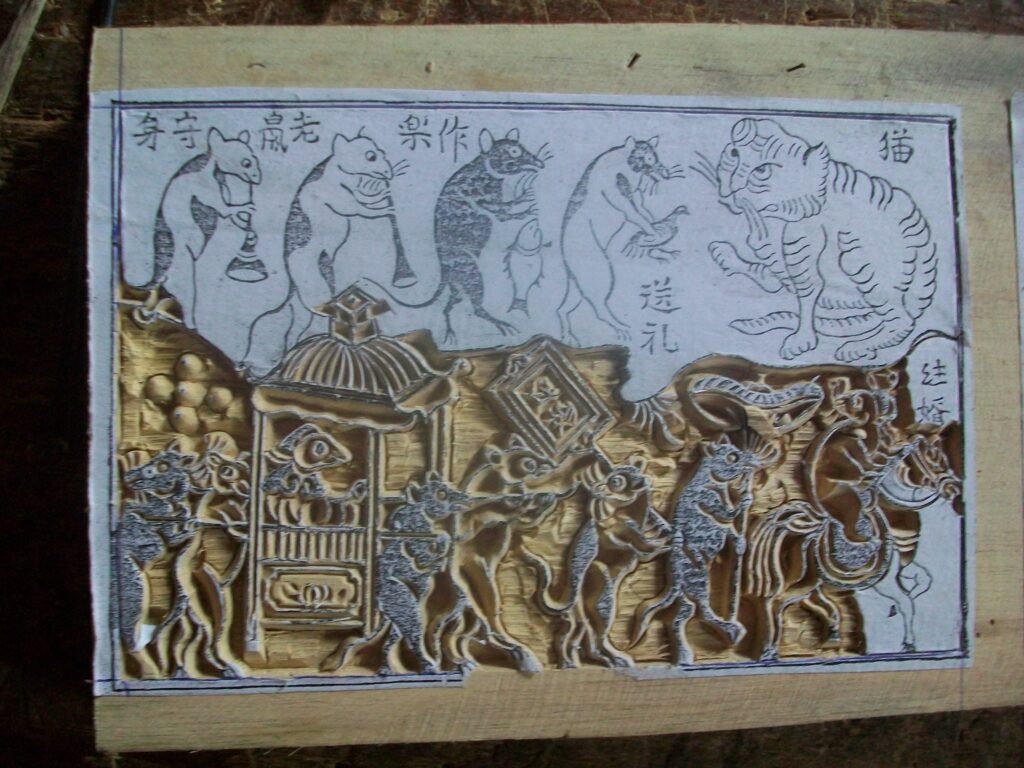
The traditional printing process involves several careful stages, each reflecting patience and accumulated knowledge passed down through generations.
- Designing the composition and carving woodblocks: Artists must plan the entire image in advance, anticipating how multiple colors will align.
- Preparing natural pigments: Pigments are mixed by hand to achieve consistent tones and textures.
- Printing each color layer by layer: Colors are applied sequentially, requiring steady hands and precise timing.
- Drying and finishing the final image: The finished prints are carefully dried to preserve color quality and surface texture.
This slow, manual process reinforces the handcrafted character of Dong Ho folk painting and explains why it continues to be valued as both an artistic and cultural heritage.
4. Materials Used in Dong Ho Folk Painting
Dong Ho folk painting is defined by its close relationship with nature. Key materials include:
- Woodblocks: Carved from jackfruit wood for durability and fine detail
- Giay diep paper: Creates a shimmering surface and long-lasting quality
- Natural pigments:
- Red from crushed stone
- Black from burned bamboo leaves
- Yellow from hoa hoè flowers
- White from seashell powder
These materials ensure that dong ho woodblock prints are environmentally sustainable and culturally authentic.
5. Common Themes in Dong Ho Folk Painting
Dong Ho folk painting reflects everyday life, moral values, and collective hopes rather than individual expression. Popular themes include:
- Rural life and agricultural activities
- Family harmony and marriage
- Fertility and prosperity
- Folk humor and social satire
- Animals as moral symbols
Rather than realism, Dong Ho paintings emphasize symbolic meaning and visual clarity.
6. Symbolism in Dong Ho Folk Painting
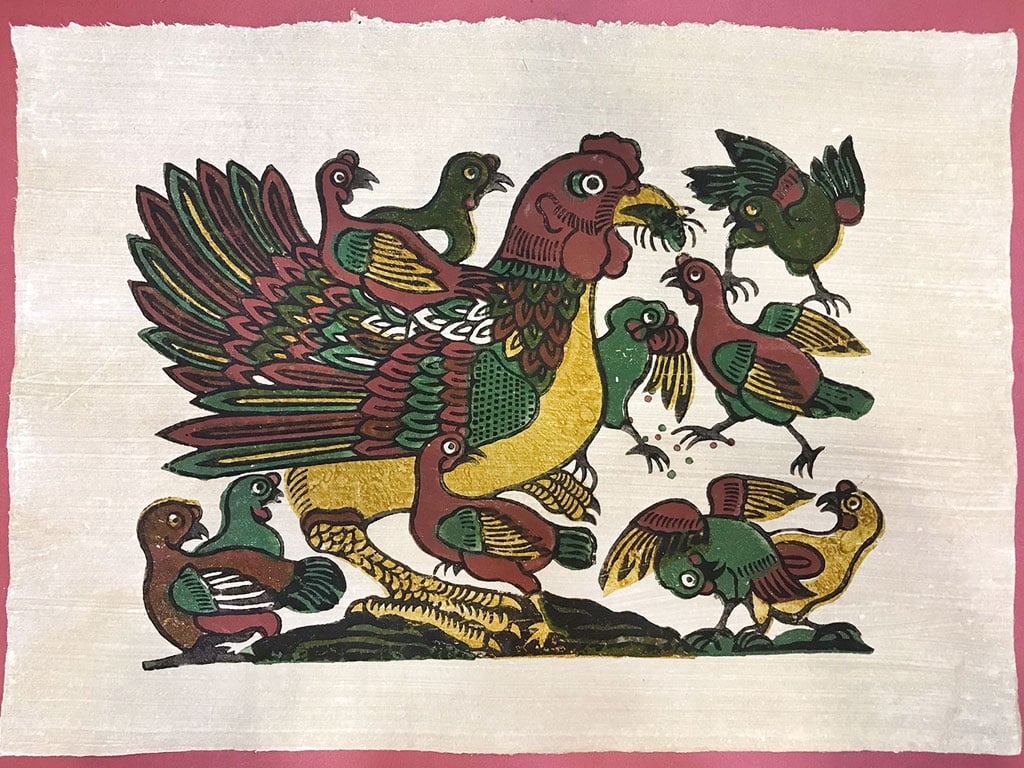
Symbolism plays a central role in dong ho woodblock prints. Common symbols include:
- Pigs: Wealth, fertility, abundance
- Chickens: Family harmony, moral order
- Children: Continuity, happiness, future prosperity
- Fish: Success and good fortune
These symbols made Dong Ho folk painting accessible even to viewers who could not read.
Comparison with Other Vietnamese Folk Painting Traditions
| Aspect | Dong Ho Folk Painting | Hang Trong Painting | Kim Hoang Painting |
|---|---|---|---|
| Origin | Bac Ninh (rural) | Hanoi (urban) | Ha Tay (village) |
| Technique | Woodblock printing | Hand-painted | Mixed techniques |
| Materials | Natural pigments, giay diep | Ink and color on paper | Ink + woodblock |
| Purpose | New Year decoration | Ritual and worship | Folk decoration |
| Style | Bold, simple, symbolic | Elegant, refined | Decorative, colorful |
This comparison highlights the unique cultural role of Dong Ho folk painting within Vietnamese traditional arts.
7. Cultural Values Reflected in Dong Ho Folk Painting
Dong Ho folk painting embodies core Vietnamese cultural values. Key values include:
- Collective identity: Emphasis on family and community
- Moral education: Visual storytelling reinforces social norms
- Optimism: Even satire carries positive, hopeful messages
- Harmony with nature: Animals and rural life dominate imagery
These values explain why Dong Ho paintings remain emotionally resonant today.
For insights into how Western techniques were localized in Vietnam, visit 👉 Vietnamese oil painting to understand major oil painting styles in Vietnam across historical and contemporary periods.
8. Decline and Revival of Dong Ho Folk Painting
Challenges in the Modern Era
During the 20th century, Dong Ho folk painting faced serious decline due to:
- Industrial printing technologies
- Changing lifestyles and interior decoration trends
- Loss of traditional craft transmission
By the late 20th century, only a few artisan families remained.
Revival and Cultural Preservation
In recent decades, Dong Ho folk painting has experienced renewed interest through:
- Government heritage programs
- Museum exhibitions and academic research
- Integration into education and tourism
Today, Dong Ho village is recognized as a cultural heritage site, and dong ho woodblock prints are seen as national cultural assets.
For a closer look at textile traditions, explore 👉 Vietnamese embroidery art and learn how Vietnamese traditional embroidery craftsmanship reflects patience, symbolism, and cultural continuity.
9. Dong Ho Folk Painting in Contemporary Life
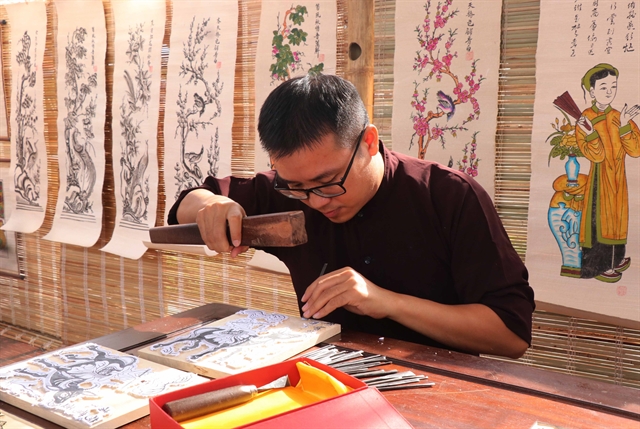
Modern artists and designers have begun reinterpreting Dong Ho motifs in:
- Graphic design and illustration
- Fashion and packaging
- Educational materials
- Contemporary art exhibitions
This adaptation helps preserve the spirit of Dong Ho folk painting while allowing it to evolve.
10. Best Places to Explore Dong Ho Folk Painting
- Dong Ho Village (Bac Ninh): The most authentic place to observe traditional dong ho woodblock prints and meet artisan families.
- Vietnam National Museum of Fine Arts (Hanoi): Houses important historical collections and curated exhibitions.
- Cultural festivals and craft fairs: Seasonal events offer live demonstrations and educational activities.
👉 If you’re looking for ready-made itineraries and inspiring travel ideas, explore our full collection of
Vietnam tours designed around culture, nature, and authentic local experiences.
11. Practical Tips for Cultural Visitors
To fully appreciate Dong Ho folk painting:
- Learn basic symbolic meanings before viewing
- Observe the printing process patiently
- Respect artisans’ working spaces
- Avoid touching unfinished prints
Understanding context enhances appreciation beyond visual beauty.
“Dong Ho folk painting is not merely decorative art. It is a visual language through which Vietnamese rural society expressed ethics, humor, and hope for generations.”
— Mrs. Emma Nguyen – Tour Operator Manager with over 12 years of experience at Sun Getaways Travel
12. Why Dong Ho Folk Painting Still Matters Today
In an age of digital images and mass production, Dong Ho folk painting reminds us of:
- The value of handcrafted knowledge
- Community-based creativity
- Cultural continuity across centuries
As both an art form and a cultural document, dong ho woodblock prints continue to inspire scholars, artists, and audiences worldwide.
Conclusion
Dong Ho folk painting stands as a powerful symbol of Vietnamese cultural identity. Through humble materials, symbolic imagery, and collective craftsmanship, it preserves a worldview rooted in harmony, morality, and optimism. Understanding dong ho woodblock prints is not only an exploration of art history—it is a journey into the soul of Vietnamese folk culture.
👉 If you prefer a journey tailored exactly to your interests, pace, and travel style, let us help you design a
customized tour created just for you.


Related Tour

Honeymoon Bliss in Vietnam 16 days


21 Reviews

Danang and Hoi An Discovery in 4 Days
35 Reviews

Discover the Gems of Vietnam with a 14-Day Grand Tour
20 Reviews

15-Day Vietnam Food Tour: A Culinary Adventure
19 Reviews

Eternal Love: Honeymoon Odyssey in Vietnam 11 days
20 Reviews

Ask a question
Leave a Comment (0)
No questions yet. Be the first to ask a question!
See related Posted
Luxury Golf Resorts in Vietnam – Elite Golf Travelers

Vietnam is increasingly recognized as a premier golf destination in Asia, therefore luxury golf…
Macrame in Vietnam: The Revival of Knot Art in Contemporary Craft Culture

Macrame in Vietnam reflects the country’s growing engagement with contemporary handmade culture, where global…
Vietnamese Musical Instrument Craft: Traditional Instrument Making in Vietnam

Vietnamese musical instrument craft reflects a long-standing relationship between sound, material, and cultural memory.…
Traditional Vietnamese Kite Art: History, Craftsmanship, and Cultural Meaning

Traditional Vietnamese kite art is a living expression of folk creativity, community values, and…
Vietnamese Folk Masks: Tradition, Symbolism & Cultural Meaning

Vietnamese folk masks are a distinctive form of traditional art that reflects the spiritual…
Vietnamese Embroidery Art: Traditional Craftsmanship & Cultural Meaning

Vietnamese embroidery art is a refined traditional craft that reflects patience, cultural memory, and…