




Cát Bà National Park: A Guide to Hai Phong’s Beautiful Gem
 Hoang Pham
  3 min. to read
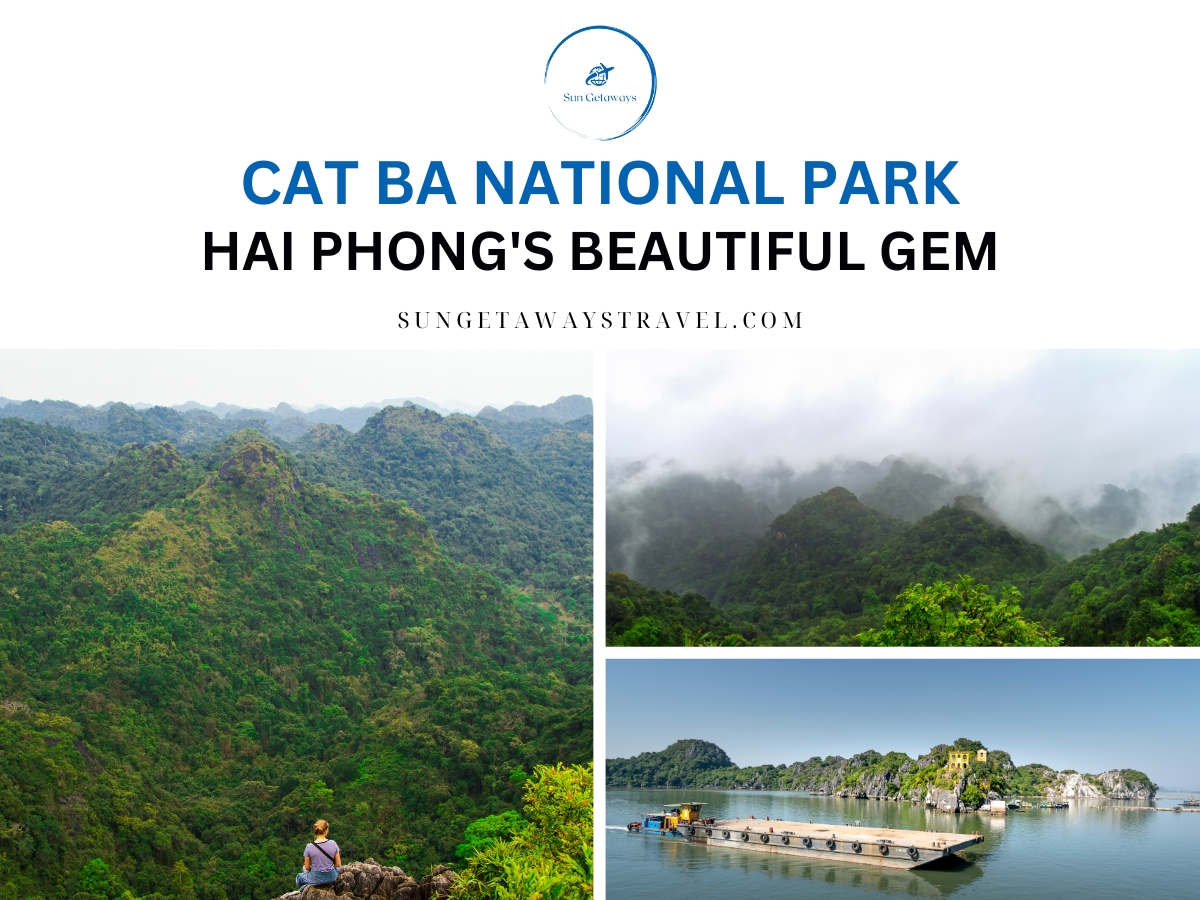
 Imagine a place where enormous limestone mountains, draped in thick green jungle, rise directly from the calm, emerald sea. That is Cát Bà National Park. It is a core part of the Hạ Long Bay – Cát Bà Archipelago, a designated UNESCO World Heritage Site, and an important World Biosphere Reserve.
If you’re considering a trip here, you’ve picked an amazing spot. I’ve traveled all over Vietnam, and Cát Bà holds a special place in my heart. This guide will walk you through everything you need to know for your own adventure, from planning your journey to finding the park’s best attractions and wildlife. Cát Bà is often a highlight of a larger trip through the region.

The Overview of Cát Bà National Park
General Information & Significance
Cát Bà National Park is on Cát Bà Island, which belongs to Hải Phòng Province. The park is massive, covering both the forested land on the island and the beautiful marine areas around it. This mix of jungle-covered mountains and ocean waters gives it a unique character.
The government officially created the park in 1986, but the island’s history is much older. People have inhabited this area for centuries. The island also had a strategic function during the American War. You can get a real sense of this past when you visit Hospital Cave, a secret bomb-proof facility and safe house used during the conflict.

How to Get to Cát Bà National Park
Getting to Cát Bà is part of the adventure, and you have a few good options depending on where you’re coming from. The journey itself is a great way to see the landscape change as you approach the island. Have you ever taken a bus-and-boat combo to get to an island? It’s quite an experience.
Here are the main ways to reach the island:
- From Hanoi: The most popular choice is a bus and ferry/speedboat package. The trip takes about 3-4 hours and offers a convenient way to get from the city to Cát Bà town.
- From Hai Phong City: You can take a fast hydrofoil from Bến Bính (Binh Port) or a slower car ferry from Gót Pier if you’re traveling with a vehicle. While you’re in the area, Hải Phòng city has its own unique attractions worth checking out. For more ideas, take a look at our guide on Things to do in Hải Phòng.
- From Ha Long Bay: After a cruise, you can catch the Tuần Châu ferry, which connects to Gia Luận Pier on Cát Bà’s northern coast. From there, it’s a scenic drive to town. If you want to see the best of what the area has to offer, our 7 Days Best of Northern Vietnam tour is a fantastic option.
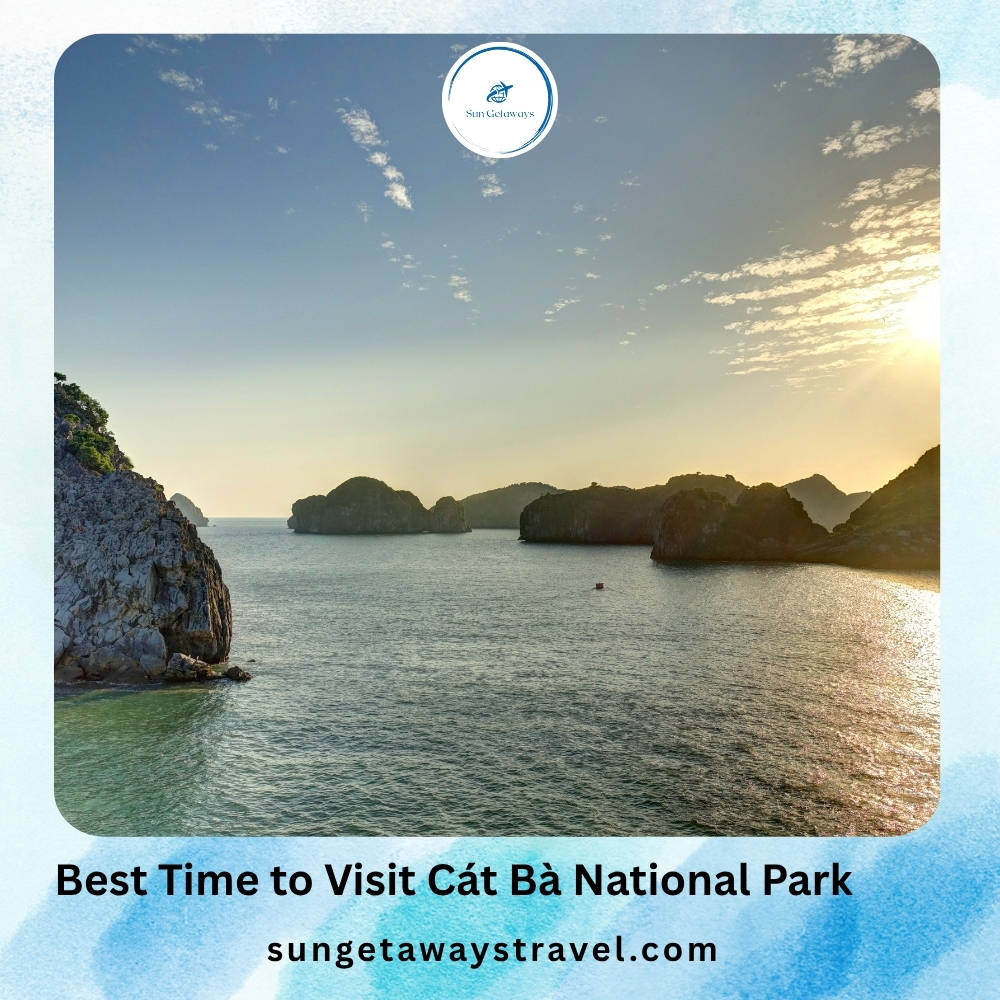
Best Time to Visit Cát Bà National Park
Timing your visit can really shape your experience on the island, as the weather in Northern Vietnam has distinct seasons. Picking the right one for your travel style is a good idea to make the most of your trip.
Here’s a breakdown of the seasons to help you decide:
- Ideal Period (Sep-Nov & Mar-May): This is the best time to visit. The weather is pleasant, with less humidity and fewer crowds, making it perfect for hiking and kayaking.
- Peak Season (Jun-Aug): These are the hottest and busiest months due to domestic tourism. Expect higher prices and more people.
- Low Season (Dec-Feb): The weather can be cool and misty. While it’s much quieter, some services might be limited, and views can be obscured by fog.
Top Things to Do in Cát Bà National Park
Once you’re on the island, there is so much to see and do. Whether you’re an avid hiker, a history buff, or just want to relax on a boat, Cát Bà has something for you.
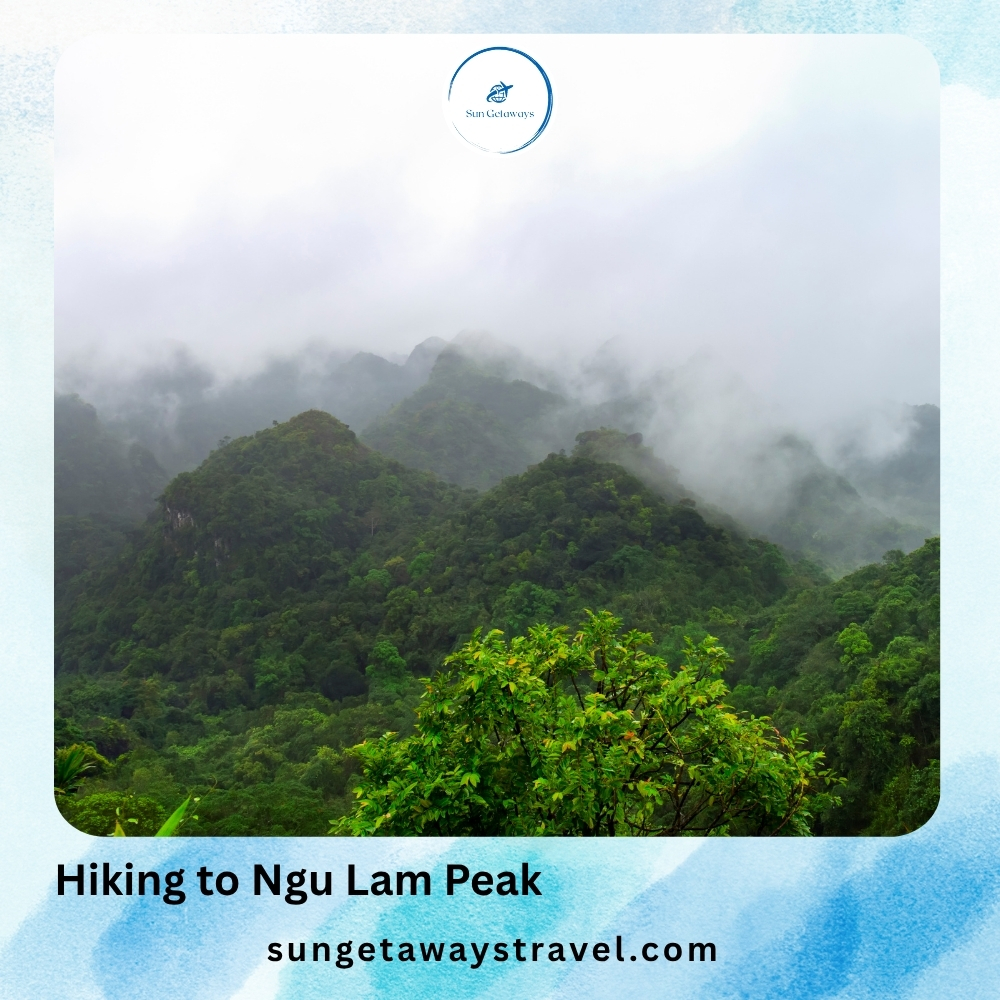
Hiking to Ngu Lam Peak
This is probably the most popular activity inside the national park, and for good reason. The trail to Ngu Lam Peak is a rewarding climb that takes you up through the dense jungle. The path is well-marked but can be steep and slippery in places, so be prepared for a bit of a workout.
The real payoff comes when you reach the top. From the viewpoint, you get a stunning 360-degree panorama of the park’s jungle and the endless sea of pointed karst peaks. I’ve done this hike a couple of times, and that view never gets old. It really gives you a sense of the scale and beauty of the island.
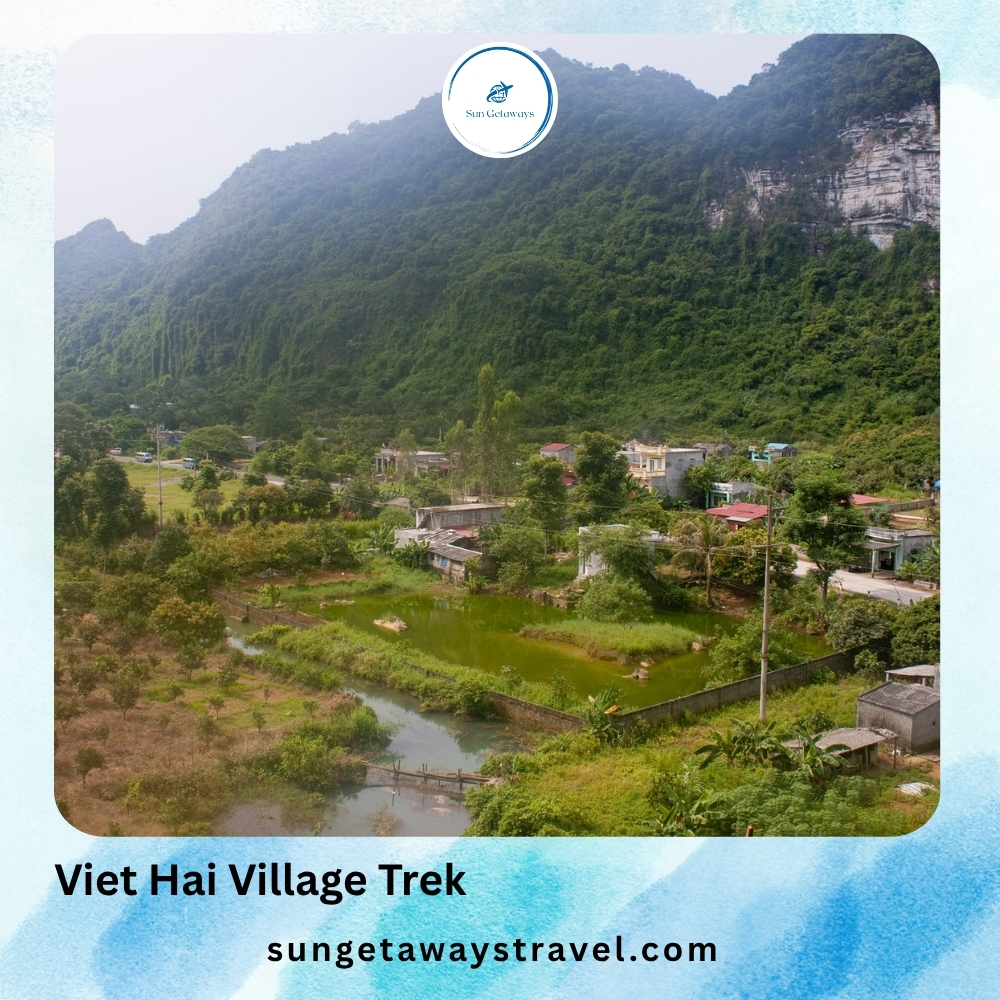
Viet Hai Village Trek
If you are looking for a more serious hike, the trek to Việt Hải Village is an excellent choice. This longer trail takes you deeper into the park, offering a more immersive Vietnam’s jungle experience. The path leads to Việt Hải, a small, Vietnam’s rural village where residents live a traditional lifestyle.
This trek gives you a wonderful glimpse into a way of life that has remained unchanged for generations. It’s a chance to see the authentic side of Cát Bà, away from the main tourist areas. You can arrange a guide for this trek, which I’d recommend, and even stay overnight in a homestay in the village.
Trung Trang Cave
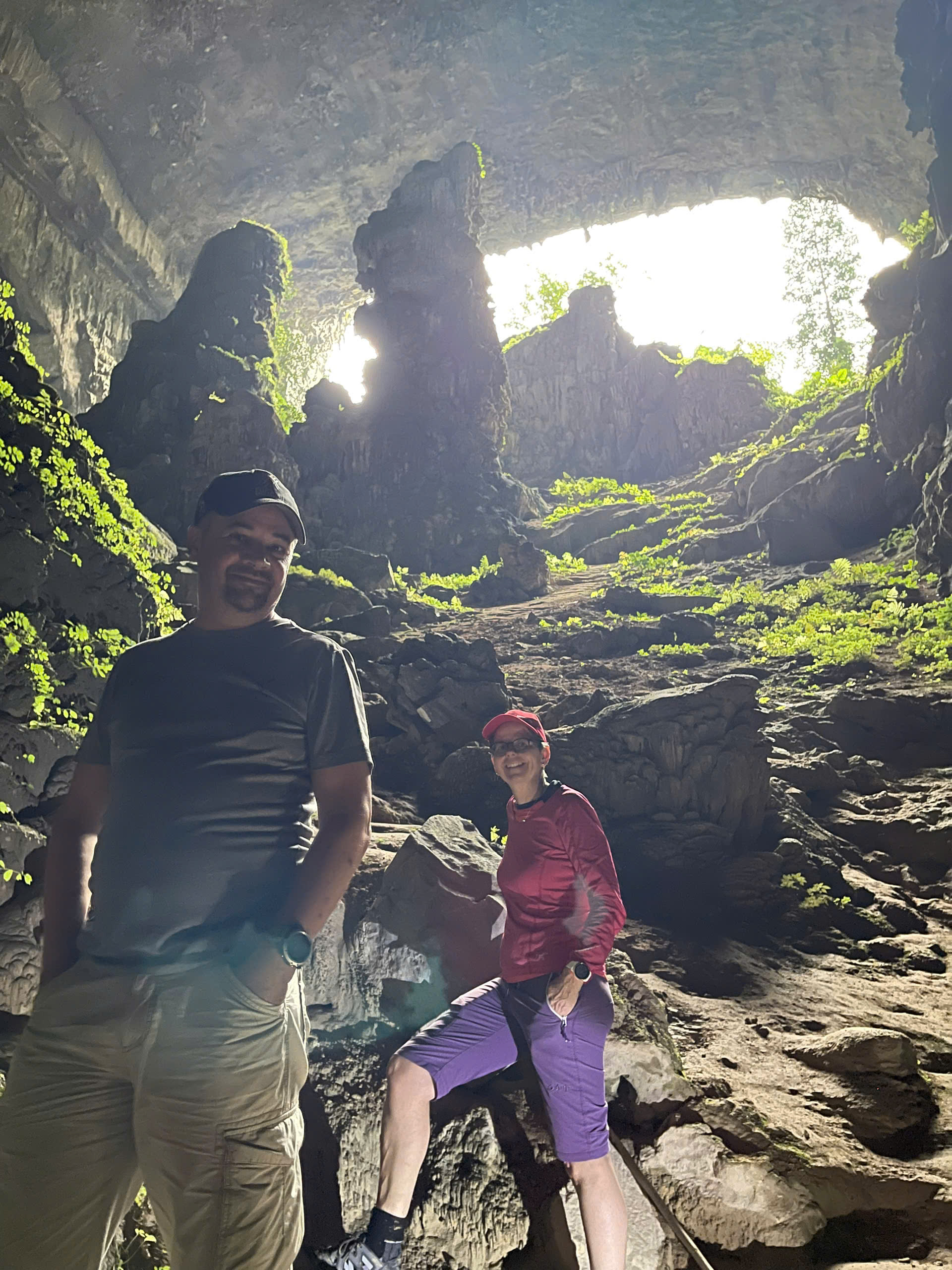
On a hot or rainy day, visiting one of the island’s caves is a perfect activity. Trung Trang Cave is one of the most impressive, a large cavern filled with amazing stalactites and stalagmites that have formed over millions of years.
Walking through the dimly lit passages of the cave feels like stepping into another world. The natural rock formations create all sorts of interesting shapes, and the cool air inside is a welcome break from the outside humidity.

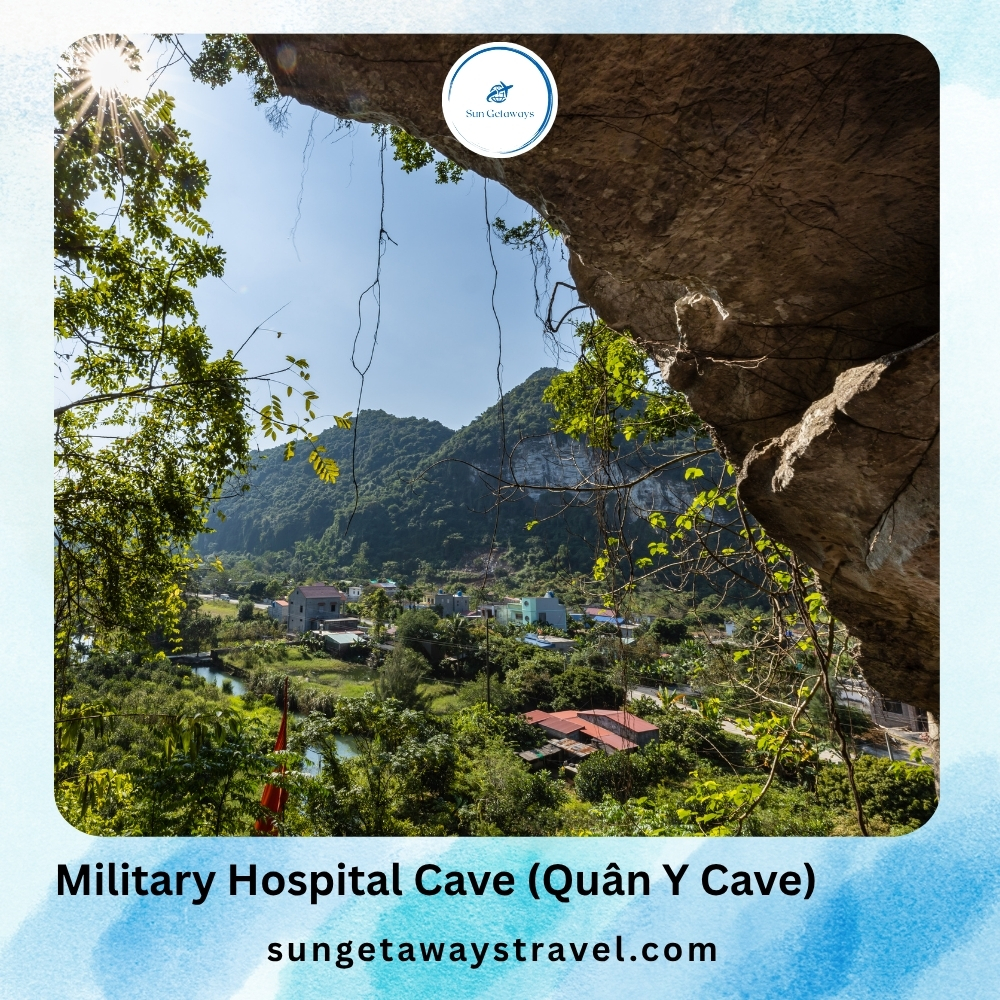
Military Hospital Cave (Quân Y Cave)
For a dose of history, you cannot miss Military Hospital Cave – Quân Y Cave. This unique site was a secret, bomb-proof hospital and safe house used during the American War. The cave was ingeniously converted into a multi-level facility with patient rooms, operating theaters, and even a cinema.
Walking through its concrete corridors is a surreal experience. It’s a powerful reminder of Vietnam’s recent history and the resourcefulness of the people. It’s not your typical tourist attraction, but it offers a fascinating look into the island’s strategic past.
Kayaking and Swimming
The best way to appreciate the marine side of the park is by getting out on the water. The calm, emerald waters of Lan Hạ Bay, which borders the national park, are perfect for kayaking. You can paddle through quiet lagoons, discover hidden caves, and find secluded sandy beaches.
There’s nothing quite like paddling at your own pace, finding a tiny beach all to yourself, and jumping into the cool, clear water for a swim. Kayaking is a fantastic activity to share with friends or family, making it a popular choice for travelers. If you’re looking for more fun experiences to share, check out our list of Group activities in Vietnam.

Experience the Sunset on the Beaches
Cát Bà has some lovely beaches right near the main town, known as Cát Cò 1, 2, and 3. These are great spots to relax, swim, and watch the day end. There’s a scenic cliffside walkway that connects them, offering fantastic views.
The beaches on Cát Bà are lovely, but they are just a sample of what the country has to offer. For more amazing coastal spots, explore our guide to finding the perfect Beach in Vietnam.

Cát Bà Night Market
After a day of activity, the Cát Bà Night Market is a great place to wind down. The market comes alive in the evening, with vendors selling souvenirs, clothes, and, of course, lots of food.
The main attraction is the fresh seafood. You can pick your own fish, shrimp, or crab, and have it grilled for you on the spot. It’s a lively, fun atmosphere and a perfect way to enjoy a delicious local dinner.

Fauna and Flora in Cát Bà National Park
The park is not just about landscapes; it is a vital sanctuary for a wide range of wildlife and unique plants. What do you hope to see when you visit a national park?
Cát Bà Langur (Golden-headed Langur)
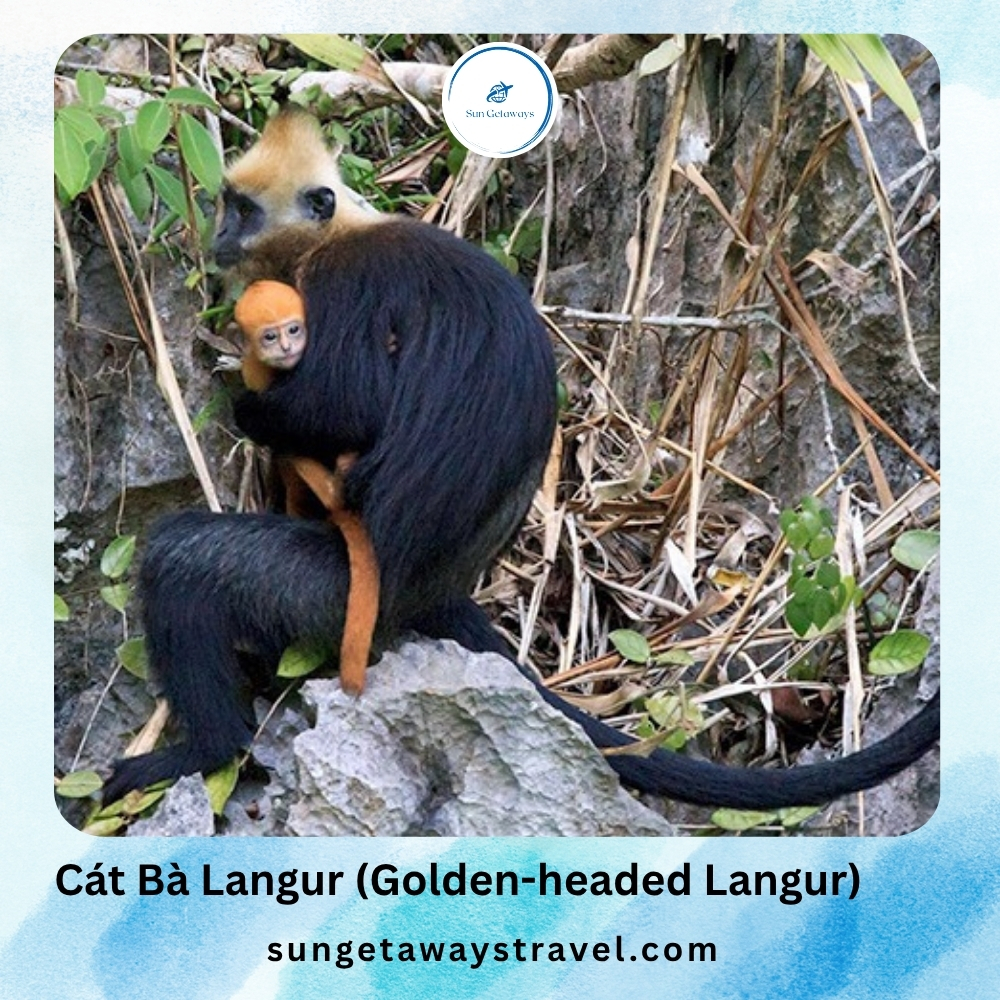
The park’s most famous resident is the Cát Bà Langur. This primate, with its distinctive golden-brown head, is one of the rarest in the world. The entire remaining population lives only on this archipelago.
Sightings are extremely rare as the langurs are very shy and live on remote, inaccessible cliffs. However, knowing they are out there is a powerful reminder of the park’s importance for conservation. Several organizations are working hard to protect this critically endangered species.
Other Notable Animals
While you may not spot a langur, you might see other interesting animals. The park is home to the Southern Serow, a reclusive goat-antelope that is perfectly adapted to the steep cliffs. High up in the forest canopy, you might also catch a glimpse of the Black Giant Squirrel, a large and striking tree-dweller.
Unique Plants
The park’s forests are just as special as its animals. They are home to the Kim Giao Tree, a precious and endemic conifer that grows in the limestone soil. Beyond that, the park is a natural pharmacy, containing over 160 plant species that have been used in traditional medicine for generations.
Conclusion
Cát Bà is a truly special Vietnam’s national park. It offers a perfect blend of spectacular natural beauty, interesting history, and genuine adventure. From hiking through ancient forests to kayaking in serene bays, there is something here for every kind of traveler.
Planning a trip can be a lot of work, and sometimes you want an itinerary that’s perfectly suited to you. If you’d like help creating your ideal Vietnamese adventure, you can Custom Your Trip with us.
FAQs for Cát Bà National Park
What is the entrance fee for Cát Bà National Park?
The entrance fee is typically around 80,000 VND per person. This fee allows you to access the main hiking trails, including the one to Ngu Lam Peak.
Can I visit Cát Bà National Park on a day trip from Hanoi?
While it is technically possible, it would be a very long and rushed day with 7-8 hours spent just on travel. I highly recommend staying at least one night on Cát Bà Island to fully experience the park and Lan Ha Bay.
What should I pack for hiking in Cát Bà National Park?
Some essentials include sturdy walking shoes, insect repellent, sunscreen, a hat, and plenty of water. A light rain jacket is also a good idea, as the weather in the mountains can change quickly.


Related Tour

10-Day Ha Giang Authentic Trekking


10 Reviews

16-Day Vietnam Adventure Experience trip
0 Reviews

Discover the Secrets of Cu Chi Tunnels on a Half-Day Tour
10 Reviews

18 Days Vietnam Family Holiday Tour
0 Reviews

Love’s Retreat: Honeymoon Adventure in Vietnam 14 days
20 Reviews

Ask a question
Leave a Comment (0)
No questions yet. Be the first to ask a question!
See related Posted
Luxury Golf Resorts in Vietnam – Elite Golf Travelers

Vietnam is increasingly recognized as a premier golf destination in Asia, therefore luxury golf…
Macrame in Vietnam: The Revival of Knot Art in Contemporary Craft Culture

Macrame in Vietnam reflects the country’s growing engagement with contemporary handmade culture, where global…
Vietnamese Musical Instrument Craft: Traditional Instrument Making in Vietnam

Vietnamese musical instrument craft reflects a long-standing relationship between sound, material, and cultural memory.…
Traditional Vietnamese Kite Art: History, Craftsmanship, and Cultural Meaning

Traditional Vietnamese kite art is a living expression of folk creativity, community values, and…
Vietnamese Folk Masks: Tradition, Symbolism & Cultural Meaning

Vietnamese folk masks are a distinctive form of traditional art that reflects the spiritual…
Vietnamese Embroidery Art: Traditional Craftsmanship & Cultural Meaning

Vietnamese embroidery art is a refined traditional craft that reflects patience, cultural memory, and…